Lumbar Disc Prosthesis: Long-Term Solution for Active Patients
October 25, 2025
Disc Prosthesis in Saguenay: Restore Mobility and Reduce Pain
October 25, 2025
In the evolving landscape of spinal care, motion surgery in Sherbrooke stands out as a pioneering approach designed to mitigate the challenges associated with traditional spinal fusion. By preserving the natural flexibility of the spine, this innovative technique aims to reduce the risk of adjacent segment wear—a common and often debilitating consequence of fusion procedures. Patients in Quebec who face long wait times or high costs for private surgical interventions increasingly seek alternatives that not only promise effective relief but also safeguard their long-term spinal health.
As the spine constitutes an intricate and dynamic structure, its treatment demands a profound understanding of biomechanics, pathology, and patient-centered care. With over 30 years of expertise in spinal assessment and patient accompaniment, Dr. Sylvain Desforges, B.Sc., D.O., N.D., brings a scientific and ethical rigor to osteopathic practice, fostering informed decision-making for those affected by spinal disorders. He also leads associations dedicated to advancing osteopathy and spinal medicine in Canada, emphasizing evidence-based methods and cutting-edge technologies such as neurovertebral decompression, laser therapies, and dynamic implants.
This article delves deep into motion surgery—a method that balances innovation with safety and effectiveness—and its specific benefits for patients seeking international, coordinated care pathways between Canada and France. We explore the biomechanical rationales underpinning motion preservation, the structured patient journey from evaluation to postoperative rehabilitation, and the pivotal role of advanced conservative treatments before surgery is contemplated. With a focus on transparent patient education and personalized care, the discussion highlights clinical insights that empower patients to navigate their options confidently and comprehensively.
Understanding Motion Surgery and Its Role in Limiting Adjacent Segment Wear
Motion surgery represents a paradigm shift in spine treatment, aiming to stabilize the affected vertebral segments while maintaining as much physiological motion as possible. Unlike traditional fusion surgery—which permanently immobilizes one or more vertebrae—motion techniques employ dynamic implants or artificial disc replacements to preserve segmental mobility.
The rationale behind this approach is grounded in spinal biomechanics. The human spine is designed for intricate, multidirectional movements: flexion, extension, rotation, and lateral bending. When fusion surgery locks a segment, these natural movements shift to adjacent levels, increasing mechanical stress and accelerating degenerative changes known collectively as Adjacent Segment Disease (ASD). ASD manifests as worsening degeneration of spinal discs and facet joints adjacent to the fused area, often leading to pain, nerve compression, and sometimes necessitating further surgical intervention.
Traditional spinal fusion surgeries use bone grafts and hardware such as screws and rods—products provided by leading manufacturers including Medtronic, Stryker, and Zimmer Biomet. While these solutions provide structural stability, their long-term effects include reduced flexibility and increased loading on neighboring segments. Biomechanical studies indicate that adjacent segments, especially those in mobile regions like L4/L5 or L5/S1 in the lumbar spine, bear significantly higher shear and compression forces post-fusion, precipitating ASD development.
Motion surgery methods employ devices like the Dynesys system or advanced disc prostheses such as the Prestige and Maverick, supplied by companies such as DePuy Synthes and NuVasive. These implants stabilize segments dynamically, allowing controlled motion and reducing abnormal load transfers. Importantly, this approach can significantly lower the risk of ASD, resulting in improved patient outcomes and reduced need for revision surgeries.
- Preserves spinal mobility: Maintains physiological range of motion.
- Reduces adjacent segment stress: Limits overload on neighboring vertebrae.
- Decreases long-term complications: Lowers incidence of adjacent segment degeneration.
- Features minimally invasive techniques: Often promotes faster recovery.
- Uses advanced implants: Manufactured by leaders like Medtronic and NuVasive.
| Technique | Implant Examples | Biomechanical Effect | Risk of ASD | Recovery Profile |
|---|---|---|---|---|
| Traditional Fusion | Screws & rods (Zimmer Biomet, Medtronic) | Restricts motion, increases adjacent load | High | Longer, more invasive |
| Motion Preservation | Dynesys, artificial discs (DePuy Synthes, NuVasive) | Allows controlled motion, reduces adjacent stress | Lower | Minimally invasive, faster recovery |
Such evidence and technology improvements form the foundation of the motion surgery programs offered in Sherbrooke, where multidisciplinary teams integrate rigorous scientific evaluation with patient-friendly protocols. For an in-depth understanding, patients and professionals may refer to resources such as Motion Surgery Maintaining the Natural Flexibility of the Back.

Disc Prosthesis in Lévis: Maintain Natural Mobility
In the evolving landscape of spinal health, the pursuit of innovative solutions for chronic back pain and degenerative disc conditions has never been more critical. Residents of Lévis and surrounding regions seeking pathways beyond the limitations of traditional spinal fusion…
Comparative Overview of Surgical Options Available in France and Their Relevance for Quebec Patients
France has developed a rich expertise in spinal surgeries, including both simple decompression and advanced motion surgery techniques. For many Quebec patients, access to these options via coordinated transatlantic care pathways offers timely and economically viable solutions.
The three primary categories of spine surgeries offered in France relevant to those suffering from spinal pathologies include:
- Simple Decompression: Techniques such as microdiscectomy or laminectomy remove pressure on nerves without fusing the spine, offering symptomatic relief for conditions like herniated discs.
- Spinal Fusion Surgery: Traditional fusion techniques “lock” vertebrae using hardware from companies such as Orthofix and Alphatec Spine. This method mitigates instability but introduces motion restrictions and increased adjacent segment stress.
- Motion Preservation Surgery: Advanced approaches using dynamic implants or disc arthroplasty preserve spinal movement and minimize adjacent segment degeneration, often supported by technologies from Centinel Spine and Aesculap.
Understanding these distinctions helps patients make informed choices tailored to their specific pathology, lifestyle demands, and long-term spinal health goals. French surgical centers specializing in motion surgery are equipped to offer:
- State-of-the-art dynamic implants and minimally invasive access.
- Multidisciplinary assessments coordinated by experts like Dr. Desforges.
- Integration with conservative treatment centers such as the Clinique TAGMED in Sherbrooke, ensuring a comprehensive care continuum.
Quebec patients engaging in this international care model benefit from shortened wait times and access to innovative technologies not yet widely available in Canada, increasing their chances of successful, complication-free outcomes.
| Surgical Option | Procedure Type | Main Goal | Motion Impact | Typical Use Case |
|---|---|---|---|---|
| Simple Decompression | Microdiscectomy, Laminectomy | Relieve nerve pressure | Preserves motion | Herniated discs, stenosis |
| Spinal Fusion | Posterolateral, interbody fusion | Stabilize segment | Eliminates motion at fused levels | Instability, fracture, severe degeneration |
| Motion Preservation | Dynamic stabilization, disc replacement | Maintain mobility, reduce ASD | Allows controlled motion | Early degeneration, select cases |
For a detailed surgical decision-making process and insights into how French motion surgery influences prognosis and outcomes, visit spine surgery in France and its influence on surgical decision-making.
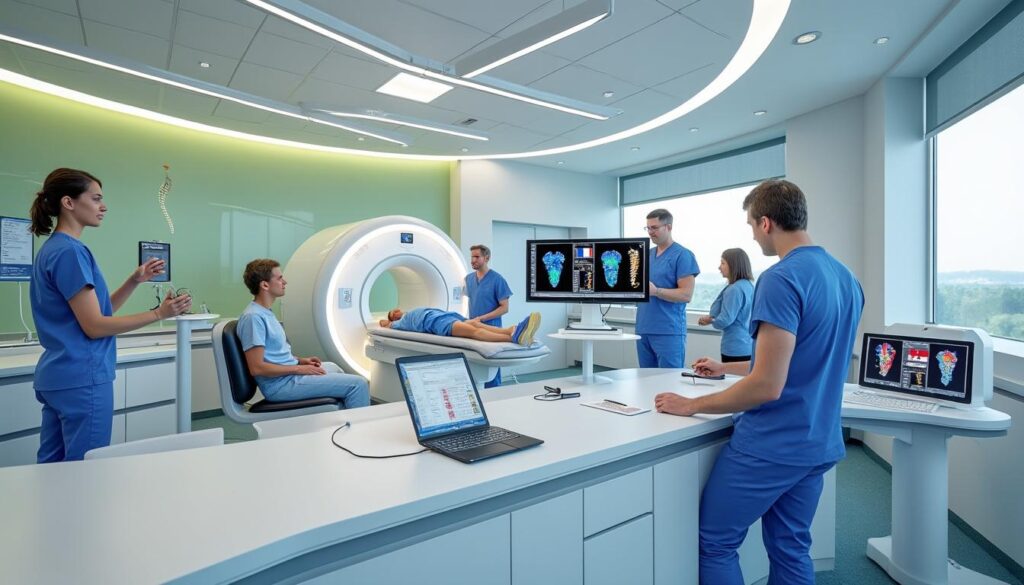
Motion Surgery in Terrebonne: Advanced Techniques Available in France
With over three decades of dedicated expertise in spine care, I have witnessed firsthand the evolution of surgical options aimed at improving quality of life for those living with spinal disorders. Among these advances, Motion Surgery stands out in Terrebonne…
Coordinating an International Healthcare Journey: The Transatlantic Patient Pathway
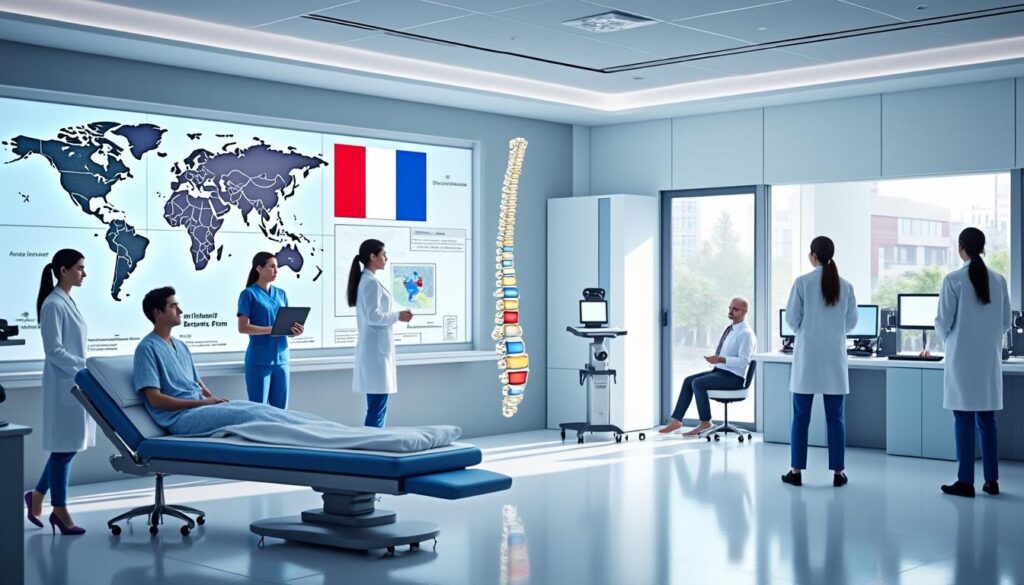
One of the unique and valuable facets of motion surgery in Sherbrooke is its integration into a transatlantic healthcare network. This cooperation facilitates tailored surgical care for Quebec patients in exceptional French centers, blending expertise, accessibility, and personalized support.
Dr. Sylvain Desforges serves as a key figure in patient evaluation and pathway coordination, leveraging his extensive qualifications and leadership roles to guarantee adherence to scientific rigor and safety standards consistent with Quebec and Canadian regulations, including those set by the Collège des médecins.
The typical stepwise journey includes:
- Initial Evaluation: Comprehensive clinical and imaging assessments conducted by Dr. Desforges in Quebec, incorporating advanced diagnostic tools and biomechanical analysis.
- Conservative Treatment Phase: A mandatory 3 to 6 month trial of evidence-based therapies including physiotherapy, pain management, and specialized methods such as neurovertebral decompression at Clinique TAGMED.
- International Consultation: Virtual or in-person multidisciplinary review meetings with French surgical experts, aligning patient preferences and clinical findings.
- Scheduling Surgery: Seamless booking and preoperative preparation in France with coordinated logistics for travel and accommodations.
- Postoperative Care: Integrated recovery plans managed collaboratively between French clinicians and Sherbrooke-based teams to ensure rehabilitation continuity.
- Return to Quebec: Transition of care for long-term follow-up, enhanced by ongoing support and patient education.
This structured approach optimizes surgical timing, enhances patient safety, and improves satisfaction. It also exemplifies how cross-border medical collaboration can overcome systemic limitations such as wait times or limited access to novel technologies.
| Step | Description | Location | Duration | Responsible Team |
|---|---|---|---|---|
| Initial Assessment | Comprehensive clinical and imaging evaluation | Sherbrooke, Quebec | 1-2 weeks | Dr. Desforges and clinical team |
| Conservative Care Trial | Advanced non-surgical therapies including neurovertebral decompression | Clinique TAGMED | 3-6 months | Specialist physiotherapists and osteopaths |
| International Consultation | Multidisciplinary surgical review and planning | France/Remote | 2-4 weeks | French surgeons and Dr. Desforges |
| Surgery | Motion preservation or other indicated procedure | France | Hospital stay ~3-5 days | Surgical team in France |
| Rehabilitation | Postoperative recovery and monitoring | France and Quebec | 2-3 months | Multidisciplinary teams in both countries |
| Long-term Follow-Up | Functional assessment and ongoing care | Quebec | 12 months+ | Dr. Desforges and local providers |
Patients considering this pathway are encouraged to engage in thorough discussions about expectations and to harness the broad educational resources provided by Dr. Desforges and collaborations like SOS Tourisme Médical.

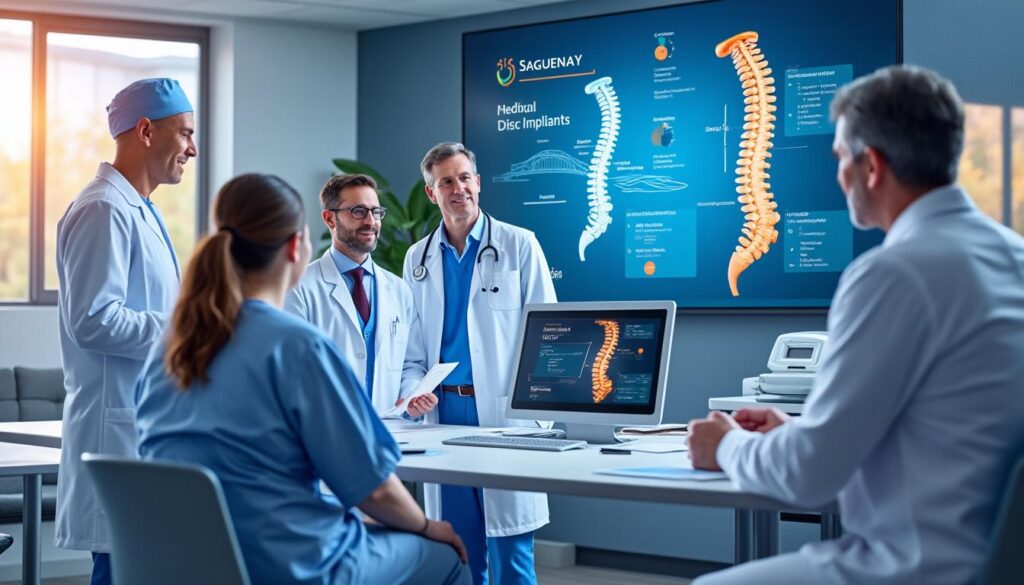
Lumbar Disc Prosthesis in Saguenay: Long-Lasting Relief After Surgery
Chronic back pain rooted in lumbar disc degeneration challenges many patients in Saguenay and beyond, urging exploration of innovative solutions to restore spine health and quality of life. Traditional spinal fusion surgeries, though effective for stabilizing painful segments, have notable…
Mandatory Conservative Treatment Phase: The Crucial Step Before Surgery
It’s essential to emphasize that surgery—whether motion-preserving or fusion—should only be considered after a full course of evidence-based conservative management. This typically involves a 3 to 6 month period of non-invasive therapies aimed at reducing symptoms and improving function without operative risks.
The conservative toolkit includes:
- Physical therapy: Tailored exercises to strengthen paraspinal muscles and improve spinal mechanics.
- Neurovertebral decompression therapy: A specialized, non-surgical method provided at facilities like Clinique TAGMED, using advanced technologies to relieve nerve pressure gently while promoting disc health.
- Medication management: Pain modulation with NSAIDs or analgesics under medical supervision.
- Osteopathic care: Mobilization techniques and manual therapy to optimize musculoskeletal balance and reduce strain.
- Patient education: Encouragement to maintain healthy posture and activity levels.
Failure to complete this phase with appropriate modalities, particularly neurovertebral decompression, calls for reevaluation before moving toward surgery. Incorporating these advanced conservative care options has been shown to decrease surgical necessity and improve post-surgical outcomes when surgery is needed.
| Treatment Modality | Purpose | Typical Duration | Expected Benefits |
|---|---|---|---|
| Physical Therapy | Strengthen muscles, restore function | 3-6 months | Reduced pain, improved mobility |
| Neurovertebral Decompression | Relieve nerve pressure, enhance disc health | Multiple sessions over weeks | Symptom relief, delay or avoid surgery |
| Medication | Manage pain and inflammation | As prescribed | Symptom control |
| Osteopathic Care | Improve joint function and balance | Weeks to months | Enhanced spinal mechanics |
For patients who have not yet undergone neurovertebral decompression at a specialized center, referral to the Clinique TAGMED is a crucial step endorsed by Dr. Desforges before any surgical discussions proceed.
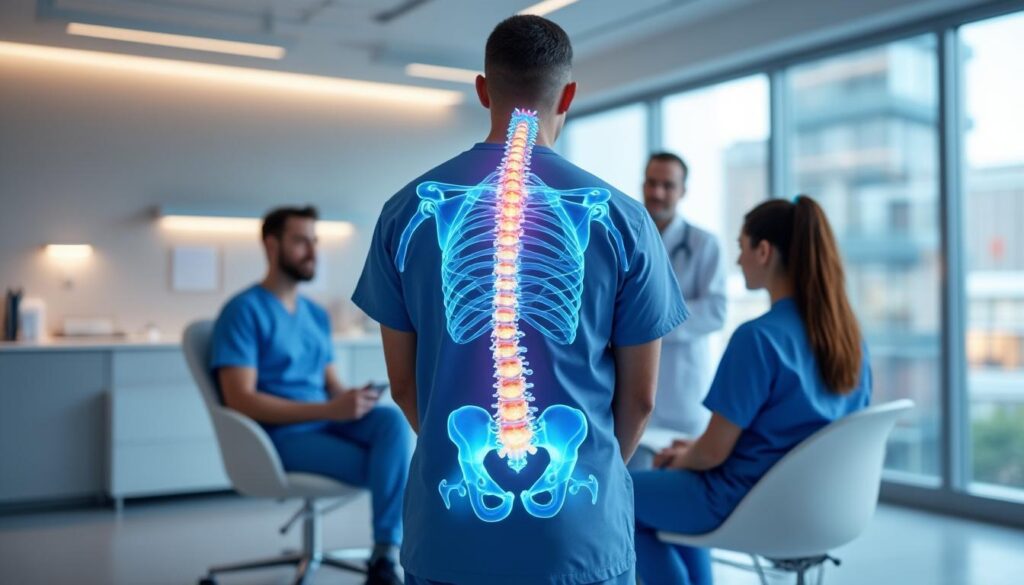
IntraSPINE® in Sherbrooke: Maintain Lumbar Function
In the modern management of lumbar spine conditions, patients in Sherbrooke and across Quebec are increasingly presented with innovative solutions that prioritize maintaining natural spinal function while alleviating debilitating pain. Among these advancements, the IntraSPINE device has emerged as a…
Biomechanical Insights into How Motion Surgery Protects Adjacent Spinal Segments
Scientific analyses demonstrate that spinal fusion, by permanently fixing vertebrae, alters the natural load distribution along the spine. This shift leads the segments adjacent to the fusion to bear abnormal stress, causing conditions such as bone spurs, spondylolisthesis, herniated discs, and facet joint arthritis. These degenerative changes collectively constitute Adjacent Segment Disease, contributing significantly to recurrent pain and disability.
Advanced biomechanical models, validated by in vivo studies, quantify these stress alterations. For example:
- Shear loads: Post-fusion segments can experience up to 115% increase in shear forces, especially at upper adjacent levels.
- Compression stresses: Adjacent discs are forced to absorb greater loads, predisposing them to accelerated degeneration.
- Altered segmental mobility: The loss of motion at fused levels necessitates compensatory hypermobility elsewhere.
Conversely, motion preservation surgery maintains segmental flexibility, facilitating a more physiological load distribution. This dynamic stability lessens adjacent segment overload, decreasing the incidence and severity of ASD in both short- and long-term follow-ups.
| Parameter | Post-Fusion Change | Effect on Adjacent Segments | Motion Preservation Result |
|---|---|---|---|
| Shear Load | Increase up to 115% | Accelerated disc degeneration and facet arthropathy | Minimal increase, maintains physiological shear |
| Compression Force | Elevated markedly | Disc wear and nerve compression | Balanced load sharing across segments |
| Segmental Motion | Eliminated at fusion level | Compensatory hypermobility elsewhere | Preserved controlled motion |
Studies curated by institutions such as the Bonati Spine Institute and documented on platforms like Premia Spine provide clinical validation of these biomechanical benefits. Additionally, motion-sparing devices from leaders like Arthroplasty and Dynamic Stabilization have shown superior outcomes compared to fusion regarding adjacent segment integrity.
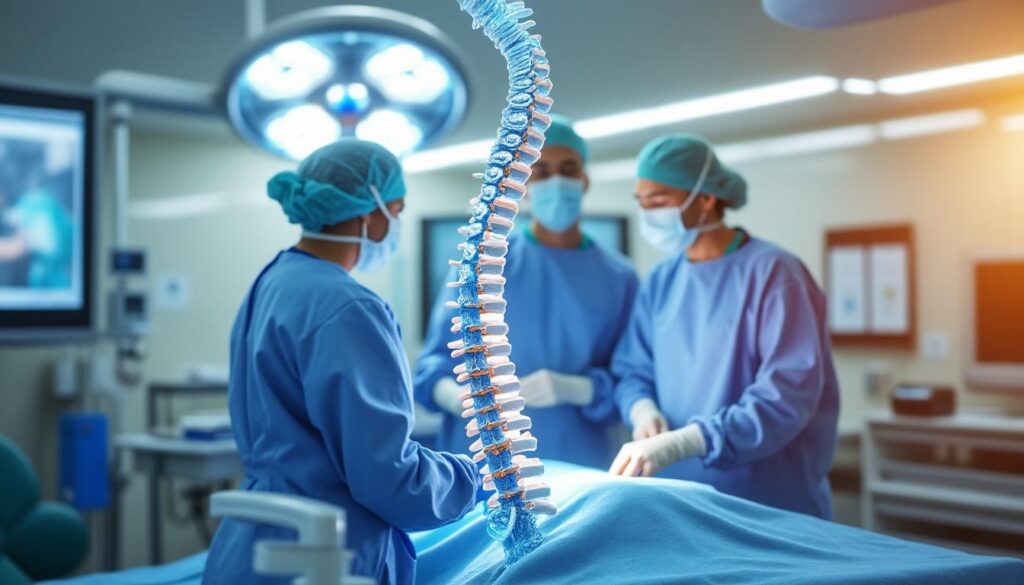
Minimally Invasive Surgery in Longueuil: Reduce Post-Surgery Pain
Minimally invasive surgery in Longueuil is transforming the patient experience by significantly reducing post-surgery pain and accelerating recovery times. With advances in surgical techniques such as laparoscopic and robotic-assisted procedures, patients can benefit from smaller incisions, less tissue damage, and…
Innovation and Technology Spotlight: Implants and Techniques Revolutionizing Motion Surgery
The technological landscape empowering motion surgery is rapidly advancing, combining precision engineering with biological compatibility and minimally invasive delivery methods. Key innovations include:
- Dynamic stabilization systems: Devices such as Dynesys use flexible materials and smart screw systems to support yet allow movement.
- Artificial intervertebral discs: Cutting-edge prostheses restore disc height and flexibility, mimicking native disc function.
- Laser-assisted decompression: Targeted laser techniques reduce nerve impingement while sparing surrounding tissues.
- Neurovertebral decompression devices: Mechanical and computerized systems precisely unload affected nerve roots to optimize healing.
World-class manufacturers underpin many of these advancements, including Globus Medical, Medtronic, and Aesculap, ensuring that implants meet rigorous safety and efficacy standards. The Sherbrooke clinical teams, under Dr. Desforges’ guidance, are adept at integrating these technologies within personalized treatment plans.
| Technology | Function | Benefits | Relevant Devices/Brands |
|---|---|---|---|
| Dynamic Stabilization | Supports motion while stabilizing | Reduced ASD risk, improved flexibility | Dynesys (DePuy Synthes), others |
| Artificial Disc Replacement | Restores disc function | Motion preservation, disc height maintenance | Prestige, Maverick (Cadence; Alphatec Spine) |
| Laser Decompression | Non-invasive nerve decompression | Minimizes tissue damage, faster recovery | Various specialized lasers |
| Neurovertebral Decompression | Mechanical nerve root unloading | Pain relief, improved neurological function | Custom equipment at Clinique TAGMED |
Engagement with these technological frontiers distinguishes the Sherbrooke motion surgery program, offering patients not only proven efficacy but also a pathway to next-generation spine health solutions unseen in many Canadian centers.

Neck Surgery in Montreal: Maintain Natural Cervical Flexibility
Neck surgery remains a crucial consideration for patients suffering from severe cervical spine disorders where conservative treatments have failed. In Montreal, access to specialized care offers patients the opportunity to explore advanced surgical solutions designed to maintain natural cervical flexibility—an…
Patient-Centered Education: What To Expect During the Motion Surgery Journey
Understanding what lies ahead significantly reduces patient anxiety and fosters better postoperative outcomes. Dr. Desforges’ approach underscores transparent, jargon-free communication enabling patients to grasp their therapeutic options and postoperative phases clearly.
Key educational points include:
- Preoperative preparation: Diagnostic exams and conservative treatment trials ensuring appropriate surgical candidacy.
- Surgical procedure: Typically minimally invasive, involving dynamic implants placed via small incisions.
- Hospital stay and recovery: Often shorter compared to fusion, with less pain and quicker mobilization.
- Postoperative rehabilitation: Customized regimens promoting safe return to activity.
- Long-term follow-up: Regular evaluations to monitor spinal function and detect potential complications early.
This comprehensive educational framework empowers patients to actively engage in their care, ask pertinent questions, and set realistic expectations. Resources from leading centers and patient testimonials further enrich this learning.
| Phase | Activities | Patient Role | Expected Outcome |
|---|---|---|---|
| Preoperative | Assessments, conservative therapy | Active participation, information sharing | Optimized surgical readiness |
| Surgery | Dynamic implant procedure | Compliance with pre-op instructions | Preserved segmental motion |
| Recovery | Early mobilization, pain management | Adherence to rehab protocols | Faster rehabilitation |
| Long-Term Follow-Up | Clinical and imaging reviews | Report symptoms, attend visits | Continued spinal health |
Patients interested in personalized guidance or seeking a detailed discussion about their case are invited to connect directly via SOS Tourisme Médical to access expert evaluation and tailored recommendations.
Disc Prosthesis in Lévis: Fast and Lasting Results
In the realm of spinal care, patients battling chronic back pain and degenerative disc diseases continuously seek solutions that offer not just symptom relief but also the restoration of natural spinal function. Disc prosthesis, or artificial spinal disc replacement, has…
Advantages of the Transatlantic Motion Surgery Approach Compared to Local Alternatives
Quebec patients considering spinal surgery benefit from evaluating the advantages offered by Sherbrooke’s international collaborations, especially when compared to local alternatives. These advantages encompass biomechanical, economic, and humanistic factors.
Biomechanically, motion-preserving techniques reduce the likelihood of ASD, a significant complication observed in up to 25% of fusion patients within 5 years, and even higher in multi-level fusions. The ability to maintain spinal motion supports better functional outcomes and quality of life.
Economically, participating in an integrated international pathway decreases wait times, possibly diminishing the costs associated with prolonged disability and secondary health issues. Additionally, the surgical expertise and access to advanced implants in France provide value unattainable in many Canadian settings.
Humanistically, patients experience comprehensive support across borders; from initial assessment by renowned experts like Dr. Desforges to postoperative follow-up, all framed by empathetic guidance and clear communication. This reduces uncertainty and enhances psychological well-being during recovery.
| Aspect | Transatlantic Motion Surgery | Local Fusion Surgery | Patient Impact |
|---|---|---|---|
| Biomechanics | Preserves segmental motion, reduces ASD risk | Eliminates segmental motion, higher ASD risk | Long-term spine health better supported |
| Access and Timing | Reduced wait times, coordinated scheduling | Longer waits, limited access to latest technologies | Earlier symptom relief and return to function |
| Economic | Potential cost savings via international program | Higher costs and indirect expenses | Greater affordability, less financial stress |
| Patient Support | Multidisciplinary, empathetic, clear communication | Varies; often limited coordination | Improved patient satisfaction and adherence |
These considerations highlight why many Quebec patients and their providers look toward international centers for motion surgery as a pragmatic and forward-thinking solution.
Motion Surgery in Terrebonne: Reduce Postoperative Complications
In the evolving landscape of spine care, Motion Surgery in Terrebonne represents a groundbreaking approach that offers patients a significant advantage in reducing postoperative complications while preserving spinal mobility. Traditional spinal surgeries have long been associated with challenges, including stiffness,…
Challenges and Considerations: When Motion Surgery May Not Be Suitable
While motion surgery presents compelling advantages, it is not universally indicated. Patient selection depends on multiple factors including severity of degeneration, anatomical considerations, and prior treatment history.
Situations warranting caution or alternative strategies include:
- Advanced spinal instability or deformity: Severe cases may require fusion for adequate stabilization.
- Extensive disc degeneration and loss of disc height: Limited candidates meet criteria for disc arthroplasty.
- Inadequate conservative treatment: Surgery before fully exhausting non-invasive options can lead to suboptimal outcomes.
- Patient comorbidities: Medical conditions contraindicating surgery or anesthesia.
- Previous fusion surgery: Motion surgery may be less feasible, though some techniques target ASD post-fusion.
Dr. Desforges’ evaluations meticulously consider these parameters, ensuring that surgery is proposed only when it aligns with best practices and personalized patient benefit.
| Factor | Implication | Possible Alternative |
|---|---|---|
| Severe instability | Risk of inadequate stabilization | Traditional fusion surgery |
| Severe degeneration | Reduced implant efficacy | Fusion or conservative focus |
| Incomplete conservative care | Higher surgical risk | Extended physiotherapy and decompression |
| Comorbidities | Increased perioperative risk | Medical optimization or non-surgical care |
| Prior fusion | Technical challenges for motion implants | Revision techniques targeting ASD |
Patients are encouraged to discuss thoroughly with Dr. Desforges to clarify candidacy and explore all available options. Educational resources such as common pitfalls to avoid in spinal surgeries can enhance understanding.
FAQs About Motion Surgery and Adjacent Segment Protection
What is Adjacent Segment Disease and why is it a concern?
Adjacent Segment Disease refers to degeneration occurring in spinal segments next to a fused vertebra. It results from increased mechanical stress because fused segments no longer move, causing nearby discs and joints to wear prematurely. This can cause pain and nerve issues, often requiring further treatment.
How does motion surgery reduce the risk of Adjacent Segment Disease?
Motion surgery preserves the physiological movement of the spine using dynamic implants. By maintaining mobility, it reduces abnormal stress on adjacent segments, slowing or preventing degeneration compared to fusion which immobilizes segments.
Is conservative therapy always required before surgery?
Yes. A complete conservative treatment phase over 3 to 6 months—including therapies like neurovertebral decompression—is crucial to try resolving symptoms non-surgically before considering any operative intervention.
What are the benefits of choosing an international surgery pathway?
International care pathways offer access to advanced technologies, reduced wait times, multidisciplinary expertise, and coordinated support pre- and post-surgery, which may not be as readily available locally.
Are all patients candidates for motion surgery?
No. Patient selection depends on the severity of spinal degeneration, instability, medical conditions, and prior surgeries. Careful evaluation ensures that motion surgery is offered only when most appropriate.