Advanced alternatives to spinal fusion: innovative techniques available in France
August 18, 2025
Exploring the impact of neurovertebral decompression: personal stories and insights
August 18, 2025
Spine surgery in France has emerged as a pivotal destination for patients worldwide, especially for those seeking advanced, personalized care for complex spinal conditions. The country’s rich landscape of surgical expertise, combined with innovation in minimally invasive and motion-preserving technologies, profoundly shapes the surgical decision-making process. Patients from Quebec, for instance, find in France an exemplary environment where cutting-edge techniques, diligent preoperative evaluations, and meticulous postoperative follow-ups coalesce for optimized outcomes. This transatlantic collaboration transcends borders, offering a refined approach that integrates evidence-based medicine with compassionate human care.
The variability in spine surgical practices in France provides a unique context for exploring how surgeons make critical decisions amid nuanced clinical scenarios. Evolving technologies such as robotic-assisted navigation systems by Brainlab and advanced imaging modalities like EOS Imaging contribute to more precise interventions. Moreover, dynamic stabilization implants from NuVasive or LDR Spine present alternatives to traditional fusion, unlocking new strategies that preserve spinal mobility. Understanding these multifaceted influences offers valuable insights into the decision-making paradigms that define French spine surgery today.
French spine surgery is marked not only by technical innovation but also by its structured, multidisciplinary patient pathways. From conservative management, including robotic neuro-decompression therapies at Montreal’s TAGMED, to the orchestration of surgical logistics by Franchir and rehabilitative care at Neurothérapie Montréal, this continuum exemplifies international collaborative care. Analyzing this intricate framework reveals how it steers surgeons’ choices and elevates patient outcomes. As the field advances, French practices continually integrate clinical judgment with high-quality evidence, underscoring the dynamic interplay between national expertise and global standards in spine care.
Advanced Spine Surgery Techniques in France Shaping Surgical Choices
France stands at the forefront of innovative spine surgery techniques, offering an array of approaches tailored to specific pathologies. These span from conventional fusion methods to motion-preserving implants and minimally invasive operations. Such breadth profoundly impacts surgeons’ decision-making, as selecting the optimal technique requires balancing biomechanical needs, patient-specific factors, and long-term functional outcomes.
One of the pillars of French spine surgery is vertebral fusion or arthrodesis. This technique remains essential for addressing conditions like spondylolisthesis, structural instability, and severe scoliosis. French surgeons often employ anterior, posterior, or lateral approaches depending on anatomical and pathological considerations. Implants from market leaders like Medtronic, DePuy Synthes, Stryker, and Zimmer Biomet provide lasting biomechanical stability. Their widespread use assures surgeons of implant reliability and facilitates precise surgical planning.
Motion preservation techniques have gained traction in France as alternatives to fusion. Cervical and lumbar disc prostheses, including implants such as TOPS and Intraspine, allow patients to retain spinal mobility, potentially reducing adjacent segment degeneration. These dynamic devices—endorsed by experienced surgeons such as Dr. Sylvain Desforges—require rigorous patient selection based on imaging and functional assessments, influencing surgical decisions towards less intrusive interventions. Further, companies like LDR Spine and NuVasive contribute innovative modular implants that provide nuanced biomechanical corrections while preserving motion.
The integration of minimally invasive and endoscopic spine surgery in France has also revolutionized treatment modalities. Procedures for herniated discs, nerve decompression, and vertebral fractures now regularly utilize percutaneous methods guided by advanced imaging systems such as EOS Imaging and navigation aids from Brainlab. This evolution minimizes tissue trauma, reduces recovery time, and mitigates postoperative complications—a crucial consideration in surgical planning. Globus Medical’s instrumentation supports these techniques by enhancing procedural accuracy and efficiency.
| Technique | Primary Indications | Key Advantages | Notable Implants/Technologies |
|---|---|---|---|
| Vertebral Fusion (Arthrodesis) | Spondylolisthesis, scoliosis, spinal instability | Restores stability, corrects deformities | Medtronic, DePuy Synthes, Stryker, Zimmer Biomet |
| Disc Arthroplasty / Motion Preservation | Degenerative disc disease without advanced arthrosis | Maintains mobility, reduces adjacent segment loss | TOPS, Intraspine, LDR Spine, NuVasive |
| Minimally Invasive / Endoscopic Surgery | Disc herniation, nerve decompression, vertebral fractures | Less trauma, rapid recovery, fewer infections | Globus Medical, Brainlab, EOS Imaging |
French surgeons’ access to diverse techniques, enriched by high-quality implants and cutting-edge technology, broadens the surgical arsenal. These factors compel surgeons to carefully weigh options, evaluating patient expectations, comorbidities, and anatomical subtleties. Recent studies emphasize the importance of tailored approaches in spine care source, highlighting France’s pivotal role in advancing personalized surgical decision-making.
Personalized surgical plans leveraging biomechanics and patient-centered care
In France, surgical planning involves integrating biomechanical insights with patient-specific clinical data. Surgeons analyze spinal alignment, segmental stability, and motion range to decide between fusion and dynamic implants. For example, in younger patients presenting with disc degeneration but preserved facet joints, prosthetic discs or dynamic stabilization often offer superior outcomes compared to fusion. Contrastingly, complex deformities usually warrant fusion for safety and durability.
Patient-centered discussions inform decision-making, incorporating functional goals and quality-of-life considerations. This collaborative approach aligns with evidence-based frameworks yet respects individual preferences. Understanding these nuances is essential for surgeon decision-making and reflects evolving standards as outlined in recent spine journals source00155-4/fulltext).
- Assessment of spinal biomechanics via imaging (EOS Imaging)
- Consideration of patient’s age, activity level, and symptoms
- Utilization of implants from providers offering biomechanical versatility
- Shared decision-making emphasizing functional preservation

Understanding Sciatic Pain: Key Symptoms and When to Seek Medical Advice
Sciatic pain is a prevalent condition impacting a wide demographic, manifesting primarily as intense pain radiating from the lower back down the leg. This pain stems from irritation or compression of the sciatic nerve, a major nerve extending through the…
Transatlantic Patient Pathways Influencing Surgical Decisions in French Spine Surgery
For patients from Quebec seeking spine surgery in France, the patient journey significantly influences surgical choice and outcome. This well-structured pathway blends clinical evaluation, conservative treatment modalities, surgical intervention, and rehabilitation in a seamless continuum that shapes the nature and timing of surgery itself.
The journey typically begins with a comprehensive evaluation led by experts such as Dr. Sylvain Desforges at TAGMED clinics in Montreal and Terrebonne. Here, advanced conservative therapies are emphasized, especially robotic neuro-decompression, serving as an effective alternative or adjunct prior to considering surgery. This step ensures that only patients truly refractory to nonsurgical care proceed to operative methods, reflecting a cautious and evidence-based philosophy prevalent in France-seeking patients.
Following thorough assessment and ongoing conservative management, Franchir coordinates the surgical logistics in France. This includes surgeon selection, hospital appointments, accommodation arrangements, and transport – all meticulously managed to reduce delays and patient stress. Such integration facilitates focused surgical decisions made within well-equipped centers of excellence, ensuring patients receive the most appropriate care based on refined multi-disciplinary review.
Postoperative care forms the final critical phase, where Neurothérapie Montréal provides tailored rehabilitation and support programs once the patient returns to Quebec. This continuous care structure enhances recovery trajectories and influences surgeons’ confidence in employing more advanced or novel surgical techniques given assured postoperative follow-up.
| Stage | Main Activities | Impact on Surgical Decision-Making |
|---|---|---|
| Initial Evaluation | Detailed diagnostics, conservative treatments including robotic neuro-decompression | Selection of surgical candidates only after failure of conservative care |
| Surgical Coordination | Clinic and surgeon choice, logistics, scheduling | Access to centers of excellence enhances surgical options and planning |
| Postoperative Rehabilitation | Neurotherapy programs, pain management, functional recovery | Supports advanced interventions with assured follow-up |
This transatlantic collaboration exemplifies a holistic model of care that not only enhances technical outcomes but values patient experience and safety. Understanding this pathway is imperative for surgeons to tailor surgical plans effectively, balancing intervention complexity with postoperative support.
Impact of transnational care coordination on decision-making
The interplay between the Quebec and French healthcare teams fosters robust dialogue about surgical indications and technique appropriateness. This shared care environment allows surgeons in France to consider detailed patient histories and conservative treatment responses, refining their surgical indications. Consequently, surgical decisions are more nuanced, personalized, and aligned with long-term functional goals. For instance, reluctance toward premature fusion is evident when dynamic stabilization could suffice, supported by careful rehabilitation plans.
- Enhanced preoperative patient profiling
- Real-time interdisciplinary consultations
- Adaptation of surgical approaches to individual treatment histories
- Confidence in advanced techniques due to assured postoperative rehabilitation

The Stepwise Role of Functional Recovery in Achieving Successful Outcomes
The journey to full recovery following spinal surgery is often complex and multifaceted, demanding a meticulously structured approach to ensure optimal functional outcomes. In recent years, the concept of functional recovery through a stepwise approach has garnered significant attention in…
The Role of Evidence-Based Medicine in French Spine Surgery Decision-Making
Evidence-based medicine (EBM) underpins surgical decisions in France, especially given the complexity of spinal pathologies and diversity of treatments. Although high-level randomized controlled trials remain limited for many spine procedures, French surgeons actively integrate best available evidence with clinical expertise and patient values.
This integration involves critical appraisal of published literature and incorporation of emerging data from international studies. Notably, techniques such as motion-preserving implants and robotics-assisted minimally invasive surgery have gained support from accumulating clinical outcomes research. Reference to systematic reviews and meta-analyses source ensures procedural choices minimize complications and maximize function.
The French surgical community also emphasizes training and education to enhance EBM adherence. Leading institutions collaborate on programs such as the Diplôme Inter-Universitaire de Chirurgie du Rachis (SFCR) and the Spinal Solution Course at Bordeaux’s Institut de la Colonne Vertébrale, which update surgeons on evidence and techniques regularly. These initiatives cultivate a culture of continuous learning, empowering surgeons to base decisions on the latest clinical data alongside patient-specific assessments.
Beyond technical considerations, EBM supports comprehensive risk-benefit analysis central to patient counseling and consent. Surgeons balance the efficacy of tools such as SpineGuard for pedicle screw placement with the inherent risks of surgery. Transparent discussion of evidence fosters trust and shared decision-making, key principles in French practice.
- Utilization of systematic reviews and clinical guidelines
- Integration of emerging technology with evidence validation
- Emphasis on surgeon education through certification programs
- Shared patient-surgeon decision-making grounded in data

Transatlantic Patient Journey: Insights into Indications, Benefits, and Challenges
The emergence of the Transatlantic Patient Journey as a strategic model within healthcare continues to capture attention for its innovative potential, especially in specialized fields such as spinal surgery. This cross-border care pathway integrates rigorous medical evaluation from Quebec with…
Biotechnological Advances and Their Influence on French Spine Surgery Decisions
France’s prominence in adopting biotechnological innovations plays a significant role in shaping surgical decision-making. Access to novel implants and intraoperative tools allows surgeons to refine techniques and improve patient outcomes, thereby influencing strategic choices in treatment algorithms.
Advanced implant materials and designs from companies like NuVasive, Medtronic, and Zimmer Biomet permit dynamic stabilization and personalized spinal reconstruction. For example, polymer-based cages and titanium alloys enable better osseointegration and load distribution, guiding surgeons towards implants that match patient-specific biomechanical needs. Devices such as the SpineGuard Safescrew technology introduce real-time feedback to minimize vertebral breaches, enhancing safety profiles.
Intraoperative imaging technologies, including low-radiation EOS Imaging, integrated with navigation in systems supplied by Brainlab, facilitate precise screw placement and deformity corrections. The availability of robotic assistance further refines these interventions by reducing human error and improving outcomes. These technologies collectively impact decision-making by expanding possibilities while reducing perioperative risks.
Surgeons in France also benefit from continuous post-market data and innovation dissemination, promoting the adoption of implants with superior long-term results. This ongoing evolution ensures surgical choices remain aligned with technological progress and patient safety standards.
| Technology | Benefits for Surgical Decision-Making | Examples of Providers |
|---|---|---|
| Dynamic Stabilization Implants | Preservation of spinal motion, reduced adjacent segment disease | NuVasive, LDR Spine, Intraspine |
| Navigation and Robotic Assistance | Enhanced accuracy, reduced surgical risk | Brainlab, Medtronic, eCential Robotics |
| Advanced Imaging (EOS Imaging) | Low-dose, 3D spinal assessment for precise planning | EOS Imaging |
Examples of biotechnological impacts on surgical decisions
Consider a patient with lumbar degenerative disc disease with borderline instability. The presence of dynamic implants from LDR Spine or NuVasive allows the surgeon to opt for motion preservation without compromising stability—a choice supported by intraoperative navigation with Brainlab systems. Similarly, the use of SpineGuard technology minimizes pedicle screw misplacement risk, influencing surgeons to proceed confidently with complex corrective surgeries.
These advances represent a shifting paradigm where technology not only supports but actively shapes clinical pathways and decision-making processes.
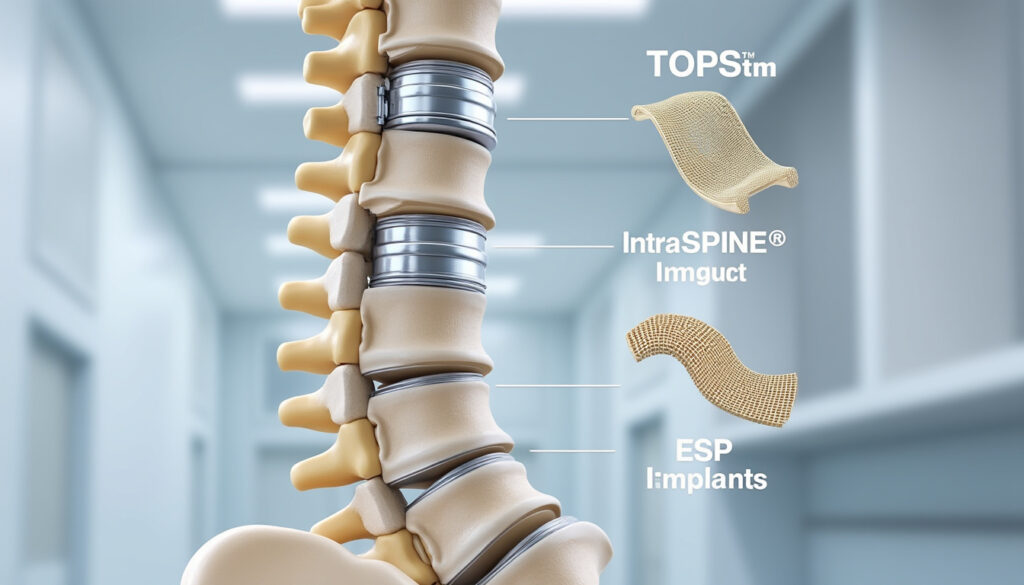
The evolving field of spinal surgery is witnessing a transformative shift, fueled by cutting-edge implant technologies such as TOPS, Intraspine, and ESP. These innovative implants redefine treatment possibilities by emphasizing preservation of natural spinal mechanics, while ensuring durable stabilization and…
The Influence of Second Opinions on French Spine Surgical Decisions
Second opinions hold complex significance in French spine surgery. They often arise when surgical decisions are uncertain or when patients seek confirmation regarding invasive procedures. Surgeons historically viewed second opinions with some apprehension, perceiving them as challenges to their expertise or disrupting trust. However, the landscape is shifting towards embracing second opinions as valuable tools in shared decision-making.
This paradigm shift encourages multidisciplinary case discussions and fosters transparency. Patients benefit from comprehensive evaluations that consider multiple viewpoints, potentially directing them towards less invasive options or alternative treatments. French surgeons increasingly recognize that second opinions enhance patient confidence and optimize surgical choice alignment with patient expectations and scientific evidence.
The availability of structured second opinion services, sometimes coordinated through entities like Franchir or SOS Tourisme Médical, further institutionalizes this practice. Incorporation of second opinions into the surgical pathway exemplifies the collaborative ethos that defines French spine surgery and promotes patient-centered care.
- Mitigation of decisional conflict by validating or refining surgical plans
- Promotion of multidisciplinary consensus for complex cases
- Augmentation of patient trust through transparency
- Reduce unnecessary surgeries by highlighting conservative options
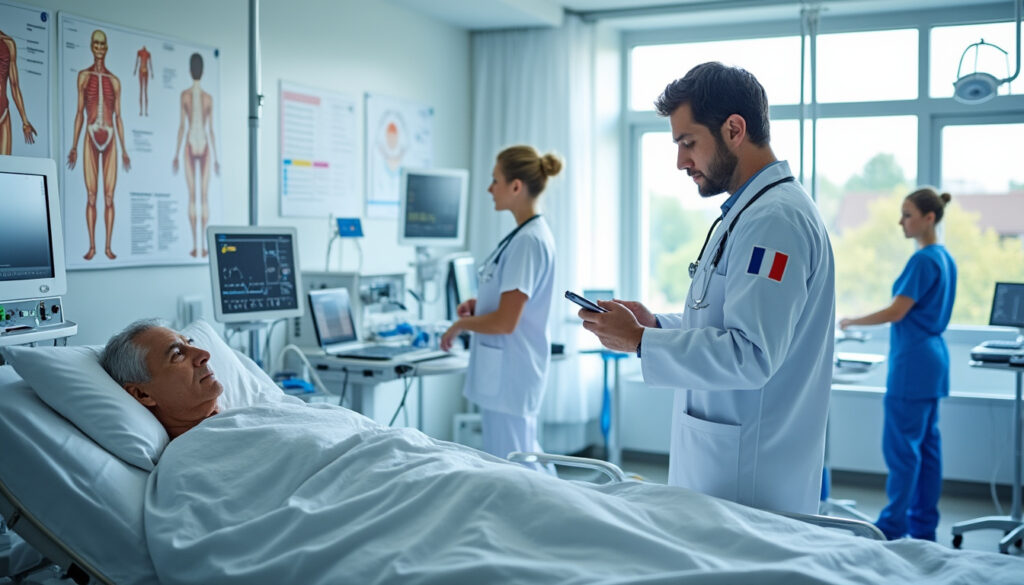
Preparing for Surgery in France: Key Indications, Benefits, and Limitations
In an evolving global healthcare landscape, France emerges as a beacon of advanced surgical expertise, particularly attracting international patients seeking expedited and innovative medical interventions. Patients from regions experiencing long wait times, such as Quebec, increasingly view France as an…
Patient Perspectives and Concerns Shaping Surgical Decision-Making in France
Patient factors are increasingly recognized as central to surgical decisions within French spine care. The potential risks of surgery, including neurological complications or altered mobility, often weigh heavily on patients’ minds. Studies reveal that fears about postoperative disability or slow recovery can hinder surgical acceptance, prompting surgeons to incorporate extensive counseling and shared decision-making processes.
French surgeons utilize tools such as patient-reported outcomes and quality-of-life assessments to better align interventions with patient priorities. In Quebec, centers like TAGMED emphasize conservative treatments first, only moving to surgery when disability or pain significantly impairs life quality. Complementing this, neurotherapy offers psychological and ergonomic support, enhancing patient confidence and mitigating anxiety.
This patient-centric model results in a more cautious surgical threshold and a strong emphasis on functional outcomes instead of solely structural correction. Such perspectives profoundly influence surgeons in choosing between aggressive surgical interventions and more conservative or motion-preserving approaches.
- Addressing fears related to surgical complications through education
- Emphasizing functional recovery and quality of life
- Utilization of patient-reported outcome measures for decision adjustment
- Integration of psychological support in recovery plans

Unveiling the Hidden Benefits of Quality and Certification in Devices
The landscape of device manufacturing and clinical application in 2026 has been fundamentally shaped by the rigorous interplay between quality management and certification processes. Within this complex framework, the hidden benefits of adhering to international standards and obtaining relevant certifications…
Training, Education, and Their Role in Standardizing Spine Surgery Decisions in France
Structured training programs and academic initiatives contribute significantly to harmonizing spine surgical decisions across France’s diverse clinical landscape. The coexistence of neurosurgeons and orthopedic spine surgeons necessitates standardized guidelines, which educational programs aim to develop and disseminate.
Organizations such as the Société Française de Chirurgie Rachidienne (SFCR) offer Diplôme Inter-Universitaire (DIU) certification focusing on evidence-based spine surgery. Similarly, the Institut de la Colonne Vertébrale in Bordeaux provides comprehensive Spinal Solution courses that cover both theoretical and practical aspects of cutting-edge techniques.
Such training ensures French spine surgeons remain updated on emerging evidence, technological innovations, and refined decision-making processes. This reduces heterogeneity in surgical choices and promotes patient safety.
- Participation in accredited spine surgery diplomas and certifications
- Continuous professional development integrating latest evidence
- Workshops on emerging technologies and minimally invasive techniques
- Collaborative forums to exchange multidisciplinary knowledge
Why Experts Advocate for Comprehensive Preoperative Evaluations
In the complex and demanding field of spinal surgery, the emphasis on comprehensive preoperative evaluations has become a fundamental pillar supporting successful surgical outcomes. These evaluations, far beyond mere routine checks, integrate detailed analyses of patient health, surgical risk assessments,…
Future Directions: Innovations and Ethical Considerations in Spine Surgery Decision-Making
Emerging trends in French spine surgery suggest a trajectory toward enhanced precision, less invasiveness, and increased preservation of patient autonomy. Technologies like 3D-printed vertebral implants and AI-assisted surgical navigation are on the horizon, promising to refine surgical choices further.
However, ethical considerations remain paramount. Balancing innovation with patient safety, ensuring equitable access to high-end surgical options, and safeguarding informed consent are ongoing challenges. France’s strong regulatory frameworks and emphasis on patient-centered care position it well to navigate these complexities.
Consequently, surgical decision-making will increasingly integrate multidisciplinary input, evidence synthesis, and biotechnological advances while upholding ethical imperatives. The collaborative model between French centers and external partners such as those in Quebec exemplifies this future-focused approach.
- Incorporation of AI and machine learning for surgical planning
- Expansion of minimally invasive and endoscopic procedures
- Emphasis on ethical patient engagement and consent
- Global collaboration to harmonize standards and share innovations
Comparison of Spine Surgery Techniques in France
Essential questions guiding candidates before French spine surgery
Patients considering spine surgery in France often have several critical concerns that influence the surgical decision-making process:
- Which surgical option best suits my specific condition? This depends on diagnostic imaging and prior treatments evaluated by multidisciplinary teams.
- What technological advantages do French implants provide? Innovations like SpineGuard and EOS Imaging facilitate safer and more precise surgery.
- How is my postoperative care managed? Coordinated follow-up in centers such as Neurothérapie Montréal ensures comprehensive rehabilitation.
- Can I access a second opinion to confirm my surgical plan? Yes, second opinions are encouraged and integrated into the French surgical pathway.
- What are the expected timelines and financial considerations? Streamlined coordination through Franchir minimizes waiting, with competitive cost structures compared to private care alternatives.
Frequently asked questions about Spine Surgery in France and Decision-Making
- What are the main types of spine surgeries available in France? Techniques include vertebral fusion, motion-preserving prostheses, and minimally invasive endoscopic surgery.
- How long does the treatment pathway take for Quebec patients? Typically several weeks to months including conservative treatment, evaluation, surgery, and postoperative rehabilitation.
- Which companies supply the spine implants in French surgery? Industry leaders such as Medtronic, DePuy Synthes, Stryker, Zimmer Biomet, NuVasive, and Globus Medical provide implants and instruments.
- What is the significance of second opinions? Second opinions help verify treatment plans, reduce unnecessary surgeries, and increase patient confidence.
- How can patients prepare for spine surgery in France? Preparation involves diagnostic assessments, engagement in conservative therapies like those at TAGMED, and understanding surgical steps thoroughly.
Additional reputable resources:
- Variability of Surgical Treatment Options
- Factors Affecting Surgical Decision-making
- French Spine Surgery Expertise for Quebec Patients
- Motion Surgery Preserving Spinal Flexibility
The Future of Surgery Lies in Stepwise Functional Recovery
The evolution of surgical care in 2026 reveals a compelling shift toward approaches that prioritize the holistic recovery of patients, moving beyond traditional metrics like length of hospital stay or mortality rates. This modern paradigm highlights the principle that the…