
Mascouche Lower Back Pain Solutions Using Decompression
May 15, 2026
Châteauguay Non-Surgical Treatment for Lumbar Disc Bulge
May 15, 2026
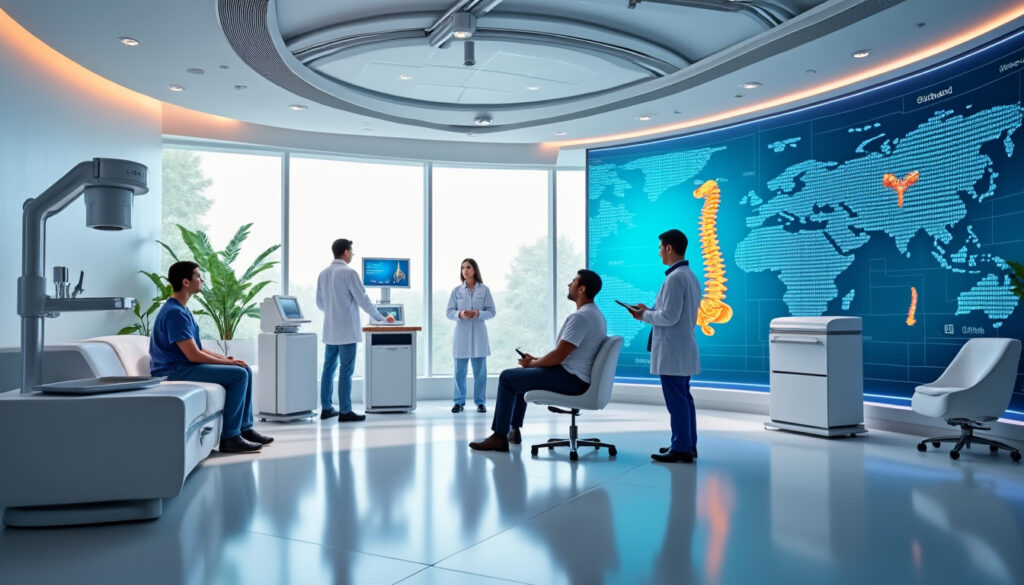
Spinal disorders profoundly affect the mobility and overall well-being of many Quebec residents, especially those facing chronic pain and functional limitations. In recent years, a significant evolution in spinal surgery has unfolded, offering innovative alternatives to traditional fusion techniques that often lead to long-lasting stiffness and complications. Among these new approaches, Motion Surgery in Terrebonne emerges as a groundbreaking option focused on preserving natural spinal motion, thereby enhancing long-term quality of life for patients. This article explores the modalities of motion-preserving surgeries available in Terrebonne and France, detailing the patient journey from thorough evaluation to postoperative rehabilitation, all within a coordinated transatlantic partnership designed to optimize outcomes and accessibility.
Advancements in technology have infused hope for individuals seeking durable pain relief without sacrificing spinal flexibility. This progress is spearheaded by experts like Dr. Sylvain Desforges, whose over 30 years of experience and scientific leadership in spine care ensure patients benefit from treatments rooted in ethics, scientific rigor, and innovation. The unique integration of dynamic implants, minimally invasive techniques, and personalized care pathways offers a transformative experience for those contemplating surgical intervention after exploring conservative options. Furthermore, the transatlantic cooperation between Quebec and France enables expedited access to cutting-edge surgical procedures and rehabilitation, presenting a harmonious blend of medical expertise and patient-centered support.
Understanding Motion Surgery: Types and Biomechanical Advantages in Terrebonne
Motion surgery represents a paradigm shift in orthopedic surgery by focusing on treatments that stabilize spinal segments while preserving their natural range of motion. Unlike traditional fusion methods, which immobilize vertebrae and often lead to adjacent segment stress and loss of mobility, motion-preserving surgeries maintain spinal flexibility. This preservation not only facilitates better biomechanics but also reduces the risk of long-term complications commonly associated with rigid fusion.
In Terrebonne and associated French surgical centers, three main types of motion surgery are offered:
- Simple Decompression Surgery: This minimally invasive procedure relieves pressure on nerves or the spinal cord without disturbing segmental movement, ideal for patients with herniated discs or spinal stenosis without instability.
- Fusion Surgery Using Dynamic Implants: Unlike classic rigid fusion, dynamic implants such as flexible rods or dynamic cages allow controlled mobility, lessening abnormal biomechanical stresses on adjacent vertebrae and preserving partial spinal motion.
- Artificial Disc Replacement (ADR): A cutting-edge technique replacing damaged discs with bioengineered prostheses, ADR fully restores segmental movement, closely mimicking natural intervertebral disc function in the lumbar or cervical spine.
The biomechanical benefits are substantial, including:
| Benefit | Description | Clinical Impact |
|---|---|---|
| Preserved Flexibility | Maintains motion of the affected spinal segments | Improved daily function, reduced stiffness and pain |
| Reduced Adjacent Segment Wear | Minimizes excess stress on vertebrae neighboring the surgical site | Delays secondary degeneration, lowers risk for future surgeries |
| Lower Postoperative Complications | Less invasive procedures and advanced implant technology | Faster recovery times, fewer infections, and implant failures |
| Enhanced Patient Satisfaction | Keeps lifestyle more intact by preserving mobility | Higher quality of life and autonomy post-surgery |
This sophisticated approach to motion surgery embodies the principles advocated by leading experts such as Dr. Desforges, blending rigorous scientific evaluation with innovative technologies to maximize patient outcomes. The advanced techniques available in France and Terrebonne exemplify this commitment.
TOPS™ in Gatineau: Quick Relief After Decompression
In the fast-evolving world of spine care, patients and practitioners alike search for innovative solutions that combine effectiveness, safety, and minimal invasiveness. Especially for those affected by lumbar spinal stenosis and degenerative spondylolisthesis, finding relief from debilitating back and leg…
Personalized Patient Pathway: Evaluation, Conservative Treatment, and Surgery
Embarking on a motion surgery journey requires a well-structured, multidisciplinary approach emphasizing thorough evaluation and patient-centered care. With over three decades of experience, Dr. Sylvain Desforges plays a crucial role in guiding patients through this comprehensive process, ensuring that surgical intervention is a carefully considered decision supported by rigorous scientific evidence.
Comprehensive Initial Evaluation
The process begins with an in-depth clinical assessment, incorporating a detailed medical history, physical and neurological examinations, and advanced imaging such as MRI or CT scans. This comprehensive evaluation is essential to identify specific spinal pathologies and determine the most suitable surgical or conservative approach tailored to each patient’s condition and lifestyle needs.
Commitment to Conservative Treatment Before Surgery
Dr. Desforges and his team emphasize the importance of completing a dedicated 3 to 6 months of conservative treatment before considering surgery. This aligns with the highest standards of ethical and scientific care, prioritizing non-invasive options that can reduce pain and improve function.
Among these conservative therapies, the neurovertebral decompression technique available at Clinique TAGMED stands out. Employing advanced computer-controlled robotic traction, this treatment alleviates nerve root pressure and inflammation, offering significant symptom relief. Its integration into a conservative management phase often obviates the need for surgery or at least optimizes surgical outcomes when intervention becomes necessary.
The conservative phase also typically includes:
- Physical Therapy: Customized exercises to strengthen spinal musculature and enhance flexibility, foundational for long-term support.
- Pain Management: Use of medications, nerve blocks, or modalities tailored to controlling symptoms and improving daily activity capabilities.
- Osteopathic Care: Addressing biomechanical tensions and restoring mobility to maximize the spine’s natural function prior to surgery.
Preoperative Planning and Transatlantic Coordination
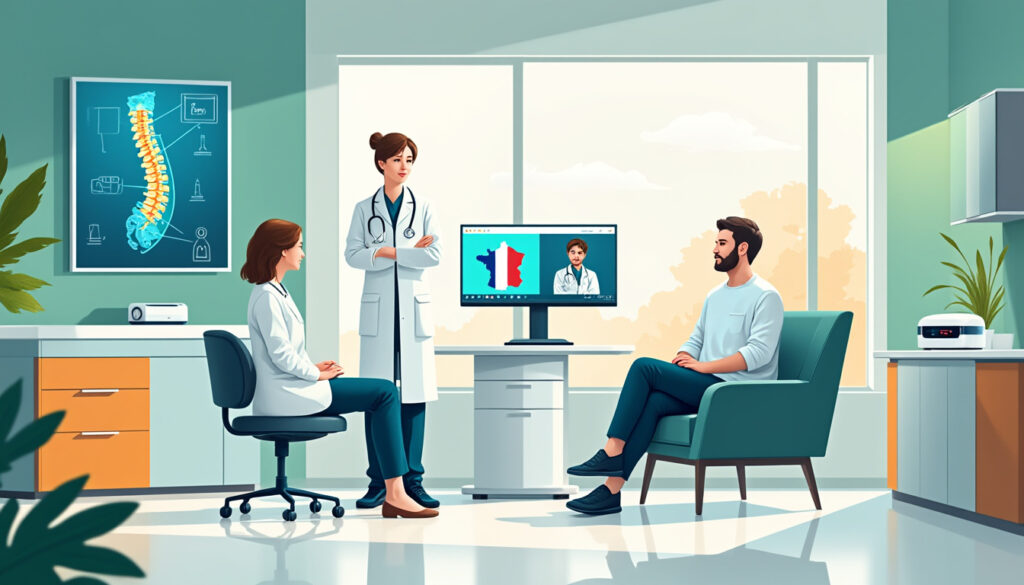
Once surgery is deemed appropriate, meticulous planning ensures that the patient’s expectations align with clinical goals. A close collaboration between Quebec and French teams facilitates seamless transfer of medical records and coordination of surgery scheduling, travel logistics, and postoperative care. This transatlantic partnership reduces delays and provides access to innovative motion-preserving technologies unavailable locally, positioning patients for the best possible outcomes in minimal time.
Stepwise Postoperative Rehabilitation
Motion surgery’s effectiveness relies heavily on structured rehabilitation supervised by specialized physiotherapists and kinesitherapists. Therapy begins with passive range-of-motion exercises to prevent stiffness and gradually progresses to active-assisted and active movements, rebuilding strength and flexibility while teaching patients proper posture and movement strategies for sustained benefit.
This tailored rehabilitation accelerates recovery, reduces pain, and restores functional autonomy, while the continuous follow-up managed in Quebec ensures sustained progress and addresses any emerging concerns early.

Cervical Disc Prosthesis in Quebec City: Approved and Durable Option
In Quebec City, advancements in spinal health have introduced the Cervical Disc Prosthesis as a transformative solution for those suffering from chronic neck pain and cervical spine pathologies. With approved medical devices now accessible, patients can benefit from procedures that…
Biomechanical and Economic Benefits of Transatlantic Motion Surgery
The collaboration between Quebec and France exemplifies a modern approach leveraging complementary expertise for enhanced surgical care. Beyond biomechanical advantages, the transatlantic pathway confers significant economic and human value for patients seeking effective spinal solutions without prolonged waits or prohibitive costs.
Biomechanical Preservation
Motion surgery emphasizes the preservation of intervertebral mobility, thus maintaining natural spinal kinematics and reducing the risk of adjacent segment degeneration – a frequent issue with rigid fusion. This focus benefits patients by sustaining lumbar flexibility and decreasing long-term discomfort, enabling return to active lifestyles.
Economic Efficiency
Patients often face steep surgical costs in Quebec’s private healthcare sector. The transatlantic route to France offers a more cost-effective alternative, where competitive implant pricing and hospital stays substantially reduce expenses. When factoring in orchestrated travel and accommodation logistics, patients often save significant sums compared to local private options.
Human-Centered Care and Reduced Delays
Structured coordination assures personalized attention from expert evaluators like Dr. Desforges, ensuring informed decisions and transparent communication. Crucially, bypassing Quebec’s long waitlists reduces treatment delays, which can improve prognosis and enhance patient satisfaction.
| Aspect | Benefit | Illustration |
|---|---|---|
| Cost | Lower overall expenses | Thousands saved on implants and hospital stays in France |
| Technology | Access to latest dynamic implants | Use of motion-preserving cages and prosthetic discs not yet widely available in Québec |
| Timeliness | Faster surgery scheduling | Surgery within weeks rather than months |
| Patient Experience | Personalized education and follow-up | High confidence and engagement throughout care journey |
These benefits, alongside the continuity of post-surgical support maintained by Quebec clinics, create a comprehensive, reassuring healthcare experience. This collaboration not only illuminates the path for spine patients but also exemplifies transdisciplinary innovation in orthopedic surgery and rehabilitation.
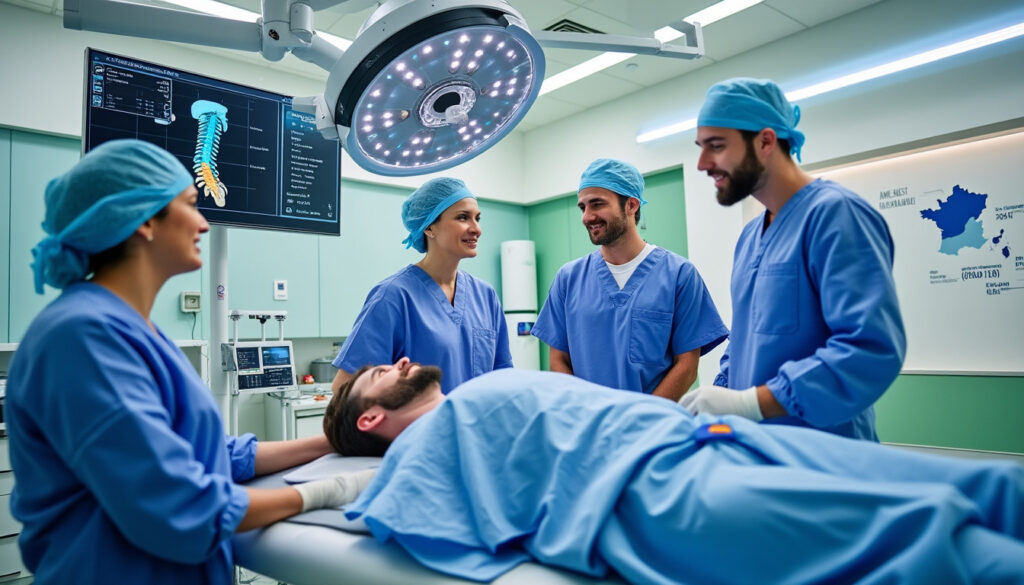
Minimally Invasive Surgery in Longueuil: Shorter Recovery and Maintained Mobility
In the evolving landscape of spinal care, patients across Quebec increasingly seek minimally invasive surgical solutions to overcome the challenges posed by chronic back and neck conditions. In Longueuil, a hub of innovative spine treatments, these advanced procedures are transforming…
Innovative Technologies in Motion Surgery at Terrebonne Clinics
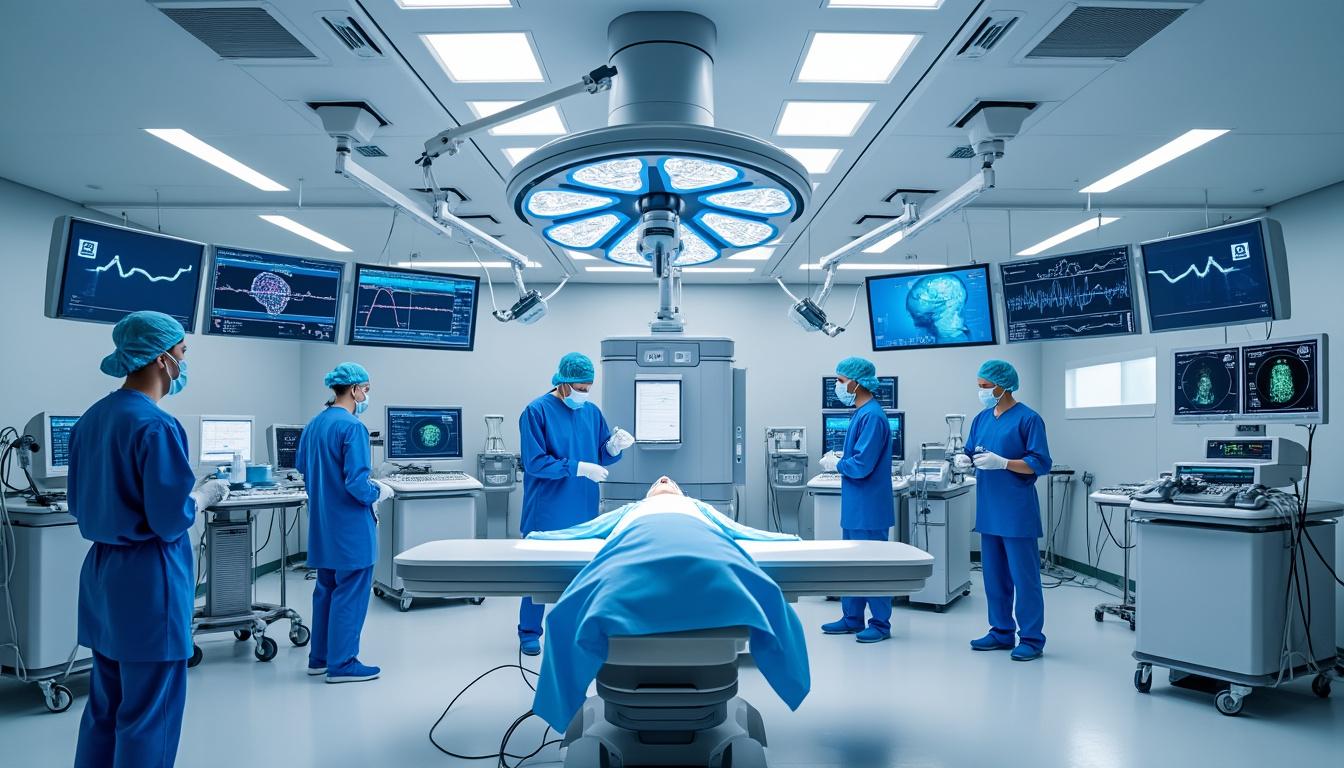
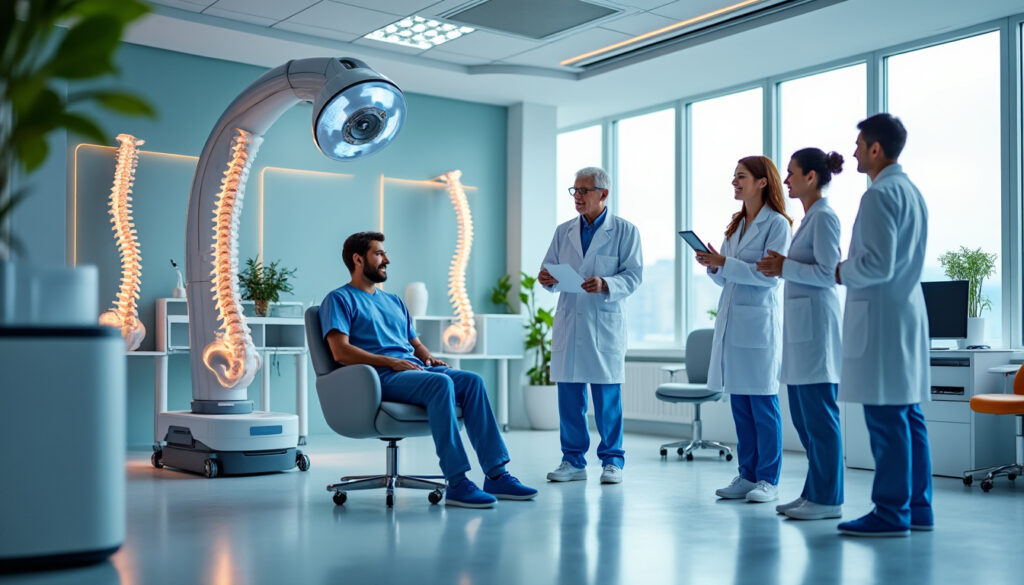
Leading spine centers in Terrebonne and neighboring regions are adopting state-of-the-art technologies that contribute to the success of motion-preserving surgeries. These innovations blend precision, safety, and minimally invasive approaches, ensuring optimal outcomes for patients with spinal disorders.
Among the forefront technologies:
- Dynamic Implants: Systems like TOPS and IntraSPINE represent breakthroughs in replicating natural spinal biomechanics. These implants provide adaptive articulation that reduces mechanical stress on adjacent vertebrae and maintains segmental motion.
- Neurovertebral Decompression: Utilization of computer-assisted, robotic traction systems at centers like Clinique TAGMED relieves nerve pressure without invasive surgery, forming an integral part of conservative management.
- Laser-Assisted Surgery: This minimally invasive technique improves precision and reduces tissue damage, speeding healing times.
- Intraoperative Neurophysiological Monitoring: Real-time assessment during surgery enhances safety by identifying and protecting neural structures.
These technologies are supervised by interdisciplinary teams led by experts like Dr. Desforges, ensuring treatments adhere to the highest scientific and ethical standards. Such progressive care underscores the commitment to providing patients with solutions that emphasize mobility improvement and reduced surgical impact.
IntraSPINE® in Laval: Fast Recovery After Lumbar Intervention
The quest for effective solutions to chronic lumbar back pain continues to inspire innovative approaches in spine care. With over three decades of expertise, Dr. Sylvain Desforges stands at the forefront of this transformation, weaving scientific rigor, cutting-edge technology, and…
Rehabilitation and Kinesitherapy: Cornerstones of Functional Recovery After Motion Surgery
The journey towards restored spinal function does not end with surgery; dedicated rehabilitation is essential to consolidate gains achieved and prevent complications. Kinesitherapy plays a pivotal role in this phase, employing progressive exercises tailored to each stage of recovery.
The rehabilitation framework includes:
- Passive Range of Motion (PROM): Early phase exercises where therapists move joints gently to avoid stiffness and maintain circulation.
- Active Assisted Range of Motion (AAROM): Patients begin to engage muscles with support, gradually building strength.
- Active Range of Motion (AROM): Full independent movement exercises focusing on coordination and muscle conditioning.
- Static and Dynamic Stretching: Techniques enhancing flexibility and preparing the spine for daily functional demands.
Complementary modalities such as manual therapy and electrotherapy further mitigate pain and expedite healing. Patient education on posture and ergonomic practices reinforces long-term spinal health.
Facilities specializing in postoperative care, such as Neurothérapie Montréal, collaborate closely with patients to personalize rehabilitation protocols, optimizing surgical outcomes and enhancing quality of life sustainably.
Neck Surgery in Montreal: Maintain Cervical Flexibility
Neck surgery stands at a crossroads of medical innovation and patient-centered care in Montreal, evolving significantly to address the complexities of cervical spine conditions. For those enduring persistent neck pain and debilitating spinal disorders, surgery often serves as a critical…
The Importance of Conservative Management Before Considering Motion Surgery
Surgery, even with advanced motion-preserving techniques, is not a first-line treatment. It is crucial to undertake a conservative treatment phase lasting at least 3 to 6 months to manage symptoms effectively and avoid unnecessary interventions.
Key elements of conservative care include:
- Physical Therapy: Targeted strengthening and flexibility exercises aiming to restore spinal support and reduce pain intensity.
- Pain Management: Pharmacologic and procedural approaches to minimize discomfort and improve patient function.
- Neurovertebral Decompression: Exclusive to Clinique TAGMED, this innovative robotic-assisted therapy alleviates nerve compression and inflammation non-invasively.
Patients who have not undergone such treatments are advised to consider this before surgery. This process not only abides by ethical standards but also enhances the likelihood of successful surgical outcomes when necessary.
Dr. Desforges emphasizes this approach, fostering an environment where patient empowerment and informed decision-making are paramount. Knowledgeable patients tend to experience better engagement, reduced anxiety, and greater satisfaction throughout their care.
Disc Prosthesis in Lévis: Approved and Effective Solution
Back pain is a pervasive health issue affecting millions of people worldwide, often resulting from degenerative conditions of the spinal discs. As medical science advances, innovative solutions emerge offering hope and relief beyond traditional therapies. Among these, disc prosthesis stands…
Transatlantic Coordination for Seamless and Personalized Patient Care
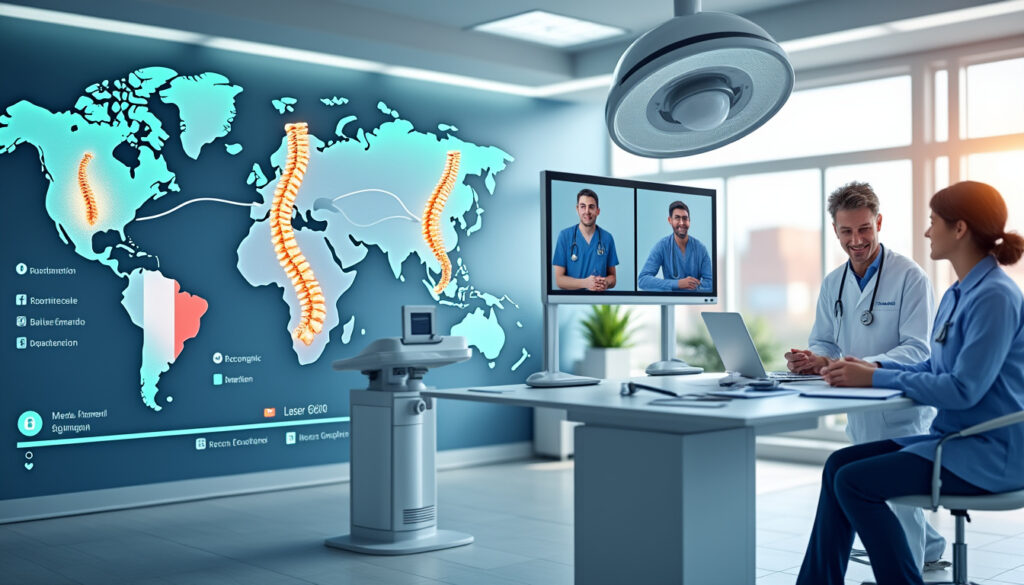
One of the defining features of motion surgery access for Quebec residents is the well-orchestrated transatlantic partnership with French surgical centers. This integration guarantees a continuum of care blending evaluation, surgery, and rehabilitation across continents with meticulous communication and logistical support.
Key facets of this collaboration include:
- Efficient Medical Data Exchange: Secure and rapid transfer of imaging, clinical assessments, and treatment plans ensures expert input from both Quebec and France.
- Tailored Surgical Planning: Specialized teams jointly formulate procedures customized to patient anatomy and lifestyle, maximizing success rates.
- Comprehensive Pre- and Postoperative Support: Coordinated rehabilitation programs on both sides of the Atlantic encourage steady recovery and functional restoration.
- Organized Travel and Accommodation: Through partner organizations like Franchir and SOS Tourisme Médical, patients receive help navigating complex logistics, reducing stress and enabling focus on healing.
The high level of care continuity enabled by this approach distinguishes the motion surgery pathway and reflects the dedication of professionals such as Dr. Desforges, who ensures a patient-centered experience melding innovation with empathy.
Motion Surgery in Terrebonne: Innovative and Proven Results
Spinal disorders remain a leading cause of discomfort and disability worldwide, with Quebec seeing a steady increase in consultations for chronic back pain. At the intersection of medical innovation and patient-centered care, motion surgery in Terrebonne offers a revolutionary approach…
Examples of Surgical Innovations: TOPS and Disc Prostheses Enhancing Motion Surgery Outcomes
Among the pioneering technologies featured in the transatlantic motion surgery repertoire are the TOPS system and disc prostheses, both offering remarkable biomechanical advantages.
TOPS System: This dynamic implant provides an adaptive posterior spinal stabilization, allowing natural movement in multiple planes while protecting adjacent segments from excessive load. Available in centers like Gatineau, TOPS serves as an alternative to traditional lumbar fusion.
Disc Prostheses: Demonstrated to restore intervertebral disc function reliably, prostheses available in Lévis and other locations accelerate recovery and reduce the risks of fusion-related complications. These devices facilitate lumbar and cervical spine mobility, supporting daily activities and minimizing discomfort.
The availability of these progressive implants through the transatlantic pathway enriches surgical options for patients and complements conservative treatments coordinated by experienced teams.
For those interested in learning about innovative alternatives to fusion such as disc prostheses in Lévis, expert consultation is advised to determine suitability and expected outcomes.
Lumbar Disc Prosthesis in Saguenay: Maintain Spinal Biomechanics
The rising prevalence of chronic back pain and lumbar spine conditions in Saguenay has prompted an increase in advanced orthopedic solutions designed to alleviate discomfort while maintaining optimal spinal functionality. Among these innovations, lumbar disc prosthesis stands out as a…
Educational Empowerment: Simplifying Complex Surgical Concepts for Patients
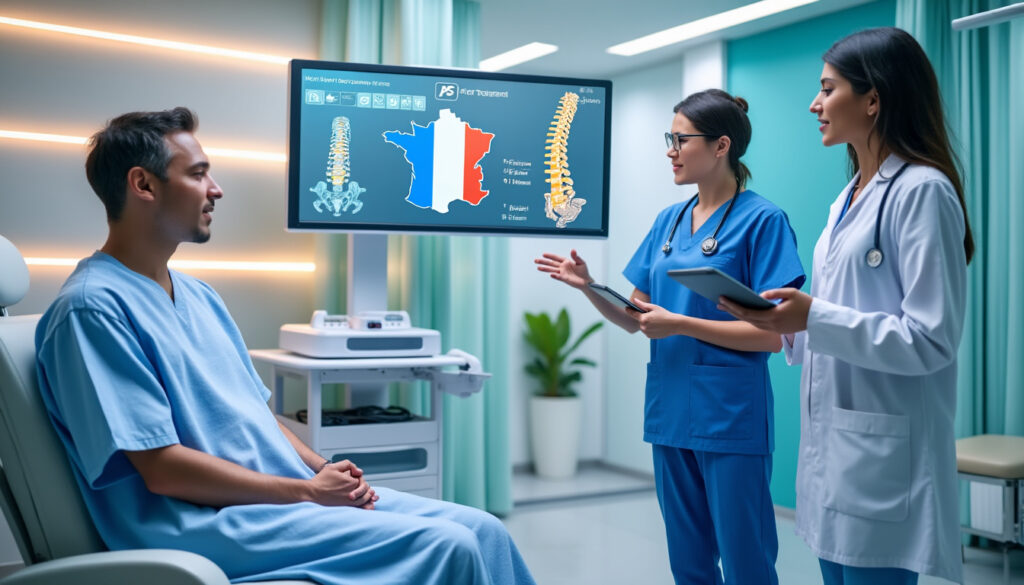
Understanding spinal surgery can be daunting. Dr. Sylvain Desforges prioritizes clear and accessible explanations that demystify complex anatomical and procedural information for patients and their families. This educational approach ensures greater patient engagement and confidence.
Critical educational elements include:
- Explaining Surgical Types: Differentiating simple decompression, fusion, and motion-preserving options to help patients grasp possibilities.
- Clarifying Expected Results and Limitations: Providing realistic outlooks on pain relief, mobility preservation, and recovery times.
- Detailed Risk-Benefit Analysis: Addressing potential complications to support informed consent.
- Highlighting Rehabilitation Importance: Emphasizing kinesitherapy’s role in functional recovery and long-term success.
Supplemented by visual aids, videos, and personalized discussions, this focus on pedagogy exemplifies the holistic care philosophy intrinsic to the motion surgery programs coordinated through Quebec and France.
What distinguishes motion-preserving spinal surgery from traditional fusion?
Motion-preserving surgery maintains natural spinal movement through dynamic implants or artificial disc replacement, whereas fusion immobilizes vertebral segments, potentially causing adjacent segment stress.
Why must conservative treatment be completed before considering surgery?
Conservative therapies, including neurovertebral decompression, often relieve symptoms without surgery. Completing 3 to 6 months ensures surgery is only pursued when necessary, aligning with ethical care standards.
What benefits does the transatlantic motion surgery pathway offer patients in Quebec?
It provides reduced waiting times, access to advanced implants and surgical techniques in France, cost savings, and coordinated pre- and post-surgical care for better surgical outcomes.
How does kinesitherapy contribute to recovery after motion surgery?
Kinesitherapy supports progressive restoration of joint mobility and muscle strength using passive, active-assisted, and active exercises, enhancing rehabilitation outcomes.
What advanced technologies are integrated into motion surgery programs in Terrebonne?
Clinics use dynamic implants like TOPS and IntraSPINE, laser-assisted surgery, neurovertebral decompression, and intraoperative neurophysiological monitoring to deliver precision and safety.