Can Medical Logistics and Accommodation Help Avoid Surgery?
May 27, 2026
Mirabel Sciatica Relief for Chronic Disc Conditions
June 4, 2026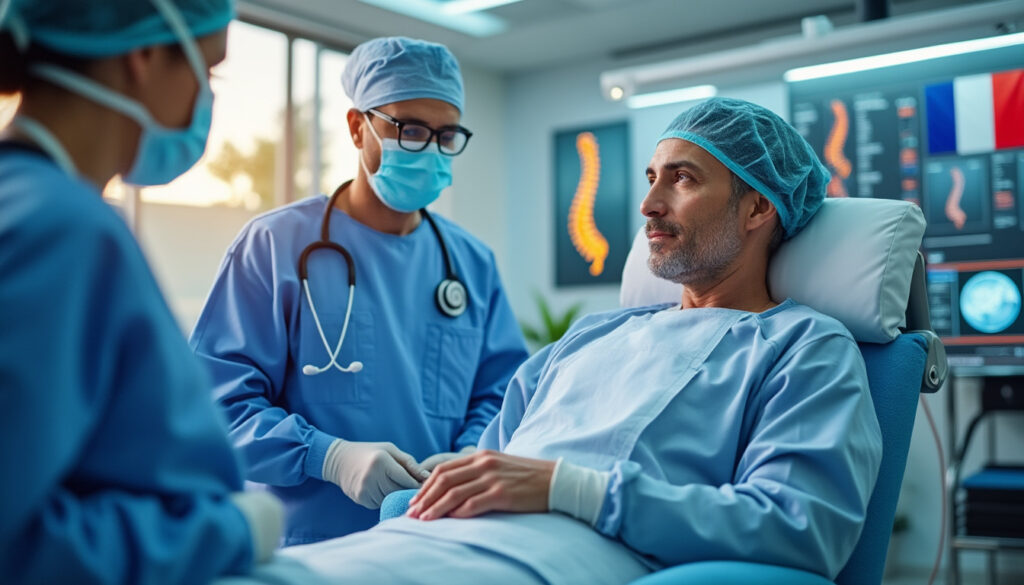
In the evolving landscape of spinal care, motion surgery in Terrebonne is gaining significant attention as a progressive alternative to traditional spinal surgeries. Patients struggling with chronic back issues often face frustration due to long wait times and costly private healthcare options, especially in Quebec. Against this backdrop, motion surgery represents a beacon of innovative hope. This technique leverages advanced dynamic implants designed to maintain natural spinal mobility, substantially reducing the risk of postoperative arthritis—a common complication after conventional fusion surgeries. Led by Dr. Sylvain Desforges, a highly regarded expert with over 30 years of experience, the approach promises to optimize recovery while preserving function and quality of life.
Québecois patients benefit from a comprehensive transatlantic healthcare pathway that merges French surgical expertise with Canadian postoperative care. This integrated model not only accelerates access to leading-edge treatments but also ensures personalized follow-up, addressing pain management, joint mobility, and inflammation control effectively. Anchoring this continuum of care is the Clinique TAGMED in Terrebonne, a center renowned for its advanced conservative therapies like neurovertebral decompression, ensuring that surgery is only considered once all non-invasive interventions have been thoroughly explored. Through a patient-centric approach, motion surgery in Terrebonne emerges as a scientifically sound and ethically responsible option, fostering hope for those seeking relief from debilitating spinal conditions.
Understanding the Types of Spine Surgery Available in France: Simple, Fusion, and Motion Surgery
France offers a variety of surgical techniques tailored to address diverse spinal pathologies, each with specific indications, benefits, and limitations. The three principal categories are simple decompression surgery, fusion surgery, and the increasingly popular motion surgery. For patients referred from Quebec, uncovering the differences between these methods is essential for making informed decisions during the preoperative evaluation.
Simple Surgery (Decompression) primarily targets nerve impingements caused by herniated discs or spinal canal stenosis. This minimally invasive approach relieves pressure on nerve roots, leading to rapid recovery and minimized postoperative pain. However, it is best suited for patients whose spinal stability remains uncompromised since it does not address segmental instability, a frequent contributor to chronic pain.
Fusion Surgery is typically reserved for cases where instability is present, such as significant scoliosis, spondylolisthesis, or advanced degenerative disc disease. This technique fuses two or more vertebrae, eliminating motion in the affected segments to achieve maximum stability. While fusion effectively corrects deformities and reduces pain, its major drawback is the permanent loss of mobility in the fused segments. Additionally, by altering spinal biomechanics, fusion may accelerate degenerative changes in adjacent vertebrae, sometimes resulting in progressive arthritis.
Motion Surgery, alternatively known as non-fusion or dynamic stabilization surgery, utilizes innovative implants that stabilize the spine while preserving physiologic movement. Devices like the TOPS system or Intraspine implants are engineered to maintain controlled motion, significantly reducing mechanical stress on adjacent spinal segments. Beneficial in cases of moderate spondylolisthesis or lumbar stenosis with some preserved mobility, motion surgery combines correction with functionality, helping patients avoid the stiffness and secondary arthritis frequently associated with fusion.
| Type of Surgery | Indications | Advantages | Limitations |
|---|---|---|---|
| Simple Surgery (Decompression) | Nerve compression without instability | Rapid recovery, minimal pain | Not suitable for unstable segments |
| Fusion Surgery | Severe instability, scoliosis, degeneration | Effective stabilization, deformity correction | Loss of mobility, arthritic progression adjacent segments |
| Motion Surgery (Dynamic Stabilization) | Moderate instability, lumbar stenosis with mobility | Preserves motion, reduces mechanical stress | Requires rigorous patient selection |
Choosing between these options requires a detailed assessment by experts such as Dr. Desforges. His unique expertise in evaluating spinal pathologies ensures a precise match between the surgical technique and patient-specific needs. For further insights into these surgical methods and patient suitability, you can explore more at a resource dedicated to motion surgery in Terrebonne.

IntraSPINE® in Sherbrooke: Durable Solution for Chronic Low Back Pain
The management of chronic low back pain, a widespread condition affecting millions across Quebec and beyond, has reached a pivotal moment thanks to innovative medical technologies and coordinated care pathways. At the heart of this evolution lies the IntraSPINE implant,…
Step-by-Step Patient Journey for Motion Surgery from Québec to France
Embarking on a motion surgery journey involves several carefully coordinated steps designed to optimize outcomes while minimizing stress and uncertainty. Under the expert guidance of Dr. Sylvain Desforges, patients follow a structured, personalized pathway from initial evaluation in Québec to surgery in France, and then rehabilitation back home.
Step 1: Comprehensive Evaluation — Patients first undergo a thorough clinical evaluation including detailed history taking and advanced imaging review. Dr. Desforges’ extensive experience allows for a nuanced understanding of spinal biomechanics and pathology, ensuring that motion surgery is the most appropriate option.
Step 2: Conservative Treatment Phase — International guidelines and ethical standards emphasize a minimum of 3 to 6 months of conservative care before surgery is contemplated. This may include physiotherapy, medication, and notably neurovertebral decompression therapy offered at the Clinique TAGMED in Terrebonne. This state-of-the-art, computer-assisted spinal decompression targets disc pressure non-invasively to reduce pain and inflammation, often delaying or obviating the need for surgery.
Step 3: Surgical Preparation and Planning — Once surgery is deemed necessary, logistical coordination through the partner company Franchir smooths the patient’s transition to a French surgical center. This includes administrative assistance, travel planning, and scheduling.
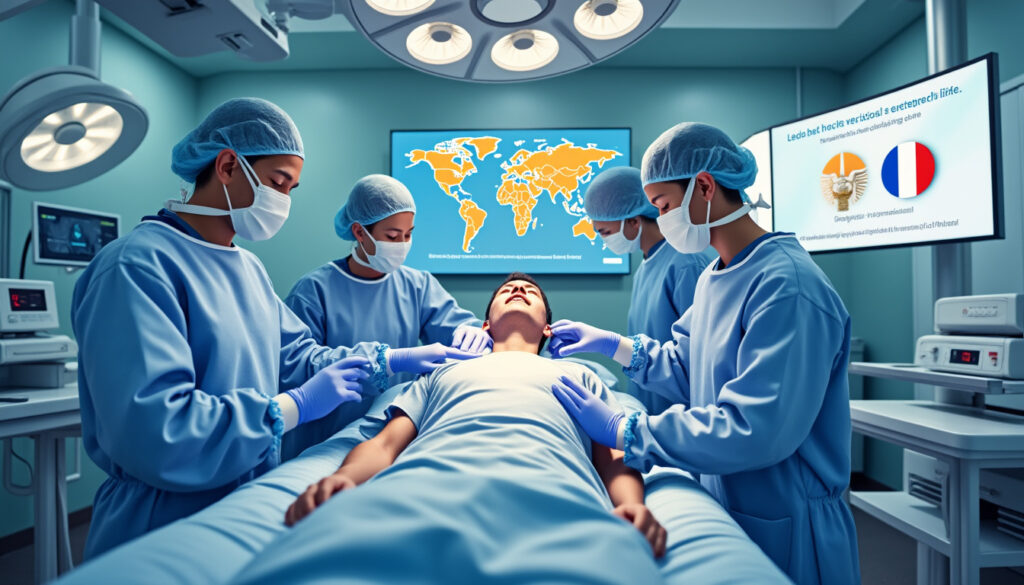
Step 4: Surgery and Immediate Postoperative Care — Patients undergo motion surgery using dynamic implants that stabilize the spine while preserving joint mobility. The surgical teams in France are equipped with cutting-edge technology and possess specialized training in these techniques to reduce postoperative complications.
Step 5: Rehabilitation and Follow-up in Québec — On returning to Canada, patients continue their recovery with personalized rehabilitation overseen by Neurothérapie Montréal. Their care plan centers on pain management, strengthening, inflammation control, and restoring optimal joint function to support a sustainable recovery and prevent recurrence.
This transatlantic collaboration not only shortens treatment timelines but also integrates advanced technologies unavailable locally, giving Québecois patients an edge in managing complex spinal disorders. For practical details and patient experiences, explore the comprehensive process of motion surgery in Terrebonne.
Spine Surgery in Trois-Rivières: Reduce Pain and Preserve Mobility
In recent years, spine surgery in Trois-Rivières has evolved notably, combining advanced medical expertise with innovative technologies to deliver patient-centered care. This growing field addresses the increasing demand among Quebec residents seeking effective solutions for chronic back pain and mobility…
Biomechanical and Economic Advantages of the Transatlantic Motion Surgery Pathway
The integration of French surgical innovation with Quebec-based perioperative expertise delivers significant biomechanical benefits that directly impact patient quality of life. Motion surgery’s hallmark is the preservation of spinal motion segments, preventing undue load on adjacent vertebrae – a key factor in mitigating arthritis progression post-surgery.
Biomechanically, dynamic implants offer a controlled range of motion that maintains spinal flexibility. This reduces abnormal stress concentration and supports natural disc function. Consequently, patients experience less joint inflammation and better postoperative functional outcomes, translating into reduced pain and improved posture over the long term.
From an economic standpoint, motion surgery abroad is increasingly attractive. Despite added travel and accommodation costs, the total expenditure, including surgery and postoperative care, often remains below comparable procedures in Quebec’s private healthcare sector. This cost-effectiveness results from lower surgical fees and shorter rehabilitation durations enabled by motion-preserving techniques.
| Expense Category | Estimated Cost in Québec (CAD) | Estimated Cost in France (EUR) |
|---|---|---|
| Initial Consultation | $150 | €80 |
| Surgery | $15,000 | €8,000 |
| Rehabilitation | $3,000 | €1,500 |
This partnership exemplifies how international medical collaboration can enhance patient access to cutting-edge treatments while ensuring safety and cost control. The patient-centric organization offered by entities like Franchir and SOS Tourisme Médical further enriches the experience, facilitating insurance navigation and comprehensive logistical support.

Cervical Disc Prosthesis in Quebec City: Avoid Post-Surgery Stiffness
Chronic neck pain remains a significant challenge for thousands of residents in Quebec City every year, often leading them to seek effective spinal surgery options that minimize downtime and maximize long-term mobility. Among the recent advancements revolutionizing cervical spine care,…
Why Conservative Treatments Like Neurovertebral Decompression Are Essential Pre-Surgery
Scientific rigour and ethical responsibility underscore the treatment philosophy championed by Dr. Sylvain Desforges. Surgery is never the first step but a considered option only after high-quality conservative therapies have been thoroughly explored for 3 to 6 months.
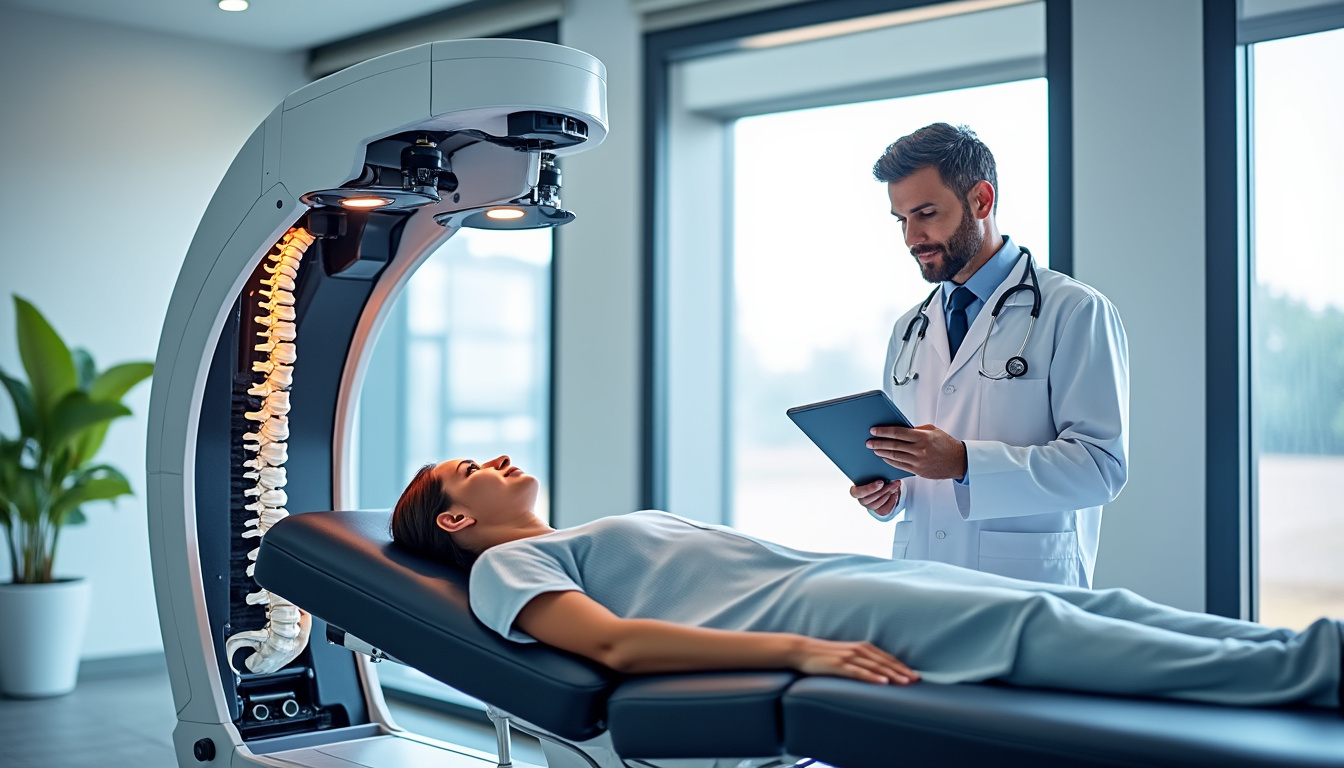
A cornerstone of this approach is the neurovertebral decompression therapy uniquely available at Clinique TAGMED. Using computer-guided robotic traction, this non-invasive technique alleviates disc pressure to reduce nerve inflammation and improve spinal biomechanics. Many patients witness significant pain reduction and enhanced mobility during this phase, often avoiding the need for invasive interventions.
Dr. Desforges’ oversight ensures that protocols are personalized and adhere strictly to Québec’s health regulations and the Canadian College of Physicians’ standards. This disciplined approach safeguards patients from premature surgeries and maximizes functional outcomes regardless of eventual surgical necessity.
Beyond pain relief, conservative care aims to restore natural joint mobility and control inflammation, key factors in preventing the progression of degenerative spinal diseases. For those yet to receive such treatments, Clinique TAGMED stands as a beacon of advanced, evidence-based conservative spine care offering hope and improved prognosis.
Key benefits of conservative neurovertebral decompression therapy:
- Significant pain reduction through decreased nerve compression
- Improved mobility and spinal flexibility
- Inflammation control preventing further joint deterioration
- Ethical and scientific oversight ensuring the right timing for surgical consideration
- Reduced risk of unnecessary surgeries through rigorous patient monitoring
Understanding and exhausting conservative options empowers patients and aligns with the ethos of informed decision-making crucial in spine health. For more details on this approach, visit expert insights on motion surgery and conservative care.
Minimally Invasive Surgery in Longueuil: Reduce Hospital Stay Duration
In recent years, advances in spinal care have dramatically reshaped the treatment landscape for patients suffering from debilitating spinal conditions. Particularly in Longueuil, the emergence of minimally invasive surgery (MIS) techniques offers a transformative alternative to conventional open surgeries. These…
Innovative Implants and Technologies Driving Motion Surgery Success in Terrebonne
Motion surgery’s success in Terrebonne hinges on the state-of-the-art dynamic implants and patented technologies that have revolutionized spinal stabilization procedures. Advanced devices like the TOPS system provide an adaptive articulation allowing natural flexion, extension, and rotational movements. This biologically inspired design is crucial in distributing mechanical loads evenly across spinal segments, significantly reducing postoperative arthritis risks.
Another key player is the Intraspine implant, which offers dynamic stabilization without rigid immobilization. It supports controlled segmental motion, thereby fostering long-term spinal health while providing the necessary stability to reduce pain-inducing micro-movements.
Furthermore, motion-preserving disc prostheses represent a cutting-edge evolution that replaces damaged discs while maintaining physiological motion ranges much better than traditional fusion arthrodesis. These devices demand meticulous surgical technique and candidate selection, capacities well developed at the Clinique TAGMED and allied French centers.
Expertise is essential for integrating these technologies effectively. Dr. Desforges and his specialized multidisciplinary team oversee patient evaluations, surgical planning, and postoperative care to ensure optimal implant performance and adaptation to patient-specific biomechanics.
- TOPS system: sophisticated articulation enabling natural spinal motion
- Intraspine implant: dynamic stability without compromising movement
- Disc prostheses: conservative replacements preserving flexibility
- Patented biocompatible materials: durability and longevity assured
- Expert surgical and rehabilitation teams: personalizing implant integration
To deepen understanding of the specific implants and clinical outcomes associated with these innovations, consider the detailed studies and patient outcomes regularly updated by specialized centers and advocacy groups.
IntraSPINE® in Laval: Modern Solution for Lumbar Stabilization
In the evolving landscape of orthopedic treatments, the city of Laval has become a hub for innovations addressing chronic lower back pain. Among the groundbreaking solutions gaining attention is the IntraSPINE device—a modern spinal implant designed to offer dynamic lumbar…
Optimizing Postoperative Rehabilitation for Faster Surgery Recovery
Following motion surgery, rehabilitation plays a pivotal role in achieving sustainable, long-term benefits. Emphasis lies on tailored protocols that address pain management, joint mobility restoration, and inflammation control.
Patients usually experience quicker postoperative recovery compared to fusion surgery, enabling a return to daily activities within weeks rather than months. This accelerated timeline results from the preservation of natural spinal biomechanics that limits inflammation and reduces the need for intense immobilization.
Neurothérapie Montréal exemplifies the high standards maintained in postoperative care. Their comprehensive rehabilitation programs focus on muscle strengthening, motor control re-education, and posture correction, all crucial for protecting the dynamic implants and preventing complications.
- Gradual mobilization: controlled exercises to regain spinal flexibility
- Pain management: combining physical therapy and appropriate analgesics
- Inflammation control: use of modalities such as cryotherapy and laser therapy
- Functional training: improving posture and biomechanical balance
- Continuous monitoring: to promptly address any sign of implant stress or joint inflammation
Implementing such a multidimensional follow-up enhances patient confidence and functional outcomes, reducing the likelihood of recurrent pain and degenerative changes in adjacent joint segments.
Neck Surgery in Montreal: Maintain Cervical Flexibility and Function
Neck conditions causing persistent pain or functional loss place a substantial burden on individuals and healthcare systems, especially in urban centers like Montreal. Surgical interventions targeting the cervical spine have evolved tremendously, aiming not only to relieve symptoms but to…
Advantages of Motion Surgery in Terrebonne to Limit Postoperative Arthritis
One of the most compelling benefits of motion surgery is its capacity to curb postoperative arthritis — a frequent complication following traditional fusion surgeries. By preserving controlled spinal movement, motion surgery alleviates excessive mechanical stresses on neighboring vertebrae, significantly slowing arthritic progression.
Patients undergoing motion surgery at Terrebonne report less joint inflammation and improved posture, reflecting reduced mechanical imbalances. This reduces the incidence of pain recurrence and lowers reoperation rates, contributing to long-term satisfaction.
Biomechanical studies indicate that implants like TOPS maintain the physiological distribution of loads, protecting intervertebral discs and preserving joint surfaces. Such innovations also mitigate the inflammatory cascade often triggered by rigid fusion, improving healing environments around the surgical site.
In a clinical perspective, minimizing postoperative arthritis directly enhances surgery recovery quality by enabling greater joint mobility and reducing pain. This synergy between preserved biomechanics and inflammation control establishes motion surgery as a superior option for selected patients concerned about both structural correction and functional preservation.
Key advantages include:
- Preservation of spinal flexibility reducing compensatory stress
- Lower joint inflammation fostering better healing
- Accelerated surgery recovery promoting return to normal activities
- Fewer degenerative changes in adjacent segments
- Reduced pain levels throughout the postoperative period
For further clinical information, patients and practitioners are encouraged to consult comprehensive data available from experts focusing on motion surgery’s role in limiting arthritis after spine operations.

Disc Prosthesis in Lévis: Quick and Long-Lasting Results
Chronic back pain caused by degenerative disc disease continues to profoundly impact the quality of life for many residents in Lévis and the broader Quebec area. For decades, traditional spinal fusion surgery has been the primary solution for alleviating severe…
Key Factors Differentiating Motion Surgery Services and Patient Support in Terrebonne
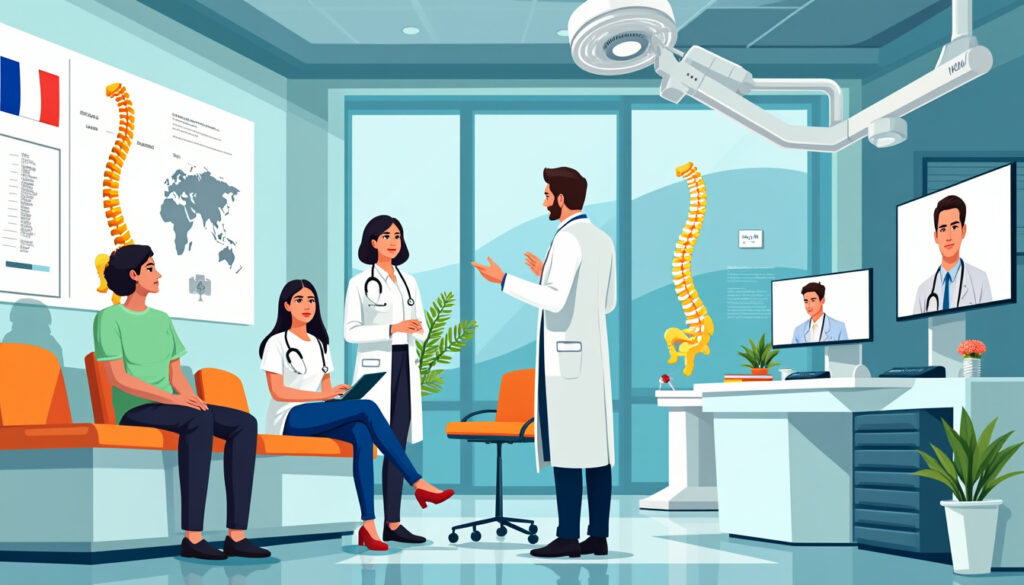
Motion surgery in Terrebonne is distinguished by the integration of precision diagnostics, cutting-edge implant technology, and a strong ethical commitment towards patient education. Spearheaded by Dr. Sylvain Desforges, the approach emphasizes transparency, comprehensive consultations, and the provision of clear information about indications, limits, and expected recovery trajectories.
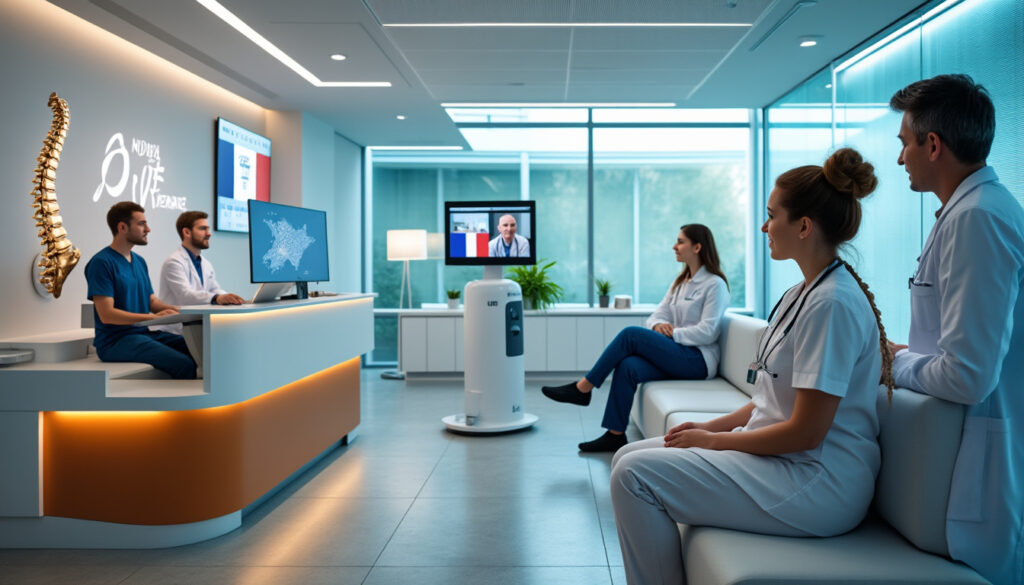
The team’s expertise extends beyond surgical innovation to include coordination of international pathways, ensuring that patients receive seamless care from initial evaluation through surgery and rehabilitation back in Québec. This continuity protects against fragmentation of care, a common issue in complex spine treatments.
The collaboration with Clinique TAGMED allows for preoperative optimization through conservative therapies, while post-surgical follow-up in Neurothérapie Montréal safeguards long-term implant function and joint health. Access to technologies not widely available in Canada, such as neurovertebral decompression and dynamic implants, enhances the value offered.
The personalized support includes thorough patient education and empowerment, encouraging each individual to ask questions, understand the nuances of their condition, and actively participate in decision-making. This human touch, coupled with scientific rigor, fosters trust and confidence essential for successful recovery.
- Expert evaluation by Dr. Desforges ensuring accurate assessment
- Advanced technological access unavailable in standard Canadian settings
- International coordination to optimize timing and quality of care
- Comprehensive patient education supporting informed choices
- Continuous postoperative monitoring promoting sustained spinal health

Motion Surgery in Terrebonne: Maintain Intervertebral Mobility
Back pain remains a widespread concern for many in Quebec, with traditional treatment pathways often imposing lengthy waiting periods and financial constraints. Recently, Motion Surgery in Terrebonne has emerged as a transformative option, attracting patients seeking spinal solutions that prioritize…
Your Next Step: Accessing Expert Evaluation and Personalized Care
If you are a patient considering options beyond the usual waiting lists and costs in Québec, motion surgery in Terrebonne offers a scientifically grounded, human-centered, and innovative alternative. Dr. Sylvain Desforges and his multidisciplinary team are dedicated to guiding you through a customized evaluation and care pathway focused on preserving your mobility and improving your quality of life.
We encourage you to actively engage with your health journey—ask questions, seek clarity about your condition, and consider all conservative treatments before surgery. When surgery becomes necessary, rest assured you will benefit from state-of-the-art techniques designed to protect your long-term spinal health while facilitating a rapid recovery.
To begin your personalized evaluation or to discuss your case with seasoned professionals, visit our contact page. Taking this first step may be the key to regaining freedom from chronic spinal pain and preventing postoperative complications such as arthritis.
What type of surgery is most suitable for my spinal condition?
The choice depends on a detailed evaluation of your pathology. Dr. Desforges provides expert assessments to help determine the most appropriate surgical approach for your individual case.
What should I do before considering surgery?
It is crucial to undergo 3 to 6 months of conservative treatment, including neurovertebral decompression if not already performed, before surgery is contemplated.
How long does recovery take after motion surgery?
Recovery is generally faster compared to traditional fusion surgery, with many patients resuming daily activities within a few weeks.
Are the costs covered by insurance?
Coverage varies by insurance plan. Some may reimburse part of the care in France, but it is essential to verify this beforehand.
How can I contact the clinic for more information?
For personalized advice or to start your evaluation, visit the contact page at the SOS Tourisme Médical website.