IntraSPINE® Approved in Sherbrooke for Treating Chronic Lower Back Pain
May 17, 2026
Brossard Neck Herniation Recovery Without Invasive Procedures
May 17, 2026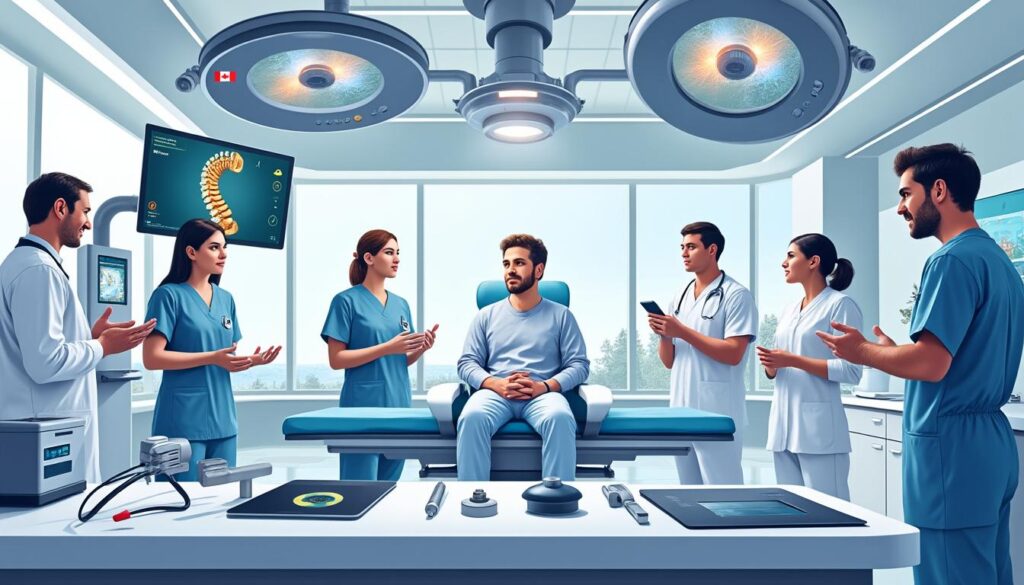
In recent years, the landscape of spine surgery has witnessed transformative advancements, with Motion Surgery emerging as a pivotal innovation, particularly in Terrebonne. Unlike traditional spine operations that often focus on immobilizing affected segments, Motion Surgery prioritizes preserving natural intervertebral mobility to maintain functional spinal dynamics. Facing prolonged surgical wait times and steep costs in Quebec’s healthcare system, many patients are seeking safe, effective alternatives that not only alleviate pain but restore quality of life through minimally invasive, cutting-edge techniques.
Leading the way in this innovative area is Dr. Sylvain Desforges, whose expertise spans over three decades in spine care and osteopathy. With rigorous scientific standards, ethical commitment, and a passion for integrating advanced technologies, he plays a crucial role in guiding patients through comprehensive assessments and personalized treatment pathways. The transatlantic partnership between Quebec and France further enhances these offerings, providing access to technologies like robotic neurovertebral decompression and dynamic implants unavailable domestically.
This article explores how Motion Surgery in Terrebonne supports vertebral health by preserving spinal motion, the multidisciplinary patient journey, and the biomechanical and economic benefits of this advanced intervention. Through examples and detailed explanations, patients will gain a deeper understanding of how this approach can transform spine surgery outcomes.
Understanding Motion Surgery: Preserving Intervertebral Mobility in Terrebonne
Motion Surgery represents a revolutionary shift in managing spinal pathologies by emphasizing preservation rather than fixation of vertebral segments. Traditional fusion surgeries, while often effective in stabilizing damaged spines, restrict movement in the operated area, potentially transferring stress to adjacent segments and accelerating degeneration. Motion Surgery, in contrast, employs dynamic implants designed to maintain physiological motion, making it a preferred approach to spinal care in Terrebonne.
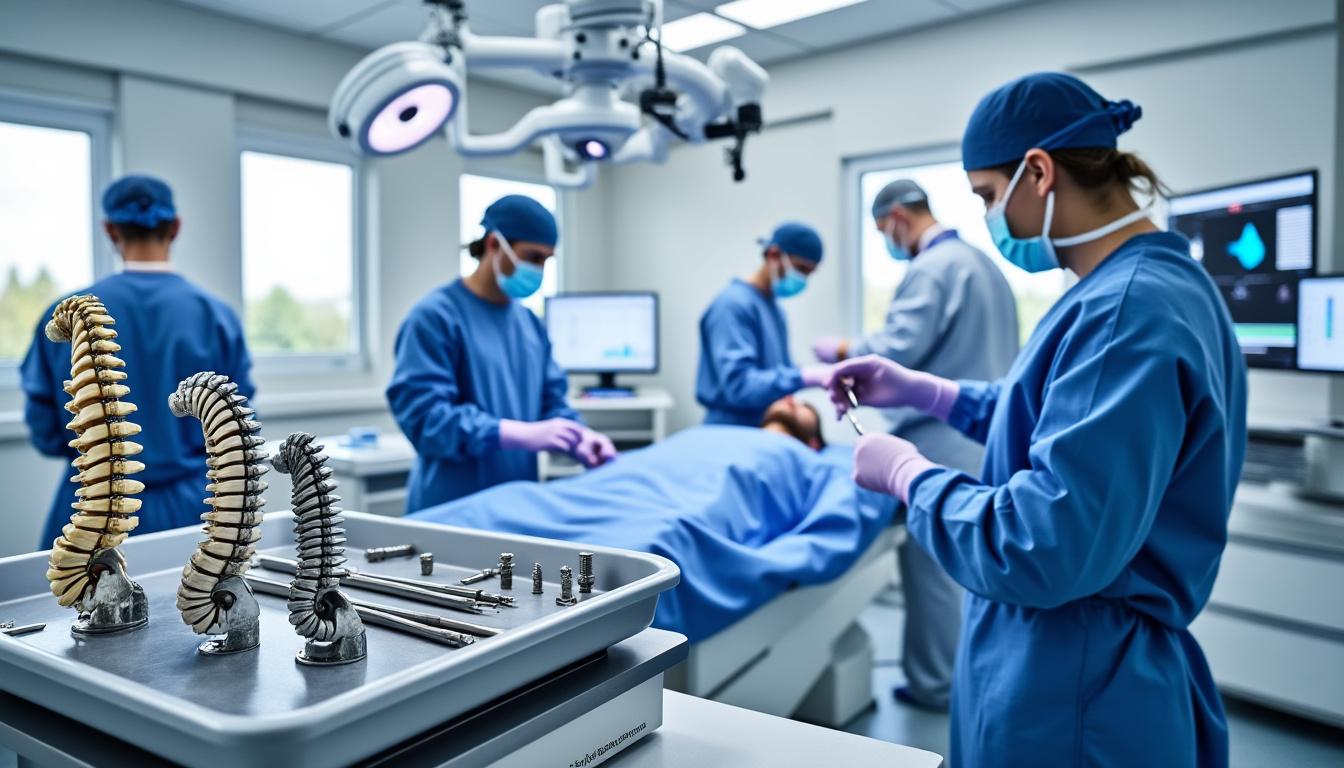
This technique leverages advanced implant technologies such as the TOPS system, which provides multi-axial stabilization and allows controlled spinal motion, or the IntraSPINE device, designed for less invasive implantation that decompresses nerves while preserving natural movement. These implants are meticulously engineered to mimic the elastic characteristics of healthy intervertebral discs, enabling flexion, extension, and slight rotations necessary for everyday activities.
One of the key advantages is the reduction of arthritic degeneration often observed in fusion procedures. By maintaining mobility, Motion Surgery offers the biomechanical benefit of distributing spinal loads physiological across vertebral segments, reducing overload and wear on adjacent levels. In practical terms, this translates to better spinal stability, less postoperative pain, and improved patient satisfaction over the long term.
Moreover, Motion Surgery is performed using minimally invasive approaches that minimize tissue disruption. Patients typically experience shorter hospital stays, reduced recovery times, and fewer complications related to wound healing or muscular damage. These factors contribute to an accelerated postoperative recovery and a faster return to daily life.
Dr. Sylvain Desforges, with over 30 years of experience and as a pioneer in spine care, supervises this procedure’s evaluation phase to ensure patient suitability and optimal outcomes. His leadership has been instrumental in promoting Motion Surgery in Terrebonne, integrating international best practices and the latest evidence-based protocols.
For a detailed overview of how these methods function and their benefits, refer to the comprehensive insights on preserving intervertebral mobility in Terrebonne.

IntraSPINE® in Sherbrooke: Durable Solution for Chronic Low Back Pain
The management of chronic low back pain, a widespread condition affecting millions across Quebec and beyond, has reached a pivotal moment thanks to innovative medical technologies and coordinated care pathways. At the heart of this evolution lies the IntraSPINE implant,…
Types of Spine Surgery Available in France: From Simple Procedures to Motion Surgery
France offers a broad spectrum of spinal surgical options that cater to various patient needs, with a notable emphasis on advanced Motion Surgery techniques. Understanding these different approaches helps patients make informed decisions aligned with their specific spinal conditions.
Simple Spine Surgery
Typically, less invasive interventions such as nerve decompression fall under simple surgery. These procedures relieve pressure on nerve roots caused by disc herniation or spinal stenosis without stabilizing vertebrae. Patients benefit from quick recoveries and pain relief without compromising spinal mobility. However, this surgery is often inadequate in cases of spinal instability.
Spinal Fusion Surgery
Fusion surgery involves permanently joining two or more vertebrae to eliminate painful motion. While effective for severe instability or deformities like scoliosis, a significant downside is loss of movement at fused segments. This immobility can increase stress on adjacent vertebrae, potentially leading to further degeneration or arthritis over time.
Motion Surgery
Sometimes referred to as dynamic stabilization, Motion Surgery introduces implants that stabilize affected spinal segments while preserving their mobility. This balance allows patients with conditions such as spondylolisthesis or degenerative stenosis to experience symptom relief without the rigidity associated with fusion. The multi-axial devices approved in France permit natural spinal biomechanics and promote faster rehabilitation.
| Type of Surgery | Indications | Advantages | Limitations |
|---|---|---|---|
| Simple Surgery | Nerve compression, disc herniation | Rapid recovery, minimal invasive | Not suitable for instability |
| Fusion Surgery | Severe instability, scoliosis | Effective stabilization | Loss of motion, adjacent segment stress |
| Motion Surgery | Spondylolisthesis, degenerative stenosis | Preserves motion, reduces arthritic risk | Requires careful patient selection and assessment |
Patients interested in a thorough explanation of these techniques can find valuable resources on advanced spine surgery options available in France.
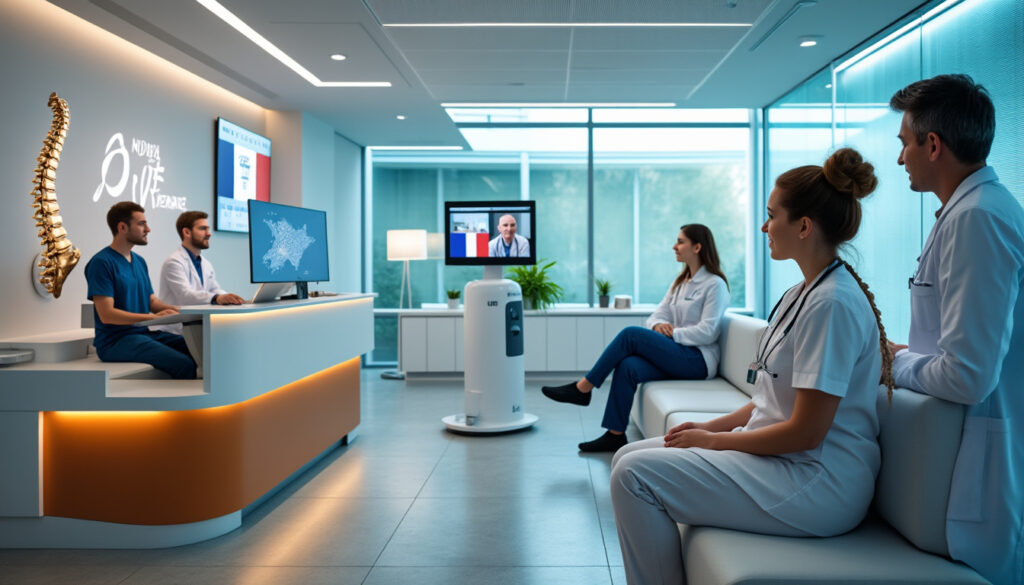
Spine Surgery in Trois-Rivières: Reduce Pain and Preserve Mobility
In recent years, spine surgery in Trois-Rivières has evolved notably, combining advanced medical expertise with innovative technologies to deliver patient-centered care. This growing field addresses the increasing demand among Quebec residents seeking effective solutions for chronic back pain and mobility…
The Patient Journey: From Comprehensive Evaluation to Postoperative Recovery
The path to Motion Surgery in Terrebonne integrates meticulous evaluation, specialized conservative care, surgery, and rehabilitation. This integrated approach ensures both safety and efficacy, optimizing patient outcomes.
Initial Evaluation
Patients undergo initial assessments overseen by Dr. Sylvain Desforges, whose expertise ensures all clinical signs and medical histories are thoroughly reviewed. This evaluation at the Clinique TAGMED includes advanced diagnostic imaging and an in-depth symptom analysis. It determines candidacy for Motion Surgery or the necessity to continue with conservative treatments.
Conservative Treatments: The Essential Preliminary Step
Before any surgical intervention, patients are recommended to complete a 3 to 6-month course of conservative therapies. Central to this is neurovertebral decompression, performed robotically at TAGMED, targeting nerve pressure with non-invasive precision. This approach can significantly reduce pain and inflammation, potentially delaying or even eliminating the need for surgery.
Coordinated Surgical Planning and Transatlantic Coordination
Once patients qualify for surgery, Franchir coordinates their transition to France, handling travel and accommodation logistics. This seamless process minimizes stress and ensures patients receive care at specialized centers with teams experienced in Motion Surgery utilizing dynamic implants like TOPS or IntraSPINE. The collaboration between Quebec and French experts exemplifies a model of international healthcare cooperation.
Postoperative Rehabilitation
Returning to Quebec, patients benefit from personalized rehabilitation managed by Neurothérapie Montréal. This phase integrates neurotherapy and targeted physical therapy focusing on spinal stability and mobility restoration, critical for successful recovery and long-term function.
The multidisciplinary support throughout fosters a holistic healing environment, where patients are encouraged to actively participate, ask questions, and understand every aspect of their care pathway.
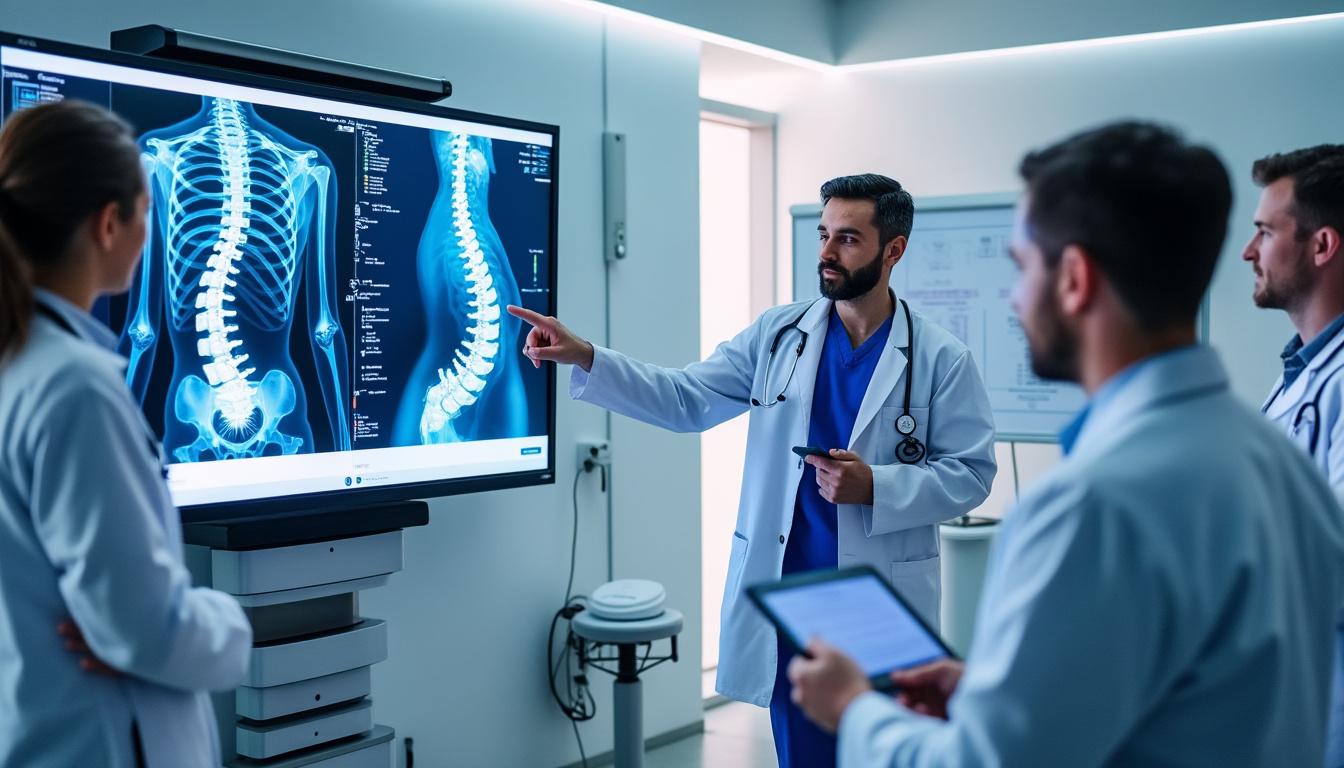

TOPS™ in Gatineau: High-Performance Option for the Lumbar Spine
The landscape of spinal surgery has witnessed profound evolution, particularly for patients grappling with lumbar spine disorders such as spinal stenosis and spondylolisthesis. These conditions, increasingly prevalent among Quebec’s population, impose substantial limitations on mobility and quality of life. The…
Why Conservative Care is Crucial Before Considering Motion Surgery
It cannot be overstated that Motion Surgery should only be contemplated after the diligent completion of conservative treatments lasting from three to six months. This prerequisite aligns with the rigorous, evidence-based philosophy championed by Dr. Sylvain Desforges, emphasizing patient safety and optimal surgical outcomes.
Central among these therapies is the neurovertebral decompression offered exclusively at the Clinique TAGMED, which utilizes robotic assistance and computer-controlled protocols. This procedure carefully applies traction to spinal discs and nerves, targeting compression while avoiding invasive surgery.
Many patients experience significant improvements during this period, seeing reduced inflammation, less nerve irritation, and improved spinal mechanics. Such outcomes not only potentially defer surgery but also enhance healing capacity and reduce postoperative complications if surgery becomes necessary.
In cases where prior conservative treatment did not include this advanced decompression, Dr. Desforges advises initiating it as a critical step before any surgical decision-making. This approach maintains the highest standards of clinical ethics, integrating science with patient-centered care.
For more insights on the necessity of conservative management prior to surgery, consider resources like preserving spinal mobility through neurovertebral decompression.
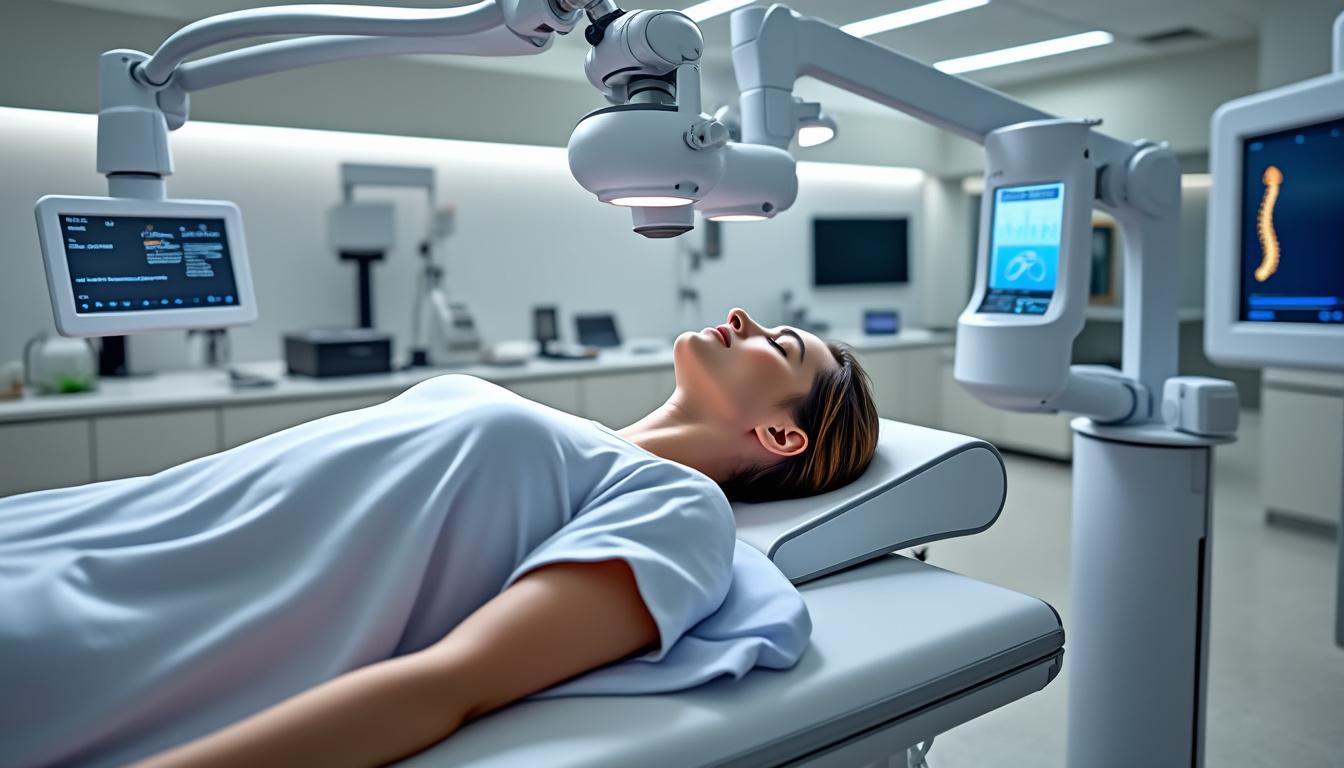
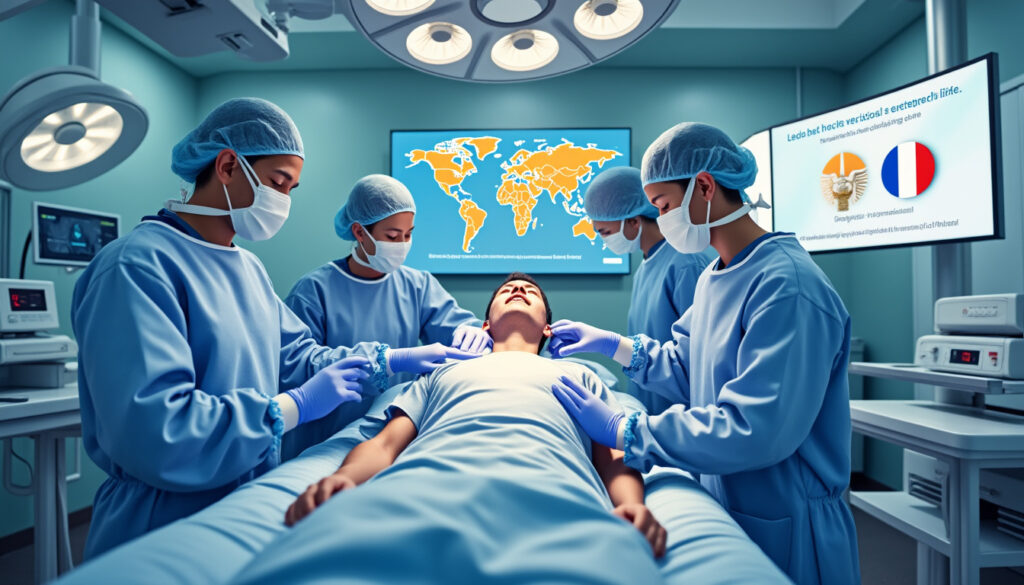
Cervical Disc Prosthesis in Quebec City: Avoid Post-Surgery Stiffness
Chronic neck pain remains a significant challenge for thousands of residents in Quebec City every year, often leading them to seek effective spinal surgery options that minimize downtime and maximize long-term mobility. Among the recent advancements revolutionizing cervical spine care,…
Biomechanical and Human Benefits of Motion Surgery in Terrebonne
The principal biomechanical advantage of Motion Surgery lies in its ability to retain the natural kinematics of the spine. Instead of rigidly fusing vertebrae, the implantation of dynamic devices maintains flexibility at the surgical segment, which balances spinal load distribution effectively.
This reduces the incidence of adjacent segment disease, a common complication after fusion surgeries where adjacent discs experience accelerated wear due to altered movement patterns. Preservation of intervertebral mobility also correlates with improved posture and reduced mechanical back pain.
From the patient’s perspective, this translates into a higher quality of life. Many report regaining the capacity to engage in social, recreational, and professional activities within weeks of surgery, under careful guidance. The minimally invasive nature of the procedure limits soft tissue damage and speeds postoperative recovery.
Studies indicate that more than 80% of patients treated with these implants express satisfaction not only with pain reduction but also with the restoration of natural motions. This enhancement in spinal stability and function underscores the unique human-centric value of Motion Surgery.
For detailed information on the functional preservation provided by these innovative techniques, see discussions on maintaining spinal function and mobility.
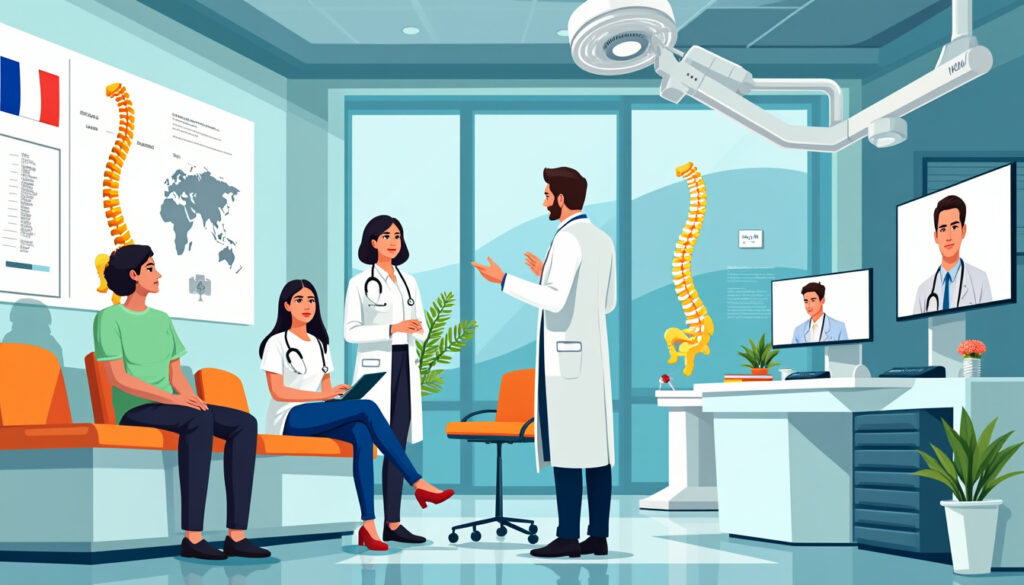
Minimally Invasive Surgery in Longueuil: Reduce Hospital Stay Duration
In recent years, advances in spinal care have dramatically reshaped the treatment landscape for patients suffering from debilitating spinal conditions. Particularly in Longueuil, the emergence of minimally invasive surgery (MIS) techniques offers a transformative alternative to conventional open surgeries. These…
The Economic and Quality of Life Advantages of the France-Quebec Surgical Pathway
Choosing the transatlantic journey for Motion Surgery offers clear economic benefits while ensuring access to highly advanced care. Despite costs related to international travel and accommodations, the overall expenses remain favorable compared to private spine surgery options within Quebec.
This affordability enables patients to invest in comprehensive care that includes state-of-the-art conservative treatments at Clinique TAGMED and thorough postoperative rehabilitation with Neurothérapie Montréal. Swift access to treatment also reduces the duration of symptoms, enhancing long-term outcomes.
The financial data below illustrates comparative cost advantages:
| Service | Approximate Cost in Quebec (CAD) | Approximate Cost in France (€) |
|---|---|---|
| Initial Consultation | 150 $ | 80 € |
| Surgical Intervention | 15,000 $ | 8,000 € |
| Postoperative Rehabilitation | 3,000 $ | 1,500 € |
These figures underscore why many patients select the international route, combining cost-efficiency with quality. Psychological benefits from reduced waiting times and stress also contribute significantly to smooth recovery and satisfaction.
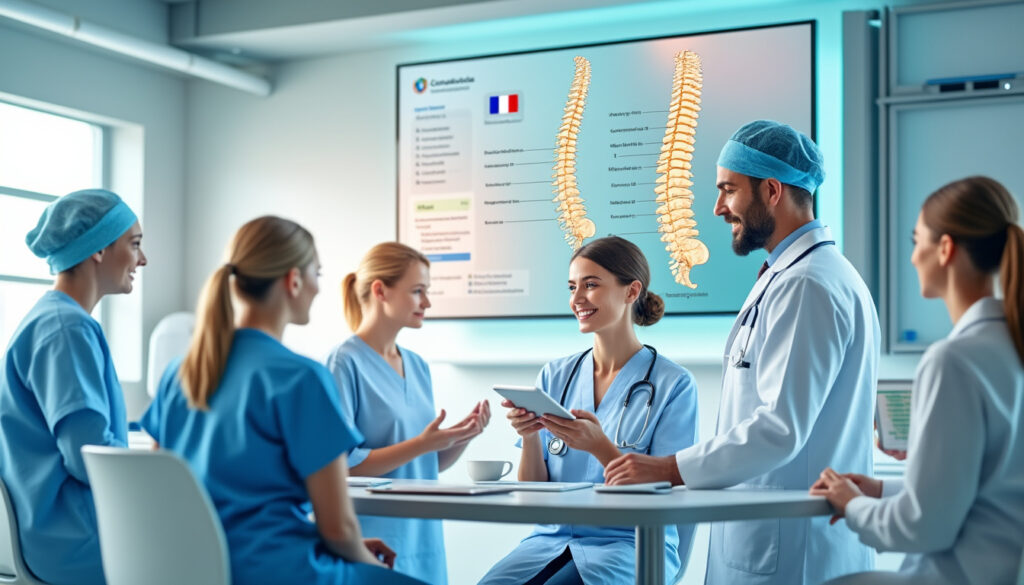
IntraSPINE® in Laval: Modern Solution for Lumbar Stabilization
In the evolving landscape of orthopedic treatments, the city of Laval has become a hub for innovations addressing chronic lower back pain. Among the groundbreaking solutions gaining attention is the IntraSPINE device—a modern spinal implant designed to offer dynamic lumbar…
Patient Experiences Highlighting the Impact of Motion Surgery in Terrebonne
Patient testimonials are invaluable for understanding the lived benefits of Motion Surgery and the associated care pathways. Consider Mr. Jean-Pierre, a retired Montrealer who valued how maintaining intervertebral mobility allowed him to resume gardening and daily walks without recurring pain. He praised the attentive and personalized supervision by Dr. Desforges’ team for alleviating initial concerns.
Similarly, Ms. Léa from Trois-Rivières highlighted the effectiveness of preoperative neurovertebral decompression combined with Motion Surgery in improving symptom management and overall recovery. She appreciated the seamless coordination of her surgical stay in France, which reinforced her confidence and comfort throughout the process.
Such stories reflect the vital role of comprehensive evaluation, innovative surgery, and personalized post-op care in achieving lasting patient satisfaction and enhanced quality of life.
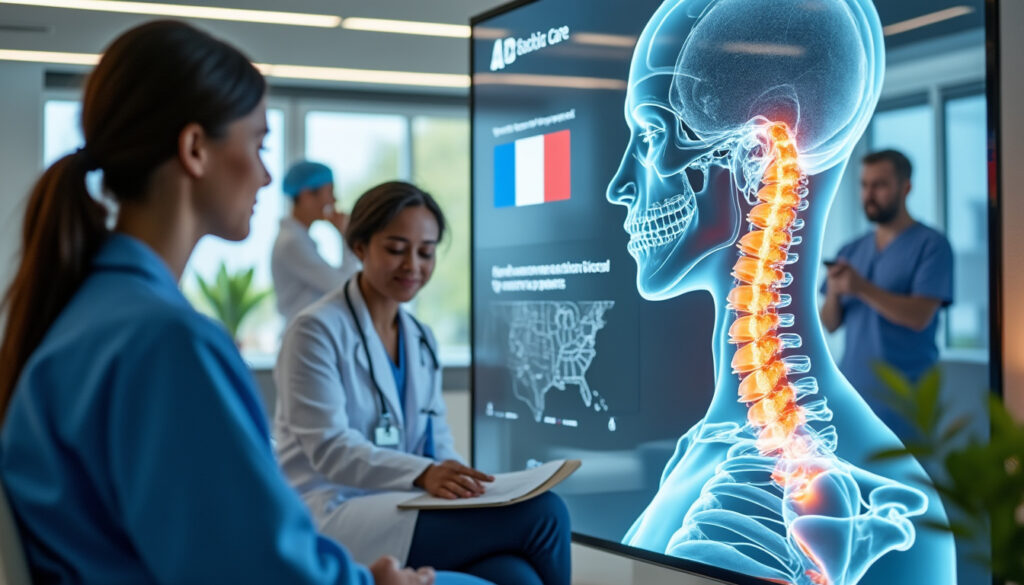
Neck Surgery in Montreal: Maintain Cervical Flexibility and Function
Neck conditions causing persistent pain or functional loss place a substantial burden on individuals and healthcare systems, especially in urban centers like Montreal. Surgical interventions targeting the cervical spine have evolved tremendously, aiming not only to relieve symptoms but to…
Key Considerations for Candidates of Motion Surgery
Deciding on Motion Surgery involves thorough assessment by Dr. Sylvain Desforges and his interdisciplinary team. Several critical criteria determine eligibility, including the severity and nature of spinal pathology and patient response to conservative treatments.
Before considering surgery, patients must have pursued 3 to 6 months of evidence-based conservative care, emphasizing neurovertebral decompression. This requirement fosters safety and optimizes surgical outcomes.
Recovery post-Motion Surgery is typically faster than traditional fusion, with many patients resuming everyday activities within weeks under guided rehabilitation.
Insurance coverage varies; some policies partially reimburse interventions in France, but it is essential for patients to verify individual plans beforehand.
For personalized advice or to initiate an evaluation, patients are encouraged to reach out via the official contact resources.
Here is a summarized list of essential considerations:
- Complete thorough assessment with Dr. Desforges’ team at Clinique TAGMED.
- Undergo 3 to 6 months of conservative treatments, including neurovertebral decompression.
- Coordinate surgical logistics through established transatlantic partnerships.
- Engage in comprehensive postoperative rehabilitation at Neurothérapie Montréal.
- Check insurance coverage and financial planning to support the international care pathway.
Further details about safety and efficacy can be found on Motion Surgery in Terrebonne preserving intervertebral mobility.
What type of surgery is most suitable for my spinal condition?
The choice depends on a thorough evaluation by Dr. Sylvain Desforges, who will recommend the best surgical option tailored to your specific pathology.
Why is conservative care necessary before considering Motion Surgery?
Patients should complete 3 to 6 months of conservative treatments, particularly neurovertebral decompression, to reduce symptoms and optimize surgical outcomes.
How long does recovery typically take after Motion Surgery?
Recovery is generally faster compared to fusion surgery, with many patients returning to daily activities within a few weeks under professional guidance.
Are Motion Surgery treatments covered by insurance plans?
Coverage depends on your insurance policy. Some plans may provide partial reimbursement for procedures performed in France. Verification before surgery is recommended.
How can I contact the clinic for more information or an evaluation?
To discuss your case or ask additional questions, visit the contact page available at https://www.sostourismemedical.com/contact.

Disc Prosthesis in Lévis: Quick and Long-Lasting Results
Chronic back pain caused by degenerative disc disease continues to profoundly impact the quality of life for many residents in Lévis and the broader Quebec area. For decades, traditional spinal fusion surgery has been the primary solution for alleviating severe…