
Laval Lower Back Pain Solutions Without Surgery
May 16, 2026
Terrebonne Cervical Herniation Recovery Without Medication
May 16, 2026
In an age where spinal health challenges are increasingly prevalent, the emergence of Motion Surgery in Terrebonne marks a transformative shift in how we approach back pain treatment and spine surgery. Grounded in innovative technology and rigorous scientific validation, these surgical techniques focus on preserving spinal mobility and function over the long haul. This is an especially vital consideration for patients aiming to maintain their quality of life and avoid common postoperative complications associated with traditional fusion surgeries. As an expert in the field with over 30 years of experience, including leadership roles in founding the Canadian College of Osteopaths and the Association of Canadian Manual Osteopaths, I have witnessed the evolution of spine care and the promise that motion preservation offers.
Such techniques are not only supported by solid evidence but also coordinated with meticulous international collaboration, notably between Canada and France, providing patients with access to advanced procedures that are still emerging in North America. Combining ethical practice, patient-centered education, and state-of-the-art technology—including neurovertebral decompression, laser innovations, and dynamic implants—this approach helps patients navigate the complexities of spinal disorders with confidence and clarity. Whether you are considering surgical options or looking to maximize conservative care, this exploration sheds light on the options available, the benefits of motion surgery, and the personalized transatlantic care pathways designed to safeguard your spinal health over the long term.
Understanding the Spectrum of Spine Surgery Techniques in Terrebonne
Advancements in spine care have introduced a variety of surgical approaches designed to address different pathologies while aiming to preserve spinal mobility. In Terrebonne, the spectrum includes three main categories of surgery: simple decompression, fusion surgery, and motion-preserving procedures.
Simple decompression surgery primarily focuses on relieving pressure on affected nerve roots or the spinal cord without altering the structural integrity of the spine. Examples are microdiscectomy and laminectomy. These procedures effectively address symptoms such as radiculopathy or neurogenic claudication but do not incorporate implant technology that modifies spinal biomechanics.
Fusion surgery remains a widely used intervention where two or more vertebrae are permanently joined using bone grafts and implants. While fusion provides stability and can alleviate pain, it sacrifices segmental spinal motion. This immobility often leads to increased mechanical stress on adjacent segments, potentially accelerating degeneration and leading to “adjacent segment disease.” Despite being effective for many, fusion carries risks related to long-term spinal health.
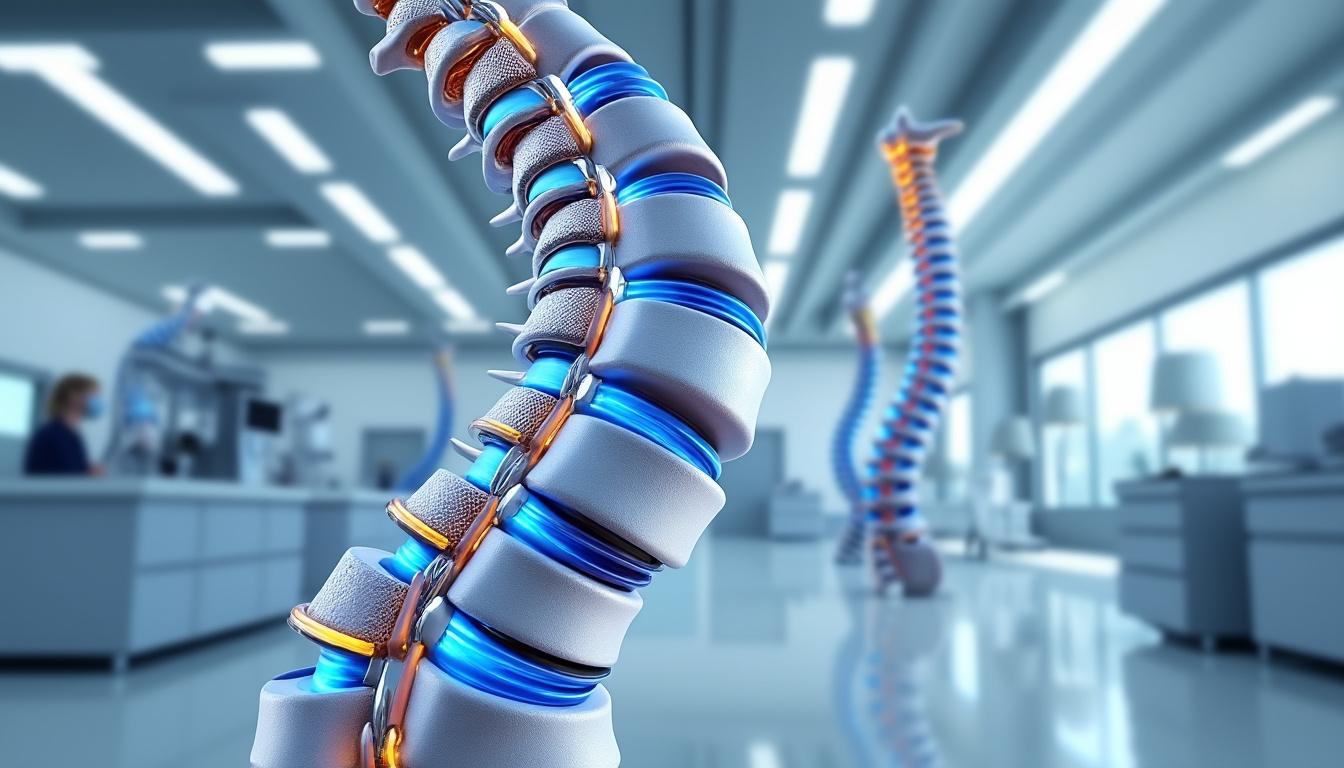
Motion-preserving surgery represents cutting-edge techniques designed to maintain or restore spinal mobility. Unlike rigid fusion, these procedures use dynamic implants like artificial discs or facet joint replacements that replicate the spine’s natural movement patterns. They aim to reduce mechanical wear on neighboring segments, thereby limiting postoperative complications and enhancing overall spinal preservation.
It is important to recognize that the choice between these surgeries depends on precise clinical evaluation and patient-specific factors. Surgical innovation in Terrebonne integrates advanced imaging and biomechanics assessments to guide these decisions, ensuring interventions align with both anatomical considerations and functional goals.
To illustrate, a patient with degenerative disc disease might be a candidate for motion surgery featuring an artificial disc replacement, which can sustain spinal mobility and reduce the risk of subsequent degeneration. Meanwhile, a patient with spinal instability or fractures might be more suited to fusion surgery.
Such nuanced interpretations underpin the personalized care model practiced here, supported by partnerships including advanced surgical techniques available in France, where many patients access pioneering treatments.

IntraSPINE® in Sherbrooke: Durable Solution for Chronic Low Back Pain
The management of chronic low back pain, a widespread condition affecting millions across Quebec and beyond, has reached a pivotal moment thanks to innovative medical technologies and coordinated care pathways. At the heart of this evolution lies the IntraSPINE implant,…
Patient Journey for Motion Surgery: From Evaluation to Recovery
The roadmap for patients considering motion surgery in Terrebonne involves a multi-stage, deeply coordinated process that prioritizes safety, informed consent, and optimized outcomes. Given my role as an expert in spinal pathology evaluation with over three decades of experience, I emphasize that the surgical option is the result of rigorous assessment and conservative care trials.
The first step entails a comprehensive clinical evaluation, including detailed history taking, physical examination, and advanced imaging studies. This phase is critical to exclude red flags, define pathology, and appraise functional impairment. A cornerstone of the process includes ensuring compliance with Québec and Canadian regulatory standards, safeguarding patients throughout their journey.
Following assessment, patients typically undergo a minimum of 3 to 6 months of conservative treatments before surgery is contemplated. This includes therapies like physical rehabilitation, osteopathic care, and notably, neurovertebral decompression available at the TAGMED Clinic, a state-of-the-art center renowned for its non-invasive spinal care protocols.
Only when these modalities fail to provide sufficient relief do discussions about surgical options begin. At this stage, the patient is introduced to the multi-disciplinary surgical team and informed about the procedure’s indications, benefits, potential risks, and recovery expectations. The plan is tailored to individual circumstances—including the type of motion surgery that best fits the pathology and lifestyle.
For patients opting for treatment in France, the journey gains an added international dimension. I oversee the coordination and communication between Canadian patients and French surgical centers, leveraging my transatlantic network to expedite appointments and reduce waiting times. This ensures that timelines do not compromise functional outcomes.
Postoperatively, the process continues with personalized rehabilitation programs and ongoing monitoring by our team in both France and Canada. The continuity of care includes teleconsultations, allowing timely responses to any emerging issues, an approach that highlights the human and personalized nature of our service.
Such a holistic and transparent pathway enhances patient confidence and contributes significantly to successful long-term spinal health preservation.
Spine Surgery in Trois-Rivières: Reduce Pain and Preserve Mobility
In recent years, spine surgery in Trois-Rivières has evolved notably, combining advanced medical expertise with innovative technologies to deliver patient-centered care. This growing field addresses the increasing demand among Quebec residents seeking effective solutions for chronic back pain and mobility…
Biochemical and Biomechanical Benefits of Motion Surgery
Preserving spinal movement is fundamentally linked to maintaining optimal spinal biomechanics, which in turn supports long-term health and functionality. Unlike fusion, which immobilizes spinal segments, motion surgery aims to replicate the natural kinematics of the spine, allowing for physiological load distribution and movement continuity.
Biomechanical integrity is paramount to preventing adjacent segment wear and further degeneration. Motion-preserving devices mimic the flexible yet stable characteristics of intervertebral discs or facet joints, ensuring that the spine continues to function as an integrated unit.
For example, artificial disc implants used in motion surgery maintain intervertebral height and allow flexion, extension, and rotation similar to a healthy disc. This reduces abnormal stresses that can otherwise lead to accelerated degeneration of neighboring levels.
In terms of biochemical environment, motion preservation supports better nutrition within disc spaces due to movement-induced fluid exchange. This can slow degenerative processes and contribute to a more robust healing milieu.
Patients often report improved functional outcomes, less pain, and quicker return to activities compared to traditional fusion.
Advanced motion surgery techniques emphasize minimally invasive approaches, decreasing tissue trauma and surgical complications. Many of these practices utilize precision robotics and intra-operative navigation, improving implant positioning and long-term results.
Below is a comparative overview of surgical options relative to spinal mobility and long-term biomechanical outcomes:
| Type of Surgery | Preserves Spinal Mobility | Risk of Adjacent Segment Degeneration | Recovery Time | Long-Term Outcomes |
|---|---|---|---|---|
| Simple Decompression | Yes | Low | Moderate | Good for nerve relief |
| Fusion Surgery | No | High | Long | Effective but may cause adjacent degeneration |
| Motion-Preserving Surgery | Yes | Low | Variable, often shorter | Improves long-term spinal health |

TOPS™ in Gatineau: High-Performance Option for the Lumbar Spine
The landscape of spinal surgery has witnessed profound evolution, particularly for patients grappling with lumbar spine disorders such as spinal stenosis and spondylolisthesis. These conditions, increasingly prevalent among Quebec’s population, impose substantial limitations on mobility and quality of life. The…
Leveraging International Care Coordination for Superior Spinal Outcomes
One of the most significant advantages of the motion surgery program available through partnerships between Canada and France is the emphasis on comprehensive, personalized international care coordination. With over three decades as an expert in spine health assessment and a pioneer in coordinating transatlantic care, I help patients navigate the complex logistics of receiving world-class surgery abroad while maintaining seamless continuity of care at home.
Through collaboration with French surgeons, innovative clinics, and platforms such as SOS Tourisme Médical, patients benefit from reduced waiting times and access to cutting-edge spinal preservation techniques that are not yet widespread in Canada. This partnership mitigates many barriers typically associated with medical tourism, such as language, follow-up care, and legal considerations.
Emphasizing rigorous ethical standards and evidence-based practices guarantees that patient safety and satisfaction remain central throughout the care cycle. Furthermore, the integration of telemedicine bridges geographic gaps, enabling preoperative evaluations and postoperative rehabilitation to be closely monitored by both Canadian and French teams.
This unique international framework exemplifies how modern healthcare transcends borders to deliver high-quality spine surgery, tailored rehabilitation, and ongoing assessments aligned with each patient’s unique needs and expectations.
Cervical Disc Prosthesis in Quebec City: Avoid Post-Surgery Stiffness
Chronic neck pain remains a significant challenge for thousands of residents in Quebec City every year, often leading them to seek effective spinal surgery options that minimize downtime and maximize long-term mobility. Among the recent advancements revolutionizing cervical spine care,…
The Critical Role of Conservative Care Before Surgery
Advising patients wisely, I stress that surgery in spine care is a measured step that should follow a sustained period of conservative treatment. Evidence and clinical experience underscore that benefits of surgery, including motion-preserving options, are optimized only after careful non-surgical management has been exhausted.
Conservative care typically comprises modalities such as osteopathic manipulative treatment, physiotherapy, medical pain management, and advanced interventions like neurovertebral decompression. The latter is especially significant as delivered by the TAGMED Clinic in Terrebonne. This innovative method alleviates spinal nerve compression through precise mechanical decompression, often reducing the need for invasive interventions.
The recommended conservative timeline usually spans 3 to 6 months, during which patient progress is carefully monitored. This approach ensures that surgery is reserved for cases where symptoms persist despite maximal conservative care, preventing premature operative interventions and enhancing ultimate surgical success.
Patients are coached to understand the indications, expected benefits, and limitations of each treatment phase, fostering a collaborative decision-making process. This strategy aligns with provincial and national safety standards, ensuring patient-centered, ethical, and scientifically validated care.
Minimally Invasive Surgery in Longueuil: Reduce Hospital Stay Duration
In recent years, advances in spinal care have dramatically reshaped the treatment landscape for patients suffering from debilitating spinal conditions. Particularly in Longueuil, the emergence of minimally invasive surgery (MIS) techniques offers a transformative alternative to conventional open surgeries. These…
Innovative Technologies Elevating Motion Surgery in Terrebonne
Innovation continues to propel the field of spinal surgery, with Terrebonne clinics integrating advanced technologies that enhance outcomes and patient safety. From the use of dynamic implants designed to replicate natural spinal motion, to minimally invasive surgical techniques, these developments underscore a commitment to excellence and forward-thinking care.
High-precision laser surgery, robotics-assisted procedures, and 3D navigation allow surgeons to operate with remarkable accuracy and minimal tissue disruption. This results in reduced postoperative pain, less scarring, and faster recovery times.
Dynamic implants are specially engineered to flex, rotate, and bear load in a way that closely mimics natural spine mechanics. Selecting the appropriate implant is a collaborative effort among multidisciplinary teams, including surgeons, biomechanical engineers, and rehabilitation specialists, to ensure optimal compatibility with the patient’s anatomical and functional needs.
Furthermore, ongoing research partnerships ensure that these technologies evolve continuously to incorporate the latest scientific insights, enhancing both the safety and efficacy of motion surgery. This dedication to innovation positions Terrebonne as a forefront destination for patients seeking advanced spinal preservation care in a compassionate, expert-led environment.
IntraSPINE® in Laval: Modern Solution for Lumbar Stabilization
In the evolving landscape of orthopedic treatments, the city of Laval has become a hub for innovations addressing chronic lower back pain. Among the groundbreaking solutions gaining attention is the IntraSPINE device—a modern spinal implant designed to offer dynamic lumbar…
Distinctive Value of Motion Surgery Services in Terrebonne
The services available through Terrebonne’s motion surgery programs stand apart due to their innovative nature, clinical expertise, and comprehensive patient-centered approach. Unlike many conventional spine surgery options, the integration of dynamic implants and minimally invasive techniques offers distinct biomechanical advantages that reduce long-term complications.
The team’s extensive experience, led by experts with an unyielding commitment to evidence-based practice, ensures that every patient undergoes thorough evaluation and receives tailored recommendations. This process is supported by preoperative preparation and postoperative rehabilitation protocols emphasizing functional restoration and spinal preservation.
Moreover, motion surgery patients benefit from direct access to a multidisciplinary network of healthcare professionals, including osteopaths, physiotherapists, and pain specialists. These collaborations guarantee ongoing support beyond the operating room, which is vital for sustained recovery and lasting spinal health.
Additionally, by coordinating with international partners, patients often gain access to implants and surgical options not yet widely implemented in Canada, optimizing their treatment possibilities. This global approach further enhances personalized care pathways and expands the spectrum of available solutions.
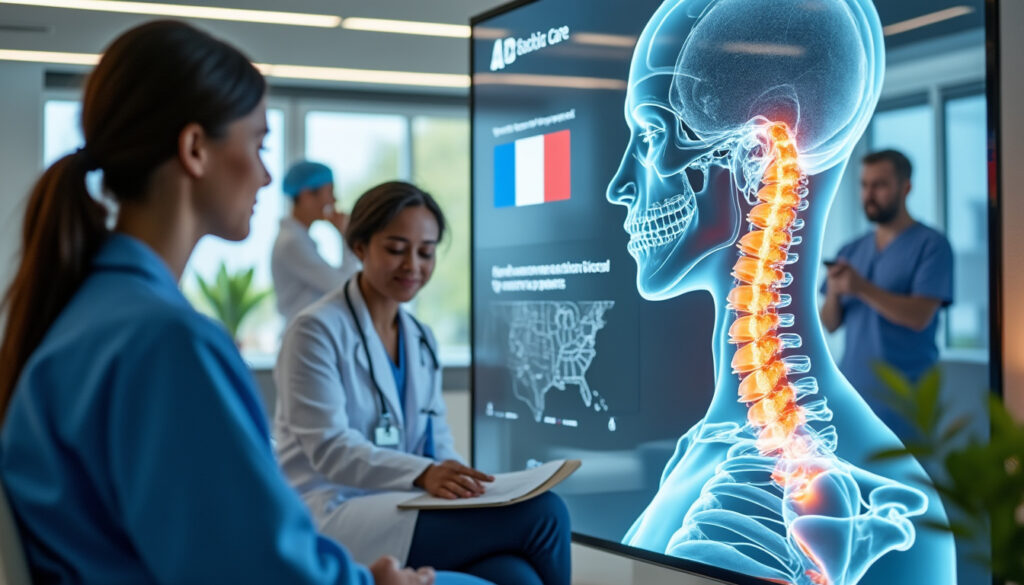
Neck Surgery in Montreal: Maintain Cervical Flexibility and Function
Neck conditions causing persistent pain or functional loss place a substantial burden on individuals and healthcare systems, especially in urban centers like Montreal. Surgical interventions targeting the cervical spine have evolved tremendously, aiming not only to relieve symptoms but to…
Empowering Patients for Informed Decisions on Spine Surgery
In my role as an evaluator and advocate for spinal health, fostering patient empowerment through education is essential. Understanding the nuances of motion surgery, its indications, benefits, and limitations allows patients to engage actively with their care decisions, resulting in greater satisfaction and adherence to treatment plans.
The language used respects patient comprehension levels, stripping away unnecessary jargon to explain complex biomechanical principles and surgical options clearly. This transparency reduces anxiety and builds trust, ensuring patients feel supported every step of the way.
Patients are encouraged to ask questions, seek second opinions, and involve their families in decision-making. Acknowledging the uniqueness of each case, the approach is never one-size-fits-all but rather an individualized evaluation fostering honest dialogue and shared goals.
By highlighting the balance between conservative care and surgical intervention, as well as the advantages of motion preservation, patients gain a realistic and hopeful perspective on optimizing their spinal health journey.

Disc Prosthesis in Lévis: Quick and Long-Lasting Results
Chronic back pain caused by degenerative disc disease continues to profoundly impact the quality of life for many residents in Lévis and the broader Quebec area. For decades, traditional spinal fusion surgery has been the primary solution for alleviating severe…
Key Advantages of Transatlantic Motion Surgery Pathways for Quebec Patients
For patients in Quebec looking beyond traditional options, the transatlantic motion surgery pathway offers a compelling alternative driven by innovation, rigorous evaluation, and coordinated care. This program harnesses my expertise and leadership across Canadian and French osteopathic and spinal surgery communities to deliver unparalleled treatment possibilities.
Major advantages include:
- Reduced waiting times: Access to French surgical centers significantly shortens delays common in the Canadian healthcare system, enabling timely intervention that improves outcomes.
- Access to cutting-edge implants and techniques: The latest motion-preserving implants and minimally invasive methods are often available first in Europe.
- Personalized care coordination: Continuous follow-up is maintained internationally, helping monitor progress and minimize postoperative risks.
- Cost-effectiveness: While private care costs in Quebec can be prohibitive, the transatlantic option presents competitive pricing with comprehensive packages including evaluation, surgery, and rehabilitation.
- Multidisciplinary support: The combined expertise of osteopaths, surgeons, physiotherapists, and pain specialists delivers holistic patient management.
The following table compares key aspects between conventional Quebec spine surgery and the transatlantic approach:
| Feature | Quebec Conventional Surgery | Transatlantic Motion Surgery |
|---|---|---|
| Typical Wait Time | 12-24 months | 3-6 months |
| Access to Motion-Preserving Implants | Limited | Extensive |
| Continuity of Care | Variable | Structured and Continuous |
| Patient Education | Basic | Comprehensive and Personalized |
| Cost | High (private sector) | Competitive with packages |
Patients interested in exploring this transatlantic care pathway are encouraged to reach out for an expert evaluation and personalized consultation.
What is motion surgery and how does it differ from fusion?
Motion surgery preserves spinal mobility by using dynamic implants or artificial discs, whereas fusion permanently immobilizes spinal segments by joining vertebrae together. Motion surgery aims to reduce long-term complications and maintain natural spine function.
Who is a candidate for motion surgery in Terrebonne?
Candidates are typically patients with spinal pathologies who have undergone at least 3 to 6 months of conservative care, including neurovertebral decompression, without sufficient relief. A thorough evaluation assesses spinal health and identifies appropriate surgical options.
What are the benefits of transatlantic surgical care coordination?
Transatlantic coordination provides reduced wait times, access to advanced surgical techniques and implants available in France, comprehensive care monitoring, and cost-effective packages ensuring optimal patient outcomes.
Is surgery always necessary for back pain?
Surgery should only be considered after completing conservative treatments. Many back pain cases improve significantly with non-invasive therapies. Surgery is reserved for cases resistant to these treatments.
How does the TAGMED Clinic contribute to spinal care before surgery?
The TAGMED Clinic in Terrebonne offers advanced neurovertebral decompression therapies that relieve nerve pressure non-invasively. This therapy is a key part of the conservative care pathway before considering motion surgery.