Neck Surgery in Montreal: Strategies to Minimize Post-Operative Stiffness
June 26, 2026
Châteauguay Chronic Disc Pain Recovery Without Invasive Care
June 26, 2026
For many Quebec patients suffering from chronic spine conditions, navigating the challenges of long surgical wait times and high costs remains a daunting reality. However, a pioneering transatlantic collaboration between Quebec and France is reshaping the landscape of spinal care. Among the breakthroughs is motion surgery in Terrebonne, a minimally invasive orthopedic surgery technique that balances surgical precision with the preservation of natural joint motion. This innovative approach offers superior and durable results, providing renewed hope for those seeking to restore their mobility and quality of life.
With more than three decades of experience, Dr. Sylvain Desforges leads this movement as an expert in spinal pathology evaluation. His role extends beyond assessment to orchestrating a comprehensive patient care journey, from rigorous conservative treatments to cutting-edge surgical options in France, followed by coordinated post-operative support upon the patient’s return to Quebec. This patient-centered model emphasizes evidence-based practices, ethical standards, and technological innovation, addressing both biomechanical and human aspects of spine health.
Exploring the Diverse Types of Spine Surgery Offered in France for Quebec Patients
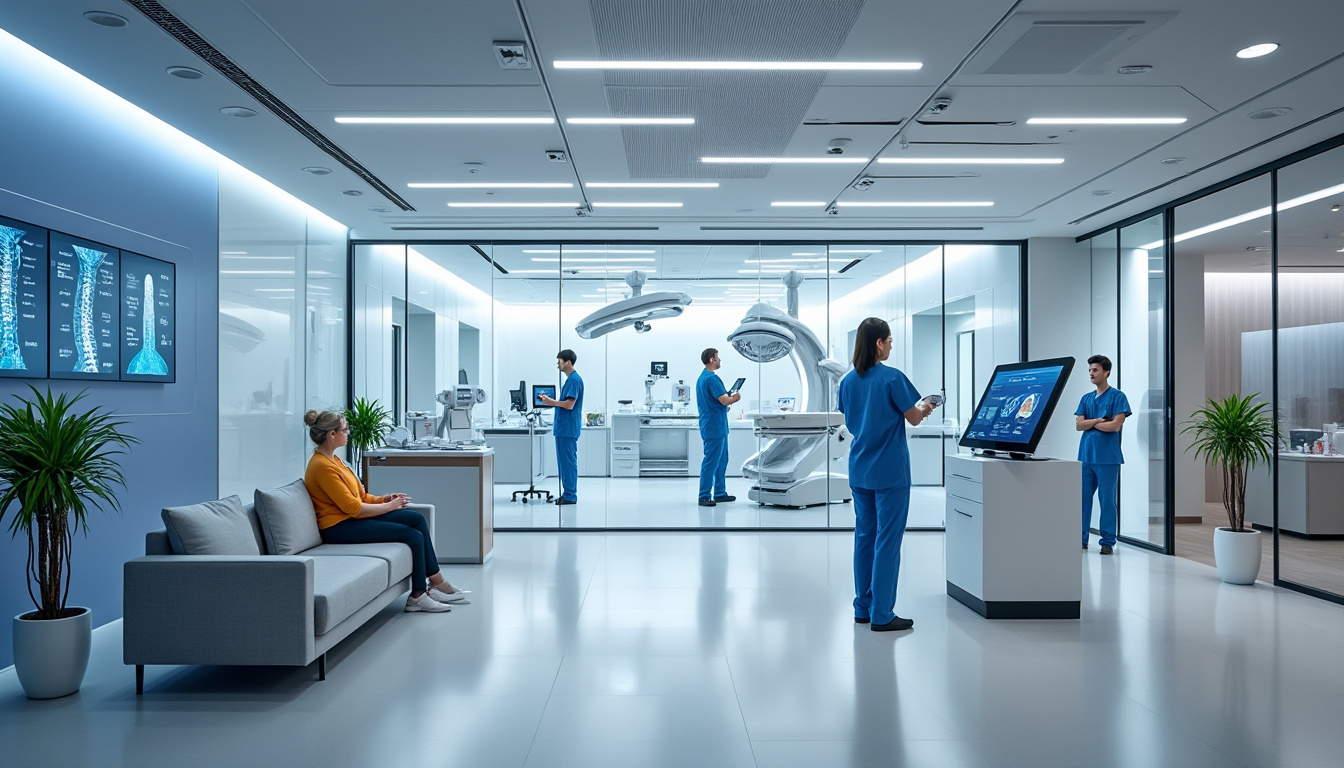
Quebec patients benefit from France’s well-established expertise in spinal surgery, which offers a range of techniques tailored to individual pathology and functional needs. Among these, three main categories stand out: simple decompression surgery, spinal fusion, and advanced motion surgery utilizing dynamic implants.
Simple decompression surgery aims to alleviate nerve root or spinal cord pressure through minimally invasive interventions, such as excising herniated disc material or expanding narrowed spinal canals. This procedure suits patients with preserved vertebral stability and no significant biomechanical compromise, allowing maintenance of natural mobility. For example, a patient with radicular pain caused by a contained herniated disc might experience rapid relief and minimal impact on spinal mechanics after a targeted decompression.
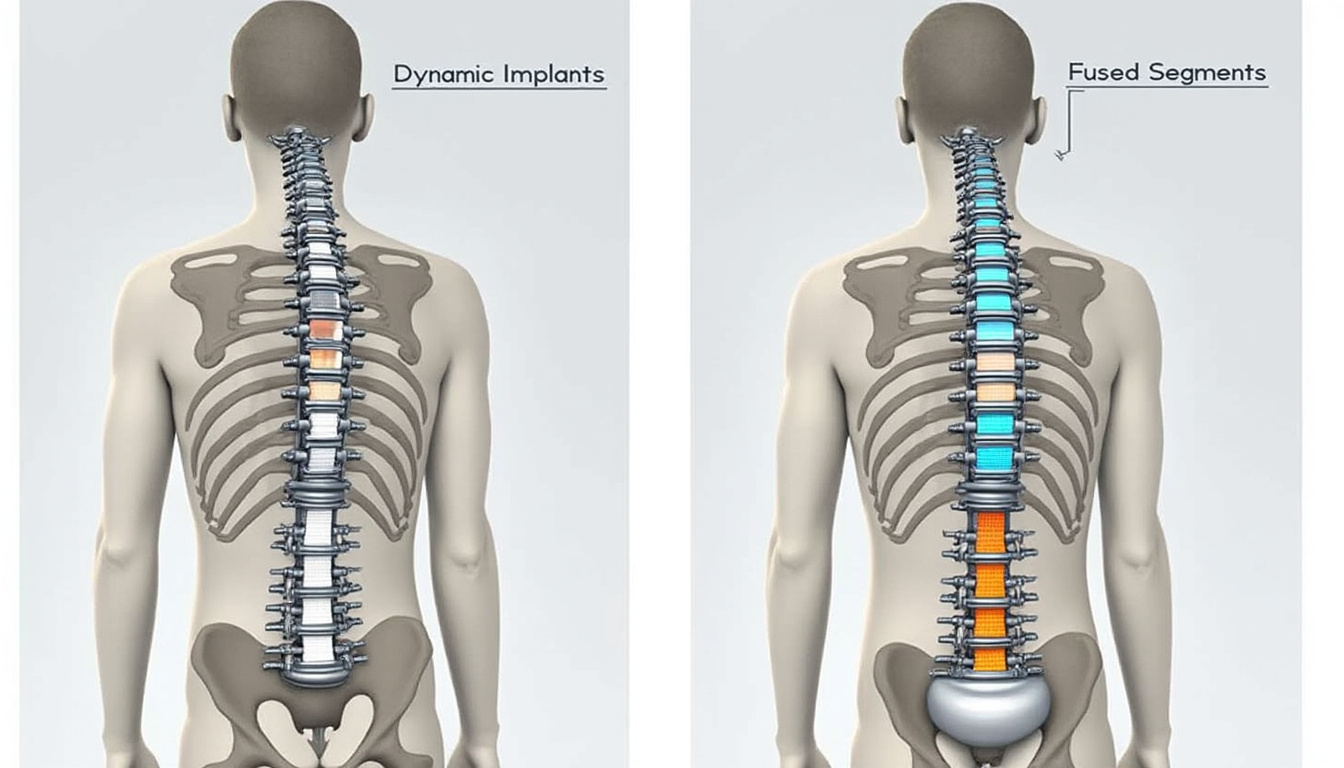
Spinal fusion surgery, or arthrodesis, is often the recourse for more complex conditions involving vertebral instability or severe degenerative changes, such as scoliosis or advanced spondylolisthesis. By permanently joining vertebrae, this technique provides robust stabilization but at the cost of reduced segmental motion. While fusion reduces pain effectively, it increases the biomechanical load on adjacent segments, often accelerating their degeneration. Patients contemplating this surgery must weigh its benefits against potential long-term complications including adjacent segment arthrosis.
Motion surgery represents a shift in orthopedic surgery philosophy, focusing on preserving the spinal segment’s natural movements while stabilizing pathological structures. Using state-of-the-art dynamic implants — such as the TOPS or Intraspine systems — motion surgery allows 60 to 80 percent maintenance of original joint motion, markedly reducing secondary joint stress. This not only facilitates superior physical recovery and durable results but also enhances patient comfort post-operation.
This variety of surgical options, under the vigilant supervision of Dr. Desforges, ensures that care is personalized, scientifically rigorous, and technologically advanced, aligning with patients’ functional aspirations and clinical profiles.
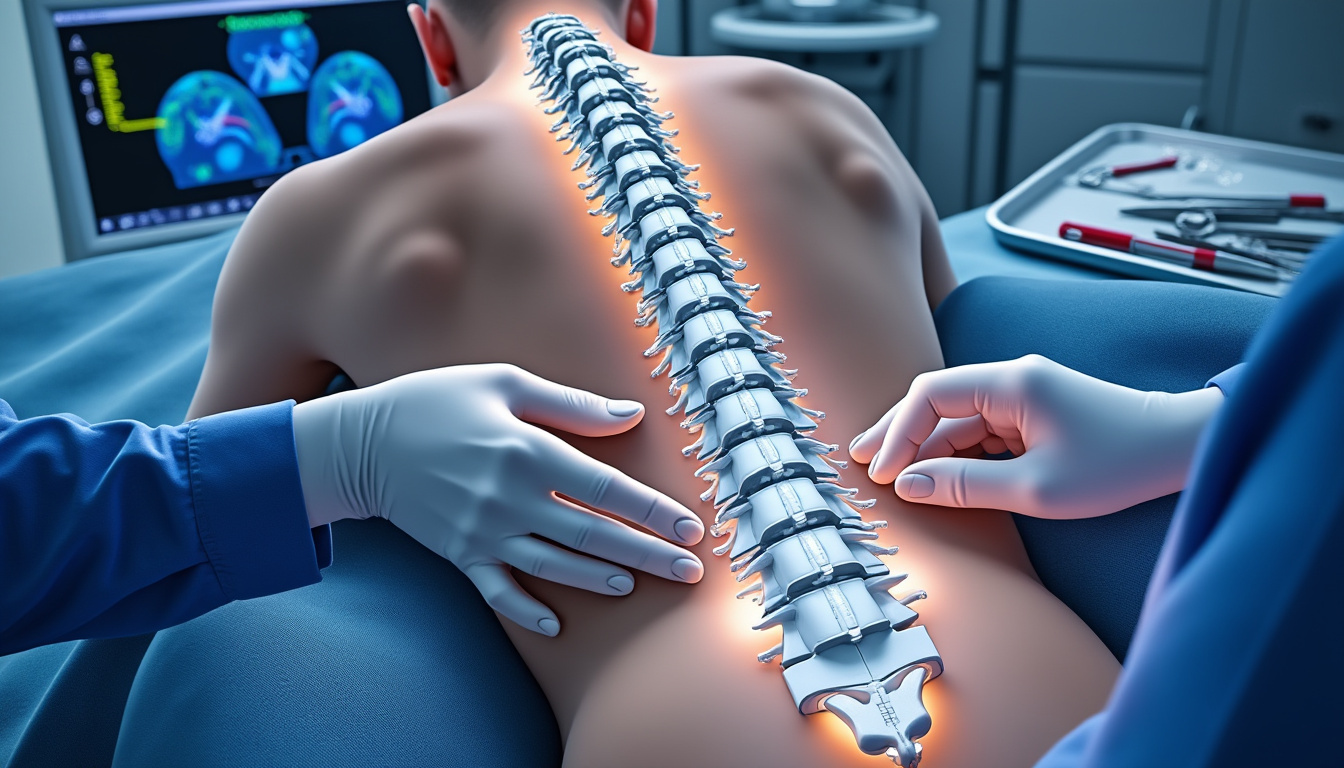

IntraSPINE® in Sherbrooke: Durable Solution for Chronic Low Back Pain
The management of chronic low back pain, a widespread condition affecting millions across Quebec and beyond, has reached a pivotal moment thanks to innovative medical technologies and coordinated care pathways. At the heart of this evolution lies the IntraSPINE implant,…
Spine Surgery in Trois-Rivières: Reduce Pain and Preserve Mobility
In recent years, spine surgery in Trois-Rivières has evolved notably, combining advanced medical expertise with innovative technologies to deliver patient-centered care. This growing field addresses the increasing demand among Quebec residents seeking effective solutions for chronic back pain and mobility…
Mapping the Patient Pathway for Motion Surgery: From Initial Evaluation to Post-Surgical Recovery
The transatlantic pathway designed for motion surgery ensures optimal coordination and personalized care at each stage, minimizing uncertainties and delays. This well-structured journey begins at specialized centers such as Clinique TAGMED in Terrebonne, where Dr. Desforges undertakes comprehensive evaluations to confirm surgical candidacy.
The initial phase includes detailed clinical assessment and imaging studies, followed by a prescribed course of specialized conservative care lasting three to six months. This important step, featuring neurovertebral decompression therapy, is designed to maximize symptom relief without surgery and strengthen the spinal musculature, potentially deferring or avoiding surgery when possible.
Once surgical eligibility is established, the patient is oriented to reputable French surgical centers through expert coordination by organizations such as Franchir. This includes full logistical support covering appointment scheduling, travel arrangements, and accommodation, providing peace of mind throughout the international medical journey.
After surgery, patients return to Quebec to receive continued care from Neurothérapie Montréal, focusing on rehabilitation, implant monitoring, and pain management. This multidisciplinary follow-up guarantees a seamless continuum of care, aligning with Canadian clinical standards and ensuring superior and durable recovery outcomes.
Cervical Disc Prosthesis in Quebec City: Avoid Post-Surgery Stiffness
Chronic neck pain remains a significant challenge for thousands of residents in Quebec City every year, often leading them to seek effective spinal surgery options that minimize downtime and maximize long-term mobility. Among the recent advancements revolutionizing cervical spine care,…
Minimally Invasive Surgery in Longueuil: Reduce Hospital Stay Duration
In recent years, advances in spinal care have dramatically reshaped the treatment landscape for patients suffering from debilitating spinal conditions. Particularly in Longueuil, the emergence of minimally invasive surgery (MIS) techniques offers a transformative alternative to conventional open surgeries. These…
Biomechanical Benefits of Motion Surgery: Preserving Spinal Function and Limiting Long-Term Complications
One of the defining advantages of motion surgery in Terrebonne is its capacity to uphold essential spinal biomechanics while addressing pathological issues. Dynamic implants work by stabilizing the problematic vertebral segment yet permitting physiological range of motion, thus protecting the adjacent discs and joints from undue mechanical stress.
This preservation of intervertebral movement is crucial in preventing the cascade of degeneration frequently triggered by spinal fusion surgeries. By maintaining joint flexibility, motion surgery minimizes risks such as adjacent segment disease and postoperative arthritis, common pitfalls in traditional fusion interventions.
Clinical data suggest that patients undergoing motion surgery often experience faster pain relief, reduced postoperative stiffness, and improved functional mobility compared to fusion patients. For instance, individuals treated with TOPS implants have reported a quicker return to daily activities and work, highlighting the enhanced quality of life associated with motion-preserving techniques.
In addition, these dynamic devices, crafted from biocompatible materials, demonstrate long-term durability. Their design allows slight articulation mimicking natural spinal movements like flexion, extension, and rotation without compromising stabilization, thereby striking a sophisticated balance between rigidity and mobility.
For a deeper understanding, explore the comprehensive review on preserving function and mobility through motion surgery which details the biomechanical rationales and clinical outcomes substantiating this method.
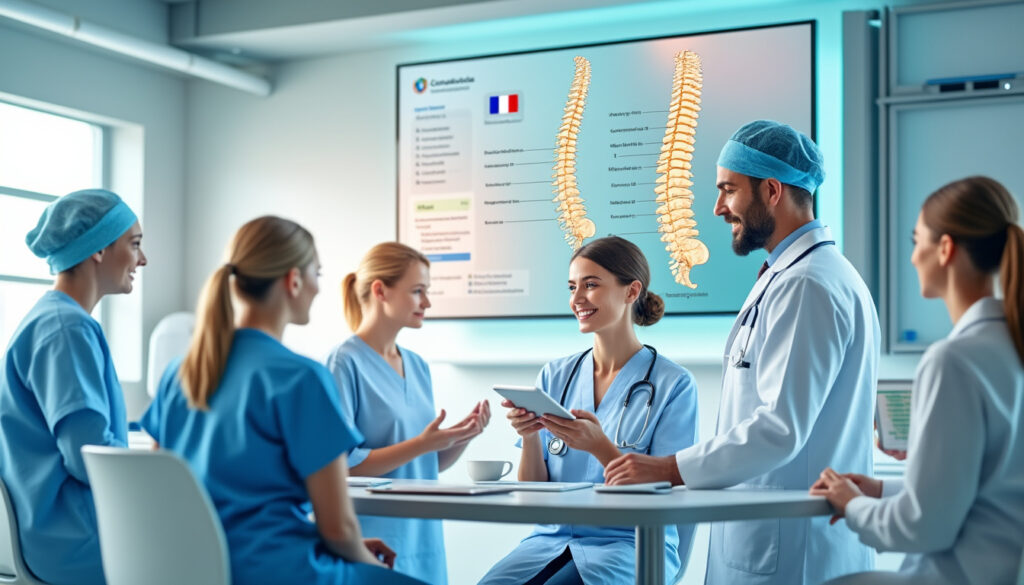
IntraSPINE® in Laval: Modern Solution for Lumbar Stabilization
In the evolving landscape of orthopedic treatments, the city of Laval has become a hub for innovations addressing chronic lower back pain. Among the groundbreaking solutions gaining attention is the IntraSPINE device—a modern spinal implant designed to offer dynamic lumbar…
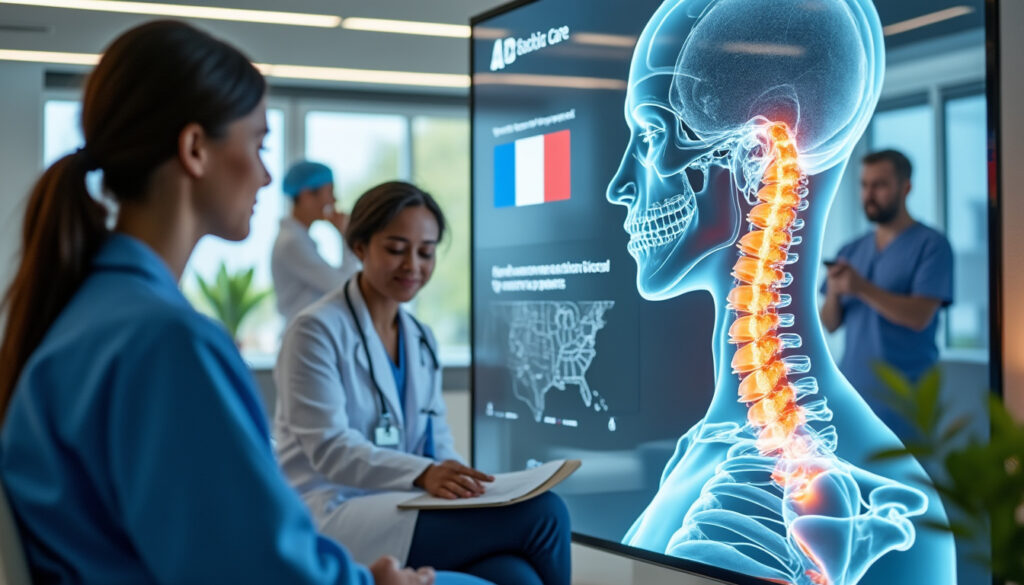
Neck Surgery in Montreal: Maintain Cervical Flexibility and Function
Neck conditions causing persistent pain or functional loss place a substantial burden on individuals and healthcare systems, especially in urban centers like Montreal. Surgical interventions targeting the cervical spine have evolved tremendously, aiming not only to relieve symptoms but to…
The Crucial Role of Conservative Treatments Before Considering Surgery
Adhering to responsible medical ethics and the rigors of evidence-based practice, it is critical that patients complete a thorough period of conservative therapies prior to any surgical intervention. Dr. Desforges emphasizes the importance of this phase, which not only serves as a diagnostic tool but also as a genuine therapeutic trial to potentially alleviate symptoms without the need for surgery.
Among conservative options, neurovertebral decompression therapy provided at Clinique TAGMED stands out for its innovation and effectiveness. Employing robotic-controlled traction techniques, this method gently relieves pressure around nerves and discs, facilitating significant pain reduction while enhancing spinal function.
Complementary treatments often include:
- Osteopathic manual therapy for restoring alignment and biomechanical balance
- Physiotherapy regimens to strengthen paraspinal muscles and improve posture
- Targeted injections to reduce inflammation and pain in specific areas
By prioritizing these treatments for a minimum of three to six months, patients receive the chance to avoid surgery or better prepare their body for it, leading to improved postoperative results. This approach harmonizes medical prudence with compassionate care, underscoring Dr. Desforges’ commitment to ethical practices.

Disc Prosthesis in Lévis: Quick and Long-Lasting Results
Chronic back pain caused by degenerative disc disease continues to profoundly impact the quality of life for many residents in Lévis and the broader Quebec area. For decades, traditional spinal fusion surgery has been the primary solution for alleviating severe…

Motion Surgery in Terrebonne: Maintain Intervertebral Mobility
Back pain remains a widespread concern for many in Quebec, with traditional treatment pathways often imposing lengthy waiting periods and financial constraints. Recently, Motion Surgery in Terrebonne has emerged as a transformative option, attracting patients seeking spinal solutions that prioritize…
Innovative Dynamic Implants: A New Era in Motion Surgery at Terrebonne
The success of motion surgery hinges on advanced implant technology designed to emulate the spine’s natural physiology while providing secure stabilization. Two prominent systems available to patients through French surgical centers include the TOPS and Intraspine implants.
The TOPS device incorporates an adaptive mechanical articulation, permitting controlled motion and distributing mechanical loads evenly across vertebral bodies. It reduces harmful forces on adjacent spinal segments, diminishing risks of degeneration.
Intraspine, on the other hand, offers a dynamic stabilization mechanism that maintains essential flexion, extension, and lateral rotation. This design reduces postoperative discomfort and supports enhanced mobility during rehabilitation.
Besides their functional advantages, these implants are fabricated from biocompatible, durable materials, ensuring excellent long-term patient outcomes. The tailored selection and placement of these devices are overseen by Dr. Desforges’ multidisciplinary team, combining surgical expertise with precision engineering to optimize patient care.
| Implant Type | Main Feature | Mobility Preservation | Key Benefit |
|---|---|---|---|
| TOPS | Adaptive Articulated Mechanism | Up to 80% | Reduced adjacent segment stress |
| Intraspine | Dynamic Stabilization | 60-75% | Enhanced movement with pain control |
Economic and Human Advantages of the Transatlantic Approach to Motion Surgery
Beyond the clinical benefits, the transatlantic patient care model offers substantial economic and human-centered advantages. Surgical procedures in France entail significantly reduced costs compared to private options available in Quebec. Even after accounting for travel and accommodation expenses, overall savings can be compelling.
This economic feasibility opens doors for many Quebec patients who might otherwise forego surgery due to financial constraints. Furthermore, the logistics and administrative aspects are expertly handled by partners like SOS Tourisme Médical and Franchir, minimizing stress and complexity for patients and families.
The human dimension of this pathway is equally vital. Dr. Desforges fosters a culture of trust and empathy, ensuring that patients receive clear, jargon-free explanations, and are empowered to make informed decisions. Personalized attention at each stage reassures patients and supports psychological well-being throughout their journey.
Here is a cost comparison illustrating this advantage:
| Expense Category | Estimated Cost in Quebec (CAD) | Estimated Cost in France (€) |
|---|---|---|
| Initial Consultation | $150 | 80 |
| Surgical Procedure | $15,000 | 8,000 |
| Post-operative Rehabilitation | $3,000 | 1,500 |
Key Advantages and Performance of Motion Surgery in Terrebonne for Patient Recovery
The hallmark of motion surgery in Terrebonne is its focus on achieving superior results while honoring the spine’s natural mechanics. Patients experience reduced postoperative pain, improved joint motion, and accelerated recovery timelines.
Thanks to minimally invasive surgical techniques combined with precision placement of dynamic implants, the trauma to surrounding tissues is minimized, enabling quicker mobilization. Many patients report returning to light activities within weeks, followed by progressively enhanced physical capability under supervised rehabilitation.
Moreover, the personalized nature of the care pathway ensures that treatment plans are continuously adjusted, responding to patient progress and specific recovery needs. This promotes sustainable health benefits and long-term patient satisfaction.
What criteria determine eligibility for motion surgery?
Eligibility relies on factors such as patient age, severity of symptoms, and response to conservative therapies. A thorough evaluation by an expert plays a key role.
How long is the typical recovery period after motion surgery?
Recovery timelines vary, but most patients notice significant improvements within the first few months following surgery, especially with proper rehabilitation support.
Is motion surgery covered by health insurance?
Coverage depends on individual insurance plans. Patients are encouraged to check with their providers for specific details.
Is it safe to undergo motion surgery abroad?
By choosing accredited and experienced clinics recognized internationally, patients can be assured of safety and high-quality care throughout their journey.
How can I start the consultation process?
Prospective patients can visit the dedicated website or directly contact specialized clinics to schedule an evaluation and receive personalized recommendations.