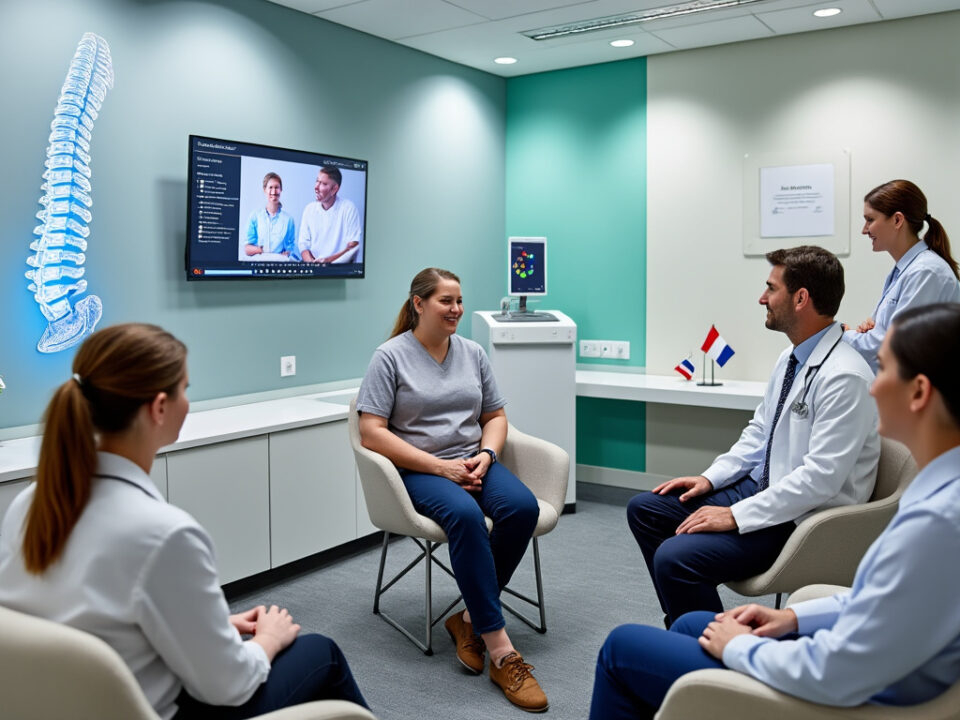
Disc Herniation in Saint-Hubert: Exploring Neurovertebral Decompression and Alternative Treatment Options
July 5, 2026
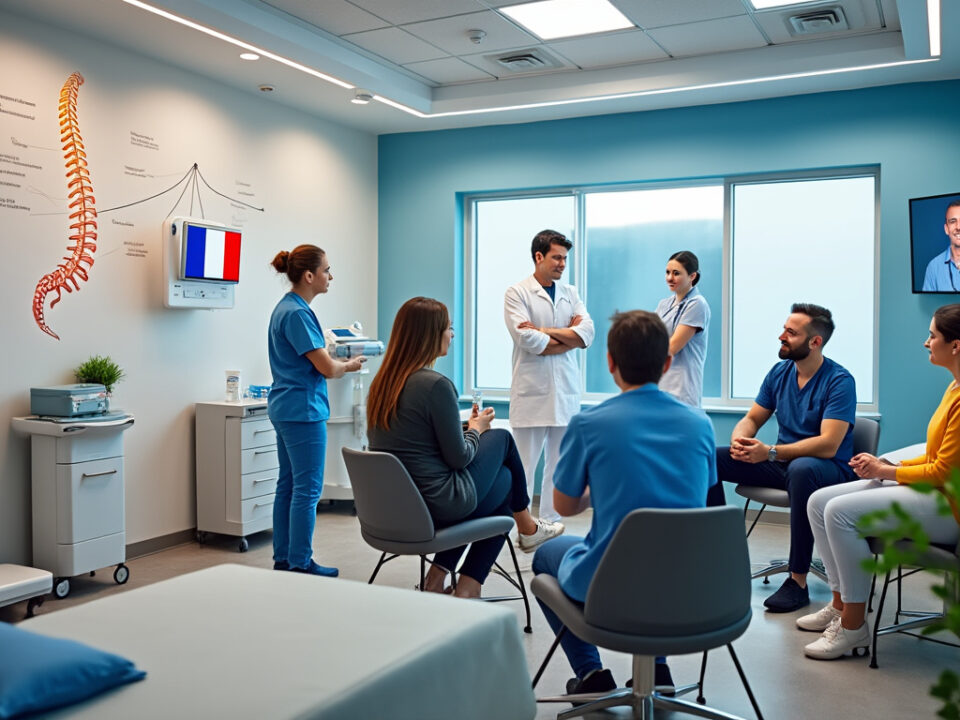
Motion Surgery in Terrebonne: Preserve Natural Spinal Biomechanics
July 6, 2026
Chronic neck pain can dramatically impact the lives of countless individuals, especially those in Quebec who often face the dilemma of choosing between enduring pain or undergoing invasive surgery. Yet, the landscape of neck surgery in Montreal has transformed remarkably. Through medical breakthroughs and surgical innovations, patients today have access to advanced techniques that not only alleviate pain but also prioritize the preservation of natural cervical spine mobility. These developments are driven by dedicated experts like Dr. Sylvain Desforges, whose profound clinical experience exceeding three decades, coupled with his pioneering spirit and commitment to excellence, position him at the forefront of spinal care. Integrating modern technology with compassionate, patient-centered approaches, Dr. Desforges and his team ensure every individual receives tailored treatments designed to foster recovery and restore quality of life.
Montreal’s hospitals and private clinics have embraced minimally invasive strategies and motion-preserving spinal procedures that significantly reduce post-surgical stiffness and enhance long-term neck functionality. This progress reflects a holistic understanding of spinal health, emphasizing not just immediate relief but also sustainable wellness through interdisciplinary care pathways, evidence-based protocols, and cutting-edge implants.
Innovations in Neck Surgery Techniques in Montreal to Preserve Cervical Mobility
The domain of neck surgery has historically been dominated by fusion techniques, which, while effective in pain relief, often result in reduced spinal motion and potentially accelerate degeneration in adjacent segments. Montreal’s surgical landscape has evolved with the introduction of motion-preserving surgeries that leverage dynamic implants and minimally invasive methods to maintain cervical flexibility after surgery.
Among the notable surgical advancements is the use of devices like the TOPS system and Prodisc-C cervical disc replacements. These implants function to stabilize but not immobilize the cervical segments, allowing patients to retain a range of motion comparable to their preoperative state. The significance of this cannot be overstated; preserving motion mitigates risks such as secondary arthritis and long-term functional impairment that have been associated with traditional fusion.
The transition toward these innovative implants corresponds with a broader surgical philosophy emphasizing the balance between effective decompression of nerve structures and the conservation of biomechanical harmony in the cervical spine. Surgeons trained under progressive protocols in Montreal now blend advanced imaging techniques, precise intraoperative navigation, and patient-specific planning, all contributing to tailored, gentler interventions.
Equally transformative is the advent of minimally invasive and endoscopic cervical surgeries that limit tissue disruption. These approaches not only reduce hospital stays but also speed up postoperative recovery, minimizing scarring and postoperative dysphagia often linked with anterior cervical procedures. This comprehensive approach to neck surgery in Montreal demonstrates the shift towards prioritizing both pain relief and mobility preservation, markedly improving patient outcomes and experiences.
IntraSPINE® in Sherbrooke: A Long-Lasting Solution for Chronic Lower Back Pain
Chronic lower back pain remains one of the most pressing health concerns in Sherbrooke and beyond, impacting millions and often diminishing daily quality of life. Despite the prevalence of lumbar discomfort, many face limited access to cutting-edge treatments amidst lengthy…
Comprehensive Patient Evaluation and Pre-Surgical Care with Dr. Sylvain Desforges
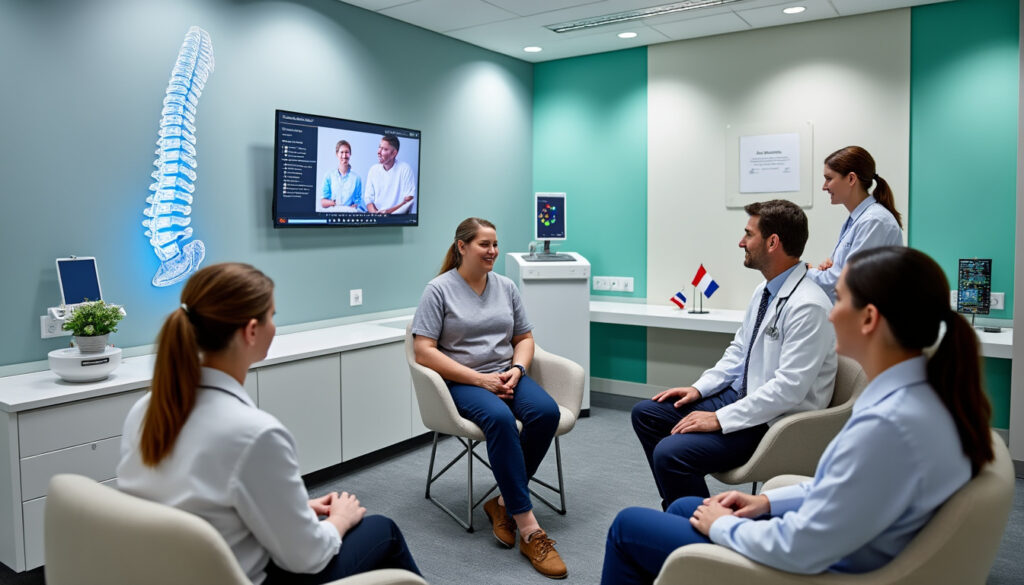
The patient journey in neck surgery under Dr. Sylvain Desforges is distinguished by a meticulous and holistic evaluation process. Drawing on his extensive qualifications (B.Sc., D.O., N.D.) and over 30 years of clinical expertise, Dr. Desforges conducts thorough assessments that extend beyond the spine itself, considering musculoskeletal balance, neurological function, and the patient’s overall health and lifestyle.
This evaluation encompasses detailed medical history reviews, clinical examinations, and high-resolution imaging studies tailored to individual pathology. By understanding each patient’s unique condition, Dr. Desforges can recommend a personalized treatment plan that often begins with conservative therapies aimed at delaying or even avoiding surgical intervention.
Central to his methodology is the use of neurovertebral decompression therapy, a sophisticated, robot-assisted traction technique employed at Clinique TAGMED. This therapy gently reduces pressure on affected cervical discs, promoting natural healing and functional restoration. Clinical evidence supports its efficacy, with studies indicating approximately 60% of patients experience significant relief and avoid surgery through dedicated conservative care.
Dr. Desforges believes in empowering patients with clear, accessible education about their condition. He ensures that patients and referring healthcare professionals alike grasp the indications, benefits, and potential limitations of each treatment option. This transparency strengthens trust and facilitates informed decision-making, a cornerstone of ethical and patient-centered care.
The preoperative phase also includes optimizing the patient’s condition with multidisciplinary support, such as physiotherapy and pain management, all coordinated to prepare for the best possible surgical outcomes if needed. This rigorous approach underscores Dr. Desforges’ commitment to scientific rigor, innovation, and safety, aligned fully with Quebec’s healthcare regulations and the Collège des médecins du Québec guidelines.
Key components of pre-surgical evaluation and care under Dr. Desforges:
- Comprehensive clinical and imaging diagnostics tailored to spinal pathology.
- Patient-centered education focusing on treatment pathways and expected outcomes.
- Use of neurovertebral decompression and advanced conservative therapies.
- Multidisciplinary collaboration for holistic patient optimization.
- Strict adherence to medical ethics and regulatory standards.
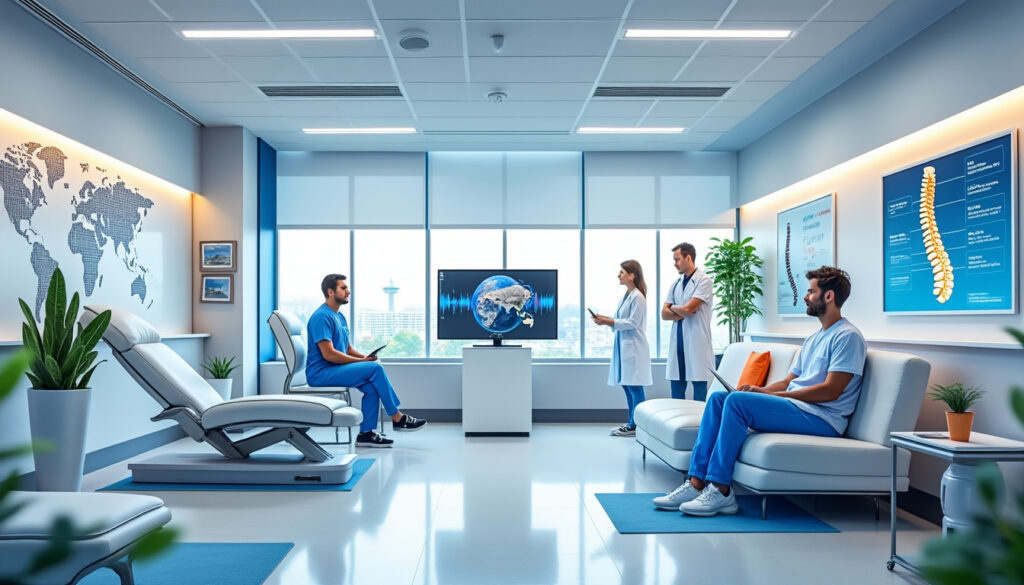
Herniated Disc Care in Sainte-Julie: Why TAGMED’s Neurovertebral Decompression Therapy Stands Out
In the vibrant community of Sainte-Julie, back pain—particularly that stemming from herniated discs—has become a widespread concern affecting people from all walks of life. The relentless search for effective, non-invasive treatments has brought renewed attention to a pioneering therapy that…
Motion-Preserving Surgical Solutions: Dynamic Implants and Their Role in Cervical Spine Care
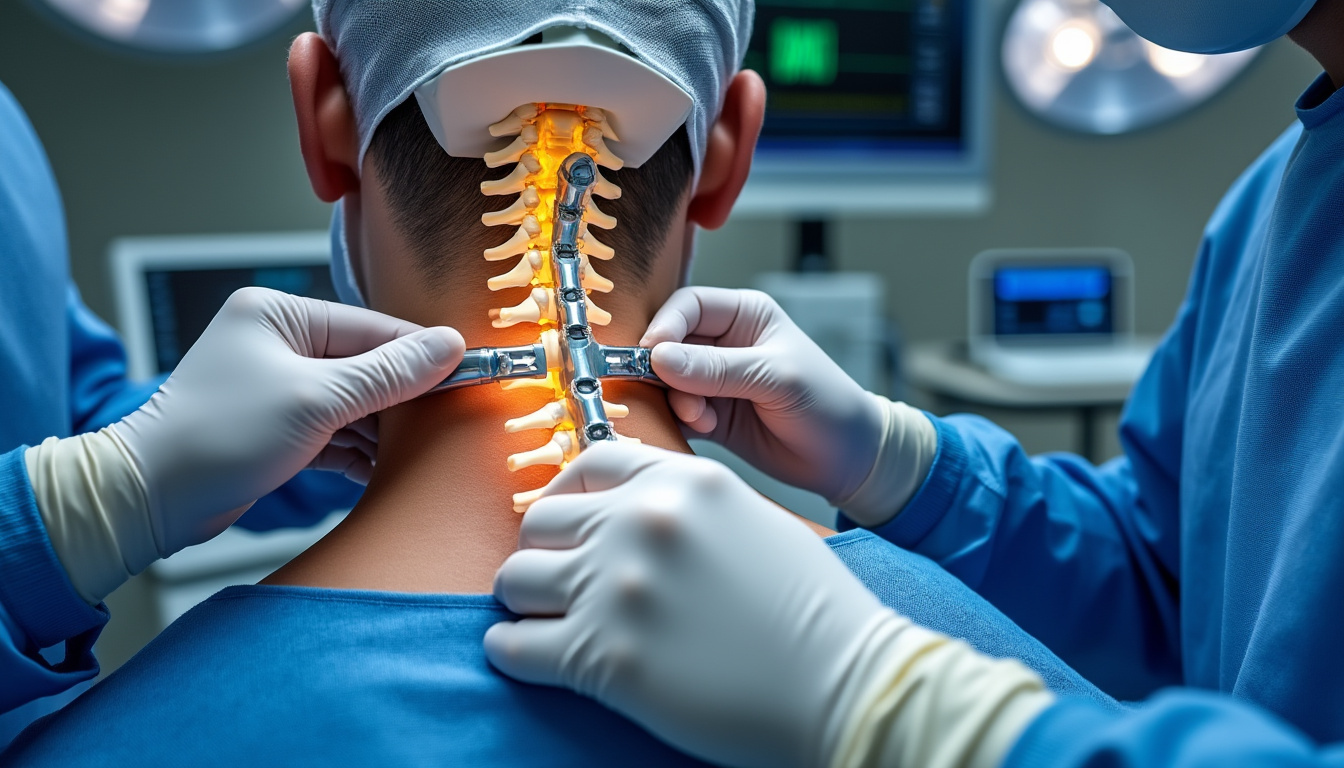
Dynamic implants represent a revolutionary leap in cervical spine surgery, designed to uphold the natural biomechanics of the neck postoperatively. Unlike traditional fusion devices that eliminate movement between vertebrae, dynamic implants like the TOPS system and cervical disc prostheses facilitate stability while permitting controlled, natural motion.
This innovation is pivotal for patients concerned with long-term consequences such as adjacent segment disease, a complication frequently observed after fusion. By preserving the functional mobility of operated segments, these implants support healthier spinal mechanics, reduce the progression of degeneration, and ultimately enhance quality of life.
The operative technique for placing dynamic implants requires sophisticated training and expertise, a combination adeptly mastered by Montreal’s leading experts including Dr. Sylvain Desforges and his colleagues. Careful patient selection is essential, as factors like the extent of spinal degeneration, alignment, and neurological impact guide the feasibility of motion-preserving surgery.
Intraoperative monitoring paired with modern imaging enables precision in implant placement, minimizing risks and optimizing outcomes. Postoperative protocols stress early mobilization and tailored rehabilitation, helping patients regain confidence and functionality swiftly.
Montreal’s embrace of dynamic implants and motion-preserving surgery is complemented by international collaborations. Partnerships with renowned surgical centers in France, facilitated by platforms like SOS Tourisme Médical, enable access to a wider array of implants and surgical innovations not yet widespread in Canada, enhancing patient options and outcomes.
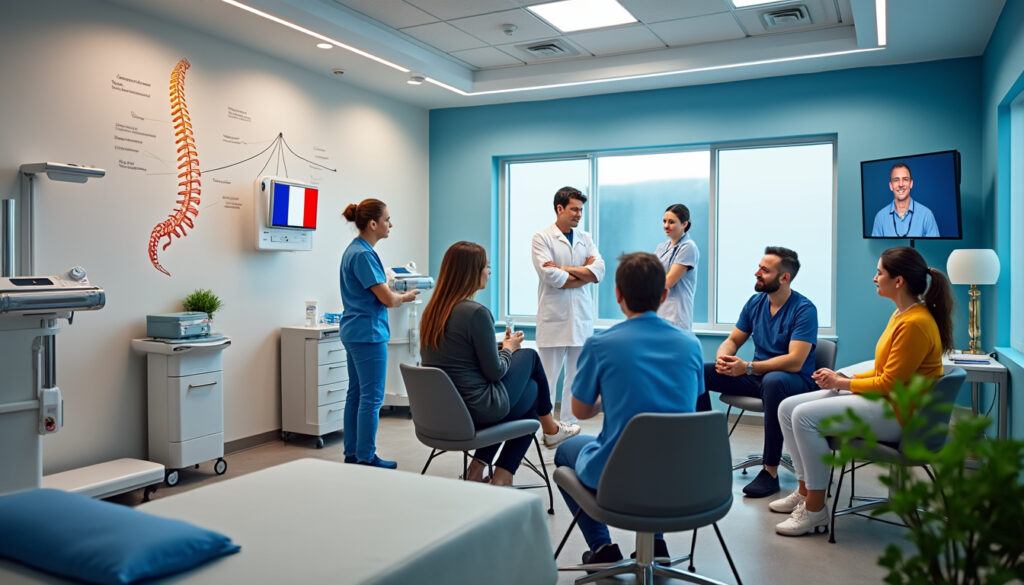
Back Surgery in Trois-Rivières: Alleviating Pain While Preserving Mobility
In Trois-Rivières, Quebec, the persistence of back pain affects a substantial portion of the population seeking effective and personalized solutions. Back pain, often caused by spinal disorders or herniated discs, can drastically diminish quality of life, limiting mobility and causing…
Minimally Invasive and Endoscopic Techniques in Neck Surgery: Reducing Trauma and Accelerating Recovery
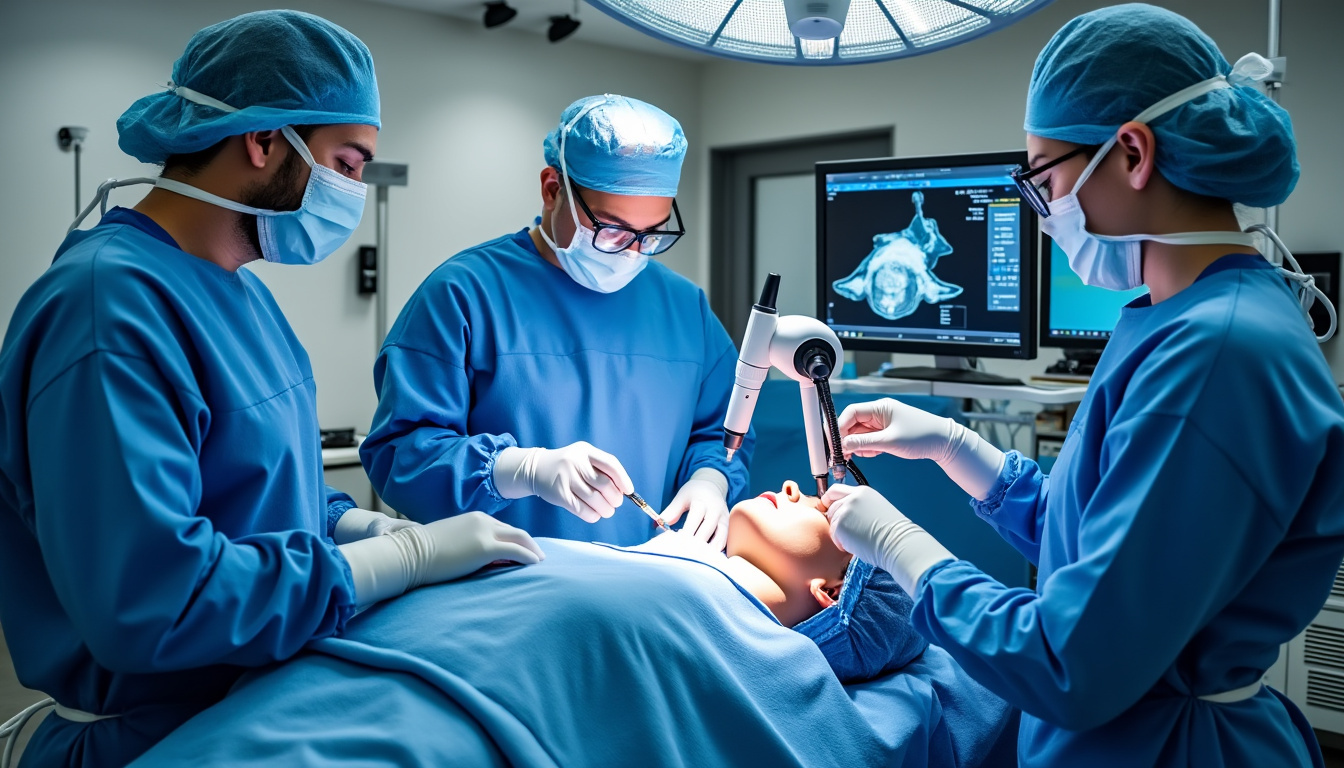
The evolution of neck surgery is marked by an emphasis on minimizing tissue damage, reducing scarring, and speeding recovery through minimally invasive and endoscopic surgery. These techniques leverage small incisions, specialized instruments, and enhanced visualization, allowing surgeons to perform spinal decompression and implant placement with less disruption compared to open surgery.
Patients benefit from shorter hospital stays, less postoperative pain, and quicker return to daily activities. This progress is especially meaningful in the context of cervical spine surgery, where traditional approaches often involved sizeable incisions and longer convalescent periods.
Montreal centers, including those directed by Dr. Desforges, utilize these less invasive methodologies to enhance both the surgical experience and long-term neck mobility. Endoscopic approaches provide magnified views of the spine’s intricate structures, improving accuracy and safety during delicate dissections around nerve roots and the spinal cord.
Integration with advanced imaging and neuromonitoring further augments surgical precision. These technologies enable early detection of nerve irritation or injury during surgery, allowing immediate response to protect neurological function.
Such advancements contribute substantially to improved patient satisfaction and functional outcomes, aligning with Dr. Desforges’ philosophy that prioritizes preservation of natural cervical function alongside symptom relief. The implementation of minimally invasive techniques helps sustain cervical mobility, crucial for patients’ quality of life and return to work or leisure activities.
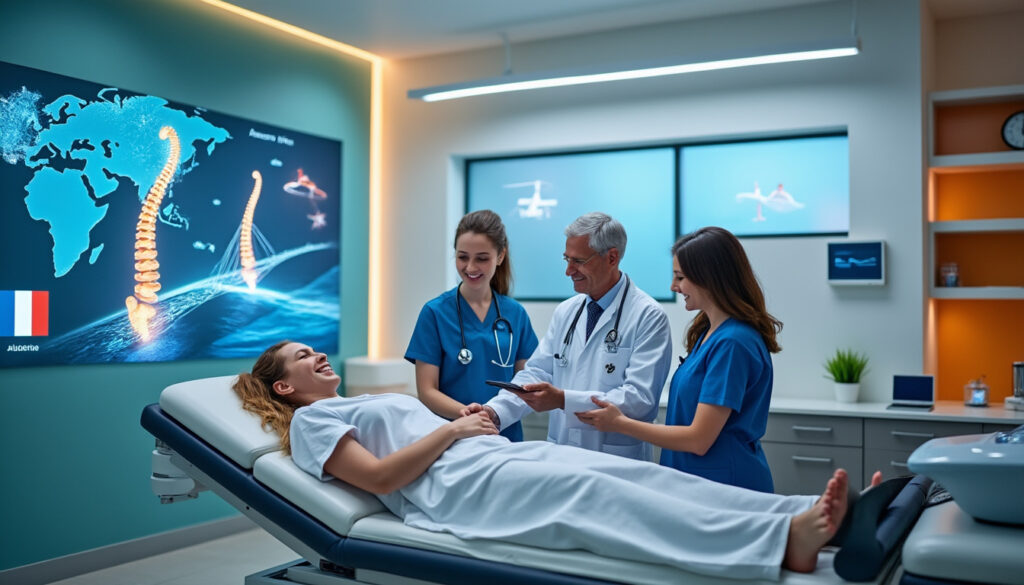
Disc herniation remains a significant health concern in Pointe-Claire, impacting the lives of a diverse population ranging from labor-intensive workers to the aging community. The condition, characterized by the displacement or rupture of the intervertebral disc, often leads to debilitating…
Transatlantic Coordination for Neck Surgery: Ensuring Seamless International Care
One of the distinctive features of Dr. Sylvain Desforges’ practice is his orchestration of a seamless transatlantic patient pathway for those requiring advanced neck surgery. Recognizing the value of collaborative international healthcare, Dr. Desforges has developed strong ties with leading spine surgeons and institutions in France.
This partnership enables patients to access innovative surgical techniques and dynamic implants unavailable locally, bridging gaps caused by lengthy wait times and limited regional resources. The coordination extends beyond surgery, encompassing preoperative evaluation, logistical arrangements for travel and accommodation, and postoperative rehabilitation.
Patients experience transparency and continuity of care through efficient communication and coordination among multidisciplinary teams in Montreal and Europe. This system removes barriers and reduces the stress often associated with medical travel.
Furthermore, strict adherence to the regulatory frameworks of both Quebec and Canadian medical authorities ensures patient safety and compliance at every step. The comprehensive support network includes platforms like SOS Tourisme Médical, which specialize in facilitating medical travel and optimizing treatment timelines.
This international model exemplifies an innovative, patient-centered approach that enhances access to cutting-edge neck surgery while guaranteeing consistent follow-up care at home.

At Gouin Clinic, the landscape of herniated disc therapy has entered a transformative era marked by the integration of Personalized Treatment Plans and breakthrough Neurovertebral Decompression Therapy. This non-surgical approach is revolutionizing how spinal disorders are managed, offering patients an…
Postoperative Rehabilitation and Long-Term Neck Mobility Preservation
The success of any neck surgery is deeply intertwined with effective postoperative rehabilitation. Dr. Sylvain Desforges strongly advocates for customized rehabilitation programs designed to restore function, reduce pain, and maintain cervical spine mobility in the long term.
Rehabilitation often begins with gentle mobilization and functional exercises, carefully calibrated to the surgery type and implant used. Close follow-up ensures timely interventions to address any complications such as stiffness or nerve irritation.
Montreal’s neurotherapy clinics, including Neurothérapie Montréal, collaborate closely to provide individualized rehabilitation services grounded in the latest scientific evidence. These programs incorporate physical therapy, neuromuscular retraining, and ergonomic counseling to optimize patient outcomes.
Patients are encouraged to actively participate in their recovery journey with educational support from Dr. Desforges’ team, enabling them to understand their progress and adhere to protocols effectively. The goal remains clear: to preserve or even enhance neck mobility, fostering independence and a return to normal activities.
The importance of long-term follow-up cannot be overstated, as ongoing assessments allow early detection of any degenerative changes or complications, ensuring timely management tailored to patient needs.
Essential components of postoperative care and rehabilitation include:
- Personalized physiotherapy protocols focusing on flexibility and strength.
- Regular neurological evaluations to monitor recovery.
- Patient education on posture and ergonomics to prevent recurrence.
- Psychological support to address anxiety related to recovery.
- Long-term surveillance for implant integrity and spinal health.

Cervical Disc Prosthesis in Quebec: Preventing Post-Operative Stiffness
Neck pain is one of the most common musculoskeletal complaints in Quebec, affecting a significant portion of the population annually. Often rooted in degenerative cervical disc diseases or herniated discs, this persistent discomfort severely impacts daily life and mobility. Fortunately,…
The Economic and Human Advantages of Montreal’s Transatlantic Surgical Pathway
The integration of Montreal’s neck surgery expertise with international partners provides not only medical advantages but significant economic and human benefits. For many Quebecers faced with extended waitlists and prohibitive costs in private healthcare, this transatlantic pathway offers timely access to advanced surgical care at competitive prices.
Patients receive comprehensive support that extends beyond the operating room, including streamlined travel logistics, linguistic assistance, and empathetic care coordination. This patient-centric model decreases anxiety, fosters trust, and ensures personalized treatment aligned with individual expectations and needs.
Moreover, through adherence to both local and international medical standards, the pathway guarantees a high quality of care while integrating innovative surgical options. This bridges gaps between healthcare systems, providing Quebec patients with opportunities previously unavailable domestically.
Such collaborations exemplify how thoughtful organizational frameworks can enhance healthcare access, improve surgical outcomes, and address cost challenges in a patient-focused manner.
The prevalence of herniated disc conditions in Blainville has sparked considerable discussion and misconceptions about their causes, symptoms, and treatments. While the pain and disability associated with this spinal disorder are well documented, the emergence of non-surgical options such as…
Understanding Conservative Care Options Before Neck Surgery
While advancements in neck surgery are substantial, Dr. Desforges emphasizes the primacy of exhausting conservative treatment options before proceeding to surgery. This approach reduces unnecessary interventions and optimizes patients’ overall health status to facilitate better surgical outcomes when necessary.
Neurovertebral decompression therapy is a cornerstone of these conservative treatments, applying controlled robotic traction to decrease cervical disc pressure. This method has gained support for its success in reducing symptoms of cervical radiculopathy and disc herniation without surgical risks.
Additionally, multidisciplinary care including physiotherapy, pain management, and lifestyle modifications contributes to improved cervical spine health and function. Patients are encouraged to engage actively in these therapies and monitor their progress closely.
Such strategies are integral to holistic spinal care, reflecting Dr. Desforges’ commitment to innovation grounded in evidence-based medicine and patient safety.
| Conservative Treatments | Key Benefits | Typical Duration |
|---|---|---|
| Neurovertebral Decompression | Reduces nerve pressure, alleviates pain, promotes healing | 3 to 6 months |
| Physiotherapy & Exercise | Improves flexibility, strengthens support muscles | Variable, often ongoing |
| Pain Management | Controls symptoms and improves daily function | As needed |
Patients eager to explore cutting-edge alternative interventions may find value in consulting resources like Minimally Invasive Neck Surgery options available in Montreal, which detail state-of-the-art surgical innovations and rehabilitation strategies.
Minimally Invasive Surgery in Longueuil: Reducing Hospital Stays for Faster Recovery
In recent years, a transformative wave has swept through spinal healthcare in Longueuil, aiming to revolutionize treatment experiences for patients suffering from back disorders. This shift stems from a growing demand for procedures that minimize hospital stays without compromising efficacy.…
Educational Support and the Patient Experience: Dr. Desforges’ Human-Centered Approach
Fundamental to Dr. Sylvain Desforges’ practice is a commitment to clear communication and patient empowerment. Recognizing the anxiety and uncertainty associated with neck surgery, Dr. Desforges prioritizes explanation and education at every stage, helping patients navigate complex medical information with ease.
This includes demystifying surgical procedures, discussing realistic expectations, and clarifying postoperative care requirements. Patients benefit from comprehensive counseling sessions, often involving family members, to build a supportive environment.
In this inclusive framework, every individual receives a customized approach tailored to their unique condition and lifestyle. The approach not only fosters confidence but also motivates patients throughout their recovery. This model stands as a distinctive hallmark of Dr. Desforges’ practice, blending scientific rigor with empathy and innovation to maximize outcomes and preserve neck mobility.
For individuals wishing to explore these advanced neck surgery options and personalized care pathways, direct consultation opportunities are available at Dr. Desforges’ informational platform, where evidence-based insights and supportive contact options facilitate every step of the care journey.
What are the advantages of dynamic implants in cervical surgery?
Dynamic implants preserve post-operative range of motion, reduce the likelihood of secondary arthritis, and enhance daily comfort.
Why is exhausting conservative treatment options before surgery important?
Conservative care helps avoid unnecessary surgeries and optimizes the patient’s overall health prior to any surgical intervention.
How does neurovertebral decompression work?
It uses controlled, robotic traction to reduce pressure on the cervical discs, alleviating pain and encouraging recovery.
Is the transatlantic pathway for neck surgery safe?
Yes, meticulous coordination ensures compliance with local standards, guaranteeing patient safety and quality care throughout the process.
How long does post-operative follow-up last after neck surgery?
Follow-up can span several months, including regular consultations and rehabilitation sessions tailored to patient needs.