Disc Prosthesis in Lévis: Innovative Alternative to Fusion
October 26, 2025
IntraSPINE® in Laval: Fast and Lasting Recovery
October 26, 2025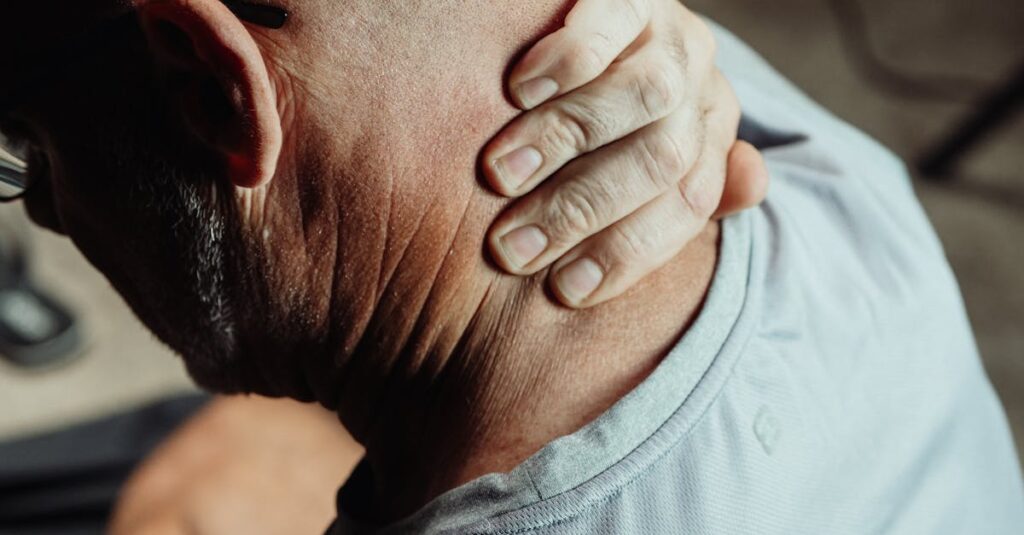
Neck pain is a pervasive issue that influences the quality of life of many individuals in Montreal and beyond. When conservative treatments fail to bring relief, some patients contemplate surgical intervention as a viable solution. However, the concern about postoperative stiffness and limited neck mobility is common among patients considering neck surgery. Navigating this delicate balance requires detailed knowledge of surgical options, postoperative care, and rehabilitation techniques focused on minimizing stiffness and restoring optimal function.
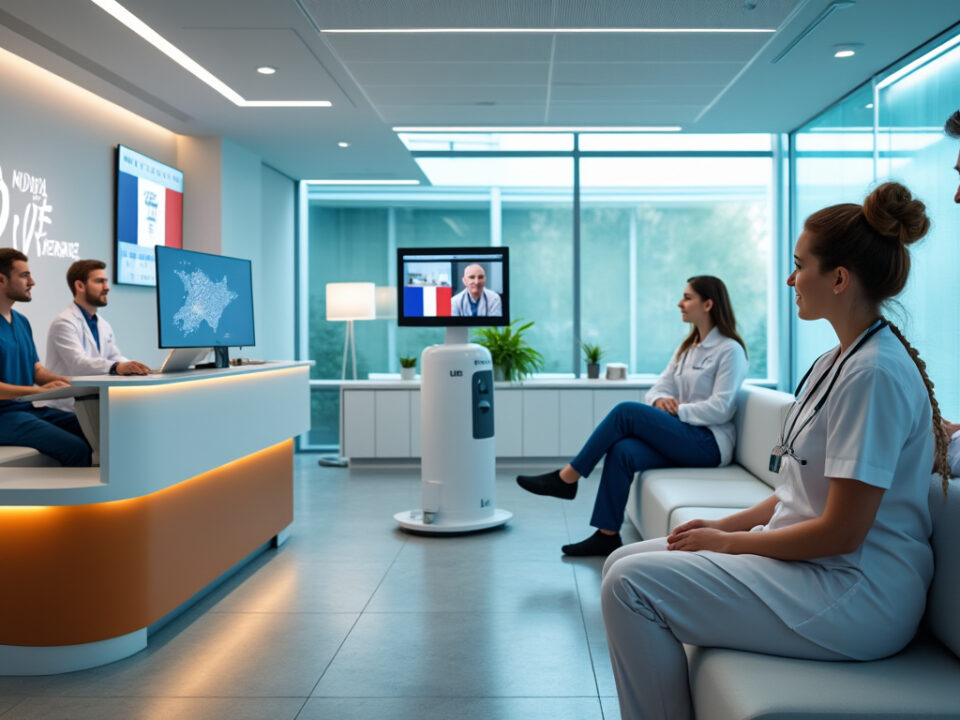
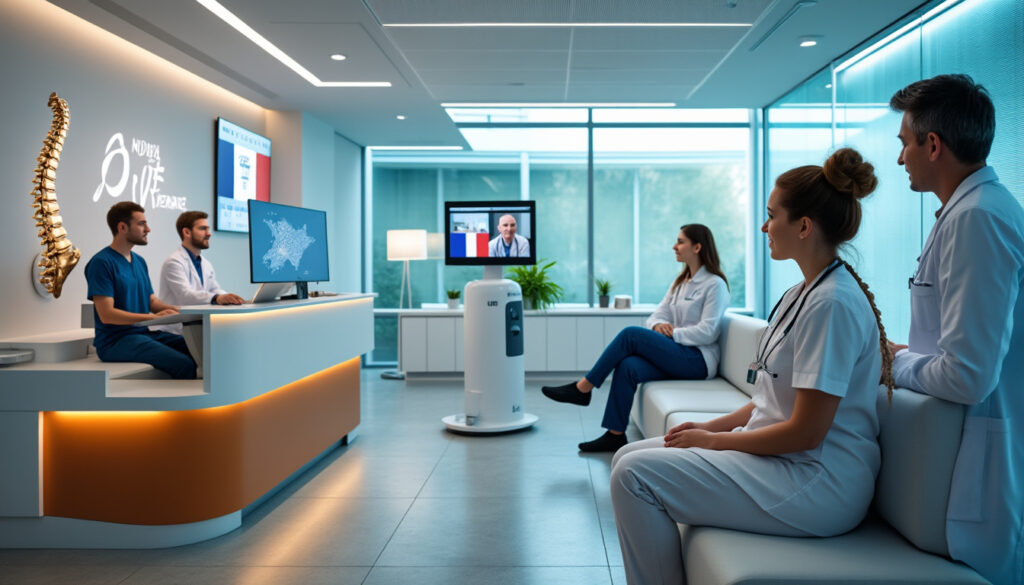
Thanks to advances in precision neck surgery and innovative care protocols at specialized centers such as the Montreal Neck Surgeons and Montreal Spine Clinic, patients can benefit from customized treatments that respect the biomechanics of the cervical spine. A transatlantic collaboration, such as the one facilitated through platforms like SOS Tourisme Médical, allows patients to access cutting-edge techniques available in France while ensuring seamless care continuity upon returning to Canada.
With over three decades of unwavering dedication to spinal evaluations and holistic patient care, Dr. Sylvain Desforges reflects the forefront of scientific rigor and innovation in the realm of cervical surgical assessments and conservative management. The integration of high-tech modalities—like neurovertebral decompression, dynamic implants, and laser therapies—combined with a patient-focused educational approach fosters confidence and informed decision-making for those facing neck surgery.
Comprehensive Overview of Neck Surgery Options in Montreal and France
Understanding the spectrum of available neck surgeries is foundational to choosing the best path forward. Generally, neck surgeries fall into three broad categories: simple decompression, fusion surgeries, and motion-preserving procedures such as artificial disc replacement.
Simple decompression surgeries aim to relieve nerve compression without altering vertebral stability. This may include procedures such as anterior cervical discectomy where herniated or degenerated discs are removed to alleviate symptoms.
Fusion surgeries involve permanently joining two or more vertebrae to stabilize the cervical spine. While effective in addressing instability and severe degenerative changes, fusion can reduce neck mobility, sometimes leading to increased stress on adjacent segments causing post-surgical complications.
Motion-preserving surgeries such as cervical disc prostheses aim to maintain cervical flexibility by replacing diseased discs with implants that allow natural movement. These procedures are increasingly favored for eligible patients because they present biomechanical advantages over fusion, including lowering the risk of adjacent segment disease.
In France, institutions have pioneered access to advanced implants and surgical techniques, including dynamic implant technologies unavailable in Canada. For instance, clinics like Clinique TAGMED provide access to neurovertebral decompression and laser interventions before and after surgery, enhancing recovery potential. Such options underscore the importance of considering international collaboration and optimized surgical planning.
- Simple decompression to relieve pressure on nerve roots;
- Spinal fusion to stabilize the cervical spine;
- Artificial disc replacement preserving motion of the cervical segments;
- Innovative techniques involving dynamic implants and laser-assisted surgery;
- Availability of specialized protocols at Montreal and international centers.
| Type of Neck Surgery | Main Goal | Advantages | Potential Limitations |
|---|---|---|---|
| Simple Decompression | Relieve nerve pressure | Minimally invasive; preserves motion | May not address instability |
| Fusion Surgery | Stabilize spine | Strong, lasting stabilization | Reduced neck mobility; risk of adjacent segment disease |
| Motion-Preserving Surgery | Maintain cervical flexibility | Reduces adjacent segment stress; preserves function | Eligible to fewer patients; availability varies |
This diversity reflects the evolving landscape of cervical spine surgery. Selecting an appropriate surgical approach demands thorough evaluation of each patient’s anatomy, symptom severity, and functional needs—all areas where Dr. Desforges’ expertise in spinal assessment is invaluable.

IntraSPINE® in Sherbrooke: Durable Solution for Chronic Low Back Pain
The management of chronic low back pain, a widespread condition affecting millions across Quebec and beyond, has reached a pivotal moment thanks to innovative medical technologies and coordinated care pathways. At the heart of this evolution lies the IntraSPINE implant,…
Detailed Patient Pathway from Diagnosis to Recovery Across Canadian and French Facilities
Embarking on a neck surgery journey is complex and demands coordinated care throughout multiple stages. The transatlantic care pathway developed by Dr. Sylvain Desforges presents an exemplary model that integrates rigorous evaluation, surgical precision, and personalized postoperative support.
Initial Evaluation and Conservative Management take place primarily in Canada. Dr. Desforges utilizes extensive clinical examination and state-of-the-art imaging to assess cervical pathology and determine the best treatment trajectory.
Pre-Surgical Treatment Period generally lasts between three to six months. This phase is crucial and emphasizes the completion of conservative therapies, including neurovertebral decompression available at institutions like the Clinique TAGMED, manual therapies, and medical management aimed at symptom alleviation and delaying or possibly avoiding surgery.
Surgical Intervention occurs at carefully selected specialized centers in France known for expertise in both standard and advanced motion-preserving neck surgeries, including dynamic implants and laser-aided operations.
Postoperative Rehabilitation and Follow-Up are performed in Montreal to ensure optimal recovery, integrating protocols from centers like the Montreal Spine Clinic and expert neck motion specialists, facilitating safe and directed rehabilitation aimed at minimizing stiffness and promoting functional gains.
- In-depth initial clinical and radiological assessment;
- Conservative care emphasizing neurovertebral decompression and manual therapies;
- Coordination with French surgical centers for advanced procedures;
- Organized postoperative rehab with Montreal-based neck motion specialists;
- Continuous communication across teams for personalized adjustment of care plan.
| Phase | Location | Key Activities | Primary Outcomes |
|---|---|---|---|
| Initial Assessment | Montreal | Spinal evaluation, imaging, conservative therapy planning | Diagnosis, non-surgical management strategy |
| Pre-Surgical Treatment | Montreal | Neurovertebral decompression, manual therapy, medication | Symptom reduction, readiness for surgery if needed |
| Surgical Treatment | France | Precision surgery with advanced implants or fusion | Resolution of spinal pathology, preserved motion |
| Postoperative Rehab | Montreal | Directed neck mobility exercises, manual care, follow-up | Minimized stiffness, restored function |
This integrated care model assures the patient of expert supervision at every step. Each phase incorporates scientific rigor and ethical commitment, hallmarks of Dr. Desforges’ practice. Technical innovations are harnessed wisely to optimize outcomes while patient education remains a priority.
Spine Surgery in Trois-Rivières: Reduce Pain and Preserve Mobility
In recent years, spine surgery in Trois-Rivières has evolved notably, combining advanced medical expertise with innovative technologies to deliver patient-centered care. This growing field addresses the increasing demand among Quebec residents seeking effective solutions for chronic back pain and mobility…
Benefits of Motion-Preserving Surgery in Maintaining Neck Mobility
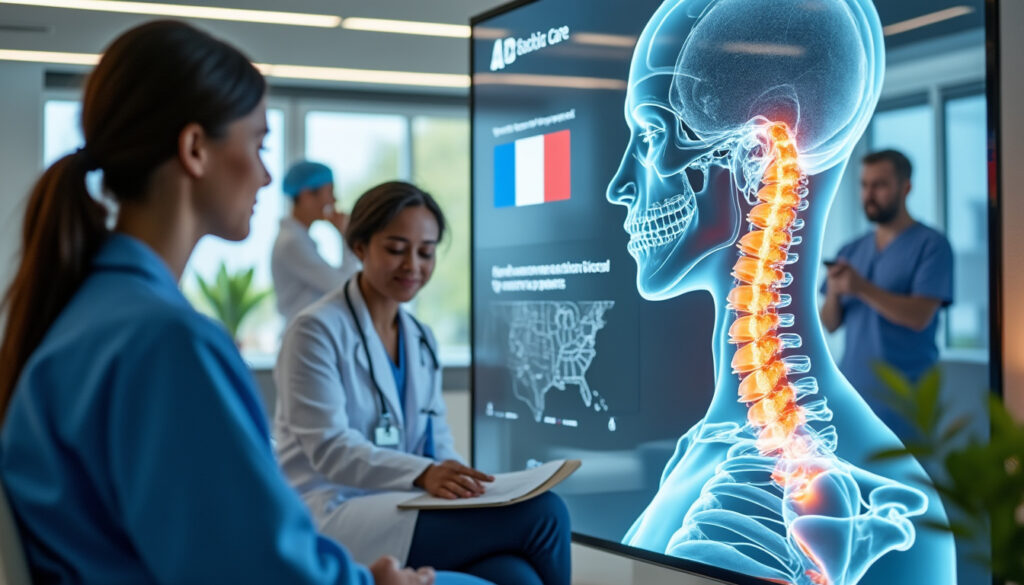
One of the major concerns after cervical surgery is postoperative stiffness which can significantly impact a patient’s quality of life. Motion-preserving surgeries, such as artificial cervical disc replacement, have transformed the treatment landscape by sustaining flexibility and reducing adjacent segment disease risk.
Unlike fusion which limits movement between vertebrae, implants used in motion-preserving surgery allow natural spinal dynamics during daily activities. This biomechanics-friendly approach creates several benefits:
- Preservation of Neck Flexibility: Patients maintain a nearly normal range of motion, contributing to greater comfort.
- Reduced Adjacent Segment Stress: By preserving movement, the mechanical load on neighboring vertebrae decreases, limiting degeneration.
- Improved Postoperative Recovery: Quicker return to neck motion reduces rehabilitation time.
- Lower Reoperation Rates: Studies indicate decreased incidence of need for further surgeries due to adjacent segment disease.
- Better Long-Term Outcomes: Enhanced functional preservation translates into sustained quality of life improvements.
For example, research from patients treated with cervical disc prostheses in specialized clinics shows up to 79% superior outcomes compared to fusion surgeries in terms of mobility and complication rates. This is particularly significant for active patients demanding a full range of neck motion for both professional and personal activities.
| Outcome | Motion-Preserving Surgery | Fusion Surgery |
|---|---|---|
| Range of Motion | Preserved | Restricted |
| Adjacent Segment Disease | Lower Risk | Higher Risk |
| Rehabilitation Time | Shorter | Longer |
| Long-Term Complications | Reduced | Increased |
| Suitability | Selective, based on evaluation | Broadly indicated |
Such data reinforce the recommendation to carefully evaluate candidates for motion surgery by experts in neck pathology and biomechanics. This evaluation ensures that innovations are applied judiciously, maximizing individual benefit.


Cervical Disc Prosthesis in Quebec City: Avoid Post-Surgery Stiffness
Chronic neck pain remains a significant challenge for thousands of residents in Quebec City every year, often leading them to seek effective spinal surgery options that minimize downtime and maximize long-term mobility. Among the recent advancements revolutionizing cervical spine care,…
Prioritizing Conservative Treatments and the Role of Neurovertebral Decompression
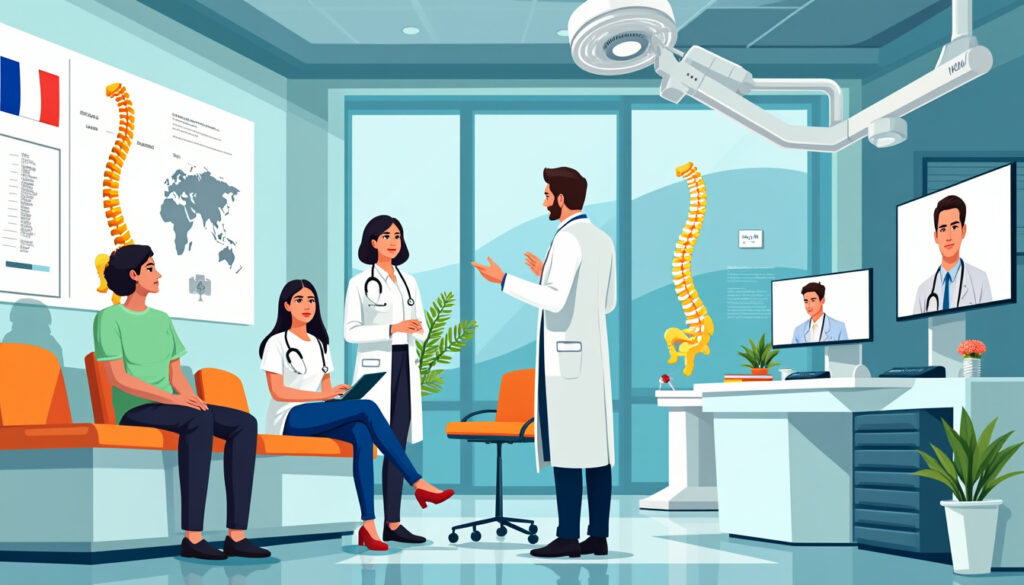
Before considering surgery, it is critical to exhaust comprehensive conservative therapies lasting three to six months. This ensures that surgery is reserved for those who truly require it and optimizes surgical outcomes when necessary.
Among these therapies, neurovertebral decompression has garnered significant attention, especially at the Clinique TAGMED, a leader in advanced conservative spinal care. This non-invasive technique uses specialized equipment to gently relieve nerve pressure and improve spinal function without the risks associated with surgery.
- Manual therapy and osteopathic evaluation for targeted symptom management;
- Physical therapy focusing on posture correction and strengthening the cervical musculature;
- Neurovertebral decompression to reduce nerve root compression non-surgically;
- Medication management to control pain and inflammation where appropriate;
- Patient education and lifestyle adjustments to support recovery and maintain spinal health.
Completion of this therapeutic phase often results in significant symptom reduction or stabilization, altering the necessity or timing of surgery. Furthermore, if surgery becomes unavoidable, prior decompression therapy bolsters postoperative recovery by enhancing tissue health and reducing inflammation.
| Conservative Therapy | Purpose | Expected Benefit |
|---|---|---|
| Manual Therapy | Relieve muscular tension and improve joint mobility | Reduced stiffness and pain |
| Neurovertebral Decompression | Alleviate nerve root pressure | Symptom relief without surgery |
| Physical Therapy | Strengthen neck muscles, improve posture | Improved spinal stability |
| Medication | Control pain and inflammation | Comfort and functional improvement |
| Patient Education | Encourage adherence and lifestyle adaptation | Long-term symptom management |
Patients should consult with specialists in conservative spinal care to confirm that all appropriate measures have been applied. Dr. Desforges strongly advocates this cautious, evidence-based approach promoting patient safety and optimal outcomes.
Minimally Invasive Surgery in Longueuil: Reduce Hospital Stay Duration
In recent years, advances in spinal care have dramatically reshaped the treatment landscape for patients suffering from debilitating spinal conditions. Particularly in Longueuil, the emergence of minimally invasive surgery (MIS) techniques offers a transformative alternative to conventional open surgeries. These…
Strategies to Minimize Postoperative Neck Stiffness and Enhance Recovery in Montreal
Postoperative neck stiffness is often distressing and can hinder patients’ return to daily activities. Expert care plans emphasize safe mobilization, pain management, and rehabilitation to accelerate functional restoration while avoiding complications.
Key recommendations for patients undergoing neck surgery in Montreal include:
- Rest: Limiting bending, twisting, and lifting heavier objects (>10 lbs) during the initial postoperative period (24-48 hours, extending to 1 week for some activities) reduces undue stress on healing tissues.
- Use of Neck Braces: Wearing prescribed collars or braces for up to six weeks during movement supports stability and prevents excessive motion that can compromise healing.
- Regular Wound Care: Maintaining clean dressings and avoiding submersion of incisions until full healing safeguards against infection.
- Nutrition: Ensuring adequate protein, vitamin C, and calcium intake supports wound healing and bone fusion where applicable.
- Progressive Neck Mobility Exercises: Guided neck strengthening and stretching exercises initiated under professional supervision help regain neck motion safely, contributing to postoperative rehab success.
- Medication Management: Gradual tapering of narcotics toward non-opioid options reduces side effects and facilitates active participation in rehab.
Early identification and reporting of symptoms such as increased pain, sensory changes, or wound complications are essential. Timely intervention can prevent secondary issues compromising recovery.
| Postoperative Care Element | Description | Importance |
|---|---|---|
| Activity Restrictions | Rest and movement limitation initially | Supports tissue healing |
| Neck Brace Use | Stabilize cervical spine during healing | Prevents excessive strain |
| Wound Care | Maintain hygiene and promote healing | Reduces infection risk |
| Nutrition | High-protein, vitamin C, calcium-rich diet | Optimizes wound and bone recovery |
| Rehabilitation | Guided exercises and mobility work | Minimizes stiffness and restores function |
| Medication | Tapering pain meds in accordance with healing | Enhances patient safety |
Centers like ProOrtho and Montreal Spine Clinic provide comprehensive postoperative care plans grounded in clinical evidence and tailored to patient needs.

IntraSPINE® in Laval: Modern Solution for Lumbar Stabilization
In the evolving landscape of orthopedic treatments, the city of Laval has become a hub for innovations addressing chronic lower back pain. Among the groundbreaking solutions gaining attention is the IntraSPINE device—a modern spinal implant designed to offer dynamic lumbar…
Post-Cervical Spine Surgery Pain and Chiropractic Care Options in Montreal
Persistent neck pain following cervical spine surgery is a challenging issue encountered by a significant portion of patients. Degenerative disc disease (DDD) and adjacent segment disease often contribute to ongoing discomfort despite surgical intervention.
Chiropractic care provided by specialized clinics such as Dr. Hoang’s Chiropractic Clinic offers an effective adjunct management approach. Their use of gentle techniques including cervical manipulation using the Cox Technic System, soft tissue mobilization, flexion-distraction decompression, and ultrasound therapy has demonstrated relief in many patients.
Reports indicate that conservative care techniques can yield favorable outcomes in postoperative neck pain syndromes, especially when repeat surgeries are not viable or desired by patients.
- Manual spinal manipulation tailored to postoperative anatomy;
- Flexion-distraction techniques to decompress the cervical segment gently;
- Soft tissue therapy to alleviate muscular tension;
- Therapeutic ultrasound for tissue healing and pain modulation;
- Integration of nutritional advice to slow down degenerative processes.
| Chiropractic Technique | Purpose | Benefit |
|---|---|---|
| Cox Technic | Gentle cervical spinal manipulation | Reduction of pain and improved mobility |
| Flexion-Distraction Decompression | Spinal segment decompression | Alleviates post-surgical nerve discomfort |
| Soft Tissue Mobilization | Relieve muscular tension | Decreases stiffness |
| Therapeutic Ultrasound | Tissue healing aid | Promotes recovery and pain relief |
| Nutritional Guidance | Support degenerative disc health | Slows disease progression |
This integrative approach offers hope to patients contending with the aftermath of cervical surgery and exemplifies the multidimensional care Dr. Desforges consistently supports within the Montreal neck care community.
Neck Surgery in Montreal: Maintain Cervical Flexibility and Function
Neck conditions causing persistent pain or functional loss place a substantial burden on individuals and healthcare systems, especially in urban centers like Montreal. Surgical interventions targeting the cervical spine have evolved tremendously, aiming not only to relieve symptoms but to…
Economic and Humanitarian Advantage of Transatlantic Surgical Pathways
Patients in Quebec face various challenges including long wait times for spinal surgery and high private care costs. The option to pursue surgical care in France through coordinated transatlantic pathways emerges as a well-considered alternative offering profound economic and human benefits.
Economic advantages include better access to advanced surgical technology not yet widely available in Canada, such as dynamic implants and laser-assisted procedures that may reduce recovery time and overall healthcare burden. Financial incentives arise from cost differences and streamlined care reducing indirect costs associated with prolonged disability.
From a humanitarian perspective, the transatlantic path offers:
- Accelerated Access to Surgery: Significantly reducing waiting periods fraught with progressive disability.
- Comprehensive Care Coordination: Personal accompaniment and oversight by Dr. Desforges ensure quality and continuity.
- Patient-Centered Planning: Tailored surgical and rehab plans acknowledging individual needs and unique medical profiles.
- Safety and Scientific Rigor: Adherence to Canadian and Quebec ethical standards combined with innovative practices.
- Enhanced Recovery Prospects: Access to advanced postoperative care including neurovertebral decompression to sustain gains.
| Advantage | Description | Impact on Patient |
|---|---|---|
| Reduced Wait Times | Faster access to needed surgery | Decreased suffering and faster symptom relief |
| Cost Efficiency | Lower total treatment costs | Financial relief and accessibility |
| Advanced Technology | Use of dynamic implants and lasers | Improved outcomes and fewer complications |
| Personalized Care | Coordinated transatlantic care pathway | Better patient satisfaction and trust |
| Integrated Rehab | Postoperative decompression and therapy | Optimized functional recovery |
Patients interested in exploring these international options are encouraged to discuss their cases with experts like Dr. Desforges to access tailored recommendations and trustworthy surgical networks.

Disc Prosthesis in Lévis: Quick and Long-Lasting Results
Chronic back pain caused by degenerative disc disease continues to profoundly impact the quality of life for many residents in Lévis and the broader Quebec area. For decades, traditional spinal fusion surgery has been the primary solution for alleviating severe…
Educational Role in Patient Empowerment and Decision-Making
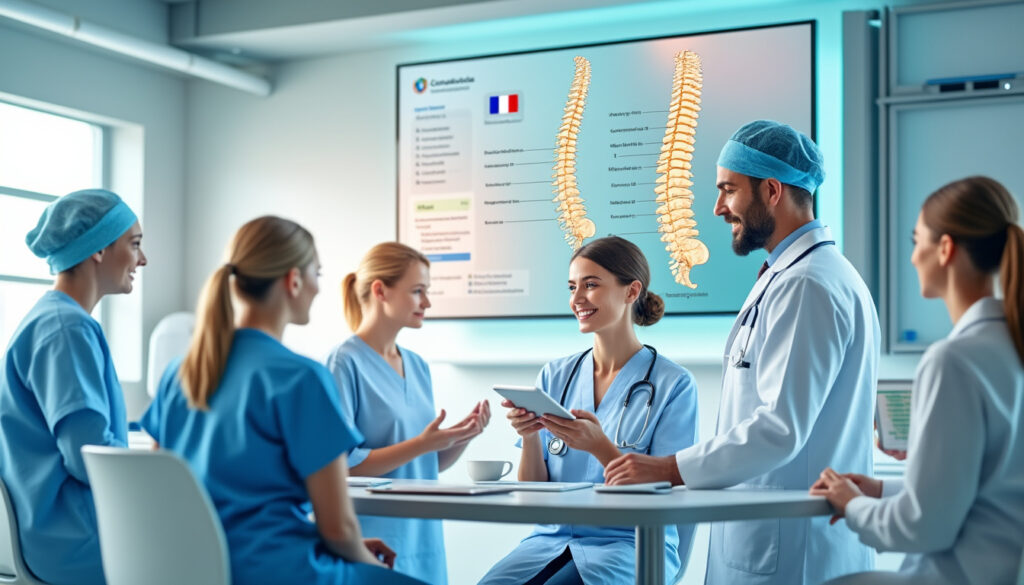
Patients often face a maze of complex information when considering neck surgery. Dr. Desforges emphasizes a patient-centric approach focused on clear, jargon-free explanations of surgical and nonsurgical options, risks, benefits, and recovery expectations.
Key components of this educational role include:
- Comprehensive evaluation reports that demystify pathologies;
- Transparent discussion of indications, contraindications, and alternatives;
- Guidance on engaging with multidisciplinary teams and understanding technology options;
- Encouragement for patients to ask questions and actively participate in care decisions;
- Ongoing support throughout the transatlantic treatment and rehabilitation journey.
This model reduces anxiety, dispels misconceptions, and fosters a collaborative atmosphere conducive to optimal health outcomes. Patients can thus make informed and personalized choices respecting their individual values and lifestyles.
| Educational Focus | Purpose | Benefit to Patient |
|---|---|---|
| Clear Explanations | Make complex concepts accessible | Better understanding and informed consent |
| Indications and Alternatives | Clarify treatment options and limits | More confidence and control over decisions |
| Patient Engagement | Encourage active participation | Empowerment and satisfaction |
| Continuous Support | Provide reassurance and guidance | Reduced anxiety and improved adherence |
Patients interested in learning more or discussing their cases can contact the clinic for expert evaluation and tailored advice.
What types of neck surgeries are commonly used to treat cervical spine disorders?
The most common neck surgeries include simple decompression, spinal fusion, and motion-preserving disc replacement, each serving distinct clinical goals depending on patient pathology.
How important is conservative treatment before considering neck surgery?
It is essential to complete 3 to 6 months of conservative therapies such as neurovertebral decompression and manual therapy to maximize non-surgical relief before surgery is considered.
What are the benefits of artificial disc replacement compared to fusion surgery?
Artificial disc replacement helps preserve neck mobility, reduces adjacent segment degeneration, shortens rehabilitation time, and offers better long-term outcomes for suitable patients.
How does the transatlantic surgical pathway benefit patients in Quebec?
It offers quicker access to advanced technology, cost savings, personalized care coordination, and optimized postoperative rehabilitation bridging Canadian and French expertise.
What are key strategies to minimize post-surgical neck stiffness?
Effective postoperative care involves controlled activity, neck bracing, proper nutrition, early mobilization exercises, careful medication management, and attentive wound care.

Motion Surgery in Terrebonne: Maintain Intervertebral Mobility
Back pain remains a widespread concern for many in Quebec, with traditional treatment pathways often imposing lengthy waiting periods and financial constraints. Recently, Motion Surgery in Terrebonne has emerged as a transformative option, attracting patients seeking spinal solutions that prioritize…