Vaudreuil-Dorion Lumbar Disc Rehabilitation After Injury
May 16, 2026
Mirabel Neck Pain Managed Non-Surgically
May 16, 2026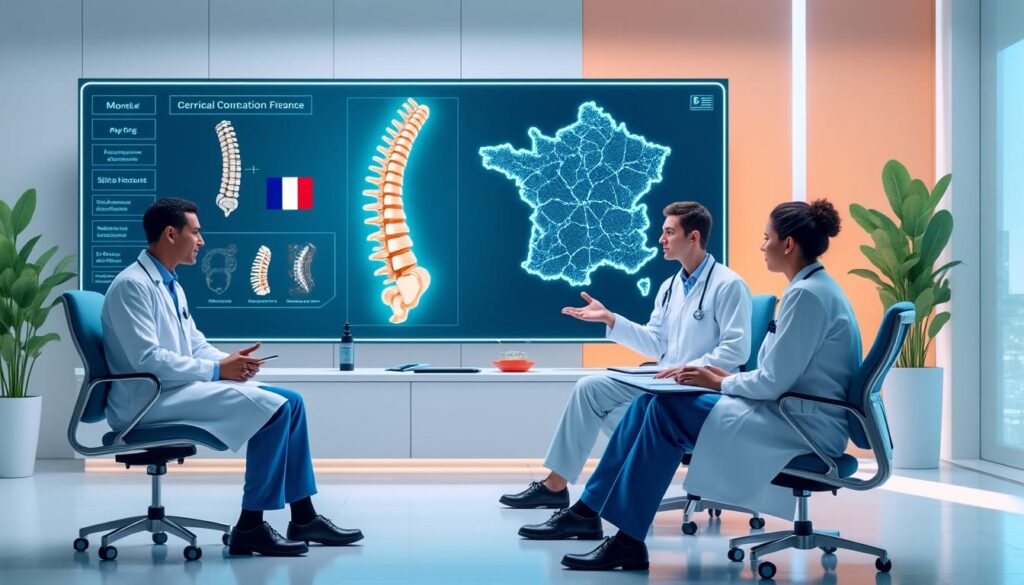
Neck disorders, especially those involving the cervical spine, present a challenging health concern for many patients in Montreal and beyond. Advances in spine surgery over recent decades have revolutionized treatment options, enabling more precise and less invasive interventions that better preserve patients’ quality of life. With over 30 years of experience in the field, Dr. Sylvain Desforges has positioned himself as a leading expert in cervical health, offering comprehensive assessments and expert guidance for individuals seeking innovative solutions to their spinal conditions. His multidisciplinary approach, grounded in rigorous scientific evidence and ethical standards, facilitates patient access to state-of-the-art procedures and personalized care pathways that span across the Atlantic between Quebec and France.
The landscape of neck surgery today embraces a diverse array of techniques, ranging from traditional fusion procedures to dynamic solutions aimed at preserving cervical mobility. This evolution reflects not only technological progress but also a deeper understanding of spinal biomechanics and patient-centered outcomes. Montreal-based patients now benefit from coordinated transatlantic networks that bridge advanced surgical centers with robust preoperative and postoperative care services, optimizing safety and functional recovery. This article explores the modern surgical techniques available for cervical spine conditions, outlines the patient journey from evaluation to recuperation, and highlights the valuable role of conservative treatment modalities led by organizations such as Clinique TAGMED before considering surgical interventions.
Exploring Modern Surgical Techniques for Cervical Spine Health in Montreal
The range of surgical interventions for cervical spine conditions has greatly expanded, offering tailored solutions to meet individual patient needs. Traditional cervical fusion surgery has long been a mainstay for stabilizing segments affected by degenerative changes, herniated discs, or trauma. However, this approach often results in loss of neck mobility and can predispose patients to adjacent segment degeneration, prompting the development of more advanced methods.
Minimally invasive spine surgery techniques have emerged as a breakthrough in reducing operative trauma, accelerating recovery, and diminishing postoperative discomfort. These include anterior cervical discectomy and fusion (ACDF), corpectomy with fusion (ACCF), and posterior decompression procedures such as laminectomy. Of particular interest are artificial disc replacement implants like Prodisc-C and Mobi-C, which maintain physiological motion of the cervical segment while alleviating nerve compression symptoms.
Such motion-preserving technologies represent a paradigm shift in cervical spine surgery. Unlike fusion, which permanently immobilizes spinal segments, dynamic implants allow normal flexion, extension, and rotation, thereby reducing biomechanical stress on adjacent vertebral levels. This not only improves postoperative cervical function but may also extend the longevity of the spine’s natural structure. Leading clinics in Montreal and France harness these implants’ potential, integrating them into comprehensive treatment plans after thorough patient assessments.
Dr. Desforges’ extensive expertise and role as founder and president of several professional bodies, including the ACMA and the Collège des Ostéopathes Canadiens, ensure that these surgical techniques and implant choices are evaluated against the highest standards of clinical efficacy and safety. His commitment to innovation and evidence-based practice guarantees that patients receive care consistent with Quebec and Canadian medical regulations, while also benefiting from international advancements.
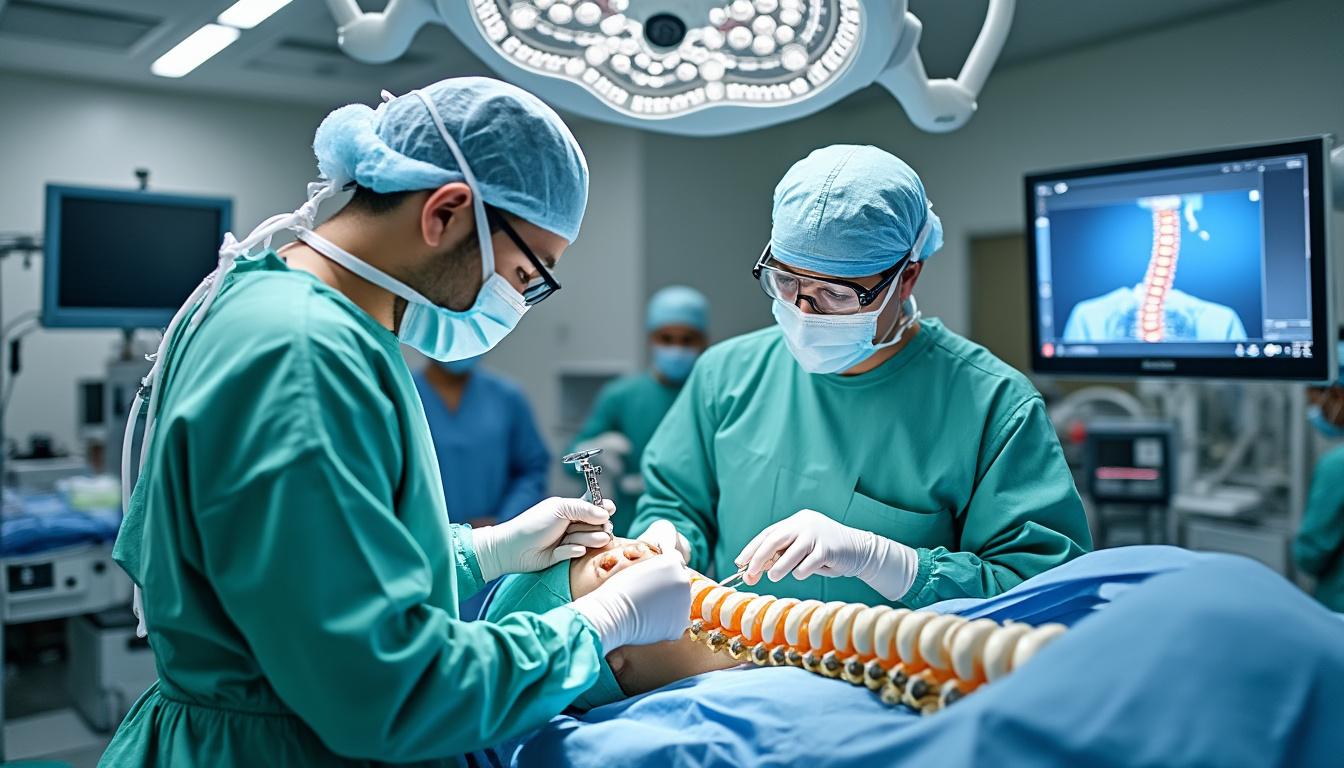

IntraSPINE® in Sherbrooke: Durable Solution for Chronic Low Back Pain
The management of chronic low back pain, a widespread condition affecting millions across Quebec and beyond, has reached a pivotal moment thanks to innovative medical technologies and coordinated care pathways. At the heart of this evolution lies the IntraSPINE implant,…
Comprehensive Patient Evaluation and Coordinated Care Pathways
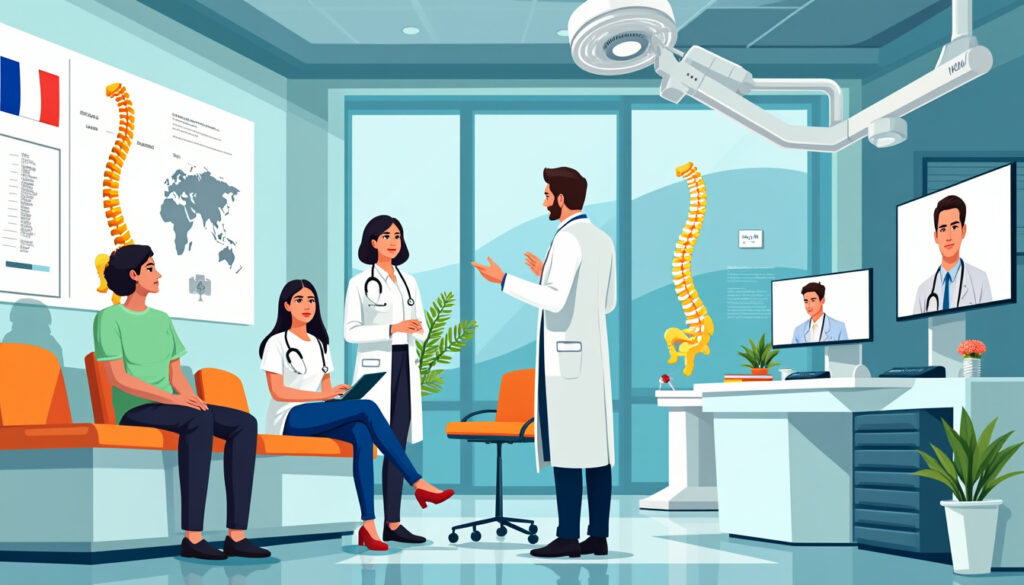
An essential element underpinning successful neck surgery outcomes is an exhaustive and personalized patient evaluation. Dr. Sylvain Desforges spearheads this initial stage, leveraging clinical expertise accumulated over more than three decades to assess cervical pathologies meticulously, considering symptomatology, imaging findings, and prior treatments.
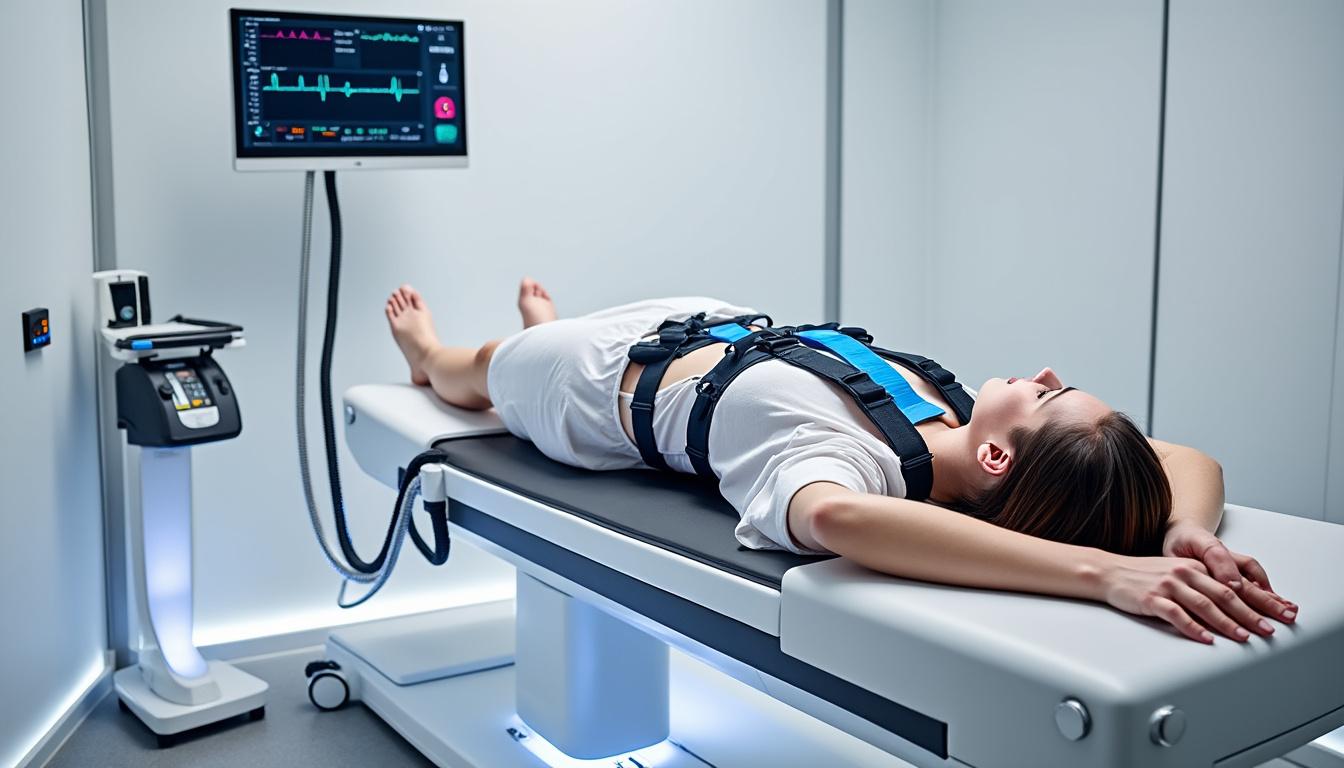
Patients typically start their journey at recognized institutions such as Clinique TAGMED in Quebec, where conservative therapies including neurovertebral decompression are prioritized. These non-invasive modalities aim to alleviate nerve pressure and improve spinal function before surgical options are explored. Only after a minimum period of 3 to 6 months of conservative care, including this specialized decompression technique, is surgery considered, ensuring that irreversible interventions are reserved for persistent or severe cases.
The evaluation process utilizes advanced imaging technologies and multidisciplinary consultations to map the patient’s condition accurately. This may trigger referrals to French surgical specialists renowned for their expertise in cutting-edge cervical procedures. Coordination platforms like SOS Tourisme Médical ensure logistical support, scheduling, and continuous dialogue between Canadian and French teams, optimizing care continuity.
Moreover, postoperative management is seamlessly integrated into this transatlantic care model, with centers such as Neurothérapie Montréal providing tailored rehabilitation plans to facilitate optimal functional recovery and pain management. This cohesive continuum reinforces patient confidence and fosters a collaborative healing environment.
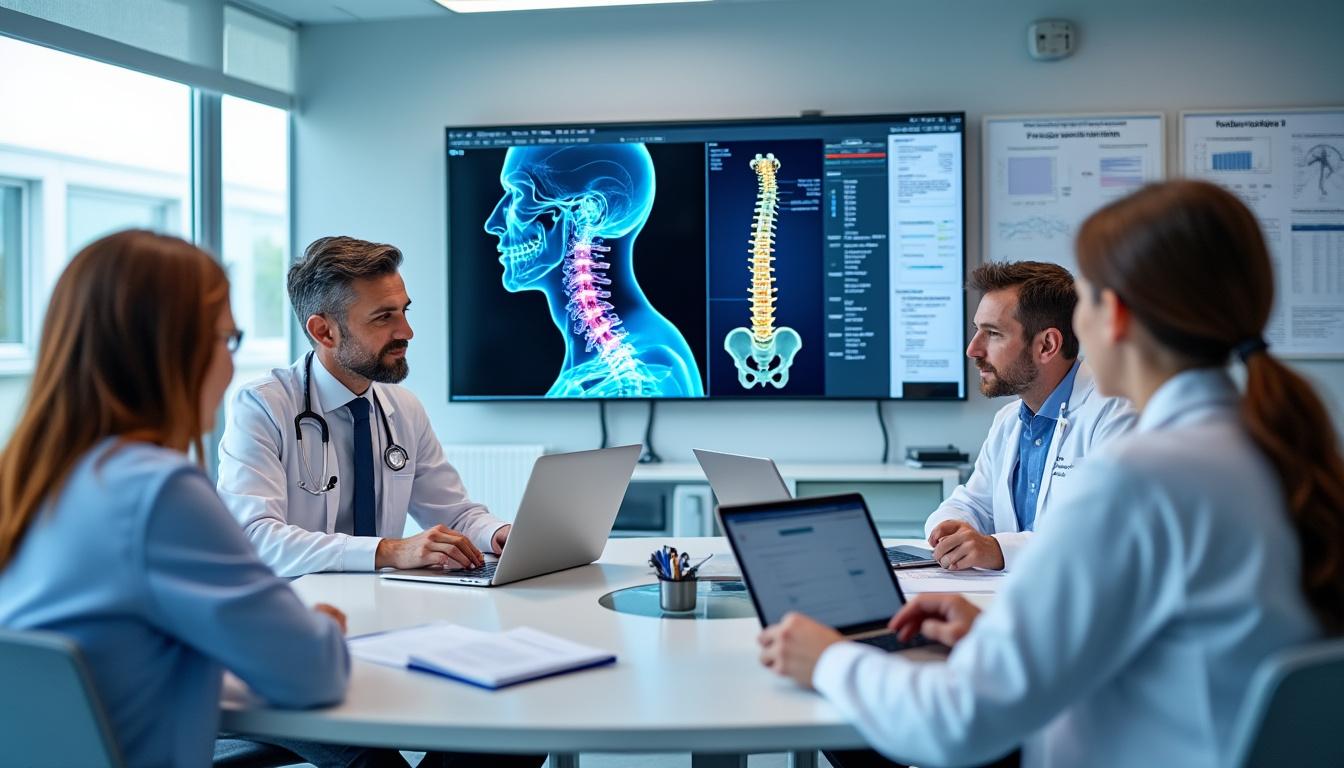
Spine Surgery in Trois-Rivières: Reduce Pain and Preserve Mobility
In recent years, spine surgery in Trois-Rivières has evolved notably, combining advanced medical expertise with innovative technologies to deliver patient-centered care. This growing field addresses the increasing demand among Quebec residents seeking effective solutions for chronic back pain and mobility…
Comparing Cervical Spine Surgery Techniques: Fusion Versus Motion-Preserving Implants
When deciding among surgical options, understanding the biomechanical implications of each technique is critical. Traditional fusion surgery involves joining affected vertebrae to eliminate motion that aggravates nerve roots. While effective for stabilization, the resulting rigidity can lead to compensatory hypermobility in adjacent segments, potentially accelerating their degeneration and causing long-term complications.
Conversely, motion-preserving implants such as artificial cervical discs offer an alternative by maintaining near-normal mobility. The Prodisc-C and Mobi-C models are designed to mimic natural disc movement, supporting flexion, extension, lateral bending, and axial rotation. Clinical studies indicate that patients receiving these devices often experience reduced postoperative stiffness and improved neck functionality, contributing to a better quality of life.
Nevertheless, fusion remains indicated in cases of severe instability or deformity where motion preservation is contraindicated. Selecting the appropriate technique requires individualized assessment, considering patient health, severity of cervical pathology, lifestyle, and expectations.
| Surgical Technique | Description | Benefits | Considerations |
|---|---|---|---|
| Traditional Fusion | Fuses two or more vertebrae together to eliminate movement | Effective stabilization, addresses severe instabilities | Loss of neck flexibility, adjacent segment degeneration risk |
| Artificial Disc Replacement | Implants a prosthetic disc to maintain natural movement | Preserves mobility, reduces adjacent segment stress, better postoperative function | Not suitable for severe instability or deformities |
| Minimally Invasive Decompression | Relieves nerve pressure using small incisions | Less operative trauma, quicker recovery | May not address all structural issues |
Dr. Desforges ensures that every patient is presented with clear, evidence-based information about these options, promoting informed and confident decision-making regarding their cervical spine health. Resources detailing modern surgical options in Montreal can be explored further, such as on specialized websites highlighting the latest approaches available.

TOPS™ in Gatineau: High-Performance Option for the Lumbar Spine
The landscape of spinal surgery has witnessed profound evolution, particularly for patients grappling with lumbar spine disorders such as spinal stenosis and spondylolisthesis. These conditions, increasingly prevalent among Quebec’s population, impose substantial limitations on mobility and quality of life. The…
Advantages of Transatlantic Surgical Pathways for Patients Seeking Cervical Spine Care
The collaboration between Quebec and French medical centers exemplifies a model of innovation that delivers unparalleled benefits to patients. This transatlantic approach provides accelerated access to advanced surgical technologies often unavailable or subject to lengthy wait times locally. Through partnerships facilitated by SOS Tourisme Médical, patients can benefit from expertly coordinated care that spans continents.
Key advantages of this scheme include comprehensive pre-surgical evaluation, personalized surgical planning with renowned experts, and meticulous postoperative follow-up ensuring safe rehabilitation. The ability to select from a variety of implant types and surgical techniques abroad allows for superior customization, matching treatments to unique anatomical and clinical profiles.
Beyond clinical gains, the economical aspect is also significant. Patients can often access high-quality care at more reasonable costs or reduced wait times compared to private options in Quebec. The human dimension is paramount; Dr. Desforges’ empathetic guidance and patient education help reduce anxiety and empower individuals to engage actively in their health decisions during this complex journey.
Cervical Disc Prosthesis in Quebec City: Avoid Post-Surgery Stiffness
Chronic neck pain remains a significant challenge for thousands of residents in Quebec City every year, often leading them to seek effective spinal surgery options that minimize downtime and maximize long-term mobility. Among the recent advancements revolutionizing cervical spine care,…
The Critical Role of Conservative Therapies Prior to Surgery
Before considering surgical intervention, it is paramount to exhaust conservative treatment avenues. Clinical experience backed by scientific protocols mandates a minimum of 3 to 6 months dedicated to non-invasive management to mitigate symptoms and potentially obviate the need for surgery. Among these approaches, neurovertebral decompression offered at Clinique TAGMED stands out for its advanced methodology.
This therapy focuses on gently relieving nerve root pressure through controlled mechanical means, promoting natural healing and reducing inflammation. It is especially beneficial for patients experiencing radicular pain or mild to moderate disc herniations. Adhering to this treatment regimen can enhance surgical outcomes by optimizing cervical spine condition and minimizing surgical risks if surgery is eventually required.
Dr. Desforges’ comprehensive patient evaluations incorporate review of these conservative treatments and their effectiveness. Only when these modalities fail to deliver satisfactory relief is surgery proposed as a carefully considered next step.
Minimally Invasive Surgery in Longueuil: Reduce Hospital Stay Duration
In recent years, advances in spinal care have dramatically reshaped the treatment landscape for patients suffering from debilitating spinal conditions. Particularly in Longueuil, the emergence of minimally invasive surgery (MIS) techniques offers a transformative alternative to conventional open surgeries. These…
Postoperative Management and Rehabilitation for Optimal Cervical Health
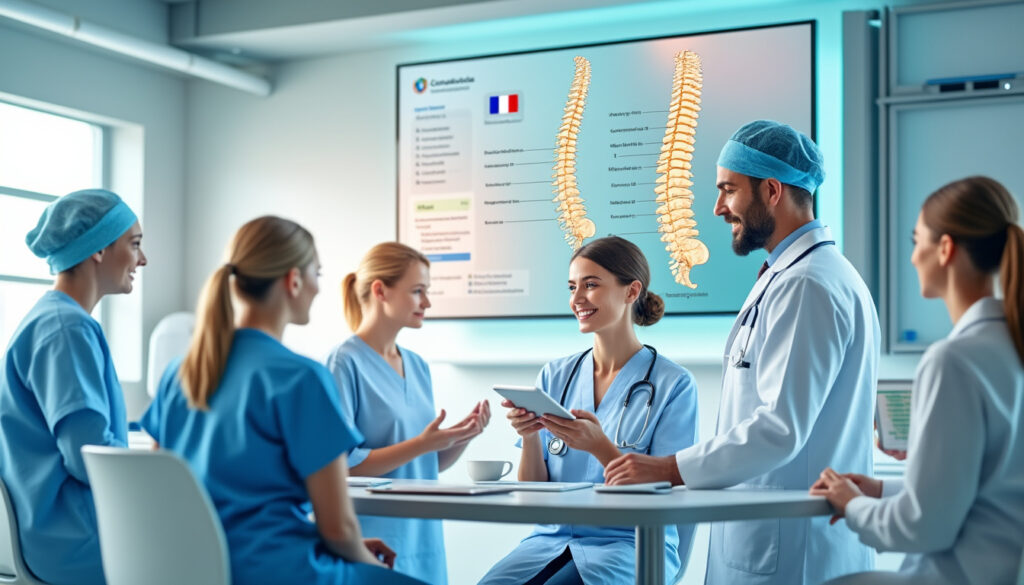
Successful neck surgery extends beyond the operating room; postoperative care critically determines the quality and durability of outcomes. Specialized rehabilitation centers like Neurothérapie Montréal provide targeted therapies that promote healing, restore function, and manage pain through personalized regimens involving physical therapy, neuromuscular retraining, and ongoing monitoring.
The postoperative process is designed to enhance cervical strength, flexibility, and endurance while preventing complications such as stiffness or adjacent segment disease. Patient education and active participation play a pivotal role, with clear guidance on activity modifications, ergonomic adjustments, and gradual return to daily routines.
Dr. Desforges emphasizes a holistic perspective, ensuring patients feel supported throughout recovery, reducing psychological stress and fostering motivation. The integration of multidisciplinary teams guarantees continuous feedback and interventions tailored to evolving clinical status.
IntraSPINE® in Laval: Modern Solution for Lumbar Stabilization
In the evolving landscape of orthopedic treatments, the city of Laval has become a hub for innovations addressing chronic lower back pain. Among the groundbreaking solutions gaining attention is the IntraSPINE device—a modern spinal implant designed to offer dynamic lumbar…
Patient-Centered Communication and Education: Navigating Complex Cervical Treatments
One of Dr. Desforges’ foundational commitments is demystifying complex medical concepts related to neck surgery and spinal health. Recognizing that overwhelming jargon can deter patients from fully understanding their conditions or treatment options, he prioritizes clear, accessible communication.
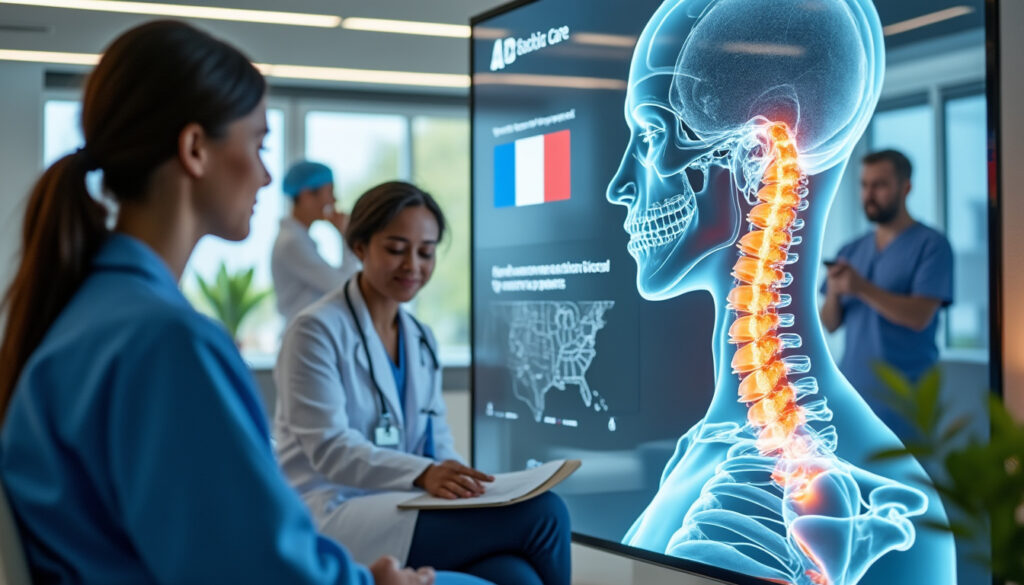
Through detailed explanations, visual aids, and empathetic dialogue, Dr. Desforges ensures patients comprehend the indications, risks, benefits, and expected outcomes of each intervention. This pedagogical approach empowers patients to actively engage in their care decisions.
Moreover, this attention to education fosters trust and alleviates apprehensions, creating a therapeutic alliance that supports adherence to treatment plans and promotes wellbeing. Patients are encouraged to ask questions and share concerns openly, ensuring their personalized needs remain at the forefront.
Neck Surgery in Montreal: Maintain Cervical Flexibility and Function
Neck conditions causing persistent pain or functional loss place a substantial burden on individuals and healthcare systems, especially in urban centers like Montreal. Surgical interventions targeting the cervical spine have evolved tremendously, aiming not only to relieve symptoms but to…
Innovation and Ethical Excellence: The Hallmarks of Advanced Cervical Care
In a medical field as delicate as cervical spine surgery, rigor and ethics are indispensable. Dr. Sylvain Desforges exemplifies these values through his leadership roles and clinical practice, continuously advancing care standards by integrating cutting-edge research and innovative technologies with unwavering respect for patient safety.
His team upholds compliance with Quebec and Canadian medical regulations, the guidelines of the Collège des médecins, and international best practices. Innovation is embraced responsibly, leveraging modalities such as laser-assisted surgeries, dynamic implants, and enhanced imaging techniques without compromising ethical imperatives.
This dual commitment to scientific rigor and humane practice ensures that every patient receives the most current, effective, and conscientious care available, solidifying Dr. Desforges’ reputation as a pioneer in spine health management.

Disc Prosthesis in Lévis: Quick and Long-Lasting Results
Chronic back pain caused by degenerative disc disease continues to profoundly impact the quality of life for many residents in Lévis and the broader Quebec area. For decades, traditional spinal fusion surgery has been the primary solution for alleviating severe…
Encouraging Informed Patient Engagement and Next Steps for Cervical Health
For individuals experiencing persistent neck pain or cervical spine issues, knowledge is a powerful tool. Dr. Desforges invites prospective patients to seek expert evaluation to clarify their condition and explore innovative care pathways, whether involving advanced conservative therapies or potential surgical interventions across continents.
Understanding the distinct steps in the patient journey, including thorough assessments, adherence to conservative treatments, access to modern surgical techniques, and the benefits of transatlantic coordination, equips patients with confidence and hope. Each individual’s cervical health status is unique, and personalized strategies are crucial for optimal outcomes.
If you would like to discuss your specific situation or request an evaluation, please visit this contact page for personalized assistance and next steps toward improved cervical spine health.
What are the benefits of artificial disc replacement implants?
Artificial disc implants like Prodisc-C or Mobi-C preserve natural neck mobility, reduce postoperative pain, and decrease stress on adjacent spinal segments, promoting long-term cervical health.
When should surgery for cervical spine issues be considered?
Surgery is recommended only after 3 to 6 months of comprehensive conservative treatments, including neurovertebral decompression, have been tried without sufficient symptom relief.
How does the transatlantic care model benefit patients?
It provides quicker access to advanced surgical technologies, seamless coordination between specialists, and personalized care continuity, minimizing delays and maximizing treatment outcomes.
Is spinal fusion always necessary in neck surgery?
Fusion is generally advised for severe spinal instability, but many cases can instead be managed with motion-preserving implants that maintain flexibility and function.
What does postoperative rehabilitation involve after neck surgery?
Rehabilitation focuses on restoring neck strength and mobility through specialized physical therapies and ongoing clinical monitoring to ensure safe and effective recovery.