Montreal Neck Pain and Sciatica Care Options
May 16, 2026
IntraSPINE® in Laval: Optimized Recovery After Decompression
May 16, 2026
Neck pain and cervical spine disorders are increasingly affecting individuals in Montreal and beyond, driven by lifestyle factors, aging, and previous injuries. The need for effective interventions that maintain natural motion while alleviating pain has never been greater. At the forefront of meeting this challenge is a multidisciplinary approach combining cutting-edge surgical techniques with rigorous patient evaluation and tailored care. Dr. Sylvain Desforges, with more than 30 years of experience and a pioneering role in spinal health in Canada, embodies this comprehensive vision. His expertise, grounded in osteopathy, neurology, and advanced diagnostic methods, fosters trust and clarity for patients navigating complex cervical conditions.
This article explores the state of neck surgery in Montreal, emphasizing techniques designed to preserve cervical function. From minimally invasive procedures to motion-preserving implants, the evolving surgical landscape offers promising options. It also highlights the integral role of rigorous, evidence-based assessment before surgery, ensuring that operative solutions are recommended wisely and in context of conservative care trials. Furthermore, the article details the transatlantic patient journey facilitated by expert coordination, providing insights into how personalized treatment pathways optimize outcomes and minimize delays.
Understanding Cervical Spine Surgery Options in Montreal for Natural Function Preservation
The cervical spine consists of seven vertebrae that house and protect the spinal cord while providing flexibility for head movement. Common disorders affecting this region include degenerative disc disease, herniated discs, spinal stenosis, and cervical myelopathy. In Montreal, patients have access to various surgical treatments that aim not only to relieve pain but to preserve as much natural cervical function as possible.
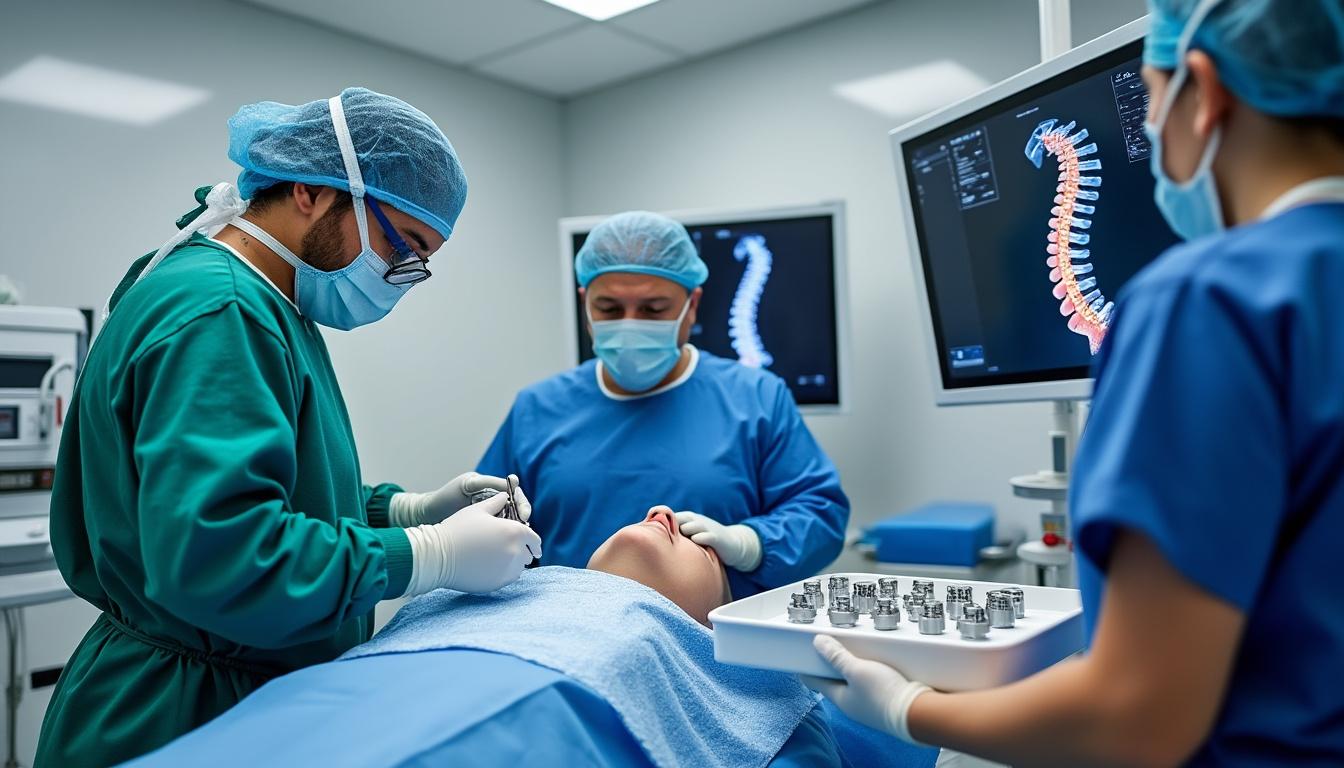
Cervical disc replacement surgery is a key option where the damaged intervertebral disc is replaced with a prosthetic disc, preserving the natural range of motion of the spine segment. This contrasts with traditional fusion techniques that immobilize the affected vertebrae. For example, a patient with cervical myelopathy caused by disc degeneration might undergo disc replacement to alleviate spinal cord compression while maintaining mobility.
Another common procedure is anterior cervical disc fusion (ACDF), a surgery that removes the problematic disc and fuses adjacent vertebrae using bone grafts and stabilization plates. While this limits motion in the fused segment, it often results in substantial pain reduction and neurological improvement. Fusion remains essential for cases where motion preservation is not feasible due to structural instability or severe degeneration.
Minimally invasive surgery techniques have significantly evolved in Montreal’s neurosurgery and orthopedic centers. These approaches reduce tissue damage, minimize blood loss, and enable faster postoperative recovery, making them ideal for appropriate candidates.
To better illustrate these options, consider the following table outlining key features, benefits, and considerations of cervical spine surgeries available:
| Type of Surgery | Primary Goal | Mobility Preservation | Recovery Time | Risks |
|---|---|---|---|---|
| Cervical Disc Replacement | Replace damaged disc to relieve nerve compression | High – maintains segmental motion | 4-6 weeks for mild activity, full recovery varies | Infection, prosthesis displacement, nerve damage |
| Anterior Cervical Disc Fusion | Stabilize spine and relieve pressure through fusion | Low – fusion limits motion at treated levels | Several months for complete fusion | Non-union, adjacent segment degeneration, infection |
| Minimally Invasive Spinal Decompression | Decompress spinal cord or nerve roots | Variable – preserves mobility since no fusion | Faster than open surgery, typically weeks | Nerve injury, infection, incomplete decompression |
Patients interested in exploring these surgical treatments can consult resources like modern and secure surgical options available in Montreal and engage with expert clinicians to understand the benefits relative to their specific condition.

IntraSPINE® in Sherbrooke: Durable Solution for Chronic Low Back Pain
The management of chronic low back pain, a widespread condition affecting millions across Quebec and beyond, has reached a pivotal moment thanks to innovative medical technologies and coordinated care pathways. At the heart of this evolution lies the IntraSPINE implant,…
Key Stages of the Neck Surgery Patient Journey: From Evaluation to Postoperative Recovery
Embarking on the path of neck surgery demands a series of carefully coordinated steps, underpinned by detailed evaluations and personalized planning. Dr. Sylvain Desforges emphasizes that surgery must never be considered lightly without exhausting comprehensive conservative care. This cautious approach ensures patient safety and maximizes the likelihood of meaningful long-term improvement.
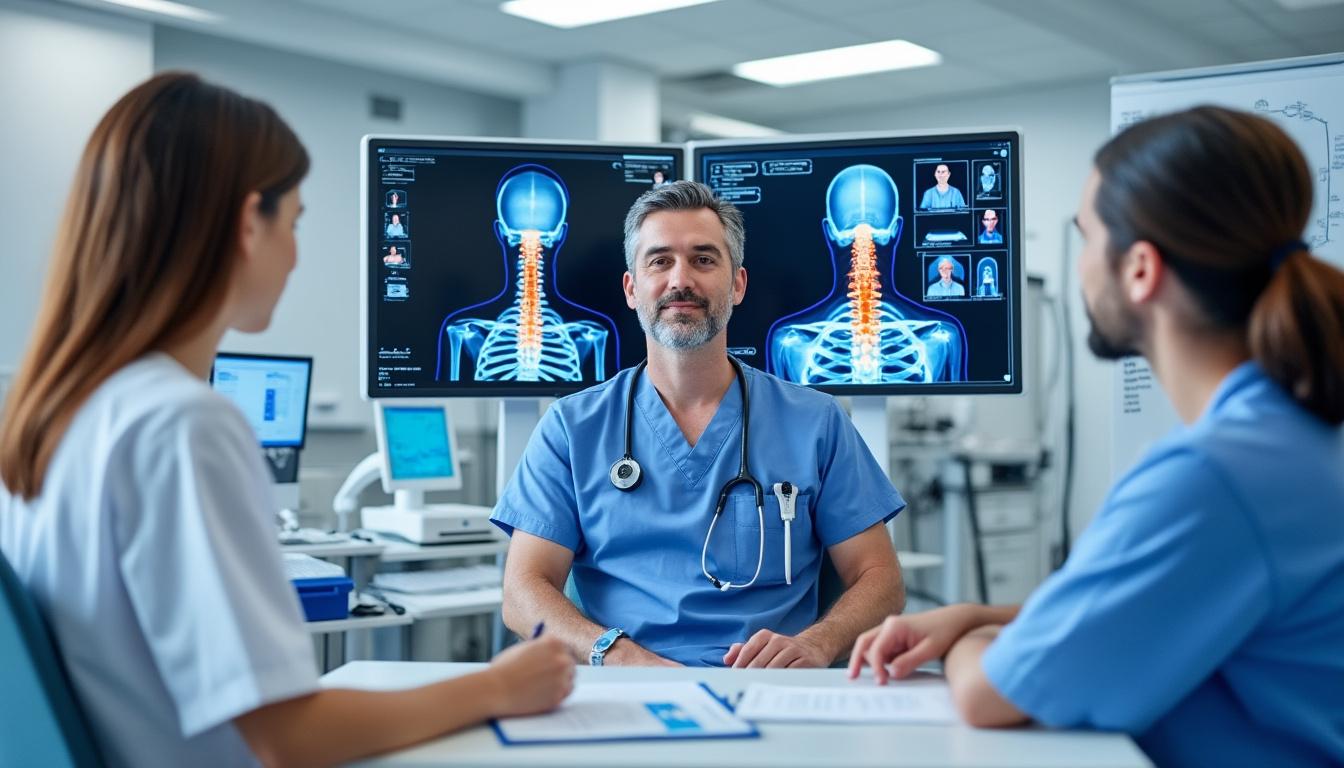
The initial phase involves an extensive clinical evaluation to assess cervical symptoms and functional limitations. Using detailed history, physical examination, and state-of-the-art imaging, an expert in spinal health elucidates underlying pathologies. Dr. Desforges’s role centers on precise assessments that identify mechanical and neurological issues, distinguishing cases amenable to conservative treatment from those necessitating surgical intervention.
If surgery becomes a consideration, patients enter a multidisciplinary planning phase. Here, surgical candidates receive education on available techniques, expected outcomes, and risks. Collaboration among neurosurgeons, orthopedic spine specialists, osteopaths, and rehabilitation therapists ensures a holistic approach. For instance, one might discuss how innovations in cervical approaches and minimally invasive surgery contribute to preserving neck function postoperatively.
Following surgery, the recovery phase is meticulously supported with personalized rehabilitation protocols to encourage safe mobilization and optimize healing. Patients are guided through graded activity progression, pain management, and posture correction. The goal is to safeguard the surgical benefits while maintaining or improving neck mobility. Postoperative care specialists closely monitor progress and address any complications early.
Throughout this journey, transparent communication and patient education are paramount. By demystifying complex concepts in accessible language, patients become active participants in their care, fostering confidence and adherence.
Spine Surgery in Trois-Rivières: Reduce Pain and Preserve Mobility
In recent years, spine surgery in Trois-Rivières has evolved notably, combining advanced medical expertise with innovative technologies to deliver patient-centered care. This growing field addresses the increasing demand among Quebec residents seeking effective solutions for chronic back pain and mobility…
Advantages of Transatlantic Medical Collaboration for Cervical Spine Surgery
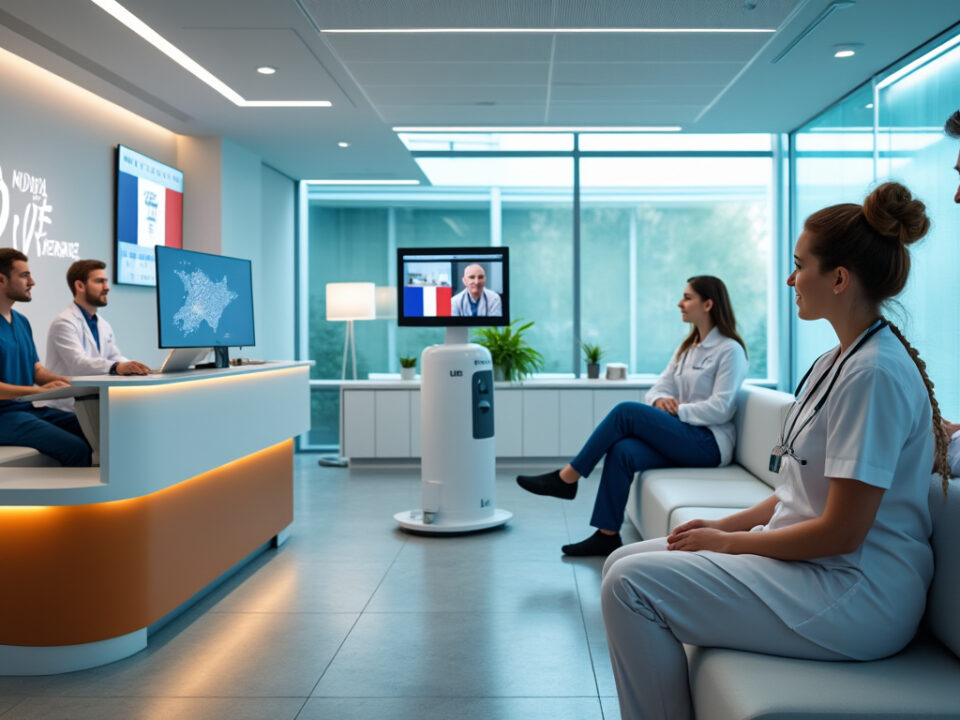
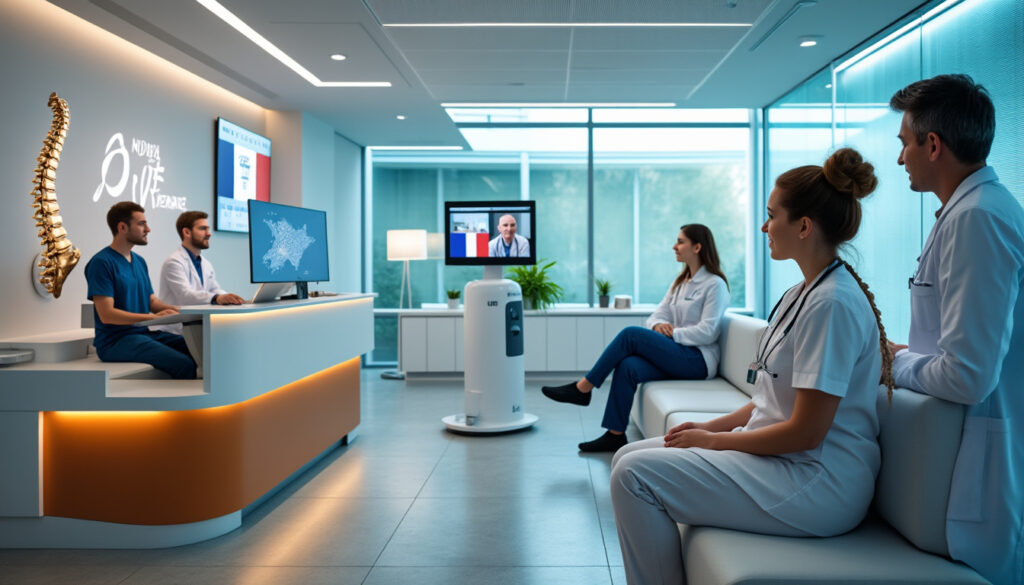
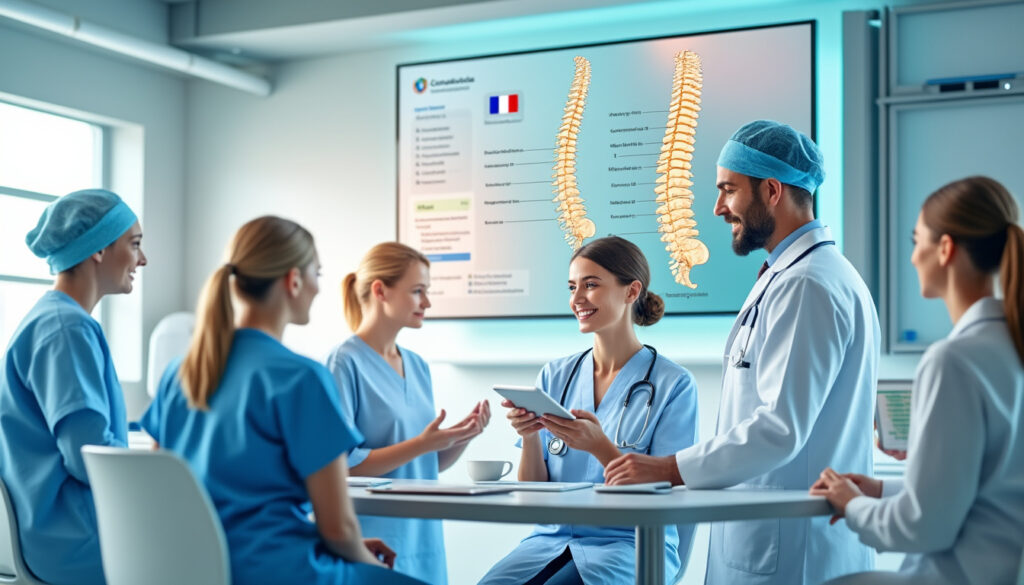
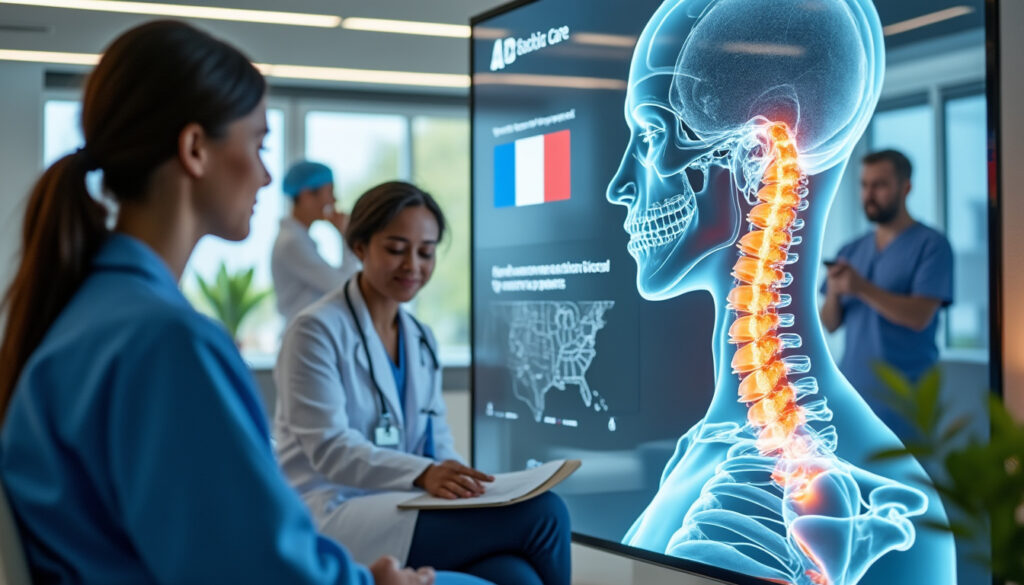
One of the most remarkable developments in recent years is the coordinated transatlantic medical pathway between Canada and France. This collaboration enables patients from Quebec to access highly specialized cervical spine surgery options not always readily available domestically or with lengthy wait times.
Dr. Sylvain Desforges plays a pivotal role in orchestrating these journeys. His profound knowledge of international clinical standards and patient care coordination bridges cultural and regulatory contexts. Patients benefit from seamless evaluation in Montreal, followed by advanced surgical care in France, supported by trusted clinical partners. This integrated approach reduces delays, optimizes preoperative preparation, and facilitates postoperative follow-up.
The advantages of this model are multifaceted:
- Access to innovative implants and motion-preserving technologies that may not be broadly available across Canada;
- Customized treatment strategies shaped by collaborative expert teams who combine knowledge on biomechanics, surgical techniques, and patient lifestyles;
- Streamlined timelines shortening the often prolonged waiting periods observed in Quebec’s healthcare system;
- Ongoing support for patients both pre- and postoperatively, ensuring smooth transitions back to their home environment with adequate rehabilitation;
- Considerable cost-effectiveness when factoring in expedited care and reduced morbidity from improved surgical outcomes.
Thanks to platforms such as SOS Tourisme Médical, patients enjoy the benefits of this integrated network. Coordinated consultations, travel arrangements, and access to cutting-edge facilities epitomize a patient-centered philosophy promoting better spine health outcomes.

TOPS™ in Gatineau: High-Performance Option for the Lumbar Spine
The landscape of spinal surgery has witnessed profound evolution, particularly for patients grappling with lumbar spine disorders such as spinal stenosis and spondylolisthesis. These conditions, increasingly prevalent among Quebec’s population, impose substantial limitations on mobility and quality of life. The…
Evidence-Based Approach: Completing Conservative Treatment Before Considering Surgery
Neck surgery is a significant intervention that must be appropriately timed to ensure maximum benefit. In line with Dr. Desforges’s rigorous standards, surgery is only advisable after a minimum of three to six months of well-structured conservative care, unless emergent neurological deterioration occurs.
Conservative management often includes physiotherapy, pharmacotherapy, lifestyle modification, and increasingly, specialized methods such as neurovertebral decompression. The latter, available at the Clinique TAGMED, represents an advanced conservative option utilizing technology to decompress spinal structures non-invasively, easing symptoms without surgical risks.
Skipping or abbreviating this phase may lead to unnecessary surgeries or suboptimal outcomes. Dr. Desforges’s expert evaluations emphasize confirming the exhaustion of these treatments before surgery planning. This ethical and scientific rigor serves the patient’s best interest and aligns with Canadian health authority frameworks.
Case examples reinforce this philosophy. A patient trialing neurovertebral decompression at Clinique TAGMED often experiences significant symptom relief that delays or negates the need for surgery. When surgery is ultimately indicated, patients approach it with optimized physical status and informed expectations.
Understanding this staged care also empowers patients to actively engage in their recovery and make informed decisions about their health journey.

Cervical Disc Prosthesis in Quebec City: Avoid Post-Surgery Stiffness
Chronic neck pain remains a significant challenge for thousands of residents in Quebec City every year, often leading them to seek effective spinal surgery options that minimize downtime and maximize long-term mobility. Among the recent advancements revolutionizing cervical spine care,…
Innovative Technologies in Cervical Spine Surgery: Enhancing Patient Outcomes in Montreal
Keeping pace with technological advances is essential for expert cervical spine care. Montreal’s neurosurgical and orthopedic centers increasingly integrate state-of-the-art devices and techniques designed to improve surgical precision, reduce trauma, and preserve natural cervical spine biomechanics.
Leading examples include dynamic implants that allow controlled motion post-implantation, reducing the risk of adjacent segment degeneration common after fusion surgeries. Laser-assisted decompression offers targeted tissue removal with minimal collateral damage, enhancing recovery times. Moreover, arthroscopic and endoscopic methods allow minimal incisions and faster return to function.
Such innovations are not only scientifically validated but are ethically deployed with strict patient safety standards. Dr. Desforges’s role in the Canadian Osteopaths College and associations ensures continuous medical education and compliance with provincial and national healthcare regulations.
Patients consulting in Montreal can access these technologies while benefiting from a compassionate, communicative healthcare environment that clarifies their options. This transparency aids in reducing anxiety and building realistic postoperative expectations.

Minimally Invasive Surgery in Longueuil: Reduce Hospital Stay Duration
In recent years, advances in spinal care have dramatically reshaped the treatment landscape for patients suffering from debilitating spinal conditions. Particularly in Longueuil, the emergence of minimally invasive surgery (MIS) techniques offers a transformative alternative to conventional open surgeries. These…
The Value-Added Services Differentiating Montreal’s Cervical Spine Care Pathways
Several elements distinguish the care pathways coordinated by Dr. Desforges and his collaborative network from routine services. First, meticulous implant selection based on biomechanical principles ensures implants are suited to each patient’s anatomy and activity level. This tailored approach optimizes surgical outcomes and longevity of implants.
The multidisciplinary team includes osteopaths, neurosurgeons, orthopedic specialists, and rehabilitation therapists who work harmoniously from preoperative evaluation through long-term follow-up. This teamwork fosters comprehensive care addressing not just surgical issues but also lifestyle, pain management, and functional recovery.
Moreover, patients receive access to rehabilitation technologies and conservative treatments often unavailable in the public system, including neurovertebral decompression and motion restoration therapies. This holistic service model enhances patient satisfaction and promotes efficient recovery.
Importantly, the transatlantic surgical collaboration expands the range of technological and procedural innovations, providing Quebec patients with options otherwise limited by geographic or systemic constraints. This integration represents a benchmark for quality and personalized spine care.
For patients, these value-added services translate into:
- Individualized treatment plans harmonizing surgical and rehabilitative goals;
- Reduced wait times and accelerated care pathways;
- Enhanced education on cervical spine health and recovery processes;
- Close follow-up ensuring timely interventions and adjustments;
- Greater empowerment and confidence through clear communication.
Engaging with this extensive, patient-centric model exemplifies the future of neck surgery care in Montreal and beyond.
IntraSPINE® in Laval: Modern Solution for Lumbar Stabilization
In the evolving landscape of orthopedic treatments, the city of Laval has become a hub for innovations addressing chronic lower back pain. Among the groundbreaking solutions gaining attention is the IntraSPINE device—a modern spinal implant designed to offer dynamic lumbar…
Addressing Patient Concerns: Common Questions about Neck Surgery Outcomes and Procedures
Facing neck surgery can be daunting. Patients frequently raise questions about risks, recovery, and functional outcomes. Being an expert evaluator allows Dr. Desforges to guide patients through these uncertainties with scientifically grounded, empathetic responses.
Typical concerns include:
- Will surgery limit my neck’s motion permanently? Motion-preserving surgeries such as cervical disc replacement aim to maintain freedom of movement, whereas fusion reduces motion at the fused levels. Careful selection based on clinical assessment allows alignment with patient priorities.
- What are the risks involved? As with all surgical procedures, risks include infection, nerve injury, and implant-related complications. However, adherence to evidence-based protocols minimizes chances of adverse outcomes.
- How long until I can return to normal activities? Recovery times vary; typically light activities resume within weeks, but full healing may take months. Personalized postoperative plans ensure gradual, safe return tailored to individual healing.
- Can I avoid surgery altogether? In many cases, conservative treatments including advanced neurovertebral decompression can delay or preclude surgery. Thorough evaluation is key to identifying candidates who benefit from non-surgical care.
Informed patients who understand these factors are better prepared to make decisions aligned with their health goals and lifestyle preferences.
Neck Surgery in Montreal: Maintain Cervical Flexibility and Function
Neck conditions causing persistent pain or functional loss place a substantial burden on individuals and healthcare systems, especially in urban centers like Montreal. Surgical interventions targeting the cervical spine have evolved tremendously, aiming not only to relieve symptoms but to…
Steps to Initiate Your Personalized Neck Surgery Evaluation and Care Coordination
Patients contemplating cervical spine surgery in Montreal or through transatlantic collaboration can take proactive steps to initiate their care journey. Dr. Sylvain Desforges and his team provide expert evaluations, combining clinical insight with advanced imaging and biomechanical analysis to recommend personalized pathways.
Key steps include:
- Contact the specialized clinic or association to describe your symptoms and medical history clearly;
- Schedule an initial comprehensive assessment focused on spinal function and neurological status;
- Engage in prescribed conservative treatments including physiotherapy or neurovertebral decompression if not already completed;
- Review evaluation results and collaboratively decide on surgical necessity and approach if indicated;
- Access coordinated support for surgery arrangements, rehabilitation, and postoperative follow-up, including options abroad when advantageous.
This structured approach safeguards your cervical health while respecting your unique clinical and personal context.
For more information or to discuss your case, please visit SOS Tourisme Médical contact page and take the next step towards preserving your neck’s natural function.
What types of neck surgeries preserve natural cervical function?
Cervical disc replacement is the primary procedure designed to maintain spine mobility by substituting the damaged disc with a prosthesis. Minimally invasive decompression techniques also help preserve motion. Fusion surgeries generally reduce motion but stabilize the spine when necessary.
How long is recovery after cervical disc replacement?
Initial recovery includes avoiding heavy lifting for 2 weeks and gradually resuming mild activities after 4 to 6 weeks. Full recovery timelines vary depending on the patient’s overall health and the extent of surgery but generally span several months.
When should surgery be considered for neck problems?
Surgery is typically considered only after 3 to 6 months of conservative treatment such as physiotherapy and neurovertebral decompression. Surgery may be expedited in cases of severe neurological deficit or spinal cord compression.
What are dynamic implants, and why are they important?
Dynamic implants are designed to maintain controlled cervical spine motion post-surgery, reducing the risk of adjacent segment disease often seen after fusion. They improve long-term function and patient satisfaction.
How does transatlantic coordination improve patient outcomes?
Bridging Canadian and French medical expertise accelerates access to advanced surgical options, reduces wait times, and ensures comprehensive pre- and postoperative support, enhancing overall treatment success.

Disc Prosthesis in Lévis: Quick and Long-Lasting Results
Chronic back pain caused by degenerative disc disease continues to profoundly impact the quality of life for many residents in Lévis and the broader Quebec area. For decades, traditional spinal fusion surgery has been the primary solution for alleviating severe…