Disc Herniation in L’Assomption: Comprehensive Program Duration and Neurovertebral Decompression Therapy
July 15, 2026
Motion Surgery in Terrebonne: Innovative and Proven Results
July 16, 2026
The evolving landscape of neck surgery in Montreal has shifted focus to one paramount objective: preserving cervical flexibility for optimal mobility. As persistent neck pain and cervical spine disorders impact thousands of patients annually, advancements in surgical techniques and patient-centered care become essential to restoring function while minimizing risks. This is especially critical in Quebec, where delayed access to treatments and escalating healthcare costs prompt patients to explore innovative and international options. Dr. Sylvain Desforges emerges as a pivotal figure in this domain, bringing more than three decades of clinical expertise and a pioneering spirit to address spinal disorders with a commitment to evidence-based, personalized care.
Through a unique combination of minimally invasive techniques, cutting-edge neurovertebral decompression, dynamic implants, and laser therapies, the clinical community in Montreal is redefining what is achievable in cervical spine surgery. In parallel, international collaborations with centers in France offer additional avenues for patients seeking timely, safe, and cost-effective interventions without compromising their long-term spinal health. This article delves into how such integrative approaches, guided by trusted experts like Dr. Desforges, ensure that cervical spine treatments not only alleviate pain but also sustain the vital flexibility patients require for everyday mobility and quality of life.
Modern Approaches to Neck Surgery in Montreal: Maintaining True Cervical Flexibility
Neck surgery in Montreal today undergoes continuous evolution to keep pace with innovations that prioritize the preservation of cervical flexibility without sacrificing the need for effective nerve decompression. This balances the intricate challenge of managing structural problems while safeguarding the essential movements of the neck, which influence head rotation, balance, and overall spinal health. Advancing beyond traditional fusion methods, contemporary surgical strategies integrate minimally invasive techniques designed to optimize recovery times and maintain biomechanical integrity.
A fundamental innovation involves dynamic cervical implants that offer mobility preservation, contrasting sharply with conventional fusion surgeries that often result in reduced neck motion. These implants mimic natural vertebral function, supporting spinal segments while allowing physiological movement, which is critical to reducing adjacent segment degeneration — a common issue following rigid fusion. Devices like the TOPS system and IntraSPINE prostheses represent significant milestones, supported by clinical studies demonstrating improved patient outcomes in both mobility and pain relief.
Moreover, endoscopic discectomy engages advanced visualization and instrumentation methods that minimize tissue disruption. Patients benefit from shorter hospital stays and accelerated physical rehabilitation, crucial for those who depend on neck mobility for daily activities and work. This approach harmonizes with the osteopathic philosophy championed by experts such as Dr. Sylvain Desforges, who emphasize natural movement and comprehensive spinal evaluation to tailor individualized treatment plans that consider long-term wellbeing.
Examples of modern surgical strategies in Montreal include:
- Use of minimally invasive endoscopic discectomies to treat herniated cervical discs;
- Dynamic cervical implants that maintain segmental motion while decompressing nerves;
- Precision osteopathic assessments to customize surgical and nonsurgical spinal care;
- Integration with advanced technologies like laser therapy for pain modulation during recovery.
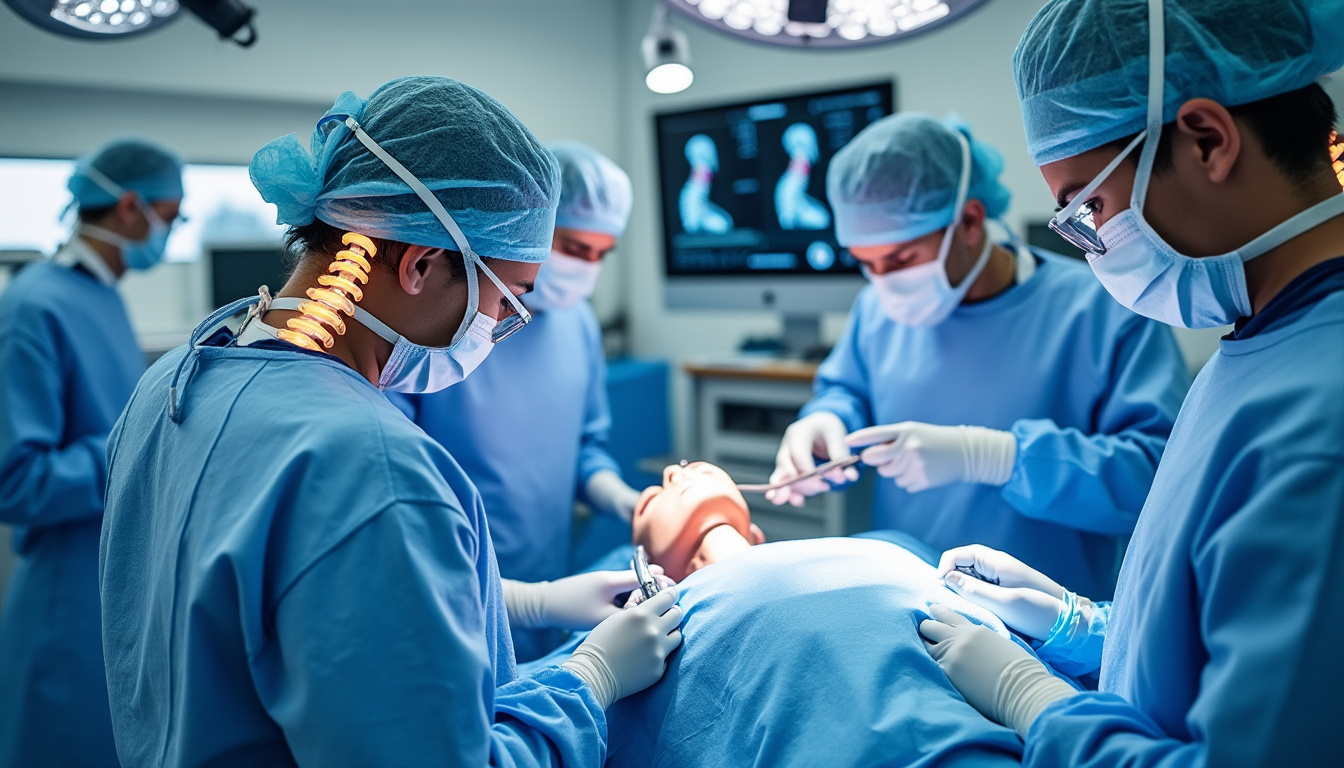
As neck surgery techniques progress, ensuring that each patient undergoes a thorough evaluation is essential to choose the procedure best suited to their unique spinal pathology. The comprehensive care approach adopted at the Clinique TAGMED under Dr. Desforges’s leadership underscores this philosophy, which prioritizes safety, neurological preservation, and postoperative functional restoration.
IntraSPINE® in Sherbrooke: A Long-Lasting Solution for Chronic Lower Back Pain
Chronic lower back pain remains one of the most pressing health concerns in Sherbrooke and beyond, impacting millions and often diminishing daily quality of life. Despite the prevalence of lumbar discomfort, many face limited access to cutting-edge treatments amidst lengthy…
Understanding Types of Neck Surgery: From Simple Procedures to Dynamic Implants
The variety of neck surgery types available in Montreal addresses a spectrum of cervical spine disorders, each with distinct goals related to pain relief, neurological safety, and maintenance of cervical flexibility. Dr. Sylvain Desforges’s clinical guidance ensures patients receive a complete evaluation to determine whether conservative treatments suffice or if surgical intervention is warranted.
The three primary categories of neck surgery you will encounter are simple decompressive surgeries, vertebral fusions, and surgeries employing dynamic implants. Each carries specific indications, benefits, and potential risks that must be weighed carefully.
Simple Decompression Surgeries
These procedures, such as microdiscectomy or foraminotomy, aim to relieve nerve root compression caused by herniated discs or osteophytes. Utilizing minimally invasive endoscopic techniques, surgeons can excise offending tissue with minimal disturbance to surrounding structures. The result is often rapid pain alleviation, reduced hospital stays, and expedited return to daily life. Such surgeries are particularly relevant for patients with well-localized nerve impingements and preserved cervical stability.
At Clinique TAGMED, the integration of neurovertebral decompression technologies supplements these surgical options by providing nonsurgical alternatives initially, potentially forestalling surgery altogether.
Vertebral Fusion Surgery
Fusion involves joining two or more vertebrae to stabilize segments suffering from degenerative instability or severe mechanical deformation. Although this method effectively halts pathological motion and improves neurological symptoms, it inevitably constrains cervical mobility. Dr. Desforges ensures that fusion is reserved for carefully selected cases after exhaustive conservative management and a clear assessment of risks versus functional implications.
Meticulous surgical planning, adherence to guidelines from the Collège des médecins du Québec, and patient education about postoperative realities distinguish this approach in Montreal’s orthopedic surgery landscape.
Dynamic Implants and Motion-Preserving Surgery
Representing the forefront of cervical spine surgery, dynamic implants like the TOPS system provide an alternative that preserves natural neck motion. These devices stabilize the spine while allowing controlled rotational and bending movements. Clinical evidence suggests patients experience enhanced quality of life and reduced incidence of adjacent segment disorder. Dr. Desforges is among the few Canadian experts utilizing and advocating for these techniques, often in coordination with renowned surgical teams in France.
Such motion-preserving surgeries necessitate a sophisticated understanding of spinal biomechanics, individualized implant selection, and comprehensive postoperative rehabilitation to maximize outcomes.
The following table summarizes key differences among neck surgery types:
| Type of Surgery | Main Purpose | Effect on Cervical Flexibility | Typical Recovery Time | Suitability |
|---|---|---|---|---|
| Simple Decompression (e.g., discectomy) | Relieve nerve compression | Preserves motion | Few weeks to months | Localized nerve impingement |
| Vertebral Fusion | Stabilize spinal segment | Reduces motion | Several months | Instability, severe deformity |
| Dynamic Implants | Decompress & preserve motion | Maintains or improves motion | Few weeks to months | Selected candidates with mobility concerns |
Choosing the right surgery involves a multidisciplinary approach and patient engagement, ensuring expectations align with realistic outcomes supported by scientific rigor and clinical experience.
Herniated Disc Care in Sainte-Julie: Why TAGMED’s Neurovertebral Decompression Therapy Stands Out
In the vibrant community of Sainte-Julie, back pain—particularly that stemming from herniated discs—has become a widespread concern affecting people from all walks of life. The relentless search for effective, non-invasive treatments has brought renewed attention to a pioneering therapy that…
Patient Evaluation and Customized Treatment Planning: The Foundation of Neck Surgery Success
The cornerstone of successful neck surgery outcomes in Montreal lies in a meticulous patient evaluation that goes beyond imaging to encompass clinical history, functional capacity, and personal goals. Dr. Sylvain Desforges’s extensive qualifications and clinical work emphasize a thorough and empathetic assessment process, ensuring that patient voices guide decision-making.
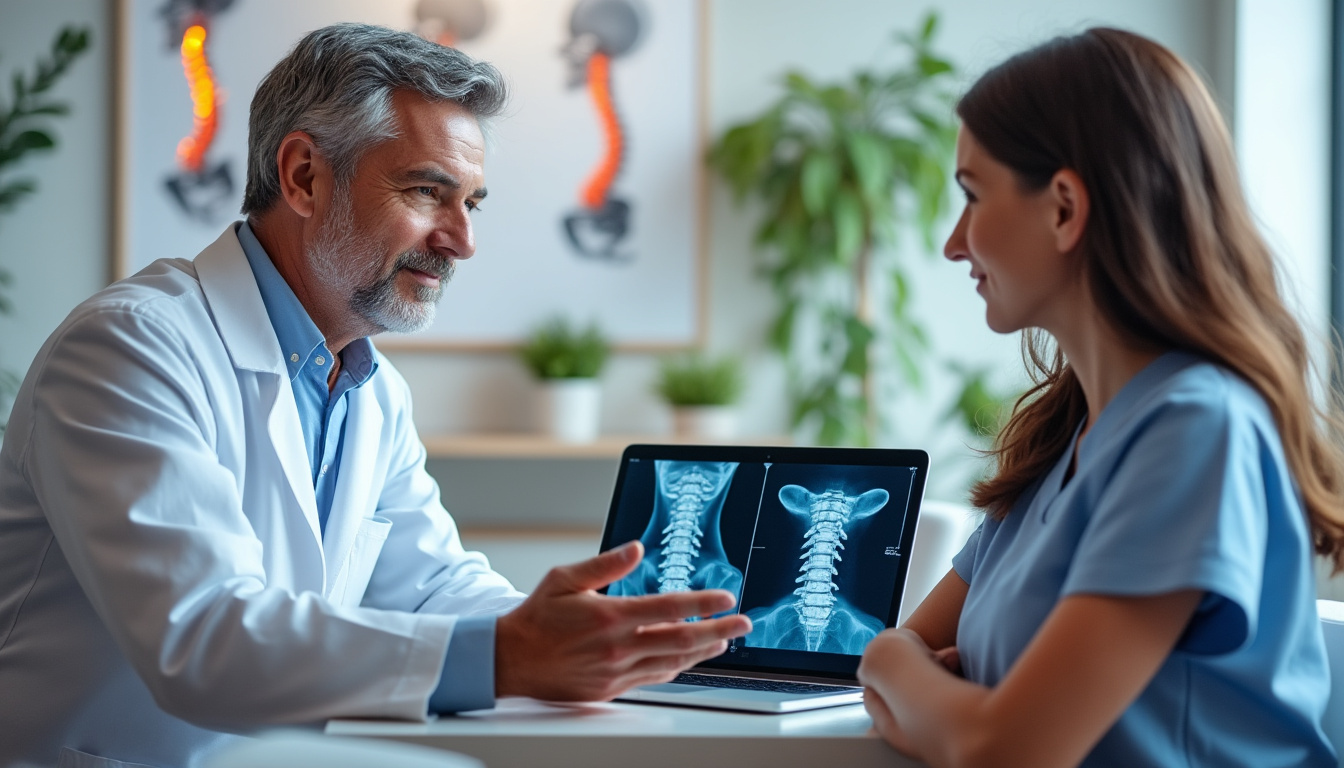
During the initial consultation, advanced diagnostic modalities including MRI and X-rays are combined with detailed neurological examinations to refine the diagnosis. These tools help differentiate between purely structural issues, such as herniated discs, and more complex conditions involving instability or spinal cord impingement. This depth of understanding is crucial when planning the surgical approach and anticipating postoperative physical rehabilitation requirements.
Following evaluation, patients often enter a phase of conservative management using therapies such as neurovertebral decompression, laser treatments, and targeted physical therapy designed to improve spinal health without invasive interventions. Should these modalities fail to deliver sufficient relief after a period of 3 to 6 months, surgical options are then explored with a focus on minimizing invasiveness and preserving long-term mobility.
Individualized care planning involves discussions on:
- The nature and severity of the cervical pathology;
- The patient’s occupational demands and lifestyle;
- Potential benefits versus risks of different surgery types;
- Postoperative rehabilitation goals aimed at restoring functional movement.
This patient-centered paradigm aligns with current recommendations by Quebec’s Collège des médecins and Canadian standards, fostering transparency and informed consent at every stage.
Back Surgery in Trois-Rivières: Alleviating Pain While Preserving Mobility
In Trois-Rivières, Quebec, the persistence of back pain affects a substantial portion of the population seeking effective and personalized solutions. Back pain, often caused by spinal disorders or herniated discs, can drastically diminish quality of life, limiting mobility and causing…
International Coordination and Medical Tourism: Bridging Montreal and France for Advanced Neck Surgery
Quebec patients seeking neck surgery now frequently explore international avenues, notably with surgical teams in France known for their advanced technology and expertise in orthopedic surgery and spinal care. Dr. Sylvain Desforges plays a critical role in facilitating this transatlantic coordination, ensuring a seamless patient journey from evaluation in Montreal to surgical intervention abroad and postoperative care back home.
This international collaboration seeks to overcome challenges posed by long waiting lists and high costs in Canadian healthcare. Through partnerships with platforms like SOS Tourisme Médical, patients benefit from comprehensive planning services, including travel logistics, appointment scheduling with leading French spine surgeons, and accommodation arrangements that facilitate a smooth treatment experience.
Key advantages of this model include:
- Access to cutting-edge surgical techniques not yet widely available in Canada;
- Reduced wait times for medically necessary interventions;
- Continuity of care with Montreal-based specialists post-surgery to ensure optimal rehabilitation and mobility restoration;
- Personalized support addressing cross-cultural and linguistic factors to enhance patient comfort and confidence.
Dr. Desforges ensures strict adherence to medical ethics and legal standards on both sides of the Atlantic, emphasizing neurological safety and patient welfare while embracing innovative care approaches.
Disc herniation remains a significant health concern in Pointe-Claire, impacting the lives of a diverse population ranging from labor-intensive workers to the aging community. The condition, characterized by the displacement or rupture of the intervertebral disc, often leads to debilitating…
Postoperative Care and Physical Rehabilitation: Ensuring Optimal Neck Mobility After Surgery
Recovering from neck surgery requires a nuanced approach to postoperative care. Preserving cervical flexibility after surgery demands tailored physical rehabilitation that emphasizes gentle mobilization along with strengthening of neck muscles. At Clinique TAGMED, this process involves a multidisciplinary team working closely with patients to monitor progress and adjust therapies.
Physical rehabilitation typically includes:
- Early gentle range-of-motion exercises to prevent stiffness;
- Strengthening exercises targeting cervical paraspinal muscles;
- Postural training to support spinal alignment and reduce load on operated segments;
- Education on ergonomics and lifestyle modifications to maintain spine health.
Continuous evaluation during recovery ensures that neurological safety remains paramount while enhancing the patient’s capacity for optimal mobility and pain relief. Dr. Desforges prioritizes postoperative education and regular follow-ups, understanding that patient engagement is critical for long-term success.
Innovative tools such as laser therapy and shockwave treatment complement traditional rehabilitation protocols to accelerate healing and reduce discomfort, underscoring the clinic’s holistic approach.
TOPS™ in Gatineau: A High-Performance Solution for Lumbar Spine Care
In a region where chronic back pain increasingly affects quality of life, the quest for advanced and effective lumbar spine treatments is paramount. Lumbar spinal stenosis, a prevalent condition among Quebec’s aging population, often imposes persistent discomfort and mobility limitations.…
Scientific Rigor, Ethics, and Safety: The Pillars of Neck Surgery Excellence in Montreal
The reputation of Montreal’s neck surgery programs rests heavily on a foundation of rigorous scientific scrutiny and ethical practice. Dr. Sylvain Desforges exemplifies this commitment through his leadership roles and strict adherence to regulatory standards established by the Collège des médecins du Québec and Canadian medical bodies.
Each patient’s case undergoes rigorous clinical review ensuring that surgical recommendations rest on robust evidence rather than anecdotal experience. The incorporation of new technologies is subject to stringent validation processes, prioritizing neurological safety above all.
Transparency regarding potential outcomes, risks, and limitations of each surgical approach is central to the informed consent process. Open dialogue about alternative conservative measures reflects a patient-focused ethic that empowers individuals to make educated decisions regarding their spine health.
In a domain where innovations rapidly emerge, maintaining scientific rigor is crucial to prevent overtreatment and safeguard patient trust. Montreal’s cervical spine interventions thus represent a harmonious blend of innovation and caution, anchored by expert clinical judgment.
At Gouin Clinic, the landscape of herniated disc therapy has entered a transformative era marked by the integration of Personalized Treatment Plans and breakthrough Neurovertebral Decompression Therapy. This non-surgical approach is revolutionizing how spinal disorders are managed, offering patients an…
Unique Services and Added Value at Clinique TAGMED: A Comprehensive Dental Neck Surgery Approach
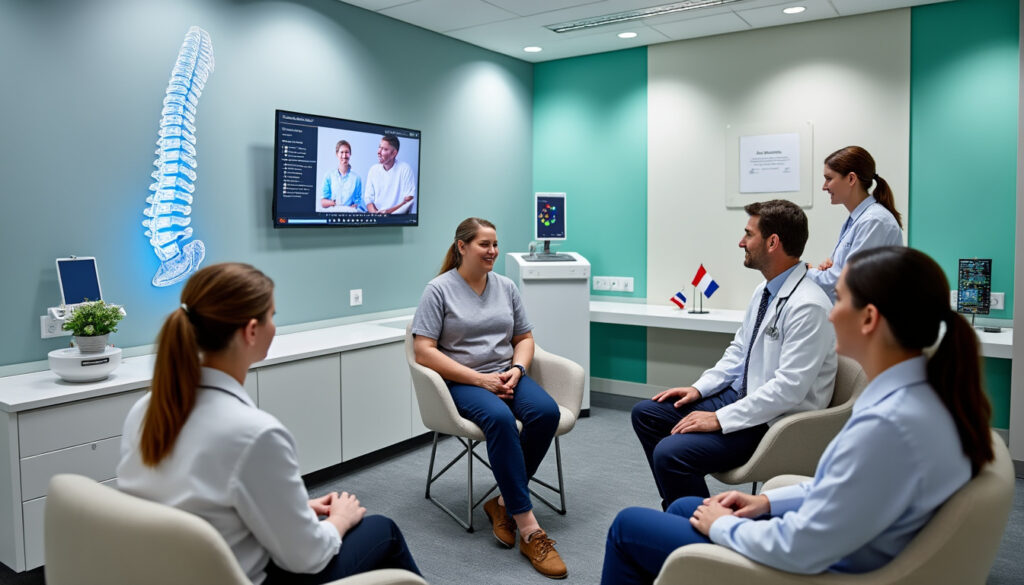
Clinique TAGMED, under the stewardship of Dr. Sylvain Desforges, stands apart by integrating cutting-edge technology with an empathetic and multidisciplinary approach. From initial consultation through postoperative care, patients experience a continuum of services designed to preserve cervical flexibility and enhance overall spine health.
Standout features include:
- Access to advanced neurovertebral decompression equipment not commonly found in Canada;
- Collaboration with international orthopedic surgeons to provide access to pioneering spinal implants;
- Personalized rehabilitation programs incorporating laser and shockwave therapies;
- Comprehensive educational resources enabling patients to understand their options and actively participate in their care journey.
This holistic model aligns perfectly with Dr. Desforges’s vision of healthcare that combines scientific innovation with compassionate patient relationships.


Cervical Disc Prosthesis in Quebec: Preventing Post-Operative Stiffness
Neck pain is one of the most common musculoskeletal complaints in Quebec, affecting a significant portion of the population annually. Often rooted in degenerative cervical disc diseases or herniated discs, this persistent discomfort severely impacts daily life and mobility. Fortunately,…
Cost Effectiveness and Biomechanical Advantages of Transatlantic Neck Surgery Options
From a biomechanical perspective, modern surgical techniques accessible through medical tourism routes offer clear benefits for Quebec patients. Dynamic implants preserve natural cervical mechanics, decreasing stress on adjacent vertebrae and lowering the risk of further degeneration. This ultimately leads to sustained spine health and reduced long-term healthcare costs.
Economically, seeking neck surgery in specialized centers abroad, such as France, provides a compelling alternative to the often costly Canadian private healthcare system. Dr. Desforges’s transatlantic coordination facilitates access to high-quality orthopedic surgery at competitive pricing, making advanced care attainable without compromising safety or outcomes.
Moreover, reduced waiting times translate into earlier interventions, often preventing chronic pain development and disability. This saves not only money but dramatically improves patient quality of life. The careful planning and human-centered support during the entire treatment journey ensure that patients feel valued and empowered.
Below is a comparative overview illustrating key benefits of local versus international surgical pathways:
| Aspect | Neck Surgery in Montreal | Neck Surgery in France via Medical Tourism |
|---|---|---|
| Access to Latest Technology | Growing availability, emerging use of dynamic implants | Widespread use of advanced motion-preserving implants |
| Waiting Time | Often extended wait periods | Shorter wait times, expedited scheduling |
| Cost | Higher private healthcare costs | More affordable treatments with comparable quality |
| Postoperative Care | Robust local follow-up with rehab support | Structured follow-up with Canadian clinics post-surgery |
| Patient Experience | Comprehensive evaluation and informed decision-making | Personalized, human-centered international coordination |
Patients considering their cervical spine treatment options are encouraged to explore all possibilities and consult experts such as Dr. Sylvain Desforges for comprehensive guidance.
The prevalence of herniated disc conditions in Blainville has sparked considerable discussion and misconceptions about their causes, symptoms, and treatments. While the pain and disability associated with this spinal disorder are well documented, the emergence of non-surgical options such as…
Empowering Patients Through Education: Clear Information on Neck Surgery and Spine Health
Understanding the complexities of neck surgery and spinal health can be daunting. Dr. Desforges commits himself to delivering clear, accessible, and jargon-free education, enabling patients and allied healthcare professionals to make well-informed choices. Recognizing the individual nature of each case, education encompasses indications, potential benefits, limitations, and expected treatment pathways.
Effective communication reinforces patient confidence and supports adherence to postoperative care plans, which are crucial for preserving cervical flexibility and ensuring optimal mobility. This approach reflects the ethical standards upheld by the Canadian College of Osteopaths and aligns with Dr. Desforges’s leadership in promoting quality spine care.
For those interested in exploring the latest advancements in neck surgery, Dr. Desforges’s in-depth articles and resources provide invaluable insight, and his clinic encourages direct consultation for personalized evaluation and recommendations. Patients are reminded that every journey is unique, and a comprehensive assessment is essential before pursuing surgical interventions.
For more information about the options available and to initiate a detailed evaluation, you can visit this resource on cervical preservation or explore personalized care pathways through various trusted platforms.
What types of neck surgery are commonly performed in Montreal?
Common neck surgeries include minimally invasive discectomy, vertebral fusion, and dynamic implant placement. Each aims to relieve nerve pressure while preserving or stabilizing cervical flexibility depending on individual patient needs.
How long is the typical recovery time after cervical spine surgery?
Recovery varies by procedure; minimally invasive surgeries may require a few weeks, while fusion surgeries can take several months. Rehabilitation focusing on mobility and strength is essential for all.
Can I avoid surgery with conservative treatments?
Yes, experts like Dr. Sylvain Desforges advocate for thorough conservative management including neurovertebral decompression and laser therapy before considering surgery, generally within a 3 to 6 month timeframe.
What are the benefits of choosing neck surgery in France?
Surgical procedures in France offer access to advanced dynamic implants, shorter waiting times, and cost-effective solutions all coordinated with Montreal-based follow-up care.
How does postoperative care help maintain cervical flexibility?
Structured rehabilitation involving gentle mobilization, strengthening, and posture training helps prevent stiffness and promotes optimal neck movement after surgery.