Brossard Herniated Disc Rehabilitation Success Stories
May 16, 2026
Repentigny Sciatica Recovery Without Invasive Treatments
May 16, 2026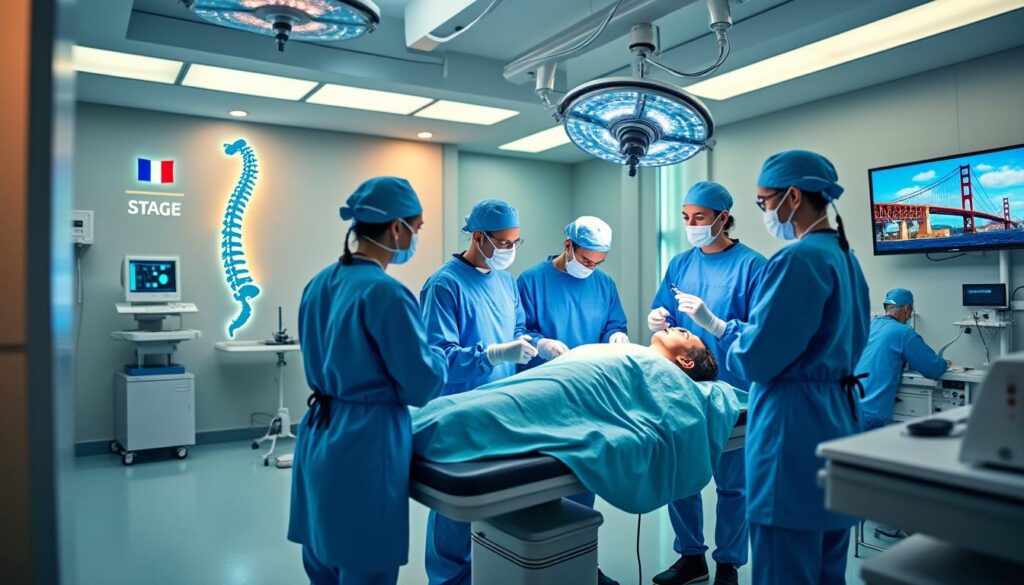
Spine surgery often presents a crucial option for patients experiencing persistent pain or functional impairments that resist conservative treatments. In Trois-Rivières, a city known for its advanced healthcare facilities, spinal interventions are continually evolving to reduce the risk of postoperative complications and improve patient safety. These advances reflect three decades of expertise and pioneering work in spinal health care, led by experts dedicated to preserving the biomechanical integrity of the spine while promoting effective recovery. For patients facing decisions about spine surgery, understanding the range of surgical techniques and the role of coordinated care pathways can significantly impact treatment outcomes.
Recent innovations emphasize minimally invasive surgery and motion-preserving implants, improving recovery times and maintaining spinal mobility. With an increasing number of Quebec patients looking for alternatives to long wait times and high costs in private settings, international collaboration, especially with specialized centers in France, has emerged as a promising avenue. This transatlantic approach integrates expert evaluation, ethical practices, and state-of-the-art rehabilitation protocols, tailored to individual needs. Those considering spine surgery in Trois-Rivières or abroad can benefit from a thorough understanding of the surgical options, care coordination, and postoperative strategies that focus on limiting complications and optimizing wellbeing.
Comprehensive Overview of Spine Surgery Options in Trois-Rivières
Spine surgery encompasses various procedures designed to address mechanical issues, nerve compression, and degenerative changes affecting the spinal column. In Trois-Rivières, the surgical landscape includes traditional spinal fusion, minimally invasive surgery (MIS), and innovative motion-preserving techniques. Each approach offers distinct biomechanical and clinical benefits while posing unique challenges in balancing pain reduction, preservation of spinal movement, and minimizing postoperative complications.
Spinal fusion remains a common choice for stabilizing segments affected by instability, deformity, or severe degeneration. By permanently joining vertebrae with implants such as screws, rods, and cages, fusion eliminates pathological motion, promoting pain relief. However, it can sometimes lead to increased stress on adjacent segments, raising the possibility of longer-term complications. Surgical teams in Trois-Rivières are particularly vigilant about patient selection and use precision-guided technology to optimize implant placement, reducing risks.
On the other hand, minimally invasive surgery techniques have gained traction for their ability to reduce tissue trauma and accelerate postoperative recovery. Approaching the spine through smaller incisions and limited muscle disruption, MIS decreases blood loss, postoperative pain, and infection risk. These benefits contribute significantly to an enhanced patient experience, faster mobilization, and shorter hospital stays—critical factors for limiting the potential complications that can arise after traditional open spine surgery.
Additionally, the introduction of motion-preserving surgery, including artificial disc replacement and dynamic stabilization, represents an innovative frontier. These techniques aim to maintain or restore natural spinal mechanics by allowing controlled movement at the affected segment. Experts in Trois-Rivières collaborate extensively with European partners who have pioneered this approach, offering Quebec patients access to treatments that prioritize both pain management and preservation of mobility. This strategic option is especially relevant for individuals who value functional outcomes and intend to avoid the biomechanical stresses induced by fusion.
Consider, for example, a patient suffering from lumbar disc disease who undergoes artificial disc replacement after conservative measures have been exhausted. Compared to fusion, this patient benefits from reduced postoperative stiffness and a lower incidence of adjacent segment degeneration, highlighting the advantages of tailored surgical interventions matched to precise clinical scenarios.
Understanding the variety of spine surgery methods available in Trois-Rivières, along with their specific indications and anticipated outcomes, empowers patients to engage in informed discussions regarding their care. The expert evaluation offered by seasoned clinicians ensures that the chosen technique aligns optimally with the patient’s anatomy, pathology, and lifestyle demands, mitigating risks linked to postoperative complications.
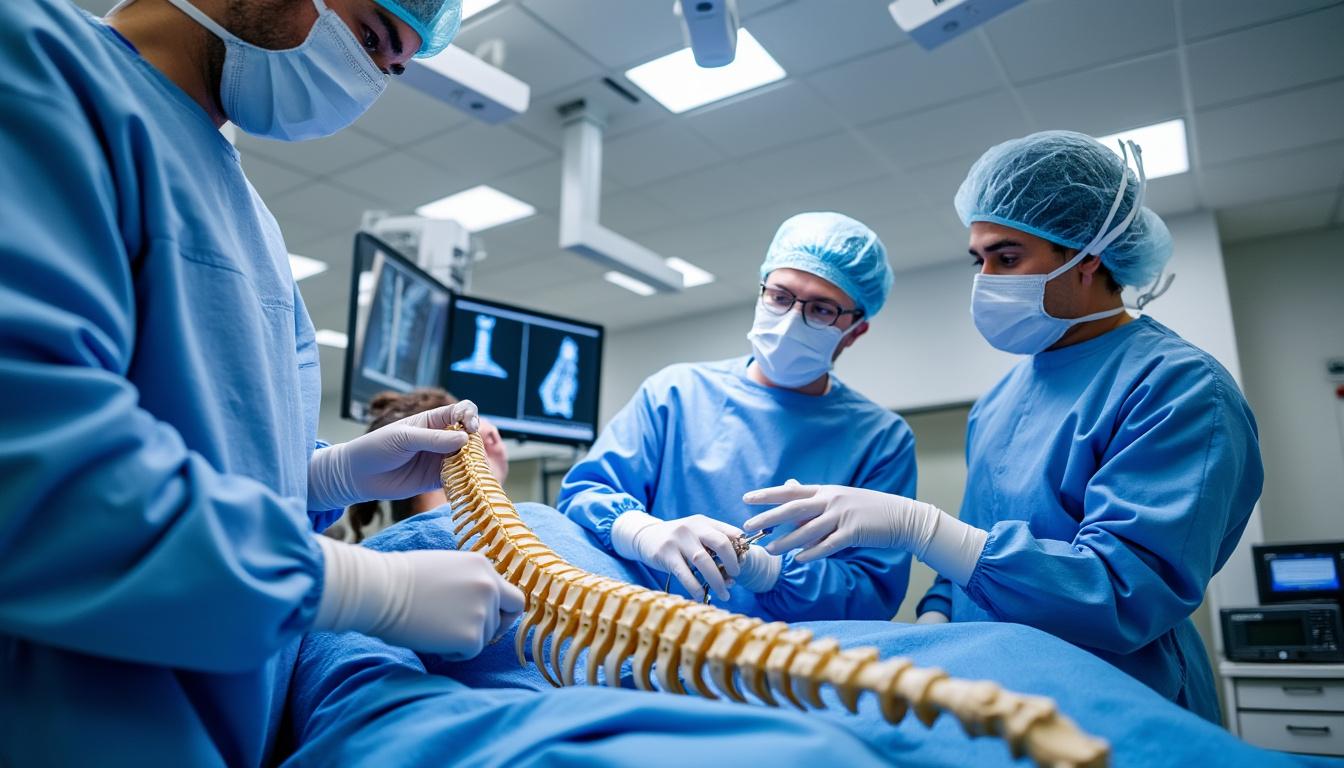

IntraSPINE® in Sherbrooke: Durable Solution for Chronic Low Back Pain
The management of chronic low back pain, a widespread condition affecting millions across Quebec and beyond, has reached a pivotal moment thanks to innovative medical technologies and coordinated care pathways. At the heart of this evolution lies the IntraSPINE implant,…
Step-by-Step Patient Journey: From Evaluation to Postoperative Recovery
A well-coordinated patient journey through spine surgery is paramount in maximizing safety and recovery quality. From the initial evaluation to rehabilitation and return to daily life, each phase requires specialized attention and documented protocols designed to limit postoperative complications.
Initial expert evaluation involves comprehensive clinical and imaging assessments to determine the extent and nature of spinal pathology. Drawing on more than 30 years of expertise in spinal health, specialists provide personalized recommendations founded on evidence-based medicine and ethical practice standards. This evaluation ensures a precise understanding of the potential benefits and limitations of surgical intervention, integrating considerations such as patient age, comorbidities, and previous treatment responses.
Once surgery is deemed appropriate, care coordination becomes essential. Here, the emphasis is placed on minimizing the waiting period, optimizing preoperative conditioning, and ensuring absolute compliance with patient safety protocols. In Trois-Rivières, multidisciplinary teams—including osteopaths, surgeons, anesthesiologists, and rehabilitation therapists—collaborate closely to tailor the course of treatment.
The surgical procedure itself is performed under strict adherence to guidelines established by national regulatory bodies and international best practices. Techniques such as navigation-assisted implant placement and real-time intraoperative neuromonitoring substantially lower the risk of nerve damage and misplaced hardware, which are common concerns linked to postoperative complications.
Following surgery, the early recovery phase focuses on pain management and the prevention of secondary complications such as infection or thrombosis. Protocols include multimodal analgesia, mobilization strategies, and patient education to facilitate safe hospital discharge.
Subsequent rehabilitation is a cornerstone of successful outcomes. Patients engage in supervised physical therapy programs, progressively regaining strength, flexibility, and function over several weeks to months. Coordination with advanced clinics, including those offering neurovertébral decompression, further supports recovery by addressing residual symptoms and enhancing biomechanical balance.
Finally, a structured follow-up schedule involves routine clinical evaluations and imaging studies to monitor spinal stability and detect any late postoperative issues. This longitudinal surveillance, grounded in scientific rigor, enables timely interventions if complications arise.
By navigating this pathway under expert guidance, patients minimize their risk of adverse events and maximize both short- and long-term surgical benefits. This approach not only supports physical recovery but also encourages informed patient participation and confidence in their care trajectory.
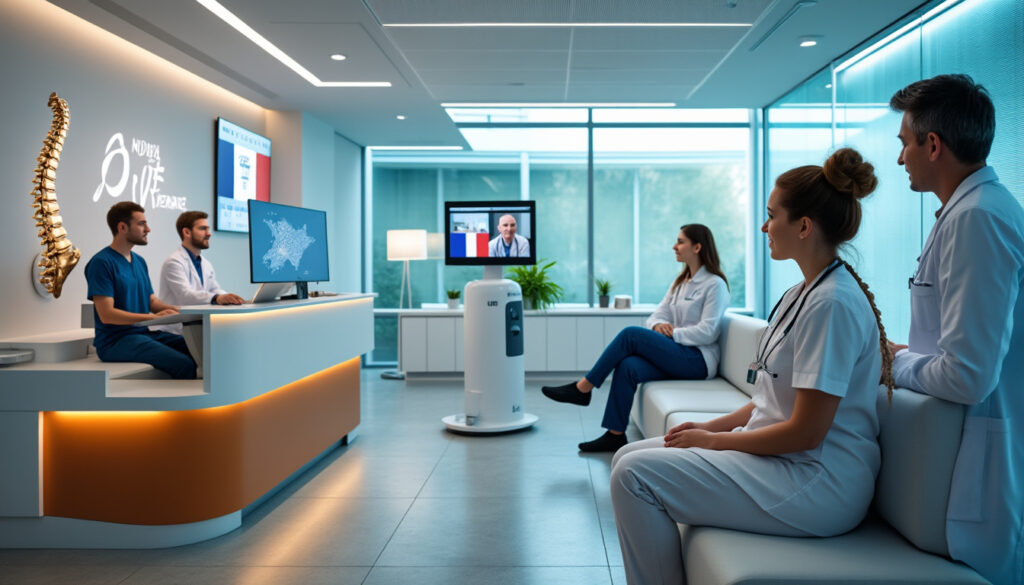
Spine Surgery in Trois-Rivières: Reduce Pain and Preserve Mobility
In recent years, spine surgery in Trois-Rivières has evolved notably, combining advanced medical expertise with innovative technologies to deliver patient-centered care. This growing field addresses the increasing demand among Quebec residents seeking effective solutions for chronic back pain and mobility…
Advantages of International Spine Surgery Coordination Between Quebec and France
International collaboration in spine surgery embodies a strategic advantage for patients seeking expedited access to innovative care without compromising quality or safety. Quebec patients increasingly explore surgery options in France, leveraging expertise, cost advantages, and cutting-edge technology unavailable domestically. This transatlantic partnership offers a seamless healthcare continuum guided by specialists with extensive experience in spinal pathology evaluation and management.
The coordination model includes preoperative assessments conducted remotely, often led by experts in Quebec who facilitate patient selection and prepare documentation for French surgical teams. Upon arrival, patients benefit from advanced surgical techniques, including approved motion surgery systems and dynamic implants that contribute to better biomechanical outcomes and reduced postoperative complications.
This alliance also integrates clear communication channels for postoperative monitoring and rehabilitation once patients return to Quebec, ensuring continuity of care. Such concerted efforts enhance patient safety and facilitate smoother transitions throughout the recovery process.
Economically, this pathway reduces both wait times and overall healthcare costs, crucial considerations for individuals who face prolonged delays in public services or prohibitively expensive private care. Patients can access premium surgical options at competitive prices, backed by renowned centers like the Clinique TAGMED, a reference for advanced conservative care and rehabilitative technology.
Humanistically, the bilateral approach fosters patient-centered care emphasizing cultural sensitivity and personalized support. From dedicated interpreters to accommodating family arrangements, every detail is managed to alleviate stress and encourage patient engagement in decision-making.
The table below summarizes key advantages of the international spine surgery coordination:
| Aspect | Benefits of Quebec-France Collaboration |
|---|---|
| Access to Innovation | State-of-the-art implants and surgical technologies not yet available in Canada |
| Cost Efficiency | Competitive pricing compared to private Canadian care with shorter wait times |
| Safety and Quality | Adherence to strict professional and regulatory standards in both countries |
| Continuity of Care | Integrated pre- and postoperative coordination with Canadian specialists |
| Patient Support | Customized assistance addressing psychological and cultural needs |
This transatlantic cooperation exemplifies how spine surgery in Trois-Rivières extends beyond geographic limitations to embrace innovation, ethical practice, and patient satisfaction, ultimately fostering superior treatment outcomes.
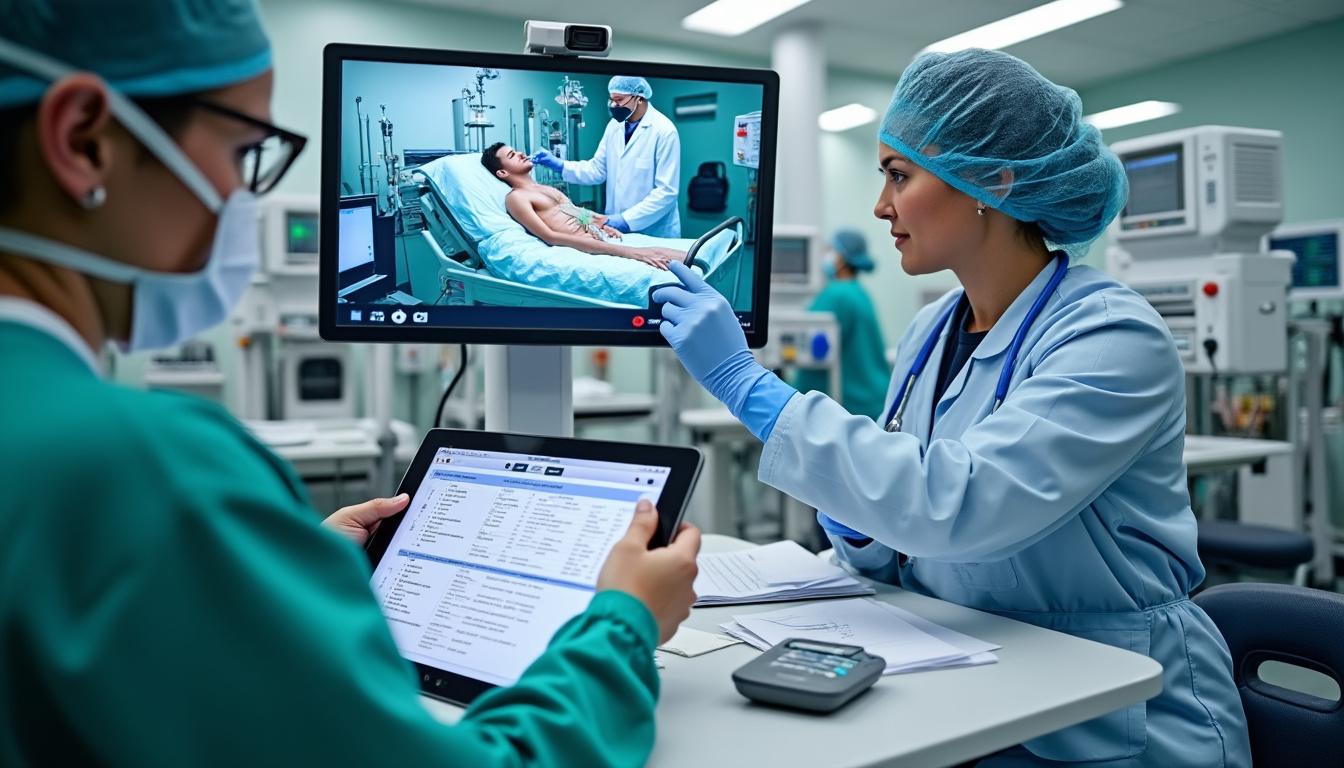

TOPS™ in Gatineau: High-Performance Option for the Lumbar Spine
The landscape of spinal surgery has witnessed profound evolution, particularly for patients grappling with lumbar spine disorders such as spinal stenosis and spondylolisthesis. These conditions, increasingly prevalent among Quebec’s population, impose substantial limitations on mobility and quality of life. The…
Essential Role of Conservative Care Before Considering Surgery
While surgery offers advanced solutions for certain spinal conditions, it is vital to emphasize that operative intervention should be approached only after appropriate conservative treatment attempts. Current clinical guidelines recommend a trial of 3 to 6 months of non-surgical management before proceeding with surgery.
Conservative care modalities include physical therapy, pharmacological pain management, osteopathic manipulative treatment, and specialized interventions like neurovertébral decompression. The latter, available at specialized centers such as the Clinique TAGMED, has shown marked efficacy in relieving symptoms and improving patient function without surgery.
Failing to exhaust these options may result in premature surgical decisions, exposing patients to unnecessary risks and the potential for postoperative complications. Rigorous evaluations by experts ensure that only those patients who do not respond to conservative regimens are guided toward surgical pathways.
Furthermore, in cases where neurovertébral decompression has not yet been employed as part of conservative care, integrating this technique can significantly alter surgical candidacy. Its non-invasive nature and evidence-based outcomes make it a cornerstone in the management of spinal disorders.
This measured approach not only improves patient outcomes but aligns with ethical practice and stewardship of healthcare resources. Patients are encouraged to engage proactively with their providers, seeking clarification about treatment options and timelines during this critical phase to foster shared decision-making and realistic expectations.
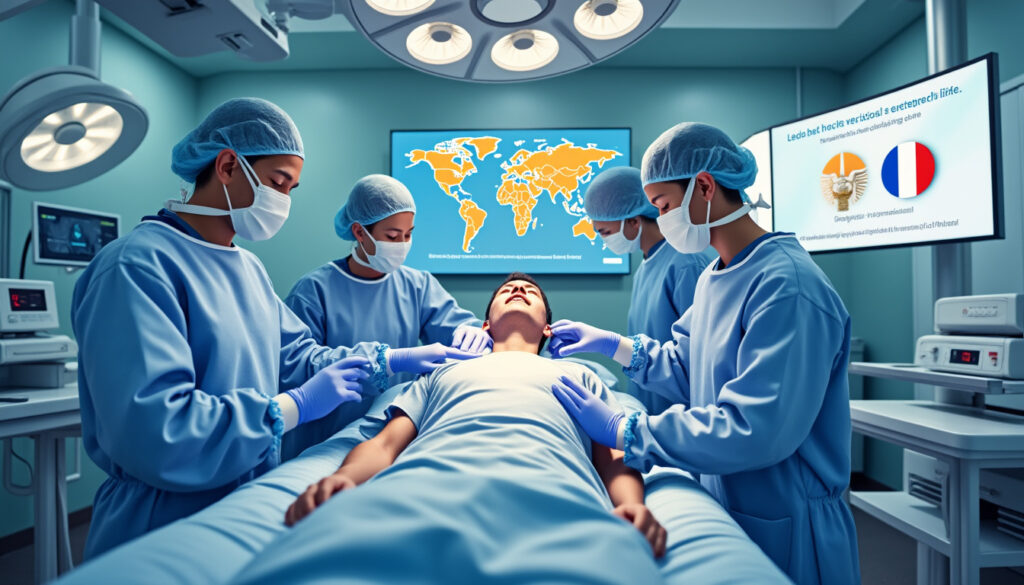
Cervical Disc Prosthesis in Quebec City: Avoid Post-Surgery Stiffness
Chronic neck pain remains a significant challenge for thousands of residents in Quebec City every year, often leading them to seek effective spinal surgery options that minimize downtime and maximize long-term mobility. Among the recent advancements revolutionizing cervical spine care,…
Innovative Surgical Techniques to Limit Postoperative Complications
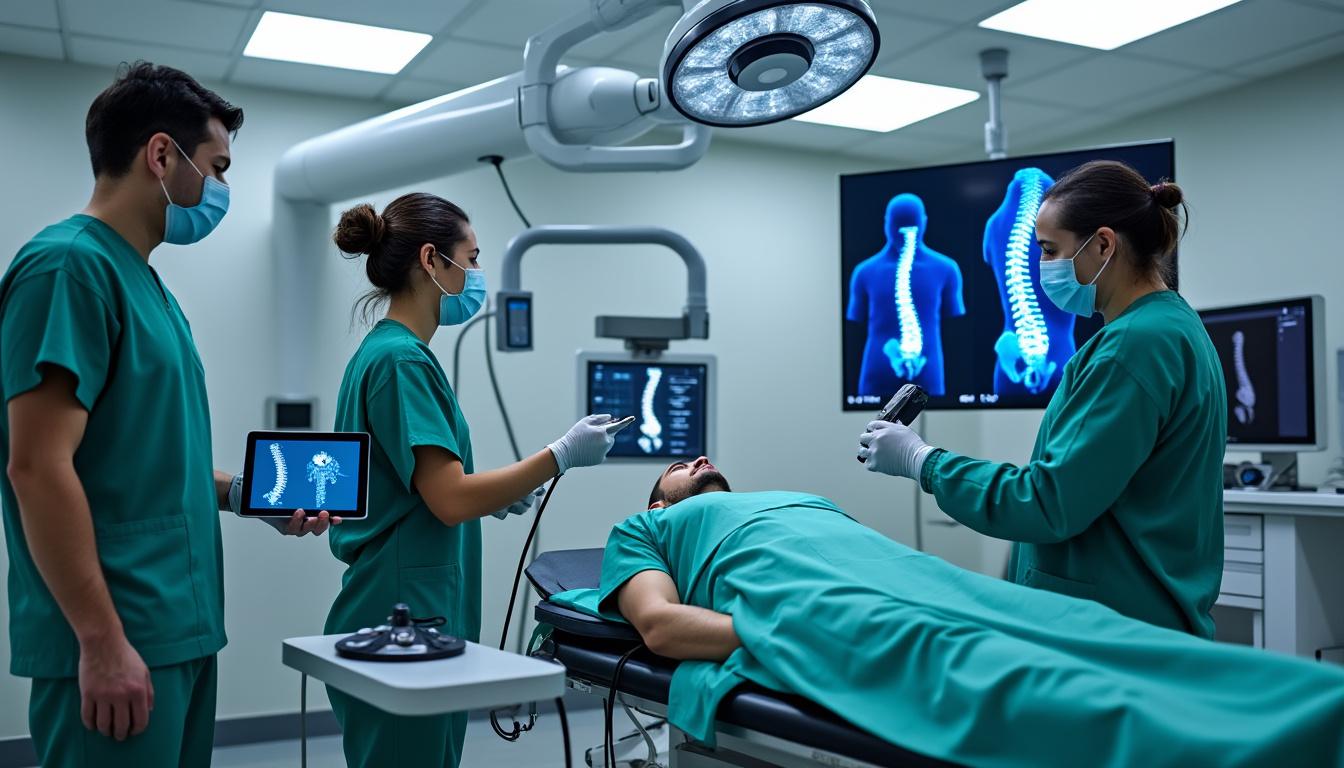
The quest to reduce postoperative complications drives continuous innovation in spine surgery techniques available in Trois-Rivières. Expert teams employ cutting-edge technologies including minimally invasive methods, advanced implant choices, and intraoperative navigation to enhance precision and safety.
Minimally invasive surgery techniques help decrease muscle damage and blood loss. By limiting tissue disruption, patients experience reduced postoperative pain and faster mobilization, which collectively diminish risks such as deep vein thrombosis or pulmonary complications. These approaches also foster quicker return to daily activities, a significant factor in improving overall quality of life.
Another breakthrough involves dynamic implants that maintain natural vertebral segment motion, contrasting with traditional fusion hardware that restricts movement. Such devices promote healthy biomechanics and lessen stress on adjacent spinal levels, proven strategies for decreasing long-term complications like adjacent segment disease.
Intraoperative technologies have also become standard innovations. Real-time neurophysiological monitoring provides alerts to potential nerve irritation, allowing surgeons to adjust maneuvers promptly. Intraoperative 3D imaging and navigation systems enhance implant placement accuracy, lowering the likelihood of hardware failure or nerve injury.
These surgical innovations are supported by thorough preoperative planning, personalized to each patient’s anatomy and pathology. Collaboration with osteopaths and rehabilitation specialists ensures postoperative care protocols align with surgical objectives, further reducing the chances of complications during recovery.
By integrating these leading-edge strategies, Trois-Rivières surgical teams strive not only for procedural success but also for sustained patient safety, a hallmark of contemporary spine care.
Minimally Invasive Surgery in Longueuil: Reduce Hospital Stay Duration
In recent years, advances in spinal care have dramatically reshaped the treatment landscape for patients suffering from debilitating spinal conditions. Particularly in Longueuil, the emergence of minimally invasive surgery (MIS) techniques offers a transformative alternative to conventional open surgeries. These…
Comprehensive Pain Management Strategies in Spine Surgery Recovery
Effective pain management is critical during spine surgery recovery to ensure patient comfort and facilitate rehabilitation participation. In Trois-Rivières, multidisciplinary approaches incorporate pharmacologic regimens, physical modalities, and patient education tailored to individual needs.
Multimodal analgesia—combing opioids, non-steroidal anti-inflammatory drugs, acetaminophen, and adjuvant medications—reduces reliance on any single drug class, minimizing side effects. Regional anesthesia techniques, such as nerve blocks, complement systemic medications by providing targeted relief. This integrated strategy significantly decreases postoperative pain intensity and improves functional outcomes.
Non-pharmacological interventions are equally important. Physiotherapy sessions incorporate gentle mobilization, stretching, and strengthening exercises carefully timed according to surgical protocols. Psychological support addresses anxiety and pain perception, acknowledging the biopsychosocial dimensions of recovery.
Patient education focuses on realistic expectations about pain trajectories and coping mechanisms, encouraging active participation in the healing process. Empowered patients are more likely to adhere to rehabilitation programs, reducing the risk of chronic pain syndromes.
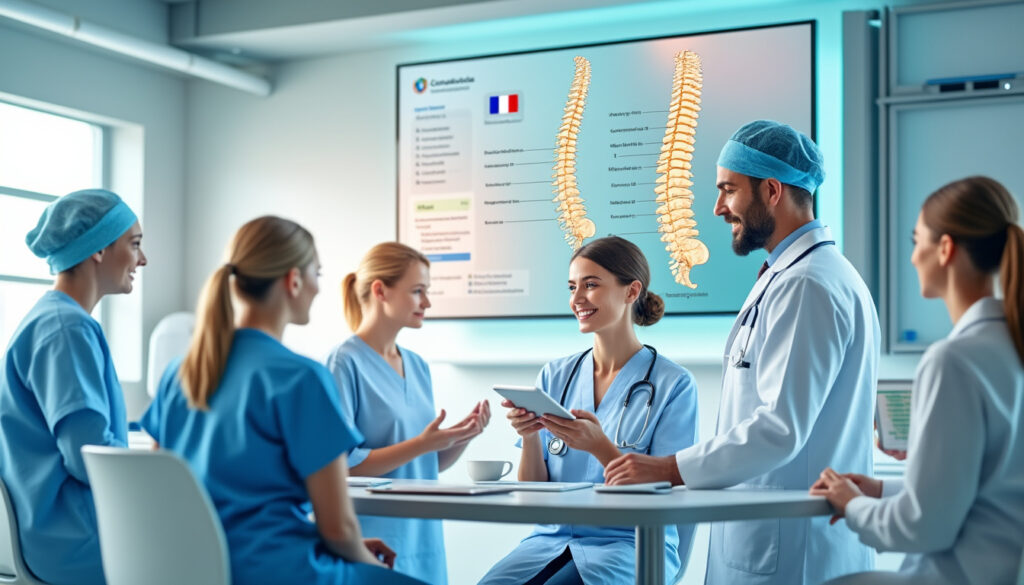
The collaborative efforts of spine surgeons, osteopaths, anesthesiologists, and therapists exemplify an integrated model of care that prioritizes patient safety and comfort while expediting functional restoration after surgery in Trois-Rivières.
IntraSPINE® in Laval: Modern Solution for Lumbar Stabilization
In the evolving landscape of orthopedic treatments, the city of Laval has become a hub for innovations addressing chronic lower back pain. Among the groundbreaking solutions gaining attention is the IntraSPINE device—a modern spinal implant designed to offer dynamic lumbar…
Rehabilitation and Functional Restoration: Keys to Long-Term Success
Postoperative rehabilitation represents a vital phase to solidify spine surgery benefits and limit complications. Customized programs designed by rehabilitation specialists in Trois-Rivières emphasize gradual restoration of strength, flexibility, and posture correction.
Physical regimens typically start with low-impact activities, progressing to more dynamic exercises as healing permits. Rehabilitation includes:
- Neuromuscular reeducation to restore motor control
- Core stabilization to support spinal alignment
- Gait training and balance enhancement
- Education on ergonomics and lifestyle modifications
Regular functional assessments help track progress and recalibrate therapy plans accordingly.
Moreover, collaboration with advanced clinics such as the Clinique TAGMED supports integration of neurovertébral decompression techniques and adjunct therapies targeting biomechanical imbalances. This comprehensive approach helps patients resume daily activities and professional duties confidently while mitigating risks of postoperative setbacks.
Rehabilitation success hinges on close communication between clinicians and patients, fostering an environment of trust and motivation. Patients are actively engaged in setting realistic goals, recognizing milestones, and appreciating the importance of adherence to prescribed exercises. This ongoing commitment to recovery undoubtedly contributes to reduced postoperative complications and enhanced quality of life.
Neck Surgery in Montreal: Maintain Cervical Flexibility and Function
Neck conditions causing persistent pain or functional loss place a substantial burden on individuals and healthcare systems, especially in urban centers like Montreal. Surgical interventions targeting the cervical spine have evolved tremendously, aiming not only to relieve symptoms but to…
How Expert Evaluation Enhances Patient Safety and Personalized Care
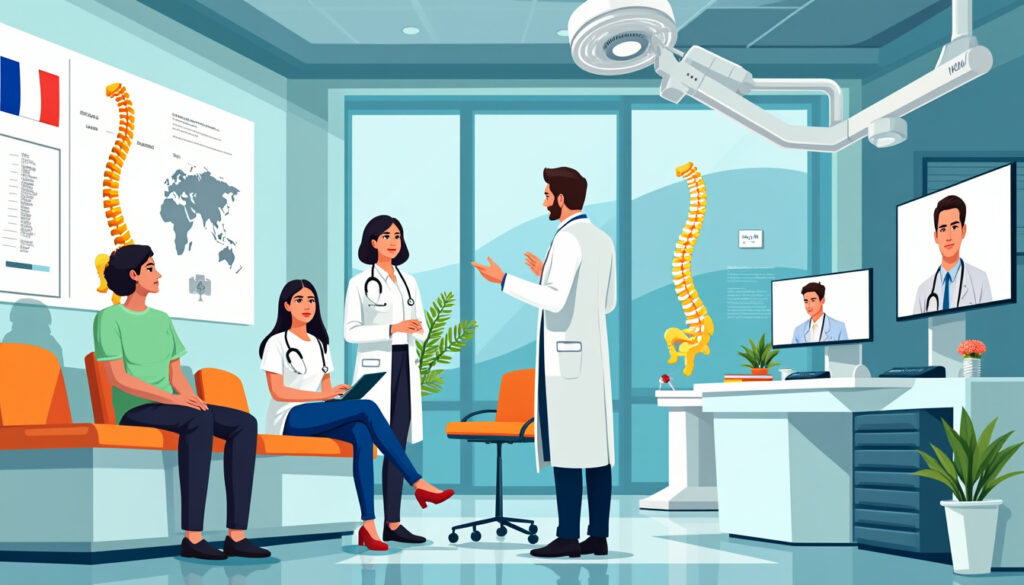
Expert evaluation is the cornerstone of personalized spine care, markedly influencing surgical outcomes and patient safety in Trois-Rivières. With over 30 years of dedicated experience, professionals like Dr. Sylvain Desforges bring unmatched expertise to the assessment of spinal pathologies and guidance through treatment decisions.
The evaluation process involves meticulous review of clinical history, physical examination, advanced imaging, and functional analysis. This careful assessment identifies precise pathomechanics and correlates symptoms to anatomical findings, ensuring tailored therapeutic recommendations.
A fundamental principle underlining expert evaluation is the commitment to evidence-based practice and ethical considerations. This includes validation of indications before recommending invasive interventions, reinforcing the priority of non-surgical management unless otherwise justified.
Moreover, expert evaluators emphasize patient education, delivering clear, jargon-free explanations about surgical indications, procedural steps, benefits, and limitations. This transparency fosters informed consent and empowers patients to be active participants in their healthcare decisions.
In transatlantic care models, the evaluator’s role extends to coordinating between Canadian and French centers, optimizing communication and continuity of care. This ensures the patient’s journey conforms to the highest standards for patient safety and personalized treatment, effectively limiting postoperative complications while maximizing long-term success.
Patients planning spine surgery are encouraged to seek expert evaluations early to facilitate comprehensive care planning and ensure access to the most appropriate surgical technologies and rehabilitative pathways.
Discover how expert evaluation supports pain reduction and surgical precision and learn more about the French expertise available for Quebec patients through coordinated surgery options.

Disc Prosthesis in Lévis: Quick and Long-Lasting Results
Chronic back pain caused by degenerative disc disease continues to profoundly impact the quality of life for many residents in Lévis and the broader Quebec area. For decades, traditional spinal fusion surgery has been the primary solution for alleviating severe…
Patient-Centered Approach Encouraging Questions and Active Participation
Communication plays a pivotal role in the management of spinal conditions, especially when surgery is considered. A patient-centered approach ensures that individuals feel heard, respected, and supported throughout the care continuum.
Healthcare providers in Trois-Rivières adopt teaching methodologies designed to clarify complex spinal interventions without overwhelming patients with medical jargon. By explaining the indications, risks, and rehabilitation steps clearly, patients develop realistic expectations and can make informed decisions tailored to their unique situations.
Such an open dialogue fosters trust and reduces anxiety, which can influence recovery positively. Patients are encouraged to ask questions regarding surgical techniques, postoperative complications, and pain management strategies, ensuring that no concern remains unaddressed.
Additionally, the multidisciplinary team approach offers personalized support addressing psychosocial factors alongside physical health. This holistic framework increases patient motivation and resilience, contributing to improved outcomes.
Ultimately, this empathetic, evidence-based communication framework is essential for empowering patients on their journey to improved spinal health and functional recovery.
Clear Call to Action: Contact for Personalized Evaluation and Support
Considering spine surgery in Trois-Rivières is a significant decision that requires expert guidance and comprehensive care planning. Patients seeking personalized evaluations and treatment recommendations are encouraged to reach out to specialized clinics and expert networks that prioritize safety, innovation, and ethical practice.
Whether looking to explore surgical options, learn about conservative care alternatives, or coordinate transatlantic treatment pathways, timely consultation with experts can facilitate optimal outcomes and reduce postoperative complications.
To discuss your specific case with experienced professionals who understand the intricacies of spine surgery and rehabilitation, please visit https://www.sostourismemedical.com/contact. Taking the first step towards informed care can transform your journey towards spinal health and wellbeing.
What types of spine surgery are available in Trois-Rivières?
The main types include spinal fusion, minimally invasive surgery, and motion-preserving surgery such as artificial disc replacement. Each option addresses different pathologies and aims to balance pain relief with mobility preservation.
Why is conservative treatment important before considering spine surgery?
Conservative treatments such as physical therapy and neurovertébral decompression should be attempted for 3 to 6 months to reduce symptoms and potentially avoid surgery, thereby minimizing risks associated with operative procedures.
How does international coordination between Quebec and France improve spine surgery outcomes?
Collaboration allows access to advanced surgical techniques and implants, reduces wait times, and assures continuity of care across borders, enhancing patient safety and personalized treatment.
What measures are taken to minimize postoperative complications?
Use of minimally invasive techniques, precise implant placement using navigation, real-time nerve monitoring, and comprehensive rehabilitation protocols work together to lower the risk of complications after spine surgery.
Who can provide expert evaluation for spine disorders?
Experienced osteopaths and spine care experts such as Dr. Sylvain Desforges offer detailed assessments and personalized recommendations, focusing on evidence-based, ethical management of spinal conditions.