Why Experts Advocate for Structured Imaging Exam Protocols
May 24, 2026
Pointe-Claire Lumbar Disc Pain Resolved Without Surgery
May 24, 2026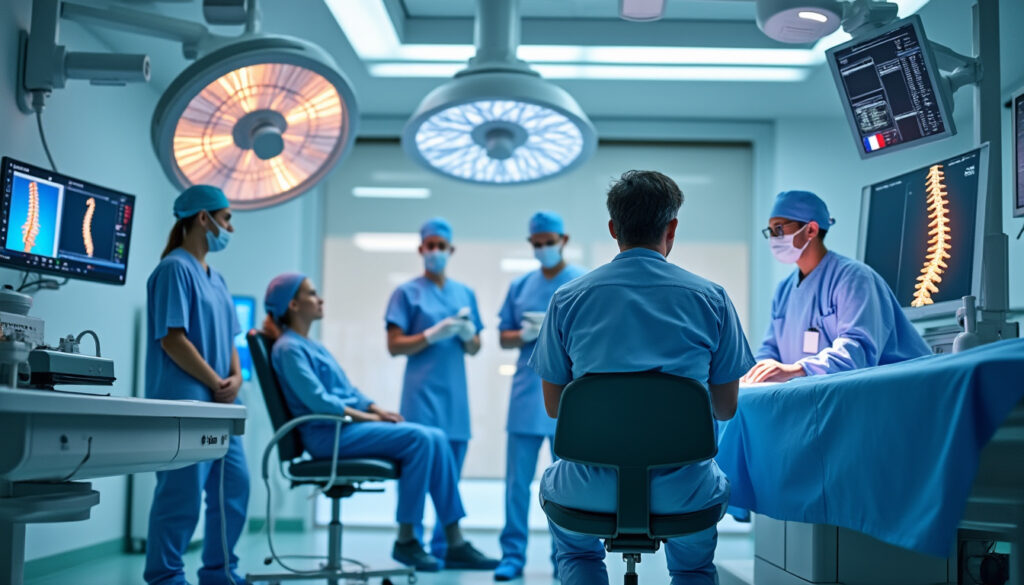
Spine surgery in Trois-Rivières represents a beacon of hope for many patients suffering from chronic back pain and mobility issues. Thanks to advances in surgical techniques, patient care, and international collaboration, individuals can now access treatments that not only alleviate pain but also preserve long-term quality of life. The field of spinal care has evolved significantly, moving beyond conventional fusion methods toward minimally invasive and motion-preserving surgeries. These innovations aim to maintain natural spinal mechanics and functionality, providing patients with renewed independence and improved well-being.
At the crossroads of expertise and patient-centered care stands Dr. Sylvain Desforges, a pioneering figure with over 30 years of experience in spinal health. As the founder and president of notable organizations such as the ACMA, the Collège des Ostéopathes Canadiens, and the multidisciplinary TAGMED clinic, Dr. Desforges brings unparalleled knowledge and a rigorous scientific approach to evaluating spinal pathologies. His commitment to evidence-based practice and ethical care ensures that patients receive personalized guidance throughout their treatment journeys, whether conservative or surgical.
Understanding the Types of Spine Surgery Available in Trois-Rivières and France
When considering spine surgery, understanding the various surgical techniques is crucial. The options range from traditional fusion to motion-preserving surgeries, each with specific indications, benefits, and potential outcomes. Trois-Rivières, benefiting from international expertise and access to French surgical innovations, offers patients a range of effective interventions tailored to their unique spinal conditions.
Spinal Fusion Surgery is among the most common procedures. It involves permanently joining two or more vertebrae, eliminating movement between them to alleviate pain caused by instability or degenerative changes. Within fusion surgeries, several approaches exist, including:
- Anterior Lumbar Interbody Fusion (ALIF): Approaches the spine from the front, minimizing nerve injury risks but involving vascular retraction.
- Posterior Lumbar Interbody Fusion (PLIF): Accesses the spine from the back, requiring nerve root retraction with a higher risk of dural tears.
- Transforaminal Lumbar Interbody Fusion (TLIF): Also a posterior approach but with reduced muscle trauma and less dural sac retraction.
- Lateral Lumbar Interbody Fusion (LLIF): Accesses from the side, decreasing muscle and dural injury but carrying vascular and plexus risks.
Each method presents distinct operative risks, recovery expectations, and biomechanical outcomes that must be weighed carefully.
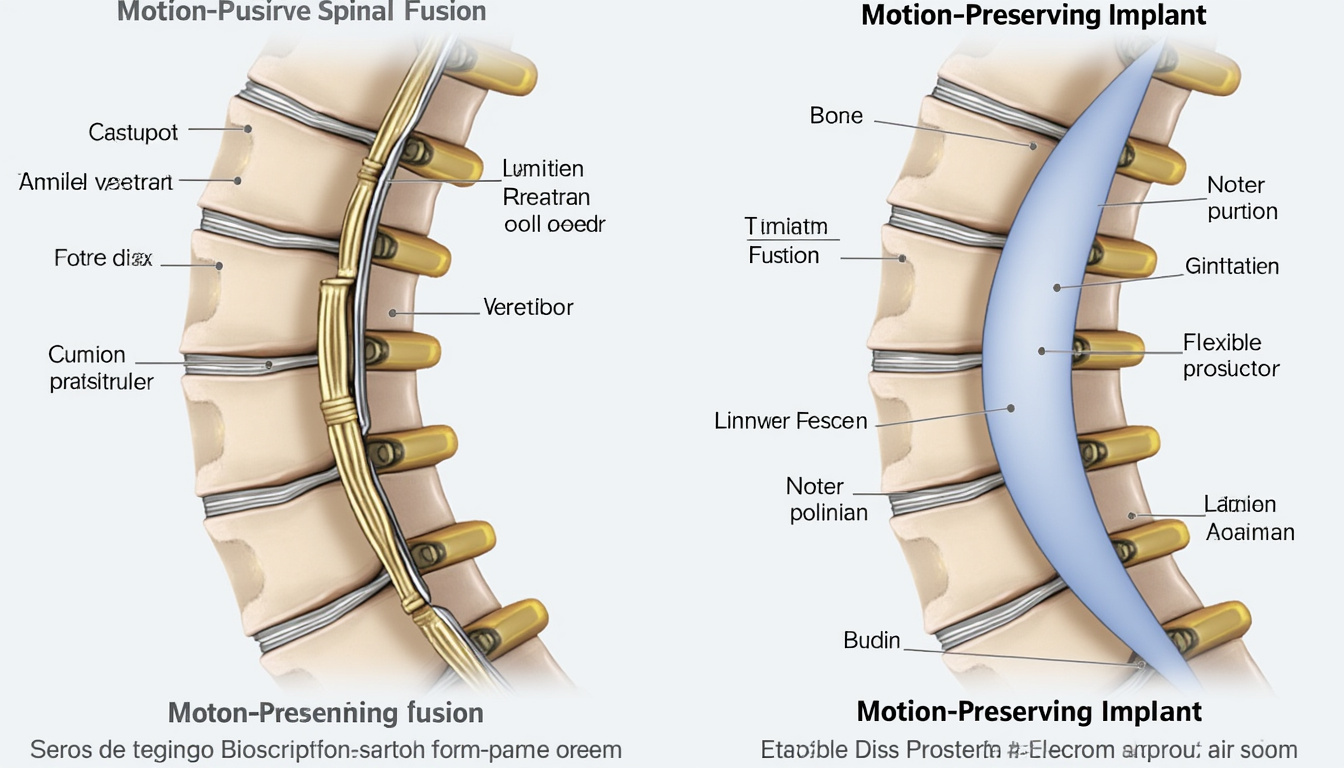
Motion-Preservation Surgery has emerged as an innovative alternative to fusion, designed to maintain the spine’s natural movements while addressing degenerative problems. Using implants such as dynamic stabilization devices or artificial discs, these surgeries seek to reduce the stress on adjacent spinal segments and prevent complications like Adjacent Segment Disease (ASD). For example, the FDA-approved TOPS System restores stabilized mobility and demonstrates clinical superiority over traditional fusion, as highlighted in recent studies emphasizing improved postoperative quality of life and lowered revision rates.
Dr. Desforges actively integrates these cutting-edge options into patient care, ensuring access to technologies that might not yet be widely available in Canada. This selection reflects his ongoing commitment to innovation, safety, and optimal outcomes tailored to each patient’s spinal pathology.

IntraSPINE® in Sherbrooke: Durable Solution for Chronic Low Back Pain
The management of chronic low back pain, a widespread condition affecting millions across Quebec and beyond, has reached a pivotal moment thanks to innovative medical technologies and coordinated care pathways. At the heart of this evolution lies the IntraSPINE implant,…
Spine Surgery in Trois-Rivières: Reduce Pain and Preserve Mobility
In recent years, spine surgery in Trois-Rivières has evolved notably, combining advanced medical expertise with innovative technologies to deliver patient-centered care. This growing field addresses the increasing demand among Quebec residents seeking effective solutions for chronic back pain and mobility…
Key Steps in the Spine Surgery Journey: From Evaluation to Postoperative Recovery
Spine surgery is not a decision to be taken lightly. It requires a structured and multidisciplinary process beginning with a thorough assessment by experts like Dr. Sylvain Desforges, who offers detailed evaluations to identify the underlying causes of spine pathology and coordinate the optimal care pathway. This evaluation involves advanced imaging, clinical examination, and a careful review of the patient’s prior conservative treatments.
The typical journey includes:
- Comprehensive Evaluation: Initially, patients undergo a full assessment of their spinal condition. Dr. Desforges’s expertise facilitates precise differentiation between conditions treatable conservatively and those warranting surgical consideration, emphasizing evidence-based assessment and patient education.
- Conservative Treatment Phase: Surgery is considered only after 3 to 6 months of advanced conservative care, including physical therapy, osteopathy, and especially neurovertebral decompression therapies such as those delivered by the TAGMED clinic. This phase aims to relieve symptoms and may eliminate the need for surgery altogether.
- International Coordination: Should surgical intervention be necessary, Dr. Desforges coordinates care with leading partners in France, ensuring streamlined scheduling and personalized treatment plans that respect Quebec’s medical regulations. This transatlantic collaboration enhances access to revolutionary techniques and reduces waiting times compared to local private options.
- Preoperative Preparation: Patients receive comprehensive information about their surgical procedure, expected benefits, risks, and the postoperative recovery timeline, fostering informed consent and patient empowerment.
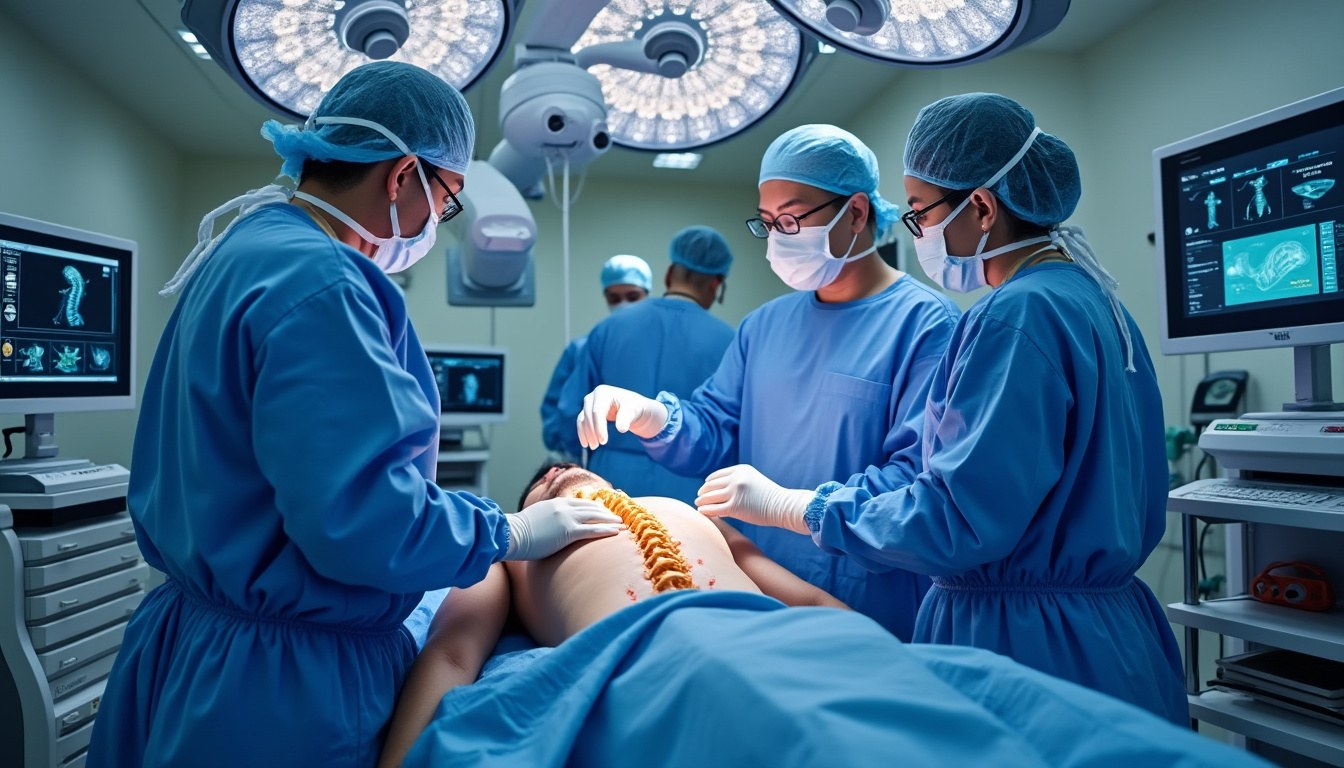
- Surgical Procedure: The operation itself, performed by top-tier surgeons, involves minimally invasive techniques whenever possible to preserve tissue and enhance recovery.
- Postoperative Recovery and Rehabilitation: Patients benefit from coordinated follow-up, physiotherapy, and rehabilitative care, with regular monitoring to track healing progress and promptly address any postoperative complications.
- Return and Long-Term Monitoring: After returning to Quebec, patients continue their care under Dr. Desforges’s guidance, ensuring sustained spine health through lifestyle modification and ongoing conservative management when necessary.
Dr. Desforges’s role as an evaluator and care coordinator ensures that patient well-being and surgical success rates are maximized across all stages.

TOPS™ in Gatineau: High-Performance Option for the Lumbar Spine
The landscape of spinal surgery has witnessed profound evolution, particularly for patients grappling with lumbar spine disorders such as spinal stenosis and spondylolisthesis. These conditions, increasingly prevalent among Quebec’s population, impose substantial limitations on mobility and quality of life. The…

Cervical Disc Prosthesis in Quebec City: Avoid Post-Surgery Stiffness
Chronic neck pain remains a significant challenge for thousands of residents in Quebec City every year, often leading them to seek effective spinal surgery options that minimize downtime and maximize long-term mobility. Among the recent advancements revolutionizing cervical spine care,…
Biometrics and Benefits: Advancements in Long-Term Spinal Care and Motion Preservation
The biomechanical environment of the spine is complex and delicate. One hallmark of successful spine surgery is its capacity to relieve symptoms while preserving the natural mechanics of the spinal column. Traditional fusion techniques, by restricting movement at the operated segments, can inadvertently increase stress on adjacent vertebrae, leading to complications such as Adjacent Segment Disease (ASD) over the long term. This effect manifests as accelerated degeneration in segments neighboring the fusion site, potentially necessitating revision surgeries.
In contrast, motion-preserving surgical innovations seek to maintain physiological motion at the surgical level, reducing the secondary degeneration risks. Devices such as artificial disc replacements and dynamic stabilization implants allow patients to retain flexibility, minimize biomechanical disturbances, and enjoy enhanced postoperative quality of life. For example, a 10-year study cited by Premia Spine shows that patients treated with the TOPS System experienced sustained motion and clinical improvement without revision surgeries, unlike many fusion patients who face hardware failure or pseudoarthrosis.
These advancements align with Dr. Desforges’s philosophy of spine care—prioritizing rigorous scientific evaluation, patient safety, and the incorporation of state-of-the-art technologies for superior outcomes. His leading role in organizations like TAGMED further promotes the adoption of these modern therapeutic options in Quebec, creating pathways for less invasive, more effective spinal care.
Minimally Invasive Surgery in Longueuil: Reduce Hospital Stay Duration
In recent years, advances in spinal care have dramatically reshaped the treatment landscape for patients suffering from debilitating spinal conditions. Particularly in Longueuil, the emergence of minimally invasive surgery (MIS) techniques offers a transformative alternative to conventional open surgeries. These…
IntraSPINE® in Laval: Modern Solution for Lumbar Stabilization
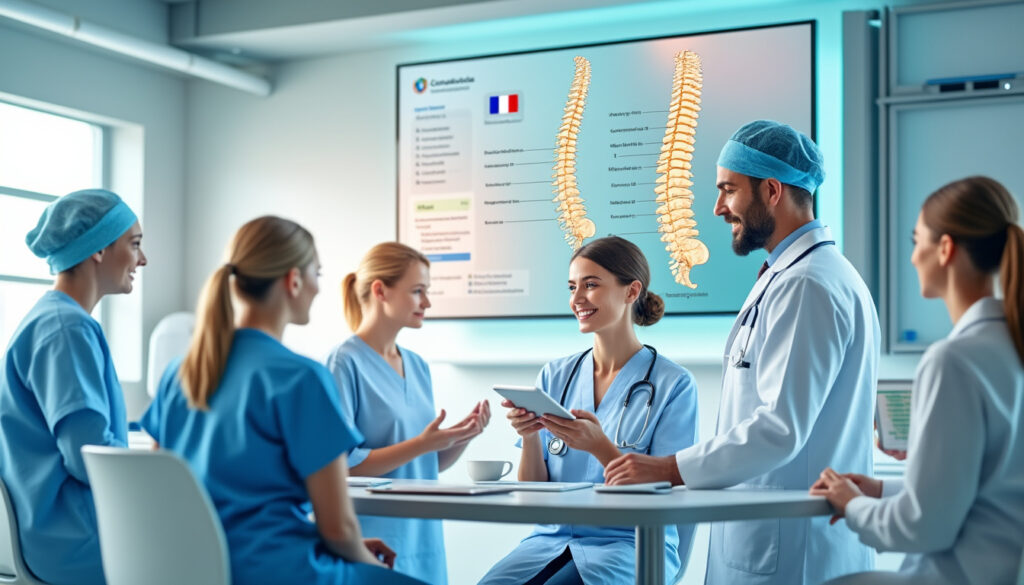
In the evolving landscape of orthopedic treatments, the city of Laval has become a hub for innovations addressing chronic lower back pain. Among the groundbreaking solutions gaining attention is the IntraSPINE device—a modern spinal implant designed to offer dynamic lumbar…
Why Conservative Management is Essential Before Considering Spine Surgery
For most spinal conditions, surgery should never be the first or immediate option. International guidelines and Dr. Desforges’s clinical approach emphasize an initial period of conservative management lasting at least three to six months. This phase encompasses multiple therapeutic modalities designed to alleviate pain, improve mobility, and reduce inflammation without surgical risks.
Among these therapies, neurovertebral decompression, as delivered at the TAGMED clinic, stands out for its unique capacity to relieve nerve impingement through non-invasive means. Its advanced devices and protocols have shown efficacy in improving pain levels and spinal function, often postponing or negating the need for surgery. The strength of such conservative care is grounded in scientific evidence and is a mandatory prerequisite to advancing toward surgical intervention.
Other elements of conservative care include:
- Physical therapy focusing on core strengthening and flexibility
- Osteopathic manipulations tailored to individual spinal pathologies
- Pharmacologic management to control inflammatory pain
- Patient education and lifestyle modification to reduce spinal stress
Engaging fully in this pre-surgical phase benefits not only the patient’s current quality of life but also improves surgical outcomes if surgery becomes necessary. By highlighting the importance of conservative care, Dr. Desforges reassures patients to make informed, stepwise decisions based on their unique health status.
Neck Surgery in Montreal: Maintain Cervical Flexibility and Function
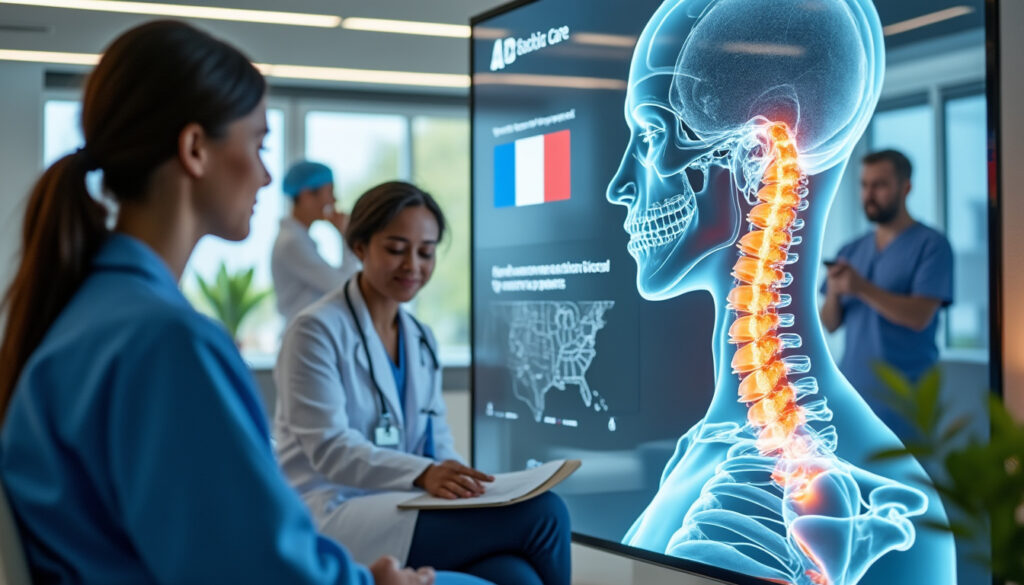
Neck conditions causing persistent pain or functional loss place a substantial burden on individuals and healthcare systems, especially in urban centers like Montreal. Surgical interventions targeting the cervical spine have evolved tremendously, aiming not only to relieve symptoms but to…

Disc Prosthesis in Lévis: Quick and Long-Lasting Results
Chronic back pain caused by degenerative disc disease continues to profoundly impact the quality of life for many residents in Lévis and the broader Quebec area. For decades, traditional spinal fusion surgery has been the primary solution for alleviating severe…
The Advantages of a Transatlantic Surgical Pathway for Quebec Patients
In recent years, growing demand among Quebec patients for timely and advanced spinal surgery has led to the development of specialized pathways to France, where innovation in spinal care is flourishing. This international collaboration, championed by Dr. Desforges, leverages France’s cutting-edge surgical techniques, leading specialists, and regulatory frameworks aligned with Quebec standards.
The merits of this transatlantic approach include:
- Reduced Waiting Times: Quebec’s overloaded healthcare system often results in lengthy delays for spine surgery. Accessing surgery in Trois-Rivières or France expedites treatment, minimizing prolonged pain and functional decline.
- Advanced Surgical Techniques: Patients benefit from minimally invasive and motion-preserving procedures more broadly available in France, including the latest implants and devices.
- Comprehensive Perioperative Care: Coordinated preoperative and postoperative services ensure continuity and safety during patient transfers and throughout recovery phases.
- Personalized Treatment Plans: Tailored approaches consider each case’s specifics, maximizing outcomes and patient satisfaction.
Dr. Desforges’s experience with both Canadian and French healthcare systems allows him to expertly guide patients through this journey, from initial evaluation to long-term follow-up, always grounded in scientific rigor, ethics, and patient-centered communication.

Enhancing Postoperative Recovery and Sustaining Long-Term Outcomes
Postoperative recovery is a critical phase that shapes the overall success of spine surgery. Patients are guided through meticulous rehabilitation programs emphasizing mobility preservation, pain management, and gradual return to daily activities. The adoption of minimally invasive techniques in Trois-Rivières has shortened hospital stays and reduced complications, promoting faster recovery.
Some key postoperative considerations include:
- Personalized physiotherapy focusing on core stability and flexibility
- Strict adherence to movement precautions to avoid hardware strain
- Nutritional guidance and management of comorbidities for optimal healing
- Regular follow-up assessments to detect early signs of complications such as hardware failure or Adjacent Segment Disease
Studies underscore that support systems and patient education significantly improve compliance with rehabilitation protocols, resulting in higher rates of quality of life preservation long-term. Dr. Desforges ensures his patients receive detailed explanations and encouragement, making their recovery journey both informed and empowering.
| Postoperative Aspect | Key Components | Expected Benefits |
|---|---|---|
| Physiotherapy | Core strengthening, flexibility exercises, gait training | Preserves mobility, reduces pain, enhances function |
| Movement Precautions | Avoid twisting, heavy lifting, high-impact activities | Protects surgical site and hardware integrity |
| Nutritional Support | Proper diet, management of osteoporosis and comorbid conditions | Promotes bone healing and overall recovery |
| Follow-Up Monitoring | Imaging, clinical evaluation for early detection of complications | Timely interventions to prevent revision surgery |
Patient Preservation: A Holistic Approach to Sustained Spine Health and Quality of Life
Beyond surgical intervention, maintaining lifelong spine health demands a multifaceted strategy embracing lifestyle, mental health, and ongoing care. The psychological impact of spinal surgery and chronic pain is increasingly acknowledged within Dr. Desforges’s practice. Patients may face kinesiophobia (fear of movement), anxiety, or depressive symptoms postoperatively, which can adversely affect recovery.
Addressing these challenges requires:
- Collaborative care involving therapists and counselors specialized in pain psychology
- Patient education fostering confidence in safe movements and rehabilitation progress
- Support networks that encourage social interaction and motivation
- Stress management techniques such as mindfulness and meditation to enhance mental resilience
Such an integrative care model aligns with Dr. Desforges’s commitment to humanizing spine treatment — ensuring that patients feel supported, informed, and empowered throughout their long-term journey toward preserved quality of life.
What types of spine surgery are available in Trois-Rivières and how do they differ?
Spine surgery in Trois-Rivières includes traditional fusion surgeries such as ALIF, PLIF, TLIF, LLIF, and innovative motion-preserving techniques like the TOPS System. Fusion surgeries permanently join vertebrae, while motion-preserving surgery maintains natural spinal movement, reducing risks of adjacent segment degeneration.
Why is conservative treatment necessary before considering spine surgery?
Conservative care including neurovertebral decompression, physical therapy, and osteopathy is essential for at least 3 to 6 months because it often relieves symptoms without surgery. If surgery is needed, this phase improves surgical outcomes and respects current clinical guidelines.
How does motion-preserving surgery improve long-term outcomes compared to fusion?
Motion-preserving surgeries maintain spinal mobility, reducing biomechanical stress on adjacent segments and lowering the risk of degeneration and revision surgery. They have demonstrated superior quality of life improvements compared to traditional fusion techniques.
What are the benefits of the transatlantic surgical pathway for Quebec patients?
This pathway reduces surgery waiting times, offers access to advanced techniques not widely available locally, ensures comprehensive perioperative care, and provides personalized treatment plans, enhancing patient satisfaction and surgical success.
What role does postoperative care play in preserving spine health?
Postoperative care including physiotherapy, movement precautions, nutrition, and regular monitoring is critical to safeguard surgical success and promote long-term quality of life by preventing complications and encouraging recovery.