IntraSPINE® in Gatineau: Gentle and Effective Approach
October 25, 2025
TOPS™ in Saguenay: Immediate and Lasting Relief
October 26, 2025
Spine-related ailments can significantly diminish one’s quality of life, yet modern advancements now offer a beacon of hope. In Trois-Rivières, Quebec, patients seeking relief from persistent spinal issues can access a spectrum of innovative surgical options matched with sophisticated diagnostic assessments. Thanks to an international collaboration led by experts like Dr. Sylvain Desforges, who brings over 30 years of expertise in spinal evaluations and integrated care, Quebec patients have the possibility to benefit from state-of-the-art personalized interventions across the Atlantic in France. These approaches balance biomechanical precision with patient-centered ethics, ensuring that individuals receive timely, effective, and compassionate care tailored to their unique spinal conditions.
From complex spinal fusion surgeries to motion-preserving techniques, the landscape of spine surgery in Trois-Rivières reflects a commitment to scientific rigor, technological innovation, and comprehensive patient support. Extensive clinical coordination ensures not only access to emerging technologies such as neurovertebral decompression and dynamic implants but also a seamless journey from initial consultation through recovery. It is within this framework that patients can make informed decisions, equipped with clear explanations and trustworthy guidance, thereby optimizing outcomes both physically and psychologically during what can be a challenging process.
Types of Spine Surgery Available in Trois-Rivières and France
Understanding the surgical options for spinal disorders is essential for patients and practitioners navigating complex treatment choices. In Trois-Rivières, as well as internationally—particularly in specialized centers in France—three primary categories of spine surgery stand out: simple decompression, spinal fusion, and motion-preservation surgery.
Simple decompression surgeries target the relief of nerve pressure caused by herniated discs, spinal stenosis, or bone spurs. Procedures such as microdiscectomy or laminectomy remove or alleviate material compressing spinal nerves, thereby reducing pain and restoring function. These techniques are often minimally invasive, leading to faster recovery times and less postoperative discomfort.
Spinal fusion surgery is used when vertebral stability is compromised due to degenerative disc disease, trauma, or deformity like scoliosis. This procedure permanently joins two or more vertebrae, preventing motion between them to reduce pain generated by abnormal movement or instability. Fusion surgery is precise and meticulous, with the latest advancements involving custom implants and minimally invasive approaches enhancing safety and outcomes.
Motion-preserving spine surgeries such as artificial disc replacement aim to maintain the natural mobility of the spine while addressing pathological changes. These procedures are gaining momentum for their biomechanical advantages and ability to prevent adjacent segment degeneration, a common challenge in fusion surgeries. France has been at the forefront of implementing approved motion technologies, providing options to Canadian patients seeking alternatives to fusion. For more detailed insights on these innovations, patients may explore resources about motion preserving surgeries.
In choosing the appropriate surgery, patient evaluation by experts like Dr. Desforges, who emphasize evidence-based guidelines and full disclosure of treatment options, allows for a personalized surgical strategy. Each category offers distinct advantages depending on the spinal pathology and patient lifestyle, highlighting the importance of multidisciplinary assessment before deciding on surgery.
- Simple decompression aims at nerve relief with minimally invasive techniques.
- Spinal fusion ensures stability by permanently joining vertebrae.
- Motion-preserving approaches maintain natural spinal movement post-surgery.
- Access to advanced implants and technology boosts surgical precision.
- Integration of international scientific standards ensures best practices.
| Surgery Type | Purpose | Typical Conditions | Key Benefits | Availability |
|---|---|---|---|---|
| Simple Decompression | Relieve nerve compression | Herniated discs, spinal stenosis | Less invasive, fast recovery | Trois-Rivières & France |
| Spinal Fusion | Stabilize vertebrae | Degenerative disc disease, instability | Improved stability, reduced pain | Trois-Rivières & France |
| Motion Preservation | Maintain spinal mobility | Disc degeneration, early arthritis | Preserve natural movement, reduces adjacent degeneration | Predominantly France |
IntraSPINE® in Sherbrooke: Durable Solution for Chronic Low Back Pain
The management of chronic low back pain, a widespread condition affecting millions across Quebec and beyond, has reached a pivotal moment thanks to innovative medical technologies and coordinated care pathways. At the heart of this evolution lies the IntraSPINE implant,…
The Patient Journey: From Initial Evaluation to Postoperative Recovery in a Transatlantic Framework
The path from diagnosis to recovery in spine surgery involves multiple carefully orchestrated steps. Thanks to the exemplary coordination trait distinguishing the cooperation between Quebec and French medical facilities, patients benefit from a clear and efficient process supplemented by expert support at every phase.
The journey typically begins with a thorough evaluation conducted by an expert like Dr. Sylvain Desforges. Leveraging his extensive qualifications (B.Sc., D.O., N.D.) and profound experience, Dr. Desforges offers comprehensive assessments based on rigorous scientific principles and ethical practice. This evaluation phase includes detailed imaging and functional assessments to determine the nature and severity of the spinal pathology with precision, facilitating accurate recommendations and risk analysis.
Following this, patients access personalized consultation encompassing a review of surgical options, explaining advantages and limitations in accessible language. If surgery is warranted and accepted, collaborations with highly skilled neurosurgeons such as Dr. Claude Édouard Chatillon in Trois-Rivières or counterparts in France ensure state-of-the-art treatment adherence to high medical standards, including compliance with the Collège des médecins du Québec regulations.
The preoperative stage involves coordination for travel, medical clearances, and preparation, considering the patient’s specific condition and preferences. After surgery, patients receive close follow-up with multidisciplinary teams, including rehabilitation and conservative care providers facilitating optimal healing and functional restoration.
- Expert evaluation and diagnostic workup in Quebec.
- Detailed explanation of surgical options and expectations.
- Coordination with surgical teams in Trois-Rivières and France.
- Preoperative preparation with multidisciplinary input.
- Postoperative care emphasizing rehabilitation and ongoing support.
| Step | Description | Responsible Parties | Key Considerations |
|---|---|---|---|
| Evaluation | Comprehensive spinal assessment including imaging | Dr. Sylvain Desforges + Diagnostic team | Evidence-based approach and patient-centered ethics |
| Consultation | Discussion of treatment options and risks | Dr. Desforges, Neurosurgeons in Trois-Rivières / France | Clear communication, informed consent |
| Travel Coordination | Planning medical travel to France, documentation | Medical coordination teams | Minimize delays and optimize scheduling |
| Surgical Intervention | Procedure tailored to patient’s specific pathology | Specialized surgical teams | Use of modern techniques and implants |
| Postoperative Follow-up | Rehabilitation and monitoring recovery progress | Multidisciplinary care teams | Patient education and support |
Spine Surgery in Trois-Rivières: Reduce Pain and Preserve Mobility
In recent years, spine surgery in Trois-Rivières has evolved notably, combining advanced medical expertise with innovative technologies to deliver patient-centered care. This growing field addresses the increasing demand among Quebec residents seeking effective solutions for chronic back pain and mobility…
Biomechanical and Economic Benefits of Transatlantic Spine Surgery
Choosing a treatment pathway crossing national borders brings unique advantages that extend beyond purely clinical outcomes. The transatlantic spine surgery approach combining expertise and resources from Québec and France yields biomechanical precision and economic pertinence highly beneficial to patients.
Biomechanically, utilizing approved dynamic implants and motion-preserving technologies offers superior functional preservation compared to conventional fusion alone. This mitigates risks of adjacent segment degeneration and maintains spine flexibility, empowering patients to retain an active lifestyle postoperatively. Innovations accessible via French surgical platforms also include laser-assisted decompression and neurovertebral decompression modalities advancing the precision of surgery while minimizing tissue trauma.
From an economic perspective, the transatlantic option includes definitive cost savings compared to private surgery in Quebec, where waiting times or expenses may be prohibitive. The international partnership affords timely surgical intervention with personalized planning, lowering indirect costs such as prolonged disability and lost productivity. Furthermore, comprehensive preoperative and postoperative care integrated into this model prevents avoidable complications, reducing further healthcare expenditures.
- Dynamic implants improve biomechanical function post-surgery.
- Reduced risk of long-term degeneration with motion preservation.
- Cutting-edge laser and decompression technologies minimize trauma.
- Cost-effective alternative to local private surgery options.
- Comprehensive care reduces complications and readmissions.
| Aspect | Advantages of Transatlantic Approach | Comparison to Local Surgery |
|---|---|---|
| Biomechanics | Access to motion preservation and dynamic implants | More traditional fusion dominant, limited mobility preservation |
| Cost | Lower overall costs, fewer indirect expenses | Higher private clinic fees and longer wait times |
| Technology | Use of innovative laser and neurovertebral techniques | More limited access to cutting-edge modalities |
| Continuity of Care | Integrated international follow-up | Often fragmented local care |
TOPS™ in Gatineau: High-Performance Option for the Lumbar Spine
The landscape of spinal surgery has witnessed profound evolution, particularly for patients grappling with lumbar spine disorders such as spinal stenosis and spondylolisthesis. These conditions, increasingly prevalent among Quebec’s population, impose substantial limitations on mobility and quality of life. The…
Conservative Treatment First: Essential Before Considering Surgery
Scientific and clinical consensus highlights that spine surgery should be reserved only for those patients who have completed a thorough course of conservative treatment lasting between 3 to 6 months without sufficient relief. This principle aims to avoid unnecessary intervention and favors less invasive management that can often improve symptoms substantially.
Conservative treatments encompass physical therapy, chiropractic care, pain management, and increasingly, advanced options such as neurovertebral decompression therapy available at specialized centers like the Clinique TAGMED. This innovative modality utilizes precise decompression to relieve nerve compression, reduce inflammation, and enhance tissue healing without surgery.
Patients who have not engaged in these comprehensive non-surgical interventions warrant re-evaluation before surgical consideration. Dr. Sylvain Desforges emphasizes patient education here, offering clear explanations of treatment pathways, expected outcomes, and how technologies like those at Clinique TAGMED can complement or sometimes even avoid surgical procedures.
- Physical therapy and chiropractic treatments improve mobility.
- Pain management strategies reduce discomfort and enhance function.
- Advanced neurovertebral decompression targets nerve root pressure.
- Proper trial of conservative therapy reduces surgical necessity.
- Patient engagement and education optimize decision-making.
| Conservative Treatment | Description | Role in Spine Care | Effectiveness |
|---|---|---|---|
| Physical Therapy | Exercise and mobilization techniques | Improve flexibility, reduce pain | High when consistently applied |
| Chiropractic Care | Manual spinal adjustments | Restore alignment, reduce nerve irritation | Moderate, often adjunctive |
| Neurovertebral Decompression | Non-invasive nerve relief technique | Promotes healing, relieves pressure | Increasing evidence supporting efficacy |
| Pain Management | Medication and modalities | Symptom relief | Dependent on individual case |
Cervical Disc Prosthesis in Quebec City: Avoid Post-Surgery Stiffness
Chronic neck pain remains a significant challenge for thousands of residents in Quebec City every year, often leading them to seek effective spinal surgery options that minimize downtime and maximize long-term mobility. Among the recent advancements revolutionizing cervical spine care,…
Technological Innovations in Spine Surgery at Trois-Rivières and Beyond
The advent of cutting-edge technology is reshaping the ways spinal surgeries are conceptualized and performed, with the Trois-Rivières region benefiting from both local expertise and access to international advancements. Surgeons and evaluation experts are increasingly incorporating technologies such as minimally invasive surgery, laser-assisted decompression, and dynamic implant systems to optimize outcomes.
Minimally invasive spine surgery (MISS) reduces surgical trauma by using smaller incisions and precise imaging guidance, leading to quicker recovery and less postoperative discomfort. At the same time, dynamic implants allow for motion-preserving stabilization, a paradigm shift from rigid fusion, aligning with the latest scientific findings on spinal biomechanics.
Institutions like the Trois-Rivières Spine Center are integrating these innovations, leveraging expertise from expert neurosurgeons such as Dr. Claude Édouard Chatillon, renowned for his meticulous surgical approach grounded in patient safety and advanced training. Coordination with international partners enables the application of devices and techniques often unavailable in local clinical settings.
- Minimally invasive approaches reduce tissue damage.
- Laser technologies facilitate precise decompression.
- Dynamic implants preserve natural spinal mobility.
- Advanced imaging optimizes surgical planning.
- International partnerships expand access to innovation.
| Technology | Purpose | Patient Benefit | Implementation Location |
|---|---|---|---|
| Minimally Invasive Surgery | Reduce tissue disruption | Faster healing, less pain | Trois-Rivières & France |
| Laser-Assisted Decompression | Precise nerve decompression | Minimized collateral damage | Primarily France |
| Dynamic Implant Systems | Motion preservation | Maintains spine flexibility | France and approved centers in Canada |
| Advanced Imaging | Enhanced surgical accuracy | Improved outcomes | Wide availability in Trois-Rivières |
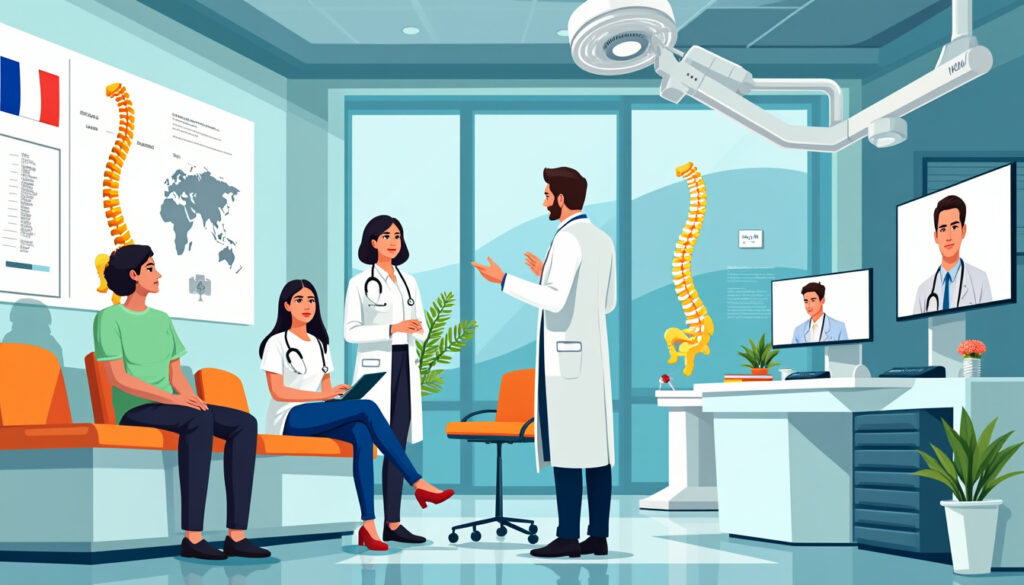
Minimally Invasive Surgery in Longueuil: Reduce Hospital Stay Duration
In recent years, advances in spinal care have dramatically reshaped the treatment landscape for patients suffering from debilitating spinal conditions. Particularly in Longueuil, the emergence of minimally invasive surgery (MIS) techniques offers a transformative alternative to conventional open surgeries. These…
Role of Expert Evaluation and Ethical Clinical Practice in SpineCare Trois-Rivières
One foundational pillar ensuring optimal spine health outcomes is expert evaluation led by seasoned clinicians such as Dr. Sylvain Desforges. His extensive qualifications and leadership in the Canadian osteopathic landscape position him uniquely to guide patients transparently and with scientific rigor through complex decisions affecting spinal care.
Dr. Desforges’ assessments prioritize thoroughness and ethical reflection, applying evidence-based protocols while attentively considering individual patient needs. This attentive evaluation reduces unnecessary surgeries and empowers patients with clear, jargon-free information on risks, benefits, and alternatives. His leadership roles in associations such as the ACMA and the Collège des Ostéopathes Canadiens underscore his commitment to maintaining high standards in spinal evaluation.
Ethical practice also involves strict adherence to Québec and Canadian medical authority guidelines, ensuring patient safety and regulatory compliance throughout the care continuum. In this environment, patients gain confidence that their surgical journey is grounded in respect, transparency, and innovation collaboration.
- Comprehensive, science-based spinal assessments.
- Clear communication of treatment indications and limits.
- Patient-centered, ethical decision-making.
- Leadership in Canadian osteopathic professional standards.
- Coordination with certified surgical teams in Québec and abroad.
| Evaluation Attribute | Details | Benefit to Patients |
|---|---|---|
| Scientific Rigor | Use of validated diagnostic tools and protocols | Precise diagnosis supporting tailored treatment |
| Patient Education | Clear and accessible explanations | Informed, confident patient decisions |
| Regulatory Compliance | Alignment with CMQ standards | Guaranteed safety and quality |
| Ethical Leadership | Active involvement in osteopathic organizations | High professionalism and trust |
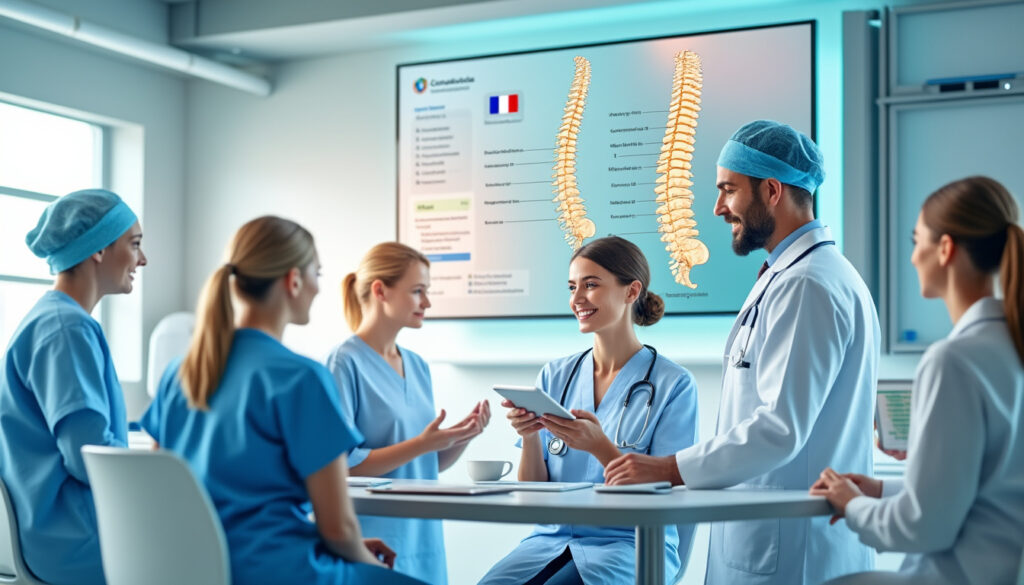
IntraSPINE® in Laval: Modern Solution for Lumbar Stabilization
In the evolving landscape of orthopedic treatments, the city of Laval has become a hub for innovations addressing chronic lower back pain. Among the groundbreaking solutions gaining attention is the IntraSPINE device—a modern spinal implant designed to offer dynamic lumbar…
The Importance of International Coordination and Personalized Care
In the increasingly globalized medical landscape, international collaboration in spine surgery serves as a conduit for increased access to advanced treatment modalities and expert care coordination. The transatlantic partnership facilitating patient journeys between Quebec and France exemplifies how personalized care can be elevated through coordinated efforts.
Such coordination extends from seamless communication between multidisciplinary teams—including surgeons, osteopaths, rehabilitation specialists, and administrative coordinators—to tailored patient support addressing logistical, medical, and psychosocial needs. Patients benefit from optimized surgical timing, complementary expertise, and shared decision-making models that respect cultural and individual preferences.
The value added by this model emanates from the pooling of resources and knowledge, leading to innovative treatments like dynamic implants and minimally invasive techniques becoming accessible to patients who would otherwise face local limitations in Quebec. This collaboration also addresses concerns such as reducing wait times and enhancing the quality of follow-up care, ultimately improving standards for spine health management.
- Seamless communication among international treatment teams.
- Customized patient pathways respecting individual needs.
- Access to technologies sometimes unavailable locally.
- Enhanced scheduling reducing wait times.
- Culturally sensitive and comprehensive patient support.
| Coordination Aspect | Benefits | Implementation Strategies |
|---|---|---|
| Multidisciplinary Teams | Comprehensive expertise integration | Regular interdisciplinary meetings and shared protocols |
| Patient Travel and Logistics | Streamlined process for international care | Dedicated coordinators managing bookings and documentation |
| Technological Access | Broader treatment options | Partnerships with French surgical centers and Canadian clinics |
| Cultural Adaptation | Improved patient satisfaction and comfort | Patient education materials adapted to bilingual contexts |
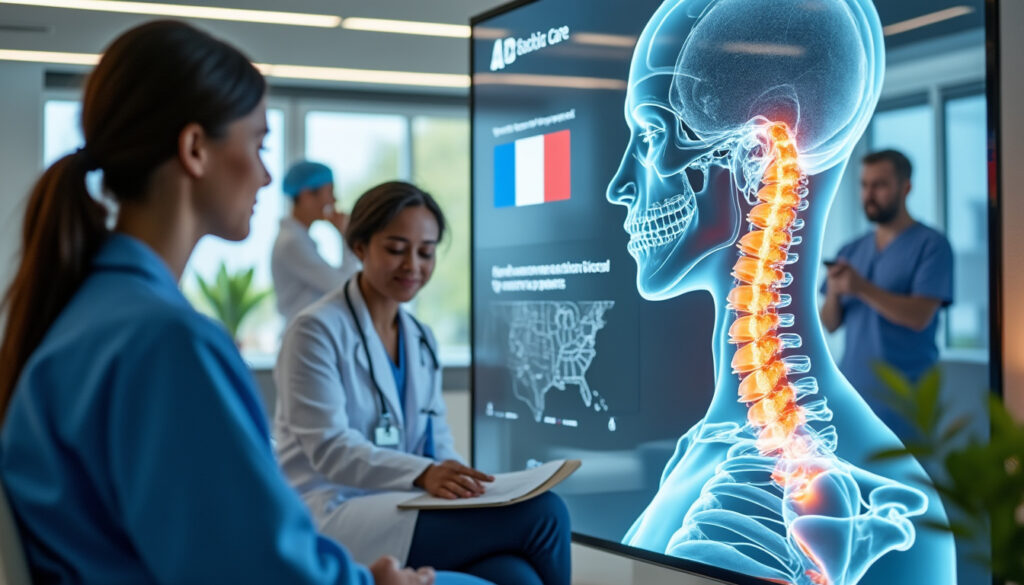
Neck Surgery in Montreal: Maintain Cervical Flexibility and Function
Neck conditions causing persistent pain or functional loss place a substantial burden on individuals and healthcare systems, especially in urban centers like Montreal. Surgical interventions targeting the cervical spine have evolved tremendously, aiming not only to relieve symptoms but to…
Distinctive Services and Value Added Beyond Traditional Spine Surgery
The comprehensive spine care offered through collaboration between Quebec and France extends far beyond the operating room. Patients gain access to services that differentiate this approach from typical local interventions, focusing on innovation, team expertise, and holistic patient well-being.
One major feature is the selective use of cutting-edge implants and technologies not always available in Canadian centers, such as dynamic devices designed to preserve mobility and reduce adjacent segment disease. Furthermore, patients enjoy integrated care continuity, bridging pre-surgical assessments, surgery, and extensive post-surgical rehabilitation under a unified, well-structured protocol.
The expertise of the teams involved—ranging from Dr. Desforges’ evaluations to the surgical precision of experts like Dr. Chatillon—provides patients with assurance of quality and safety. Additionally, thorough preoperative education and psychological support contribute to improved coping and recovery rates, embodying a truly patient-centered philosophy.
- Access to innovative implants and dynamic stabilizers.
- Full pre- and post-operative care integration.
- Expert evaluation and surgical teams collaboration.
- Psychological and educational patient support.
- Enhanced recovery outcomes through continuous monitoring.
| Service Component | Innovative Features | Patient Benefits |
|---|---|---|
| Implant Selection | Dynamic implants preserving motion | Reduced adjacent degeneration |
| Preoperative Care | Personalized education sessions | Informed consent and anxiety reduction |
| Postoperative Rehabilitation | Multi-disciplinary therapeutic programs | Faster functional recovery |
| Integrated Follow-up | Coordinated international care plans | Consistent monitoring and adjustment |

Disc Prosthesis in Lévis: Quick and Long-Lasting Results
Chronic back pain caused by degenerative disc disease continues to profoundly impact the quality of life for many residents in Lévis and the broader Quebec area. For decades, traditional spinal fusion surgery has been the primary solution for alleviating severe…
Encouragement and Empowerment: A Patient-Centric Philosophy
Facing spinal surgery decisions can evoke anxiety and numerous questions. The philosophy endorsed by Dr. Sylvain Desforges and his collaborators encourages patients to embrace information as a source of empowerment rather than confusion. Transparency, compassion, and patient engagement are core to this model.
Patients are urged to ask questions, express concerns, and participate actively in their care planning. Understanding each step of the surgical journey, from indications through recovery, builds reassurance and promotes adherence to postoperative protocols. This humanized approach acknowledges the uniqueness of each case and prioritizes safety and ethical considerations above all.
- Open dialogue fostering trust and confidence.
- Clear explanation of surgical risks and benefits.
- Respect for individual patient preferences and experiences.
- Supportive environment aiding psychological well-being.
- Promotion of informed and personalized health decisions.
| Patient Support Element | Approach | Outcome |
|---|---|---|
| Communication | Regular, jargon-free conversations | Patient understanding and peace of mind |
| Engagement | Active patient involvement in decisions | High treatment adherence |
| Emotional Support | Access to counseling and education | Better recovery and satisfaction |
Contact and Next Steps for Patients Seeking Spine Care in Trois-Rivières and Internationally
For patients in Quebec seeking alternatives to local surgical delays or costs, leveraging the transatlantic partnership for spine surgery offers an excellent option. Early contact and expert evaluation by Dr. Sylvain Desforges can clarify the feasibility of this pathway tailored to individual needs.
Potential patients are invited to initiate the process by requesting a comprehensive evaluation that respects scientific and ethical standards. After assessment, a personalized care plan with clear recommendations will be proposed, potentially including travel arrangements to partner surgical centers in France or local surgeries with access to advanced technology.
Engagement with the internationally coordinated model helps patients access exclusive treatment options such as dynamic implants that may not be readily accessible locally. Continuous care, from pre-surgery preparation to long-term follow-up, is emphasized to ensure the best outcomes.
- Request expert spinal evaluation to determine suitability.
- Discuss personalized treatment plans including travel options.
- Gain access to innovative technology and surgical expertise.
- Benefit from multidisciplinary and international care continuity.
- Receive ongoing education and support throughout treatment.
| Action | Description | Contact Point |
|---|---|---|
| Initial Consultation | Scheduling expert evaluation with Dr. Desforges | Clinique SOS Tourisme Medical |
| Evaluation Review | Detailed report and treatment discussion | Dr. Desforges & SpineCare Trois-Rivières Team |
| Treatment Plan Initiation | Coordinated surgical logistics with local or French teams | Personalized coordinator assistance |
| Postoperative Follow-up | Care continuity and rehabilitation support | Multidisciplinary international teams |
What types of spine surgery are commonly performed in Trois-Rivières?
In Trois-Rivières, patients typically have access to simple decompression surgeries, spinal fusion, and, through international collaboration with France, motion-preserving surgeries. Each surgery targets different spinal problems and offers unique benefits depending on the patient’s condition.
Why should conservative treatment be tried before considering spine surgery?
Conservative treatments such as physical therapy, chiropractic care, and neurovertebral decompression serve to reduce pain and improve function without surgery. Surgery is only advised after 3 to 6 months of these treatments if insufficient relief is achieved. This approach minimizes unnecessary procedures and promotes patient safety.
How does international coordination improve spine surgery outcomes?
International coordination ensures access to advanced technologies and expert surgical teams, reduces waiting times, and offers personalized care pathways tailored to the patient. It also facilitates continuous follow-up post-surgery, improving recovery and overall satisfaction.
What role does Dr. Sylvain Desforges play in the spine surgery process?
Dr. Desforges provides expert spinal evaluations grounded in scientific rigor and ethical standards. He guides patients in understanding their conditions and treatment options, collaborating with surgical teams in Trois-Rivières and France to ensure comprehensive care.
What innovative technologies are used in spine surgery available to Trois-Rivières patients?
Technologies such as minimally invasive surgery, laser-assisted decompression, and dynamic implant systems are utilized, often in partnership with French centers. These innovations allow for precise, less traumatic surgeries with enhanced functional preservation.