Terrebonne Neck Pain Solutions That Avoid Surgery Risks
May 15, 2026
Longueuil Sciatica Care for Chronic Disc Sufferers
May 15, 2026
Spine surgery in Trois-Rivières is undergoing a transformative evolution, emphasizing the preservation of intervertebral stability to improve patient outcomes. With rising demand for innovative approaches to back surgery, particularly those that maintain natural spinal mobility, patients from Quebec are looking beyond local options to access cutting-edge techniques. This shift is catalyzed by pioneering experts like Dr. Sylvain Desforges, whose extensive experience spans over three decades in spinal health and osteopathy, combining rigorous scientific evaluation with an ethos of compassion and patient empowerment.
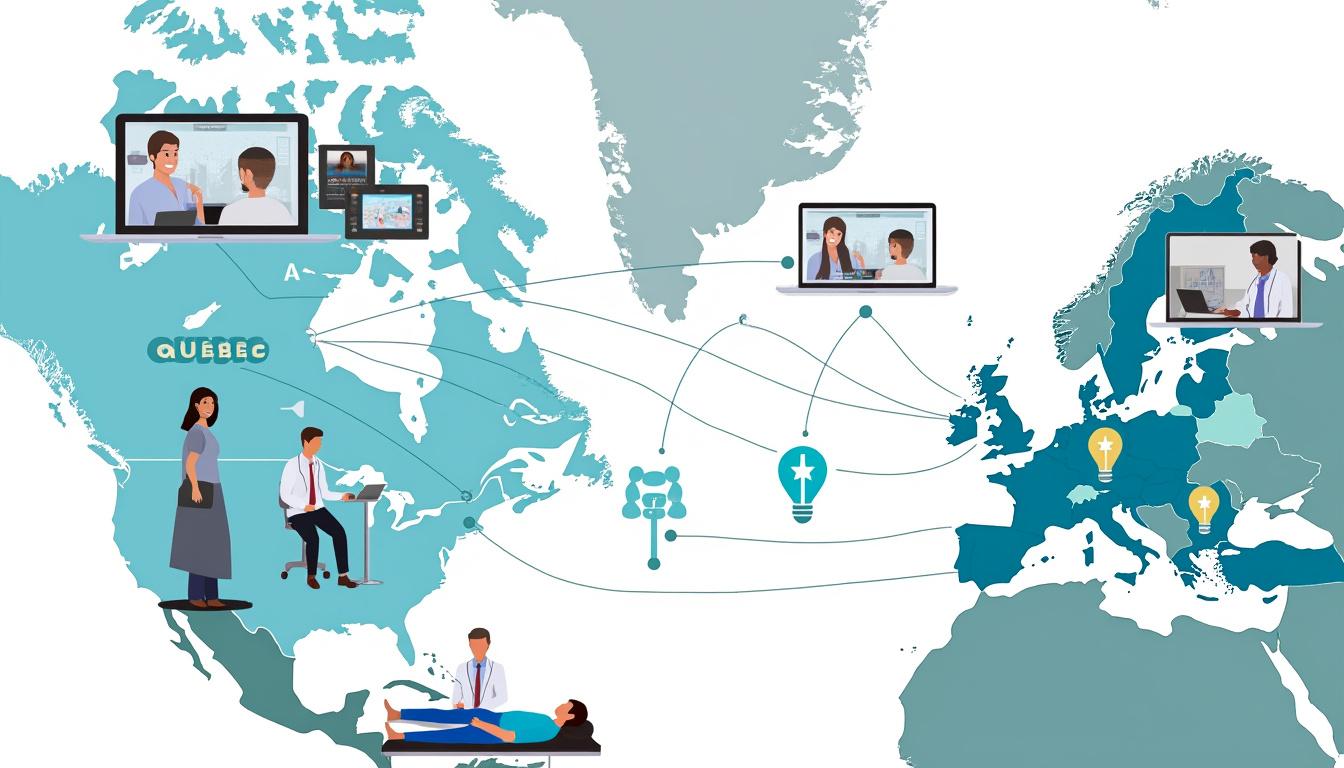
In the face of growing wait times in Quebec’s healthcare system, the collaborative transatlantic partnerships between Canadian practitioners and French surgical centers offer timely access to state-of-the-art interventions. These procedures, including motion-preserving implants and minimally invasive strategies, prioritize maintaining spinal biomechanics while alleviating pain and functional limitations. Such innovations mark a significant departure from conventional spinal fusion surgeries, which often compromise mobility and accelerate degeneration in adjacent vertebrae.
Moreover, the journey toward spinal surgery is no longer seen as a singular event but as a coordinated, multidisciplinary process. It integrates thorough conservative treatments, advanced diagnostics, tailored surgical planning, and comprehensive postoperative rehabilitation. This holistic approach, championed by Dr. Desforges, emphasizes informed decision-making, patient education, and continuous support, ensuring that every patient in Trois-Rivières and beyond receives care designed around their unique spinal pathology and life goals.
Types of Spine Surgery Available in Trois-Rivières: Understanding Options for Preserving Intervertebral Stability
When considering spine surgery in Trois-Rivières, patients face several distinct surgical options, each with implications for mobility, recovery, and long-term spinal health. Knowledge about these procedures empowers patients to make decisions aligned with their lifestyle and therapeutic goals. Broadly, spinal surgeries fall into three categories: simple decompression, spinal fusion, and motion-preserving surgeries.
Simple Decompression Surgeries: Relieving Pressure While Maintaining Movement
Simple decompression procedures like discectomy and laminectomy primarily target nerve root compression caused by herniated discs or spinal stenosis. These interventions involve removing protruding disc material or bone spurs to relieve pain, numbness, and weakness, without stabilizing or fusing the spine.
This preserves the natural range of motion in the treated spinal segments, offering patients faster recovery and fewer long-term movement restrictions. For instance, a patient with lumbar radiculopathy associated with a herniated disc often benefits initially from such decompressive surgery.
Spinal Fusion: Stabilization at the Expense of Mobility
Spinal fusion surgeries involve permanently joining two or more vertebrae using bone grafts and metallic instrumentation. This method is effective in addressing instability, severe degenerative changes, or deformities but typically results in a loss of movement at fused levels.
Although highly successful in stabilizing the spine and alleviating pain, spinal fusion may lead to increased mechanical stress on adjacent spinal segments. Over time, this can accelerate degeneration and potentially necessitate further surgical intervention. Patients with multi-level degenerative disc disease or complex spinal trauma may find fusion surgery an appropriate solution despite these limitations.
Motion-Preserving Surgeries: Innovations to Maintain Spinal Function
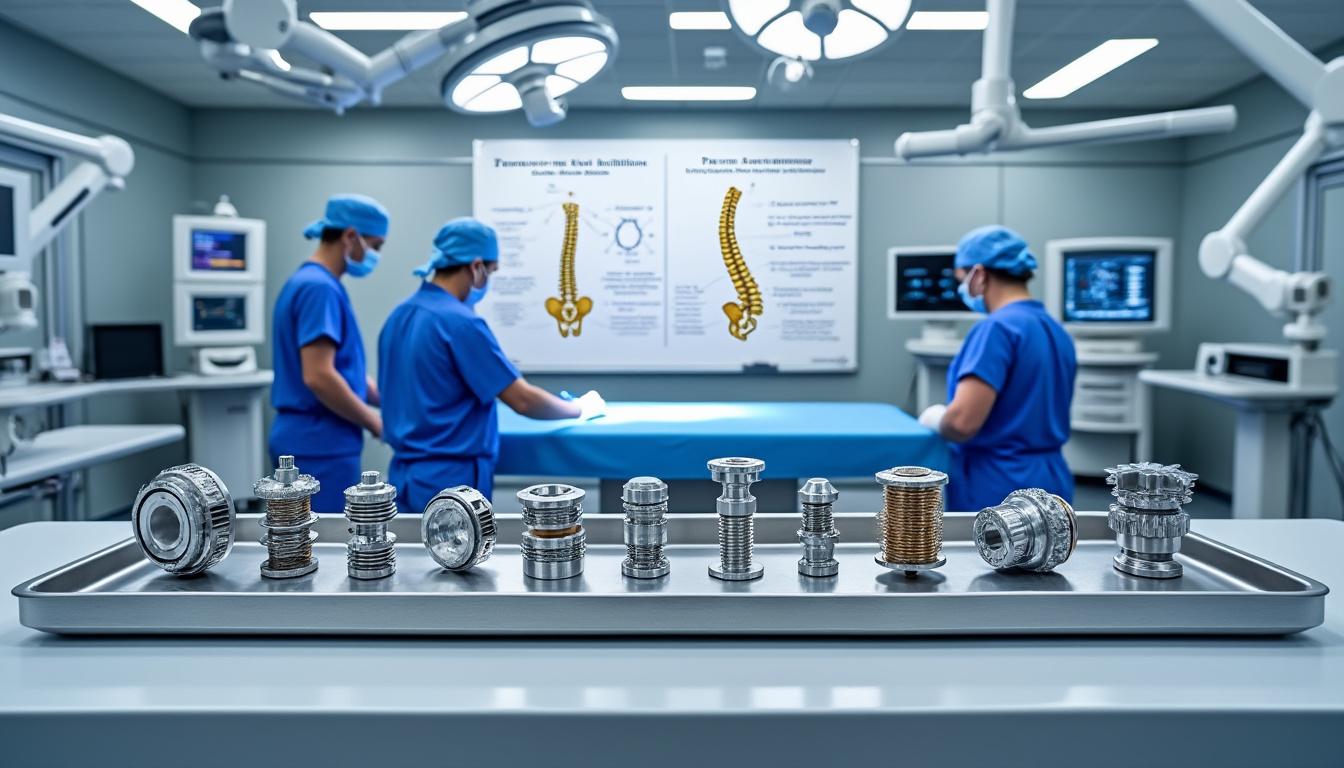
The newest category, motion-preserving spine surgeries, aims to maintain or restore the natural kinematics of the spine. Advanced implant systems such as artificial disc replacements and dynamic stabilization devices—like the IntraSPINE implant—offer alternatives to fusion by preserving intervertebral mobility.
These procedures align with biomechanical principles to reduce compensatory stresses on adjacent segments, promoting longevity of spinal health. Hospitals and clinics in France have pioneered these techniques, which are now increasingly accessible to Québec patients thanks to collaborations facilitated by experts including Dr. Sylvain Desforges.
| Surgical Type | Main Objective | Impact on Mobility | Typical Procedures |
|---|---|---|---|
| Simple Decompression | Relieve pressure on nerves | Preserves natural movement | Discectomy, Laminectomy |
| Spinal Fusion | Stabilize unstable vertebrae | Reduces movement at fused segments | Posterior lumbar fusion, Anterior cervical fusion |
| Motion-Preserving Surgery | Maintain or restore spinal mobility | Preserves intervertebral flexibility | Artificial disc replacement, IntraSPINE implant |
Each surgery type offers distinct benefits; an expert spinal evaluation by Dr. Desforges is essential to identify the most appropriate approach. His in-depth understanding of spinal biomechanics and collaborative networks with French surgical experts ensures optimized patient-centered care tailored to the nuances of each case.

IntraSPINE® in Sherbrooke: Durable Solution for Chronic Low Back Pain
The management of chronic low back pain, a widespread condition affecting millions across Quebec and beyond, has reached a pivotal moment thanks to innovative medical technologies and coordinated care pathways. At the heart of this evolution lies the IntraSPINE implant,…
Comprehensive Patient Pathway: From Evaluation to Return Home After Spine Surgery
Understanding the spine surgery journey is vital for patients seeking relief and sustained intervertebral stability. The process organized by Dr. Desforges unfolds in well-defined phases, ensuring clarity and safety throughout.
Initial Clinical Evaluation and Diagnostic Confirmation
Patients first undergo a meticulous assessment from Dr. Sylvain Desforges, involving detailed consultations, imaging studies, and biomechanical analyses. This step clarifies the diagnosis, explores conservative treatment outcomes, and discusses surgical suitability.
The expert evaluation respects the highest scientific standards and adheres strictly to Quebec medical regulations, providing patients with evidence-based recommendations and realistic expectations.
Mandatory 3 to 6 Months Conservative Treatment Phase
Before spine surgery is considered, conservative treatments must be rigorously pursued. This protocol aligns with Dr. Desforges’s commitment to non-invasive approaches and is essential for optimizing surgical outcomes. Conservative care includes:
- Physiotherapy focused on spinal stabilization and core strengthening
- Advanced neurovertebral decompression therapy as offered at Clinique TAGMED, a leader in Quebec for non-surgical spinal decompression
- Pain management modalities such as medication and targeted injections
- Lifestyle modifications designed to reduce strain and promote healing
If patients have not previously undergone decompression therapy, Dr. Desforges strongly recommends incorporating it during this phase before any surgical decision. This sequence seeks to minimize unnecessary surgery and enhance long-term spinal health.
Personalized Surgical Planning with International Partners
Once surgery is indicated, Dr. Desforges coordinates closely with French surgical teams to define a treatment plan tailored to the patient’s spinal pathology and goals. This includes selecting appropriate implants such as dynamic stabilization devices, scheduling procedures, and arranging travel logistics.
This transatlantic collaboration offers access to advanced surgical techniques and equipment often not yet available in Canada, with close multidisciplinary communication ensuring a seamless patient experience.
Postoperative Rehabilitation and Safe Return
Early postoperative care begins with multidisciplinary support in France, emphasizing motion preservation, pain control, and functional recovery. Upon safe discharge, patients return to Quebec for continued rehabilitation at trusted local centers like Argo Clinique Chiroconfort.
This sustained follow-up fosters robust recovery and helps maintain intervertebral stability in the long term. Throughout, Dr. Desforges remains involved, ensuring personalized care continuity across borders.
Spine Surgery in Trois-Rivières: Reduce Pain and Preserve Mobility
In recent years, spine surgery in Trois-Rivières has evolved notably, combining advanced medical expertise with innovative technologies to deliver patient-centered care. This growing field addresses the increasing demand among Quebec residents seeking effective solutions for chronic back pain and mobility…
Advantages of Motion-Preserving Spine Surgery: Biomechanical and Quality of Life Perspectives
The paradigm shift toward motion-preserving surgery represents a significant advancement in spinal health, especially relevant to patients seeking treatment in Trois-Rivières. These procedures provide several advantages:
Preservation of Natural Spinal Biomechanics
Unlike fusion surgeries that immobilize spinal segments, motion-preserving techniques maintain physiological movement. This reduces abnormal mechanical stress and compensatory degeneration of adjacent discs and joints, contributing to healthier long-term spine function.
Faster Rehabilitation and Return to Daily Activities
Minimally invasive motion-preserving surgeries result in less tissue trauma, leading to reduced postoperative pain and shorter recovery periods. Patients often return to work and leisure activities more quickly compared with traditional spinal fusion.
Improved Functional Outcomes and Patient Satisfaction
Maintaining intervertebral mobility enhances patients’ functional independence and quality of life. Reduced chronic pain and preserved spinal flexibility translate into lasting benefits.
Lower Risk of Adjacent Segment Degeneration
By allowing natural segmental movement, dynamic implants help avoid accelerated degeneration of spinal levels adjacent to the surgical site, decreasing the likelihood of future corrective surgeries.
| Benefit Aspect | Description | Clinical Impact |
|---|---|---|
| Natural Motion | Maintains spinal flexibility after surgery | Lower risks of compensatory wear and enhanced mobility |
| Faster Recovery | Minimally invasive methods | Shorter downtime and quicker return to routine |
| Functional Improvement | Enhanced pain control and movement | Higher patient satisfaction and independence |
| Reduced Adjacent Segment Degeneration | Less stress on nearby vertebrae | Prolonged spinal health and reduced revision surgery |
For more on these innovations, patients may explore resources like examples of lumbar mobility preservation with IntraSPINE implants, demonstrating practical clinical benefits and patient experiences in Quebec.

TOPS™ in Gatineau: High-Performance Option for the Lumbar Spine
The landscape of spinal surgery has witnessed profound evolution, particularly for patients grappling with lumbar spine disorders such as spinal stenosis and spondylolisthesis. These conditions, increasingly prevalent among Quebec’s population, impose substantial limitations on mobility and quality of life. The…
The Critical Role of Scientific Rigor and Ethical Standards in Spine Surgery Evaluations
With over 30 years of expertise, Dr. Sylvain Desforges stands out as a pioneer and authoritative figure in the evaluation of spinal disorders. His leadership roles as founder and president of the ACMA and the Collège des Ostéopathes Canadiens underscore his commitment to scientific excellence and ethical practice.
Every patient evaluation is grounded in rigorous evidence-based medicine, reviewing up-to-date clinical data to propose personalized care options. This includes meticulous adherence to Quebec and Canadian regulatory standards, particularly those of the Collège des médecins du Québec, guaranteeing patient safety and rights throughout the treatment journey.
Dr. Desforges integrates emerging technologies such as laser assistance, neurovertebral decompression, and the selection of advanced dynamic implants into his assessments, fostering innovation while prioritizing patient well-being. His transparent approach helps patients grasp complex biomedical concepts without unnecessary jargon, facilitating informed consent and active participation.
- Evidence-Based Evaluation: Clinical decisions built on well-established research and patient-specific data.
- Technological Innovation: Adoption of the latest implant systems and surgical advancements.
- Ethical Compliance: Strict conformity with provincial and national health regulations.
- Patient Education: Clear explanations that demystify the treatment and empower patients.
By combining these pillars, Dr. Desforges ensures that spine surgery is accessible, safe, effective, and aligned with each patient’s unique needs and expectations.
Cervical Disc Prosthesis in Quebec City: Avoid Post-Surgery Stiffness
Chronic neck pain remains a significant challenge for thousands of residents in Quebec City every year, often leading them to seek effective spinal surgery options that minimize downtime and maximize long-term mobility. Among the recent advancements revolutionizing cervical spine care,…
Transatlantic Care Coordination: Overcoming Waiting Times and Enhancing Access to Expert Neurosurgery
Quebec patients facing prolonged wait times for spine surgery increasingly benefit from a coordinated transatlantic care pathway managed by Dr. Sylvain Desforges. The integration with experienced French surgical teams ensures accelerated access to innovative procedures that maintain intervertebral stability with fewer complications.
This collaborative approach offers multiple advantages:
- Expedited Scheduling: Reducing waiting periods compared to typical public healthcare delays in Quebec.
- Specialized Expertise: Access to renowned French neurosurgeons and orthopedic surgeons specializing in spinal motion preservation.
- Advanced Implants: Availability of cutting-edge devices like the IntraSPINE system and artificial discs often unavailable domestically.
- Seamless Continuity of Care: Multidisciplinary management before, during, and after surgery, spanning two continents.
This model emphasizes patient comfort and comprehensive communication, allowing Francophone Quebecers to feel confident and well-supported throughout their care journey. The collaboration also optimizes costs by offering efficient surgical options with superior outcomes.
More details about neurosurgeons practicing in Trois-Rivières and their expertise can be found through dedicated regional specialists.
Minimally Invasive Surgery in Longueuil: Reduce Hospital Stay Duration
In recent years, advances in spinal care have dramatically reshaped the treatment landscape for patients suffering from debilitating spinal conditions. Particularly in Longueuil, the emergence of minimally invasive surgery (MIS) techniques offers a transformative alternative to conventional open surgeries. These…
The Essential 3 to 6 Month Conservative Treatment Window: Foundation for Safe Spine Surgery
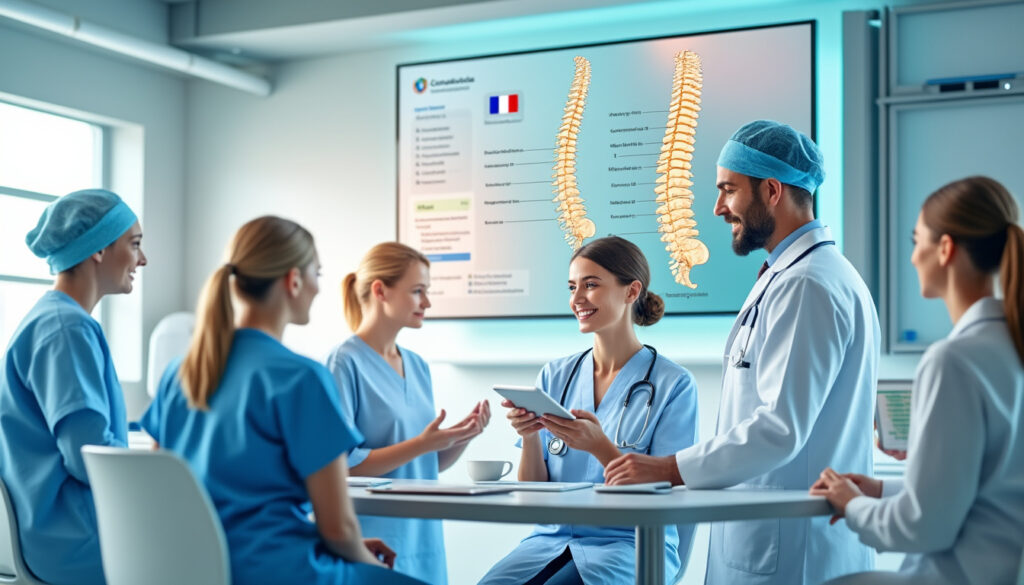
Dr. Desforges firmly advocates that spine surgery should only be contemplated after a thorough conservative treatment phase lasting between three and six months. This period allows for natural recovery processes and helps patients avoid unnecessary surgery.
Key components include:
- Physical Therapy: Emphasizing core strengthening, spinal stabilization, and mobility improvements to reduce pain and enhance function.
- Neurovertebral Decompression: Utilizing non-surgical spinal decompression offered at centers like Clinique TAGMED, which provides advanced treatment dedicated to reducing disc pressure and nerve irritation.
- Pain Control: Employing medications, injections, and alternative modalities to manage symptoms effectively during this period.
- Lifestyle Adjustments: Incorporating ergonomic changes, activity modifications, and weight management to lessen spinal strain.
Phase completion ensures thorough symptom evaluation and validates the necessity of surgery only if conservative care proves insufficient. This strategy reduces surgical risks, emotional burden, and healthcare costs while promoting patient empowerment and engagement.
IntraSPINE® in Laval: Modern Solution for Lumbar Stabilization
In the evolving landscape of orthopedic treatments, the city of Laval has become a hub for innovations addressing chronic lower back pain. Among the groundbreaking solutions gaining attention is the IntraSPINE device—a modern spinal implant designed to offer dynamic lumbar…
The Distinctive Services and Patient-Centered Care Provided Through the Transatlantic Pathway
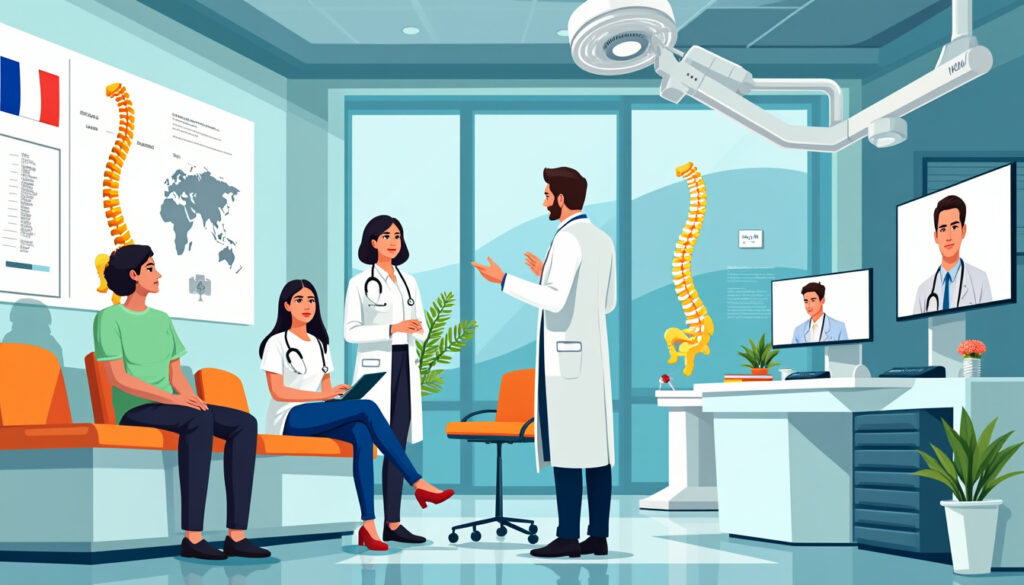
What sets the transatlantic spine surgery pathway coordinated by Dr. Desforges apart is its holistic and patient-focused approach. It goes beyond the surgery itself, incorporating thorough preparation and follow-up care unmatched in standard Quebec services.
- Exclusive Implant Access: Patients benefit from specialized implants and dynamic stabilization devices carefully selected for their clinical efficacy and biomechanical advantages.
- Comprehensive Preoperative Management: Advanced conservative treatments and detailed surgical planning reduce risks and improve outcomes.
- Multidisciplinary Expertise: Integrated collaboration among osteopaths, neurosurgeons, physiotherapists, and orthopedic specialists across two countries maximizes care quality.
- Clear and Compassionate Communication: Accessible explanations of complex procedures support informed consent and reduce patient anxiety.
- Personalized Patient Experience: Emphasis on individual patient needs, values, and preferences throughout the care continuum.
This distinctive service model enhances patient confidence and fosters successful recoveries, transforming spine surgery from a daunting prospect to a hopeful step toward regained health and mobility.
Patients seeking more personalized guidance or evaluations can contact the team by visiting SOS Tourism Medical contact page for tailored recommendations and support.
Neck Surgery in Montreal: Maintain Cervical Flexibility and Function
Neck conditions causing persistent pain or functional loss place a substantial burden on individuals and healthcare systems, especially in urban centers like Montreal. Surgical interventions targeting the cervical spine have evolved tremendously, aiming not only to relieve symptoms but to…
Frequently Asked Questions About Spine Surgery in Trois-Rivières and Motion Preservation
What makes motion-preserving spine surgery different from traditional fusion?
Motion-preserving surgeries use implants designed to maintain natural spinal movement, unlike fusion which joins vertebrae rigidly, often restricting motion. This helps protect adjacent spinal segments and potentially improves long-term function and pain outcomes.
Why is a 3 to 6 month conservative treatment period important before considering surgery?
This phase allows for symptom improvement through physical therapy, neurovertebral decompression, and pain management, potentially avoiding the risks and recovery associated with surgery. Dr. Desforges emphasizes this as an essential step before surgical intervention.
How does the transatlantic care pathway benefit patients from Quebec?
It offers significantly reduced wait times, access to innovative surgical technologies available in France, expert multidisciplinary collaboration, and continuous care coordination across borders for better patient support.
Are the advanced implants used in these surgeries safe?
Yes, implants like the IntraSPINE device undergo rigorous clinical testing and comply with Canadian and Quebec regulatory standards, ensuring patient safety and effective outcomes.
What kind of rehabilitation is involved following motion-preserving spine surgery?
Rehabilitation focuses on restoring motion, strengthening spinal muscles, and gradual return to activities under expert guidance, often coordinated between the surgical site abroad and local therapists in Quebec.

Disc Prosthesis in Lévis: Quick and Long-Lasting Results
Chronic back pain caused by degenerative disc disease continues to profoundly impact the quality of life for many residents in Lévis and the broader Quebec area. For decades, traditional spinal fusion surgery has been the primary solution for alleviating severe…