Herniated Disc in Villeray–Saint-Michel–Parc-Extension: 5 Key Symptoms to Identify and Neurovertebral Decompression Treatment
July 29, 2026
Minimally Invasive Surgery in Longueuil: Quick Recovery After Surgery
July 30, 2026
In the evolving landscape of spinal care, addressing chronic lumbar pain while preserving the spine’s natural function has become a defining challenge. Gatineau emerges as a beacon of innovation with the introduction of the TOPS (Total Posterior Solution) system, an advanced dynamic implant designed to stabilize the lumbar spine without sacrificing its essential mobility. This breakthrough offers renewed hope to patients facing severe lumbar conditions such as spinal stenosis and spondylolisthesis, by providing an alternative to traditional spinal fusion surgery. Integrating dynamic movement with effective pain relief, the TOPS system represents a true advancement in orthopedic treatment and back care, redefining the pursuit of spinal health.
At the forefront of implementing this cutting-edge technology is Dr. Sylvain Desforges, a prominent expert in spinal biomechanics and lumbar support with over three decades of clinical experience. Based in Québec at the esteemed TAGMED clinics, Dr. Desforges combines his B.Sc., Doctor of Osteopathy (D.O.), and Naturopathic Diploma (N.D.) qualifications with a rigorous, evidence-based approach to spine protection and mobility enhancement. His unique expertise enables him to guide patients through comprehensive evaluations and treatment plans that prioritize patient safety, ethical standards, and the effective use of innovation in spine care. In collaboration with international partners in France, he provides personalized, coordinated patient journeys that optimize care quality and accessibility.
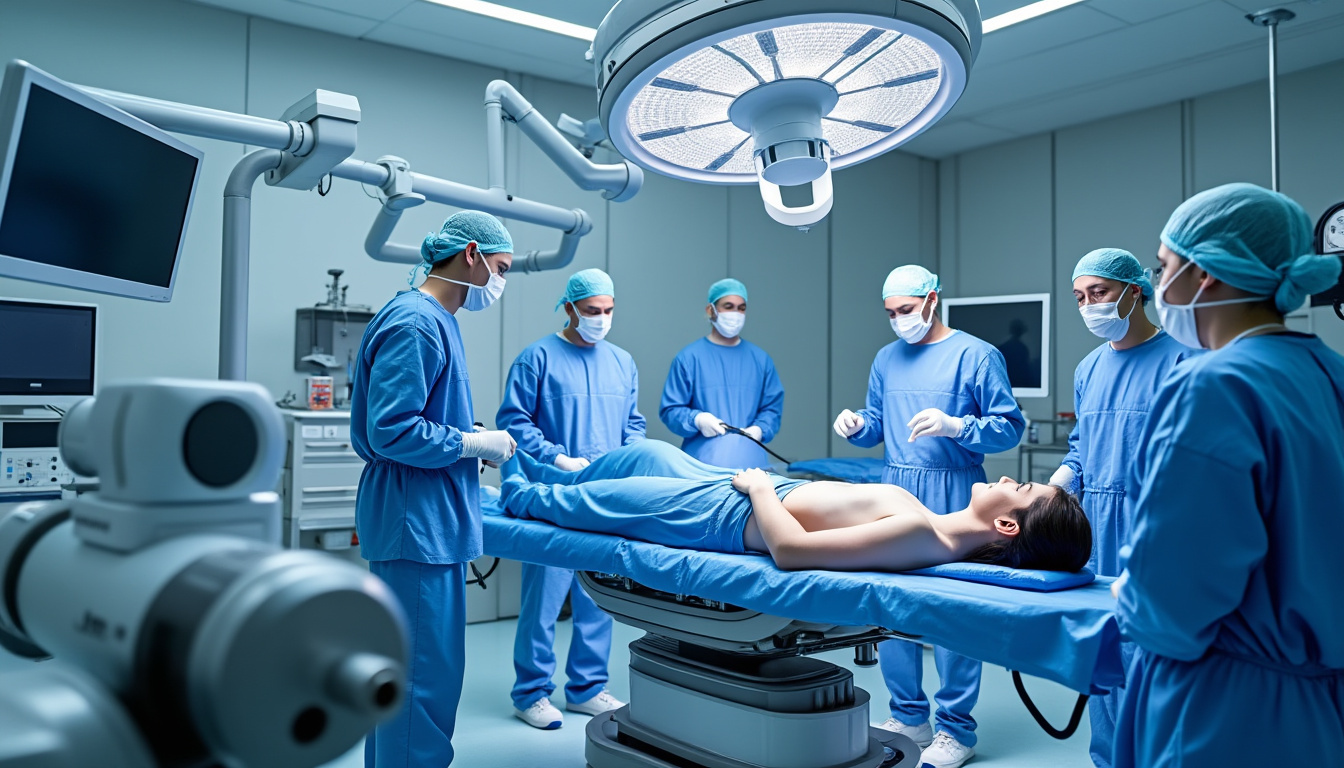
Understanding the TOPS System and its Role in Lumbar Biomechanics Preservation
The TOPS system stands out as a revolutionary alternative to the conventional lumbar fusion surgery by providing dynamic stabilization that preserves the spine’s natural movements. Traditional fusion procedures effectively limit movement at the operated level, which often leads to increased stress on adjacent vertebrae and may cause further degeneration or pain. The TOPS implant, however, is designed to allow flexion, extension, lateral bending, and rotational motions of the lumbar spine while stabilizing the affected segment after decompression surgery.
Constructed with titanium plates and a central articulation filled with polycarbonate urethane, the TOPS device mimics the physiological kinematics of the spine. This design permits controlled mobility that is crucial for maintaining lumbar biomechanics. Dr. Sylvain Desforges underscores the importance of preserving such movements—not only to reduce ongoing discomfort but also to maintain overall spinal health and function. The implant supports nerve decompression by alleviating pressure on lumbar roots, thereby reducing pain and neurological symptoms without compromising spinal mobility. This approach aligns with a modern philosophy in spine protection that values functional preservation alongside effective treatment.
Clinical evidence supports the efficacy of the TOPS system. Patients receiving this device show significantly improved outcomes compared to those undergoing fusion surgery. A success rate over 77% has been documented, contrasted with roughly 24% observed in traditional fusion recipients. This difference reflects enhanced quality of life related to mobility retention and reduced adjacent segment disease. By choosing an option that supports biomechanical harmony, patients benefit from faster rehabilitation and a more natural recovery process.
For further insight into the biomechanics and medical rationale behind the TOPS device, readers may explore detailed resources such as how the TOPS system works and the comprehensive overview of TOPS in Gatineau preserving natural lumbar biomechanics.
Biomechanical Benefits in Daily Life
The lumbar spine’s ability to flex, twist, and bend is integral to everyday activities—from simple bending to lifting and athletic performance. Preservation of these motions after surgery means maintaining optimal functional capacity and reducing long-term risks.
For example, a patient with the TOPS implant can return to moderate exercise and daily tasks with less fear of stiffness or chronic pain flare-ups associated with fusion surgery. Dynamic stabilization offered by TOPS enhances spinal health by distributing mechanical loads more evenly and preventing overuse of adjacent segments, which is a common cause of secondary degeneration.
In summary, the TOPS system revolutionizes lumbar support by integrating stability with mobility, providing a sophisticated tool in the effort to protect spinal biomechanics effectively.
IntraSPINE® in Sherbrooke: A Long-Lasting Solution for Chronic Lower Back Pain
Chronic lower back pain remains one of the most pressing health concerns in Sherbrooke and beyond, impacting millions and often diminishing daily quality of life. Despite the prevalence of lumbar discomfort, many face limited access to cutting-edge treatments amidst lengthy…
Clinical Expertise and Rigorous Evaluation: Dr. Sylvain Desforges’ Approach to Patient Care in Gatineau
With over 30 years of experience in osteopathy and naturopathy, Dr. Sylvain Desforges exemplifies a patient-centered approach grounded in scientific rigor and ethical standards. His role as founder and president of the Alliance Canadienne de Médecine Alternative and the Canadian College of Osteopaths highlights his commitment to advancing spine care in Québec and across Canada.
Dr. Desforges’ method prioritizes comprehensive evaluations that integrate clinical findings, imaging studies, and patient history to tailor individualized treatment strategies. He is not a diagnosing specialist but an expert who meticulously assesses spinal disorders and guides patients through evidence-based care pathways that maximize outcomes while respecting safety protocols set by Quebec’s medical regulatory bodies.
This rigorous evaluation is especially important when considering advanced surgical options like the TOPS implant. Dr. Desforges insists on a minimum of 3 to 6 months of conservative treatments before surgery is contemplated. These treatments often include physiotherapy, neurovertebral decompression therapy, laser applications, and shockwave therapy—all non-invasive methods designed to alleviate symptoms and potentially avoid surgery.
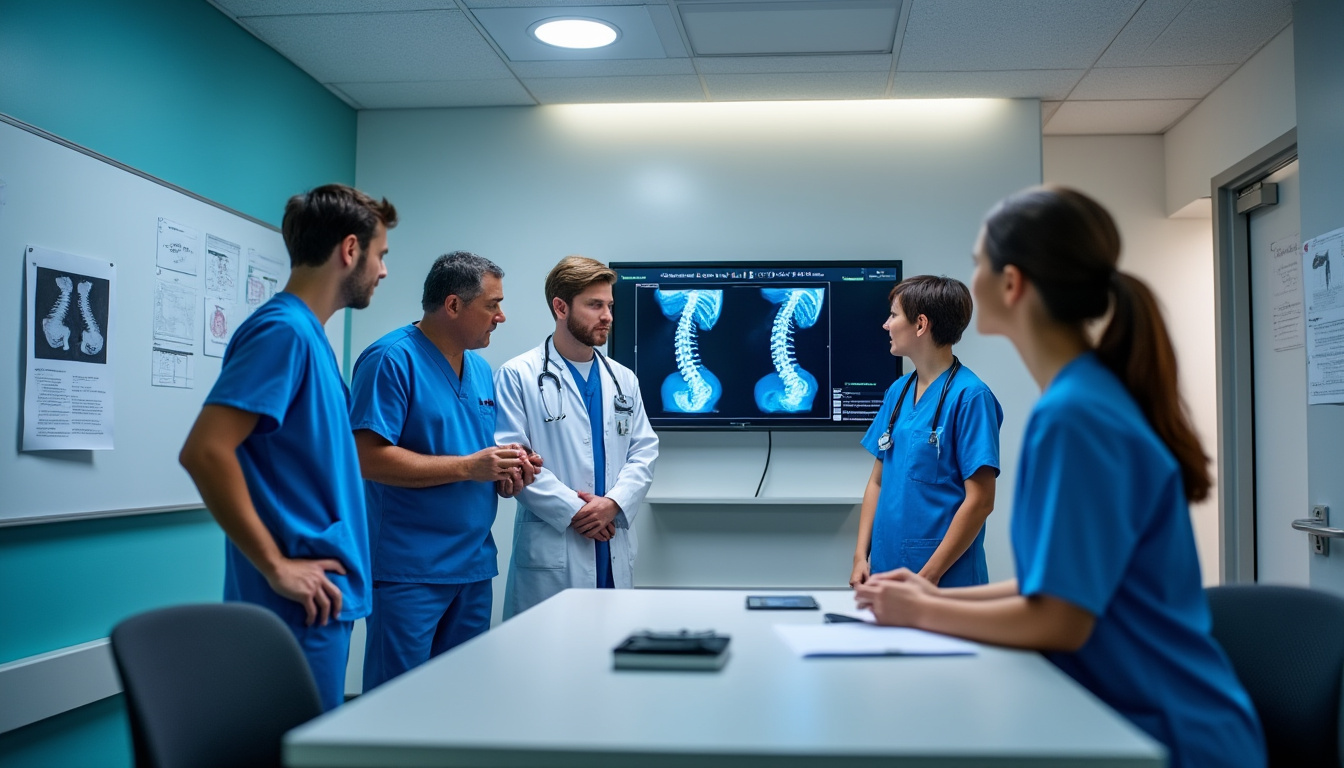
His collaboration with TAGMED clinics ensures that patients in Gatineau and the greater Québec area have access to state-of-the-art diagnostic tools and innovative spinal decompression technologies. These resources enable a thorough understanding of the patient’s condition and readiness for possible surgical intervention, enhancing the success rates and rehabilitation experience.
One patient case exemplifies this approach: a 54-year-old with chronic lumbar stenosis underwent extensive conservative care before being evaluated by Dr. Desforges for TOPS surgery. The detailed multidisciplinary review, including coordination with leading spine surgeons in France, ensured a smooth transition to surgery and post-operative management, ultimately leading to a swift return to daily activities without the stiffness commonly associated with fusion surgery.
Ongoing Support and Patient Education
Beyond technical expertise, Dr. Desforges emphasizes transparent communication and patient empowerment. He dedicates time to educating patients about spinal health, treatment options, and rehabilitation expectations—using accessible language to ensure informed decisions. This clarity reduces patient anxiety and improves adherence to post-operative care plans, contributing strongly to positive outcomes.
Herniated Disc Care in Sainte-Julie: Why TAGMED’s Neurovertebral Decompression Therapy Stands Out
In the vibrant community of Sainte-Julie, back pain—particularly that stemming from herniated discs—has become a widespread concern affecting people from all walks of life. The relentless search for effective, non-invasive treatments has brought renewed attention to a pioneering therapy that…
Patient Journey for TOPS Intervention: From Conservative Treatment to Post-Operative Rehabilitation
The pathway to receiving TOPS implant surgery in Gatineau is carefully structured to prioritize patient safety, appropriateness of care, and optimized recovery. The journey begins with conservative care measures to manage symptoms and improve spinal function. Only when these treatments—ranging from physical therapy to specialized neurovertebral decompression—fail to provide sufficient relief does an expert evaluation consider surgical options.
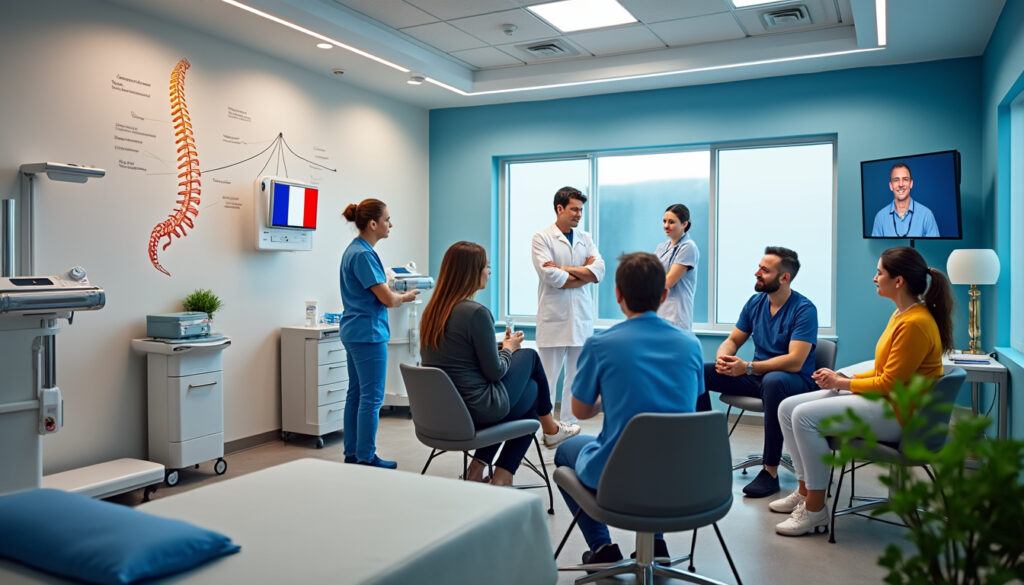
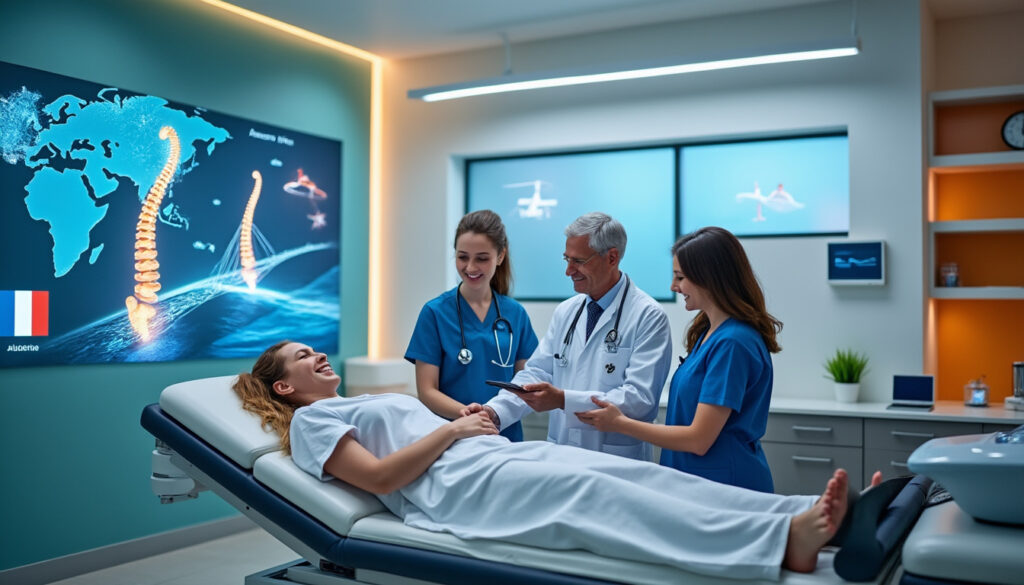
Dr. Desforges and his team at TAGMED coordinate this continuum of care with a strong emphasis on a multidisciplinary approach. This includes consultation with spine surgeons and international collaboration with French specialists, which facilitates cross-border expertise sharing and administrative support. Such coordination ensures treatment timelines are efficient, reducing the wait periods often associated with spinal surgeries within Canadian public systems.
Following surgical implantation of the TOPS device, the focus shifts to a personalized rehabilitation protocol. Patients enter tailored physical therapy programs emphasizing gradual restoration of lumbar motion and strength, closely monitored by healthcare professionals. Regular radiological assessments verify the integrity and positioning of the implant, ensuring ongoing safety and function.
This structured rehabilitation optimizes outcomes by promoting natural spinal biomechanics, reducing chronic pain, and minimizing complications. The holistic patient journey, featuring comprehensive pre-operative evaluation, surgery, and careful follow-up, exemplifies best practices in contemporary spine protection and mobility enhancement.
Back Surgery in Trois-Rivières: Alleviating Pain While Preserving Mobility
In Trois-Rivières, Quebec, the persistence of back pain affects a substantial portion of the population seeking effective and personalized solutions. Back pain, often caused by spinal disorders or herniated discs, can drastically diminish quality of life, limiting mobility and causing…
Comparative Analysis: TOPS System Versus Traditional Lumbar Fusion Surgery
Understanding the distinctions between the TOPS system and spinal fusion is critical for patients seeking optimal outcomes in back care. While spinal fusion remains a widely used surgical technique, it inherently sacrifices segmental spinal mobility by permanently joining vertebrae. This restriction often results in increased stress and degeneration in adjacent spinal levels, leading to secondary pain and dysfunction.
The TOPS system counters these drawbacks by embracing dynamic stabilization that allows spinal segments to keep moving within physiological limits post-surgery. This characteristic is pivotal for preserving normal lumbar biomechanics, reducing adjacent segment disease risk, and enhancing patient satisfaction over the long term.
The table below summarizes the primary differences between the two approaches:
| Criteria | TOPS System | Spinal Fusion |
|---|---|---|
| Overall Success Rate | 77% | 24% |
| Recovery Time | Generally quicker | Typically longer |
| Neurological Complications | Minimal | Higher incidence |
| Mobility Preservation | Yes – flexion, extension, rotation allowed | No – segment is immobilized |
| Post-Operative Follow-Up | Personalized and ongoing | Standardized |
Given these distinctions, TOPS stands as a preferred option for patients eager to maintain spinal mobility and minimize long-term complications. Dr. Desforges’ experience indicates that this system not only improves biomechanical outcomes but also enhances overall quality of life by supporting more natural movement patterns post-surgery.
Disc herniation remains a significant health concern in Pointe-Claire, impacting the lives of a diverse population ranging from labor-intensive workers to the aging community. The condition, characterized by the displacement or rupture of the intervertebral disc, often leads to debilitating…
Financial and Ethical Considerations Surrounding TOPS Technology in Quebec
Access to advanced surgical solutions like the TOPS system can represent a financial challenge, especially within publicly funded health systems where wait times for elective spinal surgery are prolonged. Dr. Sylvain Desforges actively participates in programs facilitating collaboration between Canadian centers and trusted medical institutions in France, leveraging shared expertise and streamlined patient pathways to offer cost-efficient options without compromising care quality.
This international coordination allows patients to receive timely interventions, reducing the risks posed by delayed treatment, such as worsening pain or decreased mobility. Moreover, the approach aligns with strict ethical guidelines stipulated by Quebec’s healthcare regulators, including adherence to the scientific standards promoted by the Collège des médecins du Québec.
By combining innovation with ethical oversight and financial pragmatism, the TOPS program in Gatineau fosters an equitable model for spinal care. The system exemplifies a balance between cutting-edge medical technology and healthcare accessibility, enhancing patient safety while respecting public health mandates.
TOPS™ in Gatineau: A High-Performance Solution for Lumbar Spine Care
In a region where chronic back pain increasingly affects quality of life, the quest for advanced and effective lumbar spine treatments is paramount. Lumbar spinal stenosis, a prevalent condition among Quebec’s aging population, often imposes persistent discomfort and mobility limitations.…
Innovation in Post-Operative Rehabilitation: Enhancing Spinal Mobility and Patient Satisfaction
Recovery following lumbar spine surgery demands more than just technical success—it requires tailored rehabilitation that prioritizes restoring function and minimizing discomfort. The dynamic nature of the TOPS system enables rehabilitation specialists to design programs focused on enhancing spinal mobility without excessive joint stiffness or pain exacerbation, unlike the challenges observed with traditional fusion recoveries.
Dr. Sylvain Desforges and his team emphasize a holistic approach that includes progressive physical therapy, neurovertebral decompression techniques, and laser-assisted modalities to optimize healing. This multimodal strategy accelerates functional restoration and supports long-term spine health.
Patient education also plays a critical role. Empowering individuals with knowledge about body mechanics, proper movement, and lifestyle modifications supports sustained benefits. Many report shorter rehabilitation durations and improved ability to return to work or engage in recreational activities following the TOPS procedure.
Essential Elements of Effective Rehabilitation with TOPS
- Gradual flexibility exercises to maintain range of motion.
- Strengthening programs targeting lumbar support muscles.
- Use of non-invasive therapies, including neurovertebral decompression.
- Regular follow-up imaging to assess implant integration.
- Psychosocial support to address emotional impacts of surgery.
At Gouin Clinic, the landscape of herniated disc therapy has entered a transformative era marked by the integration of Personalized Treatment Plans and breakthrough Neurovertebral Decompression Therapy. This non-surgical approach is revolutionizing how spinal disorders are managed, offering patients an…
Multidisciplinary Care and International Collaboration Enhancing Treatment Outcomes
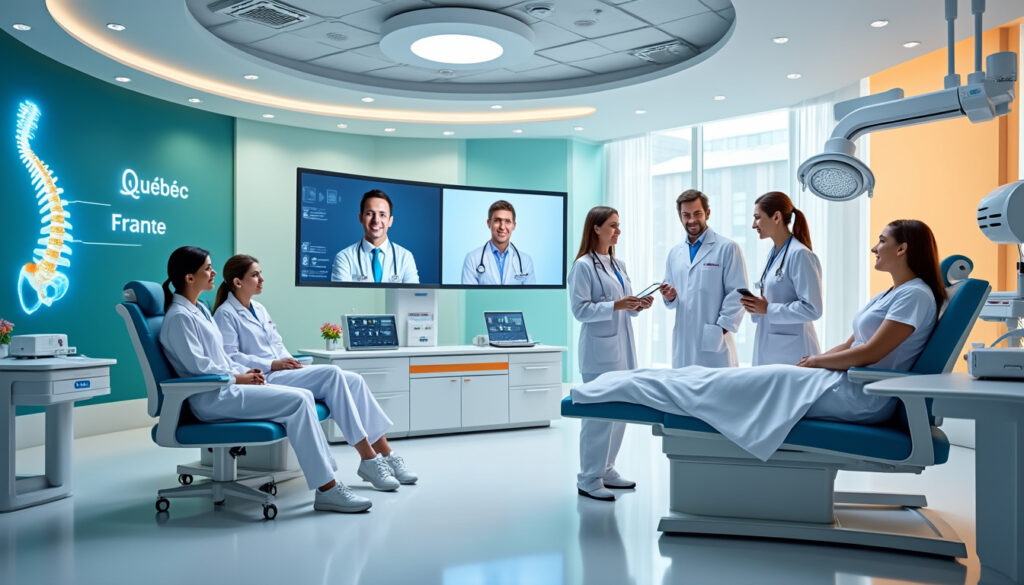
The success of lumbar interventions such as the TOPS system relies heavily on cohesive multidisciplinary care. Dr. Sylvain Desforges’ leadership at TAGMED facilitates collaboration among osteopaths, physical therapists, spine surgeons, and international medical tourism platforms like SOS Tourisme Médical. This global partnership not only shortens surgical wait times for patients in Quebec but enriches treatment approaches by integrating international expertise.
Through coordinated care planning with French surgical teams, patients benefit from expert second opinions and a comprehensive continuum of care—from initial assessment through post-operative rehabilitation—ensuring the highest standards of spine protection and mobility enhancement.
This collaborative model advances personalized patient journeys and introduces innovations such as dynamic spinal implants and neurovertebral decompression, positioning Gatineau as a hub for state-of-the-art lumbar support solutions.
Cervical Disc Prosthesis in Quebec: Preventing Post-Operative Stiffness
Neck pain is one of the most common musculoskeletal complaints in Quebec, affecting a significant portion of the population annually. Often rooted in degenerative cervical disc diseases or herniated discs, this persistent discomfort severely impacts daily life and mobility. Fortunately,…
Empathy and Personalized Patient Support: Cornerstones of Dr. Desforges’ Practice
In the realm of spinal health, the journey to recovery involves not only physical healing but emotional resilience. Dr. Sylvain Desforges integrates empathy into clinical practice, recognizing the unique experience of each patient. Understanding fears, answering questions thoroughly, and providing clear, jargon-free explanations foster trust and comfort throughout the treatment process.
Patients report feeling heard and supported, a critical factor that enhances adherence to rehabilitation plans and overall satisfaction. The comprehensive care extends beyond the surgical suite, with the dedicated team at TAGMED providing continual psychological support and personalized adjustments to therapy protocols.
This compassionate approach aligns with Dr. Desforges’ vision of treating the whole person, not just the spinal condition, reinforcing a motivational and reassuring environment that empowers patients to actively participate in their recovery and achieve lasting lumbar spine health.
What distinguishes the TOPS system from traditional spinal fusion surgery?
The TOPS system preserves natural spinal motion by allowing controlled movement post-surgery, while spinal fusion eliminates motion at the operated segment. This results in better mobility, faster recovery, and lower risk of adjacent segment degeneration with TOPS.
Who is an ideal candidate for the TOPS implant?
Patients with moderate to severe lumbar spinal stenosis or spondylolisthesis who have undergone conservative treatment for 3-6 months without sufficient relief are considered candidates. A thorough evaluation by experts like Dr. Sylvain Desforges determines suitability.
How does Dr. Desforges ensure patient safety and ethical care throughout the treatment process?
Dr. Desforges adheres strictly to evidence-based protocols and Quebec’s medical regulatory requirements. He emphasizes transparent patient education, rigorous pre-surgical evaluation, and ongoing follow-up to maintain high ethical and safety standards.
What types of rehabilitation are recommended after TOPS surgery?
Rehabilitation includes progressive mobility exercises, lumbar support muscle strengthening, neurovertebral decompression therapy, and sometimes laser-assisted treatments to optimize recovery and spinal health.
How does international collaboration improve the patient journey for lumbar spine care?
Collaborations, especially between Canadian and French teams coordinated by Dr. Desforges, help reduce surgery wait times, offer access to advanced surgical techniques, and provide comprehensive care ensuring smooth transitions pre- and post-intervention.
The prevalence of herniated disc conditions in Blainville has sparked considerable discussion and misconceptions about their causes, symptoms, and treatments. While the pain and disability associated with this spinal disorder are well documented, the emergence of non-surgical options such as…