Cervical Disc Prosthesis in Quebec City: Approved and Durable Solution
June 4, 2026
Spine Surgery in Trois-Rivières: Innovation in Motion Surgery
June 4, 2026
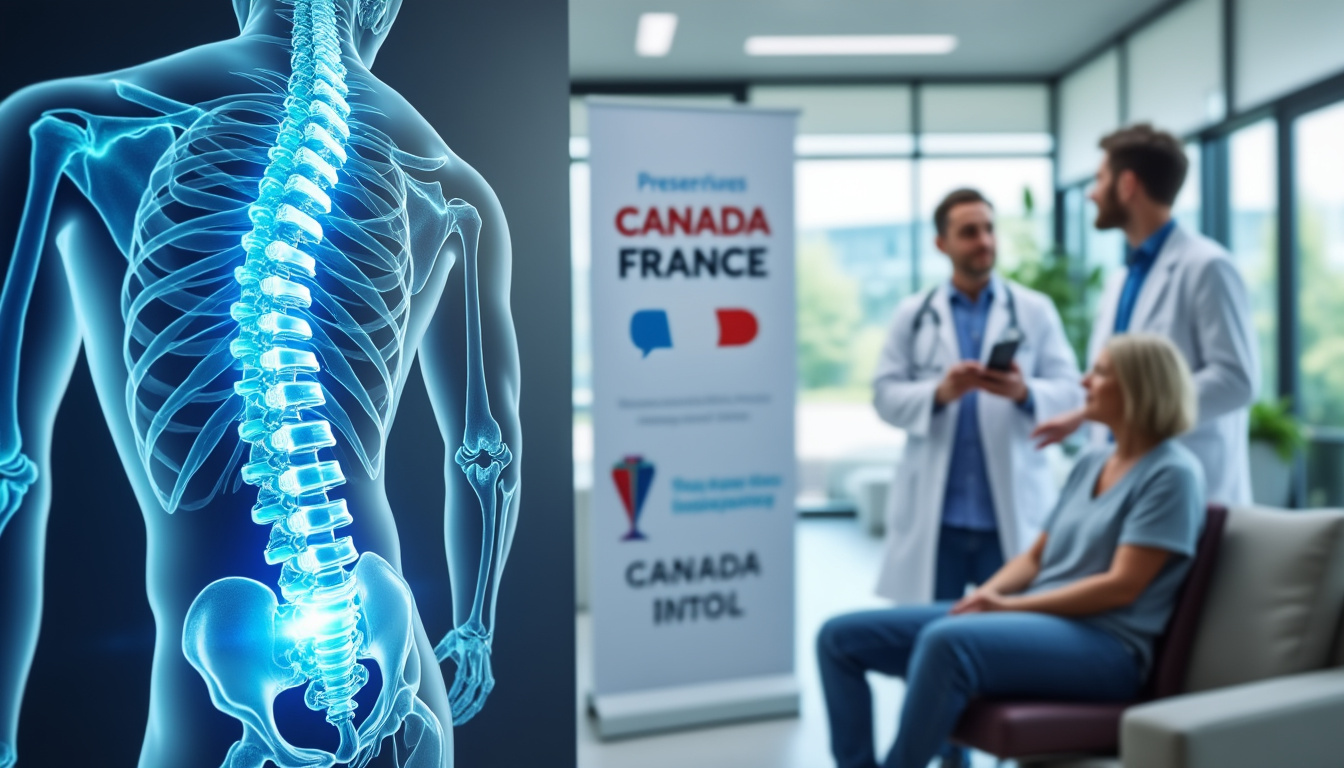
The intricate structure of the human spine plays a pivotal role in maintaining our mobility, protecting vital neural pathways, and supporting the skeletal framework. For individuals grappling with chronic lower back pain or degenerative lumbar conditions, the quest for solutions that both alleviate pain and preserve natural spinal function is paramount. Innovations like the TOPS (Total Posterior Spine) System have emerged as transformative alternatives to traditional spinal fusion surgeries, offering patients in Gatineau and beyond the promise of spinal stabilization without sacrificing natural lumbar biomechanics.
Spine health is a critical concern in 2026, as modern lifestyles, aging populations, and increasing awareness about minimally invasive techniques drive demand for advanced solutions. The TOPS system exemplifies this shift, combining cutting-edge biomechanical engineering with a patient-focused approach to care. This article, anchored by the expertise of Dr. Sylvain Desforges—an internationally recognized innovator in spine care and transatlantic patient management—explores the nuances of lumbar preservation, the biomechanics behind the TOPS implant, and how a coordinated care journey between Canada and France provides dynamic options beyond what conventional surgery alone can offer.
Understanding the Complex Biomechanics of Natural Lumbar Movement
The lumbar spine is not merely a stack of vertebrae but a sophisticated assembly engineered for both strength and flexibility. Its design enables an impressive range of motions, including flexion and extension (forward and backward bending), lateral bending (side-to-side tilt), and axial rotation (twisting). Each vertebra, intervertebral disc, ligament, and muscle collaborates to maintain balance, absorb shock, and protect the spinal cord and exiting nerves.
Preserving the biomechanical integrity of the lumbar spine is essential because any disruption can lead to altered movement patterns, pain, and further degeneration. For example, a herniated disc or facet joint arthrosis compromises the flexible interplay essential to healthy lumbar function. The TOPS device is specifically designed to replicate these natural movements by attaching prosthetic endplates to the vertebrae with pedicle screws, secured by a polycarbonate urethane (PcU) boot that allows controlled mobility in all planes of motion.
Unlike spinal fusion, which locks vertebrae together and removes segmental motion, the TOPS system preserves the spine’s dynamic capabilities. This preservation has profound implications for reducing the risk of adjacent segment degeneration—a common complication following fusion that often leads to additional surgeries. By supporting natural biomechanical articulation, the TOPS implant maintains normal load distribution across vertebral segments while providing relief from pain caused by degenerative conditions like spinal stenosis and spondylolisthesis.
Scientific evaluations underline the value of maintaining spinal motion. Studies cited by regulatory bodies highlight how patients treated with the TOPS system exhibit reduced pain, improved quality of life, and better functional outcomes compared to traditional fusion. Recognizing the biomechanical nuances behind these results is crucial for patients and clinicians alike as they consider effective, long-term spine treatment options.
IntraSPINE® in Sherbrooke: Durable Solution for Chronic Low Back Pain
The management of chronic low back pain, a widespread condition affecting millions across Quebec and beyond, has reached a pivotal moment thanks to innovative medical technologies and coordinated care pathways. At the heart of this evolution lies the IntraSPINE implant,…
Examining Surgical Options in France: Fusion, Motion Preservation, and Beyond
For Quebec patients exploring alternative treatments due to the private healthcare wait times or cost constraints, France offers a remarkable landscape of spinal surgical expertise, including access to innovative implants like TOPS. Surgery techniques available fall broadly into three categories:
- Traditional Spinal Fusion: Involves permanently joining two or more vertebrae to stabilize the spine. While fusion alleviates pain by immobilizing problematic segments, it sacrifices natural mobility and can place increased stress on adjacent levels.
- Motion Preserving Surgery: Techniques such as the TOPS system aim to stabilize the lumbar spine while retaining movement. These interventions enable safer load transfer and reduce risks of adjacent segment disease.
- Disc Replacement and Dynamic Implants: Lumbar disc prostheses and dynamic stabilization devices offer alternative solutions focused on restoring disc height and motion. These options often require high precision and specialized surgical centers.
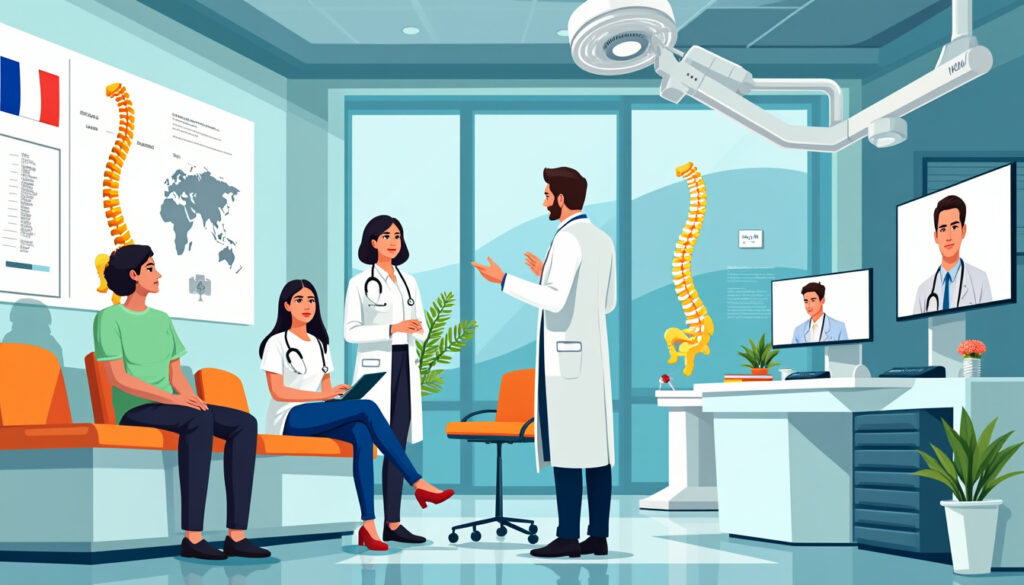
France is recognized for its advanced spine centers equipped with state-of-the-art facilities and skilled surgeons who specialize in these innovations. Patients benefit from comprehensive preoperative assessments and multidisciplinary teams that include neurologists, osteopaths, physiotherapists, and pain specialists, ensuring thorough evaluation and tailored protocols. This integrated care reflects a commitment to scientific rigor and patient safety standards compliant with both French and Quebecois regulations.
The choice of procedure depends primarily on the patient’s diagnosis, severity of degenerative changes, and prior history of non-surgical treatments. Here, the expertise of professionals like Dr. Sylvain Desforges is invaluable. Drawing from over 30 years of experience and leadership roles in Canadian osteopathic and spine care organizations, he conducts detailed evaluations guiding patients toward suitable surgical candidates or recommending further conservative management.
For those qualified for the TOPS implant, French surgical teams offer experience with minimally invasive approaches that reduce collateral tissue damage and encourage faster recovery compared to fusion surgeries. The selection of implants is meticulous, tailored to anatomy and biomechanical needs. This precision enhances the functional preservation of lumbar movement and reduces post-surgical complications.
Spine Surgery in Trois-Rivières: Reduce Pain and Preserve Mobility
In recent years, spine surgery in Trois-Rivières has evolved notably, combining advanced medical expertise with innovative technologies to deliver patient-centered care. This growing field addresses the increasing demand among Quebec residents seeking effective solutions for chronic back pain and mobility…
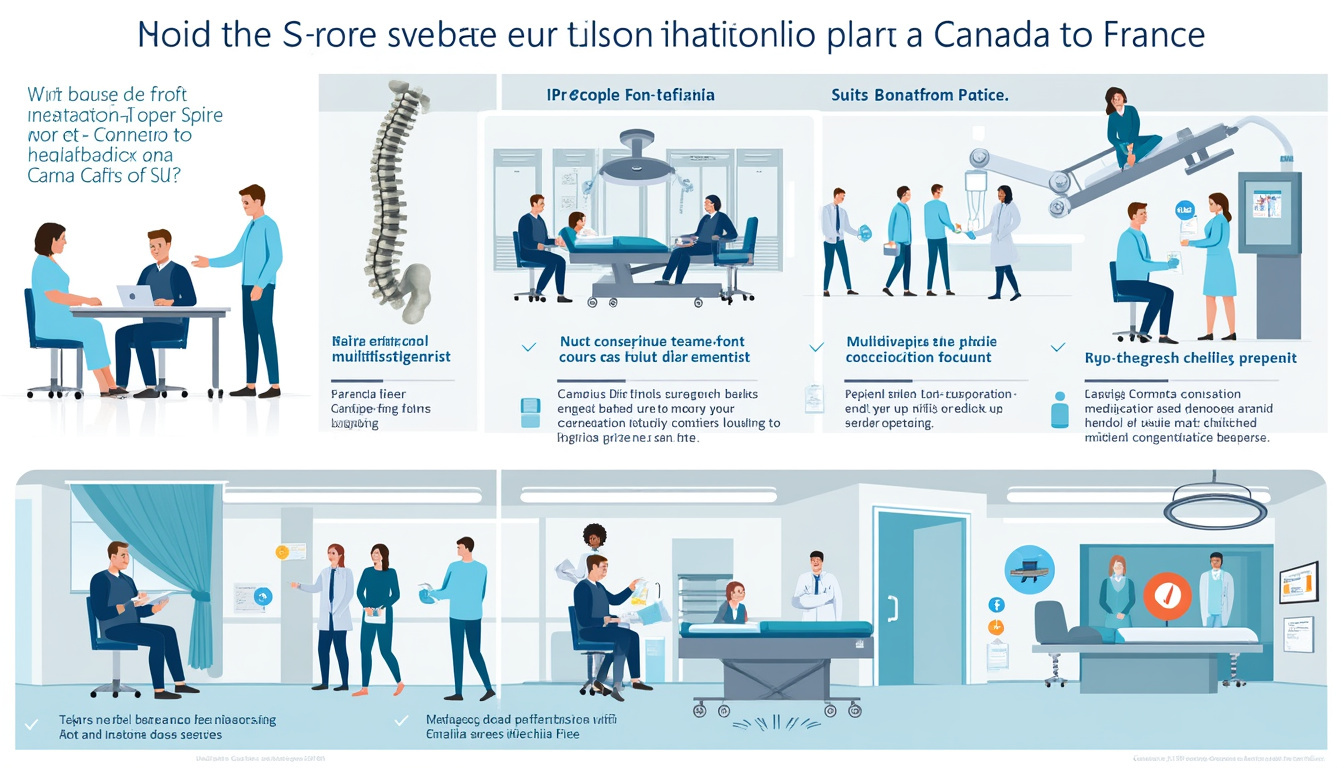
The Patient Journey from Evaluation to Recovery: Key Stages of International Spine Care
Embarking on a transatlantic treatment journey involves multiple critical stages requiring careful coordination and personalized support to ensure both safety and efficacy. Dr. Desforges’ role as a pioneer and leader in spine care places him uniquely to guide patients through these complexities with confidence.
Comprehensive Initial Evaluation and Assessment
The pathway begins with an in-depth clinical evaluation, often involving detailed history-taking, physical examinations, and advanced imaging. Dr. Desforges emphasizes thorough assessments to discern lumbar pathology accurately and evaluate whether surgical treatment such as the TOPS system is appropriate.
He ensures transparent communication of findings and educational guidance, clarifying indications, expected outcomes, and potential risks. This process establishes a foundation for patient empowerment and informed consent.
Collaborative Treatment Planning and Scheduling
After confirming surgical candidacy, Dr. Desforges liaises with French surgical centers and the clinical team at the Clinique TAGMED, a renowned institution in the realm of conservative spine care. The streamlined scheduling process aims to minimize delays and optimize preoperative preparation, including possible use of advanced non-surgical therapies like neurovertebral decompression that may benefit some patients.
Travel and Surgical Intervention
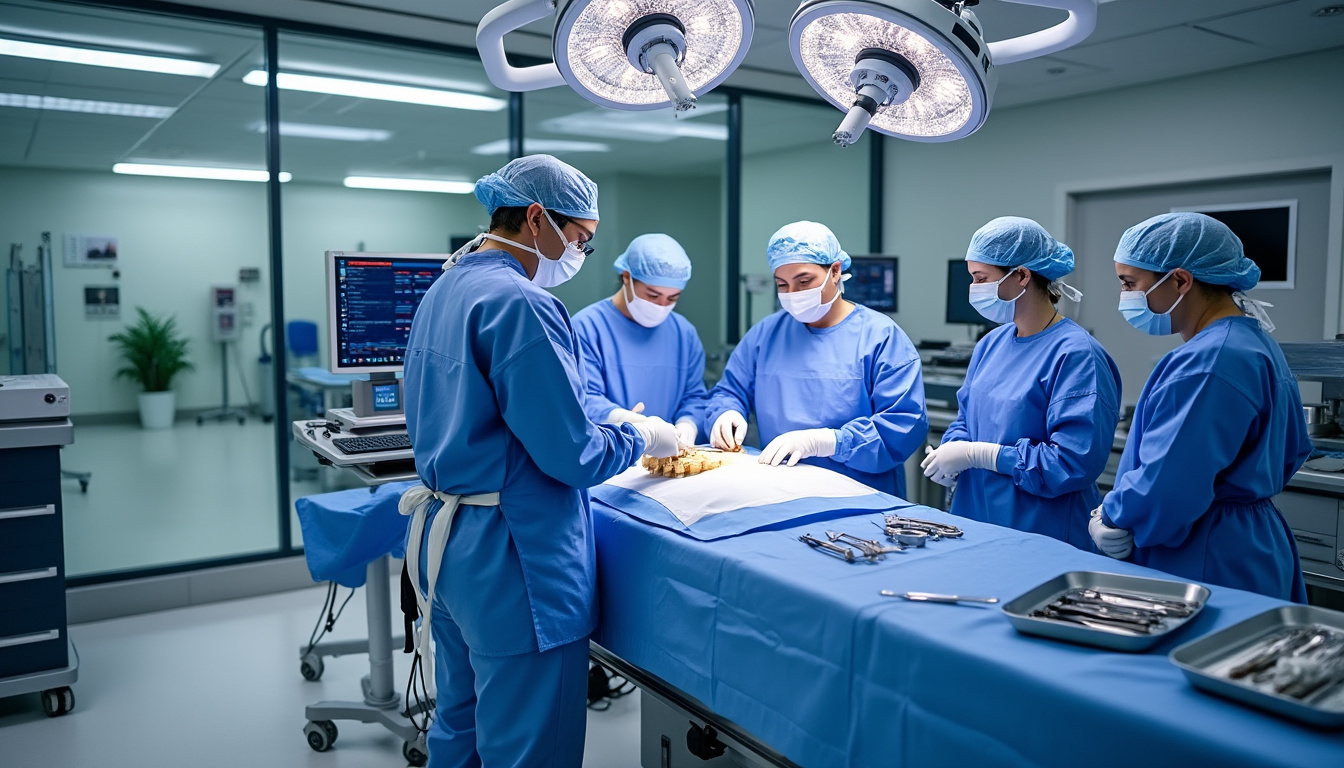
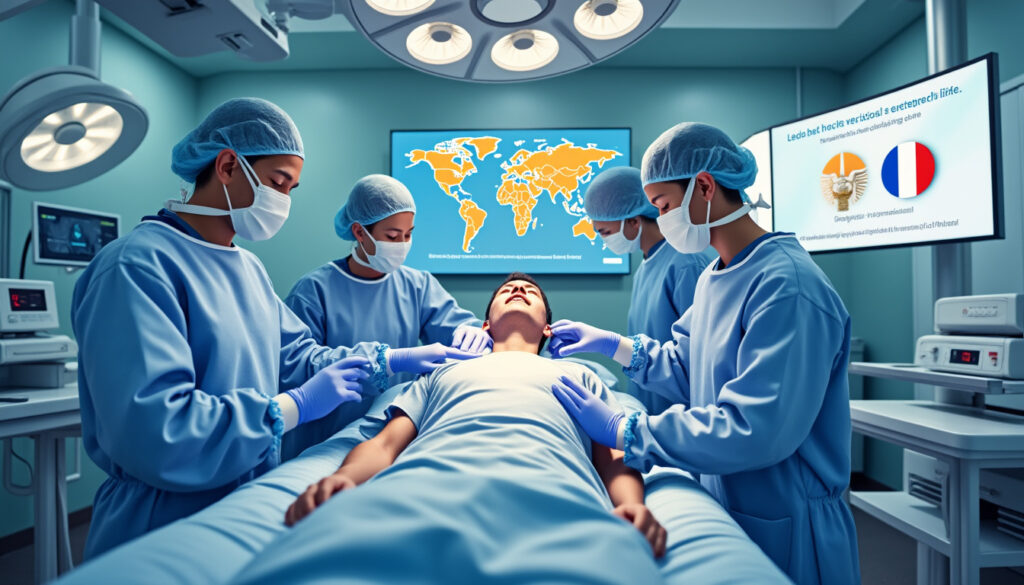
The surgical stage in France leverages expert surgeons trained in advanced spine technologies. The minimally invasive TOPS implantation allows patients to maintain natural lumbar biomechanics while alleviating symptoms. Hospital stays tend to be shorter, and postoperative pain more manageable compared to traditional fusion surgery.
Postoperative Monitoring and Rehabilitation
Recovery in France generally incorporates early physiotherapy guided by protocols oriented toward preserving spinal motion and strengthening lumbar musculature. Dr. Desforges coordinates with multidisciplinary teams internationally to optimize rehabilitation and ensure continuity of care.
Follow-Up and Reintegration into Canadian Healthcare
Upon returning to Quebec, patients complete follow-up assessments coordinated by Dr. Desforges and his team. This phase ensures sustained progress, identifies any complications, and helps tailor ongoing conservative treatments where needed.
This patient journey model reflects rigorous scientific and ethical standards, underscoring Dr. Desforges’ commitment to safety and innovation in managing spinal disorders across borders.
TOPS™ in Gatineau: High-Performance Option for the Lumbar Spine
The landscape of spinal surgery has witnessed profound evolution, particularly for patients grappling with lumbar spine disorders such as spinal stenosis and spondylolisthesis. These conditions, increasingly prevalent among Quebec’s population, impose substantial limitations on mobility and quality of life. The…
Why Prior Conservative Treatment is Essential Before Considering Lumbar Surgery
One of the most critical messages Dr. Desforges advocates for is the principle that surgery, including innovative options like the TOPS system, should only be contemplated after sufficient trials of conservative management have been completed—typically spanning three to six months.
Conservative treatments include physical therapy, targeted osteopathic manipulations, pain management strategies, and advanced methods such as neurovertebral decompression. This last therapy, notably provided at Clinique TAGMED, employs sophisticated devices to reduce nerve root compression without invasive surgery and has proven benefits for many lumbar conditions.
When these non-surgical approaches do not yield adequate relief, and structural evaluation identifies candidates for stabilization procedures, surgical treatment becomes a valuable step. This staged approach ensures that all possibilities are exhausted and surgery is reserved for patients who stand to gain most from it.
Patients are thus encouraged to view surgery not as a first resort but as part of a comprehensive continuum of care designed to restore function and improve quality of life safely and effectively.
Cervical Disc Prosthesis in Quebec City: Avoid Post-Surgery Stiffness
Chronic neck pain remains a significant challenge for thousands of residents in Quebec City every year, often leading them to seek effective spinal surgery options that minimize downtime and maximize long-term mobility. Among the recent advancements revolutionizing cervical spine care,…
Key Benefits of the TOPS System in Lumbar Preservation and Spine Treatment
The Total Posterior Spine (TOPS) System stands out for several reasons related to both biomechanical and patient-centered outcomes:
- Preservation of Natural Lumbar Biomechanics: Unlike fusion, the TOPS implant maintains flexion, extension, lateral bending, and rotation, allowing patients to keep dynamic spinal function.
- Reduction in Adjacent Segment Degeneration: By not rigidly fusing vertebrae, the device helps prevent accelerated wear on neighboring spinal levels.
- Minimally Invasive Surgical Approach: The procedure involves smaller incisions and less tissue disruption, contributing to faster recoveries and less postoperative pain.
- Improved Long-Term Outcomes: Clinical data demonstrate higher patient satisfaction, improved pain scores, and sustained mobility years after surgery.
- Customized Implant Sizing and Design: The TOPS system offers a range of sizes and pedicle screw diameters (5.5mm to 7.5mm), ensuring compatibility with diverse patient anatomies.
These benefits significantly enhance patients’ ability to return to active lifestyles without compromising spinal health. The system’s FDA clearance and robust clinical trials underpin its safety and efficacy, supported by patient testimonials and surgeon endorsements worldwide.
| Feature | TOPS System | Traditional Fusion |
|---|---|---|
| Motion Preservation | Maintains natural lumbar movement | Eliminates motion at fused segments |
| Adjacent Segment Health | Reduced degeneration risk | Increased adjacent segment stress |
| Postoperative Pain | Typically lower with minimally invasive approach | Often higher due to extensive tissue disruption |
| Recovery Time | Shorter hospital stay and rehabilitation | Longer recovery |
| Implant Customization | Multiple sizes and screw diameters available | Less adaptable to patient anatomy |
Minimally Invasive Surgery in Longueuil: Reduce Hospital Stay Duration
In recent years, advances in spinal care have dramatically reshaped the treatment landscape for patients suffering from debilitating spinal conditions. Particularly in Longueuil, the emergence of minimally invasive surgery (MIS) techniques offers a transformative alternative to conventional open surgeries. These…
International Coordination for a Seamless Transatlantic Spine Care Experience
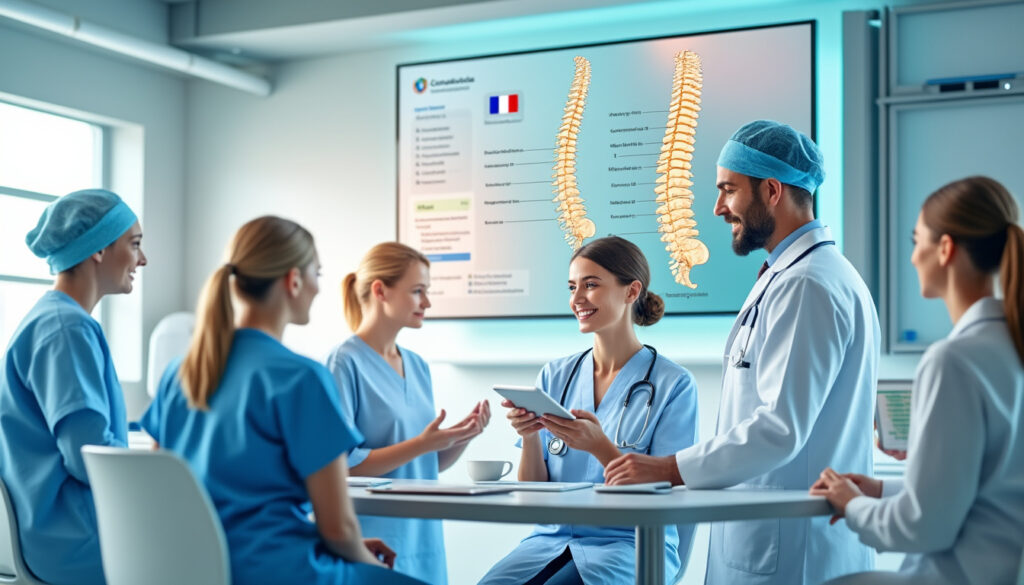
One of the distinct advantages of the care model championed by Dr. Desforges is the synchronized collaboration between Canadian and French teams, facilitating a smooth, personalized patient journey. This coordination mitigates the common frustrations of fragmented care, long wait times, and logistical challenges that often accompany international medical travel.
Partnering with platforms such as SOS Tourism Medical, Dr. Desforges ensures that patients receive timely consultations, transparent information, and continuous support. This integration enables the optimization of both treatment timing and clinical outcomes.
Moreover, his role as founder and president of the ACMA (Association Canadienne des Médecins et Ostéopathes) and the Collège des Ostéopathes Canadiens signals a deep commitment to fostering scientific rigor, ethical practice, and continuing education within the field. This multidisciplinary network encompasses surgeons, osteopaths, physiotherapists, and pain management specialists, all focused on delivering comprehensive lumbar care.
Patients are thus guided through an entire continuum—from evaluation to surgery, post-op recovery, and follow-up—in an environment that respects their unique needs and emphasizes trust and empathy.
IntraSPINE® in Laval: Modern Solution for Lumbar Stabilization
In the evolving landscape of orthopedic treatments, the city of Laval has become a hub for innovations addressing chronic lower back pain. Among the groundbreaking solutions gaining attention is the IntraSPINE device—a modern spinal implant designed to offer dynamic lumbar…
How TOPS Technology Advances the Future of Spinal Implants
Looking ahead, the TOPS system exemplifies how innovation in spinal implants can marry biomechanical engineering with patient wellness. It heralds a new era where spinal surgery no longer necessitates the sacrifice of natural motion for stability.
As implant materials and surgical techniques evolve, such dynamic stabilization devices are anticipated to expand in usage and influence, propelled by compelling clinical evidence and favorable regulatory reviews worldwide. Institutions like the Clinique TAGMED continue to pioneer conservative care advances, while partnerships with international centers ensure access to next-generation technologies.
Research continues on improving implant longevity, minimizing adjacent tissue stress, and enhancing patient-specific customization. The goal is clear: to offer lumbar preservation solutions that deliver sustainable relief with minimal impact on patients’ daily lives.
Neck Surgery in Montreal: Maintain Cervical Flexibility and Function
Neck conditions causing persistent pain or functional loss place a substantial burden on individuals and healthcare systems, especially in urban centers like Montreal. Surgical interventions targeting the cervical spine have evolved tremendously, aiming not only to relieve symptoms but to…
Empowering Quebec Patients to Make Informed Decisions on Lumbar Spine Surgery
Dr. Desforges advocates strongly for patients to engage actively in their treatment choices, emphasizing education and clear communication. Each lumbar condition presents unique challenges, and understanding all options—from conservative treatments to advanced surgical solutions—is vital.
For Quebec patients considering the TOPS system or other interventions in France, the journey begins with a thorough evaluation and candid discussion about expectations, benefits, and potential setbacks. Dr. Desforges’ approach promotes transparency and patient autonomy, dismantling fears through knowledge and personalized care planning.
Patients are encouraged to ask questions, seek second opinions, and explore conservative management options such as those available at Clinique TAGMED before advancing to surgery. This staged consideration reflects best practices in spine health management and ensures optimal outcomes.
If you wish to explore whether the TOPS procedure or other lumbar preservation strategies might be suitable for your situation, please consider contacting our team. Comprehensive, compassionate evaluations are available to help you regain mobility and enhance quality of life.
For more details or personalized guidance, visit our contact page and take the first step toward transforming your spine health.
What is the key difference between the TOPS system and traditional spinal fusion?
The TOPS system preserves natural lumbar spine motion by allowing controlled mobility, while traditional spinal fusion permanently immobilizes vertebrae, potentially accelerating adjacent segment degeneration.
Who is an ideal candidate for the TOPS procedure?
Patients with lumbar spinal stenosis or degenerative grade I spondylolisthesis who have failed conservative treatments and have sufficient intervertebral disc height may benefit from the TOPS system.
Why is conservative treatment essential before surgery?
Conservative approaches such as neurovertebral decompression and osteopathic care can alleviate symptoms without surgery. Surgery is recommended only if these treatments over 3-6 months do not provide relief.
How does international coordination improve patient outcomes?
Transatlantic collaboration ensures timely care, expert consultations, and comprehensive support throughout the treatment journey, enhancing safety and recovery.
What makes the TOPS system minimally invasive?
The TOPS implantation uses smaller incisions and precise surgical techniques that reduce tissue damage, leading to faster recovery and less postoperative pain compared to traditional spinal fusion.

Disc Prosthesis in Lévis: Quick and Long-Lasting Results
Chronic back pain caused by degenerative disc disease continues to profoundly impact the quality of life for many residents in Lévis and the broader Quebec area. For decades, traditional spinal fusion surgery has been the primary solution for alleviating severe…