Saint-Jérôme Lumbar Disc Herniation Rehabilitation Plan
May 15, 2026
Mascouche Sciatica Pain Resolved Through Non-Surgical Means
May 15, 2026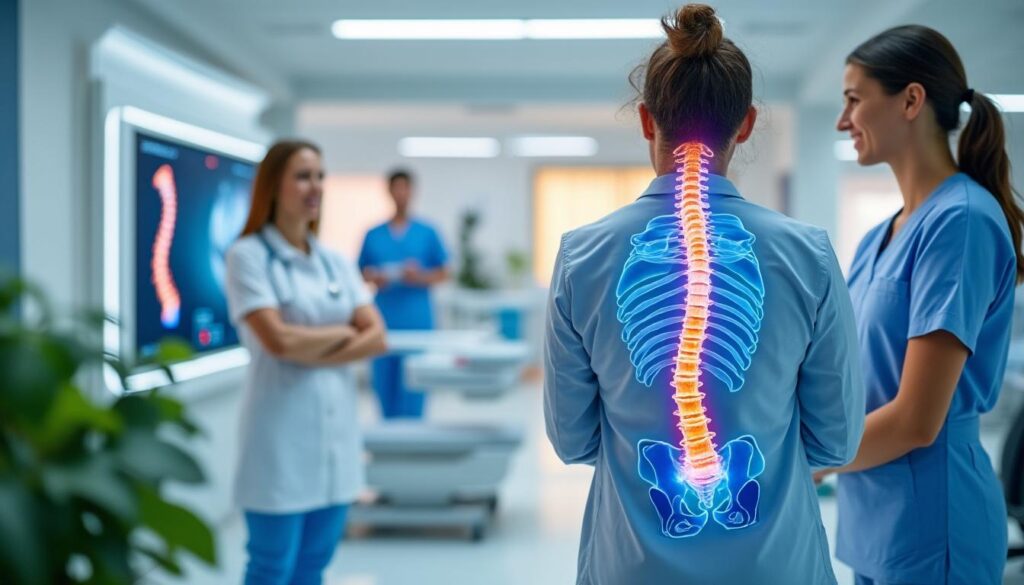
The chronic management of lower back pain continues to challenge healthcare systems worldwide, especially for Quebec patients facing extended waiting times and high costs for innovative treatments. In 2025, a pioneering collaboration between French and Quebecois experts gave rise to a novel approach integrating cutting-edge surgical technology and international patient coordination. Central to this advancement is the FDA-approved TOPS (Total Posterior Spine) System, now available in Gatineau, which presents an alternative to traditional spinal fusion surgeries. This dynamic implant offers both pain relief and mobility restoration, aligning with contemporary needs for holistic spine care.
This transatlantic partnership combines rigorous scientific evaluation in Quebec—including patient assessments led by Dr. Sylvain Desforges, a distinguished expert with over 30 years of experience—and state-of-the-art surgical interventions performed in specialized French centers. The seamless coordination not only accelerates access to care but ensures adherence to strict ethical and regulatory standards prevailing across Canada and Quebec. Patients benefit from a comprehensive treatment pathway extending from advanced conservative therapies like neurovertebral decompression at Clinique TAGMED to tailored postoperative rehabilitation led by expert teams on either side of the Atlantic. This synergy exemplifies a revolution in spine care that prioritizes both functionality and quality of life.
The FDA-Approved TOPS System: Revolutionizing Lumbar Spine Surgery in Gatineau
The TOPS System represents a major breakthrough in lumbar spine surgery, approved by the U.S. Food and Drug Administration for conditions such as spondylolisthesis and lumbar stenosis. Unlike the conventional spinal fusion that permanently immobilizes vertebral segments, TOPS is an innovative dynamic implant designed to restore natural movement while stabilizing the affected spinal segment. This biomechanical advancement safeguards adjacent vertebrae from excessive loading, which is commonly observed after fusion surgeries, potentially reducing long-term complications like adjacent segment disease.
Created through refined engineering and biomechanical research, the TOPS implant replicates the complex motions of the lumbar spine, including flexion, extension, lateral bending, and axial rotation. This multidirectional stabilization allows patients to regain a range of motion that supports daily activities and exercise therapy. Additionally, the implant promotes a more balanced lumbar lordosis, preserving spine alignment and reducing pain sensors’ irritation.
Clinically, TOPS has demonstrated significantly improved patient outcomes compared to traditional fusion. For Quebec patients, this option is now accessible in Gatineau via a collaborative network that ensures high scientific rigor and patient safety compliance. For those struggling with debilitating lumbar conditions, the TOPS system is not only a surgical innovation but a pathway to reclaiming mobility and independence.
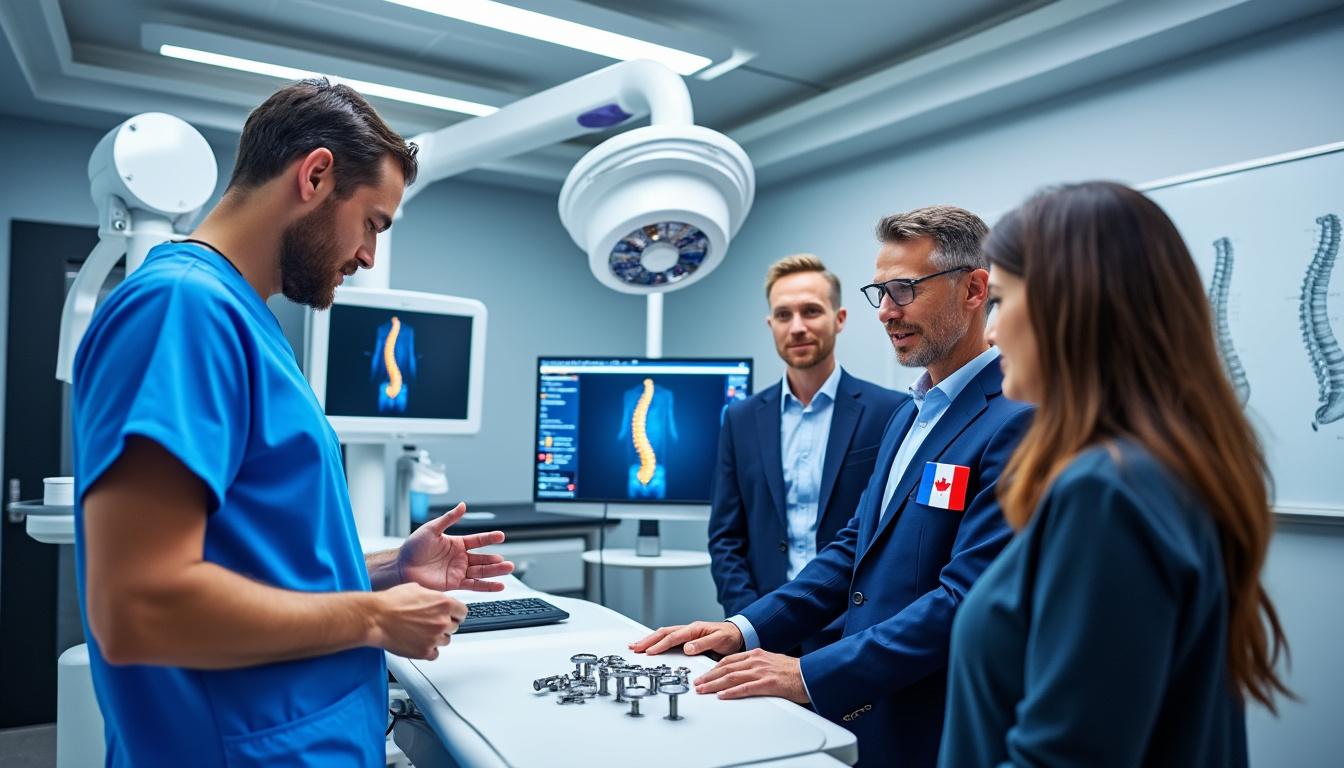
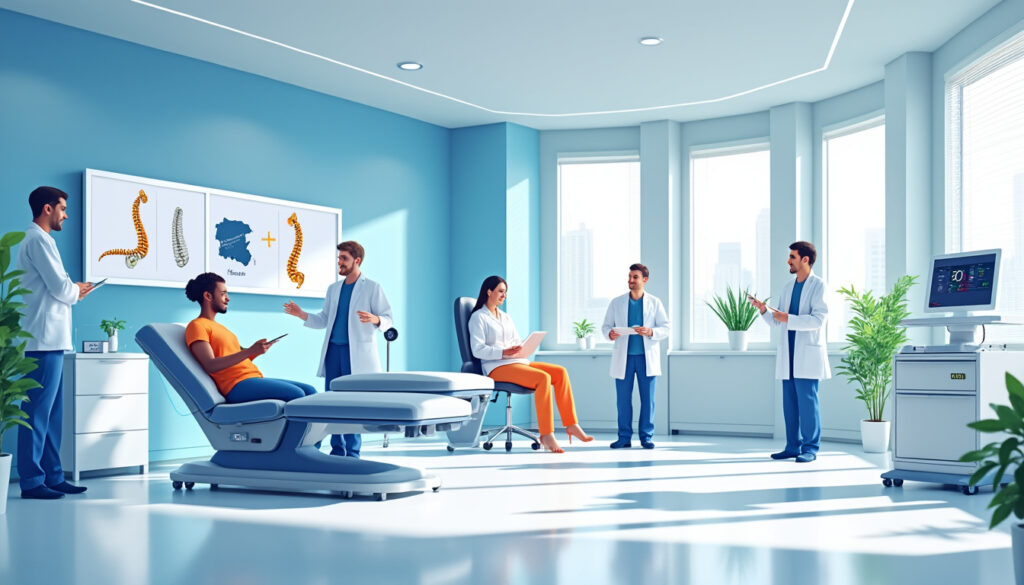
IntraSPINE® in Sherbrooke: Durable Solution for Chronic Low Back Pain
The management of chronic low back pain, a widespread condition affecting millions across Quebec and beyond, has reached a pivotal moment thanks to innovative medical technologies and coordinated care pathways. At the heart of this evolution lies the IntraSPINE implant,…
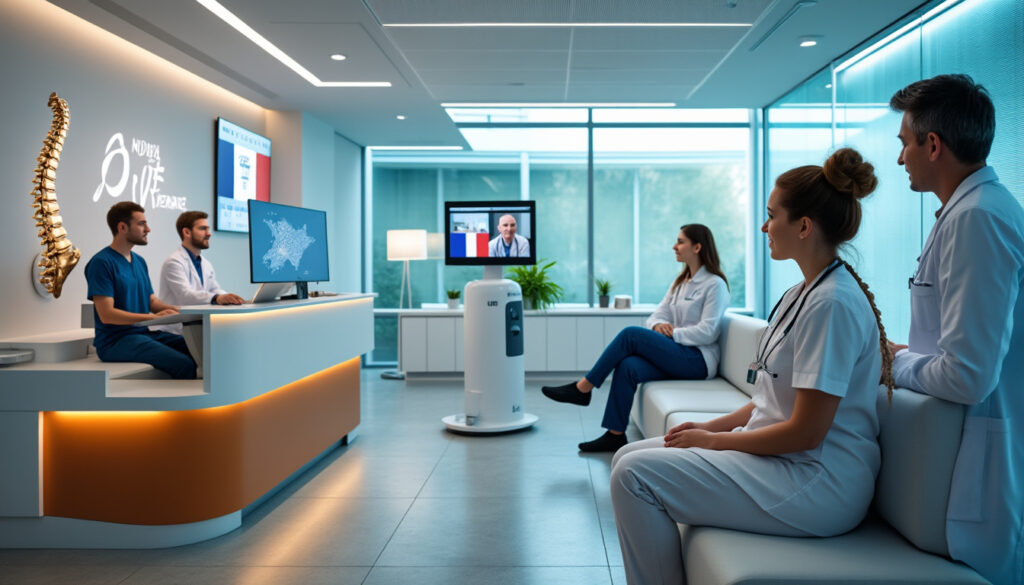
Spine Surgery in Trois-Rivières: Reduce Pain and Preserve Mobility
In recent years, spine surgery in Trois-Rivières has evolved notably, combining advanced medical expertise with innovative technologies to deliver patient-centered care. This growing field addresses the increasing demand among Quebec residents seeking effective solutions for chronic back pain and mobility…
Exploring Surgical Options in France: Fusion, Motion Preservation, and Minimally Invasive Techniques
The landscape of spine surgery in France is marked by constant evolution and innovation aimed at restorative care and minimizing trauma. Quebec patients involved in transatlantic medical tourism gain access to a spectrum of surgical techniques ranging from traditional fusion to advanced motion-preserving implants, including TOPS and IntraSPINE.
Spinal Fusion Surgery remains a standard for severe spinal deformities such as advanced scoliosis or high-grade segmental instability. This approach rigidifies specific vertebral segments by joining them with bone grafts and hardware, offering durable stability. However, fusion irreversibly limits segment mobility and may accelerate degenerative changes in adjacent segments.
To counter these drawbacks, French surgical teams employ motion-preserving implants like the TOPS device. These dynamic systems provide stability while retaining natural vertebral movement, reducing the risk of adjacent segment degradation. The clinical decision between fusion and dynamic implants depends on detailed evaluation, often involving expert assessment led by Dr. Desforges before surgery in France.
Moreover, minimally invasive endoscopic techniques are increasingly adopted for localized pathologies such as contained herniated discs or mild-to-moderate stenosis. These strategies involve small incisions, reduced muscle trauma, and accelerated rehabilitation. When combined with dynamic stabilization, they offer an optimal balance of quick recovery and long-term spinal health.
| Technique | Main Benefits | Primary Indications | Limitations |
|---|---|---|---|
| Spinal Fusion | Strong stability; effective for severe deformities | Severe scoliosis, major instability | Loss of segment mobility; risk of adjacent degeneration |
| Motion-Preserving Implants (e.g., TOPS) | Preserves natural motion; faster rehabilitation | Moderate instability, lumbar stenosis | Not suitable for severe deformities |
| Minimally Invasive Endoscopy | Reduced tissue trauma; quicker recovery | Localized herniated discs, mild stenosis | Limited to small or moderate lesions |
This spectrum of surgical options, supported by ongoing clinical innovations and expert judgment, assures personalized care tailored to each patient’s unique condition and lifestyle.
Modern postoperative rehabilitation protocols in France and Quebec emphasize physical therapy and gradual return to movement, with early mobilization to maximize functional outcomes.
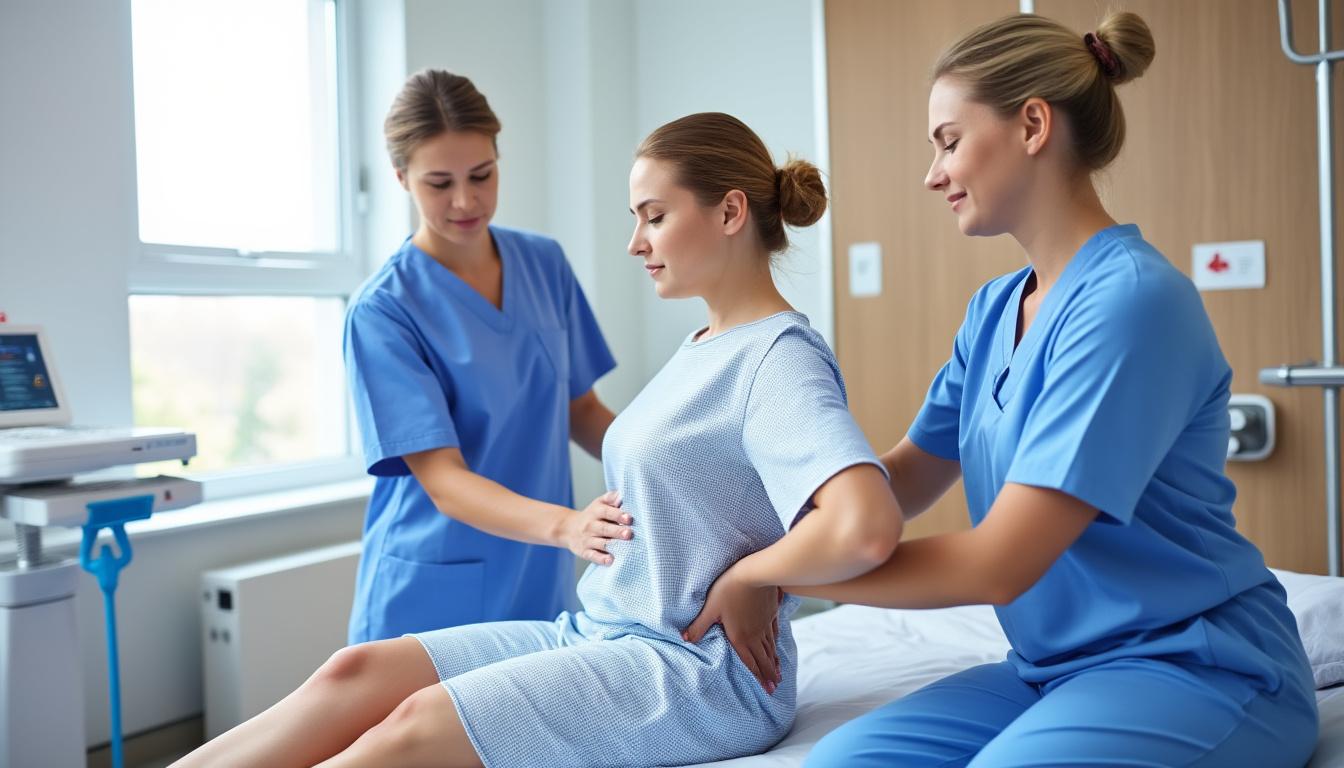
TOPS™ in Gatineau: High-Performance Option for the Lumbar Spine
The landscape of spinal surgery has witnessed profound evolution, particularly for patients grappling with lumbar spine disorders such as spinal stenosis and spondylolisthesis. These conditions, increasingly prevalent among Quebec’s population, impose substantial limitations on mobility and quality of life. The…
Cervical Disc Prosthesis in Quebec City: Avoid Post-Surgery Stiffness
Chronic neck pain remains a significant challenge for thousands of residents in Quebec City every year, often leading them to seek effective spinal surgery options that minimize downtime and maximize long-term mobility. Among the recent advancements revolutionizing cervical spine care,…
The Transatlantic Patient Journey: From Quebec Evaluation to Surgery and Recovery
One of the unique strengths of this Franco-Quebec collaboration is the highly coordinated pathway that guides patients through every step of their treatment. This process begins with a comprehensive evaluation in Quebec, led by Dr. Sylvain Desforges and his team at Clinique TAGMED, which specializes in advanced conservative treatments such as robot-assisted neurovertebral decompression.
During this phase, patients receive personalized interventions like pain management strategies, physical therapy, and education about their condition and therapeutic options. Only after completing 3 to 6 months of conservative care, with insufficient improvement, may surgical options be considered. This staged protocol ensures a cautious approach, reducing unnecessary surgeries while optimizing outcomes for those who proceed.
When surgery is indicated, the coordination with French centers facilitates expedited scheduling, selection of the best-suited surgeon and hospital, and logistical arrangements including accommodation and travel. Patient communication remains constant through platforms like SOS Tourisme Médical, which provide clear, jargon-free explanations and personalized support.
Upon return to Quebec, patients benefit from supervised rehabilitation and monitoring, frequently facilitated by Neurothérapie Montréal. This continuity of care is essential for recovery, minimizing complications, and supporting return to active, pain-free mobility through tailored exercise therapy and physical therapy programs.
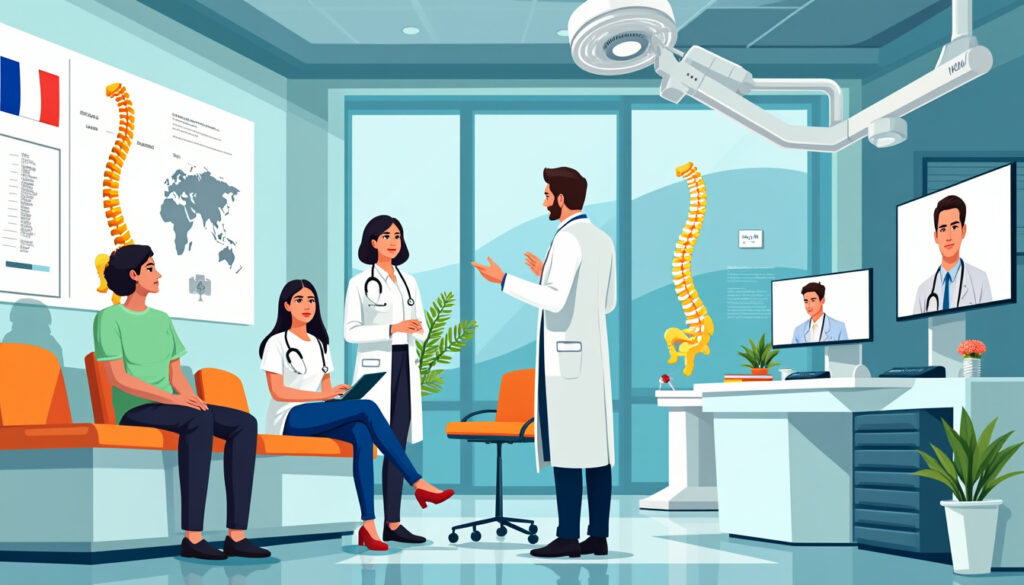
Minimally Invasive Surgery in Longueuil: Reduce Hospital Stay Duration
In recent years, advances in spinal care have dramatically reshaped the treatment landscape for patients suffering from debilitating spinal conditions. Particularly in Longueuil, the emergence of minimally invasive surgery (MIS) techniques offers a transformative alternative to conventional open surgeries. These…
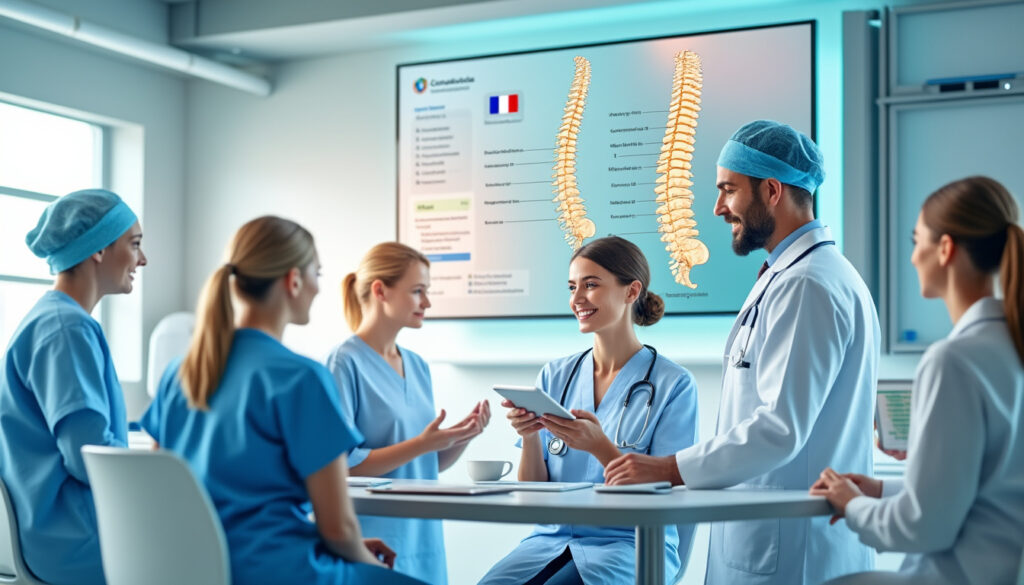
IntraSPINE® in Laval: Modern Solution for Lumbar Stabilization
In the evolving landscape of orthopedic treatments, the city of Laval has become a hub for innovations addressing chronic lower back pain. Among the groundbreaking solutions gaining attention is the IntraSPINE device—a modern spinal implant designed to offer dynamic lumbar…
Prerequisites and the Importance of Conservative Treatment Before Considering Surgery
Dr. Desforges emphasizes that surgery, including implantation of devices like TOPS, should never be a frontline choice. A thorough period of conservative care spanning at least several months is essential to optimize patient outcomes. This period includes diverse noninvasive therapies designed to relieve symptoms and improve function, often making surgery unnecessary.
Key components of conservative management include:
- Neurovertebral decompression: Advanced robotic techniques, such as those available at Clinique TAGMED, reduce nerve pressure while preserving spine integrity.
- Physical therapy: Targeted exercises to restore muscle strength, improve posture, and facilitate joint health.
- Pharmacological management: Careful use of analgesics and anti-inflammatories for pain control.
- Education and ergonomic counseling: Empowering patients with knowledge about spine health, workplace adjustments, and activity modifications.
If these treatments fail to achieve meaningful improvement, the pathway to surgical evaluation and possible TOPS implantation becomes appropriate, offering a sophisticated option for mobility preservation and pain relief.
Neck Surgery in Montreal: Maintain Cervical Flexibility and Function
Neck conditions causing persistent pain or functional loss place a substantial burden on individuals and healthcare systems, especially in urban centers like Montreal. Surgical interventions targeting the cervical spine have evolved tremendously, aiming not only to relieve symptoms but to…
Disc Prosthesis in Lévis: Quick and Long-Lasting Results
Chronic back pain caused by degenerative disc disease continues to profoundly impact the quality of life for many residents in Lévis and the broader Quebec area. For decades, traditional spinal fusion surgery has been the primary solution for alleviating severe…
The Biomechanical and Functional Advantages of TOPS: Beyond Traditional Fusion
The unique biomechanical design of the TOPS system offers distinct functional advantages, centered on restoring segmental mobility while maintaining lumbar stability. This approach contrasts with fusion surgery, where immobilization can lead to compensatory stress and degeneration of adjacent levels.
The device stabilizes the spine in multiple directions while allowing controlled movement: flexion, extension, lateral bending, and axial rotation. This multiplanar motion preservation not only enhances comfort but also encourages better postural alignment and muscle function related to everyday movements.
Clinical benefits reported include:
- Mobility retention: Enabling patients to return to work, sports, and normal daily activities without the rigidity imparted by fusion.
- Reduction in adjacent segment disease: By distributing mechanical forces physiologically, TOPS diminishes the likelihood of accelerated degeneration.
- Accelerated recovery: Less invasive surgical approaches combined with dynamic stabilization result in shorter pain duration and faster rehabilitation.
These advantages position TOPS as a premier choice for patients seeking effective pain relief with preservation of spine function and quality of life. Endorsed by respected manufacturers like DePuy Synthes and Medtronic, TOPS exemplifies the future of lumbar spine surgery.
Exclusive Support Services and Added Value in the TOPS Treatment Program
The value of the TOPS program extends well beyond the surgery itself, incorporating an integrated network founded on expertise, ethics, and patient-centered care. Under the stewardship of Dr. Sylvain Desforges, stringent scientific protocols ensure accurate diagnosis and candid assessments aligned with Quebec and Canadian medical standards.
Supporting services include:
- Advanced diagnostics and patient education: Simplified explanations of complex surgical indications and limits aid informed decision-making.
- International care coordination: Partnering with Franchir to facilitate seamless travel and accommodation logistics, reducing stress and optimizing efficiency.
- Postoperative rehabilitation: Collaboration with Neurothérapie Montréal to design personalized recovery plans that incorporate exercise therapy and physical therapy.
- Access to cutting-edge technology: Exclusive availability of dynamic implants and minimally invasive procedures not widely accessible in Canada.
This comprehensive approach ensures that each patient receives tailored care, sustaining motivation and confidence throughout their journey toward restored mobility and minimized pain.
Comprehensive Guide to Joint Health Supplements Supporting Spine Care and Mobility
Alongside surgical solutions like TOPS, maintaining joint health through supplements contributes to better mobility, enhanced rehabilitation outcomes, and long-term spine integrity. For patients managing or recovering from lumbar conditions, supplements with anti-inflammatory and cartilage-supporting properties can be complementary to physical therapy and exercise therapy.
Key ingredients supported by scientific evidence include glucosamine, chondroitin, turmeric (curcumin), and omega-3 fatty acids. These compounds can support inflammation control, cartilage repair, and joint lubrication. For example, glucosamine and chondroitin are natural components of cartilage that may slow degenerative changes and improve joint flexibility.
| Supplement Ingredient | Main Benefits | Usage Recommendations |
|---|---|---|
| Glucosamine Sulfate | Supports cartilage synthesis and joint lubrication | Regular daily dosing for several months |
| Curcumin (Turmeric) | Anti-inflammatory properties; reduces joint stiffness | Often combined with black pepper for bioavailability enhancement |
| Omega-3 Fatty Acids | Modulates inflammatory response; supports overall joint health | Daily dietary supplementation or consumption of fatty fish |
| Chondroitin Sulfate | Improves cartilage elasticity and hydration | Long-term use alongside glucosamine |
Integrating these supplements within rehabilitation strategies, including exercise therapy and physical therapy, supports improved joint health and mobility, complementing surgical benefits and conservative care alike.
What makes the TOPS system different from traditional spinal fusion?
The TOPS system preserves natural spine mobility unlike fusion, which permanently immobilizes the vertebrae. This dynamic stabilization supports better movement restoration and reduces stress on adjacent spinal segments, offering improved long-term outcomes.
Why is a conservative treatment period important before considering surgery?
A minimum of 3 to 6 months of conservative treatment—such as neurovertebral decompression and physical therapy—is crucial to assess if surgery is truly necessary. This approach prevents unnecessary operations and optimizes patient condition before any surgical intervention.
How does the transatlantic care coordination benefit Quebec patients?
Coordinated care between Quebec and France reduces wait times, ensures choice of expert surgeons and facilities, and provides comprehensive support throughout surgery and rehabilitation, guaranteeing a safer and more personalized treatment journey.
Are joint supplements effective alongside spine care?
Yes, supplements like glucosamine, curcumin, and omega-3s can complement surgical or conservative interventions by supporting joint lubrication, reducing inflammation, and enhancing cartilage health, thereby facilitating pain relief and mobility.
What role does physical therapy play after TOPS surgery?
Physical therapy is essential for rehabilitation after TOPS implantation. It focuses on restoring functional mobility, strengthening supporting muscles, and promoting sustainable pain management to ensure optimal recovery and quality of life.
For personalized guidance or to initiate a thorough evaluation, patients are encouraged to reach out via the contact page at SOS Tourisme Médical. The expert team, led by Dr. Sylvain Desforges, offers dedicated support tailored to each patient’s unique clinical profile, ensuring a safe and informed path toward relief and restored mobility.