IntraSPINE® in Lévis: Innovative and Approved Procedure
October 25, 2025
Disc Prosthesis in Laval: Long-Lasting and Proven Results
October 25, 2025
In the realm of spinal care, preserving the natural biomechanics of the spine during surgical intervention marks a pivotal stride in patient-centered therapy. The Total Posterior Spine (TOPS) System emerges as a groundbreaking innovation reshaping traditional approaches to lumbar spinal stenosis and degenerative spondylolisthesis. Unlike conventional fusion surgeries that immobilize spinal segments and frequently precipitate adjacent segment degeneration, the TOPS System endeavors to maintain motion without compromising stability. This distinction is critical for patients seeking relief from debilitating back and leg pain without sacrificing the long-term health and functionality of their spine.
Rooted in rigorous scientific research and cutting-edge biomechanical design, the TOPS System achieves a delicate balance between decompression and dynamic stabilization. It offers patients the potential to return to more active and fulfilling lives while mitigating complications common in fusion procedures. As we explore the facets of this technology, the intricate relationship between spinal movement preservation and therapeutic effectiveness will become apparent—a testament to innovation in spine care that is transforming patient outcomes internationally.
Understanding the TOPS System: Revolutionizing Lumbar Spine Surgery with Motion Preservation
The Total Posterior Spine (TOPS) System represents an innovative approach to lumbar spine surgery designed to address conditions such as spinal stenosis, spondylolisthesis, and facet arthrosis. Unlike traditional spinal fusion that permanently locks adjacent vertebrae, the TOPS implant replaces the anatomical structures removed during decompressive surgery, restoring near-normal motion across flexion, extension, lateral bending, and axial rotation.
The implant consists of a mechanical device situated between two titanium plates, anchored to the spine using four polyaxial pedicle screws. This configuration supports dynamic spinal mobility while simultaneously stabilizing the segment, preventing excessive forward or backward motion. The sophisticated engineering behind the TOPS facilitates bending, twisting, and straightening motions that closely mimic the natural movements of a healthy spine.
Key Features and Mechanism of Action
- Multiaxial Mobility: Enables motion in all physiological planes – flexion, extension, lateral bending, and axial rotation.
- Stabilization Without Fusion: Restricts harmful translations while allowing controlled movement.
- Replicates Natural Anatomy: Replaces the lamina and facet joints, maintaining the function of ligaments such as the supraspinous and interspinous ligaments.
- Minimal Load on Pedicle Screws: Innovative crossbar design reduces stress on pedicle screws, promoting longevity and stability.
- Implant Anchoring: Four polyaxial pedicle screws secure the device firmly via a posterior surgical approach.
These features distinguish the TOPS System as a potential alternative to fusion devices from established industry players including Premia Spine, Orthovative, and Elite Brain & Spine. Such partnerships and technology endorsements accentuate the system’s integration into contemporary surgical protocols.
Disc Prosthesis in Lévis: Maintain Natural Mobility
In the evolving landscape of spinal health, the pursuit of innovative solutions for chronic back pain and degenerative disc conditions has never been more critical. Residents of Lévis and surrounding regions seeking pathways beyond the limitations of traditional spinal fusion…
Clinical Evaluation and Indications for the TOPS System in Spinal Pathologies
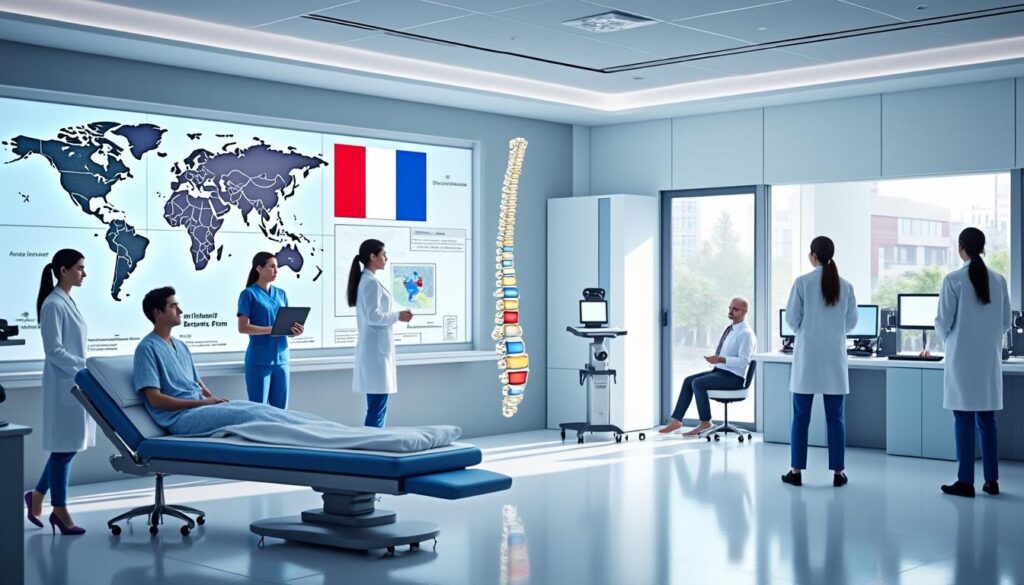
Dr. Sylvain Desforges, with over 30 years of expertise in spinal evaluations, emphasizes the paramount importance of patient selection in the efficacy of the TOPS System. Candidates generally present with moderate to severe lumbar spinal stenosis, degenerative spondylolisthesis grade I, or facet arthropathy leading to neurogenic claudication and chronic pain unresponsive to conservative management.
Patient evaluation involves comprehensive imaging including MRI, CT scans, and dynamic X-rays to determine the extent of ligamentous and bony involvement. Functional assessments frequently use the Visual Analog Scale (VAS) for pain and the Oswestry Disability Index (ODI) to quantify disability severity:
- Inclusion Criteria: Persistent symptoms with VAS and ODI scores ≥40 despite 3-6 months of non-operative treatment.
- Exclusion Criteria: Prior fusion surgery, spondylolisthesis grade II or higher, morbid obesity (BMI >40), and severe scoliosis (>10 degrees).
- Imaging and Diagnostics: Identification of single-level pathology between L2-L5, with L4-L5 being the most common surgical site.
This rigorous selection framework ensures the TOPS System is reserved for patients who stand to benefit most from motion-preserving arthroplasty, reinforcing Dr. Desforges’ commitment to evidence-based, ethical clinical decision-making aligned with Canadian standards.
| Criterion | Details |
|---|---|
| Age Range | 35–80 years |
| Bone Integrity | Absence of osteoporosis or metabolic bone disease |
| Previous Surgery | No prior fusion; prior decompression allowed |
| Severity of Spondylolisthesis | Grade I or less |
Motion Surgery in Terrebonne: Advanced Techniques Available in France
With over three decades of dedicated expertise in spine care, I have witnessed firsthand the evolution of surgical options aimed at improving quality of life for those living with spinal disorders. Among these advances, Motion Surgery stands out in Terrebonne…
Biomechanical Advantages of TOPS Compared to Fusion Surgery
The hallmark of the TOPS System lies in its ability to preserve spinal motion postoperatively, addressing a key limitation of spinal fusion surgery, which permanently eliminates movement at the operative segment. Spinal fusion shifts mobility demands onto adjacent segments, often accelerating their degeneration, a phenomenon known as adjacent segment disease.
TOPS maintains controlled motion at the affected vertebral level, thereby protecting neighboring segments from increased stress and strain. This design reduces the progression of degenerative changes adjacent to the surgical site, which is common following fusion techniques employed by leading manufacturers such as DePuy Synthes and Zimmer Biomet.
- Preservation of Range of Motion: TOPS retains 80-85% of normal flexion-extension, lateral bending, and axial rotation movement.
- Reduced Load Transfer: Adjacent vertebral levels undergo less compensatory load, decreasing long-term degeneration.
- Biomechanical Stability: Provides immediate stabilization without sacrificing physiological kinematics.
- Implant Durability: Pedicle screw anchoring system distributes biomechanical forces evenly to reduce fatigue failure.
Biomechanical studies, supported by research from institutions like Ulm University and Cleveland Clinic, demonstrate how TOPS successfully replicates natural facet joint mechanics, with detailed analyses available here.
| Parameter | TOPS System | Spinal Fusion |
|---|---|---|
| Operative Level Mobility | Preserved (80-85%) | Eliminated (0%) |
| Adjacent Segment Stress | Minimal increase | Significant increase |
| Risk of Adjacent Segment Disease | Reduced | Elevated |
| Load on Pedicle Screws | Evenly distributed | Higher peak forces |
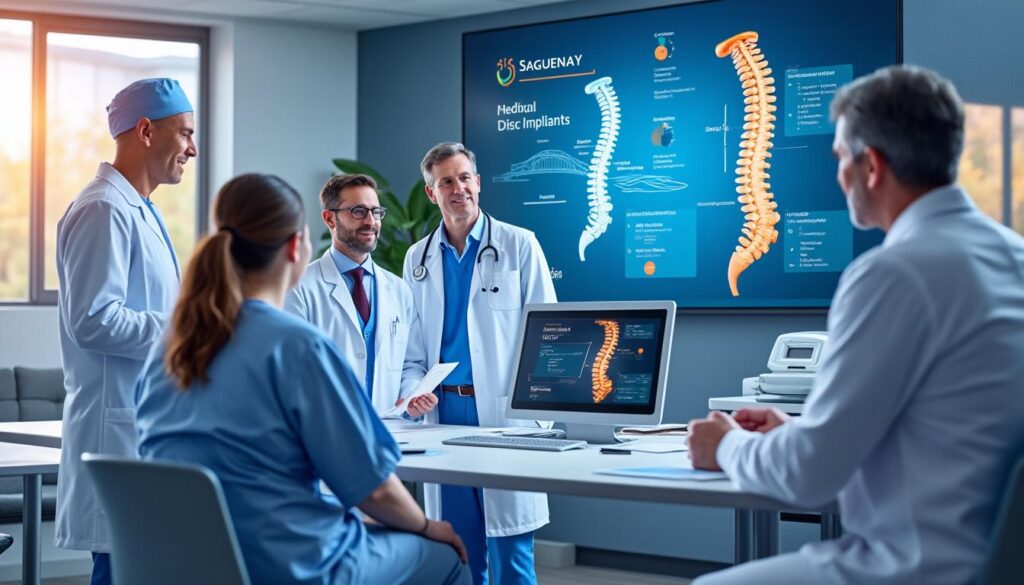
Lumbar Disc Prosthesis in Saguenay: Long-Lasting Relief After Surgery
Chronic back pain rooted in lumbar disc degeneration challenges many patients in Saguenay and beyond, urging exploration of innovative solutions to restore spine health and quality of life. Traditional spinal fusion surgeries, though effective for stabilizing painful segments, have notable…
Surgical Technique and Postoperative Recovery in TOPS Procedures
The surgical approach for implanting the TOPS System involves a posterior midline incision and standard lumbar decompression. Dr. Desforges underscores that, due to the device’s design, surgeons can perform a wide decompression without the constraints imposed by traditional fusion procedures. This results in comprehensive relief of nerve root compression while preserving spinal stability.
The procedure entails the following stages:
- Patient positioning: Prone on a Jackson frame to maintain neutral lordosis and ease surgical access.
- Exposure: Subperiosteal dissection of paravertebral musculature limited to facet joint exposure, preserving surrounding ligaments where possible.
- Decompression: Complete laminectomy and facetectomy of the affected segment to relieve neural impingement.
- Implant Trial and Sizing: After decompression, trial templates ensure correct implant fit to maintain anatomic alignment.
- Pedicle Screw Insertion: Fluoroscopy-guided placement with optimal triangulation to maximize screw pullout strength.
- Device Implantation: The TOPS system is secured to pedicle screws, with intraoperative imaging confirming placement accuracy.
- Closure: Layered closure facilitated by meticulous deep fascia repair to ensure wound integrity.
Postoperatively, patients typically mobilize within 24 hours without the need for external braces, fostering rapid rehabilitation and return to daily activities.
| Postoperative Milestone | Typical Timeline | Notes |
|---|---|---|
| Early Mobilization | Within 24 hours | Encouraged to reduce risks of complications |
| Hospital Stay | 2-3 days average | May vary depending on individual recovery |
| Return to Light Activities | 4-6 weeks | Progressive increase in activity levels recommended |
| Full Recovery | 3-6 months | Dependent on preoperative condition and compliance |
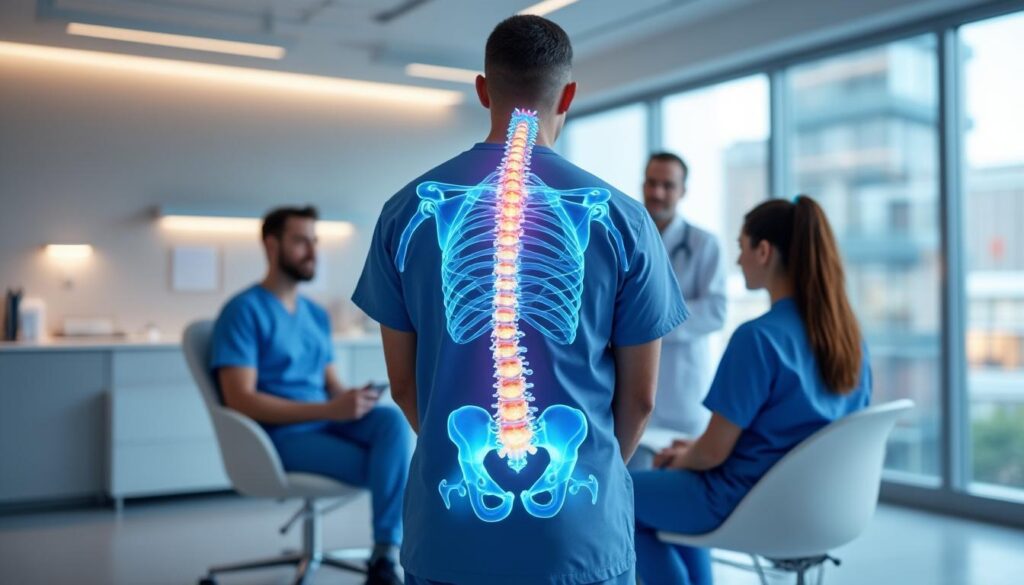
IntraSPINE® in Sherbrooke: Maintain Lumbar Function
In the modern management of lumbar spine conditions, patients in Sherbrooke and across Quebec are increasingly presented with innovative solutions that prioritize maintaining natural spinal function while alleviating debilitating pain. Among these advancements, the IntraSPINE device has emerged as a…
The Importance of Conservative Treatment Before Considering Motion-Preserving Surgery
Emphasizing prudent clinical pathways, Dr. Desforges advocates for exhausting conservative therapies over a period of three to six months before evaluating surgical options such as the TOPS System. Conservative management may include:
- Physical therapy targeting spinal stabilization and flexibility.
- Pharmacologic interventions, such as anti-inflammatory medications.
- Epidural steroid injections or facet joint injections for pain control.
- Advanced non-surgical modalities including neurovertebral decompression available at the Clinique TAGMED.
Notably, neurovertebral decompression therapy at TAGMED offers a non-invasive avenue to reduce nerve root compression, potentially postponing or avoiding surgical intervention. When such treatments have not been optimized, Dr. Desforges advises pursuing them prior to contemplating surgery to ensure a clear indication for procedural intervention and to enhance surgical outcomes.
| Treatment Type | Goals | Duration Recommended |
|---|---|---|
| Physical Therapy | Improve spinal support and reduce pain | 3–6 months minimum |
| Medications | Manage inflammation and discomfort | As medically indicated |
| Epidural Injections | Temporary pain relief | Limited frequency for safety |
| Neurovertebral Decompression | Reduce nerve pressure non-invasively | Variable, monitored by specialists |
Minimally Invasive Surgery in Longueuil: Reduce Post-Surgery Pain
Minimally invasive surgery in Longueuil is transforming the patient experience by significantly reducing post-surgery pain and accelerating recovery times. With advances in surgical techniques such as laparoscopic and robotic-assisted procedures, patients can benefit from smaller incisions, less tissue damage, and…
The Patient Journey: From Evaluation in Quebec to Surgery in France
Navigating transatlantic treatment pathways requires meticulous coordination and a patient-centered approach. Dr. Desforges plays a critical role in orchestrating this journey for patients seeking enhanced spine care options between Canada and France. The pathway typically unfolds in the following phases:
- Initial Consultation and Evaluation: Comprehensive assessment in Quebec with expert evaluation of spinal pathology and prior treatment adequacy.
- Pre-surgical Optimization: Completion or initiation of conservative treatments including neurovertebral decompression at the Clinique TAGMED.
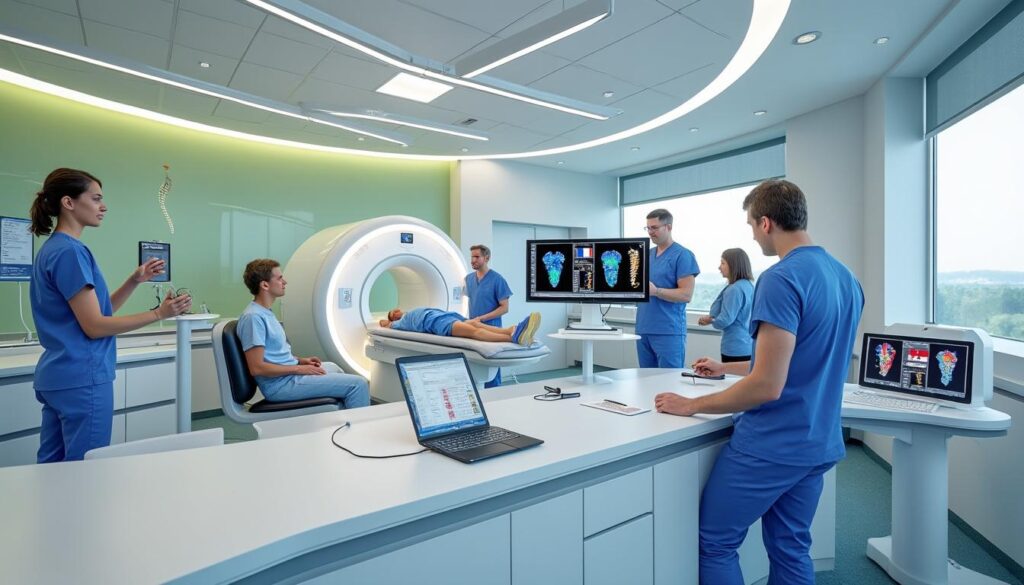
- International Coordination: Liaison with surgical teams in France, leveraging partnerships with clinics and platforms like SOS Tourisme Médical to optimize scheduling and individualized care plans.
- Surgical Intervention: Surgery performed in France using advanced motion-preserving technology such as the TOPS System.
- Postoperative Rehabilitation and Follow-up: Structured recovery phase involving multidisciplinary support and preparation for safe return to Canada.
- Ongoing Monitoring in Quebec: Continued follow-up with local healthcare providers and Dr. Desforges to ensure successful integration of surgical outcomes in daily life.
This integrated approach maximizes access to innovative surgical options, reduces wait times compared to Canadian systems, and ensures personalized patient care across borders.
| Phase | Description | Patient Benefit |
|---|---|---|
| Evaluation | Expert assessment and imaging review | Accurate diagnosis and treatment planning |
| Conservative Treatment | Non-surgical therapy at TAGMED clinic | Potential avoidance or delay of surgery |
| Transatlantic Coordination | Scheduling and logistics between Canada and France | Shorter wait times and personalized care |
| Surgery | Minimally invasive TOPS procedure in France | Access to advanced biomechanics-preserving technology |
| Rehabilitation | Postoperative care in both countries | Enhanced recovery and functional restoration |
Neck Surgery in Montreal: Maintain Natural Cervical Flexibility
Neck surgery remains a crucial consideration for patients suffering from severe cervical spine disorders where conservative treatments have failed. In Montreal, access to specialized care offers patients the opportunity to explore advanced surgical solutions designed to maintain natural cervical flexibility—an…
Economic and Humanitarian Benefits of Transatlantic Spine Surgery Programs
Beyond clinical advantages, the transatlantic approach offers compelling economic and humanistic rationale. Patients in Quebec often face prolonged waiting times for spinal surgery and substantial out-of-pocket expenses for private care. Coordinated access to proven motion-preserving implants like TOPS in France can alleviate these burdens dramatically.
Key economic advantages include:
- Reduced Wait Times: Accelerated access to surgery expedites pain relief and functional improvement.
- Cost Savings: Accessing specialized care abroad can be more affordable versus private Canadian surgical services.
- Comprehensive Care Packages: Programs often include pre- and postoperative care, accommodations, and rehabilitation support.
Humanitarian aspects emphasize:
- Patient-Centric Care: Emphasis on personalized treatment planning and education for informed decision-making.
- Cultural Sensitivity: Seamless bilingual communication and respect for patient values.
- Emotional Support: Multidisciplinary teams provide reassurance and continuous support before, during, and after surgery.
Such benefits align perfectly with Dr. Desforges’ ethos of compassionate, evidence-based spinal care and highlight the value of international collaboration.
Disc Prosthesis in Lévis: Fast and Lasting Results
In the realm of spinal care, patients battling chronic back pain and degenerative disc diseases continuously seek solutions that offer not just symptom relief but also the restoration of natural spinal function. Disc prosthesis, or artificial spinal disc replacement, has…
Technology Leaders and Innovations Compared: Spotlight on TOPS and Industry Giants
The spine surgery landscape is continually evolving as manufacturers such as Medtronic, NuVasive, Stryker, Globus Medical, and Alphatec Spine compete in developing next-generation implants. The TOPS System, developed by Premia Spine, occupies a unique niche offering dynamic, multiaxial motion preservation, setting it apart from static fusion devices.
Compared to traditional systems from DePuy Synthes or Aesculap, TOPS provides:
- Dynamic Facet Joint Arthroplasty: Mimics natural joint mechanics rather than rigid fixation.
- Reduced Risk of Device Failure: Less stress per pedicle screw reduces risk of screw loosening or breakage.
- Enhanced Biomechanical Compatibility: Facilitates normal spinal loading patterns, preserving disc health and movement.
These features contribute to favorable long-term patient outcomes and reduced revision surgeries, reinforcing the system’s growing acceptance globally.
| Company | Technology Type | Motion Preservation | FDA Approved |
|---|---|---|---|
| Premia Spine (TOPS) | Dynamic Posterior Arthroplasty | Yes | Yes (approved in 2023) |
| Medtronic | Spinal Fusion Systems | No | Yes |
| NuVasive | Minimally Invasive Fusion | No | Yes |
| Stryker | Fusion and Stabilization Rod Systems | No | Yes |
| Globus Medical | Dynamic Stabilization | Partial | Yes |
With growing evidence supporting dynamic systems like TOPS, patients and clinicians have new avenues to improve quality of life – without compromising spinal biomechanics.
Motion Surgery in Terrebonne: Reduce Postoperative Complications
In the evolving landscape of spine care, Motion Surgery in Terrebonne represents a groundbreaking approach that offers patients a significant advantage in reducing postoperative complications while preserving spinal mobility. Traditional spinal surgeries have long been associated with challenges, including stiffness,…
Engaging Patients: Encouraging Active Participation and Informed Decisions in Spine Care
Dr. Desforges prioritizes a humanistic and pedagogical approach to spinal care, ensuring patients understand complex surgical concepts without unnecessary medical jargon. Encouraging questions and an active dialogue fosters trust and empowers patients to make informed choices aligned with their preferences and lifestyles.
Patients are guided through each stage – from conservative treatments to advanced options like the TOPS System – with emphasis on personalized care pathways. The ultimate goal is to enhance quality of life by restoring pain-free mobility and function in harmony with each patient’s unique condition.
- Encourage thorough discussion of all treatment options, including risks and benefits.
- Promote understanding of the biomechanics of spinal conditions and interventions.
- Emphasize the value of completing conservative therapies before surgery.
- Support emotional readiness and reassurance through multidisciplinary support teams.
Recognizing each patient’s story as unique, Dr. Desforges offers compassionate guidance refined by decades of experience and a commitment to innovation.
Contact and Initiate Your Personalized Spine Health Evaluation Today
If you or a loved one are considering options for spinal care, especially when facing limitations in availability or cost within the Quebec healthcare system, exploring advanced motion-preserving procedures abroad can be life-changing. Dr. Sylvain Desforges and his collaborative teams ensure patients receive scientifically grounded assessments, ethical guidance, and coordinated access to treatments like the TOPS System.
Act now to schedule a comprehensive evaluation and take the first step toward restoring your spinal health with confidence and clarity.
Contact us to discuss your case or learn more about personalized care pathways designed for patients in Quebec seeking international spine surgery options.
What conditions qualify a patient for the TOPS System?
Patients with moderate to severe lumbar spinal stenosis, grade I spondylolisthesis, or facet arthropathy who have not responded to at least 3-6 months of conservative treatments may be candidates. Comprehensive imaging and clinical evaluation determine suitability.
How does TOPS differ from traditional spinal fusion?
Unlike fusion which immobilizes spinal segments, TOPS preserves natural multi-directional movement while stabilizing the spine, reducing adjacent segment stress and maintaining biomechanical integrity.
Is the TOPS surgery performed in Canada?
Currently, the TOPS System is primarily available through international surgical programs in France, coordinated by experts like Dr. Desforges for patients from Quebec to access advanced care beyond the Canadian system.
What should be done before considering surgery?
Patients should exhaust 3-6 months of conservative therapies, including physical therapy and neurovertebral decompression, to optimize spine health and clarify surgical indications, as recommended by Dr. Desforges.
What are the expected recovery timelines after TOPS surgery?
Most patients mobilize within a day post-surgery, with hospital stays around 2-3 days. Return to light activities occurs by 4-6 weeks, with full recovery typically within 3-6 months, depending on individual circumstances.