Neck Surgery in Terrebonne: Preserve Cervical Flexibility
October 25, 2025
TOPS™: Preserve the Spine’s Natural Biomechanics
October 25, 2025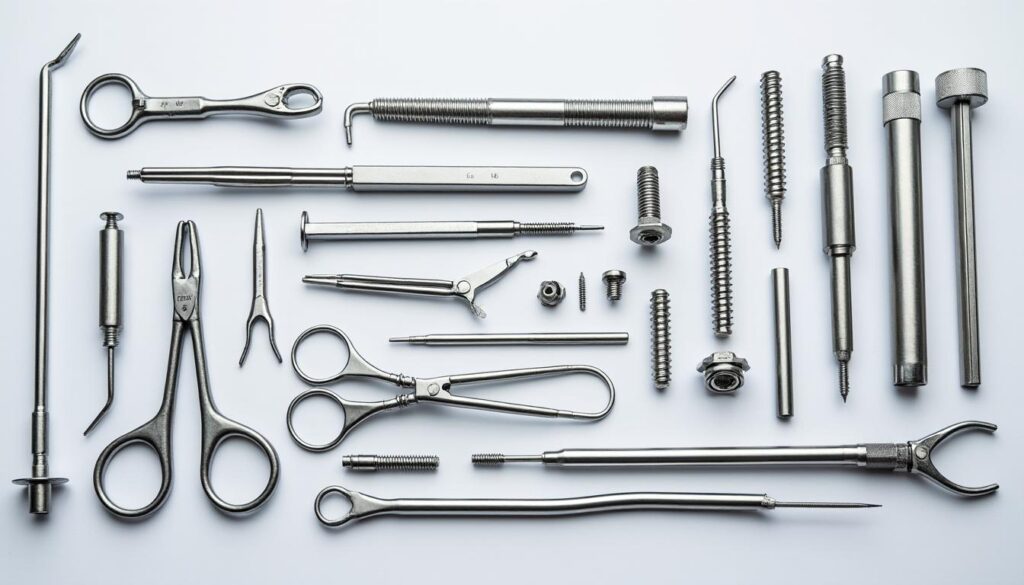
In recent years, the landscape of spinal care has witnessed remarkable advancements, with innovative procedures gaining recognition for their efficacy and patient-friendly attributes. Among these, the IntraSPINE device has emerged as a groundbreaking solution tailored to address degenerative lumbar conditions with a focus on motion preservation and minimally invasive techniques. This procedure, available in Lévis, Canada, reflects an international spur in implementing dynamic stabilization technologies that align with modern medical standards and patient expectations.
Faced with increasing demand from Quebec patients for alternatives that optimize recovery without sacrificing spinal mobility, the IntraSPINE intervention stands out for its unique biomechanical approach. Developed and manufactured by the French company Cousin Surgery, an international leader in spinal implants, this device invites a new era of spine surgery by blending innovation, patient safety, and evidence-based practice under expert guidance. Understanding the procedure’s distinct advantages, surgical principles, patient pathways, and integration into international care networks is essential for informed decision-making.
This article offers a detailed examination of the IntraSPINE procedure’s role within the broader context of dynamic spinal implants, elucidating its biological rationale, surgical nuances, and the transatlantic cooperation that enhances accessibility and quality of care for Canadian patients. Through a comprehensive and empathetic lens, we also explore how preoperative conservative therapies, including neurovertebral decompression offered at facilities like Clinique TAGMED, serve as critical precursors before considering surgical treatment. With over three decades of expertise in spinal evaluation and patient advocacy, Dr. Sylvain Desforges’s insights provide an authoritative foundation for those seeking informed choices in contemporary spine care.
Exploring the Biomechanical Advantages of the IntraSPINE Dynamic Stabilization System
The IntraSPINE device represents a paradigm shift in spinal surgery by offering a dynamic stabilization method that respects and preserves the natural mobility of lumbar segments. Unlike traditional fusion techniques, which rigidly immobilize vertebral segments and often propagate adjacent segment degeneration, IntraSPINE positions itself strategically within the interlaminar space, closer to the instantaneous axis of rotation (IAR). This placement facilitates physiological ‘rocking’ during flexion and extension movements, thus maintaining spinal balance while decompressing affected areas.
Manufactured by Cousin Surgery, the implant consists of biocompatible medical dimethyl siloxane covered in polyethylene terephthalate, with the frontal extremity coated in silicone to minimize adhesions near the yellow ligament. The device is available in heights that adapt to patient-specific anatomy and incorporates an artificial ligament for segmental stability.
Key biomechanical benefits of IntraSPINE include:
- Full motion preservation: Maintaining the spine’s natural range of motion reduces long-term joint stress and mitigates the progression of adjacent segment disease, a common complication in fusion surgeries.
- Minimal invasiveness: The implantation requires only a 4mm skin incision, and surgical access can be achieved via monolateral or bilateral approaches, reducing tissue trauma and accelerating recovery.
- Optimal positioning: The surgical technique utilizes distraction for precise placement, promoting optimal decompression and restoring lordosis more effectively than posteriorly positioned devices.
- Enhanced patient comfort: Preserving natural spinal mechanics translates into less postoperative stiffness and pain, fostering faster functional recovery.
Clinical biomechanical studies, such as those presented at the German Spine Congress (2009) and published in the Open Access Journal of Science and Technology (2015), provide robust evidence supporting these mechanical and clinical benefits, positioning IntraSPINE as an advantageous alternative to traditional treatments. Its use in patients with degenerative disc disease causing neurogenic intermittent claudication highlights its targeted efficacy.
| Feature | Traditional Fusion | IntraSPINE |
|---|---|---|
| Motion Preservation | None (rigid immobilization) | Full range of motion maintained |
| Invasiveness | Large incisions, muscle dissection | 4mm minimal incision |
| Decompression | Extensive bone removal | Targeted interlaminar decompression |
| Recovery Time | Extended, months | Accelerated, weeks |
| Postoperative Pain | Moderate to severe | Reduced due to preservation |
IntraSPINE® in Sherbrooke: Durable Solution for Chronic Low Back Pain
The management of chronic low back pain, a widespread condition affecting millions across Quebec and beyond, has reached a pivotal moment thanks to innovative medical technologies and coordinated care pathways. At the heart of this evolution lies the IntraSPINE implant,…
Navigating Surgical Options in France: From Simple Procedures to Motion-Preserving Technologies
France has become a hub for advanced spinal surgical procedures, characterized by a comprehensive spectrum ranging from simple decompression to complex fusion and motion-preserving fusion alternatives. For patients from Quebec and Canada, this diversity offers tailored solutions aligned with their clinical profile and personal preferences.
Surgical options include:
- Simple decompression surgeries: Procedures aiming to alleviate nerve compression through minimal bone and ligament removal without instrumentation.
- Traditional spinal fusion: Immobilizing affected vertebral segments to eliminate painful motion, often used in cases of instability but associated with adjacent segment degeneration risks.
- Dynamic stabilization and motion-preserving implants: Systems such as IntraSPINE, TOPS, and ESP preserve physiological movement while providing necessary support against instability and pain.
Dynamic implants represent an innovation critical to changing the paradigm of spinal surgery. For example, the TOPS system, developed in collaboration with industry leaders like Medtronic and Zimmer Biomet, facilitates multi-directional movement including flexion, extension, lateral bending, and axial rotation, mimicking natural spinal mechanics. Meanwhile, the ESP implant offers moderate flexibility, serving patients with mild segmental instability to maintain degeneration prevention.
The choice of intervention depends on:
- Patient-specific spinal pathology and instability degree.
- The presence and severity of conditions such as spondylolisthesis or degenerative disc disease.
- Consideration of the patient’s preferences regarding motion preservation versus fusion.
- Surgeon’s expertise and comfort with implant technology.
- Access to robotics and advanced imaging support during surgery.
| Procedure Type | Typical Indications | Biomechanical Outcome | Recovery Profile |
|---|---|---|---|
| Simple decompression | Lumbar stenosis, nerve root compression | Relieves compression, no stabilization | Short to moderate duration |
| Spinal fusion | Instability, severe degeneration | Rigid immobilization | Extended recovery, stiffness risk |
| Dynamic stabilization (IntraSPINE, TOPS, ESP) | Moderate instability, degenerative discs | Preserves motion, stabilizes segment | Accelerated and improved quality |
Patients benefit from France’s centralized expertise in these procedures, supported by advanced technology such as the Mazor robotic system that assists surgeons in precisely placing implants. This, coupled with coordinated logistics from organizations like Franchir, offers Quebec patients a seamless transatlantic treatment experience.
Spine Surgery in Trois-Rivières: Reduce Pain and Preserve Mobility
In recent years, spine surgery in Trois-Rivières has evolved notably, combining advanced medical expertise with innovative technologies to deliver patient-centered care. This growing field addresses the increasing demand among Quebec residents seeking effective solutions for chronic back pain and mobility…
Understanding the Essential Role of Preoperative Conservative Treatments before Considering Surgery
Before surgical options like IntraSPINE implantation are contemplated, it is imperative that patients undergo an initial period of conservative therapy, typically lasting between three to six months. This practice aligns with clinical guidelines aiming to maximize the chance of symptom resolution without surgery, reducing unnecessary operations and optimizing patient outcomes.
Conservative treatment modalities include:
- Neurovertebral decompression therapy: Offered notably at the Clinique TAGMED, this therapy employs advanced high-tech devices to relieve spinal nerve pressure progressively.
- Physical therapy: Targeted exercises and manual techniques to improve flexibility, strengthen paraspinal muscles, and enhance spinal alignment.
- Medications: Use of anti-inflammatories, analgesics, and muscle relaxants as adjunctive measures.
- Patient education: Guidance on activity modification and ergonomics to protect the spine during daily tasks.
When conservative treatment fails to achieve sufficient symptom control, surgical evaluation becomes warranted. However, the innovative protocols applied at centres like TAGMED ensure that patients have had optimized, evidence-based care before progressing to surgery, thus respecting principles of caution and patient safety.
| Conservative Treatment | Key Elements | Impact on Surgical Candidacy |
|---|---|---|
| Neurovertebral decompression | Advanced, technology-intensive | May reduce surgical necessity |
| Physical therapy | Strengthening, mobility | Improves function, delays surgery |
| Medication | Symptom control | Adjunct, short-term relief |
| Education | Spinal care knowledge | Supports adherence, recovery |
Dr. Sylvain Desforges, with over 30 years of experience and a profound commitment to evidence-based and ethical care, emphasizes the value of this methodical approach in his evaluations. This strategy provides patients clarity and reassurance, ensuring that surgery is reserved for cases truly requiring intervention.
Cervical Disc Prosthesis in Quebec City: Avoid Post-Surgery Stiffness
Chronic neck pain remains a significant challenge for thousands of residents in Quebec City every year, often leading them to seek effective spinal surgery options that minimize downtime and maximize long-term mobility. Among the recent advancements revolutionizing cervical spine care,…
How Transatlantic Coordination Enhances the Patient Journey for Quebecers Considering IntraSPINE Surgery
Facilitating cross-border healthcare options from Quebec to France requires comprehensive coordination and personalized support to ensure patient safety, continuity, and satisfaction. Dr. Desforges plays a vital role in this integrated care system, performing thorough evaluations and liaising with surgical teams abroad.
The transatlantic pathway involves:
- Initial assessment and treatment in Quebec: Comprehensive clinical and imaging review, conservative therapy, and candidacy determination, typically conducted at centers like Clinique TAGMED.
- Logistics and travel coordination: Managed by partners such as SOS Tourisme Médical and Franchir, these teams handle appointments, insurance formalities, accommodations, and transportation to ensure a stress-free experience.
- Surgical intervention in expert French centers: Utilization of cutting-edge technologies including robotic assistance by Medtronic’s Mazor system and dynamic implants like IntraSPINE.
- Post-operative rehabilitation: Coordinated follow-up involving physiotherapy, psychological support, and progress monitoring facilitated by Neurothérapie Montréal to optimize recovery.
This approach not only shortens surgical wait times compared to local Canadian settings but also guarantees access to techniques sometimes unavailable domestically, such as the advanced dynamic stabilization provided by IntraSPINE.
| Stage | Location / Provider | Purpose | Patient Benefit |
|---|---|---|---|
| Evaluation & Conservative Care | Clinique TAGMED, Quebec | Confirm candidacy, optimize condition | Informed decision-making, treatment persistence |
| Medical Logistics | SOS Tourisme Médical, Franchir | Organize travel, appointments | Seamless international experience |
| Surgery | French expert centers | Implant placement with advanced technology | High precision and safety |
| Rehabilitation | Neurothérapie Montréal | Post-op recovery, monitoring | Enhanced outcomes and quality of life |
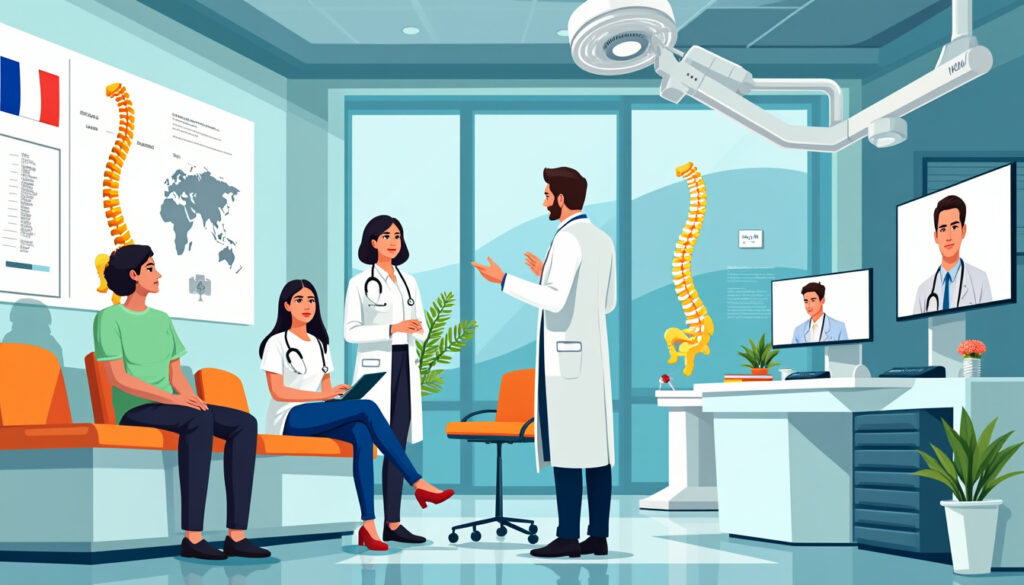
Minimally Invasive Surgery in Longueuil: Reduce Hospital Stay Duration
In recent years, advances in spinal care have dramatically reshaped the treatment landscape for patients suffering from debilitating spinal conditions. Particularly in Longueuil, the emergence of minimally invasive surgery (MIS) techniques offers a transformative alternative to conventional open surgeries. These…
Key Differences Between IntraSPINE and Other Dynamic Implants: TOPS and ESP
Within the spectrum of innovative spinal implants available on the French market, IntraSPINE, TOPS, and ESP present patients with options tailored to various pathologies and clinical needs. Understanding these devices’ unique biomechanical features and indications fosters informed choices.
Comparative Overview:
| Characteristic | IntraSPINE | TOPS | ESP |
|---|---|---|---|
| Stabilization Type | Dynamic interlaminar with artificial ligament | Multi-directional dynamic with articulations | Dynamic with elastic segmental stabilization |
| Indications | Disc degeneration, lumbar stenosis, moderate instability | Spondylolisthesis, lumbar stenosis, degenerative disc disease | Mild segmental instability, pain prevention |
| Surgical Invasiveness | Minimal (≈4mm incision) | Moderate open approach | Minimal to moderate |
| Motion Preservation | High (close to physiological) | Very high (multi-directional) | Moderate (elastic support) |
| Recovery Time | Accelerated (weeks) | Moderate (months) | Moderate |
While TOPS, supported by manufacturers like Medtronic and Zimmer Biomet, excels in mimicking complex spinal kinetics, IntraSPINE offers a targeted, minimally invasive alternative for patients requiring segmental decompression with motion preservation. ESP complements the armamentarium in cases of milder instability.
More detailed insights about these implants and their role in evolving surgical decision-making can be found in expert summaries such as this comprehensive review tailored for Quebec patients.
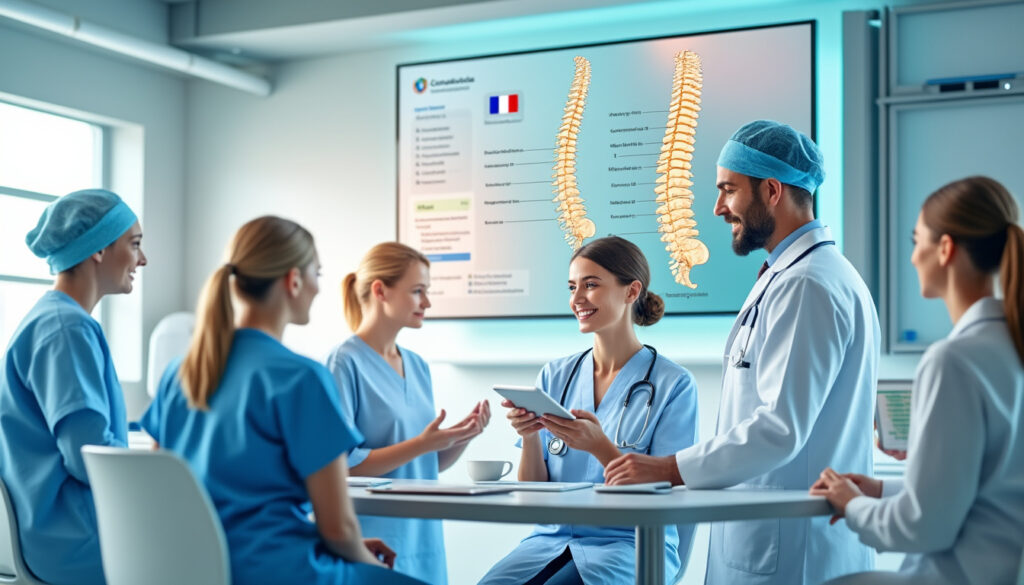
IntraSPINE® in Laval: Modern Solution for Lumbar Stabilization
In the evolving landscape of orthopedic treatments, the city of Laval has become a hub for innovations addressing chronic lower back pain. Among the groundbreaking solutions gaining attention is the IntraSPINE device—a modern spinal implant designed to offer dynamic lumbar…
The Role of Rigorous Scientific Evaluation and Ethical Practice in Implant Selection
Expert implant selection is underpinned by stringent scientific validation and ethical clinical application. The dynamic implant market benefits from certifications like CE marking and FDA approvals and is supported by extensive clinical trials that confirm safety and efficacy. Manufacturers such as NuVasive, Stryker, and Globus Medical prioritize biomechanical excellence and regulatory compliance.
Key selection criteria for surgeons and clinical teams include:
- Patient anatomical and pathological suitability: Customization based on MRI and CT findings ensures tailored implant fit.
- Functional goals prioritization: Desire for motion preservation versus complete stabilization influences device choice.
- Surgeon training: Familiarity and proficiency improve surgical precision and outcomes.
- Technological compatibility: Integration with robotic assistance, such as Medtronic’s Mazor robot, maximizes placement accuracy.
- Postoperative management capacity: Availability of multidisciplinary support for rehabilitation and monitoring.
| Evaluation Aspect | Impact on Implant Choice |
|---|---|
| Anatomy & Pathology | Determines size, type and positioning |
| Functional needs | Guides motion preservation necessity |
| Surgeon expertise | Influences surgical approach efficiency |
| Technological access | Optimizes implant delivery using robotics |
| Post-op infrastructure | Supports recovery and complication prevention |
Dr. Sylvain Desforges’s extensive experience with spinal pathology evaluation and his commitment to evidence-based practice ensure that each patient’s pathway is underpinned by these rigorous standards, maximizing benefit and maintaining safety in accordance with Quebec and Canadian medical regulations.
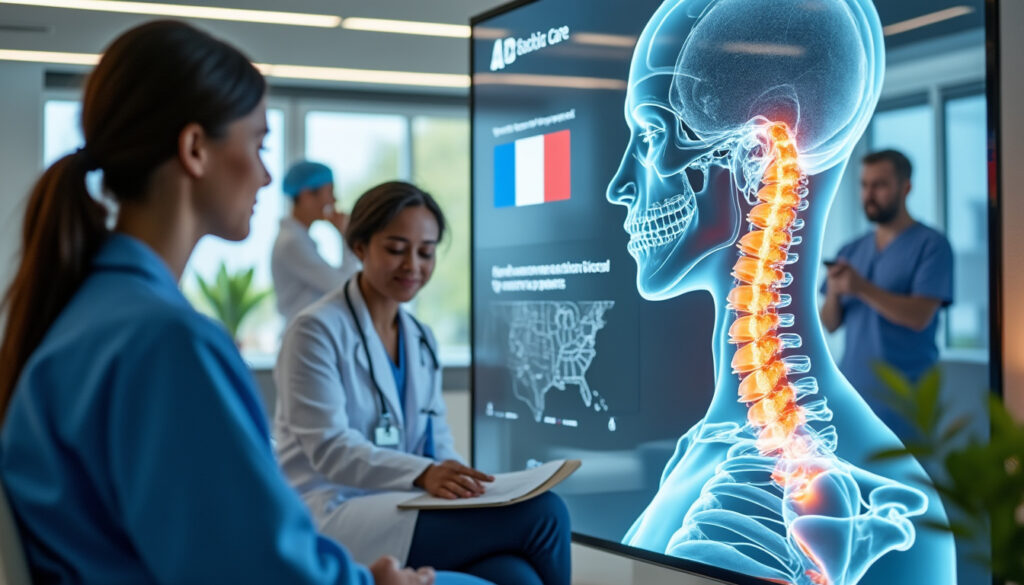
Neck Surgery in Montreal: Maintain Cervical Flexibility and Function
Neck conditions causing persistent pain or functional loss place a substantial burden on individuals and healthcare systems, especially in urban centers like Montreal. Surgical interventions targeting the cervical spine have evolved tremendously, aiming not only to relieve symptoms but to…
Patient-Centered Approach: Emphasizing Clarity, Compassion, and Personalized Guidance
Navigating spinal care choices requires clear, jargon-free communication to empower patients for informed decisions. Dr. Desforges prioritizes educational dialogue tailored to patients’ understanding levels, explaining the indications, expected outcomes, risks, and limitations associated with dynamic stabilization procedures such as IntraSPINE.
Fundamental to this approach are:
- Personalized assessments: Recognizing each patient’s unique clinical context drives individualized recommendations.
- Transparent discussions: Simple explanations of surgical techniques and conservative options build trust.
- Emotional support: Addressing anxieties and fears with a reassuring and empathetic tone.
- Encouragement of patient inquiries: Inviting questions to clarify doubts and reduce uncertainty.
- Postoperative follow-up clarity: Outlining rehabilitation steps and ongoing monitoring to foster confidence.
This communicative model aids patients in weighing their options realistically, fostering motivation and adherence to pre- and postoperative plans, ultimately improving long-term results while respecting individual values and preferences.
Those interested in starting an in-depth evaluation or seeking personalized recommendations are encouraged to contact specialized teams via this liaison platform.
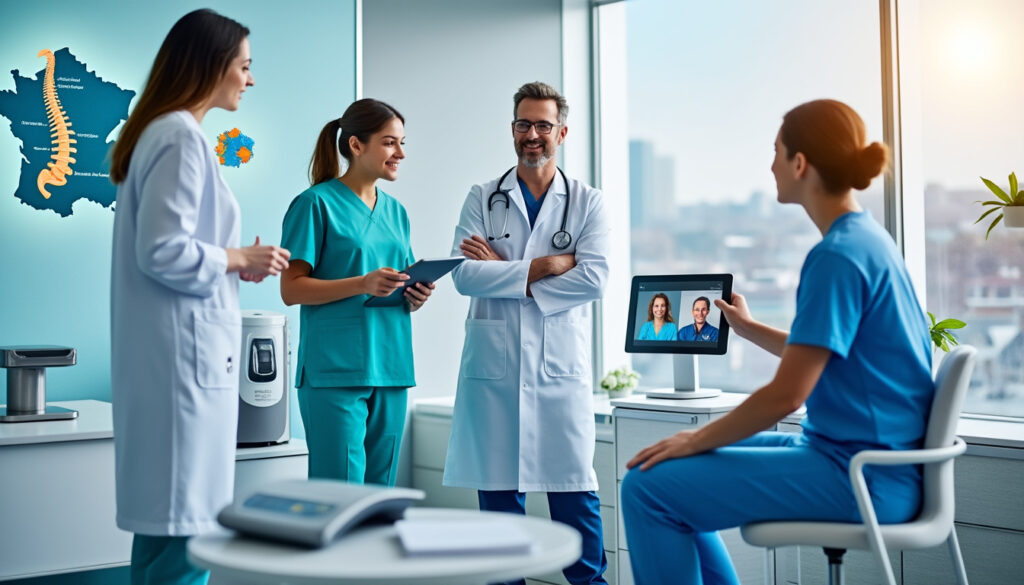
Disc Prosthesis in Lévis: Quick and Long-Lasting Results
Chronic back pain caused by degenerative disc disease continues to profoundly impact the quality of life for many residents in Lévis and the broader Quebec area. For decades, traditional spinal fusion surgery has been the primary solution for alleviating severe…
Technological Partnerships and Innovation Driving the Future of Spinal Care in Quebec and France
The collaboration between top-tier implant manufacturers, robotic technology developers, and expert clinical centers fosters a fertile environment for continuous innovation. Companies like Medtronic, Zimmer Biomet, NuVasive, and DePuy Synthes push the boundaries of what is achievable in spine surgery, delivering devices that balance durability, biocompatibility, and dynamic biomechanical function.
Key factors fueling this progress include:
- Cross-border knowledge exchange: French centers pioneer surgical insights adopted internationally.
- Robotic surgical assistance: Systems like Medtronic’s Mazor Robot facilitate safer and more precise implant placement.
- Rigorous research collaborations: Multicenter clinical trials shared through platforms like PMC substantiate clinical efficacy and safety.
- Patient-focused innovation: Design evolution is driven by feedback on post-op mobility and quality of life improvements.
- Educational and training initiatives: Surgeon proficiency ensures consistent standards and optimizes outcomes.
| Partner | Contribution | Benefit to Patient |
|---|---|---|
| Medtronic | Robotic-assisted surgery systems | Accuracy, fewer complications |
| Cousin Surgery | Innovative implant design and manufacturing | Advanced motion preservation |
| Zimmer Biomet | Dynamic implant system development | Biomechanical excellence |
| NuVasive | Minimally invasive spine technologies | Reduced recovery time |
This synergistic ecosystem is accessible to Quebec patients through networks coordinated by experienced clinicians like Dr. Sylvain Desforges, fostering a future where spinal care is increasingly effective, less invasive, and personalized.
What makes IntraSPINE different from traditional spinal fusion?
IntraSPINE preserves the natural motion of spinal segments through dynamic stabilization, whereas traditional fusion immobilizes vertebrae, often causing adjacent segment degeneration and stiffness.
Is surgery immediately necessary for lumbar degenerative disc disease?
No, guidelines recommend a minimum of 3 to 6 months of conservative therapy, including advanced decompression techniques, before considering surgery to ensure all non-surgical options have been explored.
How does the transatlantic patient journey work for Quebec residents seeking spinal surgery?
Patients are evaluated and treated conservatively in Quebec, coordinated internationally by agencies like SOS Tourisme Médical and Franchir, undergo surgery in France with expert teams, and return for rehabilitation overseen by Neurothérapie Montréal.
Are the implants like IntraSPINE certified and safe for use?
Yes, devices such as IntraSPINE, TOPS, and ESP carry CE marking and often FDA approval, meeting stringent safety and performance standards in Europe and internationally.
What advantages do minimally invasive implants offer patients?
Minimally invasive implants like IntraSPINE reduce tissue trauma, shorten recovery times, preserve spinal motion, and lower postoperative pain compared to traditional surgery.
Motion Surgery in Terrebonne: Maintain Intervertebral Mobility
Back pain remains a widespread concern for many in Quebec, with traditional treatment pathways often imposing lengthy waiting periods and financial constraints. Recently, Motion Surgery in Terrebonne has emerged as a transformative option, attracting patients seeking spinal solutions that prioritize…