Mascouche Chronic Sciatica Relief Without Medication
May 16, 2026
Châteauguay Cervical Disc Pain Resolved with TAGMED
May 16, 2026
In Quebec City, chronic neck pain and cervical spine disorders increasingly challenge both patients and healthcare providers. Traditional surgical methods often involve fusion techniques that, while effective at relieving pain, can sacrifice the neck’s natural mobility and lead to subsequent complications. Amid these concerns, cervical disc prosthesis emerges as an innovative and durable solution, designed to restore spinal function and enhance quality of life. Backed by cutting-edge biomechanical designs and supported by over 30 years of expertise from pioneers such as Dr. Sylvain Desforges, this medical device revolutionizes spinal surgery approaches in Quebec.
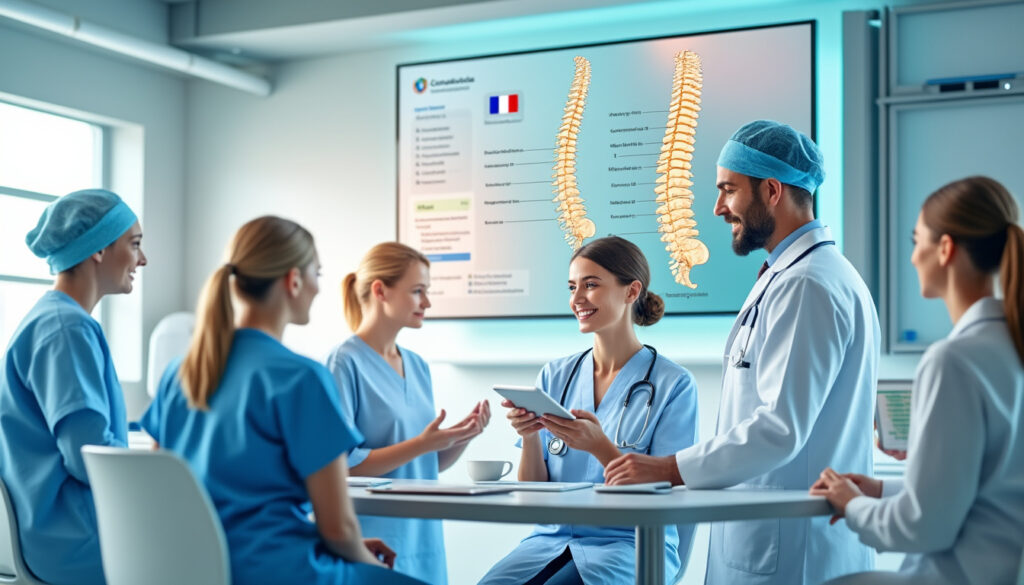
The landscape of spinal care is transforming through collaborations that span continents, integrating technology and care models from Canada and France. This transatlantic partnership allows patients access to advanced surgical implants and minimally invasive procedures unavailable or limited locally, thereby reducing wait times and optimizing outcomes. Such integration highlights not only the efficacy of cervical disc prostheses but also the importance of thorough patient assessment, evidence-based practice, and comprehensive postoperative rehabilitation—a holistic process championed by experts committed to patient-centered care and ethical innovation.
Advanced Cervical Disc Prosthesis Technologies: Maintaining Natural Spine Function in Quebec City
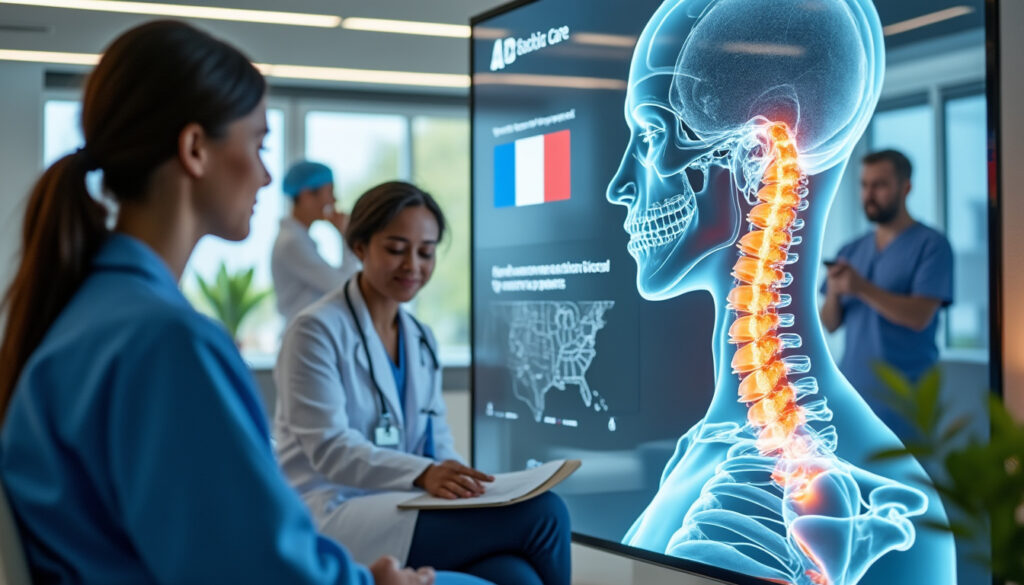
Cervical disc prosthesis represents a paradigm shift in treating degenerative cervical spine conditions, particularly for patients seeking alternatives to fusion surgery. These devices aim to replace diseased intervertebral discs while preserving natural segmental motion, a fundamental aspect of spine biomechanics crucial for everyday activities.
Modern cervical prostheses utilize biocompatible materials such as titanium and cobalt-chrome alloys combined with polyethylene components to balance durability and range of motion. The design spectrum ranges from constrained to unconstrained bearing types, each offering varied degrees of movement control to match an individual’s anatomical and pathological needs. For instance, ball-and-socket mechanisms replicate flexion, extension, and rotation, closely mimicking a healthy disc’s dynamics.
Patients at specialized centers like Clinique TAGMED benefit from personalized prosthesis selection guided by Dr. Desforges’ extensive experience. Careful preoperative planning ensures the implant suits the patient’s spinal anatomy, neurological status, and functional demands, minimizing risks such as implant migration or facet joint distraction. Incorporating these implants within a strategy focused on evidence and patient safety exemplifies the clinic’s dedication to providing durable and approved solutions for spinal surgery.
Some prominent prosthetic models gaining traction in Quebec include FlexiCerv, known for its enhanced fixation and load distribution, and DurabiDisc, lauded for long-term stability and performance. Such precision-engineered devices contribute to fewer postoperative complications and facilitate quicker recovery phases, distinguishing them from traditional fusion surgeries which sacrifice segmental movement.
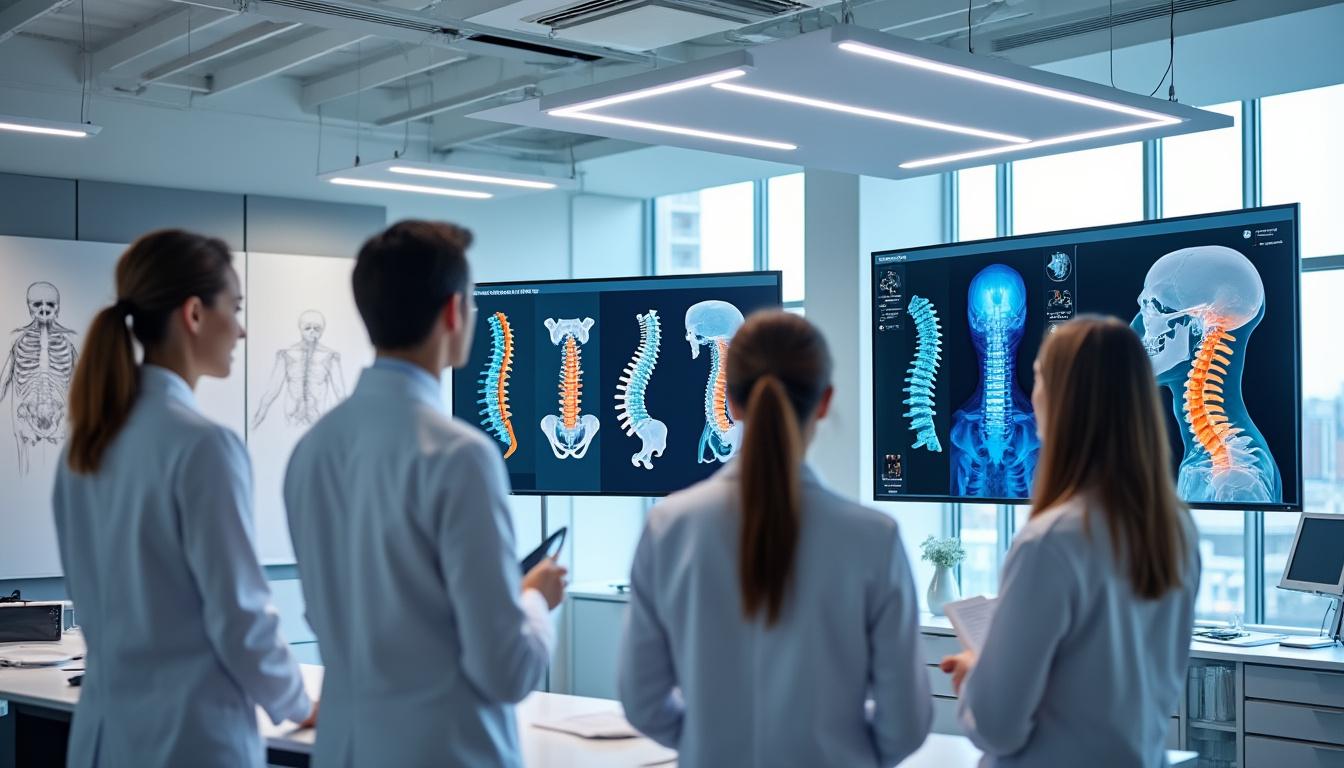
Key Technological Aspects of Cervical Disc Prostheses
| Aspect | Details | Clinical Significance |
|---|---|---|
| Material Composition | Titanium, Cobalt-Chrome, Polyethylene | Ensures biocompatibility, durability, MRI compatibility |
| Bearing Type | Constrained, Semi-Constrained, Unconstrained | Balances mobility preservation with spinal stability |
| Articulation Mechanism | Ball-and-Socket, Saddle-shaped | Facilitates complex multidirectional neck movements |
| Design Goals | Full endplate coverage, minimal implant height | Optimizes load distribution, prevents nerve compression |
For a more comprehensive understanding of these technologies, visit resources such as detailed cervical disc prosthesis information, which illustrate ongoing advancements and successful clinical outcomes in Quebec.

IntraSPINE® in Sherbrooke: Durable Solution for Chronic Low Back Pain
The management of chronic low back pain, a widespread condition affecting millions across Quebec and beyond, has reached a pivotal moment thanks to innovative medical technologies and coordinated care pathways. At the heart of this evolution lies the IntraSPINE implant,…
Spine Surgery in Trois-Rivières: Reduce Pain and Preserve Mobility
In recent years, spine surgery in Trois-Rivières has evolved notably, combining advanced medical expertise with innovative technologies to deliver patient-centered care. This growing field addresses the increasing demand among Quebec residents seeking effective solutions for chronic back pain and mobility…
Exploring Cervical Spine Surgical Options in Quebec and France: Fusion, Simple Replacement, and Motion Preservation
Patients contemplating spinal surgery in Quebec face various choices ranging from traditional fusion surgery to motion-preserving alternatives such as cervical disc prosthesis. Understanding these options is crucial for informed decision-making, especially when considering the mechanical and functional implications.
Fusion surgery stabilizes the vertebrae by eliminating movement at the diseased segment. While effective at relieving nerve compression and pain, this approach results in permanent loss of mobility at the operated level, often imposing increased stress on neighbouring discs and accelerating their degeneration postoperatively.
Conversely, simple disc replacement surgically removes the damaged disc and inserts an artificial implant designed to restore and preserve physiological motion. This is favorable for patients with localized disc pathology without major instability.
At the forefront are motion-preserving techniques like cervical arthroplasty and dynamic stabilization devices (e.g., TOPS, IntraSPINE). These approaches aim to maintain the spine’s natural kinematics and reduce postoperative complications, including adjacent segment disease. Particularly, French medical centers excel in providing these advanced modalities, which Quebec patients access through transatlantic collaboration organized and evaluated by experts like Dr. Desforges.
| Surgical Technique | Primary Objective | Advantages | Limitations |
|---|---|---|---|
| Simple Cervical Disc Replacement | Restore motion, relieve nerve compression | Preserves segmental flexibility, faster recovery | Not ideal for severe instability or multi-level disease |
| Fusion Surgery | Provide spinal stability and pain relief | Effective for severe or multi-level pathology | Permanent loss of motion, risk of adjacent segment degeneration |
| Motion-Preserving Techniques | Maintain natural spine mechanics | Reduced long-term degeneration, improves quality of life | Requires careful patient selection and expertise |
Understanding these options empowers patients to weigh anticipated outcomes, procedural risks, and recovery durations. For those considering advanced interventions, preserving cervical flexibility during surgery is a consistently emphasized benefit.

TOPS™ in Gatineau: High-Performance Option for the Lumbar Spine
The landscape of spinal surgery has witnessed profound evolution, particularly for patients grappling with lumbar spine disorders such as spinal stenosis and spondylolisthesis. These conditions, increasingly prevalent among Quebec’s population, impose substantial limitations on mobility and quality of life. The…
Cervical Disc Prosthesis in Quebec City: Avoid Post-Surgery Stiffness
Chronic neck pain remains a significant challenge for thousands of residents in Quebec City every year, often leading them to seek effective spinal surgery options that minimize downtime and maximize long-term mobility. Among the recent advancements revolutionizing cervical spine care,…
Comprehensive Patient Pathway: From Evaluation to Transatlantic Cervical Surgery Coordination
The journey to a cervical disc prosthesis is defined by meticulous evaluation, evidence-guided decision-making, and integrated care coordination that ensures patient safety and optimal function throughout.
Dr. Sylvain Desforges brings forward his unique expertise in spinal assessment, founded on over three decades of clinical and osteopathic practice, as well as leadership roles within Canadian spinal care organizations. Under his guidance, the patient pathway unfolds with several critical stages:
- Initial Clinical Evaluation: Detailed medical history, symptom mapping, and physical examination.
- Advanced Imaging: Incorporating MRI, CT scans, and dynamic X-rays to identify the precise spinal pathology and rule out contraindications.
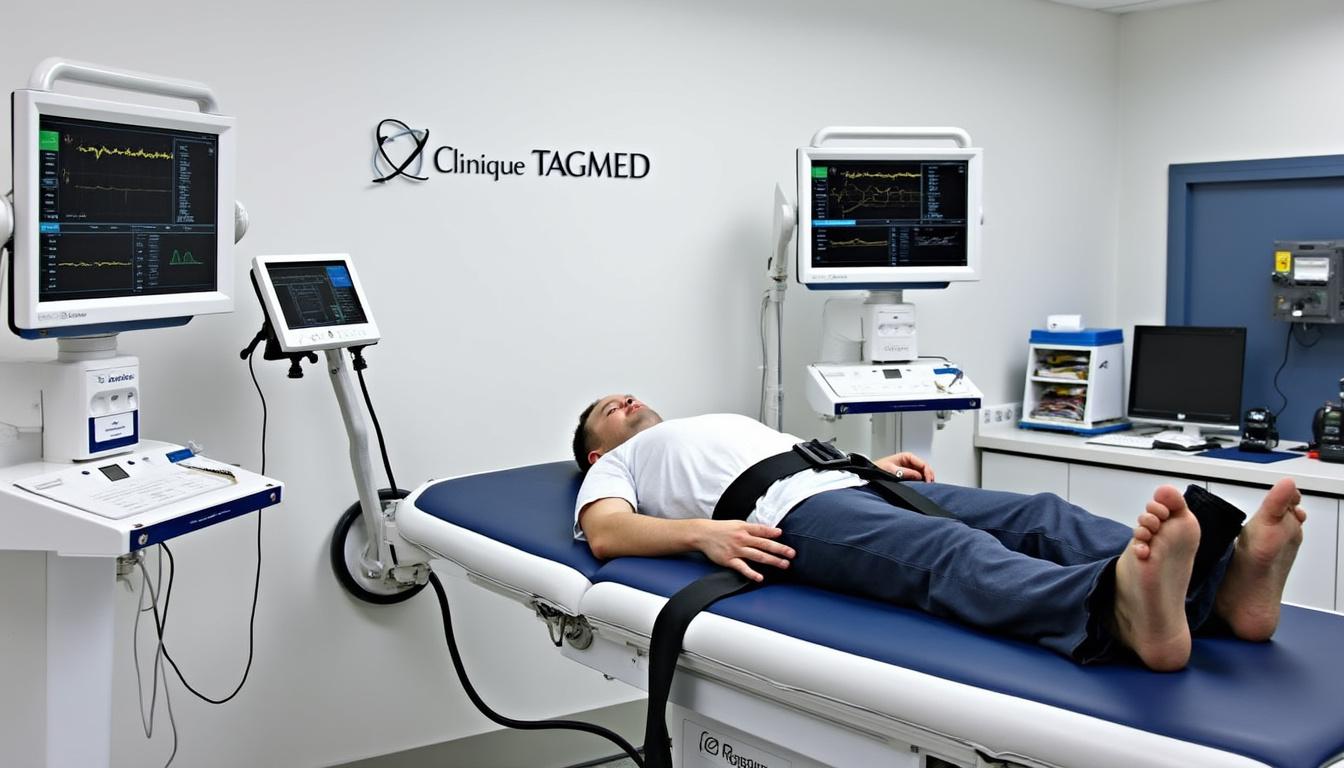
- Conservative Treatment Review: Confirming that patients have undergone 3 to 6 months of non-surgical therapies including neurovertebral decompression offered at Clinique TAGMED.
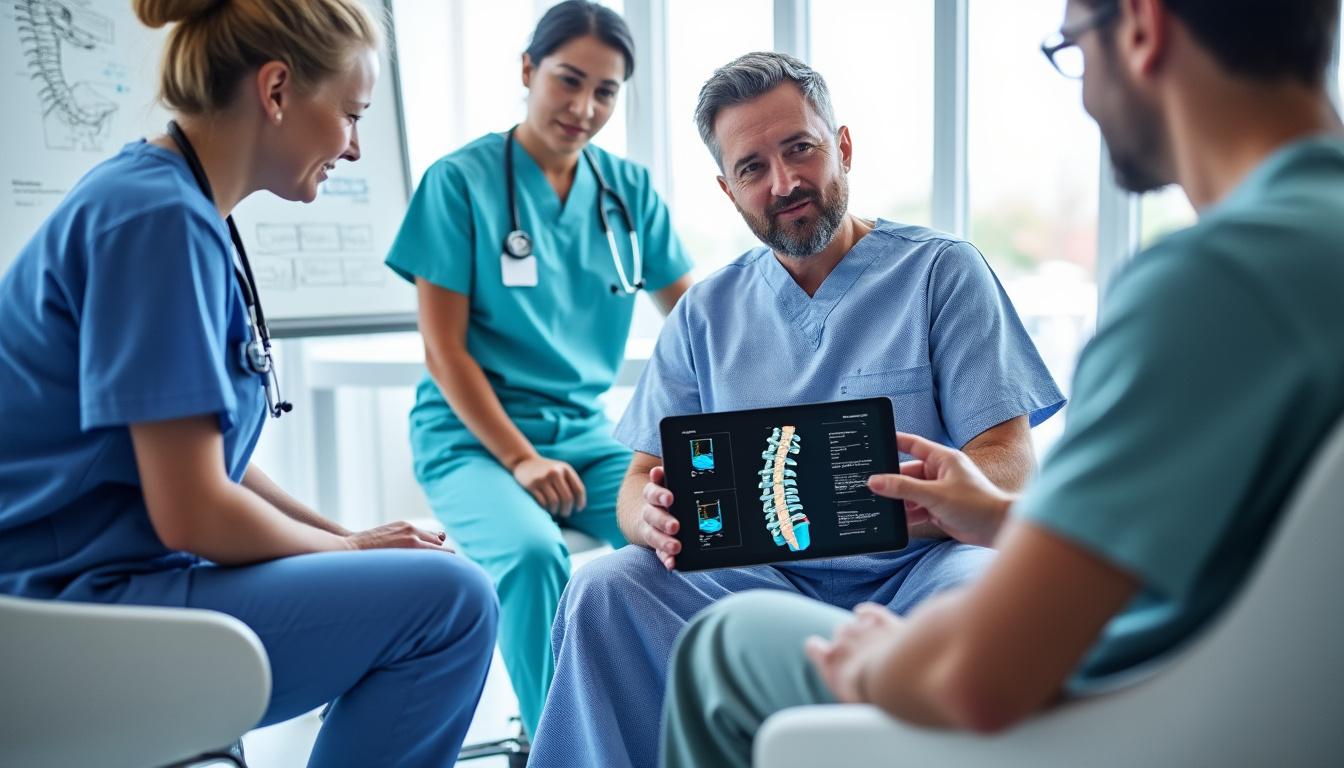
- Multidisciplinary Consultation: Collaborative discussions to tailor surgical plans and educate the patient on procedure specifics and expectations.
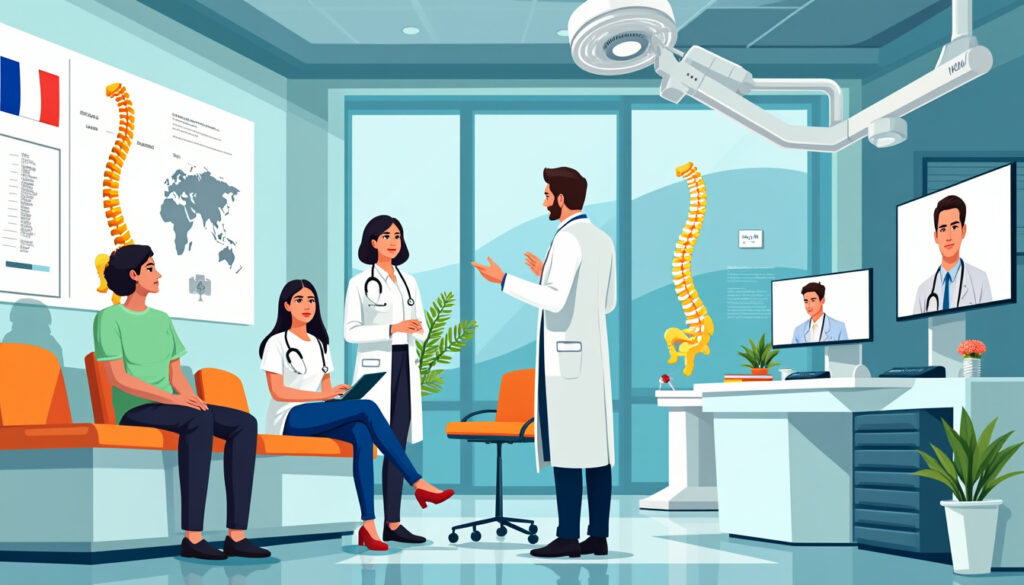
- International Surgical Coordination: Organizing transatlantic surgery scheduling in partnership with specialized French centers to provide advanced motion-preserving surgical options.
- Postoperative Rehabilitation: Structured recovery overseen in Quebec, incorporating physical therapy and monitoring for implant integrity.
This structured approach reconciles rigorous scientific methods with an empathetic, patient-focused ethos, to build confidence and motivation for a successful surgical outcome. For more information on the pathway and specialized services, explore resources detailing the highly specialized interventions available.
Minimally Invasive Surgery in Longueuil: Reduce Hospital Stay Duration
In recent years, advances in spinal care have dramatically reshaped the treatment landscape for patients suffering from debilitating spinal conditions. Particularly in Longueuil, the emergence of minimally invasive surgery (MIS) techniques offers a transformative alternative to conventional open surgeries. These…
IntraSPINE® in Laval: Modern Solution for Lumbar Stabilization
In the evolving landscape of orthopedic treatments, the city of Laval has become a hub for innovations addressing chronic lower back pain. Among the groundbreaking solutions gaining attention is the IntraSPINE device—a modern spinal implant designed to offer dynamic lumbar…
The Vital Role of Advanced Conservative Treatments Before Considering Surgery
Prior to recommending any surgical intervention, it is essential to exhaust conservative treatment options designed to alleviate symptoms and potentially avoid surgery. Clinique TAGMED, where Dr. Desforges leads with unmatched expertise, stands as a beacon for advanced non-invasive spinal care in Quebec City.
Therapies extend beyond classic physical rehabilitation and pharmacological management to include innovative modalities such as neurovertebral decompression. This technique utilizes precise mechanical unloading of vertebral segments, significantly reducing nerve root pressure, inflammation, and associated pain. The integration of such avant-garde therapies complements osteopathic manipulative treatments, optimizing overall spine health.
The recommended conservative care period typically extends from three to six months, ensuring appropriate time for symptom improvement and functional restoration. Patients progressing to surgery are those without adequate relief or with worsening neurological status despite comprehensive conservative management.
Choosing surgery prematurely without such treatment risks unnecessary interventions and diminishes postoperative outcomes. The adherence to this approach demonstrates Dr. Desforges’ commitment to ethical, evidence-based care and patient safety mandates consistent with Quebec and Canadian medical regulations.
| Conservative Treatment | Purpose | Typical Duration |
|---|---|---|
| Physical Therapy | Strengthen neck muscles and improve flexibility | 3 to 6 months |
| Pharmacological Management | Manage inflammation and pain | As required |
| Neurovertebral Decompression at TAGMED | Non-invasive nerve root decompression and symptom relief | Up to 6 months |
More on the value of completing conservative treatment prior to surgery can be found through detailed discussions about neurovertebral decompression techniques.
Neck Surgery in Montreal: Maintain Cervical Flexibility and Function
Neck conditions causing persistent pain or functional loss place a substantial burden on individuals and healthcare systems, especially in urban centers like Montreal. Surgical interventions targeting the cervical spine have evolved tremendously, aiming not only to relieve symptoms but to…

Disc Prosthesis in Lévis: Quick and Long-Lasting Results
Chronic back pain caused by degenerative disc disease continues to profoundly impact the quality of life for many residents in Lévis and the broader Quebec area. For decades, traditional spinal fusion surgery has been the primary solution for alleviating severe…
Postoperative Rehabilitation and Long-Term Follow-Up in Quebec: Safeguarding Durable Recovery
The success of a cervical disc prosthesis extends well beyond the operating room. Upon return to Quebec, patients engage in a carefully curated rehabilitation program aimed at restoring neck strength, enhancing range of motion, and preventing complications such as implant migration or stiffness.
Neurothérapie Montréal and affiliated multidisciplinary teams work closely under Dr. Desforges’ guidance to establish personalized therapy regimens. Emphasis lies on gradual mobilization, ergonomic education, and psychological support to address the physical and emotional facets of recovery.
Scheduled clinical assessments, including imaging, monitor the prostheses’ position and surrounding tissues, ensuring timely intervention if needed. Long-term follow-up reduces the risk of adjacent segment disease and promotes sustained spinal health.
- Early Phase: Control pain, encourage gentle movement to prevent stiffness.
- Intermediate Phase: Muscle strengthening, range of motion exercises.
- Long-Term Phase: Lifestyle adjustments and periodic monitoring for implant performance.
This comprehensive postoperative framework enhances patient confidence, facilitates quick return to daily life, and solidifies the durable benefits of cervical disc prosthesis surgery.
Biomechanical and Economic Benefits of Cervical Disc Prosthesis for Quebec Patients
The cervical disc prosthesis offers distinct biomechanical advantages by preserving segmental mobility and consequently reducing abnormal stress on adjacent discs. This mitigates the risk of subsequent degeneration—a common complication after fusion surgery—thereby maintaining overall spine health and improving functional outcomes.
Economically, the option to pursue prosthetic cervical spine surgery through the transatlantic coordination led by Dr. Desforges significantly reduces indirect costs such as prolonged disability, lost workdays, and the need for additional interventions. Hospital stays are shorter with minimally invasive techniques, and patients generally experience faster rehabilitation.
Moreover, by accessing innovative implants and surgical expertise abroad, patients circumvent local waitlists and restricted technology availability, translating into optimized care at competitive costs. This dual advantage of improved health outcomes and economic efficiency positions cervical disc prosthesis as a compelling solution for Quebec residents dealing with neck pain.
These benefits align with a care model emphasizing innovation, patient safety, and ethical responsibility cemented by the collaboration between Canadian and French medical teams. Interested patients can learn more about these advantages at superior clinical results and durable comfort with cervical disc prostheses.
Empowering Patients Through Clear Information and Support During the Surgical Journey
A cornerstone of successful spine care lies in patient education. Dr. Desforges is dedicated to simplifying complex information regarding cervical disc prosthesis, ensuring every patient understands the procedure’s indications, advantages, and potential risks.
Such transparency encourages active patient participation and informed consent, reducing anxiety and fostering a trusting therapeutic relationship. Educational efforts extend beyond surgery preparation to include recovery guidance and lifestyle modifications for sustained spinal health.
This empathetic communication is strengthened by interprofessional collaboration and is essential in navigating transatlantic care logistics collaboratively managed with partners such as SOS Tourisme Médical. Support ranges from administrative aid to emotional encouragement, highlighting the human dimension of spine care innovations.
What distinguishes cervical disc prosthesis from traditional fusion surgery?
Cervical disc prosthesis preserves the natural range of motion at the operated spinal segment, reducing stress on adjacent discs and minimizing the risk of post-surgical stiffness and adjacent segment degeneration common in fusion surgeries.
How long does it typically take to recover from cervical disc prosthesis surgery?
Recovery is individualized but generally involves gradual rehabilitation over several weeks to months, including early mobilization, muscle strengthening, and long-term ergonomic management to ensure durable outcomes.
Is surgery immediately necessary when experiencing cervical disc problems?
Surgery is recommended only after a thorough evaluation and completion of 3 to 6 months of conservative treatments such as neurovertebral decompression, physical therapy, and pharmacologic management, ensuring surgery remains a last resort.
How does the transatlantic care coordination benefit patients?
This model facilitates faster access to advanced surgical technologies not widely available locally, offers comprehensive multidisciplinary support, reduces wait times, and provides personalized care tailored to each patient’s unique condition.
What role does Clinique TAGMED play in the cervical disc prosthesis pathway?
Clinique TAGMED specializes in delivering advanced conservative treatments including neurovertebral decompression and laser therapies, optimizing patient preparation for surgery and potentially avoiding the need for invasive procedures.