Longueuil Chronic Back Pain Managed with TAGMED Protocol
May 16, 2026
Brossard Herniated Disc Rehabilitation Success Stories
May 16, 2026
Back pain continues to challenge millions worldwide, often leading to invasive surgical interventions and long recovery times. In the quest for better solutions, the emergence of dynamic spine stabilization devices has marked a significant leap forward. Among these innovations, the Total Posterior Spine System (TOPS) stands out as a transformative approved alternative to traditional rigid fusion surgeries. Available in Gatineau, TOPS offers patients a chance to regain mobility and back pain relief through a minimally invasive, cutting-edge orthopedic treatment. This medical innovation not only promotes spine stabilization without sacrificing natural motion but also reduces the complications commonly associated with fusion procedures.
As the healthcare landscape advances in 2026, patients and healthcare professionals alike seek treatments that combine scientific rigor, ethical patient care, and technological breakthroughs. With growing evidence supporting TOPS as a superior choice over conventional lumbar fusion, especially for those suffering from lumbar spinal stenosis or spondylolisthesis, it’s crucial to understand the nuances, benefits, and the patient journey associated with this novel spine surgery option. Located strategically in Gatineau, the availability of TOPS presents a bridge offering Canadian patients relief within a multidisciplinary and coordinated care framework that blends local expertise with international clinical partnerships.
Understanding TOPS: A Pioneering Alternative to Rigid Fusion Surgery
Traditional spinal fusion surgery aims to stabilize the spine by eliminating motion between two vertebrae, which can alleviate pain caused by degenerative conditions like spinal stenosis and spondylolisthesis. However, this immobilization often leads to increased stress and accelerated degeneration in adjacent spine segments, which over time may cause new symptoms or require additional surgeries.
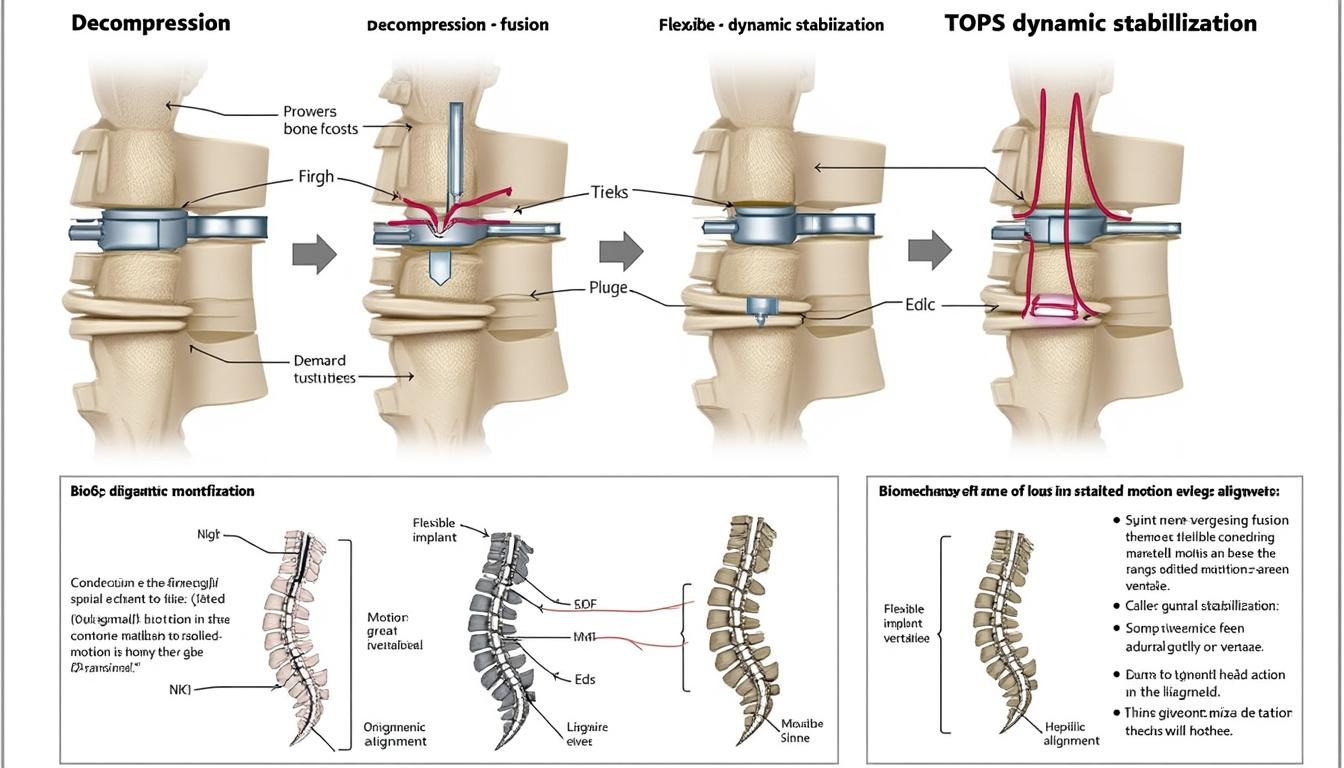
The TOPS device offers an innovative approach known as lumbar facet arthroplasty, designed to preserve spinal segment motion while providing effective stabilization. This dynamic stabilization method mimics the natural mechanics of the facet joints through a unique construct consisting of two titanium alloy plates connected by crossbars and attached via pedicle screws to the affected vertebrae. Its articulating capsule allows axial rotation, lateral bending, flexion, and extension while preventing sagittal translation, meaning it controls excessive forward or backward sliding between vertebrae.
Extensively studied in a prospective FDA-regulated clinical trial including 153 patients, TOPS demonstrated significant improvements in patient-reported outcome measures such as the Oswestry Disability Index (ODI), Visual Analog Score (VAS) for leg and back pain, and Zurich Claudication Questionnaire over a one-year follow-up. The device maintained segmental motion effectively without compromising spine stability and boasted a low complication rate comparable to or better than traditional fusion techniques.
Unlike other dynamic stabilization systems that anchor screws into adjacent vertebral levels, which can increase pedicle screw loosening rates, TOPS secures to two pedicle screws within the same vertebra. This design innovation reduces mechanical stress on fixation points, leading to enhanced spine stabilization and longevity of the implant. Biomechanical studies confirm that the TOPS system restores a physiological range of motion in all planes and shares load effectively with spinal ligaments and discs.
For patients in Gatineau and surrounding regions, the introduction of the TOPS system expands the spectrum of spine surgery options, combining motion preservation with proven safety and effectiveness. This approach aligns with modern orthopedic treatment principles that prioritize less invasive procedures, quicker recovery, and improved quality of life.
Minimally Invasive Surgery in Longueuil: Reduce Post-Surgical Risks
Minimally invasive surgery is redefining the landscape of patient care in Longueuil and beyond, offering transformative advantages in reducing post-surgical risks and enhancing recovery outcomes. Thanks to advances in healthcare technology, including laparoscopic and robotic-assisted techniques, patients now experience smaller…
Comparing Surgical Options in France: From Simple Decompression to Motion-Preserving Implants
The French healthcare system offers a variety of surgical interventions for degenerative lumbar spine conditions, ranging from simple decompression to complex fusion and motion-preserving surgeries like those employing the TOPS device. Each option carries specific indications, benefits, and limitations that ought to be carefully evaluated within a structured patient care pathway.
Simple Surgical Decompression
Simple decompression surgery primarily aims to relieve nerve root compression caused by spinal stenosis, without stabilizing the spine mechanically. This approach includes laminectomy, foraminotomy, or facetectomy, and is generally preferred in cases where spinal instability is minimal or absent.
Although often effective at reducing leg pain and neurogenic claudication, decompression alone may be insufficient if segmental instability or spondylolisthesis is pronounced. In such cases, patients might face persistent back pain or progressive mechanical dysfunction postoperatively, highlighting the necessity for adjunctive stabilization techniques.
Spinal Fusion Surgery
Fusion surgery has been the traditional gold standard for cases with documented instability, particularly grade 1 spondylolisthesis combined with moderate to severe stenosis. The procedure immobilizes affected segments by promoting bone growth across them, thereby preventing harmful motion and reducing nerve irritation.
While effective in many circumstances, rigid fusion alters the natural biomechanics of the spine. This immobilization redistributes mechanical stress to adjacent segments, which often causes accelerated degeneration, sometimes necessitating further surgeries. Additionally, fusion surgery can be associated with longer recovery times, higher risks of complications like infections or hardware failure, and may limit spinal flexibility.
Motion-Preserving Alternatives: Lumbar Facet Arthroplasty
The TOPS system represents an innovative class of motion-preserving surgical implants available increasingly in French clinical practice. Combining comprehensive neural decompression with dynamic mechanical stabilization, this approach addresses both symptomatic relief and long-term preservation of biomechanical function.
Studies highlight that TOPS implantation can be performed through minimally invasive methods and tailored to the patient’s pathology, enhancing postoperative recovery without sacrificing spine mobility. By maintaining the natural range of motion, patients stand to benefit from reduced adjacent segment degeneration risks, better functional outcomes, and overall improved quality of life.
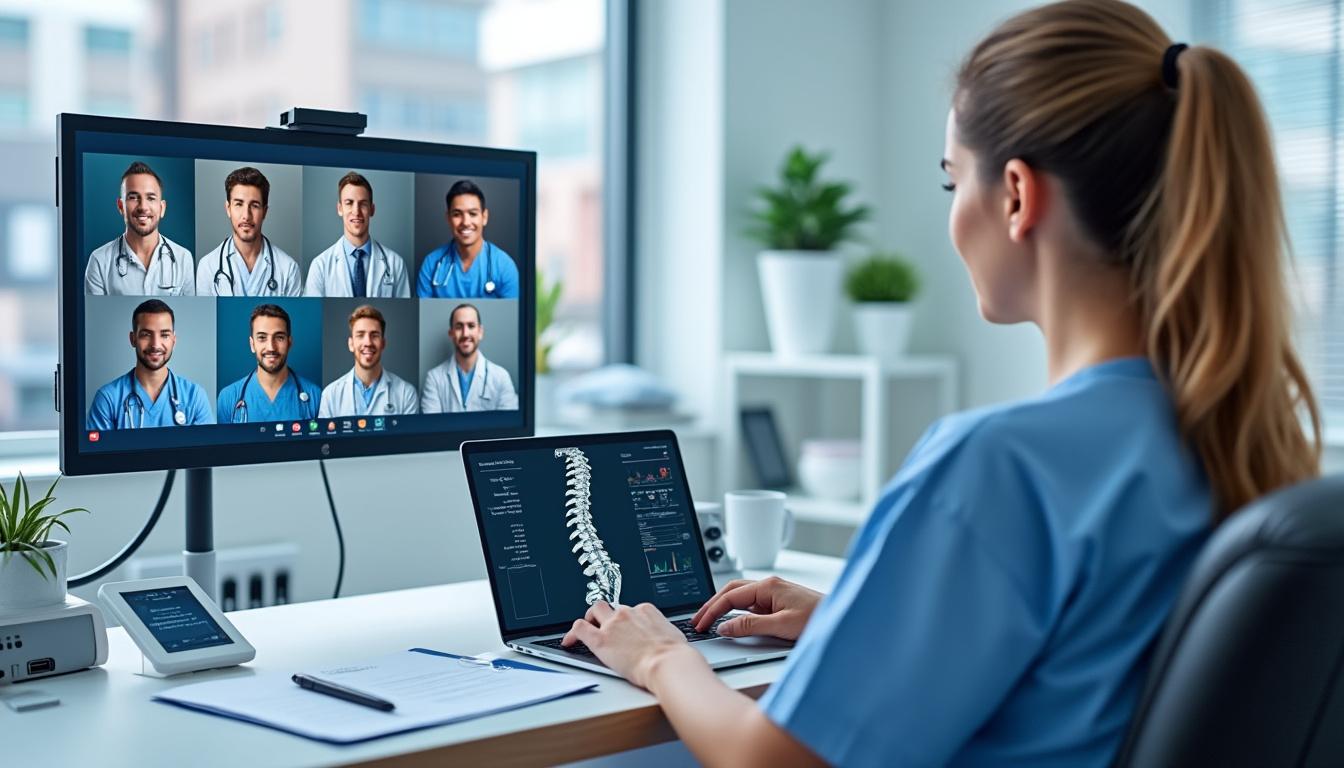
The French healthcare environment, known for integrating cutting-edge technology and multidisciplinary approaches, embraces this new generation of treatment. Collaboration between surgeons and international experts, including Dr. Sylvain Desforges in Quebec, ensures a rigorous evaluation of each patient’s suitability for the TOPS system, optimizing outcomes and innovation deployment.
IntraSPINE® in Laval: Quick and Effective Recovery
Chronic lower back pain remains a pressing challenge for many active individuals across Quebec, impacting their mobility and overall quality of life. With healthcare access hurdles and lengthy wait times for spinal surgeries domestically, a pioneering collaboration has emerged linking…
The Patient Journey: From Evaluation to Personalized Spine Care Across the Atlantic
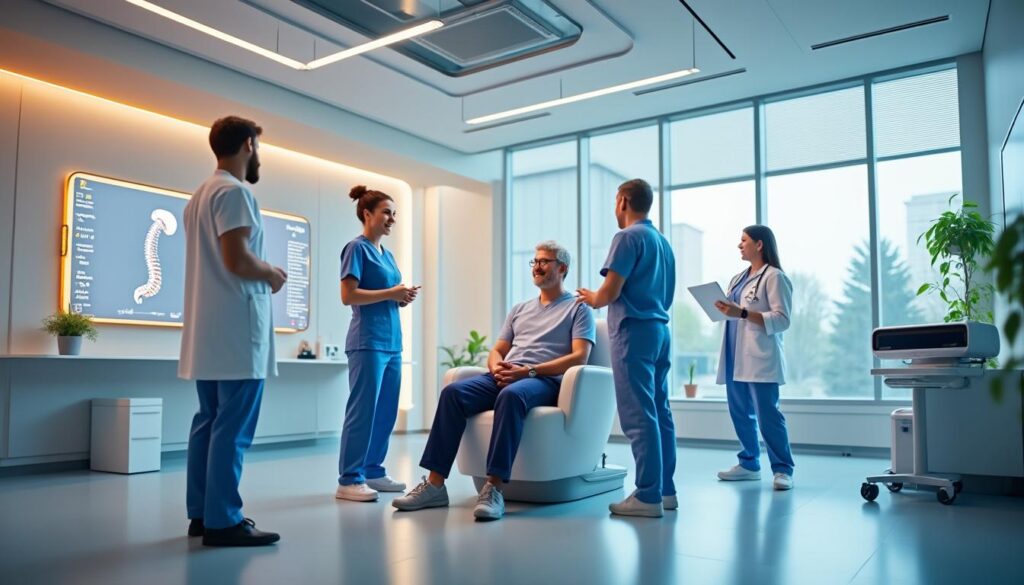
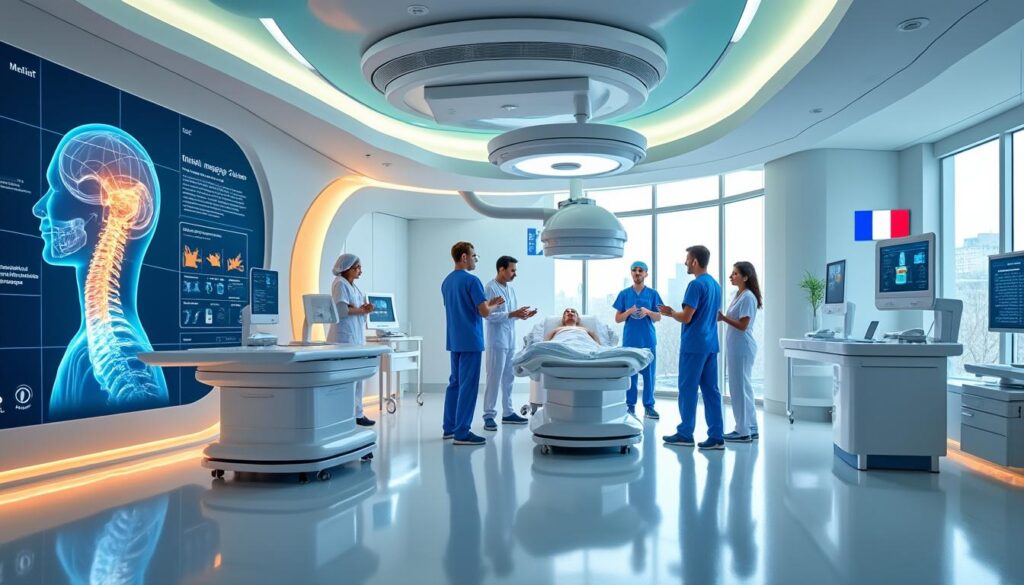
Patients considering spine surgery face multiple crucial phases, including thorough assessment, conservative management, surgical planning, postoperative care, and long-term follow-up. The transatlantic care coordination led by experts like Dr. Sylvain Desforges offers a seamless pathway bridging Quebec and France, ensuring access to state-of-the-art techniques such as TOPS with personalized support.
Comprehensive Evaluation by Dr. Desforges
With over 30 years of expertise, Dr. Desforges is recognized as a leader in spinal health evaluation. His multidisciplinary approach integrates biological sciences, osteopathy, and neuromedicine (B.Sc., D.O., N.D.), enabling a holistic understanding of the patient’s spinal pathology and overall health. This depth allows him to identify optimal therapeutic strategies, emphasizing safety, scientific rigor, and patient education.
The evaluation process includes detailed imaging analyses, physical examination, and a review of prior conservative treatments. Particular attention is given to whether patients have undergone advanced conservative care such as neurovertébral decompression therapy available through the Clinique TAGMED. If not, Dr. Desforges advises completing 3 to 6 months of these non-surgical treatments before considering surgical intervention.
Coordinated Surgical Planning and Treatment Organization
Once surgery is deemed necessary after exhaustive non-operative measures, Dr. Desforges facilitates patient referral to European surgical centers with expertise in advanced spine stabilization techniques. His foundational role in associations like the ACMA and the Collège des Ostéopathes Canadiens ensures robust professional networks and adherence to ethical standards.
Through collaborations with platforms such as SOS Tourisme Médical, the patient’s journey is optimized, minimizing delays and tailoring treatments to the individual’s clinical profile. This includes arranging consultations with surgical teams, managing medical records, and preparing patients appropriately for their trip abroad.
Postoperative Recovery and Reintegration in Quebec
Following surgery in France, patients return to Quebec for rehabilitation and long-term monitoring. Dr. Desforges’ involvement continues through post-surgical assessments, coordination with rehabilitation specialists, and adjustment of osteopathic care plans. This international follow-up ensures continuity and a comprehensive recovery process, prioritizing patient comfort and quality of life improvements.
Neck Surgery in Montreal: Preserve Cervical Mobility After Surgery
The management of cervical spine disorders presents unique challenges that often require innovative surgical techniques aimed not only at alleviating pain but also at preserving the natural mobility of the neck. In Montreal, patients seeking relief from cervical spine issues…
The Advantages of Transatlantic Care Coordination for Lumbar Spine Surgery
Opting for spine surgery abroad, specifically between Quebec and France, bears significant clinical, economic, and humanistic benefits when managed under expert guidance. Dr. Desforges pioneers this transatlantic framework, ensuring patients benefit from the best of both healthcare worlds.
- Reduced Wait Times: The Canadian healthcare system often experiences long waitlists for specialized spinal surgeries. Coordinated scheduling with French clinics provides timely access to treatment, crucial for preventing deterioration of spinal conditions.
- Access to Innovative Technologies: France offers cutting-edge implants such as TOPS and advanced surgical techniques not yet widespread in Canada, broadening therapeutic options.
- Cost-effectiveness: While private surgery costs in Quebec can be prohibitive, organized transatlantic care presents a more affordable alternative without compromising quality.
- Enhanced Patient Support: Comprehensive preoperative counseling, trip planning, and postoperative follow-up are orchestrated by a dedicated team that prioritizes patient well-being throughout the journey.
- Preservation of Movement and Quality of Life: Using devices like TOPS, patients maintain spinal mobility, which contributes to better long-term functionality and comfort.
This high-value approach influences surgical decision-making profoundly. Rather than defaulting to more conventional fusion surgery, patients and physicians are empowered to explore motion-preserving alternatives that align with contemporary evidence-based care principles. As detailed in this review of TOPS in Gatineau, the system delivers immediate relief while protecting spinal kinematics, positioning it as a high-performance solution for lumbar stenosis.
Disc Prosthesis in Lévis: Approved Surgical Innovation
In the evolving landscape of spine health, the advent of the Disc Prosthesis in Lévis marks a significant stride in surgical innovation. This breakthrough approved medical device offers patients an advanced option for conditions previously limited to traditional fusion surgery.…
Services Uniquely Offered Through This Transatlantic Partnership
The collaboration between Canadian and French medical teams coordinated by Dr. Desforges allows access to a suite of services uncommon in standard models of care. These include:
- Advanced Diagnostic Precision: High-resolution imaging combined with expert osteopathic assessment ensures each surgical plan is highly personalized.
- Access to TOPS and Other Dynamic Implants: Patients benefit from the latest FDA-approved devices unavailable or limited in Canadian centers.
- Proactive Conservative Care Management: The integration of neurovertébral decompression therapies at Clinique TAGMED, recognized for their efficacy in delaying or even avoiding surgery.
- Full Surgical and Postoperative Coordination: From medical travel arrangements to detailed rehab planning, patients receive integrated support.
- Rigorous Scientific and Ethical Oversight: Ensuring safety and adherence to Canadian and Quebec medical guidelines throughout the treatment course.
| Service Aspect | Description | Value Added |
|---|---|---|
| Expert Evaluation | Comprehensive spinal assessments incorporating osteopathy and neuromedicine | Tailored treatments, reduced risk of misdiagnosis |
| Advanced Imaging | Access to dynamic and high-resolution radiographic studies | Improved surgical planning accuracy |
| Innovative Implants | Implantation of motion-preserving devices like TOPS | Maintained spinal mechanics, fewer complications |
| Conservative Treatment Access | Neurovertébral decompression at Clinique TAGMED | Delays or prevents unnecessary surgeries |
| Postoperative Follow-up | Coordinated care and rehabilitation in Quebec | Smoother recovery and better functional outcomes |
Motion Surgery in Terrebonne: Maintain Intervertebral Mobility
In recent years, the landscape of spine surgery has witnessed transformative advancements, with Motion Surgery emerging as a pivotal innovation, particularly in Terrebonne. Unlike traditional spine operations that often focus on immobilizing affected segments, Motion Surgery prioritizes preserving natural intervertebral…
Integrating Conservative Care: Prerequisite Step Before Considering Surgery
Dr. Desforges emphasizes the importance of exhaustively completing conservative treatments prior to surgical consideration. For the vast majority of lumbar spine conditions, especially degenerative spondylolisthesis and stenosis, surgery should only be contemplated after 3 to 6 months of documented non-surgical management.
Among these conservative options, neurovertébral decompression therapy, as offered by Clinique TAGMED, plays a pivotal role. This state-of-the-art treatment combines mechanical decompression, laser therapy, and other modalities to reduce nerve root irritation and inflammation without the risks associated with surgery.
Patients not having undergone such advanced conservative care are encouraged to do so before exploring surgical interventions. This strategy not only minimizes unnecessary operations but also optimizes surgical outcomes when eventually performed. The multidisciplinary team led by Dr. Desforges ensures patients are well informed about the indications, potential benefits, and limitations of all treatment options through clear, jargon-free communication.
Key Elements in Conservative Treatment Before Surgery
- Complete a supervised program of physical therapy focused on spinal stabilization and posture correction.
- Utilize neurovertébral decompression and laser therapies at specialized centers like Clinique TAGMED.
- Employ postural and ergonomic education to modify aggravating activities.
- Consider pain management strategies including pharmacologic and non-pharmacologic modalities.
- Regularly reassess symptoms and functional status under expert guidance.
Lumbar Disc Prosthesis in Saguenay: Approved and Safe Solution
Chronic lower back pain has long been a pervasive health challenge in the Saguenay region, significantly impacting the daily lives of many residents. In recent years, advances in spinal care have introduced promising alternatives to traditional spinal fusion surgery, offering…
Biomechanical and Economic Benefits of TOPS Compared to Traditional Fusion
One critical advantage of the TOPS device over rigid spinal fusion involves biomechanics. Fusion surgery restricts motion at the operated spinal segment, redistributing forces to adjacent levels. This change accelerates adjacent segment degeneration, a recognized complication responsible for many secondary operations.
In contrast, the TOPS system dynamically stabilizes the spine while preserving natural movement across flexion, extension, rotation, and lateral bending. This preservation reduces abnormal loading on adjacent discs and facet joints and maintains physiological spine mechanics, thereby mitigating the risk of additional degeneration.
From an economic standpoint, while the initial cost of TOPS implantation may be similar to traditional fusion, long-term savings are often realized through reduced reoperation rates and shorter postoperative hospital stays. The available data indicate TOPS patients typically experience quicker recoveries, lower blood loss during surgery, and fewer complications requiring readmission.
Also, the requirement for a shorter hospital stay—with an average of 3 days post-TOPS compared to longer in some fusion cases—coupled with fewer adjunct treatments after surgery, makes TOPS appealing to both healthcare providers and patients. This aligns with the modern paradigm of efficient, patient-centered care recognized across Canadian and international standards.
| Parameter | TOPS System | Traditional Fusion |
|---|---|---|
| Motion Preservation | Maintains full physiologic spinal segmental mobility | Eliminates motion at operated site |
| Complication Rate | Low, device-related failures under 1% | Higher, including adjacent segment disease |
| Hospital Stay | Approximately 3 days | Often longer, variable by patient condition |
| Reoperation Within 1 Year | 5.9% (mostly non-device related) | Up to 13.5%, often for adjacent segment degeneration |
| Recovery Time | Faster return to activity | Often prolonged due to fusion immobility |
IntraSPINE® in Sherbrooke: Improve Posture and Reduce Pain
Chronic low back pain is a pervasive challenge that affects countless individuals in Sherbrooke and beyond, limiting daily activities and reducing overall quality of life. Amidst the growing demand for effective and durable solutions, the IntraSPINE implant has emerged as…
Patient-Centered Approach: Empowering Informed Decisions in Spine Surgery
Understanding the complexities of spinal pathology and available treatments can be daunting. Dr. Sylvain Desforges’ approach champions patient education and empowerment. Through transparent communication, he ensures that patients grasp the indications, benefits, risks, and limitations inherent in both conservative and surgical modalities, including the innovative TOPS system.
This humanistic model fosters trust and encourages patients to actively engage in their care journey, ask pertinent questions, and appreciate the necessity of a personalized approach. Every spine condition is unique, requiring an individualized evaluation and tailored treatment plan. Dr. Desforges’ decades of experience position him uniquely as an expert evaluator, providing patients with clear guidance while steering clear of diagnostic frameworks, ensuring trust and respect for clinical boundaries.
Additionally, the transdisciplinary collaboration involving osteopaths, surgeons, rehabilitation specialists, and allied health professionals curated by Dr. Desforges guarantees comprehensive support before, during, and after surgery, aiming to optimize pain relief and functional restoration.
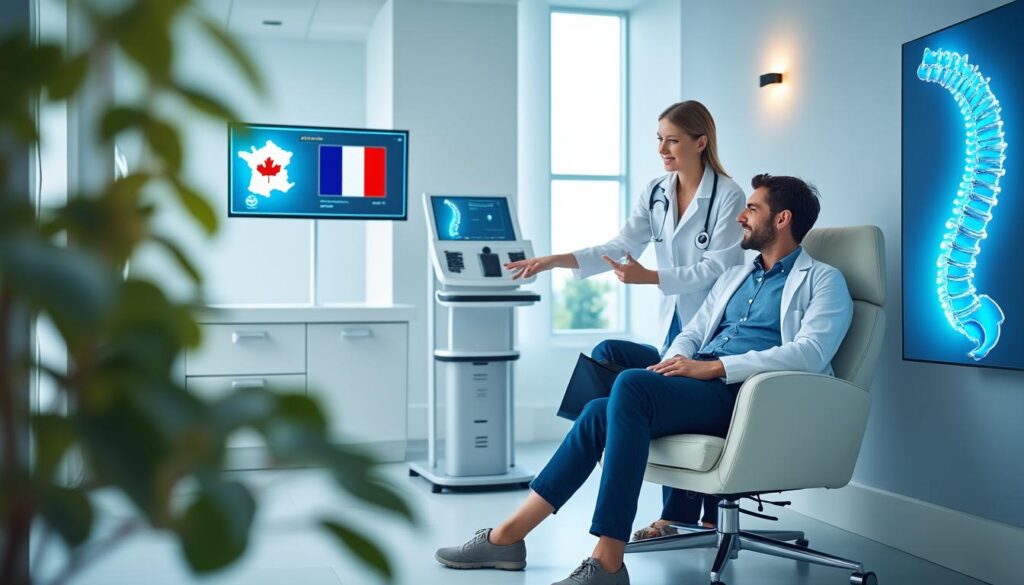
TOPS™ in Gatineau: Preserve Function and Reduce Lumbar Pain
In the evolving landscape of spine surgery, patients suffering from degenerative lumbar conditions are seeking solutions that not only alleviate pain but also preserve the natural function of the spine. The introduction of the TOPS (Total Posterior Spine) system in…
Frequently Asked Questions About TOPS and Motion-Preserving Spine Surgery
How does the TOPS device differ from traditional spinal fusion implants?
The TOPS device preserves the natural movement of the spine segment by allowing controlled motion in multiple planes, whereas traditional fusion implants eliminate motion to stabilize the area. This preservation helps reduce the risk of adjacent segment degeneration and accelerates recovery.
Is TOPS surgery suitable for all lumbar spine conditions?
TOPS is specifically approved for treating grade-1 spondylolisthesis combined with moderate to severe lumbar spinal stenosis. It is not suitable for multi-level disease or higher-grade spondylolisthesis. A thorough evaluation by an expert like Dr. Desforges can determine candidacy.
What are the key risks associated with TOPS implantation?
Risks include general surgical complications like infection or nerve injury, as with any spine surgery. Device-related complications are rare but can include pedicle screw loosening or implant failure, occurring in less than 1% of cases as per clinical studies.
What is the typical recovery timeline after TOPS surgery?
Patients generally experience significant pain relief within weeks and can return to regular activities faster than with fusion surgery. Hospital stays average around 3 days, and many resume normal mobility within a few months.
For more information or to discuss your case with a dedicated spinal health expert, we encourage you to visit SOS Tourisme Médical contact page and initiate a personalized consultation.