Candiac Sciatica Recovery After Failed Conservative Care
May 16, 2026
Montreal Neck Herniation Relief Without Hospitalization
May 16, 2026
In the evolving landscape of spine surgery, patients suffering from degenerative lumbar conditions are seeking solutions that not only alleviate pain but also preserve the natural function of the spine. The introduction of the TOPS (Total Posterior Spine) system in Gatineau marks a pivotal shift towards dynamic, motion-preserving treatments that challenge the traditional spinal fusion approach. With over three decades of expertise guiding the adoption of such innovative technologies, Dr. Sylvain Desforges champions patient-centered care that balances scientific rigor with personalized evaluations.
Degenerative spinal conditions such as spondylolisthesis and spinal stenosis often impose a heavy toll on individuals’ mobility and quality of life. Conventional fusion techniques, while effective in stabilizing the spine, come with limitations related to motion loss and increased stress on adjacent segments. The TOPS system, recently approved by the FDA and available in Gatineau, offers an alternative that maintains spinal stability while preserving natural movement. This advancement represents not only a biomechanical breakthrough but also an opportunity to enhance patients’ long-term outcomes through minimally invasive surgery and nuanced post-operative rehabilitation.
Understanding the TOPS System: A Revolutionary Approach to Lumbar Pain
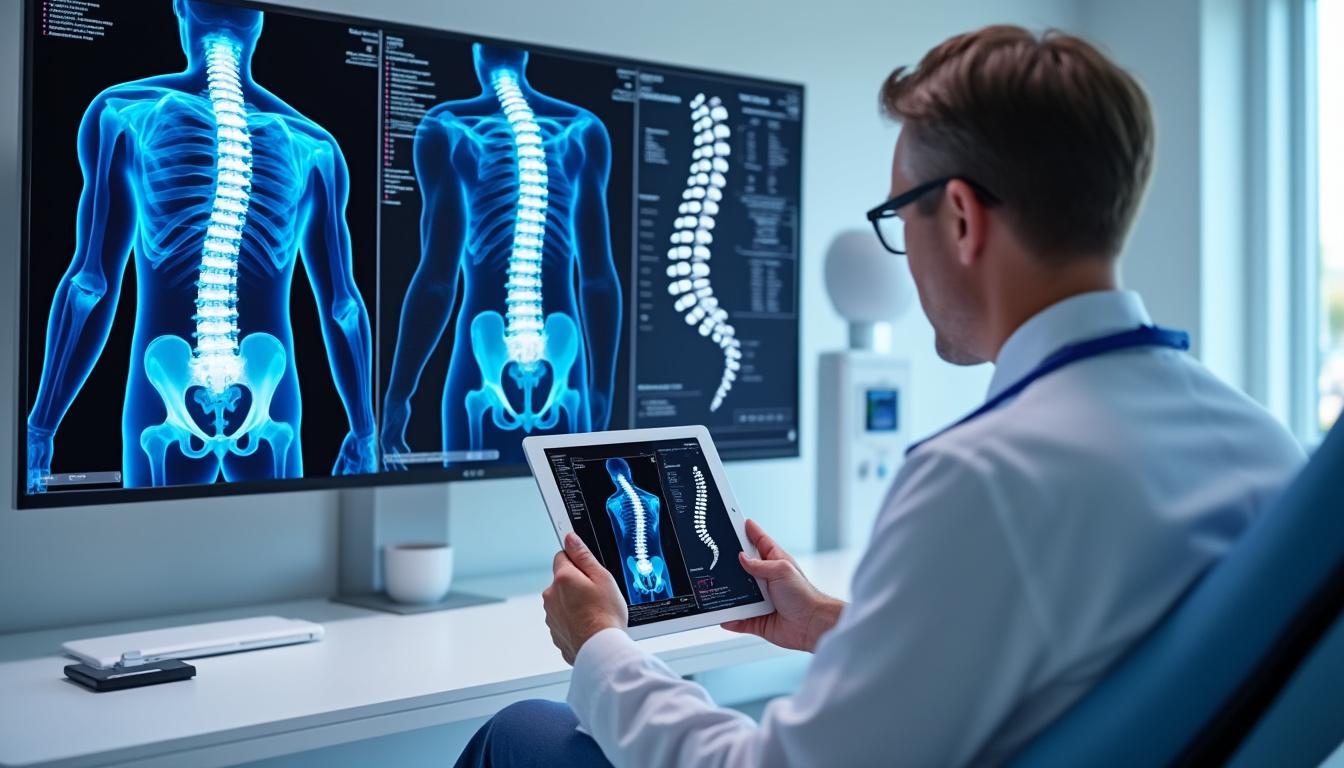
The TOPS device is a dynamic spinal implant specifically designed to replace the facet joints affected by degenerative conditions in the lumbar spine, without resorting to rigid spinal fusion. Unlike traditional fusion surgeries that permanently immobilize the involved vertebral segments, TOPS preserves controlled motion, which is crucial for maintaining overall spinal biomechanics and reducing adjacent segment degeneration.
Developed over two decades ago and refined through extensive clinical trials worldwide, the TOPS system now stands as a validated alternative. According to the FDA’s approval in 2023, the device is indicated for patients aged 35 to 80 years suffering from symptomatic Grade I degenerative spondylolisthesis combined with moderate to severe lumbar spinal stenosis, specifically between vertebrae L3 and L5. This means that patients with nerve root compression, caused by thickening of ligamentum flavum or scarring of the facet joint capsule, benefit from a surgical option that decompresses nerves while stabilizing the spine dynamically.
The design of the TOPS system includes two titanium plates connected by a polymer cushion, which enables shock absorption and multi-directional motion. Anchored by four crossbars to polyaxial pedicle screws, the device replicates the natural function of facet joints, providing flexion, extension, lateral bending, and rotational movement while preventing abnormal translations. This helps the spine settle into its physiological alignment post-surgery, reducing pain and preserving function.
Clinical evidence supports the superiority of this approach. An FDA IDE (Investigational Device Exemption) study involving over 300 patients demonstrated that the TOPS system led to significantly better outcomes than the gold-standard fusion technique (TLIF). Specifically, a higher percentage of TOPS patients experienced meaningful improvements in disability and pain scores, alongside maintenance of spinal range of motion and lower rates of surgical revision. This data emphasizes the system’s promise as a game changer in the field of spine care.
For patients in Quebec considering surgical options, understanding the unique benefits of the TOPS device, available in Gatineau, is essential. This innovation aligns with Dr. Sylvain Desforges’ commitment to rigorous, evidence-based care that prioritizes patient safety and active recovery. As an expert in spine assessment and transatlantic care coordination, Dr. Desforges helps patients navigate these advances with transparency and individualized support.
Spine Surgery in Trois-Rivières: Personalized Patient-Centered Intervention
The challenge of back health and spinal surgery has become increasingly critical for many patients in Trois-Rivières, Quebec. Lengthy waiting times for appropriate surgical interventions often transform the care journey into a frustrating experience. Against this backdrop, a promising international…
The Spectrum of Spine Surgery Options in France: From Fusion to Motion Preservation
Across the Atlantic, France offers diverse surgical methods for lumbar pathologies, including traditional spinal fusion, decompressive surgeries, and innovative motion-preserving devices like TOPS. Understanding the distinctions among these options allows patients from Quebec and beyond to make informed decisions tailored to their specific clinical profiles.
Traditional Spinal Fusion: The Historical Gold Standard
Spinal fusion surgery aims to stabilize unstable vertebral segments by promoting bone growth between adjacent vertebrae, effectively immobilizing the affected area. This approach is often applied in cases of severe degenerative spondylolisthesis or spinal stenosis when conservative treatments fail.
While fusion successfully decreases pain caused by nerve compression, it inevitably eliminates the movement at the fused level. This immobility often increases mechanical stress on the neighboring segments, accelerating their degeneration and potentially necessitating additional interventions in the future. Fusion surgery typically requires a longer recovery period and may limit the patient’s range of motion permanently.
Decompressive Surgeries: Alleviating Nerve Pressure without Fusion
Procedures like laminectomy or laminotomy focus on removing bone or soft tissue that compresses the spinal nerves. These surgeries relieve symptoms such as pain, numbness, or weakness by creating more space in the spinal canal or foramina.
Although decompression alone preserves motion, it may sometimes lead to spinal instability if too much of the supporting structures are removed. Surgeons must weigh the risks and benefits and consider stabilization options if necessary.
Motion-Preserving Devices: The Emergence of Alternatives like TOPS
Motion-preserving implants, including the TOPS system, have emerged to bridge the gap between decompression and fusion. They aim to stabilize the spine sufficiently while maintaining segmental mobility and reducing the collateral stress on adjacent levels. This can translate into better functional outcomes and longevity of the operative result.
The TOPS device, in particular, is uniquely designed to replace the facet joints removed during decompression, restoring multidirectional movement through a mechanically sophisticated implant. This innovation extends the surgical options for patients who would previously face fusion and its associated drawbacks.
For patients contemplating surgery in France, these options are complemented by France’s advanced healthcare infrastructure and surgeons experienced in minimally invasive spine surgery. The coordinated patient pathway from Quebec, with expert evaluations by Dr. Desforges, ensures that candidates are selected based on stringent criteria, integrating both clinical and biomechanical assessments.
TOPS™ in Gatineau: Reduce Pain and Improve Lumbar Function
The management of chronic lumbar pain remains a pressing challenge for many patients in Quebec, seeking effective and accessible solutions beyond prolonged wait times and costly private care. Thanks to an innovative transatlantic partnership, the TOPS (Total Posterior Spine) system…
Essential Steps in the Transatlantic Patient Journey for Spine Surgery
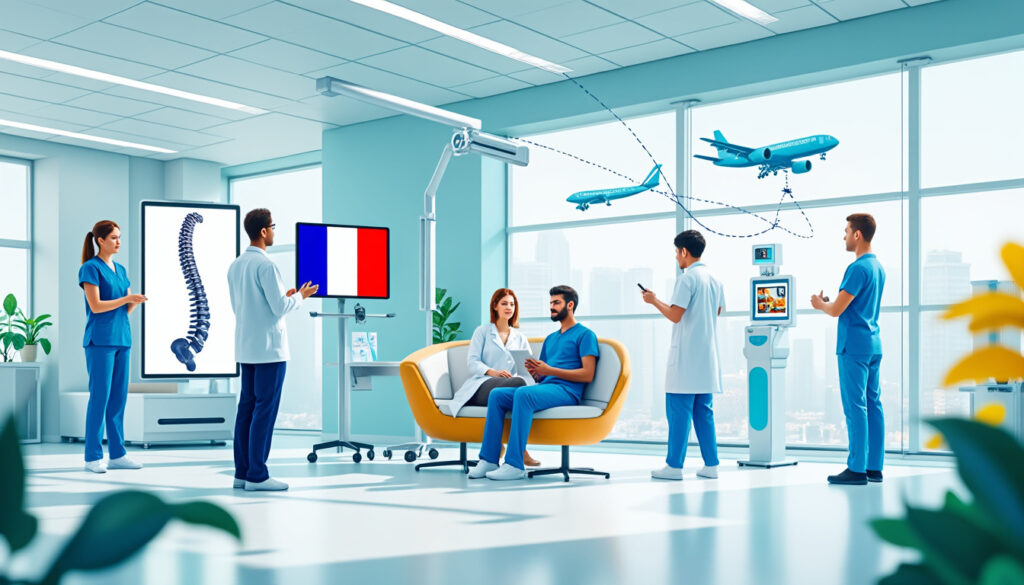
Choosing to pursue lumbar spine surgery across borders requires a carefully coordinated approach to maximize safety, efficiency, and patient comfort. Dr. Sylvain Desforges plays a pivotal role in orchestrating this journey for Quebec patients seeking the benefits of advanced procedures like the TOPS implantation in France.
The patient journey encompasses several well-defined phases, ensuring clear communication and continuity of care.
1. Initial Comprehensive Evaluation and Diagnosis
Dr. Desforges provides expert evaluations of patients’ spinal conditions using rigorous clinical examination and detailed imaging studies. His 30+ years of experience and clinical acumen are instrumental in identifying candidates suitable for advanced interventions, emphasizing the importance of evidence-based assessments aligned with provincial and national guidelines.
2. Conservative Care and Optimization
Before considering surgery, patients undergo a minimum of three to six months of conservative management, including physiotherapy, pain management, and when indicated, specialized treatments such as neurovertebral decompression offered at the Clinique TAGMED in Quebec. This phase is critical to ascertain the necessity of surgery and reduce unnecessary interventions by maximizing non-invasive approaches.
3. International Coordination and Pre-Operative Preparation
Upon confirming the indication for surgery, Dr. Desforges coordinates with partners in France—experienced spine surgeons, clinics, and travel facilitators like SOS Tourisme Médical—to streamline scheduling and travel logistics, optimizing delays without compromising patient safety or quality of care. Pre-operative counseling includes education about the procedure, expected outcomes, and rehabilitation.
4. Surgical Intervention in France
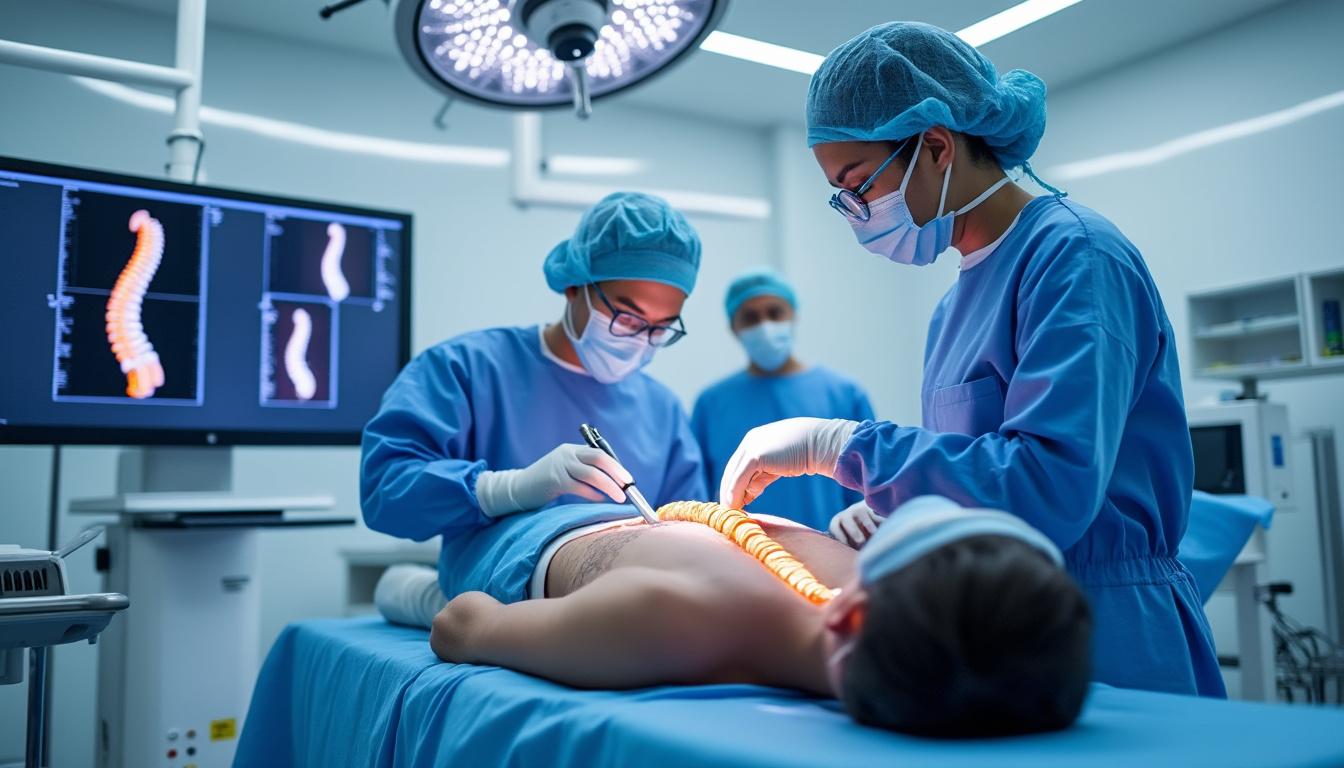
Patients receive state-of-the-art care from specialized surgeons, who implement minimally invasive techniques with devices like the TOPS system to preserve function and reduce lumbar pain. The surgical environment is designed to promote swift recovery and minimize hospital stay.
5. Post-Operative Rehabilitation and Follow-Up
After surgery, rehabilitation tailored to individual needs is essential for restoring mobility and function. Dr. Desforges ensures follow-up evaluations either through telemedicine or upon patient return to Quebec, integrating multidisciplinary support and continuous monitoring to track recovery progress and intervene promptly if complications arise.
This transatlantic pathway is distinguished by its patient-centric design, harnessing international expertise while maintaining thorough oversight by trusted Canadian professionals. This approach facilitates seamless transitions throughout the continuum of care and embodies Dr. Desforges’ commitment to innovation, ethics, and pedagogy.
Cervical Disc Prosthesis in Quebec City: Preserve Natural Mobility
Neck pain remains a pervasive challenge for many individuals in Quebec City, deeply affecting daily life and overall well-being. As the prevalence of chronic cervical discomfort rises, innovative interventions such as the cervical disc prosthesis have garnered increasing attention. Unlike…
Innovative Advantages of Motion-Preserving Technologies like TOPS
The TOPS system exemplifies how current technological innovations are reshaping spine surgery, offering benefits that extend beyond pain relief to encompass biomechanical integrity, economic considerations, and human experience.
Biomechanical Preservation and Optimized Function
By replicating natural facet joint mechanics, the TOPS device maintains spinal range of motion, essential for balance, posture, and daily activities. Unlike fusion, which can rigidify and alter spinal alignment, TOPS prevents uneven stress distribution largely responsible for adjacent segment degeneration.
Clinical studies validate that patients implanted with TOPS demonstrate sustained flexion-extension motion and report significant reductions in pain scores, confirming the device’s role in enhanced pain management and functional rehabilitation.
Economic and Healthcare System Benefits
Motion-preserving devices can potentially reduce long-term healthcare costs by decreasing the rate of revision surgeries and preserving the function of adjacent spinal levels. Furthermore, the minimally invasive nature of TOPS implantation often translates into shorter hospital stays and quicker returns to work, lessening economic burden on patients and healthcare systems alike.
Human-Centered Care and Quality of Life Improvements
Patients frequently emphasize improved quality of life following TOPS surgery, noting freedom in movement, reduced reliance on pain medication, and enhanced confidence in returning to physical activities. The preservation of spinal function aligns with human desires to maintain autonomy and engage fully in life’s routines without chronic discomfort.
The integration of such technologies into the treatment pathway reflects a paradigm shift towards holistic, patient-focused care that acknowledges the complex interplay between anatomy, function, and individual lifestyle goals.
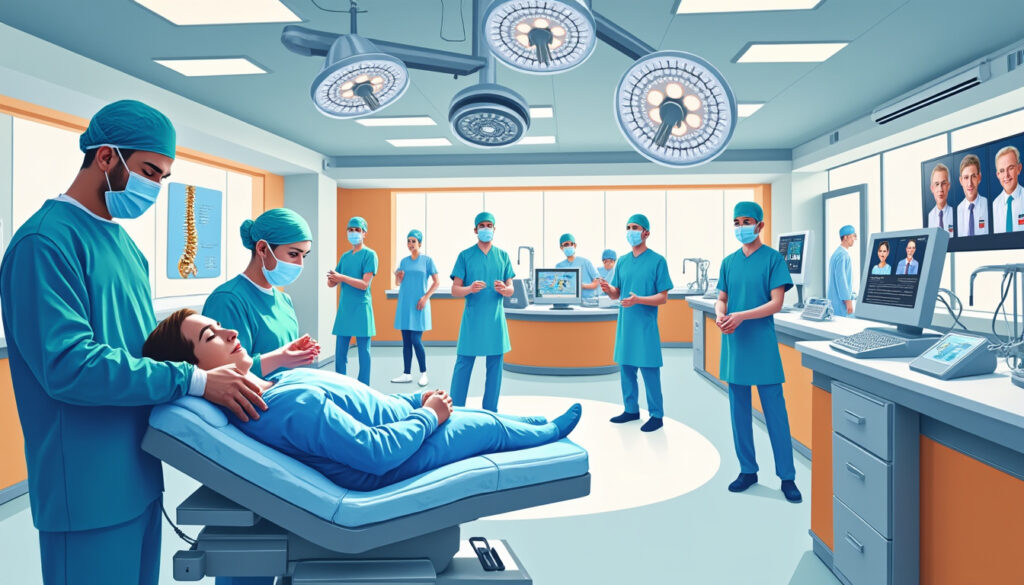
Minimally Invasive Surgery in Longueuil: Quick and Effective Recovery
Minimally invasive surgery in Longueuil is reshaping the future of spine care with innovative techniques that prioritize patient well-being and prompt recovery. This approach combines advanced surgical methods, tailored patient evaluations, and international collaboration to offer exceptional solutions for individuals…
Ensuring Patient Safety: The Ethical and Scientific Foundation of Care
With surgical innovations come responsibilities grounded in science and ethics. Dr. Sylvain Desforges prioritizes patient safety through strict adherence to evidence-based practice, rigorous evaluation criteria, and compliance with Canadian and Quebec regulatory standards, including those of the Collège des médecins.
Every patient undergoes a thorough risk-benefit analysis, ensuring surgery is considered only after conservative treatments have been exhausted, and the indication for motion-preserving technologies like TOPS is well established. This deliberate approach prevents premature invasive procedures and respects individual variations in disease progression and response.
Furthermore, meticulous attention is given to maintaining confidentiality, transparent communication, and informed consent. Patients are encouraged to ask questions, understand limitations, and actively participate in decisions impacting their health journey.
Continuous Innovation and Research Integration
Staying at the forefront of spinal care requires embracing new data and refining techniques. Dr. Desforges regularly consults peer-reviewed studies and collaborates internationally to integrate advances such as neurovertebral decompression, laser technology, and dynamic implants. This commitment to innovation enhances patient outcomes while reinforcing ethical standards.
This culture of scientific diligence and patient-centered ethics underpins the success of the transatlantic care model, assuring patients that they are supported by a team dedicated to excellence and compassion.
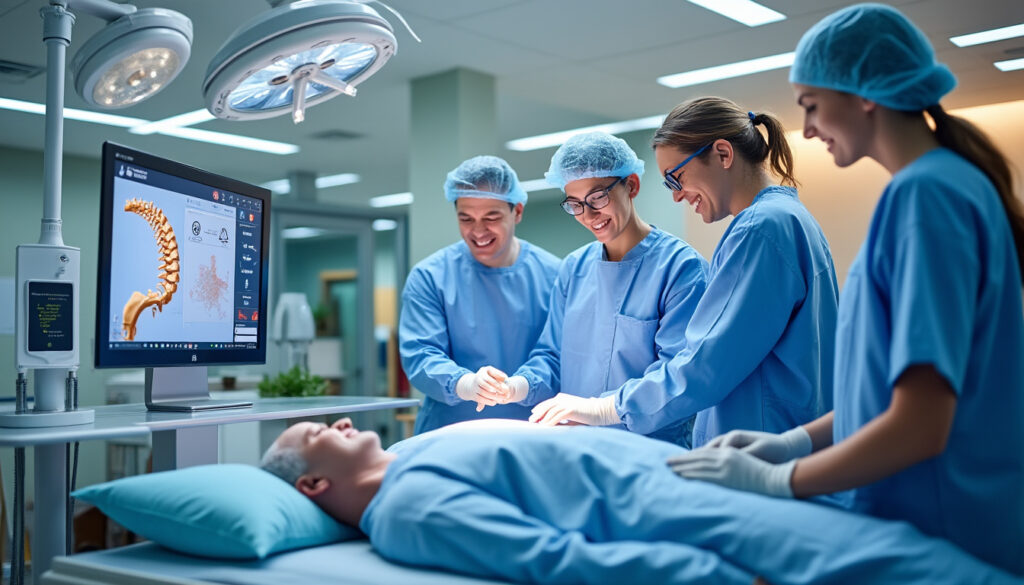
IntraSPINE® in Laval: Approved and Innovative Intervention
Back pain is a persistent challenge impacting countless individuals worldwide, particularly in regions with constrained healthcare access like Québec. Long wait times and high treatment costs burden many patients seeking effective and timely spinal care. Against this backdrop, innovative and…
Importance of Comprehensive Conservative Treatment Before Surgery
Current guidelines and best practices emphasize that surgery should be a last resort for lumbar degenerative conditions. Dr. Desforges aligns with this principle, advocating for a period of three to six months of conservative care prior to any surgical intervention.
This conservative phase includes modalities such as physiotherapy, targeted pain management strategies, and advanced treatments like neurovertebral decompression offered at specialized centers such as the Clinique TAGMED in Quebec. This particular therapy focuses on non-invasive spinal decompression, aiming to alleviate nerve pressure and promote recovery.
If patients have not previously undergone these advanced conservative techniques, it is strongly recommended to pursue them before considering operative options like the TOPS system implantation. This approach not only reduces unnecessary surgeries but also enhances surgical outcomes for those who subsequently proceed.
Patients integrated into the TAGMED protocol report notable improvement in lumbar pain and function, exemplifying the value of personalized, evidence-informed conservative care within the patient journey.
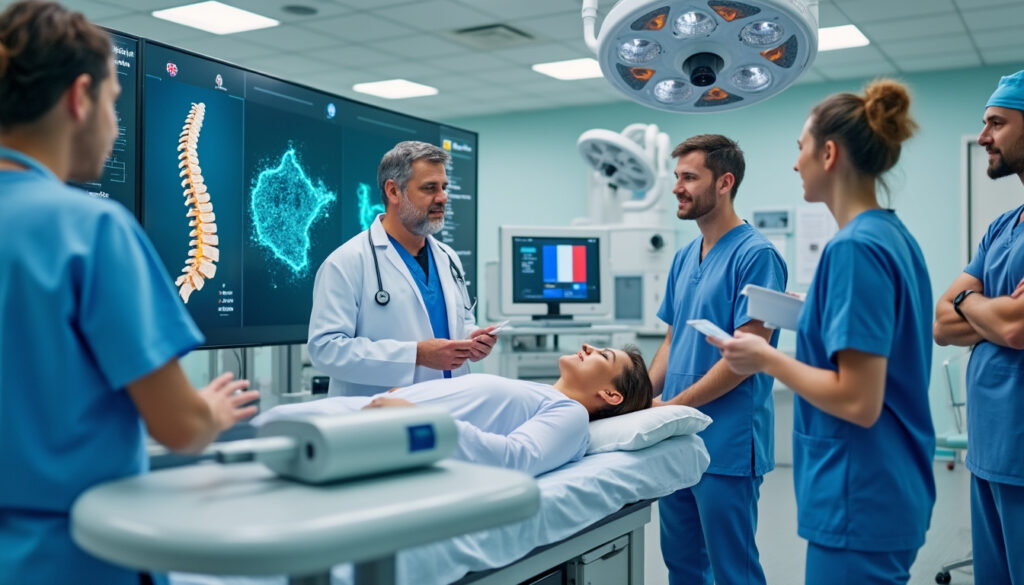
Neck Surgery in Montreal: Modern Techniques for Cervical Preservation
The evolving landscape of neck surgery in Montreal offers transformative possibilities for patients seeking effective, modern interventions that prioritize the preservation of cervical spine function. With advancements in minimally invasive surgical methods, cutting-edge technologies, and a patient-centered continuum of care,…
Table: Comparing Key Surgical Options for Lumbar Degenerative Conditions
| Feature | Traditional Fusion (TLIF) | Decompression Alone | TOPS Motion-Preserving System |
|---|---|---|---|
| Maintains Spinal Motion | No (immobilizes the segment) | Yes | Yes (preserves multi-directional movement) |
| Reduces Adjacent Segment Stress | No (increases stress) | Variable (depends on stability) | Yes (minimizes additional stress) |
| Typical Hospital Stay | Longer (5-7 days) | Shorter (2-4 days) | Minimally invasive, short stay (2-3 days) |
| Recovery Time | 6 months to 1 year | 3-6 months | Typically 3-6 months with tailored rehab |
| Pain Management Outcome | Effective | Moderate | Superior, based on clinical trials |
| Surgical Revision Rate | ~9% | Variable | ~6%, lower than fusion |
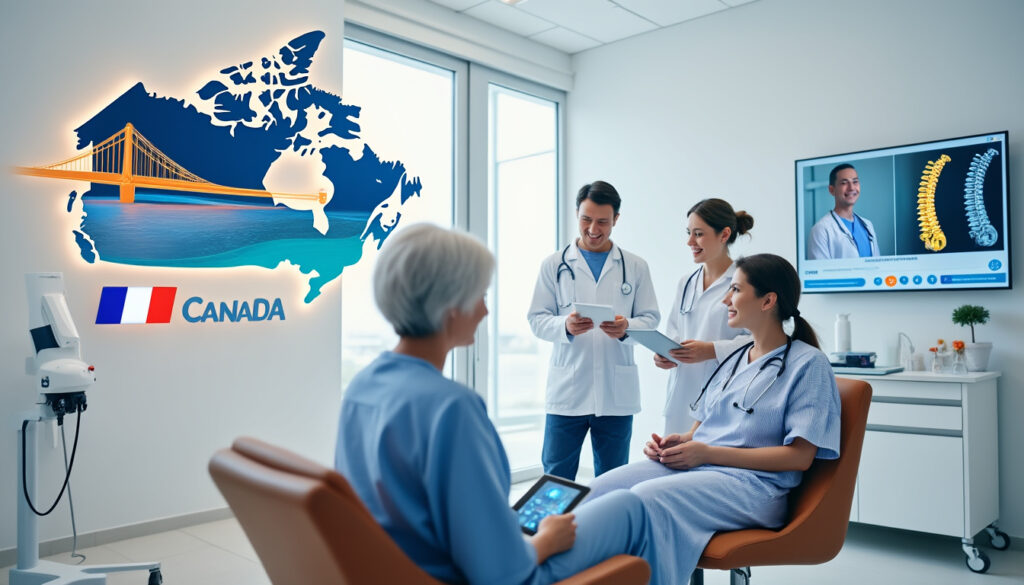
Disc Prosthesis in Lévis: Full Restoration of Spinal Function
In Lévis, the advent of disc prosthesis marks a pivotal evolution in managing chronic back pain, especially for patients seeking alternatives to prolonged waits or costly private care in Quebec. This innovative approach revolves around replacing damaged intervertebral discs to…
An Empowering Path Forward: Personalized and Coordinated Spine Care
Choosing the right pathway for managing lumbar pain is a deeply personal and often complex decision. Dr. Sylvain Desforges leverages his extensive qualifications — B.Sc., D.O., N.D. — and leadership as founder and president of key Canadian osteopathic and musculoskeletal organizations to offer guiding expertise. His integrative approach emphasizes transparency, education, and personalized evaluation to empower patients.
Patients navigating the transatlantic journey benefit from a multidisciplinary team involving surgeons, rehabilitation specialists, and coordinators who ensure both technical excellence and empathetic communication. Tailored treatment plans respect individual anatomical, functional, and psychosocial factors to optimize outcomes.
Respecting the Quebec regulatory framework and interprofessional standards, every step is documented, reviewed, and adjusted based on patient feedback and clinical evolution. This collaboration harnesses cutting-edge technologies and refined protocols to deliver care that is not only innovative but also profoundly human.
For readers eager to explore these options or discuss their specific situation with a trusted spine expert, the next step is simple: contact Dr. Desforges and his team to initiate an individualized consultation and evaluation tailored to your unique needs.
What is the primary benefit of the TOPS system compared to traditional spinal fusion?
The TOPS system preserves the natural motion of the spinal segment while stabilizing it, reducing the stress on adjacent vertebrae, and leading to better pain management and function compared to spinal fusion.
How long should conservative treatments be attempted before considering surgery?
It is recommended to try at least three to six months of conservative treatments, including physiotherapy and neurovertebral decompression, before evaluating the need for surgical options like TOPS.
What conditions are best suited for the TOPS device?
The TOPS system is indicated for patients between 35 and 80 years of age with symptomatic Grade I degenerative spondylolisthesis and moderate to severe lumbar spinal stenosis, primarily at levels L3 to L5.
Can patients expect a shorter recovery time with TOPS compared to fusion?
Yes, the minimally invasive approach and motion preservation of the TOPS device typically allow for shorter hospital stays and more rapid functional rehabilitation than traditional fusion surgery.
How is the transatlantic coordination managed for spine surgery patients?
Dr. Desforges coordinates with surgical teams, clinics, and medical tourism platforms like SOS Tourisme Médical to ensure seamless logistics, timely scheduling, and personalized follow-up care between Quebec and France.
Motion Surgery in Terrebonne: Preserve Natural Spinal Biomechanics
In the field of spinal care, preserving the natural mechanics of the spine while addressing debilitating conditions has become paramount. As patients in Terrebonne and across Quebec seek innovative treatment options to alleviate chronic back or neck pain, Motion Surgery…