Cervical Disc Prosthesis in Quebec: Restoring Neck Mobility and Function
May 20, 2026
Boucherville Chronic Neck Pain Recovery Stories
May 20, 2026
Chronic lower back pain remains a pressing challenge for many active individuals across Quebec, impacting their mobility and overall quality of life. With healthcare access hurdles and lengthy wait times for spinal surgeries domestically, a pioneering collaboration has emerged linking Quebec and France to offer patients an innovative alternative. Central to this transatlantic pathway is the IntraSPINE implant, a dynamic interlaminar device now available in Laval that enables minimally invasive interventions promoting rapid and sustained relief without compromising spinal mobility.
By combining rigorous scientific evaluation, advanced biomechanical technology, and personalized patient support, this novel approach addresses lumbar disc degeneration and nerve compression issues through cutting-edge spine treatment options. The partnership weaves together expert evaluation by Dr. Sylvain Desforges, founder of the Canadian College of Osteopaths and a recognized spine care expert, with specialized surgical expertise in France, coordinated by trusted organizations including the Clinique TAGMED and SOS Tourisme Médical. This integrated model delivers a seamless, safe, and efficient patient experience with tailored rehabilitation following surgery, minimizing uncertainty and optimizing functional recovery for those suffering severe low back pain.
Understanding the Innovations Behind IntraSPINE for Lumbar Disc Herniation in Laval
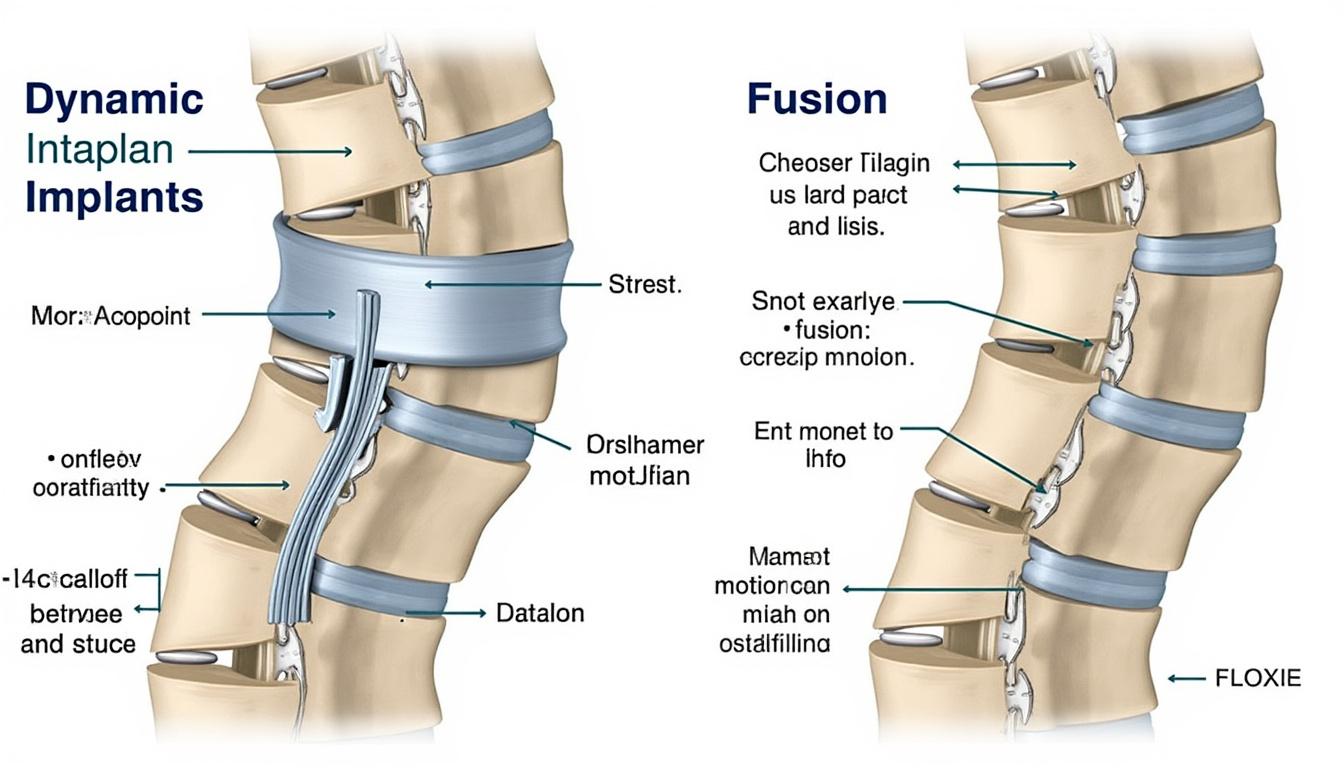
IntraSPINE represents a transformative step in spine treatment, especially for patients grappling with huge lumbar disc herniations where conventional treatments have stalled. Unlike traditional fusion techniques that immobilize spinal segments, this device offers dynamic stabilization by occupying the interlaminar space between vertebrae, cushioning and reducing pressure on nerve roots while preserving natural motion. Constructed from flexible medical-grade silica gel enveloped in a polyester fiber shell, IntraSPINE functions as a biomechanically respectful spacer designed to maintain intervertebral height and mitigate adjacent segment degeneration.
This innovation directly addresses common complications observed after aggressive discectomy procedures, such as loss of disc height and segmental instability, which often trigger chronic back pain or sciatica recurrence. By preserving segmental motion and decompressing neural structures, IntraSPINE facilitates quick and effective recovery after surgery, significantly improving patient outcomes. In several clinical cases analyzed in 2023, patients receiving this implant following unilateral biportal endoscopic (UBE) discectomy exhibited meaningful enhancements in pain relief measured by Visual Analog Scales (VAS) and functional scores like the Oswestry Disability Index (ODI), without exacerbating disc degeneration.
The UBE technique itself represents a minimally invasive approach that employs two small incisions on one side of the spine, one for endoscopic visualization and the other for instrument access. Its expanded field of vision and flexibility enable comprehensive nerve decompression with minimal soft tissue disruption. The synergy of UBE with the dynamic stabilization of IntraSPINE offers a safe and reproducible operative approach that minimizes blood loss, reduces hospital stay, and accelerates rehabilitation compared to traditional open surgeries.
IntraSPINE® in Sherbrooke: Durable Solution for Chronic Low Back Pain
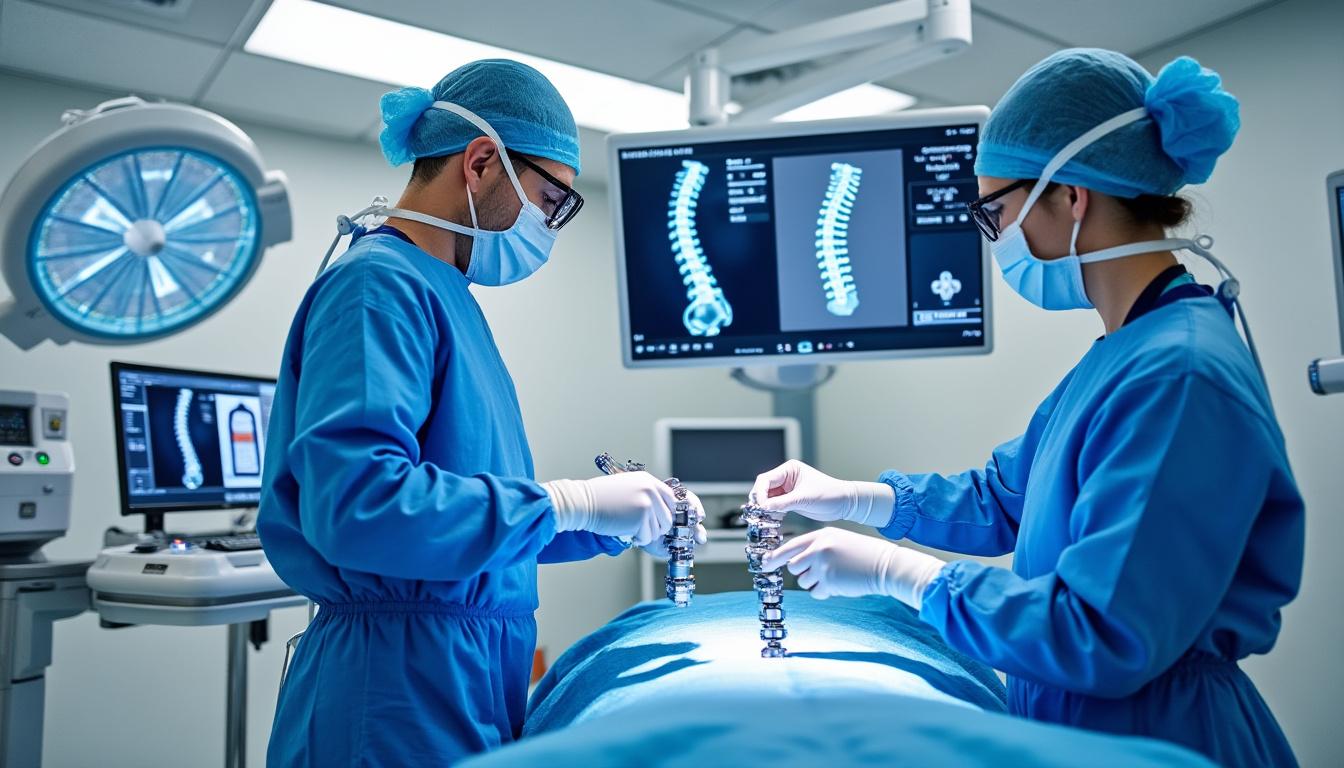
The management of chronic low back pain, a widespread condition affecting millions across Quebec and beyond, has reached a pivotal moment thanks to innovative medical technologies and coordinated care pathways. At the heart of this evolution lies the IntraSPINE implant,…
Types of Spinal Surgery Available in France: Tailoring Interventions for Quebec Patients
Many Quebec patients face barriers to timely spinal surgery, making France an attractive option given its advanced techniques and expertise. French clinics offer a spectrum of spinal surgical options, each adapted to specific spinal pathologies and patient needs:
- Simple Decompression Surgery: This is often a minimally invasive procedure aimed at relieving nerve root compression caused by disc herniation or spinal stenosis. It typically involves removing part of the disc or bone without fusion, allowing for faster recovery with less trauma.
- Vertebral Fusion (Arthrodesis): Recommended for cases with significant vertebral instability, arthrodesis fuses one or more vertebrae using rigid instrumentation. While effective in stabilizing the spine, it reduces natural mobility and may increase stress on adjacent segments, leading to potential long-term complications.
- Motion-Preserving Surgery: Incorporating dynamic implants such as IntraSPINE and TOPS, this approach stabilizes the spine while maintaining physiological motion, reducing adjacent segment stress and offering a more natural biomechanical outcome.
Decisions on the suitable surgical route are personalized after thorough evaluation of the patient’s spinal biomechanics, symptomatology, and lifestyle goals. This precision is enabled through Dr. Desforges’ expert assessments at Clinique TAGMED, ensuring that Quebec patients referred for surgery in France receive interventions aligning with their unique profile. This strategic integration optimizes surgical outcomes, decreases complications, and promotes faster functional recovery.
The presence of minimally invasive surgery options such as IntraSPINE in France also means Quebec patients gain access to technologies unavailable or less accessible locally. For example, preserving lumbar lordosis and mitigating post-surgical stiffness are critical to maintain active lifestyles, a benefit highlighted in dynamic stabilization approaches. Moreover, French centers offer coordinated services through entities like Franchir, which organize the entire surgical journey, from consults to post-op rehabilitation, easing cross-border complexities for the patient.
Spine Surgery in Trois-Rivières: Reduce Pain and Preserve Mobility
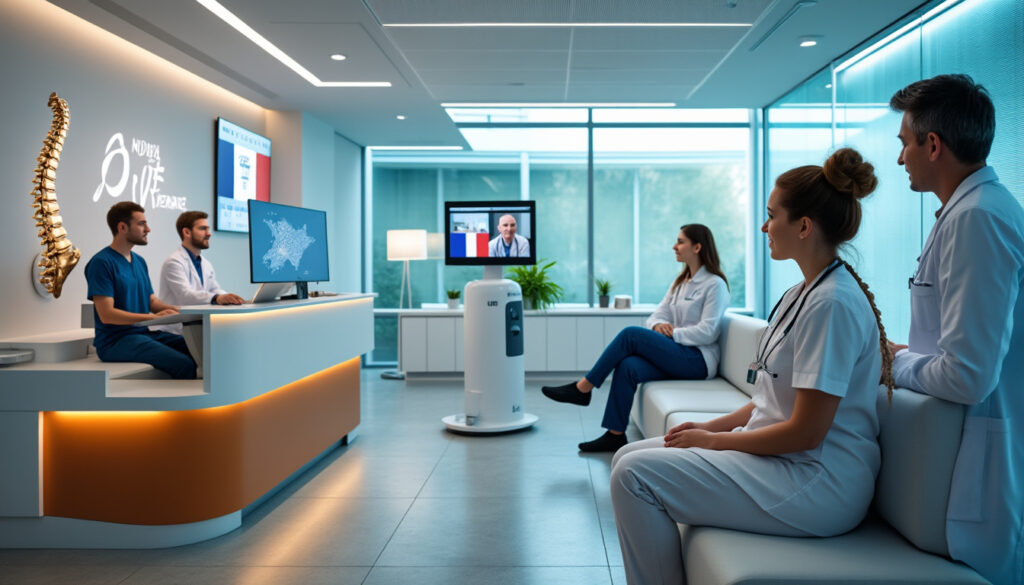
In recent years, spine surgery in Trois-Rivières has evolved notably, combining advanced medical expertise with innovative technologies to deliver patient-centered care. This growing field addresses the increasing demand among Quebec residents seeking effective solutions for chronic back pain and mobility…
Mapping the Patient Journey: From Quebec Evaluation to French Surgery and Back
The transatlantic pathway for spine treatment leveraging IntraSPINE begins with a comprehensive evaluation at the Clinique TAGMED in Quebec, led by Dr. Sylvain Desforges. His role focuses on detailed biomechanical assessment and the formulation of a personalized care plan. It is essential to clarify that Dr. Desforges provides expert evaluations rather than diagnostic conclusions, ensuring an unbiased and scientifically rigorous approach that aligns with provincial and national regulatory standards.
Before considering surgery, patients undergo 3 to 6 months of conservative treatments, including advanced modalities like robotically-assisted neurovertebral decompression available at TAGMED. This step is strictly adhered to given that a significant portion of lumbar conditions respond to non-surgical interventions when properly applied. If symptoms persist despite optimized care, surgical options are then explored.
Upon surgical recommendation, the Franchir organization facilitates a seamless transfer to carefully selected French surgical centers that specialize in minimally invasive spine procedures like IntraSPINE implantation combined with UBE techniques. They manage travel, accommodations, and scheduling allowing patients to focus solely on health. Following surgery, patients return to Quebec, where Neurothérapie Montréal provides ongoing post-operative rehabilitation tailored to the unique recovery patterns associated with dynamic stabilization implants.
This continuum of care embodies scientific rigor, technical excellence, and human warmth, mitigating anxieties about cross-border surgery. The journey also emphasizes shared decision-making, transparency about surgical indications, limitations, and realistic expectations, fostering patient empowerment and optimized outcomes.
Cervical Disc Prosthesis in Quebec City: Avoid Post-Surgery Stiffness
Chronic neck pain remains a significant challenge for thousands of residents in Quebec City every year, often leading them to seek effective spinal surgery options that minimize downtime and maximize long-term mobility. Among the recent advancements revolutionizing cervical spine care,…
The Importance of Conservative Treatment Prior to Surgery: Preventing Unnecessary Interventions
While the allure of surgery as a definitive solution is understandable, the spine care standards championed by experts like Dr. Sylvain Desforges emphasize conservative management as the foundation for all lumbar pathologies. Patients are encouraged to undergo at least 3 to 6 months of focused non-surgical treatments before contemplating any invasive procedures. This prudent approach respects spinal physiology and minimizes exposure to surgical risks, especially in Quebec where access to surgical resources is scarce.
One notable advanced conservative therapy is the robotically-assisted neurovertebral decompression at Clinique TAGMED. This modality employs computer-controlled traction targeting nerve root compression precisely, facilitating pain relief without surgery and improving spinal function. Patients often experience significant reductions in radiculopathy and lower back discomfort through these treatments alone.
If symptoms do not improve after this specialized program, the patient is carefully reassessed for surgery. This model secures that only those who will meaningfully benefit proceed, preventing unnecessary interventions and aligning with ethical medical practice and provincial regulations.
- Emphasizes patient safety by ensuring surgery is a last resort.
- Reduces healthcare costs by maximizing effective non-invasive treatment.
- Optimizes surgical outcomes when surgery is eventually required.
- Engenders patient confidence and involvement through clear education and shared decision-making.
Minimally Invasive Surgery in Longueuil: Reduce Hospital Stay Duration
In recent years, advances in spinal care have dramatically reshaped the treatment landscape for patients suffering from debilitating spinal conditions. Particularly in Longueuil, the emergence of minimally invasive surgery (MIS) techniques offers a transformative alternative to conventional open surgeries. These…
Biomechanical and Human Advantages of IntraSPINE Implantation Compared to Traditional Fusion
The IntraSPINE implant offers several substantial benefits over conventional vertebral fusion, making it an attractive option for patients and surgeons prioritizing longevity and quality of life. A direct comparison highlights these distinctions:
| Criteria | IntraSPINE | Traditional Vertebral Fusion | Rigid Implants |
|---|---|---|---|
| Mobility Preservation | Maintained; dynamic stabilization | Limited; spinal segments fused | Reduced; rigid fixation |
| Recovery Speed | Rapid due to minimal invasiveness | Prolonged recovery period | Variable depending on device |
| Postoperative Pain | Reduced radicular and back pain | Often significant postoperative discomfort | Common, linked to rigidity |
| Risk to Adjacent Segments | Lower mechanical stress; less degeneration | Higher risk due to altered biomechanics | Moderate to high stress |
In practice, the preservation of spinal biomechanics contributes to a more natural posture and reduced incidence of chronic back pain over the long term. Patients report enhanced activity levels and satisfaction with IntraSPINE-based treatment, often returning to work and recreation sooner. Such outcomes are strongly promoted within the multidisciplinary framework coordinated by Dr. Desforges and his transatlantic partners.
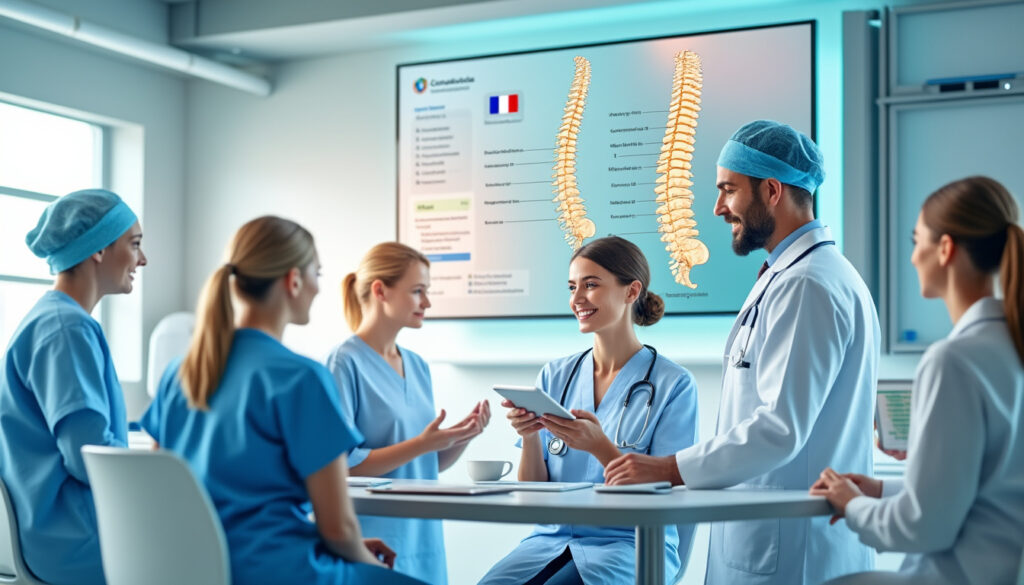
IntraSPINE® in Laval: Modern Solution for Lumbar Stabilization
In the evolving landscape of orthopedic treatments, the city of Laval has become a hub for innovations addressing chronic lower back pain. Among the groundbreaking solutions gaining attention is the IntraSPINE device—a modern spinal implant designed to offer dynamic lumbar…
Personalized Postoperative Rehabilitation and Support in Quebec Following IntraSPINE Surgery
Recovery after IntraSPINE implantation is optimized through close collaboration between the French surgical teams and Quebec-based rehabilitation specialists. Neurothérapie Montréal plays an instrumental role in designing and overseeing personalized rehabilitation programs that respect the implant’s dynamic stabilization technology.
The main goals of postoperative care include:
- Maintaining and enhancing lumbar spine mobility while protecting surgical sites.
- Reinforcing deep spinal musculature for functional spine support.
- Developing neuromotor control strategies to mitigate re-injury risks.
- Educating patients on posture, ergonomics, and gradual return to physical activities or sports.
These interventions are tailored to each patient’s unique condition and progress, supported by periodic clinical evaluation and imaging to monitor implant status and spinal health. This dynamic, multidisciplinary approach ensures patients receive empathetic guidance, motivation, and education, amplifying the benefits derived from surgery and minimizing anxiety around recovery.
Overall, this continuum of care underscores the human side of spine treatment, emphasizing personalized solutions rather than a one-size-fits-all model in managing lumbar disorders.
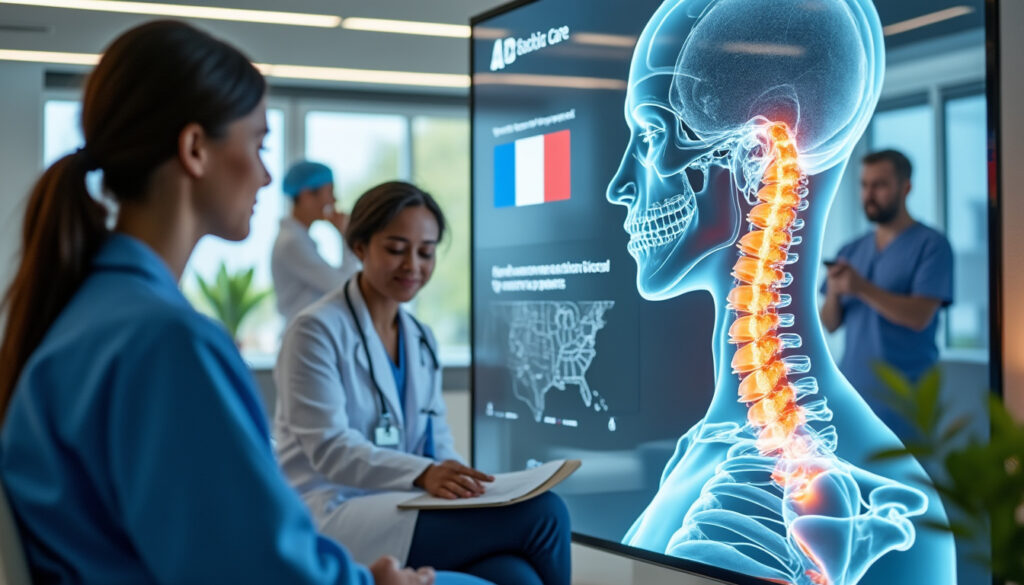
Neck Surgery in Montreal: Maintain Cervical Flexibility and Function
Neck conditions causing persistent pain or functional loss place a substantial burden on individuals and healthcare systems, especially in urban centers like Montreal. Surgical interventions targeting the cervical spine have evolved tremendously, aiming not only to relieve symptoms but to…
Why Choose the Transatlantic IntraSPINE Pathway? Benefits Beyond Borders
Choosing the IntraSPINE surgical journey from Quebec through France offers distinct and compelling advantages:
- Accelerated access to leading-edge, minimally invasive spinal treatments otherwise limited by local wait times or availability.
- Economic savings through comprehensive care packages including surgery, travel coordination, and rehabilitation support managed by trusted intermediaries like Franchir and SOS Tourisme Médical.
- Biomechanical benefits preserving spine mobility reduce long-term pain and spinal degeneration risks.
- Scientifically rigorous evaluation under the supervision of Dr. Sylvain Desforges assures adherence to provincial ethical and safety standards.
- Human-centered care fostering patient engagement, education, and emotional support before, during, and after treatment.
Such a comprehensive approach exemplifies the future of international collaborative care, empowering patients with customized solutions and expert guidance while balancing innovation, safety, and quality of life.

Disc Prosthesis in Lévis: Quick and Long-Lasting Results
Chronic back pain caused by degenerative disc disease continues to profoundly impact the quality of life for many residents in Lévis and the broader Quebec area. For decades, traditional spinal fusion surgery has been the primary solution for alleviating severe…
Frequently Asked Questions About IntraSPINE and the Spine Treatment Pathway
What makes IntraSPINE different from traditional spinal fusion?
IntraSPINE preserves natural spinal mobility by dynamically stabilizing the segment, reducing risks of adjacent segment degeneration and often enabling faster recovery compared to rigid fusion.
Is surgery necessary for all lumbar disc herniations?
No. Surgery is typically considered only after 3 to 6 months of conservative treatments, including advanced therapies like neurovertebral decompression. Many patients experience symptom improvement without surgery.
How does coordination between Quebec and France improve patient outcomes?
Careful evaluation in Quebec, organized surgery in France, and personalized rehabilitation back home create a seamless care journey that combines expert knowledge, technology, and patient-centered support.
What is the typical recovery time after IntraSPINE surgery?
Recovery times vary by patient but are generally shorter due to the minimally invasive approach, with early mobilization encouraged and tailored rehabilitation programs enhancing outcomes.
Where can I get more information or start my evaluation?
For personalized recommendations and to discuss your case, visit SOS Tourisme Médical contact page to connect with expert guidance.
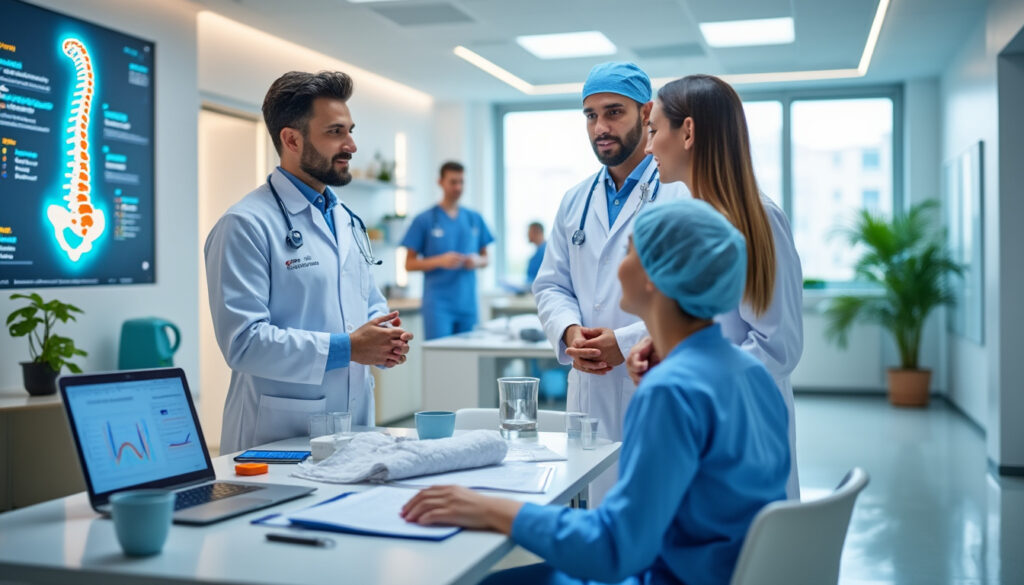
Motion Surgery in Terrebonne: Maintain Intervertebral Mobility
Back pain remains a widespread concern for many in Quebec, with traditional treatment pathways often imposing lengthy waiting periods and financial constraints. Recently, Motion Surgery in Terrebonne has emerged as a transformative option, attracting patients seeking spinal solutions that prioritize…