
Lumbar Disc Herniation in Laval: Post-Treatment Guidelines and Neurovertebral Decompression Therapy Insights
June 17, 2026
Simple Surgery, Fusion, and Motion: Exploring Their Impact on Surgical Decision-Making
June 18, 2026Minimally invasive surgery in Longueuil is transforming the way spinal conditions are treated, offering patients a path that emphasizes reduced tissue trauma, quicker recovery times, and preservation of natural spinal mobility. For many individuals suffering from chronic back and neck issues, this approach provides not just relief but also a renewed chance to maintain an active and flexible lifestyle post-surgery. By integrating cutting-edge technology and forming strategic partnerships with medical centers in France, Longueuil’s medical community has pioneered an innovative model where patients benefit from advanced surgical techniques while experiencing personalized, compassionate care throughout their journey.
Thousands of patients in Quebec face long waiting periods for traditional spine surgeries, often experiencing prolonged pain and disability. Minimally invasive surgery addresses these challenges with techniques designed to minimize scarring and promote rapid rehabilitation. Clinical leaders like Dr. Sylvain Desforges, renowned for over 30 years of expertise in spinal care, play an instrumental role in evaluating and guiding individuals to the most appropriate treatment pathways. With his extensive background and leadership at TAGMED Clinics, patients receive not only innovative procedures but also thorough pre- and post-operative support tailored to maintain joint flexibility and patient mobility.
Exploring Minimally Invasive Surgery Types in Longueuil: Simple, Fusion, and Motion-Preserving Options
Minimally invasive surgery (MIS) encompasses a range of techniques that vary according to patient needs and the specific spinal pathology involved. In Longueuil, these methods are performed under the expert guidance of Dr. Sylvain Desforges, whose comprehensive clinical experience ensures that each patient’s surgical plan is customized carefully. The goal: effective relief of symptoms with the least disruption to the body’s natural structures.
Simple Minimally Invasive Procedures: Targeting Relief With Precision
Simple MIS involves single-level decompression or discectomy through small incisions or endoscopic techniques. These procedures focus on relieving pressure on affected nerves with minimal collateral tissue damage. For instance, neurovertebral decompression can rapidly alleviate discomfort from localized herniated discs or spinal stenosis, allowing patients to regain function without compromising spine stability. This approach is ideal for patients experiencing moderate, well-defined nerve compression without extensive instability.
Spinal Fusion via Minimally Invasive Techniques: Enhanced Stability, Reduced Tissue Trauma
Severe vertebral instability, often linked to chronic pain, may require fusion surgery where two vertebrae are mechanically united to restore spinal integrity. Traditionally associated with large incisions, advancements now enable these fusions through minimally invasive approaches that preserve much of the surrounding musculature and ligaments. The benefits include shorter hospital stays, reduced post-operative pain, and faster rehabilitation periods. This offers patients a durable long-term solution while minimizing the risks associated with open surgery.
Motion-Preserving Surgery: The Future of Spinal Flexibility
Motion-preserving techniques have emerged as a revolutionary alternative to traditional fusion methods. Utilizing innovative dynamic implants such as the TOPS system or IntraSPINE devices, these procedures stabilize problematic segments while maintaining a certain range of motion in the vertebral column. This reduces the likelihood of adjacent segment degeneration, a common complication seen after rigid fusion. Patients enjoy quicker functional recovery and a more natural post-operative spinal biomechanics, facilitating an earlier return to daily activities.
| Type of Surgery | Main Indications | Key Benefits |
|---|---|---|
| Simple Minimally Invasive Surgery | Localized disc hernias, focal spinal stenosis | Targeted relief, faster recovery, less pain |
| Minimally Invasive Spinal Fusion | Severe vertebral instability | Long-term stability, reduced tissue damage |
| Motion-Preserving Surgery | Pathologies without severe instability | Preserves mobility, lowers risk of adjacent segment issues |
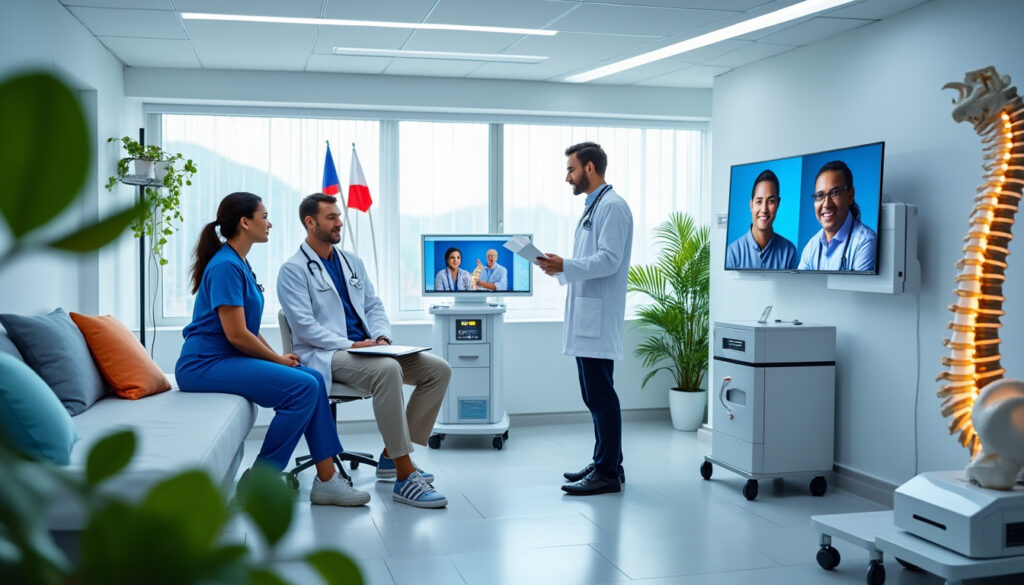
In Montreal, herniated disc care has evolved into a multidisciplinary practice combining cutting-edge technology and personalized protocols designed to mitigate pain, restore mobility, and improve overall spine health. The bustling urban environment, combined with physically demanding lifestyles, imposes unique challenges…
Post-Operative Care in Longueuil: Prioritizing Patient Mobility and Reduced Scarring
Post-operative care after minimally invasive surgery in Longueuil emphasizes maintaining surgical flexibility, managing pain effectively, and facilitating rapid rehabilitation. Smaller incisions inherent to MIS result in considerably less scarring and tissue damage, which directly correlates with enhanced patient mobility during recovery. This translates into shorter hospital stays and quicker return to normal activities compared to traditional open spine procedures.
Dr. Sylvain Desforges ensures each patient’s post-operative pathway is highly individualized. Comprehensive rehabilitation programs are established at specialist centers like Neurothérapie Montréal, focusing on restoring joint function, strengthening surrounding musculature, and preventing stiffness that could limit spinal movement. Patients are educated on proper activity modifications and gradual reintroduction of exercises designed to foster long-term spinal health.
Pain management strategies incorporate evidence-based protocols that minimize the use of anti-inflammatory medications when possible, favoring alternative therapies such as laser and shockwave treatments. These approaches directly complement surgical outcomes, reducing inflammation and accelerating tissue repair. The ultimate goal remains ensuring each patient achieves maximal functional independence with preserved spinal flexibility.
Strategies for Enhancing Recovery and Ensuring Surgical Success
- Early mobilization under guided supervision to maintain range of motion.
- Use of neurovertebral decompression devices as adjunctive therapy.
- Tailored physiotherapy programs integrating dynamic stabilization exercises.
- Close monitoring for signs of complications or adhesion formation.
- Patient education on activity pacing, nutrition, and posture.
These comprehensive care protocols adhere strictly to Quebec’s medical guidelines, reflecting Dr. Desforges’ commitment to scientific rigor and patient safety. The focus on maintaining post-operative flexibility and patient mobility aligns with international best practices documented in leading healthcare research and contributes significantly to positive surgical outcomes. For detailed insights on managing recovery, refer to expert resources such as comprehensive rehabilitation guides.
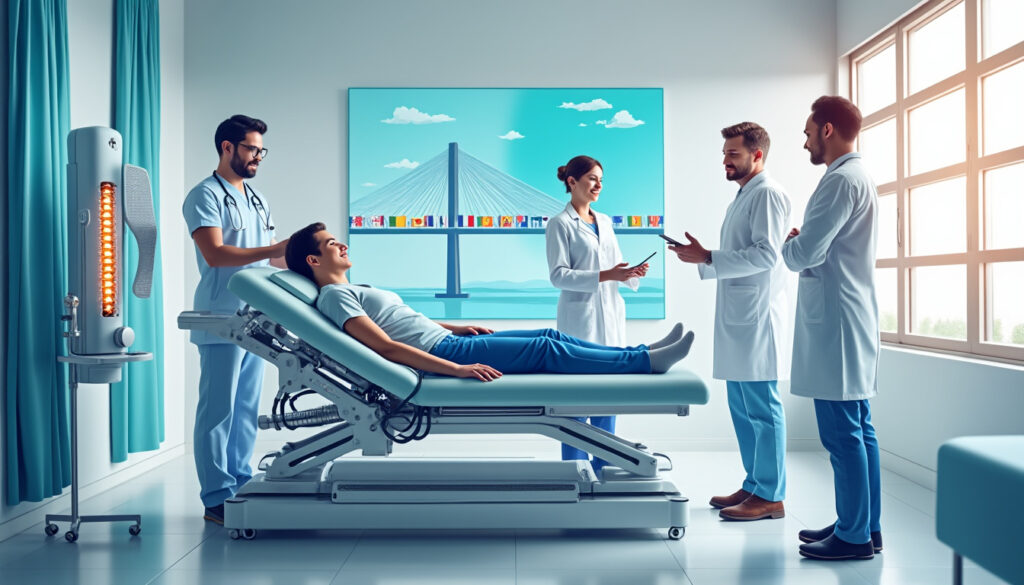
In the vibrant, active region of Laval, lumbar disc herniation (LDH) represents a significant health concern, especially among individuals facing repetitive spinal strain or leading sedentary lifestyles. This spinal condition, often manifesting as intense back pain and functional limitations, calls…
Breaking Barriers: The Patient Journey from Initial Evaluation to Post-Surgery Rehabilitation
The path to minimally invasive surgery in Longueuil is marked by a carefully managed journey that prioritizes patient-centered decision-making and medical thoroughness. Dr. Sylvain Desforges undertakes detailed evaluations, including advanced imaging studies and clinical examinations, to understand the exact nature of the spinal disorder. This process is fundamental to determining the appropriateness of surgery or further conservative treatments.
Before surgery is considered, patients typically engage in a 3-6 month phase of conservative management at the TAGMED Clinic, where advanced non-surgical options such as neurovertebral decompression therapy are employed. This step demonstrates a clear preference for exhausting less invasive treatments and aligns with ethical medical standards, minimizing unnecessary surgeries. Only when these options fail to alleviate symptoms does surgery enter the conversation.
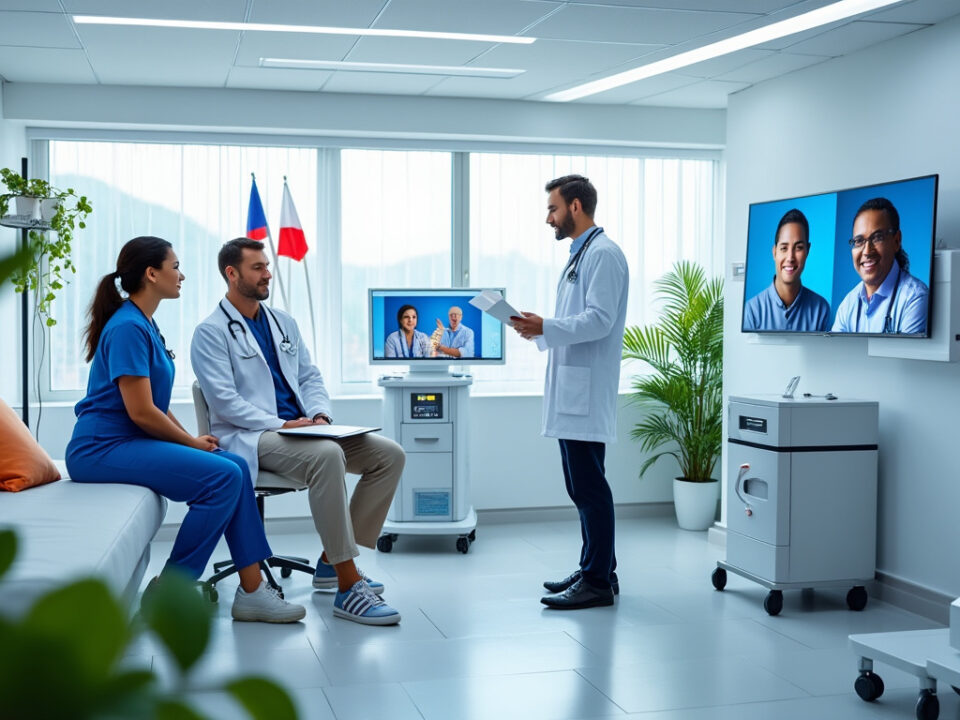
Once surgery is indicated, a transatlantic coordination mechanism comes into play. Thanks to partnerships with French healthcare centers, patients benefit from access to specialized surgical techniques and innovative implants not always available in Canada. The collaboration extends beyond technical aspects, encompassing logistical support including travel, accommodation, and appointment scheduling to ensure a smooth and stress-free medical stay facilitated by organizations like SOS Tourisme Médical.
After the surgical intervention in France, patients return to Longueuil for structured rehabilitation and follow-up, fostering continuity of care that maximizes recovery and preserves spinal biomechanics. This unique transnational model essentially bridges geographic barriers, combining expertise across continents for optimal patient outcomes.
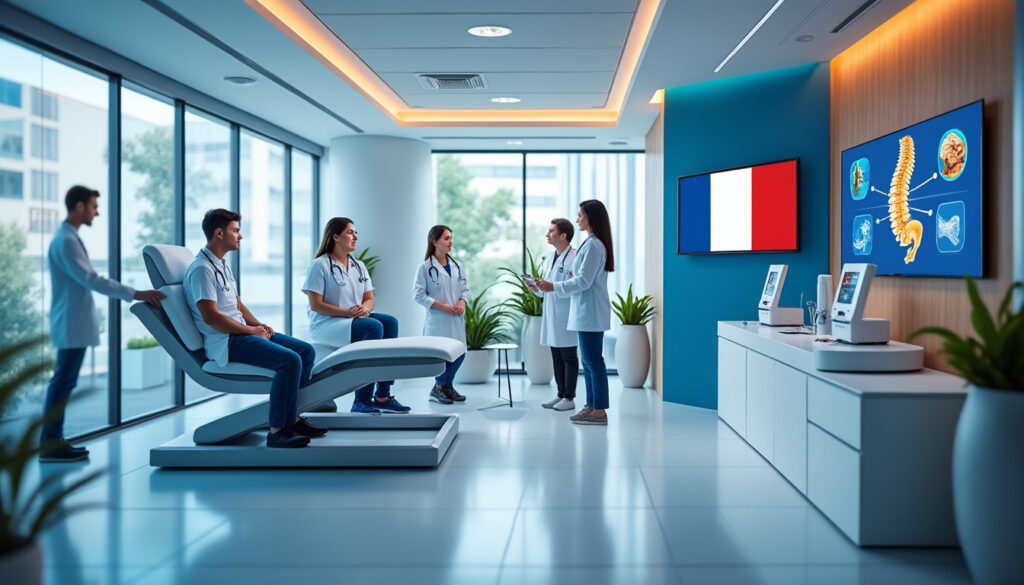
IntraSPINE® in Laval: A Modern and Safe Solution
Back pain continues to challenge millions across Quebec, affecting everyday activities and diminishing quality of life. As the demand for modern, effective spinal treatments grows, innovations like IntraSPINE at Laval emerge as pivotal solutions. This advanced dynamic implant provides a…
Why Conservative Treatment is Fundamental Before Considering Minimally Invasive Surgery
Before pursuing any surgical intervention, it is imperative to embark on a rigorous period of conservative care. Dr. Sylvain Desforges emphasizes that comprehensive clinical evaluation coupled with advanced conservative therapies can often resolve or substantially improve spinal disorders, thus precluding the need for surgery. These treatments encompass neurovertebral decompression, manual osteopathic therapies, laser therapy, and targeted physical rehabilitation.
In cases where these approaches yield insufficient symptom relief, a re-assessment allows for precise surgical planning tailored to the patient’s evolving anatomical and clinical status. This prudent pathway safeguards patients from premature surgical risks and is indicative of Dr. Desforges’ ethical commitment and dedication to patient safety.
This stepwise approach not only reduces healthcare costs but also enhances patient confidence. Knowing that every viable non-surgical option has been explored reassures patients and contributes to better mental wellbeing throughout their treatment journey. Such care standards are exemplified by specialized centers like Clinique TAGMED, recognized for harmonizing evidence-based conservative treatments with cutting-edge surgical capabilities.
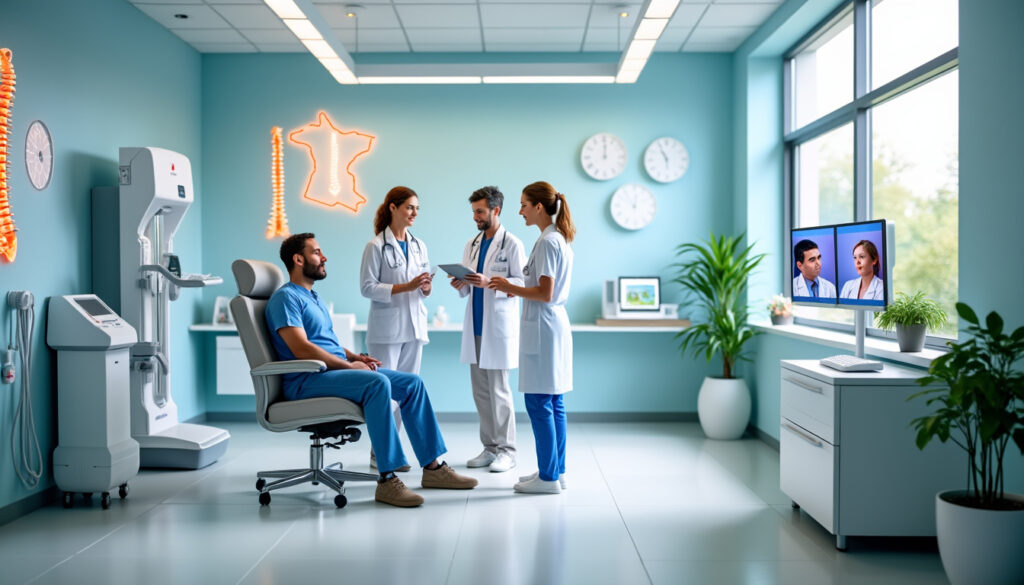
Disc herniation in Sainte-Anne-de-Bellevue presents a significant challenge, impacting the daily lives of many adults in this thriving community. As bustling professional and family demands intensify, the prevalence of spinal disorders, particularly herniated discs, has amplified the need for effective,…
Surgical Innovation in Longueuil: Advanced Technologies Shaping the Future of Spine Care
Longueuil’s cutting-edge surgical landscape is characterized by the integration of advanced instruments such as neurovertebral decompression devices, laser therapy platforms, and dynamic spinal implants. These innovations not only optimize surgical outcomes but also align with Dr. Sylvain Desforges’ vision of combining scientific rigor with patient-centered care.
Dynamic implants like the TOPS system and IntraSPINE represent a significant leap forward by enabling segmental stabilization while preserving spinal motion, thus mitigating risks of adjacent segment degeneration. The availability of such technology within the transatlantic care framework offers Canadian patients access to treatment options otherwise limited locally.
Laser-based therapies complement surgical interventions by promoting healing and reducing postoperative inflammation. These modalities are administered both pre- and post-operatively as part of a holistic rehabilitation program designed to foster quicker recovery.
Dr. Desforges’ commitment to innovation is further exemplified by the adoption of robotic-assisted neurovertebral decompression equipment. This precision technology refines decompression accuracy, minimizing tissue trauma and optimizing nerve relief. Such advancements are pivotal in achieving the primary goal of maintaining surgical flexibility and long-lasting patient mobility.
Neck Surgery in Montreal: Enhancing Mobility and Alleviating Pain
Chronic neck pain and cervical spine disorders remain among the leading causes of disability and reduced quality of life worldwide. In Montreal, a city known for its advanced medical facilities and cutting-edge research, the field of neck surgery has undergone…
The Importance of Scientific Rigor and Ethical Standards in Spine Surgery
Medical interventions, especially those involving the spine, demand the utmost scientific diligence and adherence to ethical norms. Dr. Sylvain Desforges exemplifies this through his unwavering commitment to evidence-based practices, patient safety, and compliance with Quebec and Canadian medical regulations. This includes strict observance of guidelines from the Collège des médecins du Québec, ensuring that every stage from evaluation to post-operative care meets the highest standards.
Ethics in spine care also extends to transparent communication with patients. Dr. Desforges prioritizes explaining treatment indications, benefits, and limitations in clear, accessible language. This educational approach empowers patients, facilitating informed decision-making and fostering trust. Patients are treated as unique individuals with personalized evaluations rather than mere candidates for surgery.
Such a rigorous, ethical framework does more than enhance clinical outcomes. It cultivates a care environment where innovation coexists with patient-centered values, ensuring that technological advances translate into tangible, human benefits rather than simply technical achievements.
The issue of herniated discs in Saint-Jérôme represents a significant public health challenge, affecting a diverse range of individuals, from active workers facing repetitive spinal strain to older adults experiencing natural disc degeneration. Persistent lower back pain, neurological symptoms, and…
Coordinated International Care: Bridging Quebec and France for Optimized Spine Surgery
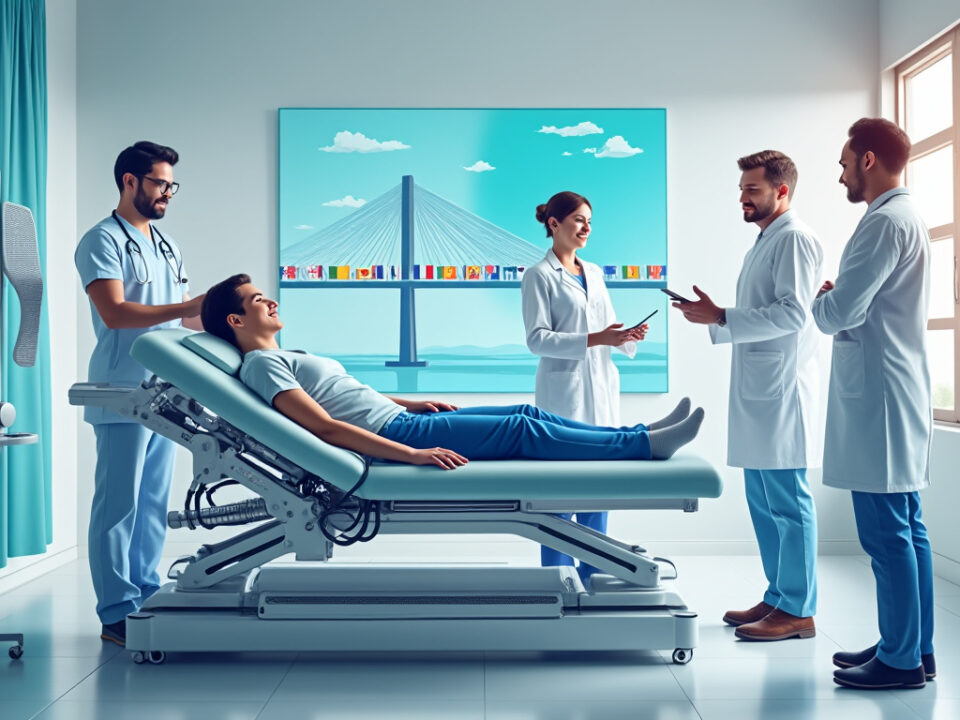
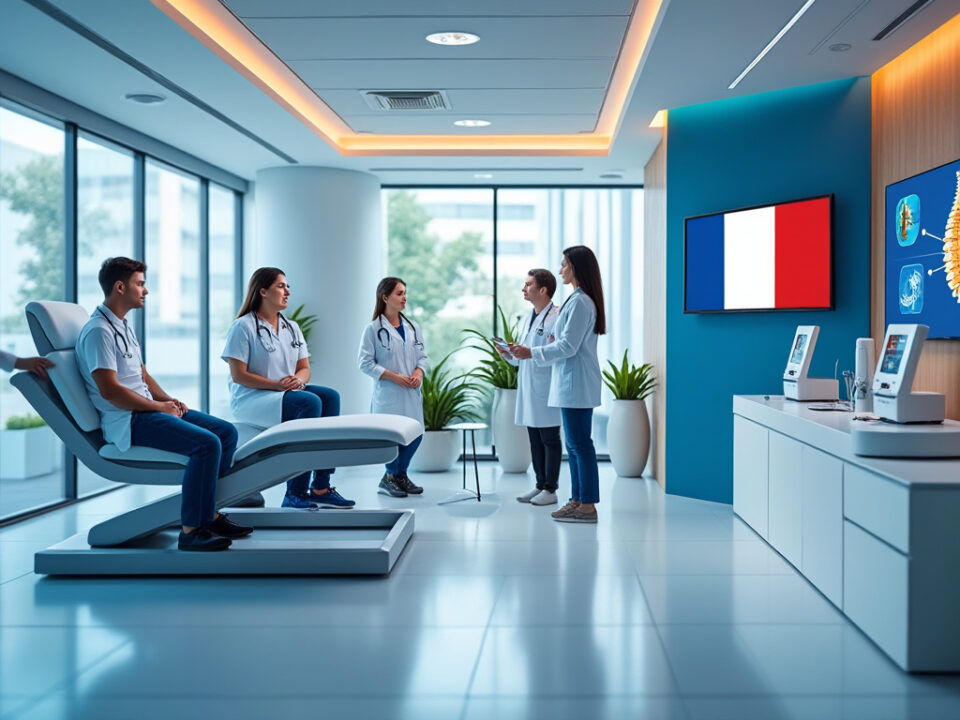
One of the defining characteristics of the minimally invasive spine care model in Longueuil is its seamless integration with international partners. The collaboration between Quebec and French medical centers enables access to advanced surgical options and technologies, dramatically reducing wait times and expanding treatment possibilities.
Dr. Sylvain Desforges plays a pivotal role in managing this transatlantic care pathway, coordinating with top spine surgeons and clinics to deliver smooth, timely interventions. This coordination includes comprehensive logistical support—from travel arrangements to post-surgical follow-ups—offered through platforms like SOS Tourisme Médical, which specialize in medical tourism.
Patients benefit from continuity of care and personalized management throughout their journey, combining the expertise of multidisciplinary teams on both continents. This approach not only improves access to cutting-edge treatments but also enhances overall patient experience, ensuring reassurance and empathetic support at every step.
Disc Prosthesis in Lévis: Achieving Fast and Effective Results
Chronic back pain due to degenerative disc disease poses a significant challenge for many patients in Lévis and across Canada. With the increasing demand for effective solutions that reduce recovery time while preserving spinal mobility, disc prosthesis has emerged as…
Distinctive Services and Added Value of Minimally Invasive Surgery in Longueuil
What sets Longueuil apart in providing minimally invasive spine surgery is a unique confluence of expert evaluation, state-of-the-art technology, and a humanistic approach to patient care. Guided by Dr. Sylvain Desforges’ three decades of expertise, patients enjoy access to innovative implant options, including dynamic devices that preserve biomechanics, laser-assisted therapies, and robotic decompression techniques.
The clinical team ensures comprehensive pre-operative assessment and closely monitors post-operative rehabilitation designed to maintain flexibility and prevent complications. This holistic continuum of care fosters faster recovery, reduces post-surgical pain, and ultimately improves long-term quality of life.
Moreover, the integration with international partners offers Canadian patients access to techniques not readily available locally, positioning Longueuil as a hub for advanced spinal care that combines innovation, safety, and personalized attention. This seamless convergence underscores the added value patients receive when choosing minimally invasive surgery options here, supported by transparent communication and compassionate guidance.
- Access to advanced dynamic implants preserving spinal mobility
- Utilization of neurovertebral decompression and laser-assisted therapies
- Experienced team led by Dr. Sylvain Desforges with over 30 years of expertise
- Structured transatlantic care pathways ensuring timely access and continuity
- Comprehensive post-operative rehabilitation focusing on patient mobility and pain management
Who is eligible for minimally invasive surgery in Longueuil?
Eligibility is determined through a comprehensive evaluation involving anatomical, physiological, and personal health factors. Decisions are made collaboratively after exploring conservative treatments and detailed case analysis.
How long does a typical minimally invasive surgery session last, and how many sessions are needed?
Each session usually lasts between 5 and 15 minutes depending on the treatment area. The total number of sessions varies according to the medical indication and patient response, which are regularly assessed.
What post-operative sensations or effects should patients expect?
Temporary sensations such as tingling or mild discomfort may occur. Patients receive specific instructions regarding activity levels, nutrition, and avoiding anti-inflammatory medications based on individual cases.
Are there any contraindications or precautions before surgery?
Certain clinical conditions may contraindicate surgery, evaluated during preoperative assessments. In urgent neurological cases, immediate referral to emergency medical care is essential.
How can patients initiate the transatlantic care pathway between Canada and France?
Our team coordinates every step in consultation with partner surgeons and clinics. Specialized platforms like SOS Tourisme Médical facilitate logistics, appointments, and administrative procedures for a seamless experience.
Herniated Disc in L’Assomption: Targeted Therapy Zones and Neurovertebral Decompression Treatment
In the vibrant community of L’Assomption, back pain caused by herniated discs increasingly affects a broad segment of the population, from active workers to aging residents. With surgery often regarded as a last resort, patients and healthcare practitioners alike are…