Minimally Invasive Surgery in Longueuil: Maintaining Post-Operative Flexibility
June 18, 2026
Comprehensive Insights into Patient Recovery Stories
June 18, 2026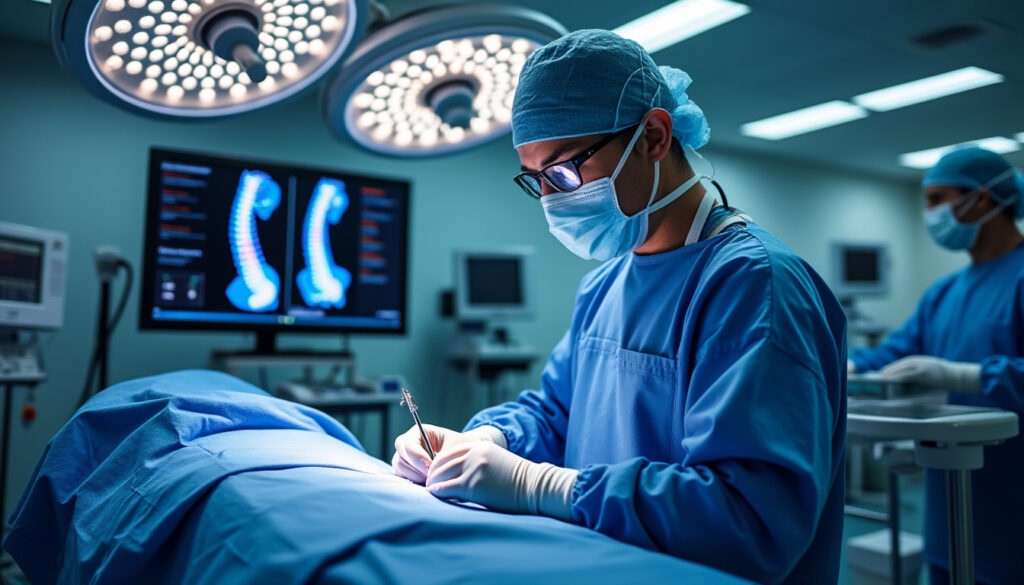
The management of spinal disorders in 2026 involves a complex interplay between different surgical options, each tailored to address specific biomechanical challenges and patient needs. The landscape has been significantly influenced by advances in technology and a growing understanding of biomechanics, leading to a diversification of available procedures such as simple surgery, spinal fusion, and motion-preserving interventions. Simultaneously, evolving patient expectations for rapid recovery and maintained mobility are shaping surgical decision-making protocols worldwide.
In regions such as Quebec, lengthy wait times and high private healthcare costs have driven patients to seek innovative surgical care abroad, particularly in France, where expert surgeons like Dr. Sylvain Desforges lead the field in advanced spinal techniques. These include the use of dynamic implants that balance spinal stabilization with natural motion preservation. This international collaboration has evolved into a streamlined pathway ensuring thorough preoperative evaluation, surgical precision, and postoperative rehabilitation, all factors crucial to optimized outcomes.
The interplay of simple surgery, fusion, and motion techniques requires a deep understanding of their biomechanical impacts and recovery profiles. Clinicians are increasingly reliant on nuanced patient-specific factors and preoperative diagnostics to guide choice of intervention. This article explores how these techniques impact surgical decision-making, analyzing biomechanical principles, surgical innovations, rehabilitation strategies, and patient outcomes, while placing emphasis on the significant role of minimally invasive surgery and emerging technologies.
Distinguishing Simple Surgery, Fusion, and Motion Techniques in Spinal Care: Biomechanics and Clinical Implications
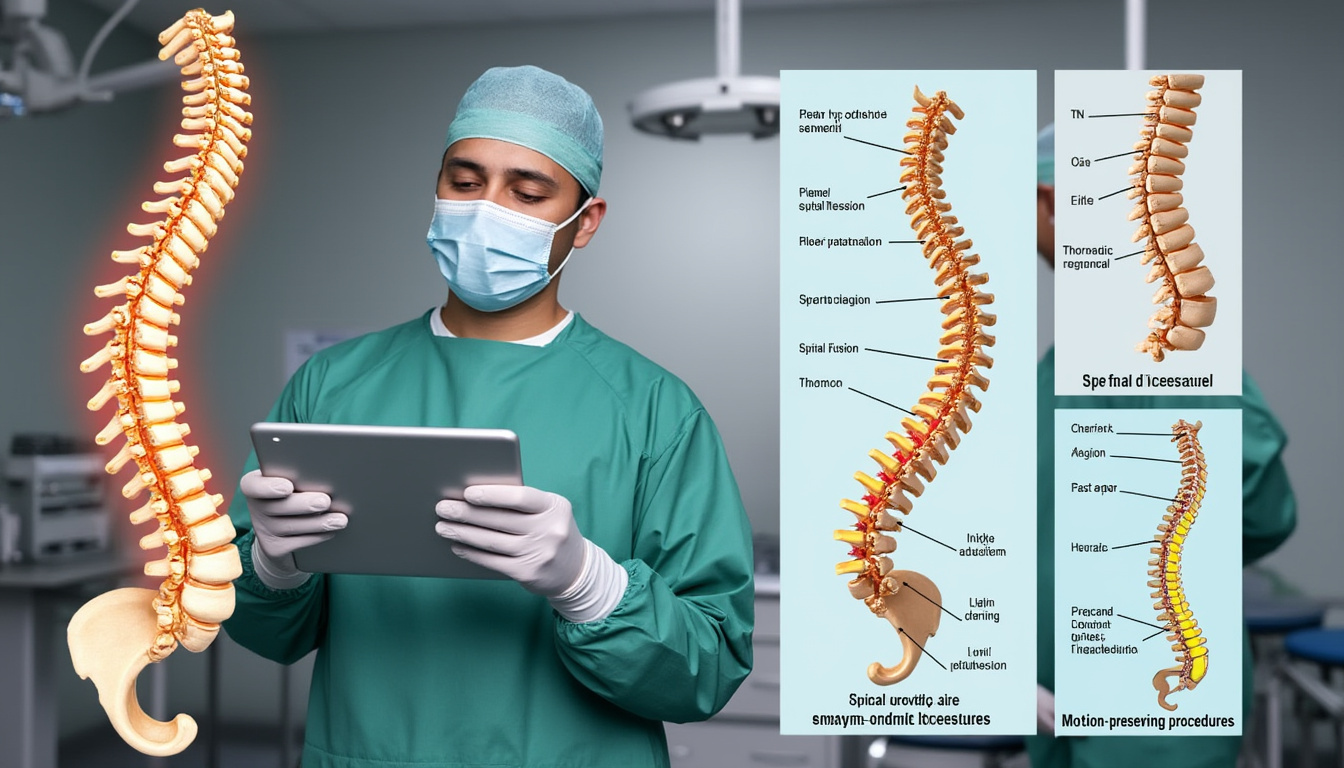
Spinal surgical techniques can broadly be categorized into simple decompression surgery, spinal fusion, and motion-preserving surgery, each serving distinct indications based on the underlying pathophysiology. Simple surgery primarily involves decompression, intended to relieve nerve root or spinal cord compression without altering spinal stability or motion. This approach is frequently indicated for moderate spinal stenosis or foraminal narrowing where instability is absent.
In contrast, spinal fusion refers to arthrodesis procedures aimed at immobilizing one or more vertebral segments to address mechanical instability, deformity, or degenerative pathology. Fusion achieves long-term pain relief by eliminating motion between affected vertebrae but inherently sacrifices segmental mobility, often leading to altered biomechanics in adjacent segments that may invite progressive degeneration. Thus, fusion is typically reserved for cases involving instability such as spondylolisthesis or severe arthritic changes.
Motion-preserving surgery is an innovative category that incorporates dynamic implants such as TOPS and IntraSPINE, designed to stabilize the spine while maintaining physiological range of motion. These devices absorb and redistribute mechanical loads, reducing stresses transmitted to adjacent segments and encouraging faster recovery. This technique effectively bridges the gap between simple decompression and fusion by correcting instability without rigidity, appealing especially to younger or more active patients.
Biomechanically, these approaches differ markedly: simple surgery maintains 100% segmental mobility but may leave underlying instability untreated; fusion reduces motion to zero at the operative site, increasing load transfer elsewhere; motion surgery retains approximately 60-80% of segmental movement, offering a balance between stability and natural kinematics. A precise understanding of these effects guides selection to maximize patient function and minimize long-term complications.
Clinical outcomes correspond to these biomechanical principles. Simple surgeries enable rapid return to activity with shorter hospital stays but bear a higher risk of symptom recurrence if instability develops postoperatively. Fusion surgeries tend to yield durable pain relief at the expense of longer recovery times and potential adjacent segment degeneration. Motion-preserving surgeries show promising results in functional outcomes and reduced degeneration, although patient selection remains crucial due to the novelty and complexity of dynamic implants.
This intricate classification emphasizes the necessity for structured surgical decision-making based on comprehensive evaluation of pathoanatomy, radiographic metrics, biomechanics, and patient lifestyle.

Understanding Sciatic Pain: Key Symptoms and When to Seek Medical Advice
Sciatic pain is a prevalent condition impacting a wide demographic, manifesting primarily as intense pain radiating from the lower back down the leg. This pain stems from irritation or compression of the sciatic nerve, a major nerve extending through the…
The Role of Minimally Invasive Surgery and Robotic Assistance in Enhancing Surgical Decision-Making
Minimally invasive surgery (MIS) has transformed spinal care by reducing soft tissue disruption, blood loss, and postoperative pain, enabling faster rehabilitation and shorter hospital stays. In 2026, MIS techniques are increasingly integrated with robotic navigation systems and 3D imaging platforms, ushering in a new era of precision and safety. These advancements directly influence surgical decision-making by broadening indications and improving patient outcomes.
Robotic-assisted spine surgery platforms facilitate accurate implant placement, real-time intraoperative feedback, and minimized radiation exposure. These technologies support the safe execution of complex fusion procedures as well as motion-preserving implantations. Their use allows surgeons to tailor intervention levels more precisely, ensuring biomechanical goals are met without excessive invasiveness.
The synergy of MIS and robotic systems also enables enhanced preoperative planning and dynamic intraoperative adjustments based on patient anatomy and spinal kinematics captured during surgery. This level of customization promotes better alignment restoration and implant positioning, factors critical for successful fusion and motion preservation alike.
For instance, a patient with a degenerative spondylolisthesis undergoing fusion benefits from robotic precision in screw placement, reducing complications and improving construct stability. A different patient suited for motion-preserving surgery can receive dynamic implants with optimized alignment, preserving segmental motion while ensuring effective stabilization.
These innovations also reduce the overall physiological impact of surgery, making it feasible to offer intervention to patients previously deemed high risk due to comorbidities or age. They enhance the surgeon’s capability to choose the most appropriate surgical approach between simple decompression, fusion, or motion preservation by providing superior visualization and reproducibility.
Evidence from recent clinical audits underscores that centers embracing MIS with robotic assistance report lower complication rates and improved patient-reported outcomes across surgical categories. As such, this trend is reshaping standard surgical protocols and multidisciplinary care pathways.

The Stepwise Role of Functional Recovery in Achieving Successful Outcomes
The journey to full recovery following spinal surgery is often complex and multifaceted, demanding a meticulously structured approach to ensure optimal functional outcomes. In recent years, the concept of functional recovery through a stepwise approach has garnered significant attention in…
Patient-Specific Radiographic Metrics and Their Influence on Fusion Versus Motion Surgery
Preoperative radiographic evaluation plays a pivotal role in distinguishing candidates for spinal fusion from those best suited for motion-preserving surgery. Historically, the focus was mostly on overt instability defined by translational or angular displacement; however, recent research advocates for a broader definition incorporating vertical instability and dynamic slip, which affect surgical planning and outcomes.
Dynamic imaging modalities such as flexion-extension X-rays, coupled with advanced metrics derived from MRI and CT scans, help identify subtle instabilities and degeneration patterns. Quantitative parameters of intervertebral motion and segmental deformation guide the decision to immobilize via fusion or preserve motion using dynamic implants.
For example, a patient exhibiting increased intervertebral translation (>3 mm) with vertical drop-off on flexion is more likely to benefit from fusion due to mechanical instability. Conversely, patients with controlled motion but symptomatic nerve compression may respond better to motion-preserving procedures, which decompress while maintaining segmental mobility.
These diagnostic criteria are increasingly supported by studies demonstrating the clinical utility of intervertebral motion metrics to predict outcomes and tailor interventions. The adoption of standardized scoring systems enhances interprofessional communication and facilitates evidence-based surgical decision-making.
Machine learning algorithms and artificial intelligence (AI) integrated into image analysis platforms are emerging tools in 2026, enabling predictive modeling and personalized surgical planning. These technologies synthesize radiographic data, patient demographics, and functional assessments to deliver refined surgical recommendations.
Understanding and applying radiographic metrics enhance the precision with which surgeons decide between fusion and motion, directly impacting patient outcomes and long-term spinal health.

Transatlantic Patient Journey: Insights into Indications, Benefits, and Challenges
The emergence of the Transatlantic Patient Journey as a strategic model within healthcare continues to capture attention for its innovative potential, especially in specialized fields such as spinal surgery. This cross-border care pathway integrates rigorous medical evaluation from Quebec with…
The Evolution of Patient Outcomes: Balancing Mobility and Stability in Surgical Choices
Patient outcomes in spinal surgery are multidimensional, encompassing pain relief, functional recovery, complication risk, and quality of life postoperatively. The challenge for surgeons in 2026 lies in balancing the benefits of spinal stability against the preservation of natural motion, tailoring this balance to individual patient profiles.
Simple decompression surgery offers favorable outcomes in cases where nerve impingement occurs without significant instability, promoting quick recovery and minimal disruption. Nevertheless, if instability is underestimated, patients face risks of persistent or recurrent symptoms, underscoring the importance of accurate preoperative assessment.
Spinal fusion remains the gold standard for addressing instability and deformity, often producing durable pain relief. However, it involves trade-offs including reduced segmental motion and potential accelerated degeneration at adjacent levels. These biomechanical consequences can lead to secondary surgeries, complicating long-term care.
Motion-preserving surgery, with dynamic implants like TOPS and IntraSPINE, is revolutionizing outcomes by providing stability and mobility concurrently. Clinical data indicate enhanced early postoperative function, lower adjacent segment disease incidence, and higher patient satisfaction. Yet, these benefits are contingent upon proper candidate selection and post-surgical rehabilitation.
The continuum from simple surgery to fusion to motion-preservation requires surgeons to navigate complex trade-offs by integrating biomechanical knowledge, surgical expertise, and patient priorities. Multidisciplinary care models incorporating pain management, physiotherapy, and psychosocial support optimize these outcomes further.
Integrated approaches incorporating predictive scoring and shared decision-making empower patients to engage more meaningfully in choosing surgeries aligned with their lifestyle and expectations.
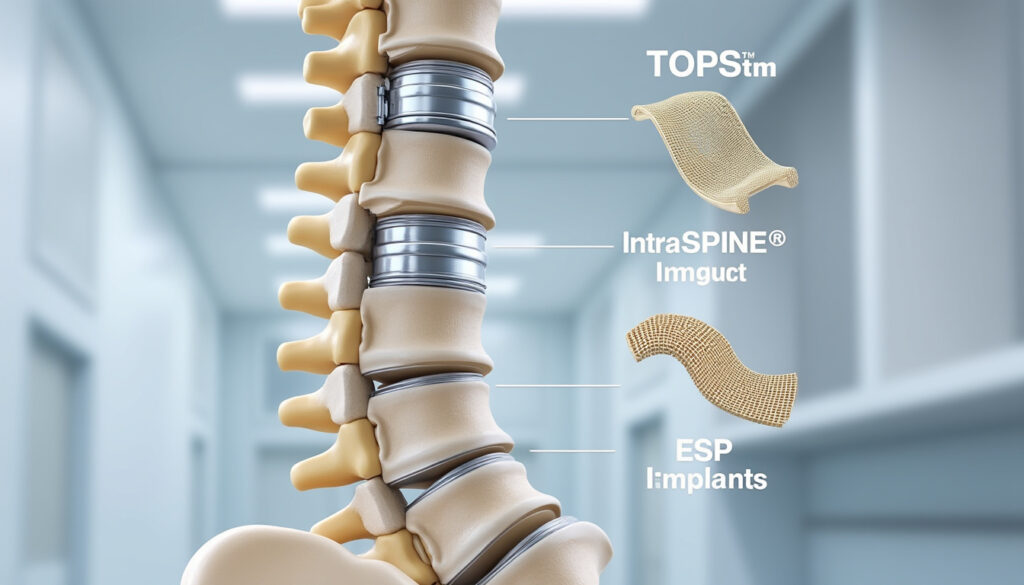
The evolving field of spinal surgery is witnessing a transformative shift, fueled by cutting-edge implant technologies such as TOPS, Intraspine, and ESP. These innovative implants redefine treatment possibilities by emphasizing preservation of natural spinal mechanics, while ensuring durable stabilization and…
Surgical Innovation and the Integration of Dynamic Implants in Spinal Procedures
Dynamic implants represent the forefront of surgical innovation in spine care, merging biomechanical ingenuity with clinical practicality. Devices such as the TOPS (Total Posterior Solution) system and IntraSPINE prostheses enable stabilization while preserving physiological spinal motion.
These implants are engineered to allow controlled flexion, extension, rotation, and lateral bending, mitigating abnormal motion patterns that precipitate pain and neurological symptoms. Their design absorbs shear and torsional forces, protecting the intervertebral disc and surrounding soft tissues from excessive stress.
Surgical implantation requires precise patient selection and technique, as well as integration with advanced imaging and robotic assistance systems. The gradual restoration of segmental biomechanics post-implantation fosters quicker functional recovery and reduces complications common in traditional fusion.
Beyond mechanical advantages, dynamic implants offer an attractive alternative for patients concerned with maintaining an active lifestyle or avoiding rigid spinal segments. Early adopters report significant satisfaction linked to preserved mobility and reduced secondary degeneration risks.
Nevertheless, challenges remain in long-term durability, implant integration, and cost-effectiveness. Ongoing clinical trials and registries in 2026 aim to clarify long-term outcomes, contributing to evolving guidelines that refine indications and surgical strategies for these advanced systems.
These innovations ultimately shift the paradigm of spinal surgery towards techniques that respect the complexity of spinal biomechanics while enhancing recovery and functionality.
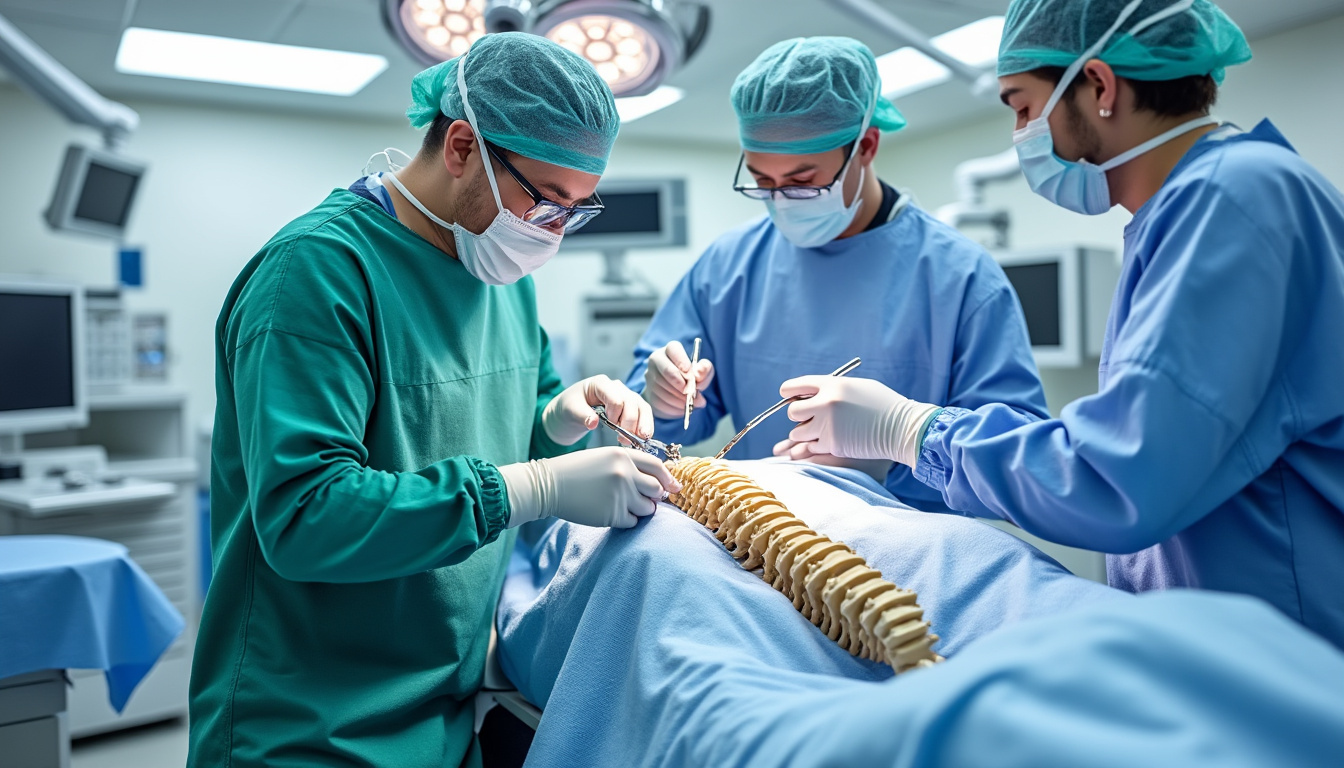

Preparing for Surgery in France: Key Indications, Benefits, and Limitations
In an evolving global healthcare landscape, France emerges as a beacon of advanced surgical expertise, particularly attracting international patients seeking expedited and innovative medical interventions. Patients from regions experiencing long wait times, such as Quebec, increasingly view France as an…
Organizing the Complex Patient Pathway: Coordinated Care from Evaluation to Rehabilitation
Effective management of spinal surgery patients demands a coordinated, multidisciplinary pathway extending from initial clinical evaluation to postoperative rehabilitation and follow-up. This integrated approach is imperative to optimize surgical decision-making and patient outcomes.
The preoperative phase includes advanced conservative treatments lasting 3 to 6 months, utilizing specialized non-surgical modalities such as robotic neurovertébral decompression and tailored physiotherapy protocols. This ensures surgery is reserved for patients who do not respond sufficiently to conservative care.
Following the evaluation, logistics of surgical care often involve international coordination, especially for patients traveling from regions like Quebec to centers in France. Agencies such as Franchir orchestrate the entire process — from surgical scheduling through accommodation and post-discharge support — alleviating patient stress and ensuring seamless care continuity.
Postoperatively, patients benefit from structured follow-up encompassing pain management, neurorehabilitation, and functional assessment to monitor recovery and detect complications early. Centers like Neurothérapie Montréal specialize in integrated rehabilitation, bridging international treatment gaps with telemedicine and personalized interventions.
This pathway’s success hinges on strong communication among surgeons, rehabilitation specialists, and patients, supported by emerging digital platforms that track progress and enable dynamic adjustment of care plans. Such systems enhance shared decision-making and sustained health gains beyond the immediate surgical period.
An effective coordinated framework thus ensures that surgical innovations like fusion and motion-preserving implants translate into tangible benefits by providing consistent, patient-centered care throughout the continuum.
Surgical Techniques Comparison
Explore this interactive comparison table highlighting key aspects of different surgical approaches and their impact on decision-making.
| Technique ▲▼ | Goal ▲▼ | Mobility Impact ▲▼ | Hospital Stay ▲▼ | Risks ▲▼ |
|---|

Unveiling the Hidden Benefits of Quality and Certification in Devices
The landscape of device manufacturing and clinical application in 2026 has been fundamentally shaped by the rigorous interplay between quality management and certification processes. Within this complex framework, the hidden benefits of adhering to international standards and obtaining relevant certifications…
Comparing Surgical Techniques: Effectiveness, Risks, and Rehabilitation Considerations
An exhaustive comparison of simple surgery, fusion, and motion-preserving interventions highlights the nuanced decision-making process required by spine surgeons. Each technique manifests distinct profiles in terms of effectiveness, associated risks, and rehabilitation needs, influenced by patient-specific factors.
Simple decompression retains maximum spinal motion and supports rapid return to function, yet it is contraindicated where mechanical instability exists. Fusion provides robust stabilization and consistent pain control in severe instability, at the cost of reduced mobility and potentially longer disability periods. Motion-preserving surgery offers a balanced alternative, yet its long-term results depend heavily on patient selection and implant integration.
Table 1 below elucidates these differences to aid clinical understanding:
| Technique | Primary Objective | Effect on Spinal Mobility | Hospitalization Duration | Common Risks |
|---|---|---|---|---|
| Simple Surgery | Decompression of neural elements | Preserves mobility | Less than 48 hours | Risk of symptom recurrence, unsuitable for instability |
| Spinal Fusion | Stabilization of unstable segments | Eliminates motion at operated level | 2 to 5 days | Adjacent segment disease, prolonged recovery |
| Motion Preservation Surgery | Dynamic stabilization maintaining motion | Preserves 60-80% of motion | 2 to 4 days | Implant longevity, strict patient criteria |
Rehabilitation protocols also vary: simple surgery may require short-term physiotherapy focusing on mobility and pain control; fusion necessitates gradual load-bearing and strengthening to compensate for lost segmental movement; while motion preservation implants are complemented by routines enhancing spinal mechanics and flexibility preservation.
A multidisciplinary team approach involving surgeons, physical therapists, pain specialists, and patient educators forms a cornerstone for successful rehabilitation across all surgical choices.
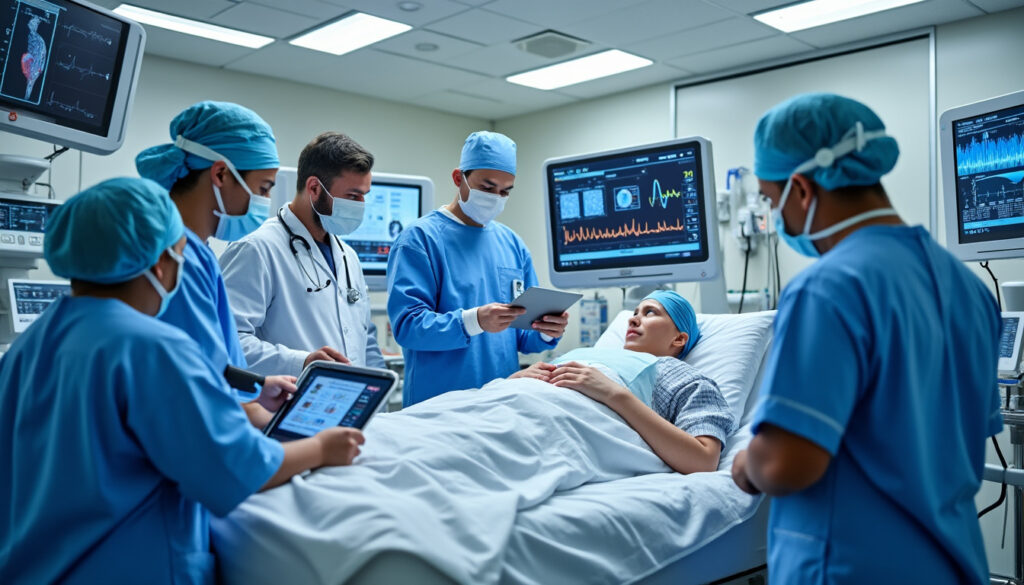
Why Experts Advocate for Comprehensive Preoperative Evaluations
In the complex and demanding field of spinal surgery, the emphasis on comprehensive preoperative evaluations has become a fundamental pillar supporting successful surgical outcomes. These evaluations, far beyond mere routine checks, integrate detailed analyses of patient health, surgical risk assessments,…
Global Perspectives and Emerging Research on Surgical Decision-Making in Spinal Care
The international spine care community is actively investigating surgical decision-making frameworks by combining clinical research, biomechanical insights, and health system analyses. New data from 2025 and 2026 emphasize personalized care pathways and predictive modeling for improved outcomes.
Comparative studies have highlighted disparities in indications and access between different healthcare systems, such as Quebec and France, underscoring the value of shared knowledge and cross-border collaboration. Notably, French centers demonstrate higher utilization of motion-preserving surgeries supported by advanced implants and robotic technology, correlating with favorable patient satisfaction reports.
Emerging evidence also suggests that initial patient questionnaires and detailed clinical examinations substantially influence procedural choice, by articulating symptom severity, functional limitations, and psychological factors. This holistic approach aligns with research that stresses the importance of conservative treatment phases in optimizing surgical timing and outcomes.
In the field of biomechanics, quantitative metrics assessing intervertebral movement and segmental instability continue to refine decision algorithms, assisted by artificial intelligence tools that provide real-time data interpretation and risk stratification.
Overall, the fusion of surgical innovation, data-driven evaluation, and patient-centered frameworks is progressively elevating spine care standards worldwide. Surgeons and healthcare systems increasingly adopt integrative models to balance the use of simple surgery, fusion, and motion techniques, tailored to individual patient profiles.
For further in-depth analysis on how different surgical preparation strategies influence outcomes, resources such as recent French research on surgical preparation offer comprehensive perspectives.
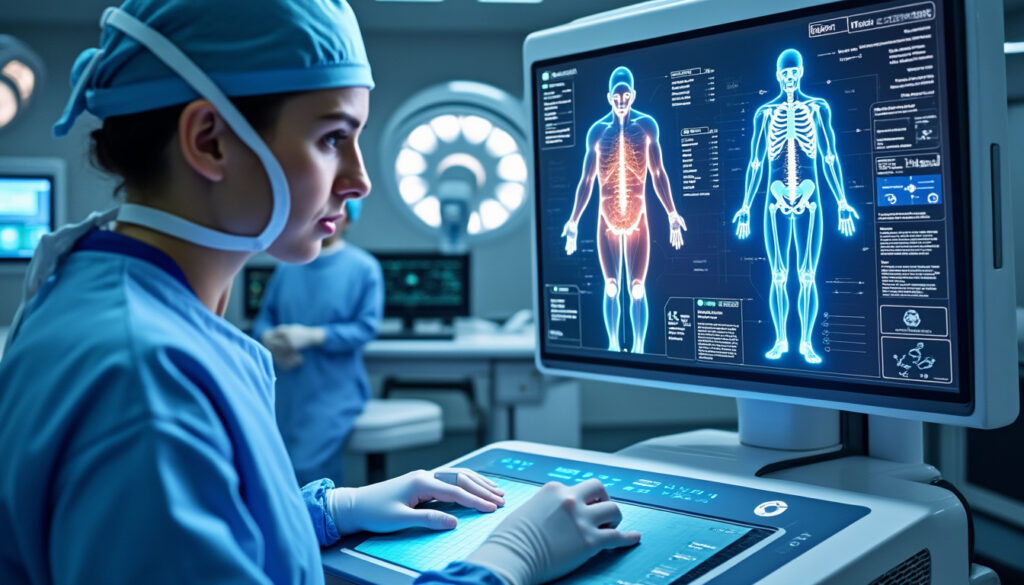
The Future of Surgery Lies in Stepwise Functional Recovery
The evolution of surgical care in 2026 reveals a compelling shift toward approaches that prioritize the holistic recovery of patients, moving beyond traditional metrics like length of hospital stay or mortality rates. This modern paradigm highlights the principle that the…
Essential Factors to Consider in Surgical Decision-Making for Spinal Procedures
- Patient Age and Activity Level: Younger, active patients often benefit more from motion-preserving techniques, whereas older patients with severe degeneration may require fusion.
- Degree and Type of Instability: Measured via dynamic imaging, determines if fusion is necessary or if motion can be safely preserved.
- Presence of Neural Compression: Simple decompression can address isolated nerve impingements when instability is absent.
- Comorbid Conditions: Impact suitability for invasive procedures and influence the choice of minimally invasive approaches.
- Technological Availability: Access to robotic navigation, dynamic implants, and advanced imaging shapes surgical options.
- Patient Preference and Lifestyle Goals: Informed shared decision-making promotes adherence and satisfaction.
Understanding these factors allows spine surgeons to effectively personalize treatment, optimize outcomes, and anticipate postoperative recovery trajectories, ultimately advancing the quality and precision of spinal surgery.
{“@context”:”https://schema.org”,”@type”:”FAQPage”,”mainEntity”:[{“@type”:”Question”,”name”:”What factors determine whether to choose fusion or motion-preserving surgery?”,”acceptedAnswer”:{“@type”:”Answer”,”text”:”Decisions hinge on the extent of mechanical instability, patient age, activity level, radiographic findings, and the specific spinal pathology. Motion-preserving surgery is favored for controlled instability and active patients, while fusion suits severe instability and deformity.”}},{“@type”:”Question”,”name”:”How does minimally invasive surgery affect recovery in spinal procedures?”,”acceptedAnswer”:{“@type”:”Answer”,”text”:”Minimally invasive approaches reduce soft tissue trauma and postoperative pain, enabling quicker rehabilitation and shorter hospital stays. They enhance precision and safety, particularly when combined with robotic assistance.”}},{“@type”:”Question”,”name”:”Are motion-preserving implants suitable for all spinal conditions?”,”acceptedAnswer”:{“@type”:”Answer”,”text”:”No, these dynamic devices are most appropriate for patients with segmental instability without severe deformity or neurological deficits requiring rigid stabilization. Proper selection is key to avoid complications.”}},{“@type”:”Question”,”name”:”What is the role of conservative treatments before considering surgery?”,”acceptedAnswer”:{“@type”:”Answer”,”text”:”Conservative management including physiotherapy, neurovertebral decompression, and pain control is essential to optimize patient condition and potentially avoid or delay surgery. It provides baseline information to inform surgical need.”}},{“@type”:”Question”,”name”:”How do emerging technologies influence surgical decision-making?”,”acceptedAnswer”:{“@type”:”Answer”,”text”:”Advances such as robotic navigation, 3D imaging, and AI-driven analytics facilitate more precise interventions tailored to individual biomechanics, improving outcomes and reducing risks.”}}]}What factors determine whether to choose fusion or motion-preserving surgery?
Decisions hinge on the extent of mechanical instability, patient age, activity level, radiographic findings, and the specific spinal pathology. Motion-preserving surgery is favored for controlled instability and active patients, while fusion suits severe instability and deformity.
How does minimally invasive surgery affect recovery in spinal procedures?
Minimally invasive approaches reduce soft tissue trauma and postoperative pain, enabling quicker rehabilitation and shorter hospital stays. They enhance precision and safety, particularly when combined with robotic assistance.
Are motion-preserving implants suitable for all spinal conditions?
No, these dynamic devices are most appropriate for patients with segmental instability without severe deformity or neurological deficits requiring rigid stabilization. Proper selection is key to avoid complications.
What is the role of conservative treatments before considering surgery?
Conservative management including physiotherapy, neurovertebral decompression, and pain control is essential to optimize patient condition and potentially avoid or delay surgery. It provides baseline information to inform surgical need.
How do emerging technologies influence surgical decision-making?
Advances such as robotic navigation, 3D imaging, and AI-driven analytics facilitate more precise interventions tailored to individual biomechanics, improving outcomes and reducing risks.