Terrebonne Chronic Sciatica Relief for Athletes
July 5, 2026
Neck Surgery in Montreal: Advanced Techniques to Preserve Mobility
July 6, 2026
Saint-Hubert, a vibrant borough in Québec, faces a growing challenge with disc herniation among its active adult population. This common spinal disorder often triggers debilitating pain that disrupts daily living and professional duties. However, amid this health concern emerges a beacon of hope: the advent of neurovertebral decompression and a spectrum of alternative therapies transforming treatment paradigms. As patients seek relief beyond conventional methods, Saint-Hubert’s medical community is evolving, blending scientific innovation with personalized patient care to offer non-invasive, evidence-based options that address root causes of discomfort. The journey to spinal health now navigates through multidisciplinary approaches prioritizing safety, technology, and compassionate support.
Understanding the intricate physiology behind disc herniation and the symptoms it generates is crucial for those affected. The latest therapies, prominently neurovertebral decompression, employ sophisticated technology to reduce nerve pressure while avoiding invasive surgery. These methods complement traditional therapies like physiotherapy and chiropractic care, creating a holistic framework for pain management and functional recovery. This article delves into the core mechanisms of disc herniation, elaborates on alternative treatment options available in Saint-Hubert, and highlights the expertise of Dr. Sylvain Desforges, a pioneer in spinal care ushering innovation and patient-centered solutions.
Understanding Disc Herniation: Causes, Symptoms, and Clinical Evaluation in Saint-Hubert
Disc herniation occurs when the inner gel-like nucleus of an intervertebral disc protrudes through a tear in its outer fibrous ring, compressing adjacent nerves. In Saint-Hubert, this condition primarily affects the lumbar and cervical regions of the spine, often linked to occupational stressors, repetitive physical activities, and postural imbalances prevalent in modern lifestyles. The resulting nerve impingement manifests through distinct symptoms such as intense low back pain, radiating sciatica, numbness, tingling sensations, and muscular weakness in affected limbs.
Comprehensive clinical evaluation is indispensable to ascertain the severity and precise location of the herniation. This process involves a meticulous physical examination complemented by advanced imaging techniques like magnetic resonance imaging (MRI) and computed tomography (CT) scans to visualize disc displacement and nerve root involvement. At the forefront of this diagnostic rigor, Dr. Sylvain Desforges brings over 30 years of experience to ensure each patient’s condition is thoroughly assessed using a multidisciplinary lens. His understanding allows for tailored recommendations, avoiding premature resort to surgery and focusing on evidence-based care pathways.
Within Saint-Hubert’s clinical settings, the patient journey begins with detailed symptom history and neurological assessment to exclude other causes of pain and dysfunction. Successive diagnostic steps take into account individual lifestyle factors, occupational hazards, and prior treatments, allowing a personalized approach to spinal health. The focus remains on balancing relief with minimal risk, highlighting the importance of clear diagnosis to guide treatment. Unlike practices prioritizing symptom masking, this evaluation targets the root mechanical and inflammatory contributors to nerve compression.
Engaging patients in understanding their condition elevates adherence to treatment plans and encourages proactive health measures such as ergonomic adjustments and postural re-education. The collaborative model pioneered by the local experts empowers patients by demystifying the pathology of disc herniation and revealing the therapeutic rationale behind interventions. For a deeper understanding of diagnostic and treatment protocols, resources such as the Mayo Clinic’s diagnostic guidelines provide accessible, reliable information consistent with Saint-Hubert’s standards of care.
IntraSPINE® in Sherbrooke: A Long-Lasting Solution for Chronic Lower Back Pain
Chronic lower back pain remains one of the most pressing health concerns in Sherbrooke and beyond, impacting millions and often diminishing daily quality of life. Despite the prevalence of lumbar discomfort, many face limited access to cutting-edge treatments amidst lengthy…
Conservative Management of Disc Herniation: Physiotherapy, Medication, and Alternative Approaches in Saint-Hubert
Conservative treatments remain the cornerstone of initial disc herniation management in Saint-Hubert, offering non-surgical routes that focus on symptom alleviation and functional restoration. Physiotherapy is crucial for patients, aiming to strengthen paraspinal musculature, improve spinal mobility, and correct biomechanical imbalances that exacerbate nerve pressure. Customized exercise regimens emphasize stretching, postural training, and core stabilization, administered under expert supervision to ensure technique precision and injury prevention.
Medication serves as a complementary tool to control inflammation and reduce pain intensity. Non-steroidal anti-inflammatory drugs (NSAIDs) often reduce perineural swelling, while analgesics address acute pain episodes. Muscle relaxants may be prescribed to ease reflexive spasms, though long-term dependency concerns prompt cautious use. These pharmacological measures, when paired with physical therapies, alleviate symptoms without directly addressing the underlying mechanical compression.
Alternative interventions such as chiropractic adjustments and osteopathic manipulative therapy enrich the therapeutic landscape by realigning vertebral segments and promoting neurophysiological regulation. These approaches foster soft tissue relaxation and enhance spinal mechanics, thereby diminishing nociceptive stimuli. The multidisciplinary integration of these therapies, championed by experienced practitioners like Dr. Desforges, optimizes patient comfort and recovery potential.
A structured comparison highlights how conservatory approaches prioritize minimizing invasiveness and maximizing patient autonomy. Clinics in Saint-Hubert ensure accessibility to these treatments, adhering to rigorous standards of safety and efficacy. Research shows that early conservative care frequently prevents progression to surgery, underscoring its value as a first-line option.
| Treatment Type | Description | Advantages | Limitations |
|---|---|---|---|
| Physiotherapy | Targeted exercises for spine stabilization and mobility | Non-invasive; improves strength and posture | Requires patient compliance; gradual effects |
| Medication (NSAIDs, Analgesics) | Pharmacological pain and inflammation control | Fast symptom relief; widely available | Potential side effects; does not correct mechanical cause |
| Chiropractic & Osteopathy | Spinal adjustments and manual therapy | Relaxes tissues; improves alignment | Results vary by practitioner skill; not suitable for all patients |
Integrating these modalities requires expertise in patient evaluation and collaborative treatment planning, with a keen emphasis on patient safety and ethical practice. The long-standing clinical experience of Dr. Desforges and his team enables the navigation of these choices with scientific rigor and a patient-first perspective—a hallmark of superior spinal health management.
Herniated Disc Care in Sainte-Julie: Why TAGMED’s Neurovertebral Decompression Therapy Stands Out
In the vibrant community of Sainte-Julie, back pain—particularly that stemming from herniated discs—has become a widespread concern affecting people from all walks of life. The relentless search for effective, non-invasive treatments has brought renewed attention to a pioneering therapy that…
Neurovertebral Decompression Therapy in Saint-Hubert: Innovative Non-Surgical Solution for Disc Herniation
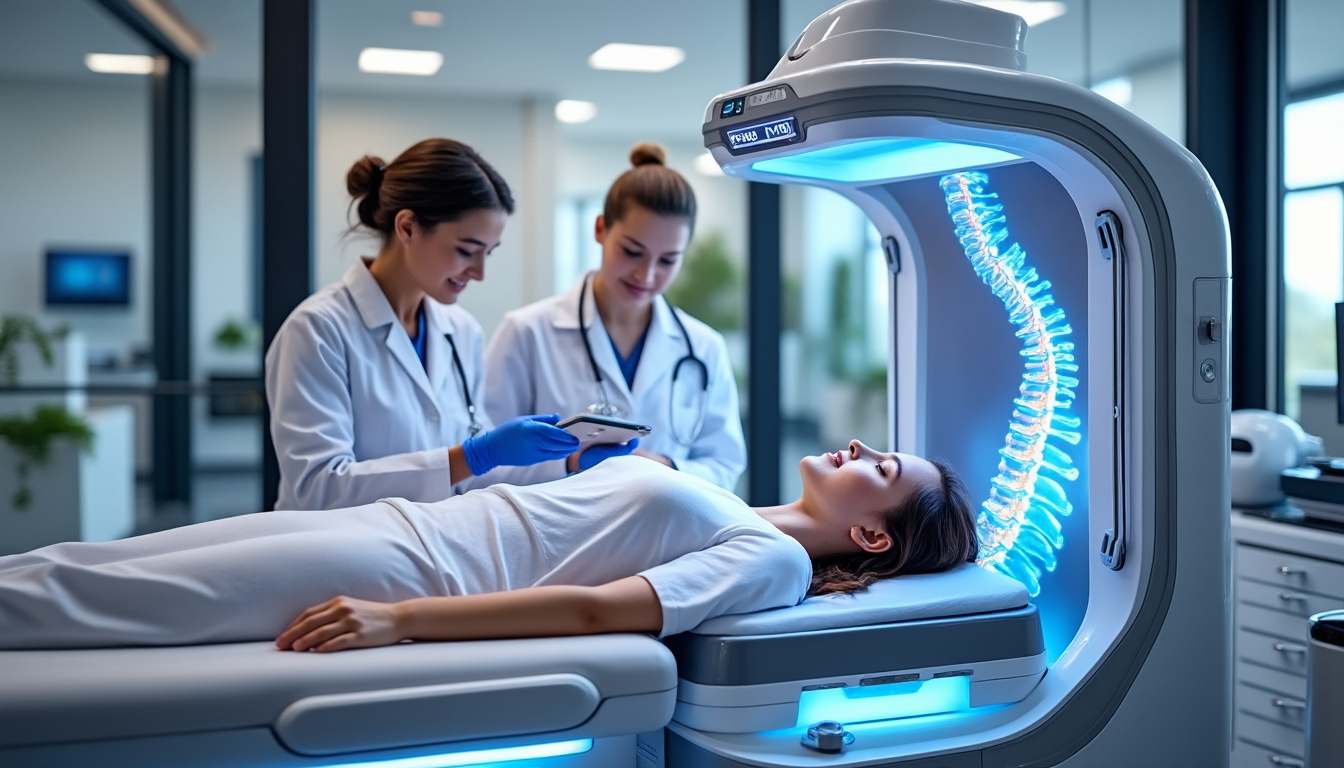
Neurovertebral decompression represents a groundbreaking, non-invasive therapy designed to relieve nerve compression associated with disc herniation. Employing a sophisticated traction system that applies precisely controlled spinal elongation, this technique mitigates intradiscal pressure, facilitating the reabsorption of herniated material and restoring normal circulation around injured tissues.
In Saint-Hubert, neurovertebral decompression is increasingly recognized for its ability to reduce pain and improve mobility without exposing patients to surgical risks. This therapeutic modality promotes disc rehydration and realignment, establishing an optimal environment for natural healing. Distinct from traditional spinal traction, the computerized technology customizes force, angle, and duration based on individual anatomy and symptomatology.
This approach aligns with Dr. Sylvain Desforges’ commitment to evidence-based, innovative spinal care. His practice at Clinique TAGMED utilizes state-of-the-art decompression equipment, combined with adjunct therapies such as laser therapy and neuromodulation, to maximize results while prioritizing patient comfort and safety.
Multiple clinical studies support the efficacy of neurovertebral decompression in managing lumbar and cervical disc herniations, positioning it as a credible alternative to invasive procedures. Patients often report noticeable symptom improvement after several sessions, with sustained benefits when combined with physical rehabilitation.
Compared to more invasive treatments, neurovertebral decompression offers:
- Non-invasiveness avoiding surgery and anesthesia risks
- Medication-sparing reducing reliance on painkillers
- Progressive therapeutic effects enhancing natural tissue repair
- Integration potential complementing physiotherapy and manual therapies
This therapy stands as a pivotal solution particularly for patients seeking alternatives to surgery or those who have exhausted conservative measures without adequate relief. Information about neurovertebral decompression’s role in Saint-Hubert’s care landscape can be enriched through detailed explorations like those found on dedicated local medical platforms.
Back Surgery in Trois-Rivières: Alleviating Pain While Preserving Mobility
In Trois-Rivières, Quebec, the persistence of back pain affects a substantial portion of the population seeking effective and personalized solutions. Back pain, often caused by spinal disorders or herniated discs, can drastically diminish quality of life, limiting mobility and causing…
When Surgery Is Considered for Disc Herniation in Saint-Hubert: Criteria and Minimally Invasive Techniques
Surgical intervention for disc herniation is reserved for cases where conservative and non-surgical treatments fail to yield sufficient improvement or when neurological deficits such as motor weakness or bowel/bladder dysfunction develop. In Saint-Hubert, such indications are carefully evaluated within a patient-centered framework emphasizing shared decision-making and risk-benefit analysis.
The main surgical options include discectomy, laminectomy, and spinal fusion, with an increasing preference for minimally invasive procedures that limit tissue damage, reduce hospitalization, and accelerate recovery. For instance, microdiscectomy performed by skilled spine surgeons removes the herniated fragment through small incisions, achieving decompression with reduced postoperative discomfort.
Preoperative preparation often encompasses adaptive training to enhance postoperative outcomes, focusing on strengthening and conditioning to facilitate rehabilitation. Dr. Desforges’ comprehensive approach incorporates such anticipatory measures within collaborative networks with leading surgical teams, ensuring seamless coordination and personalized care continuity.
Despite its effectiveness, surgery remains a last resort, taking into account potential complications such as infection, nerve injury, or prolonged recovery. Compared to the non-invasive alternatives like neurovertebral decompression, surgical procedures involve higher risks but may be indispensable in acute or severe presentations.
Key surgical considerations include:
- Failure of conservative and non-surgical therapies
- Presence of progressive neurological impairment
- Severe, incapacitating pain unresponsive to other treatments
- Patient preference informed by comprehensive counseling
Saint-Hubert’s modern spine care environment ensures patients access minimally invasive techniques guided by the latest clinical evidence and technological advancements, but always integrated within a holistic care philosophy that Dr. Desforges advocates.
Disc herniation remains a significant health concern in Pointe-Claire, impacting the lives of a diverse population ranging from labor-intensive workers to the aging community. The condition, characterized by the displacement or rupture of the intervertebral disc, often leads to debilitating…
Interdisciplinary Framework in Saint-Hubert: Combining Chiropractic Care, Physical Rehabilitation, and Neurovertebral Decompression
The multifaceted nature of disc herniation demands an interdisciplinary approach, blending various expertise to optimize patient outcomes. In Saint-Hubert, treatment involves coordinated efforts among chiropractors, physiotherapists, osteopaths, and neurovertebral decompression specialists. This synergy allows addressing mechanical, neurological, and inflammatory aspects comprehensively.
Chiropractic care contributes by realigning spinal segments, improving biomechanics, and enhancing nerve function. When combined with physical rehabilitation focusing on muscular endurance and functional posture restoration, patients experience enhanced mobility and strength. Neurovertebral decompression adds a focused mechanical relief, reducing disc pressure and promoting recovery on a cellular level.
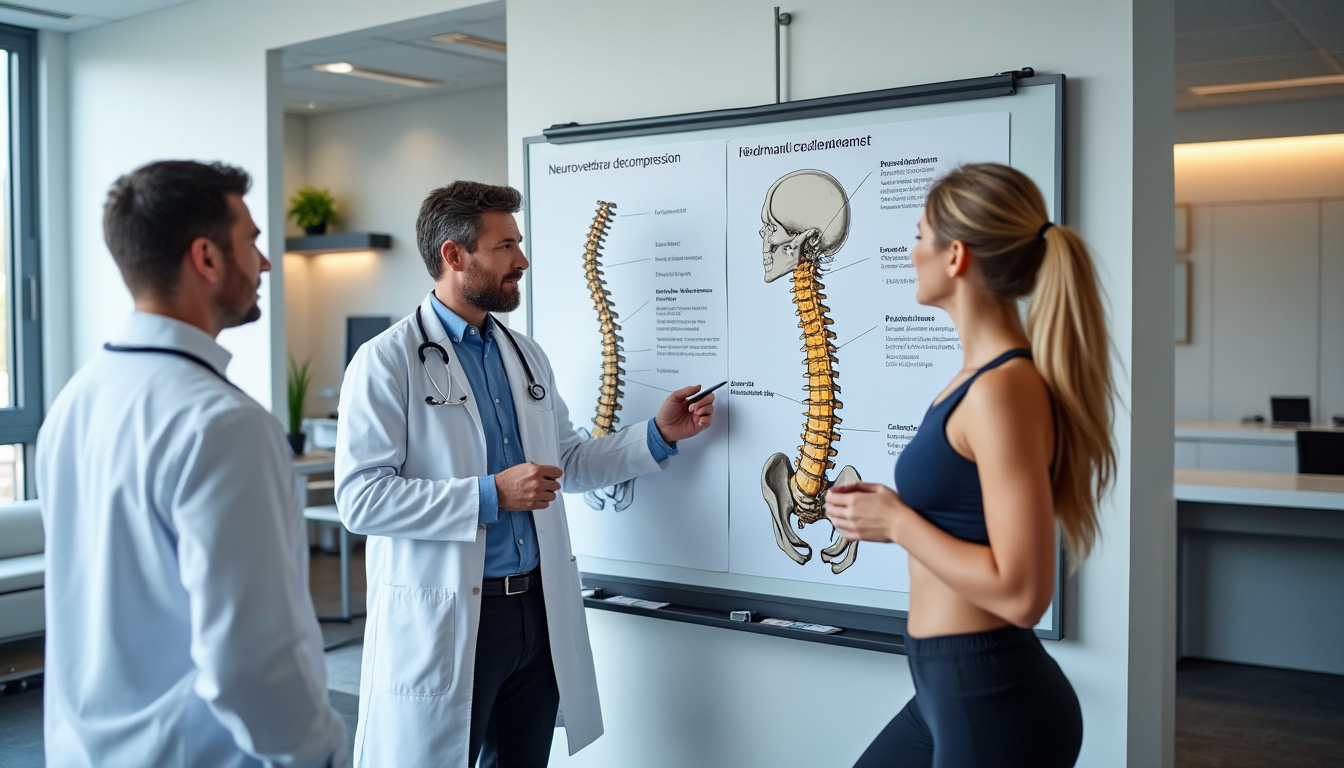
Dr. Sylvain Desforges plays a pivotal role in orchestrating this integrative model, leveraging his extensive clinical experience and leadership in alternative medicine organizations. His emphasis on patient education empowers individuals to engage actively with their care plan, fostering better adherence and lifestyle modifications that support long-term spinal health.
This integrative approach ensures:
- Holistic evaluation and treatment customization
- Maximized efficacy by combining complementary modalities
- Reduction in medication dependency and surgical necessity
- Enhanced patient motivation and understanding
Such a comprehensive framework not only bridges the knowledge of different disciplines but also aligns with ethical medical practices and patient safety standards observed in Québec. The collaborative spirit maintained by Dr. Desforges and his network exemplifies modern, compassionate spinal care.
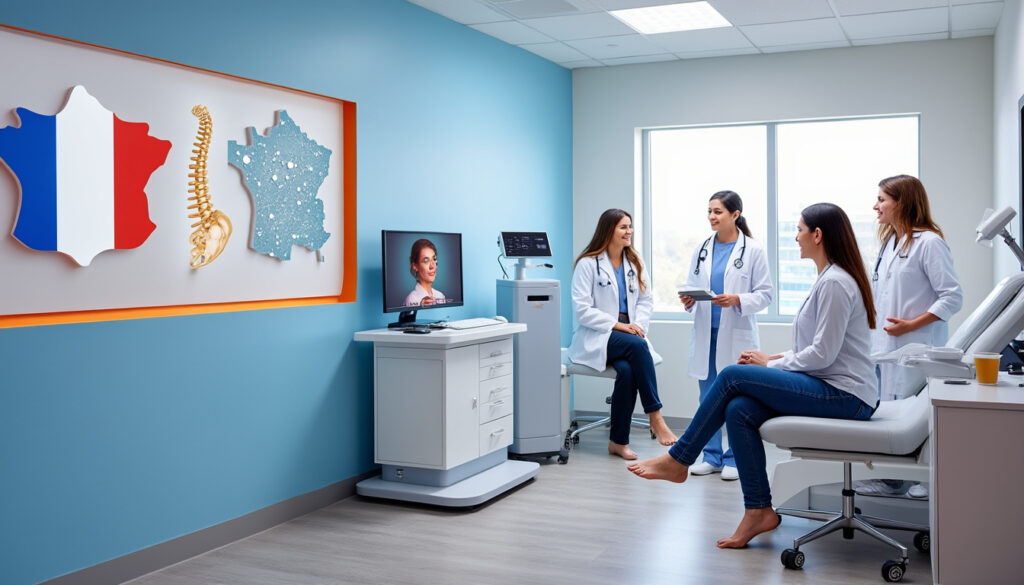
At Gouin Clinic, the landscape of herniated disc therapy has entered a transformative era marked by the integration of Personalized Treatment Plans and breakthrough Neurovertebral Decompression Therapy. This non-surgical approach is revolutionizing how spinal disorders are managed, offering patients an…
Advancements in Technology: The Role of Laser Therapy and Dynamic Implants in Spinal Health
Technological innovation is propelling spine care into a new era, exemplified in Saint-Hubert by the adoption of laser therapy and dynamic spinal implants. Laser treatments involve targeted, class IV laser application to reduce localized inflammation and stimulate tissue healing. This therapy, often deployed alongside decompression, enhances pain management and accelerates recovery.
Dynamic spinal implants represent a further leap, introducing flexible implants designed to support spinal structures while preserving motion, in contrast to traditional fusion techniques. These implants accommodate physiological movements, potentially reducing adjacent segment degeneration and improving long-term function.
Clinique TAGMED, under Dr. Desforges’ guidance, has integrated these cutting-edge modalities within its treatment protocols, providing patients access to therapies not widely available across Canada. This technological edge aligns with rigorous safety standards and clinical innovation, maintaining patient well-being at the forefront.
The benefits of embracing innovation include:
- Reduced invasiveness and faster recovery times
- Enhanced precision in targeting affected tissues
- Improved outcomes through tissue regeneration and mechanical support
- Expanded treatment options tailored to individual needs
As research evolves, these technologies promise to become increasingly central to managing disc herniation and other spinal conditions, complementing established therapies while offering new hope for patients.
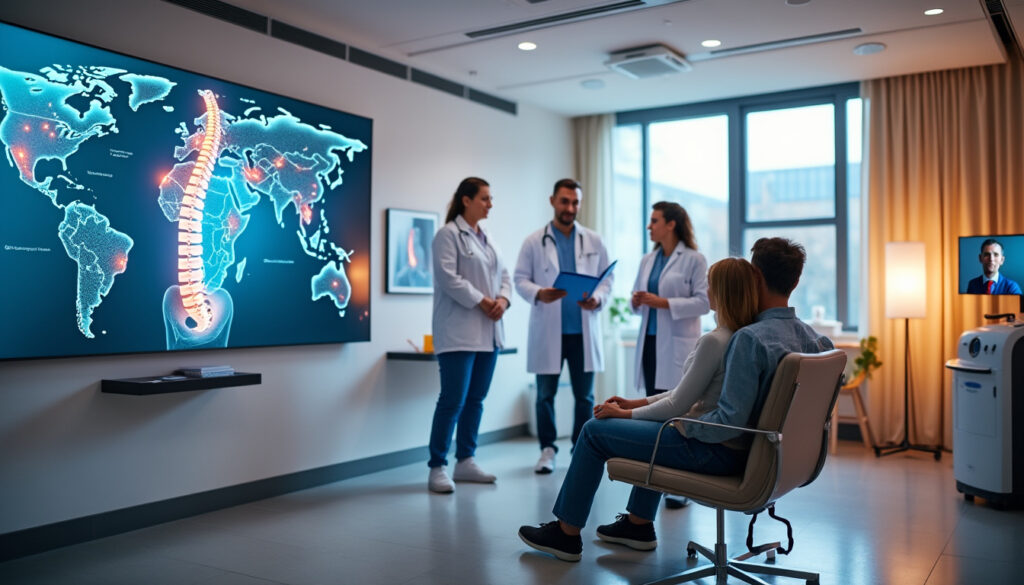
Cervical Disc Prosthesis in Quebec: Preventing Post-Operative Stiffness
Neck pain is one of the most common musculoskeletal complaints in Quebec, affecting a significant portion of the population annually. Often rooted in degenerative cervical disc diseases or herniated discs, this persistent discomfort severely impacts daily life and mobility. Fortunately,…
International Collaboration and Care Coordination: Transatlantic Patient Management between Canada and France
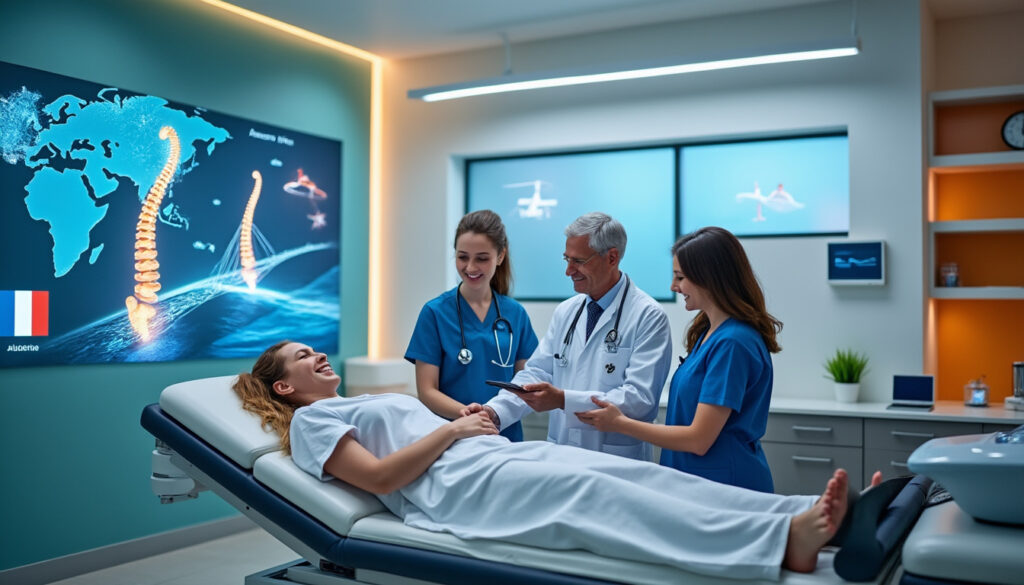
Saint-Hubert benefits from international medical collaborations that enhance patient care pathways, particularly for those seeking advanced spinal treatments. Dr. Sylvain Desforges, through his leadership roles at the Alliance Canadienne de Médecine Alternative (ACMA) and the Canadian College of Osteopaths, facilitates partnerships with French spine surgeons and specialized clinics. This network ensures seamless care coordination for patients navigating between these continents.
Such transatlantic collaboration involves:
- Remote evaluations and treatment planning leveraging telemedicine
- Streamlined scheduling to optimize intervention timelines
- Access to surgical technologies and techniques unavailable locally
- Personalized follow-up care integrating multidisciplinary expertise
This framework maximizes treatment quality, patient convenience, and safety while contributing to medical tourism platforms like SOS Tourisme Médical. Patients in Saint-Hubert are empowered to receive world-class care supporting their unique clinical needs and logistical preferences. Dr. Desforges’ role in orchestrating these international efforts underscores his commitment to innovation, scientific rigor, and comprehensive patient support.
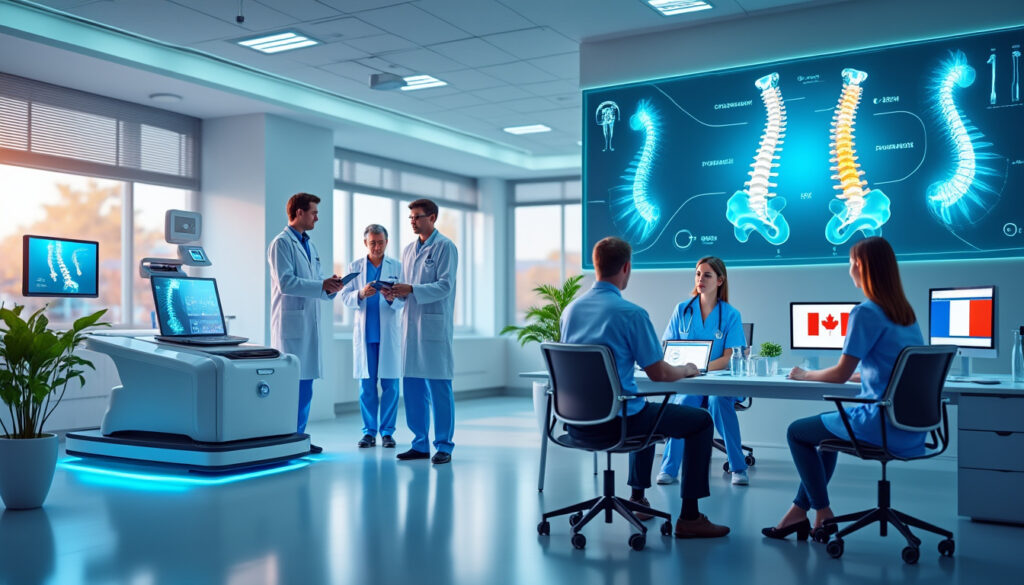
The prevalence of herniated disc conditions in Blainville has sparked considerable discussion and misconceptions about their causes, symptoms, and treatments. While the pain and disability associated with this spinal disorder are well documented, the emergence of non-surgical options such as…
Optimizing Patient Outcomes: The Importance of Personalized Evaluation, Education, and Ongoing Support
Effective disc herniation management hinges on recognizing each patient as a unique individual with distinct symptoms, risks, and life circumstances. Dr. Sylvain Desforges emphasizes exhaustive, personalized evaluations combined with clear, accessible education regarding treatment options and realistic expectations. Such transparency fosters trust and informed choices vital for successful outcomes.
Patient education clarifies the nature of disc herniation, implications of neurovertebral decompression, and the pathway through rehabilitation. Understanding the rationale behind each intervention mitigates anxiety and encourages active participation. Continuous support through regular follow-ups and adjusted care plans ensures therapies remain aligned with patient progress and evolving needs.
Moreover, comprehensive pain management strategies and physical rehabilitation programs tailored to individual kinetics help restore function and quality of life. Lifestyle counseling addressing posture, ergonomics, and physical activity reinforces gains while preventing recurrence. This compassionate, motivational approach resonates strongly in Saint-Hubert’s community, where personalized medicine is increasingly recognized as the cornerstone of effective care.
Patients are encouraged to initiate their journey by seeking evaluations from experienced providers and engaging with resources highlighting modern therapeutic avenues, such as current advances in neurovertebral decompression therapy. This empowerment is essential to transforming the lived experience of disc herniation into one of hope and recovery.
What are the main symptoms signaling a possible disc herniation?
Common signs include persistent lower back or neck pain, numbness, tingling sensations, and muscle weakness in regions served by compressed nerves.
How does neurovertebral decompression differ from traditional spinal traction?
Neurovertebral decompression uses computer-controlled, targeted traction that adjusts force and angle precisely, promoting disc repair rather than merely stretching the spine.
When should surgery be considered for herniated discs?
Surgery is generally reserved for cases with severe neurological deficits, unrelenting pain despite conservative therapy, or loss of bladder/bowel control.
Can chiropractic care be combined with decompression therapy?
Yes, combining chiropractic adjustments with decompression can enhance spinal alignment, reduce pain, and improve nerve function.
How many sessions of neurovertebral decompression are typically required?
Treatment usually involves a series of 15 to 25 sessions tailored to the severity and individual response.
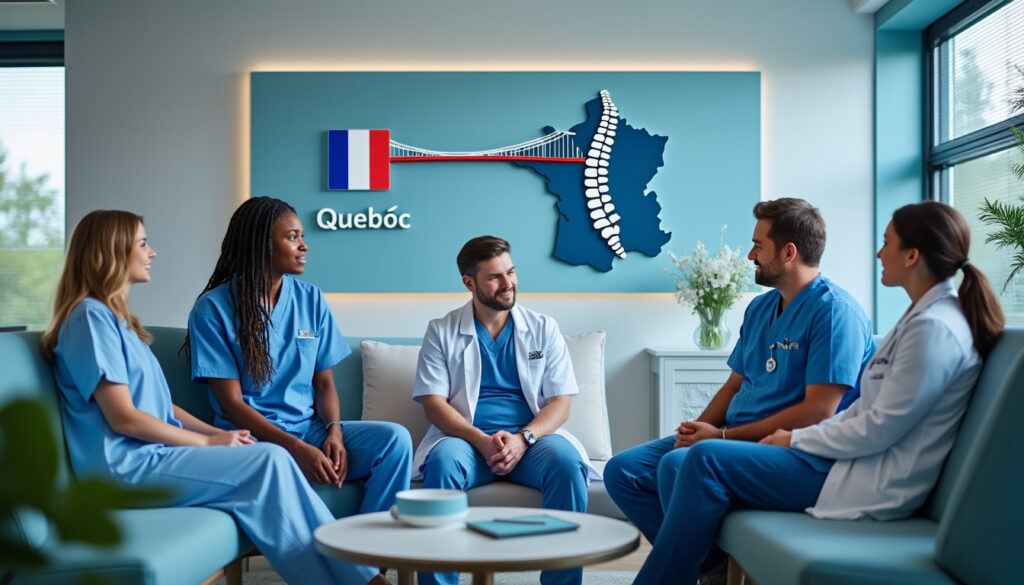
Minimally Invasive Surgery in Longueuil: Reducing Hospital Stays for Faster Recovery
In recent years, a transformative wave has swept through spinal healthcare in Longueuil, aiming to revolutionize treatment experiences for patients suffering from back disorders. This shift stems from a growing demand for procedures that minimize hospital stays without compromising efficacy.…