Neck Surgery in Montreal: Advanced Techniques to Preserve Mobility
July 6, 2026
Longueuil Neck Herniation Recovery Without Injections
July 6, 2026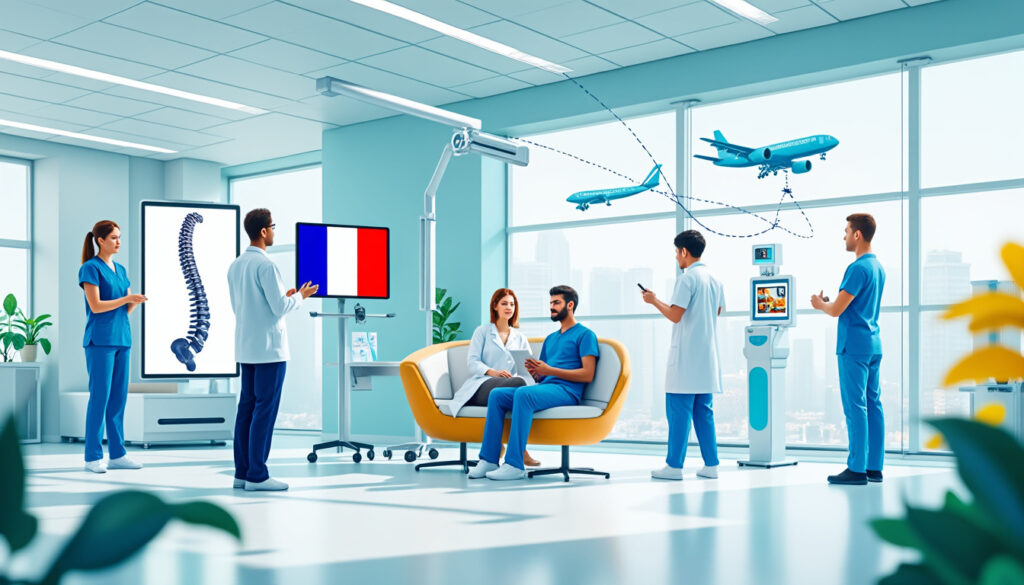
In the field of spinal care, preserving the natural mechanics of the spine while addressing debilitating conditions has become paramount. As patients in Terrebonne and across Quebec seek innovative treatment options to alleviate chronic back or neck pain, Motion Surgery emerges as a groundbreaking approach that redefines spinal health. This technique moves beyond traditional spinal fusion by striving to maintain or restore spinal motion and biomechanical integrity. In doing so, it responds to the growing recognition that spinal motion is essential for everyday activities, from simple movements to complex tasks, regardless of age or physical fitness levels.
Over the past decades, advancements in spinal surgery have enabled healthcare professionals to offer minimally invasive options that prioritize the preservation of spinal motion. By integrating cutting-edge technologies alongside a comprehensive understanding of spine biomechanics, specialists in Terrebonne have helped patients achieve superior clinical outcomes and faster recoveries. The collaboration between spinal experts, researchers, and multidisciplinary teams further propels innovation and ensures that patient care adheres to the highest standards of safety and scientific rigor.
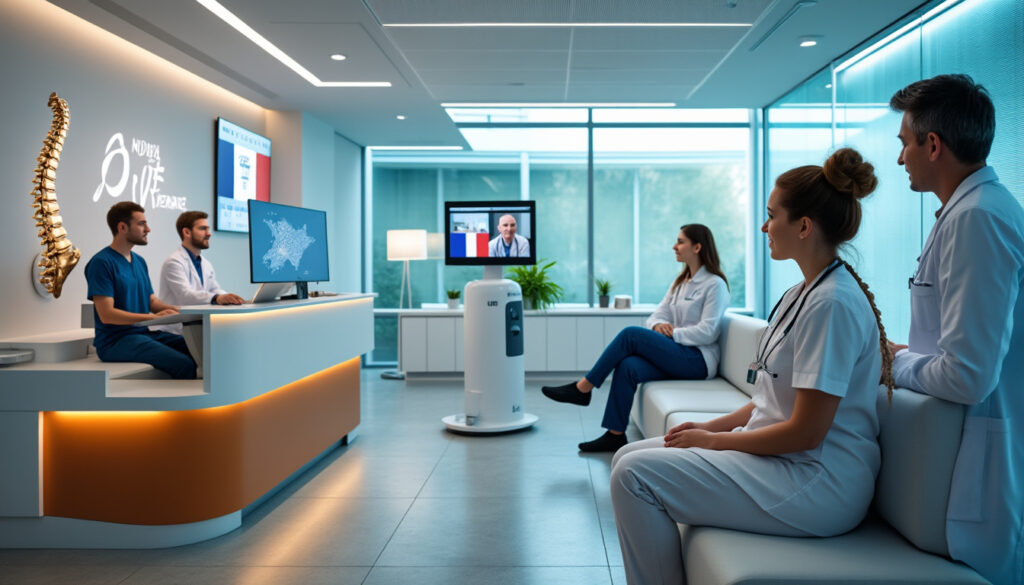
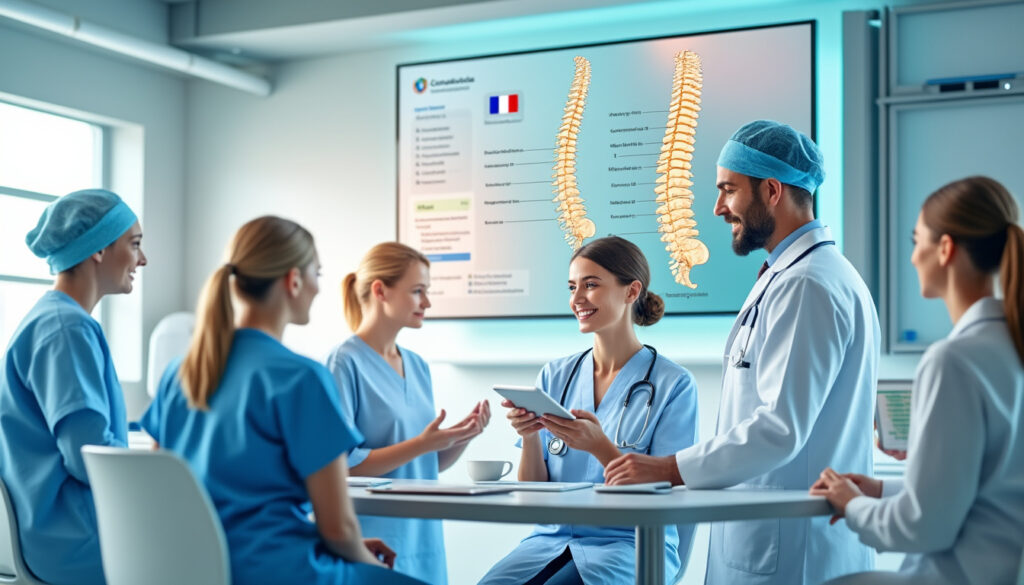
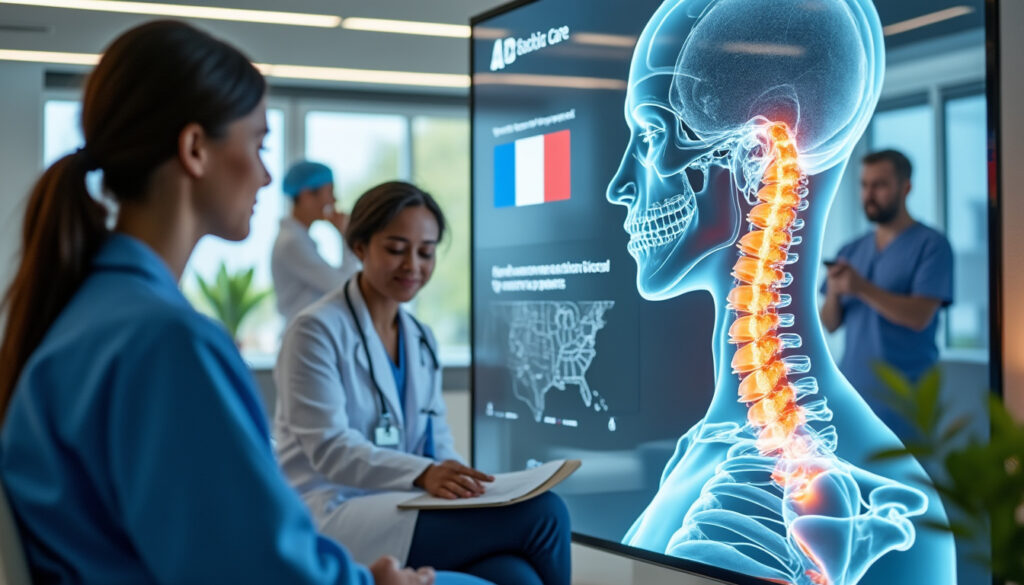
Moreover, a unique aspect of accessing Motion Surgery through a transatlantic pathway—linking Canadian patients with renowned French clinics—adds a layer of personalized care and expediency. This international cooperation optimizes treatment schedules and introduces patients to advanced surgical techniques or implants sometimes unavailable domestically. Such coordination is supported by expert evaluation and patient education, emphasizing a holistic approach that empowers individuals to make informed decisions about their spinal health journey.
Understanding Motion Surgery and Its Role in Spinal Preservation
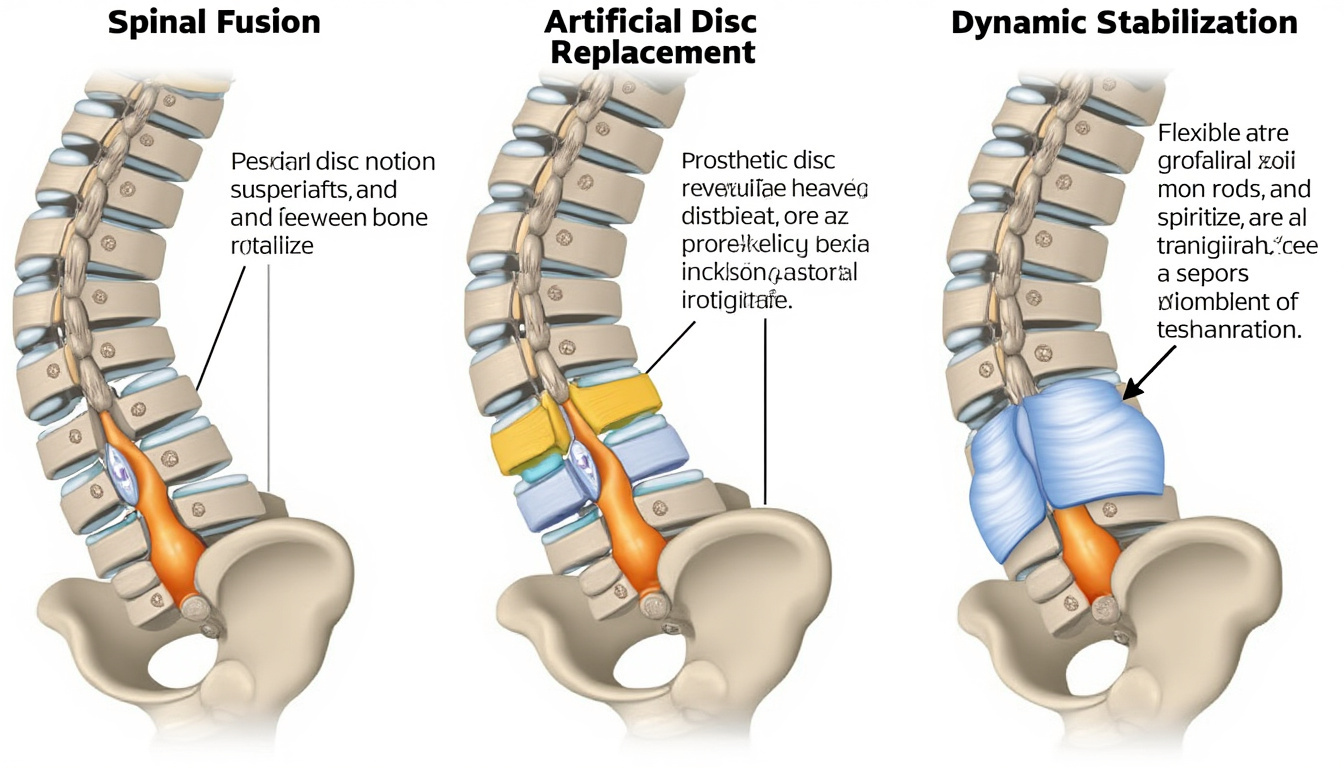
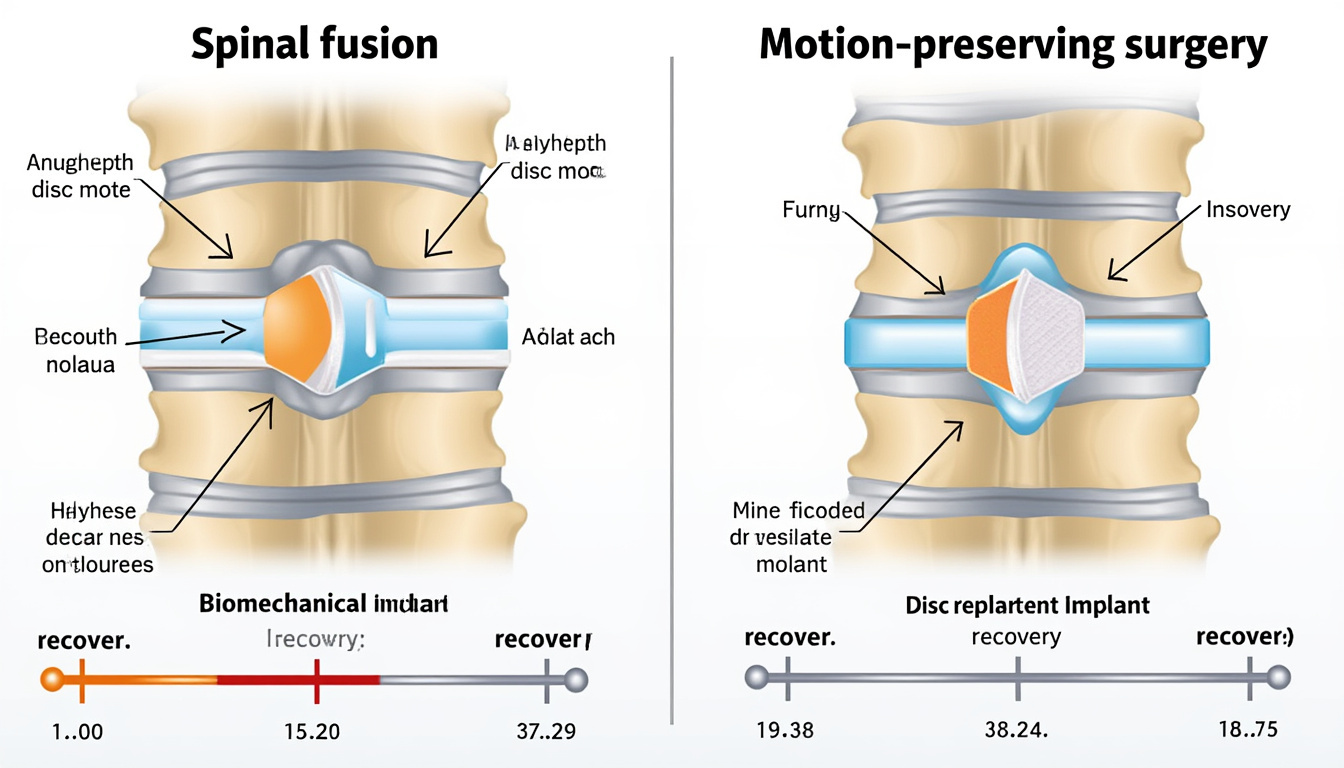
Motion Surgery refers to a cluster of surgical techniques designed to treat spinal conditions while maintaining the spine’s natural movement. Unlike traditional spinal fusion, which restricts mobility by permanently fusing vertebral segments, Motion Surgery employs advanced implants and minimally invasive methods that safeguard or replicate the spine’s biomechanics.
One of the foundational principles of Motion Surgery is to preserve spinal motion, which plays a critical role in supporting balance, flexibility, and overall quality of life. The spine’s dynamic nature allows individuals to perform a wide array of movements, from bending and twisting to sustaining posture. When spinal segments become rigid due to fusion, this motion is lost, potentially increasing stress on adjacent levels and accelerating degenerative changes.
Implementing Motion Surgery involves utilizing specialized devices such as artificial disc replacements, dynamic stabilization systems, and interlaminar implants. For example, the Globus Secure-C implant is employed in cervical disc replacement to restore motion, while devices like the Coflex Interlaminar Stabilization Device support lumbar segment mobility. These implants are engineered to mimic natural spinal kinematics closely, which may reduce complications associated with fusion and enhance patient recovery trajectories.
While Motion Surgery offers promising benefits, it requires thorough patient evaluation to determine candidacy. This comprehensive assessment, guided by experienced professionals like Dr. Sylvain Desforges, ensures that treatment plans are tailored to individual pathology and biomechanical considerations. The emphasis on evidence-based practice, compliance with Quebec and Canadian regulations, and the collaboration with international partners underscores the responsible application of these advanced techniques.
By focusing on spinal preservation, Motion Surgery aligns with modern spine health paradigms that value movement and functional integrity over immobilization. This approach has garnered increasing attention as patients seek durable and less invasive solutions to spinal ailments.

IntraSPINE® in Sherbrooke: Durable Solution for Chronic Low Back Pain
The management of chronic low back pain, a widespread condition affecting millions across Quebec and beyond, has reached a pivotal moment thanks to innovative medical technologies and coordinated care pathways. At the heart of this evolution lies the IntraSPINE implant,…
Different Types of Spinal Surgery Available in France: From Fusion to Motion Preservation
France has been at the forefront of developing and refining spinal surgery techniques, offering a broad spectrum of treatments suitable for various spinal disorders. For patients considering Motion Surgery in Terrebonne facilitated through partnerships with French clinics, understanding the types of available surgeries is essential.
Traditional Spinal Fusion Surgery
Fusion surgery involves permanently connecting two or more vertebrae to eliminate movement at a painful segment. This technique has been the standard for treating conditions such as severe spinal instability, degenerative disc disease, and spondylolisthesis. While effective in stabilizing the spine, it inherently restricts natural motion in the fused segment, which can lead to increased stress and degeneration in neighboring spinal levels.
Examples include:
- Posterior Lumbar Interbody Fusion (PLIF)
- Anterior Cervical Discectomy and Fusion (ACDF)
- Transforaminal Lumbar Interbody Fusion (TLIF)
Motion-Preserving Surgeries
Motion-preserving techniques aim to maintain or restore intervertebral mobility. Among these procedures, artificial disc replacement (ADR) stands out. ADR entails removing the damaged disc and implanting a prosthesis that replicates the disc’s function, allowing for bending and rotation.
There are two primary categories:
- Cervical Disc Replacement: Used to treat cervical degenerative disc disease, this procedure replaces the impaired disc with a device designed to maintain neck motion and reduce the risk of adjacent segment degeneration.
- Lumbar Disc Replacement: It targets lumbar discs causing chronic low back pain, restoring movement and spinal alignment.
Additionally, dynamic stabilization devices such as Coflex offer an alternative to fusion by providing flexible support to lumbar segments. Laminoplasty, another French innovation practiced abroad, decompresses the spinal cord while preserving bony and muscular attachments, contributing to motion preservation in cervical myelopathy cases.
These surgical advances emphasize a biomechanical approach, where preserving spinal movement optimizes patient outcomes and advances the standard of care beyond rigid fixation.
Explore advanced motion-preserving techniques available in France to appreciate the surgical innovations accessible through this transatlantic care model.
Spine Surgery in Trois-Rivières: Reduce Pain and Preserve Mobility
In recent years, spine surgery in Trois-Rivières has evolved notably, combining advanced medical expertise with innovative technologies to deliver patient-centered care. This growing field addresses the increasing demand among Quebec residents seeking effective solutions for chronic back pain and mobility…
Step-by-Step Patient Journey from Evaluation to Recovery in Motion Surgery
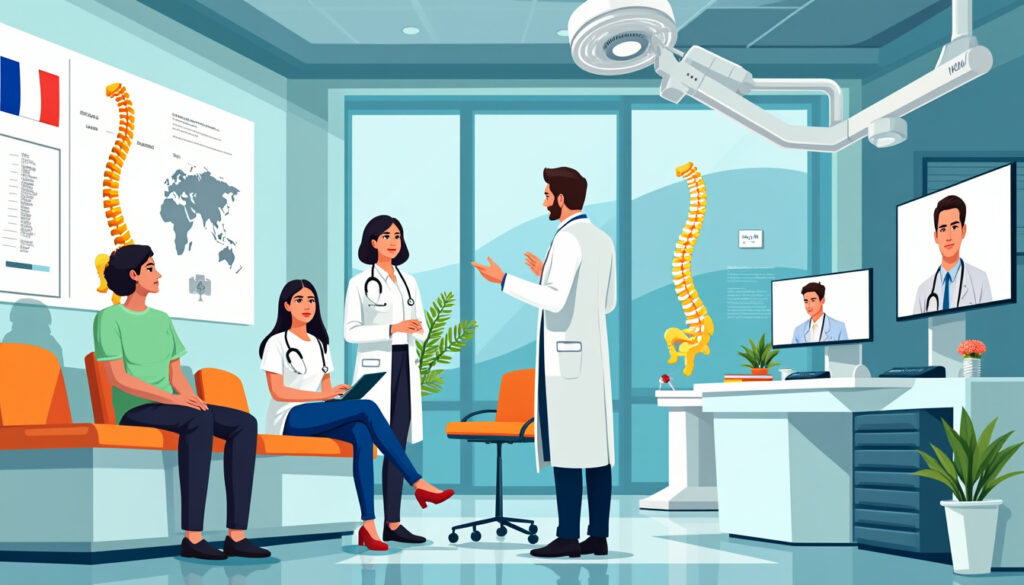
A successful Motion Surgery outcomes start well before the operating room, with a structured patient journey designed to optimize safety, precision, and recovery quality. Dr. Sylvain Desforges emphasizes comprehensive evaluation procedures that are both evidence-based and patient-centered.
Initial Evaluation and Multidisciplinary Assessment
The journey begins with a detailed clinical evaluation of the patient’s spinal health, including history, physical examination, imaging studies, and biomechanical analysis. Dr. Desforges applies his 30+ years of expertise, ensuring a thorough interpretation of complex spinal pathologies. Diagnostic precision allows for differentiation between cases suitable for Motion Surgery versus those requiring alternative treatments.
Conservative Treatment Completion
In line with clinical guidelines, surgery is considered only after 3 to 6 months of conservative treatment have been pursued. These treatments may include physical therapy, manual therapies, pain management, and particularly neurovertebral decompression—a specialized modality available at the Clinique TAGMED in Terrebonne. TAGMED’s advanced noninvasive methods often alleviate symptoms, potentially obviating the need for surgical intervention.
Preoperative Preparation and Surgical Planning
Once surgical candidacy is confirmed, detailed planning using high-resolution spinal imaging and biomechanical simulations takes place. State-of-the-art intraoperative technologies, like the Airo Mobile Intraoperative CT scanner, enhance surgical precision during Motion Surgery. Coordination between Canadian patients and French surgical teams is seamlessly managed to align scheduling and personalized care protocols.
Postoperative Care and Rehabilitation
Following surgery, patients enter a carefully monitored rehabilitation phase involving tailored physical therapy and regular follow-ups. The goal is to restore function, maintain spinal motion, and expedite return to daily activities. Dr. Desforges remains engaged throughout the recovery, providing guidance and ensuring care continuity when patients return to Quebec.
This patient-centric pathway, marked by meticulous coordination and scientific rigor, ensures that Motion Surgery is integrated within a holistic framework of spinal preservation.
Learn more about the comprehensive patient journey for preserving spinal biomechanics in Terrebonne’s emerging motion-preserving surgical landscape.
Cervical Disc Prosthesis in Quebec City: Avoid Post-Surgery Stiffness
Chronic neck pain remains a significant challenge for thousands of residents in Quebec City every year, often leading them to seek effective spinal surgery options that minimize downtime and maximize long-term mobility. Among the recent advancements revolutionizing cervical spine care,…
Advantages of Motion Surgery: Biomechanical and Economic Perspectives
Motion Surgery offers notable benefits over traditional fusion procedures, stemming from its capacity to preserve the dynamic function of the spine and reduce long-term complications.
Biomechanical Benefits
Preserving natural spinal motion helps maintain the flexibility and shock absorption properties crucial for spinal health. By protecting adjacent segments, Motion Surgery lowers the incidence of adjacent segment disease, a common complication after fusion. This preservation of biomechanical integrity translates to less postoperative pain, greater functional mobility, and improved quality of life.
One example includes the use of artificial disc replacements, which mimic the complex motions of the spine including flexion, extension, and rotation. Clinical studies demonstrate superior functional outcomes with these implants compared to fusion surgeries.
Economic and Human Benefits
From an economic standpoint, the reduced likelihood of secondary surgeries and shorter rehabilitation times contribute to lower overall healthcare costs. Patients experience less time away from work and daily activities, positively impacting their social and economic roles.
The human dimension centers on a less invasive experience with smaller incisions, decreased blood loss, and accelerated pain recovery. The psychological benefits of retaining natural spinal function and independence are significant for patient wellbeing.
| Aspect | Motion Surgery | Traditional Fusion |
|---|---|---|
| Preserves spinal motion | Yes | No |
| Risk of adjacent segment degeneration | Lower | Higher |
| Rehabilitation duration | Shorter | Longer |
| Likelihood of secondary surgery | Reduced | Increased |
| Recovery of natural biomechanics | Yes | No |
Such comparative benefits demonstrate why Motion Surgery is rapidly gaining recognition in regions like Terrebonne, offering enhanced outcomes for spine health.
Minimally Invasive Surgery in Longueuil: Reduce Hospital Stay Duration
In recent years, advances in spinal care have dramatically reshaped the treatment landscape for patients suffering from debilitating spinal conditions. Particularly in Longueuil, the emergence of minimally invasive surgery (MIS) techniques offers a transformative alternative to conventional open surgeries. These…
The Importance of Conservative Treatment Before Considering Surgery
Before opting for surgical intervention, rigorous conservative care remains foundational. Dr. Sylvain Desforges advocates for patients to undergo an adequate period, typically 3 to 6 months, of non-surgical treatments to maximize chances of symptom relief and functional improvement.
Conservative modalities include:
- Physical rehabilitation tailored to spinal biomechanics
- Manual therapies such as osteopathy under expert guidance
- Specialized decompression neurovertébrale treatments offered at Clinique TAGMED
- Pharmacologic pain management and lifestyle modifications
If, after this period, symptoms persist or worsen, and if conservative measures have not included techniques such as neurovertebral decompression, incorporating these advanced methods is strongly encouraged before surgical consideration. Such discipline minimizes surgical risks and often enhances postoperative outcomes.
The Clinique TAGMED in Terrebonne stands as a Canadian reference in advanced spinal conservative care, applying cutting-edge techniques with a compassionate, patient-centered approach. Their expertise bridges the gap between initial assessment and advanced surgical options, ensuring patients receive the best possible care continuum.
Discover how Clinique TAGMED’s advanced decompression therapies support spinal preservation.
IntraSPINE® in Laval: Modern Solution for Lumbar Stabilization
In the evolving landscape of orthopedic treatments, the city of Laval has become a hub for innovations addressing chronic lower back pain. Among the groundbreaking solutions gaining attention is the IntraSPINE device—a modern spinal implant designed to offer dynamic lumbar…
International Coordination: A Unique Canadian-French Partnership Supporting Patients
Motion Surgery in Terrebonne offers a distinct advantage through its transatlantic collaboration between Canadian spinal experts and French surgical centers. This partnership specialized by Dr. Sylvain Desforges facilitates patient access to state-of-the-art surgical care that might be limited or delayed domestically.
Key features of this international coordination include:
- Streamlined scheduling minimizing wait times
- Personalized surgical planning leveraging both Canadian evaluation and French surgical technology
- Multidisciplinary team involvement including surgeons, osteopaths, physiotherapists, and patient coordinators
- Continued postoperative support and follow-up managed across borders
This model exemplifies innovation in patient-centered care by optimizing resources and expertise on both continents. As a result, patients benefit from a comprehensive pathway that combines clinical excellence with convenience and customized treatment strategies.
Neck Surgery in Montreal: Maintain Cervical Flexibility and Function
Neck conditions causing persistent pain or functional loss place a substantial burden on individuals and healthcare systems, especially in urban centers like Montreal. Surgical interventions targeting the cervical spine have evolved tremendously, aiming not only to relieve symptoms but to…
State-of-the-Art Technologies in Motion Surgery Enhancing Patient Outcomes
Modern Motion Surgery relies heavily on sophisticated technologies that improve surgical accuracy, reduce invasiveness, and promote better recovery trajectories.
Examples include:
- Airo Mobile Intraoperative CT Scanner: Provides real-time high-resolution imaging during surgery, enhancing precision and helping surgeons verify implant placement immediately.
- Artificial Disc Implants: Such as Globus Secure-C for cervical discs and ACTIVL for lumbar discs, designed to closely replicate natural biomechanics.
- Dynamic Stabilization Devices: Coflex provides flexible support to lumbar vertebrae, preventing abnormal motion while preserving range of motion.
- HAVENTM Dual Plate Laminoplasty System: Used for cervical spine decompression with motion preservation.
These innovations enable motion-preserving techniques that would be challenging or impossible without modern imaging and implant design technologies. The result is superior surgical outcomes, lower complication rates, and enhanced patient satisfaction.
Learn about leading spinal technologies supporting motion surgery success and their implications for spine health.

Disc Prosthesis in Lévis: Quick and Long-Lasting Results
Chronic back pain caused by degenerative disc disease continues to profoundly impact the quality of life for many residents in Lévis and the broader Quebec area. For decades, traditional spinal fusion surgery has been the primary solution for alleviating severe…
Patient Education and Support: Empowering Spinal Health Decisions
Educating patients about their spinal conditions and treatment options is central to Dr. Desforges’ approach. Complex concepts like artificial disc replacement or dynamic stabilization are explained clearly and accessibly, ensuring patients understand the benefits, risks, limits, and expected outcomes of Motion Surgery.
This transparent dialogue encourages patients to engage actively in their care decisions, ask questions, and feel reassured. Understanding the nuances of biomechanical preservation fosters realistic expectations and supports adherence to postoperative rehabilitation protocols, enhancing recovery.
Engagement is further facilitated by dedicated resources and partnerships linking Canadian patients to French surgical expertise. Patients are also guided toward reputable information sources that detail conservative treatments, surgical options, and emerging scientific evidence.
- Clear explanations of the different Motion Surgery techniques
- Guidance through the surgical journey and rehabilitation phases
- Addressing common concerns about surgical risks and outcomes
- Access to multidisciplinary support teams during all care stages
This patient-centered model establishes trust and optimism, essential elements in the journey toward restoring spine health and mobility.
What exactly is Motion Surgery and how does it differ from traditional fusion?
Motion Surgery includes surgical techniques designed to maintain or restore natural spinal movement using advanced implants, unlike fusion which permanently immobilizes spinal segments.
Who is an ideal candidate for Motion Surgery in Terrebonne?
Patients with degenerative disc conditions suitable for preserving motion after completing conservative care, evaluated thoroughly by experts like Dr. Sylvain Desforges are ideal candidates.
Is surgery always necessary for spinal conditions?
No, surgery is only recommended after 3 to 6 months of conservative treatments, especially including neurovertebral decompression therapies, to ensure all non-surgical options have been exhausted.
What benefits can patients expect after Motion Surgery?
Patients can anticipate preserved spinal mobility, lower risk of adjacent segment degeneration, reduced pain, and quicker recovery times compared to traditional fusion techniques.
How does international coordination improve patient care?
Collaboration between Canadian evaluators and French surgical teams streamlines care pathways, reduces waiting times, and provides access to advanced surgical technologies not always available locally.

Motion Surgery in Terrebonne: Maintain Intervertebral Mobility
Back pain remains a widespread concern for many in Quebec, with traditional treatment pathways often imposing lengthy waiting periods and financial constraints. Recently, Motion Surgery in Terrebonne has emerged as a transformative option, attracting patients seeking spinal solutions that prioritize…