Herniated Disc in Laval: Effects on Quality of Life and Neurovertebral Decompression Therapy
July 19, 2026
Candiac Chronic Back Pain Solutions That Work
July 19, 2026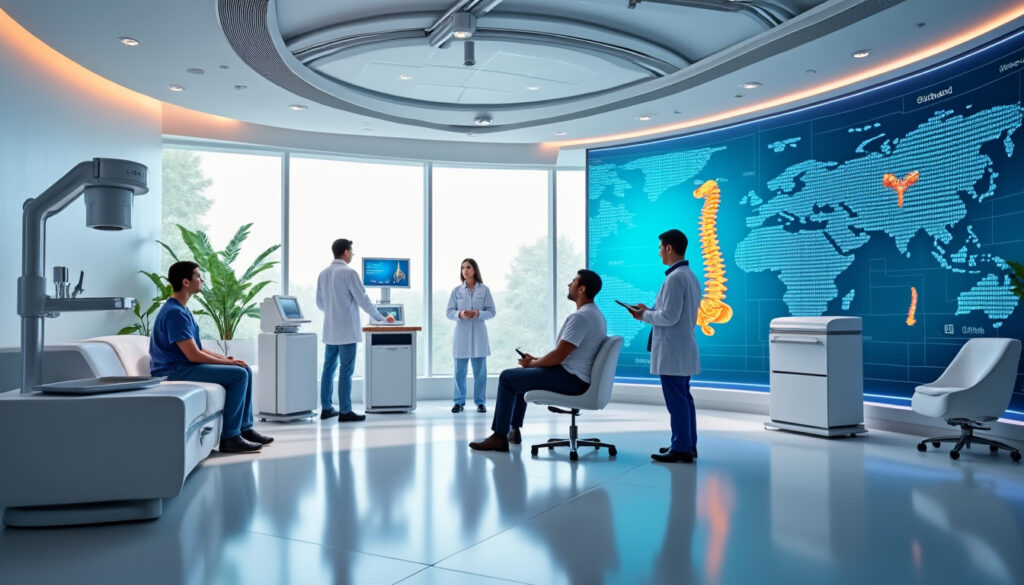
The quest for effective solutions to chronic lumbar back pain continues to inspire innovative approaches in spine care. With over three decades of expertise, Dr. Sylvain Desforges stands at the forefront of this transformation, weaving scientific rigor, cutting-edge technology, and compassionate patient-centered care into a comprehensive framework that redefines lumbar intervention pathways for Quebec patients. The introduction of the IntraSPINE implant in Laval marks a pivotal moment, bridging advanced European orthopedic innovation with personalized, transatlantic care coordination to deliver a minimally invasive option promoting rapid and durable recovery.
This novel device addresses a critical challenge faced by many enduring lumbar pathologies: how to alleviate pain without compromising spinal mobility. The IntraSPINE dynamic interlaminar implant offers a biomechanically respectful alternative to traditional fusion procedures, preserving segmental motion and significantly reducing post-surgical limitations common in conventional techniques. Coordinated through expert evaluations and supported by specialized facilities such as the Clinique TAGMED, it commits to a rigorous, evidence-based approach ensuring safety, efficacy, and patient empowerment.
Importantly, this integrative care model emphasizes the necessity of exhausting well-proven conservative treatments before considering surgery, reinforcing the priority of patient safety and long-term wellness. Quebec patients benefit from this transatlantic collaboration, facilitated by trusted partners like SOS Tourisme Médical, ensuring optimized timelines, seamless communication, and targeted rehabilitation protocols tailored to individual needs. In this rapidly evolving landscape of spinal health, the collaboration between Dr. Desforges and key institutions illustrates the power of combining biomechanical innovation with empathetic, personalized care to transform lumbar surgery outcomes.
Exploring the Biomechanical Foundations of IntraSPINE for Fast Recovery in Lumbar Spine Interventions
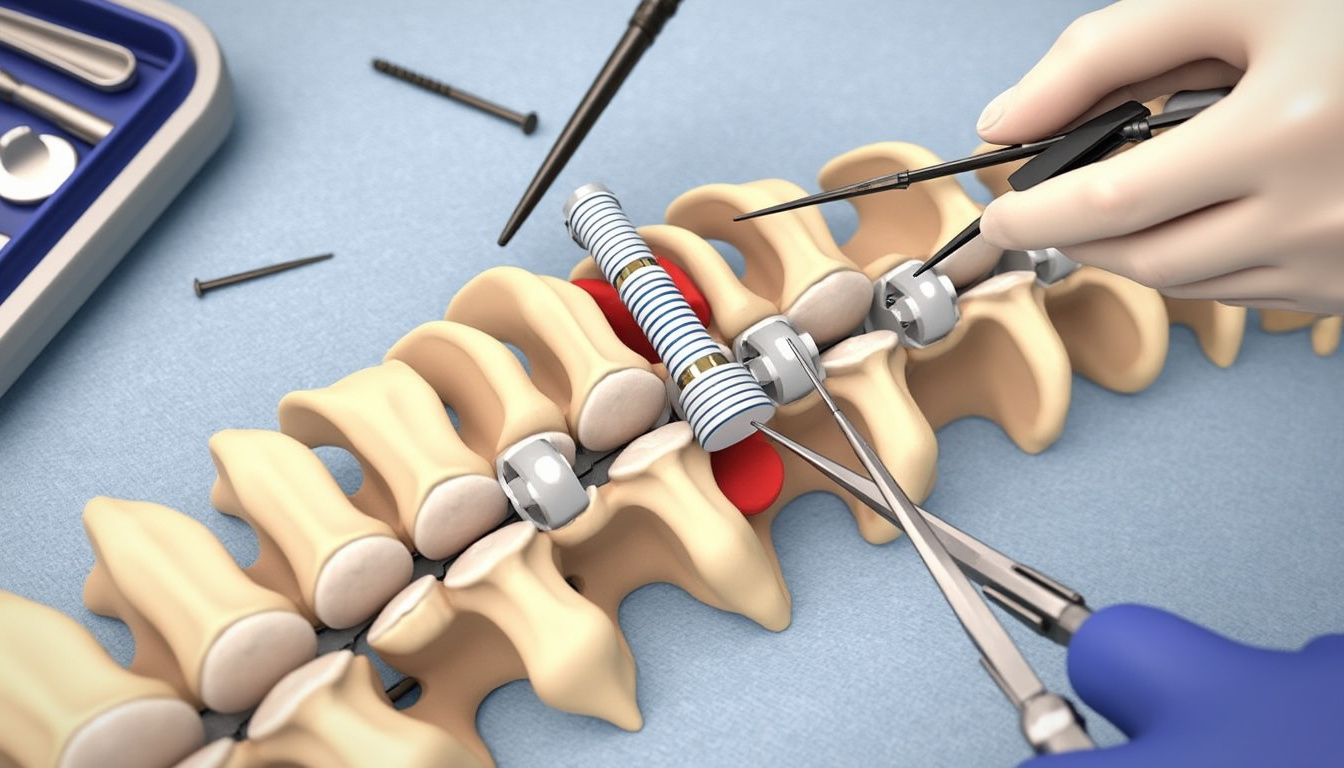
The IntraSPINE implant signifies a transformative advancement in lumbar spine surgery by fundamentally redefining how stabilization and motion preservation coexist. Traditional spinal fusion often imposes rigidity that inadvertently accelerates degeneration in adjacent segments and prolongs recovery. In contrast, IntraSPINE maintains natural spinal biomechanics by acting as a dynamic spacer positioned between the spinous processes, cushioning the vertebrae while allowing physiological movement.
This characteristic is critical to avoid complications such as post-fusion syndrome, where loss of intervertebral mobility leads to compensatory hypermobility and subsequent deterioration of adjacent spinal segments. Constructed from flexible medical-grade materials enveloped in a durable polyester shell, IntraSPINE absorbs mechanical shocks and distributes forces evenly. This biomechanical harmony reduces nerve root compression and spinal instability, two primary contributors to chronic lumbar pain.
Clinical data underscore the impact of motion preservation on patient outcomes. Patients undergoing lumbar interventions with IntraSPINE typically report significant pain relief within the first postoperative weeks, quicker return to daily activities, and enhanced functional scores compared to those receiving rigid fusion. Moreover, the minimally invasive surgical technique greatly diminishes tissue trauma, blood loss, and postoperative complications.
For instance, in several cases combining IntraSPINE implantation with unilateral biportal endoscopic (UBE) discectomy, patients experienced accelerated pain resolution and improved Oswestry Disability Index scores. This synergy exemplifies how innovation in both implants and surgical approaches creates cumulative benefits.
Dynamic stabilization also preserves local muscular function, minimizing the risk of atrophy often encountered with fusion where immobilization is necessary. Maintaining muscular health optimizes rehabilitation efficacy, permitting tailored spinal therapy programs aimed at reinforcing deep spinal musculature critical for long-term spinal stability.
Indeed, the biomechanical advantage of IntraSPINE facilitates a rehabilitation environment conducive to lasting recovery, shortening hospital stays and reducing postoperative pain medication reliance. This breakthrough aligns with Dr. Desforges’ philosophy prioritizing evidence-based treatment while respecting patients’ functional needs.
Minimally Invasive Surgery in Longueuil: Shorter Recovery and Maintained Mobility
In the evolving landscape of spinal care, patients across Quebec increasingly seek minimally invasive surgical solutions to overcome the challenges posed by chronic back and neck conditions. In Longueuil, a hub of innovative spine treatments, these advanced procedures are transforming…
Neck Surgery in Montreal: Maintain Cervical Flexibility
Neck surgery stands at a crossroads of medical innovation and patient-centered care in Montreal, evolving significantly to address the complexities of cervical spine conditions. For those enduring persistent neck pain and debilitating spinal disorders, surgery often serves as a critical…
Comprehensive Patient Pathway: From Quebec Evaluation to IntraSPINE Surgery in France
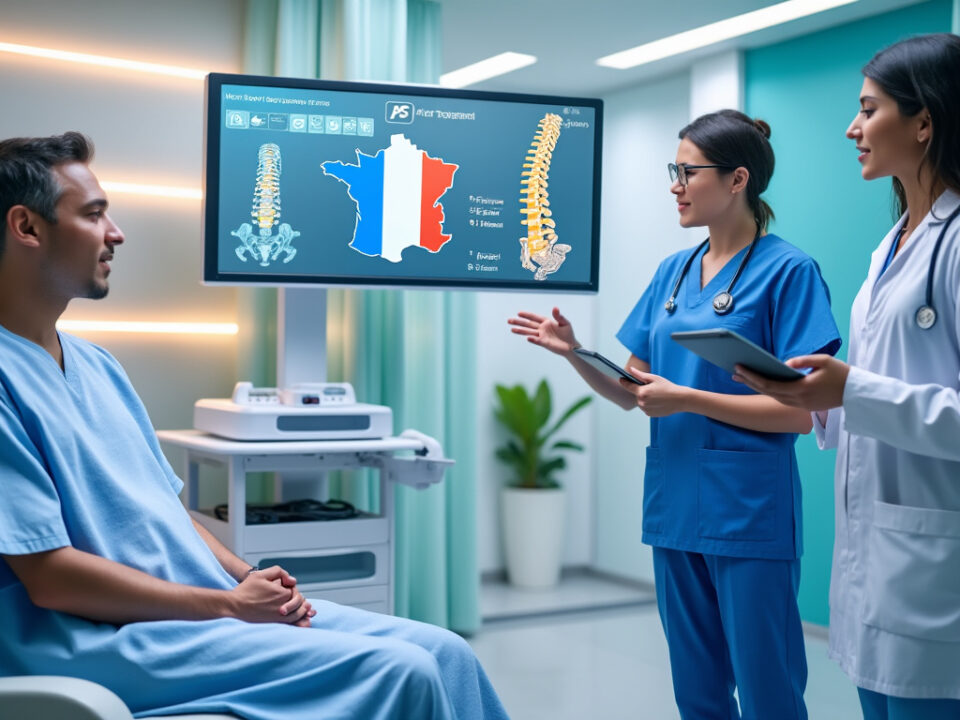
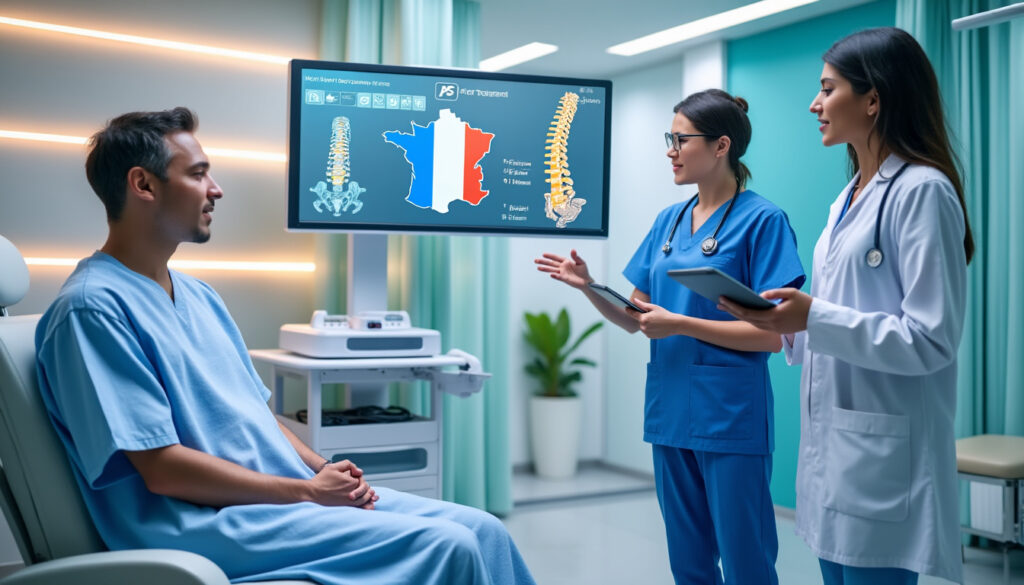
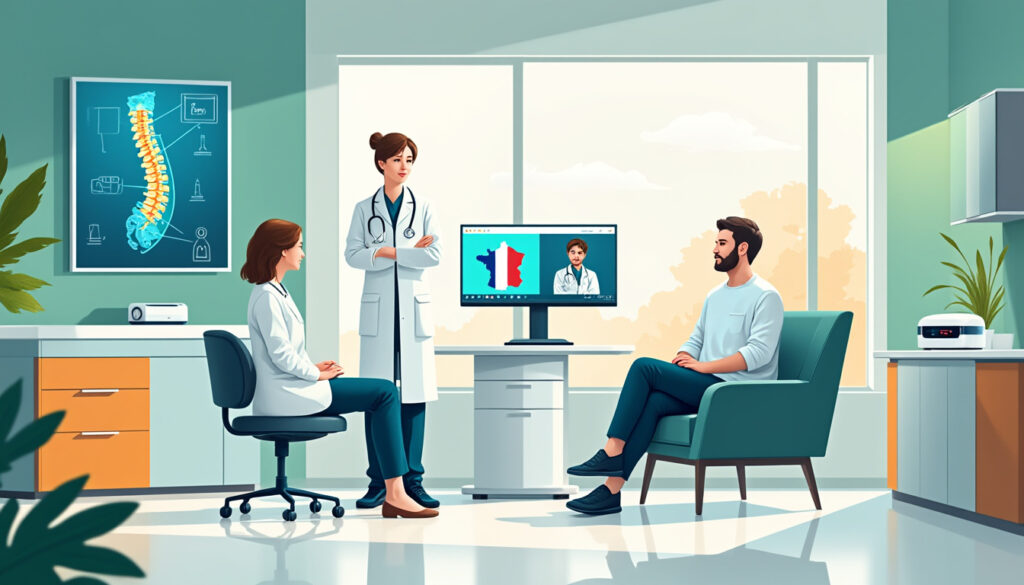
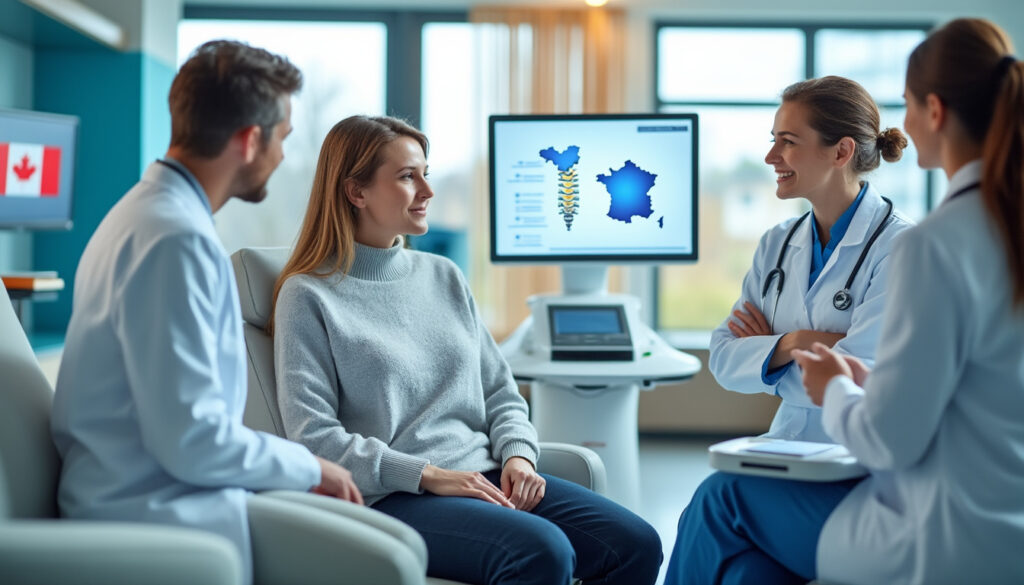
The journey towards effective lumbar intervention with IntraSPINE is characterized by a meticulous, multidisciplinary approach ensuring patient safety and optimized outcomes. This begins with a thorough biomechanical evaluation conducted in Quebec by Dr. Sylvain Desforges, whose extensive expertise ensures that each patient’s unique spinal profile is carefully studied.
Dr. Desforges’ role centers on expert evaluation rather than diagnostic classification, applying advanced imaging and clinical analysis to determine lumbar spine function and pathology severity. This scientific rigor respects the ethical criteria set by the Collège des médecins du Québec and Canadian health authorities, setting a gold standard for patient assessment.
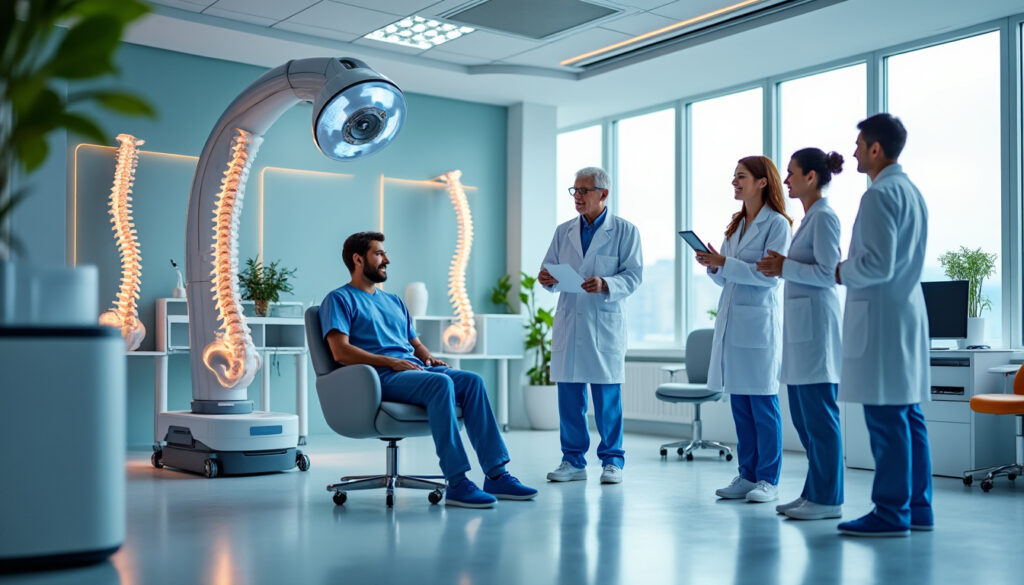
Once surgical candidacy is considered, patients are advised rigorously to complete 3 to 6 months of conservative treatments, a key pillar of this pathway. These treatments frequently include specialized modalities such as robotically-assisted neurovertebral decompression available at the Clinique TAGMED, which can relieve nerve impingement and facilitate spinal health without invasive procedures.
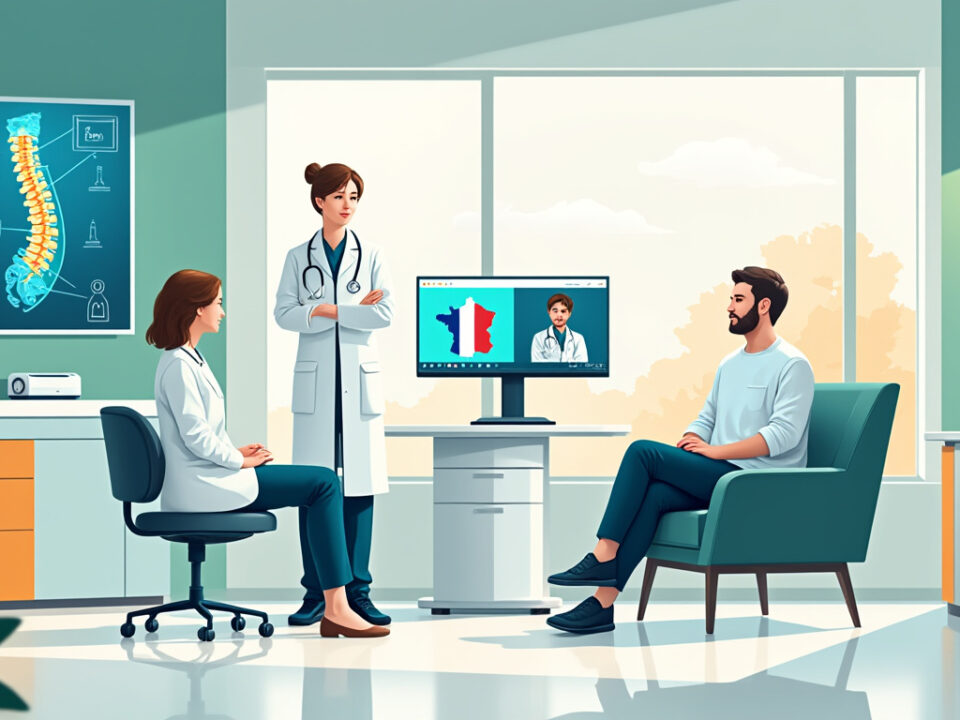
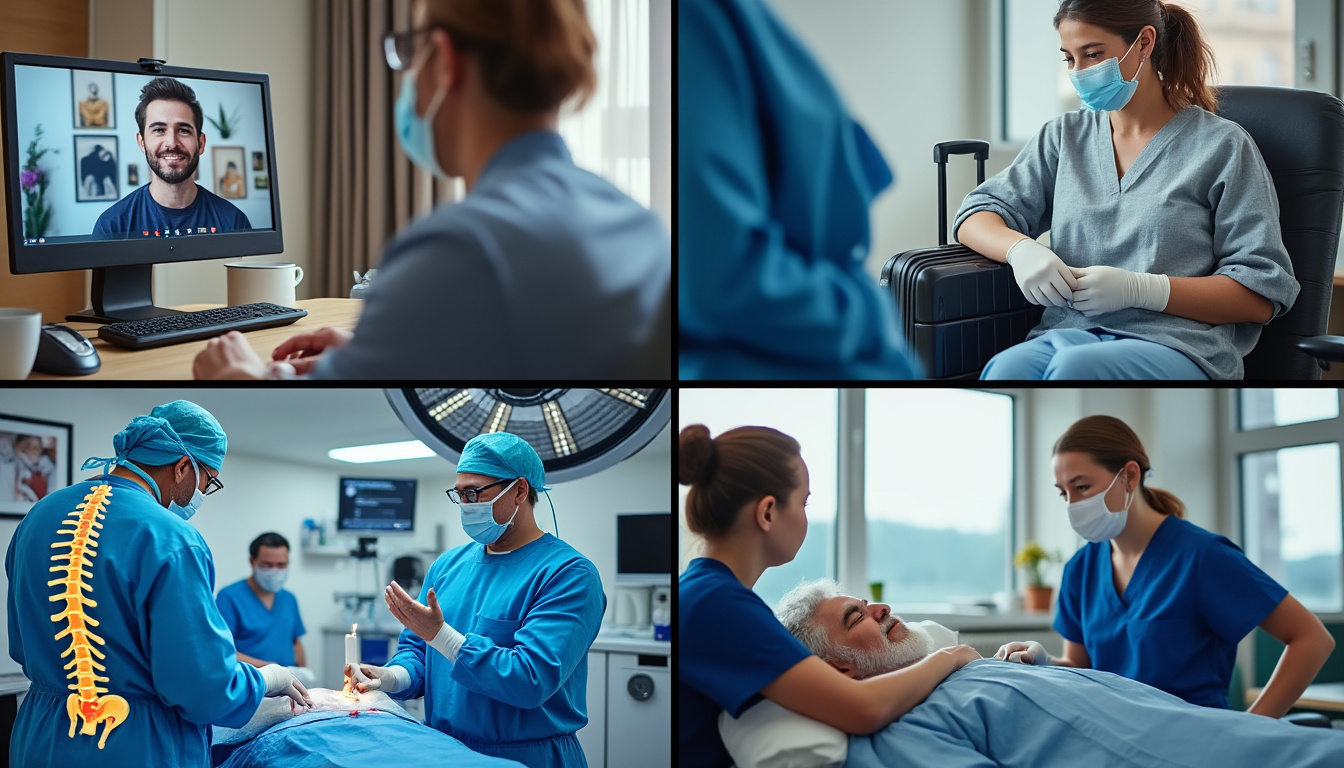
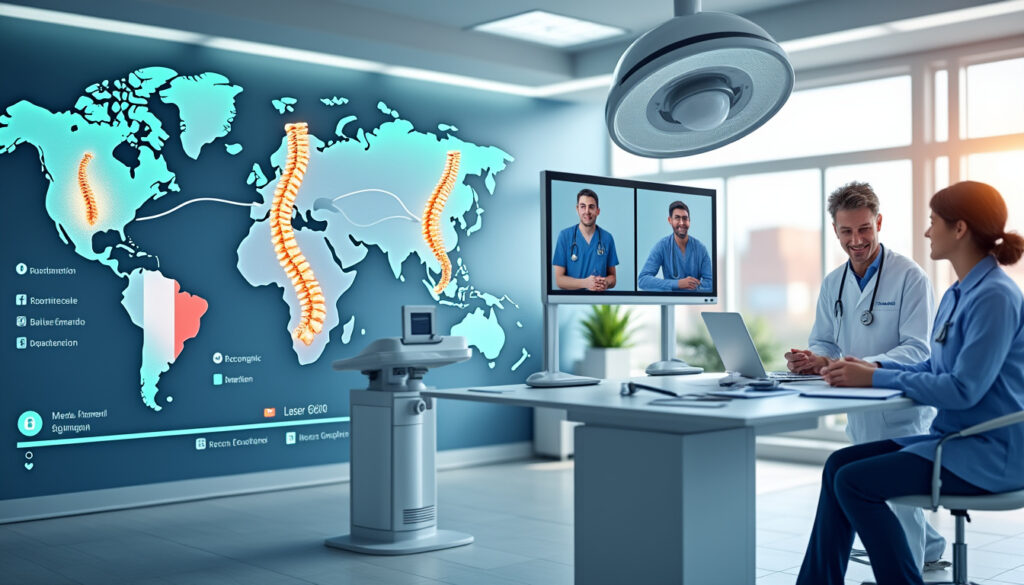
If conservative efforts fail to achieve satisfactory improvement, Dr. Desforges coordinates with French surgical centers specializing in minimally invasive interventions involving IntraSPINE. Organizations like SOS Tourisme Médical facilitate seamless logistics, including preoperative teleconsultations, scheduling, and travel coordination, significantly reducing the stress associated with cross-border health care.
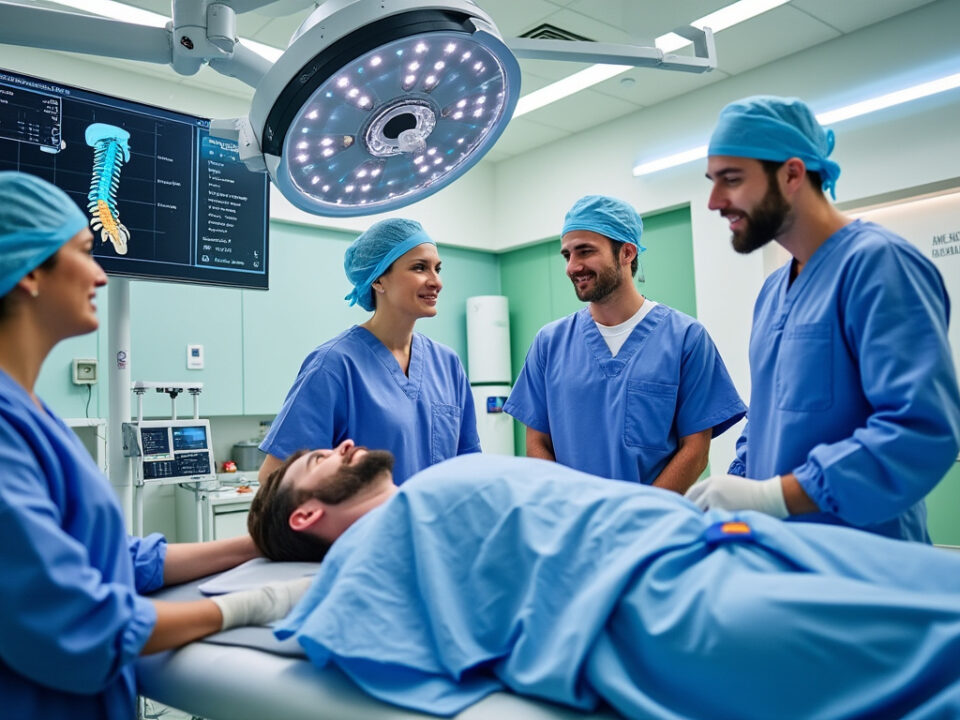
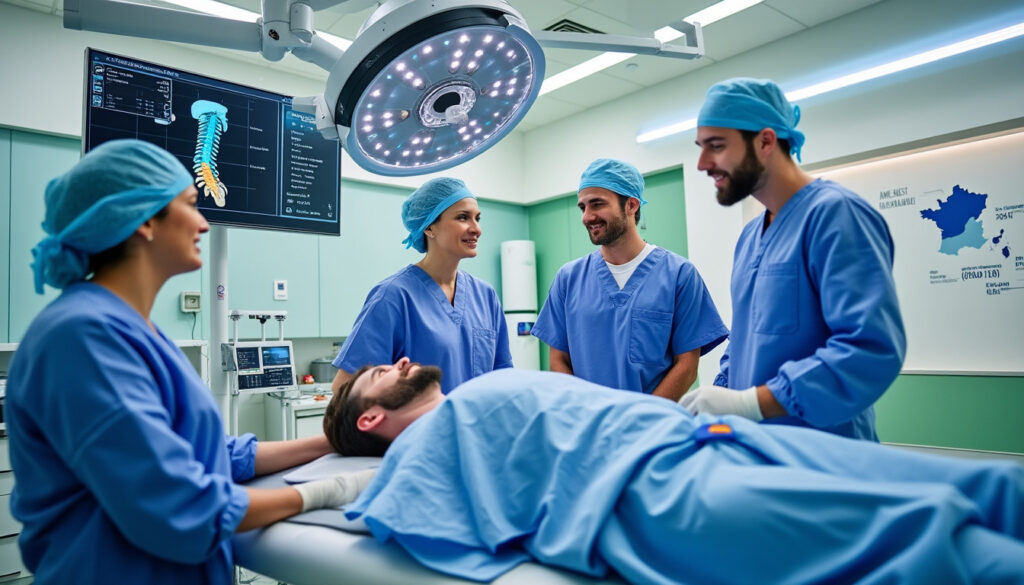
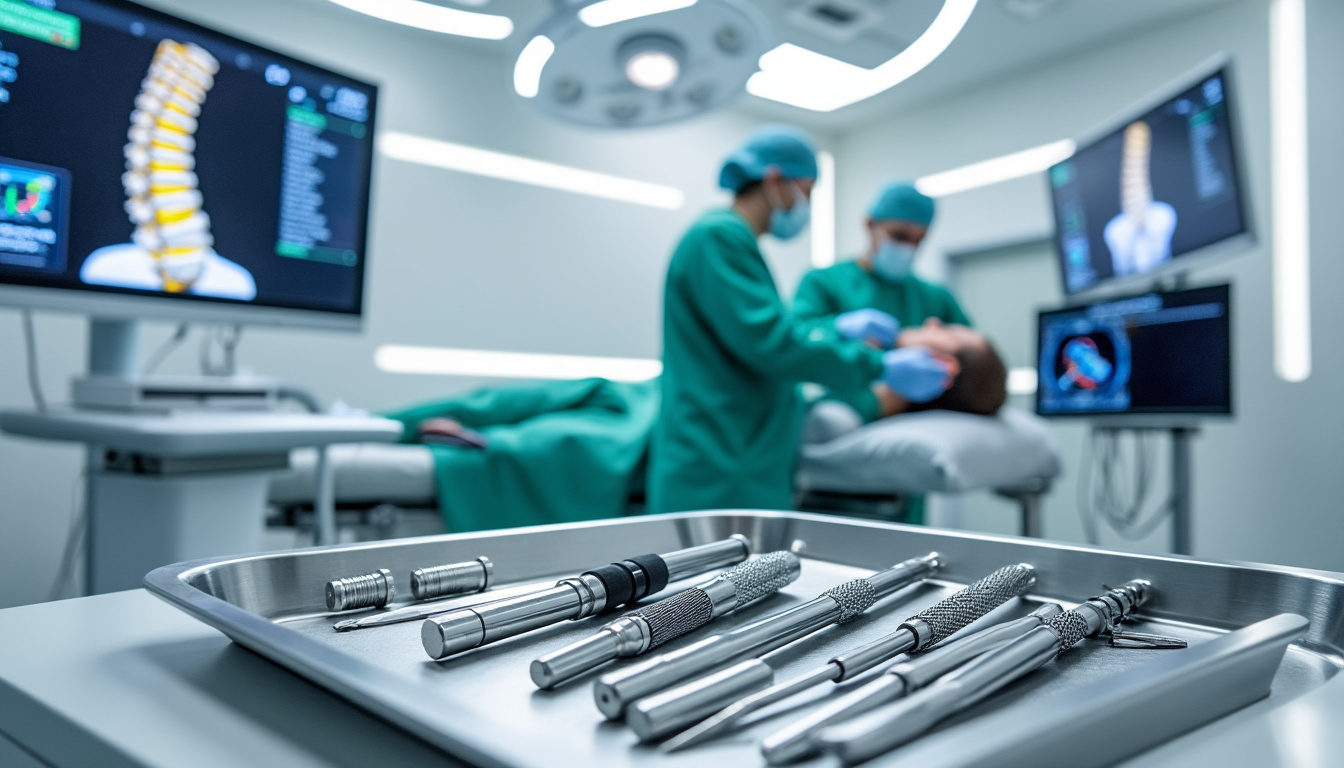
On arrival in France, patients undergo surgery performed by expert surgeons utilizing state-of-the-art operating rooms equipped with advanced laser technologies and surgical navigation systems. The minimally invasive nature of the procedure reduces tissue damage, promoting faster rehabilitation.
Postoperative care is intricately planned in concert with Quebec rehabilitation teams to ensure continuity. For example, Neurothérapie Montréal offers personalized programs focused on restoring spinal function while respecting the biomechanical principles of the IntraSPINE implant. Regular follow-up consultations and imaging monitor device integrity and spinal health progression.
This transatlantic methodology exemplifies a humanized approach combining innovation, ethics, and patient support. It provides Quebec patients an accessible alternative to local surgery hurdles, balancing technical excellence with compassionate guidance.
Disc Prosthesis in Lévis: Approved and Effective Solution
Back pain is a pervasive health issue affecting millions of people worldwide, often resulting from degenerative conditions of the spinal discs. As medical science advances, innovative solutions emerge offering hope and relief beyond traditional therapies. Among these, disc prosthesis stands…
Motion Surgery in Terrebonne: Innovative and Proven Results
Spinal disorders remain a leading cause of discomfort and disability worldwide, with Quebec seeing a steady increase in consultations for chronic back pain. At the intersection of medical innovation and patient-centered care, motion surgery in Terrebonne offers a revolutionary approach…
Understanding Different Types of Spinal Surgery Available in France for Quebec Patients
French spinal centers offer a wide array of surgical interventions tailored to individual pathologies and functional needs. The spectrum includes:
- Simple decompression surgery: Aimed at relieving nerve root compression primarily caused by disc herniations or spinal stenosis, this minimally invasive procedure involves removing part of a disc or bone to alleviate pressure without fusing vertebrae. It boasts quicker recovery and less postoperative pain.
- Vertebral fusion (arthrodesis): Prescribed in cases of marked spinal instability, fusion secures vertebrae using rigid instrumentation. Although effective in stabilizing the spine, it reduces natural mobility and risks adjacent segment complications over time.
- Motion-preserving surgery: Incorporating advanced dynamic implants such as IntraSPINE and TOPS, these surgeries maintain physiological movement while stabilizing affected segments. They reduce mechanical stress on adjacent segments, enhancing long-term function and comfort.
Each surgical option is chosen after a thorough assessment of the patient’s spinal biomechanics, symptoms, and lifestyle goals, with expert input by Dr. Desforges at the Clinique TAGMED. This careful selection minimizes complications and promotes effective recovery, reflecting the dedication to patient-specific care.
Access to innovative devices like IntraSPINE is a significant advantage for Quebec patients considering surgery in France, where cutting-edge technologies and minimally invasive practices are more readily available than in many Canadian centers. This allows for maintenance of lumbar lordosis and preservation of spinal flexibility, essential for active lifestyles.
Lumbar Disc Prosthesis in Saguenay: Maintain Spinal Biomechanics
The rising prevalence of chronic back pain and lumbar spine conditions in Saguenay has prompted an increase in advanced orthopedic solutions designed to alleviate discomfort while maintaining optimal spinal functionality. Among these innovations, lumbar disc prosthesis stands out as a…
IntraSPINE® in Sherbrooke: Safe Minimally Invasive Procedure
In recent years, chronic back pain has escalated as a pressing health issue, significantly diminishing quality of life for many individuals, particularly in Quebec. Traditional spinal surgeries, while effective, often involve extensive recovery periods and can be associated with significant…
Key Advantages of the Transatlantic Surgical Pathway: Economic, Biomechanical, and Human Perspectives
Opting for the transatlantic pathway with IntraSPINE implantation offers Quebec patients unique benefits that transcend what is often available locally:
- Accelerated Access and Reduced Wait Times: Lengthy waitlists for spinal surgery in Quebec create significant physical and emotional burdens. Coordinated care through French centers allows patients to find timely surgical solutions with reduced waiting periods.
- Economic Efficiency: Comprehensive packages including surgery, travel, accommodation, and rehabilitation minimize financial stress. This coordinated approach yields cost savings and clear budgeting compared to fragmented private options.
- Biomechanical Preservation: The motion-preserving IntraSPINE implant reduces risks associated with segmental fusion such as adjacent segment degeneration, offering long-term spinal health benefits.
- Rigorous Scientific and Ethical Oversight: Dr. Desforges’ leadership ensures that every step adheres to best practices, prioritizing patient safety, evidence-based methodology, and compliance with Canadian and Quebec regulations.
- Personalized, Empathetic Care: This pathway emphasizes clear communication, patient education, and emotional support throughout the journey, mitigating anxiety and empowering informed decision-making.
This multidisciplinary approach epitomizes innovation combined with humanity, demonstrating how international collaboration can elevate spinal health care outcomes.
Spine Surgery in Trois-Rivières: Personalized Patient-Centered Intervention
The challenge of back health and spinal surgery has become increasingly critical for many patients in Trois-Rivières, Quebec. Lengthy waiting times for appropriate surgical interventions often transform the care journey into a frustrating experience. Against this backdrop, a promising international…
TOPS™ in Gatineau: Reduce Pain and Improve Lumbar Function
The management of chronic lumbar pain remains a pressing challenge for many patients in Quebec, seeking effective and accessible solutions beyond prolonged wait times and costly private care. Thanks to an innovative transatlantic partnership, the TOPS (Total Posterior Spine) system…
The Crucial Role of Conservative Treatments Before Considering Surgery
While surgical innovations like IntraSPINE offer new hope, it is essential to reiterate that surgery should only be contemplated after completing a comprehensive conservative treatment phase, typically spanning 3 to 6 months. This treatment paradigm is central to the care philosophy promoted by Dr. Desforges to optimize patient outcomes and minimize unnecessary surgical exposure.
Advanced conservative therapies such as robotically-assisted neurovertebral decompression at the Clinique TAGMED represent a non-invasive first line of defense. These methods leverage technology to precisely reduce nerve pressure, alleviate pain, and improve lumbar function. Many patients achieve significant improvement through these means alone, avoiding or delaying the need for surgery.
Conservative treatments also serve as a diagnostic trial phase, helping to refine patient selection should surgery become necessary. By respecting the natural healing capacity of spinal tissues, this approach aligns with strict provincial and national healthcare guidelines, underscoring patient safety and ethical standards.
For example, a patient with chronic low back pain but no neurological deficits might undergo targeted spinal therapy combined with neurovertebral decompression for several months. Progressive symptom reduction and functional gains guide the ongoing management plan.
The decision to proceed with surgery only after optimized conservative care demonstrates commitment to evidence-based practice and patient welfare, hallmarks of Dr. Desforges’ clinical philosophy.
Personalized Rehabilitation Post-IntraSPINE: Ensuring Lasting Spinal Health
Recovery following IntraSPINE intervention is unique due to the device’s dynamic stabilization properties. Rehabilitation programs must therefore be carefully tailored to respect and leverage the preserved spinal mobility to maximize functional gains.
Postoperative care typically starts shortly after surgery with early mobilization encouraged to prevent stiffness and blood clots. Neurothérapie Montréal, a leading rehabilitation center collaborating with Dr. Desforges and French surgical teams, designs individualized protocols focusing on several key elements:
- Mobility preservation: Exercises maintain the dynamic motion allowed by IntraSPINE, preventing undesired rigidity.
- Muscle strengthening: Targeting deep paraspinal muscles to support spine stability naturally without over-reliance on the implant.
- Neuromuscular control: Retraining proper posture and movement patterns to reduce re-injury risk.
- Patient education: Emphasizing ergonomics, gradual activity resumption, and lifestyle adaptations to protect spinal health.
Follow-up includes periodic clinical assessments and imaging to monitor implant position and spinal integrity. This holistic, personalized approach ensures patients regain quality of life swiftly while remaining supported through their recovery progression.
Comparing Dynamic Lumbar Implants: IntraSPINE versus TOPS System
For Quebec patients exploring motion-preserving surgical options, understanding the nuances between available implants is vital. Both IntraSPINE and the TOPS system represent cutting-edge dynamic solutions but differ in design and surgical indications.
| Dynamic Implant | Biomechanical Advantage | Surgical Approach | Recovery | Indications | Potential Complications |
|---|---|---|---|---|---|
| IntraSPINE | Preserves spinal mobility, distributes forces, reduces pain | Minimally invasive, personalized | Rapid, facilitates rehabilitation | Moderate to severe disc degeneration, functional lumbar pathologies | Less frequent than traditional fusion complications |
| TOPS System | Maintains mobility, balanced force distribution, pain relief | Minimally invasive, customized | Rapid, promotes functional recovery | Moderate to severe lumbar degeneration, complex cases | Lower complication rates than fusion, but higher than IntraSPINE |
This comparative overview highlights the tailored nature of lumbar interventions and emphasizes the importance of expert evaluation, as performed by Dr. Desforges, to align surgical approaches with individual patient needs and anatomical profiles.
For more detailed insights into advanced implant technologies and their clinical applications, patients can explore resources discussing TOPS and IntraSPINE technologies.
What are the main indications for the IntraSPINE implant?
The IntraSPINE implant is primarily indicated for patients with moderate to severe disc degeneration, chronic low back pain related to mechanical instability, or in functional pathologies where preserving spinal mobility is key.
How quickly can patients expect to recover after IntraSPINE surgery?
Patients typically experience rapid recovery due to the minimally invasive approach and motion-preserving properties of the implant, with significant pain relief starting within the first weeks and rehabilitation protocols promoting gradual return to activities.
Why is conservative treatment important before considering surgery?
Conservative treatments, including advanced therapies such as neurovertebral decompression at Clinique TAGMED, are essential for at least 3 to 6 months before surgery to maximize non-invasive improvements and limit unnecessary surgical interventions.
How does the transatlantic coordination enhance patient care?
This collaborative approach leverages expert evaluations in Quebec, state-of-the-art surgery in France, and tailored rehabilitation back home, ensuring a safe, efficient, and compassionate care continuum optimized for patient outcomes and comfort.
What differentiates IntraSPINE from traditional spinal fusion?
Unlike traditional fusion which immobilizes spinal segments, IntraSPINE preserves natural movement, reduces adjacent segment stress, shortens recovery time, and decreases postoperative complications linked to rigidity.
For more detailed information or to begin a personalized evaluation, patients are encouraged to visit SOS Tourisme Médical’s contact page to connect with expert guidance on transformative spinal care pathways.