Motion Surgery in Terrebonne: Safeguarding Intervertebral Mobility
August 3, 2026
Mirabel Sciatica Relief Without Medication or Surgery
August 3, 2026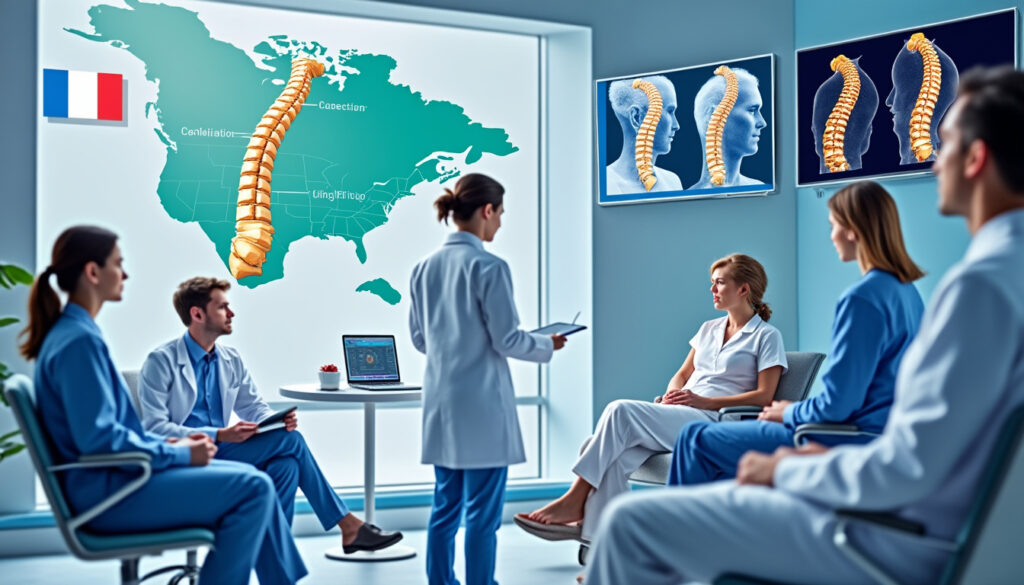
Lower back pain remains a widespread health concern globally, affecting mobility and diminishing life quality for millions. In Quebec, prolonged wait times and restricted access to cutting-edge spinal treatments have driven renewed interest in innovative solutions. Among these, the IntraSPINE implant available in Sherbrooke has emerged as a breakthrough medical device, designed to address lumbar degenerative conditions through a minimally invasive, approved, and secure procedure. This dynamic stabilization system stands out by offering effective back pain relief while preserving the spine’s natural motion, representing a pivotal advancement for patients striving for improved function without compromising mobility.
With over 30 years of expertise, Dr. Sylvain Desforges plays a critical role in guiding patients through this advanced spine treatment pathway. His unique qualifications, including a B.Sc., D.O., and N.D., and leadership as founder and president of several osteopathic and spine care organizations, underpin a rigorous commitment to evidence-based practice, patient safety, and ethical standards. Dr. Desforges emphasizes a patient-centered approach, ensuring clear communication and personalized evaluation at every stage, from initial assessment through international coordination and postoperative rehabilitation. This involves collaboration with centers such as the Clinique TAGMED, renowned for sophisticated neurovertebral decompression therapies that optimize conservative care prior to surgical consideration.
Biomechanical Innovation of the IntraSPINE Implant: Preserving Lumbar Mobility
Spinal biomechanics are essential in maintaining long-term structural health and function. The IntraSPINE device leverages in-depth biomechanical principles to provide dynamic spinal stabilization that retains partial motion. This contrasts dramatically with traditional lumbar fusion surgeries, which rigidly immobilize spinal levels, often precipitating degeneration at adjacent segments over time. The IntraSPINE implant’s design, specifically positioned between the laminae and spinous processes, preserves the instantaneous axis of rotation (IAR), critical for balanced lumbar movements.
Composed of biocompatible materials like medical-grade dimethyl siloxane and polyethylene terephthalate, IntraSPINE integrates elastic deformation zones allowing controlled flexion and extension. This dynamic feature helps maintain sagittal balance and reduces facet joint loading, minimizing stress that might otherwise worsen degenerative changes. Clinically, patients retain roughly 50% of motion at the treated segment, markedly reducing compensatory stresses on adjacent discs, thereby diminishing the likelihood of adjacent segment degeneration.
Advantages include substantial pain reduction and improved functional outcomes similar to fusion surgery but coupled with faster recovery and less surgical trauma. These biomechanical benefits position IntraSPINE as a valuable alternative for patients seeking effective spine treatment that supports natural mobility.
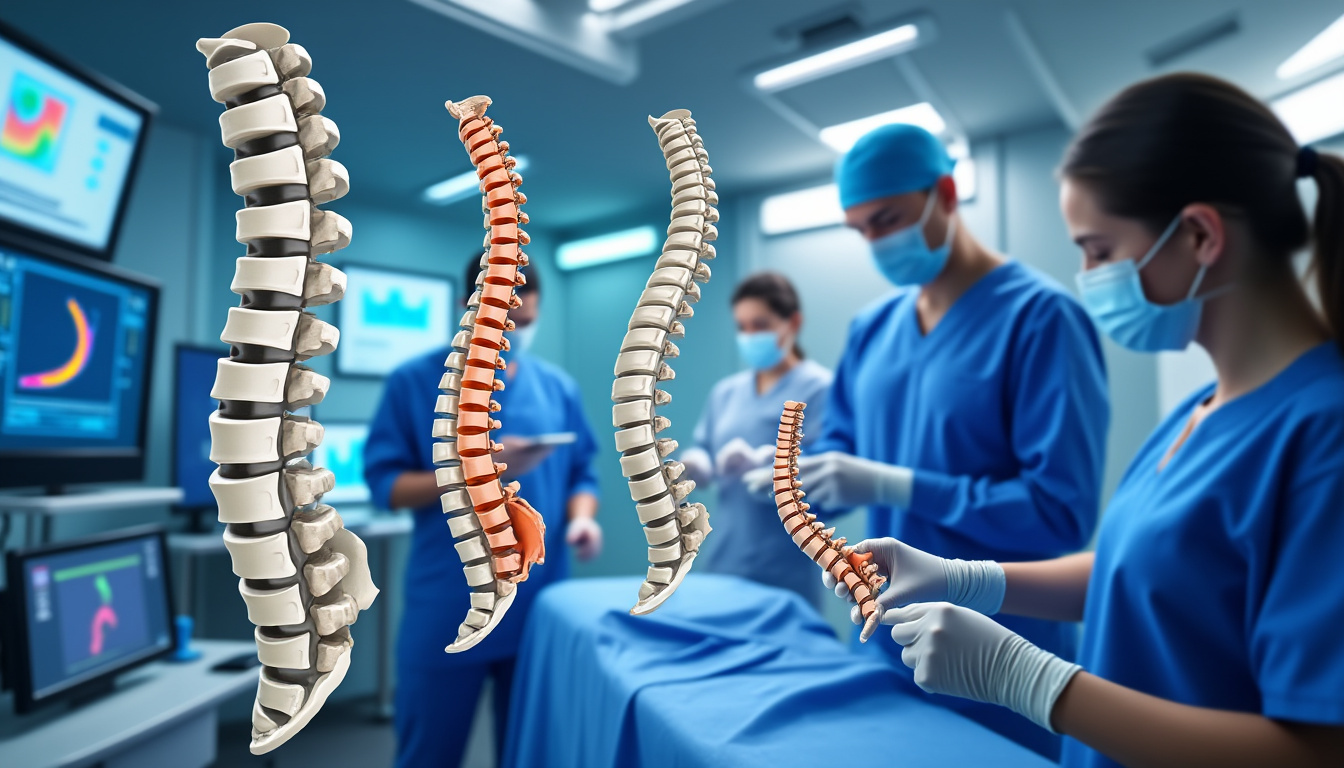
For more technical details, see resources such as this overview of the IntraSPINE procedure in Sherbrooke.
Neck Surgery in Montreal: Maintain Cervical Flexibility and Function
Neck conditions causing persistent pain or functional loss place a substantial burden on individuals and healthcare systems, especially in urban centers like Montreal. Surgical interventions targeting the cervical spine have evolved tremendously, aiming not only to relieve symptoms but to…
Comparison: IntraSPINE vs. Traditional Lumbar Fusion Surgery
Understanding how the IntraSPINE device contrasts with conventional lumbar fusion surgery illuminates its benefits and limitations. Lumbar fusion consists of permanently immobilizing vertebrae to stabilize unstable segments. While pain relief is typically effective, this approach often triggers biomechanical imbalances, accelerating degeneration of neighboring discs and vertebrae.
| Parameter | IntraSPINE Implant | Traditional Fusion |
|---|---|---|
| Operative Time | Approximately 72 minutes | Approximately 82 minutes |
| Intraoperative Blood Loss | ~65 ml | ~82 ml |
| Hospital Stay | ~9 days | ~11 days |
| Postoperative Segmental Mobility | ~50% range of motion preserved | Almost none |
| Risk of Adjacent Segment Degeneration | Significantly lower | Higher risk |
The minimally invasive nature of IntraSPINE leads to less blood loss and reduced surgical trauma, promoting quicker recovery. Maintaining partial segmental mobility mitigates additional stress on adjacent spinal levels, decreasing the incidence of secondary surgery. This distinction is critical for younger or active patients prioritizing long-term spine function.
For further clinical results and patient testimonials regarding this innovative procedure, please visit this detailed patient resource.

Disc Prosthesis in Lévis: Quick and Long-Lasting Results
Chronic back pain caused by degenerative disc disease continues to profoundly impact the quality of life for many residents in Lévis and the broader Quebec area. For decades, traditional spinal fusion surgery has been the primary solution for alleviating severe…
Steps of the Patient Journey: Evaluation to Rehabilitation
The journey to receiving IntraSPINE surgery in Sherbrooke begins with a comprehensive clinical evaluation led by Dr. Sylvain Desforges. This includes detailed medical history, physical examination, and thorough imaging studies. A fundamental principle is confirmation of exhaustion of conservative treatments, particularly neurovertebral decompression therapies provided by specialized centers such as the Clinique TAGMED.
Only after completing a minimum of 3 to 6 months of evidence-based non-surgical care is surgical consideration appropriate. This approach prioritizes patient safety, minimizes unnecessary interventions, and optimizes outcomes. Once surgery is indicated, Dr. Desforges coordinates with expert surgeons in France, offering cutting-edge intraoperative technology including robotic assistance, ensuring precise implant placement.
Following successful surgery, patients return to Quebec for tailored postoperative rehabilitation, including physiotherapy, neuromodulation, and continuous monitoring. The multidisciplinary rehabilitation focuses on restoring mobility, strengthening spinal support, and educating patients on lifestyle factors crucial for sustained benefits.
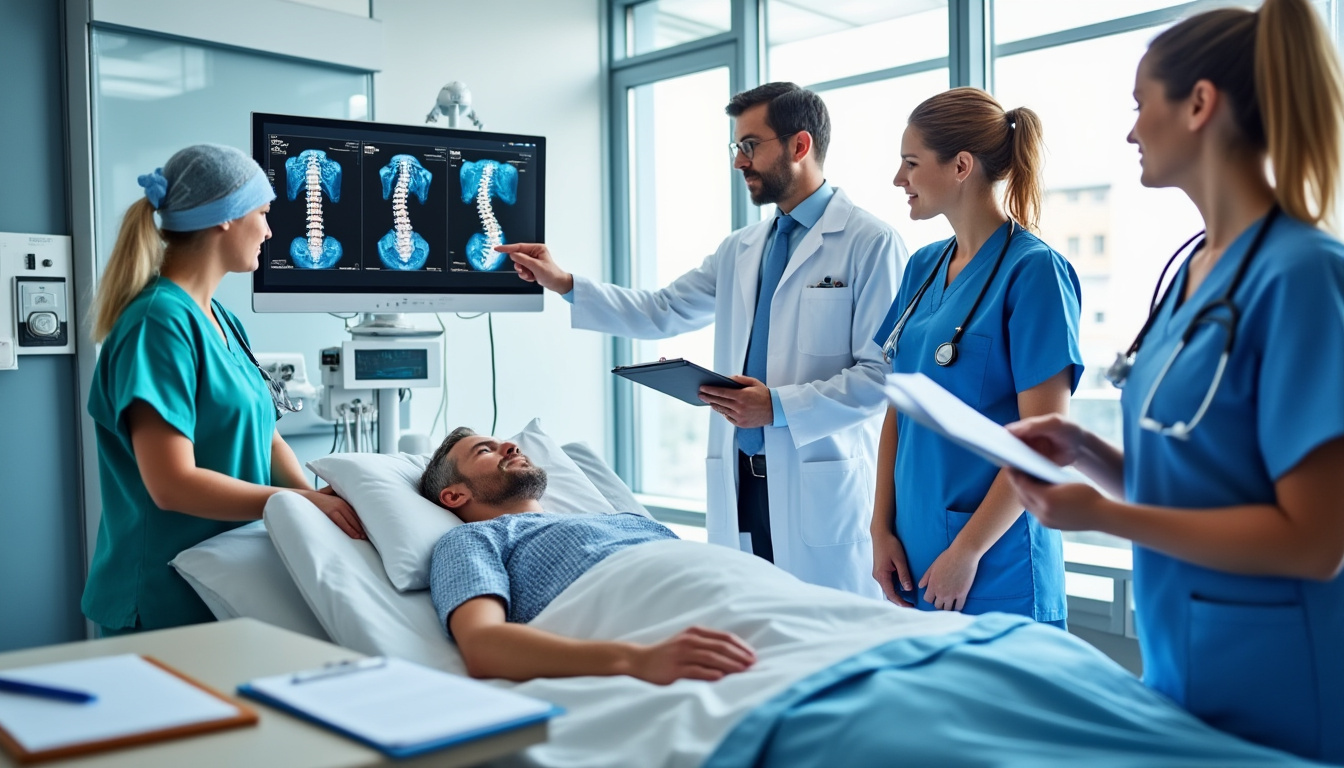

Motion Surgery in Terrebonne: Maintain Intervertebral Mobility
Back pain remains a widespread concern for many in Quebec, with traditional treatment pathways often imposing lengthy waiting periods and financial constraints. Recently, Motion Surgery in Terrebonne has emerged as a transformative option, attracting patients seeking spinal solutions that prioritize…
Importance of Conservative Care and Neurovertebral Decompression Before Surgery
A cornerstone of Dr. Desforges’s practice is the prioritization of thorough conservative management prior to considering surgical intervention. This includes neurovertebral decompression therapy, an advanced modality offered notably at Clinique TAGMED. This technique gently relieves nerve root compression, supporting disc health and potentially avoiding surgery altogether.
- Neurovertebral decompression reduces mechanical pressure on nerves non-invasively.
- Physical therapy enhances muscular support and spinal stability.
- Pharmacological management controls inflammation and pain symptoms.
- Complementary modalities such as acupuncture and massage further facilitate recovery.
Patients who complete these 3 to 6 months of evidence-based conservative care often experience significant pain relief and functional improvement. Skipping this crucial step increases risks, undermines potential recovery, and may lead to premature surgery. This careful staged approach reflects Dr. Desforges’s commitment to ethical, patient-centered care, aligned with Canadian healthcare regulations.
Explore more on conservative options and neurovertebral decompression at Clinique TAGMED’s official site.
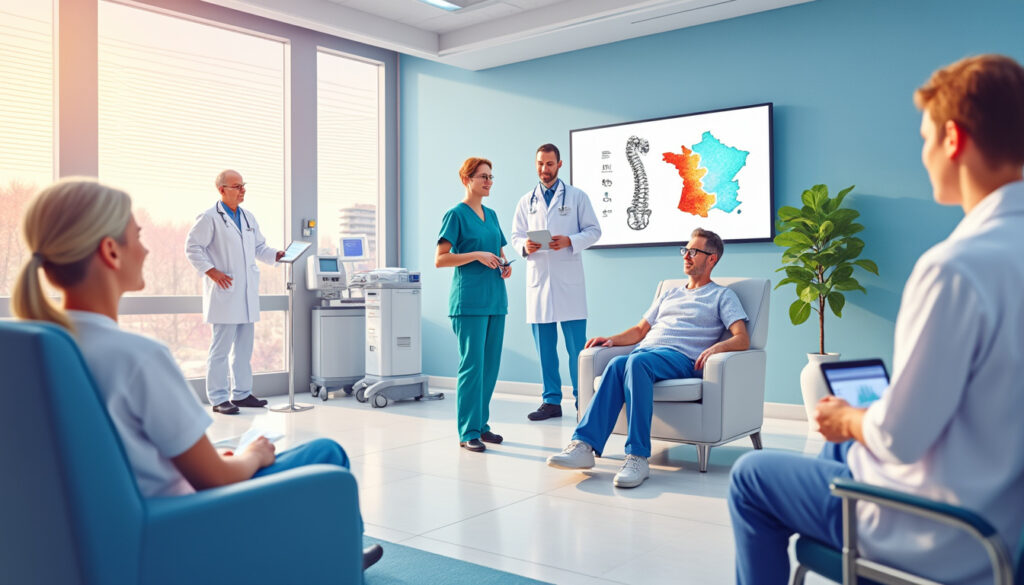
Lumbar Disc Prosthesis in Saguenay: Durable and Approved Alternative
In the Saguenay region of Quebec, chronic lower back pain continues to present a significant challenge for many adults striving to maintain a high quality of life. Traditional treatment paths often involve long wait times and costly private care, which…
Transatlantic Coordination of Personalized Spine Surgery Pathways
Accessing advanced surgical procedures such as IntraSPINE implantation often involves international collaboration. Dr. Sylvain Desforges orchestrates a seamless transatlantic pathway enabling Quebec patients to receive surgery at specialized French centers known for pioneering robotic-assisted spine surgery. This network includes hospitals in Le Mans, Toulouse, and Bordeaux, facilitated by medical travel agencies like SOS Tourisme Médical.
This coordination ensures streamlined logistics including scheduling, bilingual patient support, travel accommodations, and compliance with safety protocols. It also allows reduction of waiting times encountered locally, without compromising care quality.
Upon return to Quebec, intensive rehabilitation and monitoring are provided by expert teams such as Neurothérapie Montréal, extending care continuity and optimizing long-term spinal health. This integrated model exemplifies innovation, patient safety, and customized treatment–principles championed by Dr. Desforges throughout his career.
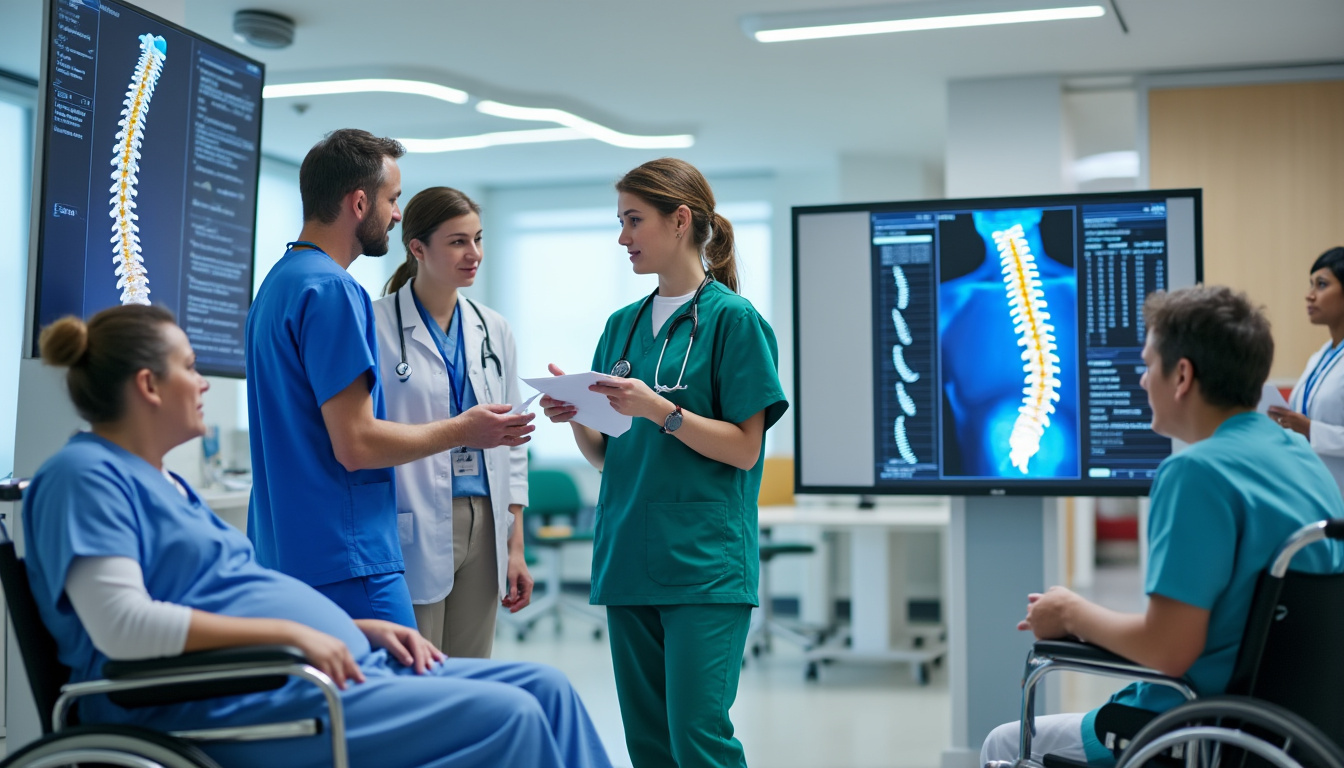
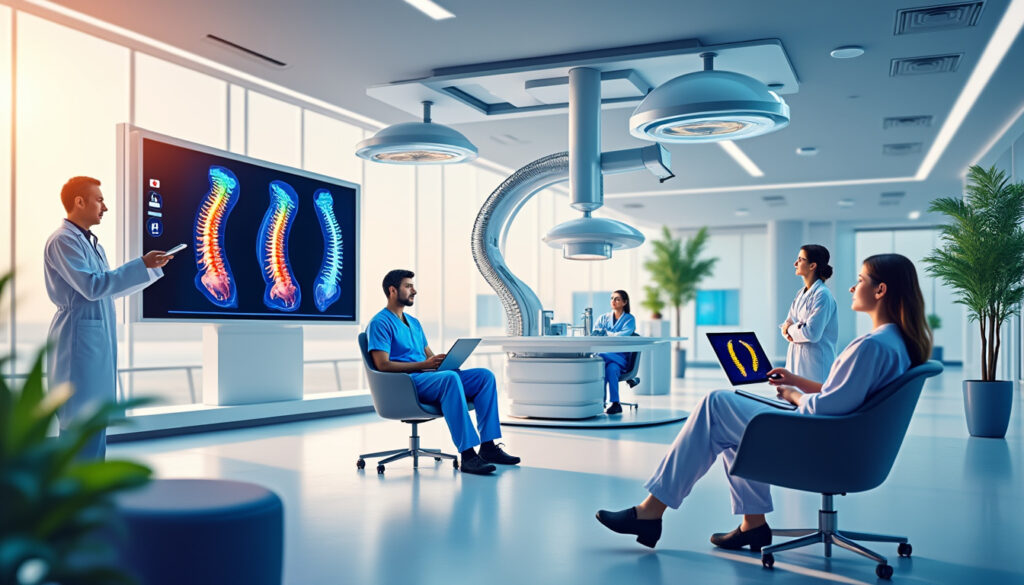
Spine Surgery in Trois-Rivières: Innovation in Motion Surgery
In Trois-Rivières, the quest for effective spine surgery solutions has entered a new era marked by remarkable innovation and transatlantic collaboration. For patients burdened by persistent back pain and degenerative spinal conditions, access to cutting-edge techniques such as motion surgery…
Technological Advances Supporting the IntraSPINE Procedure
The safety and efficacy of the IntraSPINE implant derive not only from its biomechanical design but also from integration of state-of-the-art technology. Robotic-assisted surgery platforms, such as those developed by Medtronic, enhance precision during implant placement, reducing risks of malposition and tissue trauma.
Materials science advances contribute significantly, with the implant constructed from flexible, biocompatible silicone and polyethylene terephthalate. This lends the device elasticity to support motion preservation and decreases long-term complications linked to rigid implants.
Moreover, preoperative 3D imaging and planning tools allow surgical teams to customize the intervention to each patient’s unique anatomy, maximizing implant fit and function. Ergonomically designed instruments facilitate minimally invasive surgery, further shortening operative times and recovery periods.
These technological innovations at Sherbrooke’s leading spine care centers underscore a commitment to safe, evidence-based practice focused on patient safety and outcome excellence.

TOPS™ in Gatineau: Maintain Lumbar Biomechanics and Mobility
The landscape of spinal care continually evolves, shaped by innovations that prioritize patient well-being, functional recovery, and quality of life. In Gatineau, the recent adoption of the TOPS System (Total Posterior Spine System) marks a turning point in the treatment…
Postoperative Rehabilitation and Long-Term Success After IntraSPINE Implantation
Successful outcomes do not end in the operating room; comprehensive postoperative care is essential. Dr. Desforges and his multidisciplinary team emphasize gradual physiotherapy tailored to restoring core strength and spinal flexibility. Neuromodulation modalities such as repetitive transcranial magnetic stimulation (rTMS) may be used to enhance neuroplasticity and pain control.
Patient education is another pillar, empowering individuals to understand postoperative precautions, recognize early warning signs, and adopt behaviors promoting spinal health. Routine follow-up imaging and clinical evaluations monitor implant stability and detect any emerging adjacent segment issues promptly.
This holistic approach fosters confidence, supports faster functional recovery, and preserves the biomechanical advantages afforded by the IntraSPINE device.
Cervical Disc Prosthesis in Quebec City: Restored and Long-Lasting Mobility
Chronic neck pain poses a significant challenge for many residents of Quebec City, intertwining with everyday activities and dramatically impacting quality of life. Traditionally, spinal surgeries such as cervical fusion have been the cornerstone for relieving nerve compression. While effective…
Clinical Selection Criteria: Matching Patients to IntraSPINE Treatment
Selecting appropriate candidates ensures optimal safety and efficacy of the IntraSPINE procedure. Under the guidance of Dr. Desforges, a stringent assessment framework is applied, as summarized below:
- Age typically under 65 with good bone quality (absence of severe osteoporosis).
- Single-level lumbar degenerative disc disease with localized stenosis, most often at L4-L5.
- Persistent symptoms despite at least 3 to 6 months of conservative care.
- Spinal stability without high-grade spondylolisthesis or excessive segmental mobility.
- Appropriate imaging showing disc height loss but absence of large herniations or severe bony foraminal stenosis.
Exclusion criteria include multilevel disease requiring fusion, poor bone quality, advanced spondylolisthesis, or extensive foraminal stenosis unsuitable for dynamic stabilization. Thorough patient evaluations by experienced practitioners like Dr. Desforges, in accordance with provincial and national healthcare standards, guarantee tailored interventions respecting individual anatomical and clinical realities.
Further insights into clinical criteria and candidacy can be found at this resource on personalized care in Sherbrooke.
What distinguishes the IntraSPINE implant from traditional fusion surgery?
IntraSPINE preserves approximately 50% of segmental spinal motion, reducing stress on adjacent discs, contrasting with fusion surgery which completely immobilizes the segment.
Is surgery with IntraSPINE recommended immediately after diagnosis?
No, surgery should only be considered after completing 3 to 6 months of conservative treatments, including neurovertebral decompression, optimizing patient outcomes and avoiding unnecessary surgery.
Can Quebec patients access IntraSPINE surgery through an international pathway?
Yes, Dr. Sylvain Desforges coordinates evaluation in Quebec and subsequent surgery in expert French centers, facilitated by services like SOS Tourisme Médical, ensuring seamless transatlantic care.
What postoperative care supports recovery after IntraSPINE implantation?
A multidisciplinary rehabilitation program including physiotherapy, neuromodulation, patient education, and imaging follow-up is essential for successful long-term outcomes.
Is the IntraSPINE implant approved and safe?
Yes, IntraSPINE is approved by regulatory bodies such as the FDA and CE, meeting stringent safety and performance standards, ensuring patient safety throughout the procedure.
Minimally Invasive Surgery in Longueuil: Quick Recovery After Surgery
Minimally invasive surgery has revolutionized the field of spine treatment, particularly for patients in Longueuil seeking solutions that offer faster recovery, reduced pain, and minimal disruption to daily life. With advancements in surgical techniques such as laparoscopy and robotic-assisted procedures,…