Minimally Invasive Surgery in Longueuil: Reducing Hospital Stays for Faster Recovery
August 7, 2026
Laval Sciatica Recovery After Failed Injections
August 7, 2026
Neck conditions causing persistent pain or functional loss place a substantial burden on individuals and healthcare systems, especially in urban centers like Montreal. Surgical interventions targeting the cervical spine have evolved tremendously, aiming not only to relieve symptoms but to preserve the essential mobility and function of the neck. Understanding the nuances of neck surgery — from minimally invasive techniques to motion-preserving options — is critically important for patients considering their therapeutic pathways. These procedures act as pivotal solutions after thorough evaluation and extensive conservative management, offering renewed quality of life when properly indicated. In the context of increased wait times and variable access to specialized spine care in Quebec, exploring surgical options abroad, particularly in France, coordinated through expert guidance, emerges as an innovative and effective approach for many.
Modern Types of Neck Surgery: Preserving Cervical Flexibility and Function
The cervical spine’s complexity requires meticulous surgical approaches that balance decompression of neural elements with maintaining mobility. There are several predominant types of neck surgeries currently performed with advances in technology and techniques, each suited to specific pathologies.
Cervical Disc Replacement: Motion-Preserving Innovation
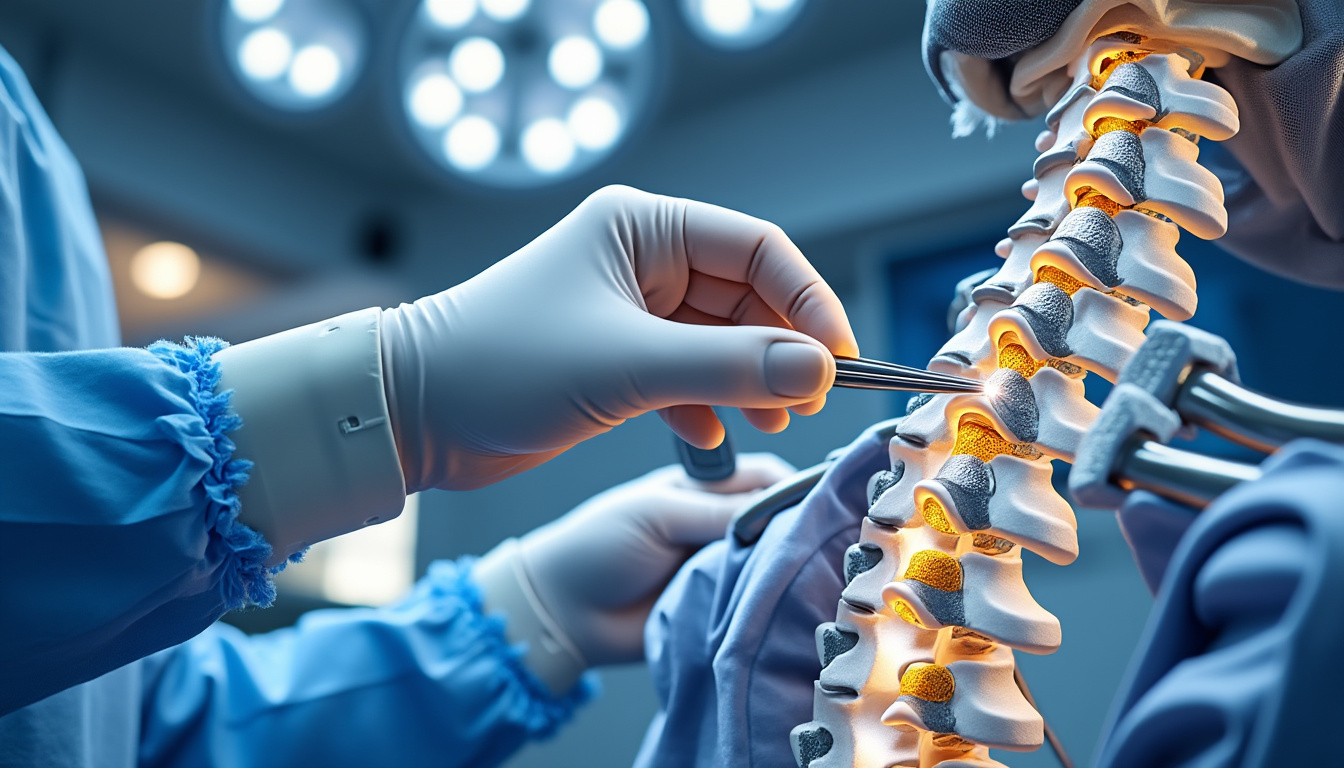
Cervical disc replacement involves removing a damaged intervertebral disc and substituting it with a prosthetic disc designed to mimic the natural biomechanics of the spine. This technique preserves the range of motion (ROM) of the cervical segment, which is vital for daily activities such as turning the head, swallowing, and maintaining balance. During the procedure, an anterior approach is typically used, which minimizes tissue disruption and facilitates rapid recovery.
Compared to traditional fusion, disc replacement reduces the risk of adjacent segment degeneration—a common long-term complication when segments above or below a fusion site experience increased stress. Clinical studies reveal that patients receiving artificial disc replacement often report improved neck flexibility and function during their recovery phase.
However, like all surgeries, risks such as prosthesis migration or infection exist but are mitigated through rigorous surgical protocols and postoperative care. Recovery generally includes avoidance of strenuous activities for the first few weeks, followed by guided physical therapy focusing on neck conditioning.
Anterior Cervical Discectomy and Fusion (ACDF): The Gold Standard
ACDF has long been a staple in cervical spine surgery for patients with nerve compression due to herniated or degenerative discs. The procedure entails removing the problematic disc and inserting bone graft material to achieve fusion between adjacent vertebrae. A metal plate with screws stabilizes the site to facilitate solid arthrodesis.
The trade-off for ACDF is often a reduced cervical ROM due to the fused segment, yet many patients benefit from significant pain relief and neurological improvement. Fusion also offers robust long-term stability, especially when multiple levels are involved. The surgical time is typically around two hours, with recovery depending on the number of segments fused and patient health.
Though fusion limits motion locally, this surgery effectively alleviates symptoms such as neck pain radiating to the arms, motor weakness, or numbness caused by nerve root or spinal cord compression.
Spinal Decompression and Minimally Invasive Options
Single-level spinal decompression surgeries target neural compression due to bone spurs, herniated discs, or thickened ligaments. Removal of the lamina, a process known as laminotomy or laminectomy, creates space within the spinal canal to relieve pressure on the spinal cord or nerve roots.
Minimally invasive techniques have become more prevalent, involving smaller incisions and refined instruments that reduce tissue damage, blood loss, and postoperative pain. Patients typically experience shorter hospital stays and faster mobilization, crucial for maintaining cervical function.
These surgeries may be complementary or alternative to fusion or disc replacement depending on severity and patient-specific factors, with a central goal to alleviate symptoms while preserving as much mobility as feasible.

IntraSPINE® in Sherbrooke: Durable Solution for Chronic Low Back Pain
The management of chronic low back pain, a widespread condition affecting millions across Quebec and beyond, has reached a pivotal moment thanks to innovative medical technologies and coordinated care pathways. At the heart of this evolution lies the IntraSPINE implant,…
The Comprehensive Patient Pathway for Neck Surgery: From Evaluation to Postoperative Care
Effective neck surgery outcomes hinge on a well-orchestrated patient journey beginning with a thorough evaluation. As an expert with over 30 years of experience, Dr. Sylvain Desforges emphasizes personalized clinical assessments integrating physical examination, imaging studies, and patient history to tailor treatment strategies. This unique expertise is critical in discerning the ideal timing and approach for surgical intervention.
Following evaluation, patients often embark on conservative management, including advanced therapies such as neurovertebral decompression available at Clinique TAGMED. This phase aims to reduce symptoms, improve function, and possibly avoid surgery altogether. When surgery becomes necessary, a coordinated care plan is developed encompassing preoperative preparation, surgery, and rehabilitation.
Postoperative care prioritizes physical therapy geared towards neck rehabilitation and gradual restoration of function while minimizing stiffness and complications. Patients receive close monitoring during the critical months following surgery to ensure optimal healing and address any challenges promptly.
This structured pathway exemplifies not only rigorous scientific practices but also the ethical and humanistic commitments guiding Dr. Desforges’ work and patient support.
Steps in the Surgical Journey
- Initial clinical evaluation including imaging and functional assessment.
- Engagement in conservative treatments for 3–6 months or longer if not yet attempted, especially neurovertebral decompression.
- Referral and arrangement for surgical intervention when indicated.
- Preoperative education focusing on expectations, risks, and postoperative rehabilitation.
- The surgical procedure, performed by specialized surgeons, often internationally coordinated.
- Postoperative hospitalization with early physical therapy initiation.
- Long-term rehabilitation emphasizing cervical flexibility and strength.
- Follow-up consultations to monitor recovery and intervene as needed.
Spine Surgery in Trois-Rivières: Reduce Pain and Preserve Mobility
In recent years, spine surgery in Trois-Rivières has evolved notably, combining advanced medical expertise with innovative technologies to deliver patient-centered care. This growing field addresses the increasing demand among Quebec residents seeking effective solutions for chronic back pain and mobility…
Advantages of Choosing a Coordinated Transatlantic Surgical Pathway
The growing interest of Quebec patients in innovative neck surgery options abroad, particularly in France, reflects a desire for timely access, expertise, and comprehensive care beyond local constraints. Dr. Desforges plays a pivotal role here by coordinating seamless transatlantic pathways that harmonize Canadian and French medical expertise and infrastructure.
This international collaboration fosters numerous benefits:
- Reduced Wait Times: Accelerating access to surgery shortens symptom duration and may improve outcomes.
- Access to Innovative Technologies: Patients gain access to advanced implants and motion-preserving techniques often not yet widely available in Canada.
- Integrated Multidisciplinary Support: Comprehensive pre- and postoperative care involving surgeons, osteopaths, physiotherapists, and medical coordinators ensures personalized treatment plans.
- Cost Efficiency: Options abroad can be more affordable, especially given the extensive care continuum and advanced technologies covered.
- Cultural and Linguistic Alignment: Canadian Francophones benefit from easier communication, enhancing comfort and comprehension throughout their surgical journey.
This model is a testament to global innovation, patient-centered ethics, and pragmatic health solutions.


TOPS™ in Gatineau: High-Performance Option for the Lumbar Spine
The landscape of spinal surgery has witnessed profound evolution, particularly for patients grappling with lumbar spine disorders such as spinal stenosis and spondylolisthesis. These conditions, increasingly prevalent among Quebec’s population, impose substantial limitations on mobility and quality of life. The…
Essential Pre-Surgical Management: The Role of Conservative Treatments before Neck Surgery
One of the cornerstones of optimal neck surgery preparation is the emphasis on conservative management before considering operative solutions. Dr. Sylvain Desforges advocates for a minimum 3 to 6 months of non-surgical therapies that address symptoms, improve strength, and potentially obviate the need for surgery.
Among the conservative modalities, the Clinique TAGMED stands out for offering advanced neurovertebral decompression, laser therapies, and dynamic implant techniques designed to restore spine function.
Typical conservative treatments include:
- Physical therapy focusing on mobility and cervical strengthening.
- Neurovertebral decompression targeting nerve root relief without invasive techniques.
- Pain management including medications and guided injections if appropriate.
- Osteopathic manipulative treatments tailored to spinal alignment.
- Patient education on ergonomics and lifestyle adaptations.
Only after exhausting these avenues should surgery be contemplated. This approach minimizes surgical risk and optimizes postoperative outcomes.

Cervical Disc Prosthesis in Quebec City: Avoid Post-Surgery Stiffness
Chronic neck pain remains a significant challenge for thousands of residents in Quebec City every year, often leading them to seek effective spinal surgery options that minimize downtime and maximize long-term mobility. Among the recent advancements revolutionizing cervical spine care,…
Biomechanical and Functional Benefits of Neck Surgery in Preserving Cervical Spine Mobility
Neck surgery’s primary biomechanical objective extends beyond symptom relief to safeguarding cervical flexibility and function. Both disc replacement and minimally invasive decompression aim to restore the natural kinematics of the neck that are essential for a plethora of daily movements.
Preserving motion translates to better balance, reduced adjacent segment stress, and improved quality of life. For example, after a successful artificial disc replacement, patients often regain turning their head comfortably without stiffness, enabling smoother social interactions and physical activities.
Anterior cervical fusions, while limiting motion locally, are usually planned carefully to minimize total cervical spine mobility loss and maximize pain relief. Modern implants and surgical planning contribute to these optimized outcomes.
Long-term follow-up demonstrates that preserving cervical motion correlates positively with sustained pain relief and lower incidence of secondary complications.
Table Comparing Neck Surgery Procedures
| Surgery Type | Purpose | Recovery Time | Cervical Mobility Impact | Typical Risks |
|---|---|---|---|---|
| Cervical Disc Replacement | Preserve motion by replacing damaged disc | 4-6 weeks before mild activity | Maintains near-normal range of motion | Prosthesis migration, infection |
| Anterior Cervical Discectomy and Fusion (ACDF) | Relieve nerve compression by fusing vertebrae | Several months for full fusion | Reduced range of motion at fused levels | Non-union, infection, hardware failure |
| Spinal Decompression (single level) | Alleviate spinal cord/nerve root pressure | 2-4 weeks before return to normal activity | Preserves motion | Infection, nerve injury |
Minimally Invasive Surgery in Longueuil: Reduce Hospital Stay Duration
In recent years, advances in spinal care have dramatically reshaped the treatment landscape for patients suffering from debilitating spinal conditions. Particularly in Longueuil, the emergence of minimally invasive surgery (MIS) techniques offers a transformative alternative to conventional open surgeries. These…
Economic and Human-Centered Advantages of Specialized International Neck Surgery
The transatlantic approach to neck surgery, led by the expertise of Dr. Sylvain Desforges, delivers considerable economic and human benefits. Patients often encounter more timely access to care and a complete treatment roadmap that includes preoperative assessment, cutting-edge surgery, and detailed postoperative rehabilitation.
Economic incentives include the potential reduction in cumulative healthcare costs by avoiding prolonged ineffective treatments and reducing disability-related productivity loss. Additionally, accessing advanced technologies abroad can offer greater value for investment compared to private options in Quebec.
On the human side, the care model fosters patient empowerment through detailed education, respectful communication, and personalized follow-up, all geared towards promoting confidence and reducing anxiety.
This humanistic and financially prudent approach supports better patient wellbeing and functional independence in the long term.
IntraSPINE® in Laval: Modern Solution for Lumbar Stabilization
In the evolving landscape of orthopedic treatments, the city of Laval has become a hub for innovations addressing chronic lower back pain. Among the groundbreaking solutions gaining attention is the IntraSPINE device—a modern spinal implant designed to offer dynamic lumbar…
Postoperative Care and Neck Rehabilitation: Key to Long-Term Outcomes in Cervical Spine Surgery
Rehabilitation after neck surgery is equally vital as the surgical intervention itself. This phase focuses on restoring cervical flexibility, reducing stiffness that can result from surgery, and improving overall function.
Physical therapy protocols are customized to each patient’s surgery type, baseline condition, and functional goals, emphasizing:
- Gradual mobilization to stimulate tissue healing and prevent joint stiffness.
- Strengthening exercises targeting cervical stabilizers and postural muscles.
- Education on maintaining ergonomics and avoiding activities that compromise recovery.
- Techniques to manage post-surgical pain through safe modalities.
Adherence to a comprehensive rehabilitation plan significantly improves functional recovery and reduces risks of complications such as adjacent segment degeneration or chronic stiffness.
Dr. Desforges’ approach integrates multidisciplinary care providers collaborating closely to ensure consistent patient support from hospital discharge to return home and beyond.

Disc Prosthesis in Lévis: Quick and Long-Lasting Results
Chronic back pain caused by degenerative disc disease continues to profoundly impact the quality of life for many residents in Lévis and the broader Quebec area. For decades, traditional spinal fusion surgery has been the primary solution for alleviating severe…
Why Choosing an Expert for Spine Care and Evaluation Matters
Neck surgery demands judicious decision-making, grounded in expertise and ethical responsibility. With extensive qualifications including B.Sc., D.O., and N.D., along with leadership as founder and president of the ACMA and Collège des Ostéopathes Canadiens, Dr. Sylvain Desforges embodies this expertise.
His unique role in evaluating spine pathologies ensures patients receive a comprehensive understanding of their condition, treatment options, and personalized guidance tailored to their health journey. He prioritizes evidence-based practices conforming to Canadian and Quebec medical regulations.
This expert-led evaluation enables patients to navigate complex information, ask informed questions, and develop realistic expectations for their care.
Choosing such specialized evaluation aligns with patient safety, innovation, and successful outcomes in spine care.

Motion Surgery in Terrebonne: Maintain Intervertebral Mobility
Back pain remains a widespread concern for many in Quebec, with traditional treatment pathways often imposing lengthy waiting periods and financial constraints. Recently, Motion Surgery in Terrebonne has emerged as a transformative option, attracting patients seeking spinal solutions that prioritize…
Key Differences and Value in the Services Offered
The services coordinated by Dr. Desforges differ through their innovative integration of advanced diagnostic methods, access to unique surgical technologies like dynamic implants and laser-assisted decompression, and meticulous follow-up programs. Uniquely, these offerings include a transatlantic model ensuring the continuity of care between Canada and France.
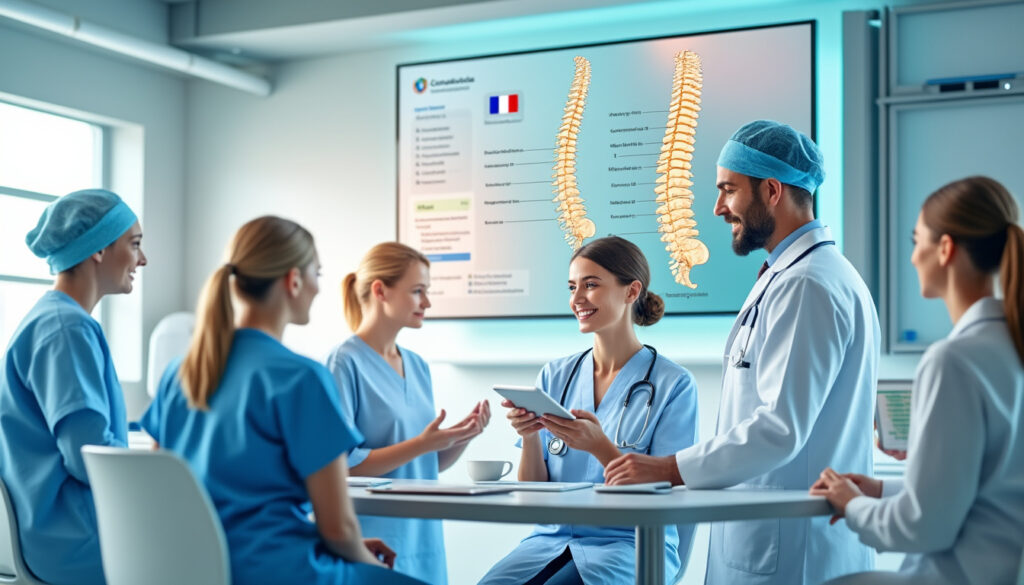
Patients benefit from an interdisciplinary team capable of addressing complex cervical conditions, comprehensive pre- and postoperative support, and individualized treatment planning. The clinical teams collaborate with surgical centers and platforms like SOS Tourisme Médical, facilitating travel logistics and scheduling optimized treatment timelines.
Overall, this approach exemplifies a comprehensive, empathetic, and scientifically sound model of cervical spine care, designed to maximize patient well-being and preserve cervical flexibility and function.
- Comprehensive patient-centered evaluations and recommendations.
- Access to minimally invasive and motion-preserving surgeries more advanced than those widely available in Quebec.
- Integration of cutting-edge technologies like dynamic implants.
- Coordination of international medical travel with trusted partners.
- Structured postoperative rehabilitation with local Montreal support.
Patients wishing to discuss their individual case or explore personalized treatment plans are encouraged to contact thru SOS Tourism Medical for expert guidance and timely access.
What are the main benefits of cervical disc replacement over fusion?
Cervical disc replacement preserves neck motion and reduces stress on adjacent spinal segments, which can improve overall neck function and reduce the risk of degeneration nearby.
How long is recovery after neck surgery?
Recovery varies by procedure but generally includes 4-6 weeks before returning to mild physical activity, with complete recovery taking several months depending on the surgery type.
When should surgery be considered for neck pain?
Surgery is generally considered only after 3 to 6 months of comprehensive conservative treatment, including therapies like neurovertebral decompression if not already attempted.
What role does physical therapy play after cervical spine surgery?
Physical therapy supports gradual restoration of mobility, helps prevent stiffness, strengthens cervical muscles, and enhances overall neck function during postoperative recovery.
How does international coordination improve the surgical experience?
International coordination ensures timely access to specialized surgery, seamless logistics, and integrated care across continents, enhancing patient comfort and outcomes.