IntraSPINE® in Sherbrooke: A Long-Lasting Solution for Chronic Lower Back Pain
August 11, 2026
Repentigny Neck Pain Solutions Without Surgery
August 11, 2026
The landscape of spinal surgery has witnessed profound evolution, particularly for patients grappling with lumbar spine disorders such as spinal stenosis and spondylolisthesis. These conditions, increasingly prevalent among Quebec’s population, impose substantial limitations on mobility and quality of life. The emergence of innovative techniques like the TOPS system in Gatineau positions this region at the forefront of back pain relief, offering high-performance, motion-preserving solutions that bridge the gap between traditional rigid fusion and non-surgical therapies. Beyond the mere surgical innovation, this progression reflects a collaborative and transatlantic network meticulously designed to enhance patient outcomes, safety, and satisfaction.
Recognizing the complexity and chronicity of lumbar conditions, care pathways now integrate multidisciplinary expertise with advanced technology. Patients benefit from coordinated evaluations led by experts such as Dr. Sylvain Desforges, whose 30+ years of experience and pioneering role in spinal care ensure rigorous scientific and ethical standards. The integration of advanced minimally invasive devices like the TOPS orthopedic implant in Gatineau exemplifies this commitment to preserving spinal stability while maintaining natural mobility. Furthermore, the transatlantic collaboration between Canada and France optimizes treatment timelines and enriches the options available to patients, offering a comprehensive continuum of care that starts at home and extends abroad.
Range of Surgical Options in France: From Simple Decompression to Motion-Preserving Techniques
Patients considering lumbar spinal surgery in France are offered a spectrum of techniques that cater to varied pathological profiles and functional needs. This selection is integral to the transatlantic care pathway and is carefully navigated with expert evaluation to ensure personalized treatment plans.
Simple Decompression Surgery remains a fundamental approach targeting the alleviation of nerve root compression caused by herniated discs or bony overgrowths. It is typically indicated for cases with localized neuropathic symptoms without significant spinal instability. This minimally invasive procedure prioritizes structural preservation, allowing patients to benefit from faster recovery periods and fewer post-operative complications. However, its efficacy might be limited in cases where underlying segmental instability or multi-level pathology exists.
Fusion Surgery involves rigidly joining two or more vertebrae to eliminate pathological motion that causes pain or neurological compromise. Traditionally considered a gold standard for severe instability or advanced arthrosis, lumbar fusion provides strong spinal stability. The drawback lies in the reduced mobility post-surgery, which can precipitate accelerated degeneration of adjacent spinal segments, a clinical challenge known as adjacent segment disease (ASD). Due to these biomechanical changes, recovery often involves prolonged rehabilitation and activity restrictions.
The emergence of motion-preserving surgical technologies revolutionizes lumbar care by stabilizing affected segments while preserving near-normal spinal mobility. Devices like the TOPS system stand out as an advanced orthopedic device that uniquely balances the need for spinal stability with functional preservation. By enabling controlled flexion, extension, lateral bending, and axial rotation, these implants minimize postoperative complications associated with fusion and support biomechanically sound recovery. This surgical category often involves more complex planning and follow-up but offers significant benefits in terms of quality of life and return to activities.
In France, these options are performed with high precision under international standards, supported by expert surgical teams collaborating closely with Canadian counterparts. This comprehensive offering allows for tailoring surgical strategy to each patient’s pathology, lifestyle, and treatment history.
IntraSPINE® in Sherbrooke: Durable Solution for Chronic Low Back Pain
The management of chronic low back pain, a widespread condition affecting millions across Quebec and beyond, has reached a pivotal moment thanks to innovative medical technologies and coordinated care pathways. At the heart of this evolution lies the IntraSPINE implant,…
Phases of the Patient Journey: From Initial Assessment to Return to Quebec
Efficient and personalized management of lumbar spinal disorders across international borders demands a well-defined, patient-centered pathway. Under the guidance of Dr. Sylvain Desforges, patients benefit from a streamlined protocol that prioritizes safety, efficacy, and comprehensive support throughout their care continuum.
The journey begins in Quebec with a detailed evaluation at the Clinique TAGMED, renowned for advanced conservative treatments including neurovertebral decompression. This intensive phase of 3 to 6 months ensures that less invasive options are exhausted before considering surgery, reflecting ethical rigor and adherence to best practices. Dr. Desforges and his team leverage their expertise to discern which patients truly stand to benefit from next-level interventions.
Upon establishing surgical candidacy, the coordination shifts toward preparing the patient’s journey to France or specialized centers in Gatineau. The logistical orchestration by the society Franchir covers surgeon selection, surgical scheduling, travel, accommodation, and administrative support to provide a seamless experience. This transatlantic framework dramatically reduces wait times and alleviates the burden on patients and families.
Following the procedure, patients return to Quebec for meticulously planned post-operative care managed by Neurothérapie Montréal. The rehabilitation program integrates physical therapy, ergonomic guidance, and psychological support, fostering a holistic recovery environment. This continuum ensures that patients regain not just function but confidence, supported by transparent communication and individualized care pathways.
Spine Surgery in Trois-Rivières: Reduce Pain and Preserve Mobility
In recent years, spine surgery in Trois-Rivières has evolved notably, combining advanced medical expertise with innovative technologies to deliver patient-centered care. This growing field addresses the increasing demand among Quebec residents seeking effective solutions for chronic back pain and mobility…
Biomechanical and Functional Advantages of the TOPS System over Fusion
The Total Posterior Spine System (TOPS) implanted at Gatineau represents a paradigm shift in managing lumbar spine instability associated with spinal stenosis and grade I spondylolisthesis, primarily at levels L3 to L5. Unlike traditional fusion surgery, which eliminates all motion at the treated segment, the TOPS device is designed to maintain natural segmental mobility.
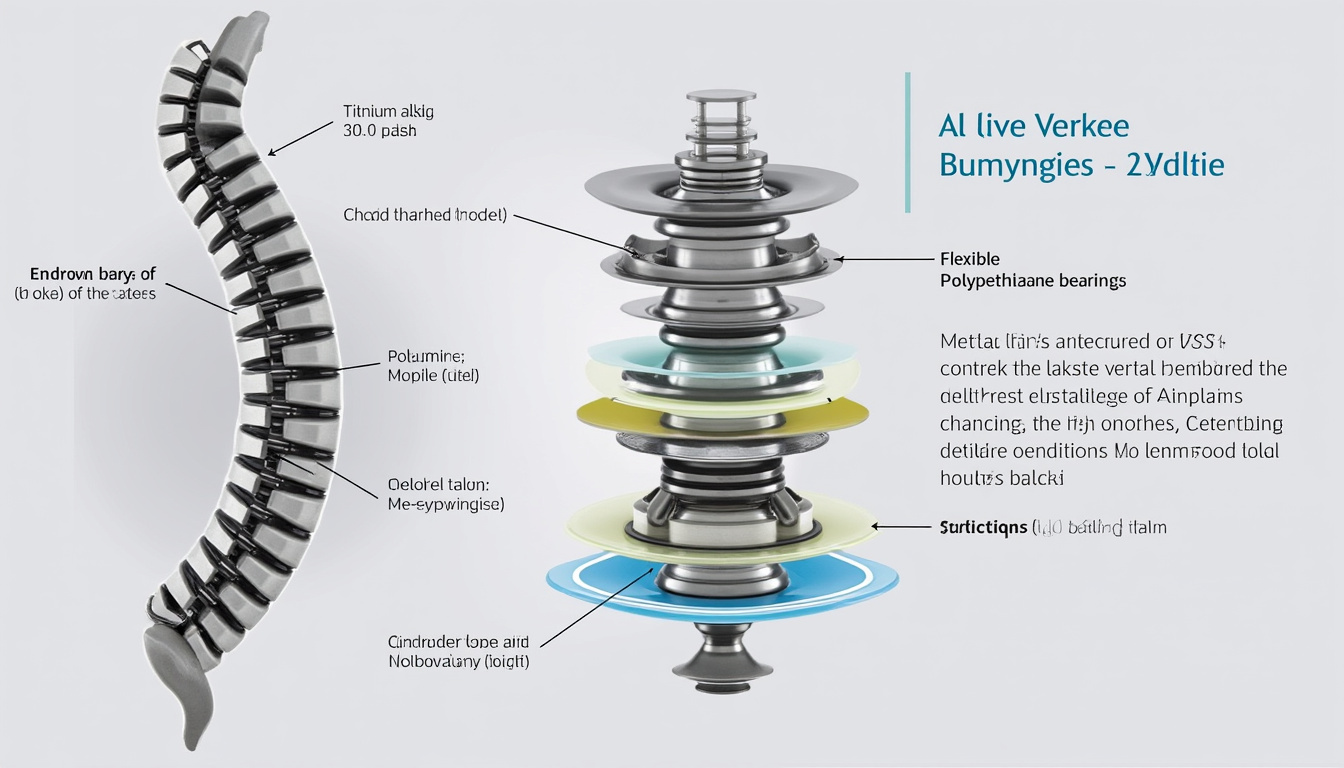
Biomechanically, TOPS is a sophisticated implant comprising titanium plates affixed with pedicle screws and an integrated articulating mechanism. This system compensates for the excision of osseous and ligamentous elements during decompression while restoring controlled motion in flexion, extension, lateral bending, and axial rotation. Maintaining these movements has profound advantages:
- Preservation of natural spinal kinematics: Prevents abnormal stresses on adjacent discs and facet joints, reducing the risk of adjacent segment degeneration.
- Improved post-operative mobility: Facilitates faster rehabilitation and earlier return to daily activities compared to rigid fusion.
- Reduced need for post-op immobilization: Patients often avoid cumbersome braces and extensive activity constraints.
- Long-term durability: Clinical studies including FDA-approved trials report success rates exceeding 75% at two years, demonstrating sustained pain relief and functional restoration.
In contrast, fusion surgery’s restrictive nature often leads to compensatory hypermobility at adjacent segments, accelerating wear and tear that may necessitate further surgical interventions. The TOPS system, therefore, offers a transformative approach prioritizing physiological biomechanics and patient-centered outcomes.
| Aspect | Fusion Surgery | TOPS System |
|---|---|---|
| Segmental Mobility | Eliminated (rigid) | Preserved (controlled) |
| Risk of Adjacent Segment Disease | High | Low |
| Post-Op Restrictions | Prolonged immobilization, bracing | Early mobilization, fewer constraints |
| Recovery Time | Lengthy and progressive | Accelerated with early function |
| Patient Quality of Life | Often compromised | Generally improved |
Understanding these distinctions is essential for patients aiming to make informed decisions. The TOPS system’s ability to provide a more natural, biomechanically sound solution aligns with modern orthopedic advances and patient preferences for less invasive, motion-friendly spinal surgery.
Cervical Disc Prosthesis in Quebec City: Avoid Post-Surgery Stiffness
Chronic neck pain remains a significant challenge for thousands of residents in Quebec City every year, often leading them to seek effective spinal surgery options that minimize downtime and maximize long-term mobility. Among the recent advancements revolutionizing cervical spine care,…
Importance of Conservative Treatments Before Considering Surgery
Dr. Sylvain Desforges emphasizes a fundamental tenet of spinal care: surgery should never be the first line of intervention unless absolutely necessary. A dedicated period of conservative management, typically three to six months, is critical to optimize outcomes and avoid unnecessary invasive procedures.
The Clinique TAGMED offers specialized conservative therapies targeting lumbar spine disorders, including neurovertebral decompression performed with robot-assisted precision. This treatment focuses on relieving nerve impingement and improving microcirculation in spinal tissues, frequently reducing or eliminating symptoms without surgical intervention.
Other conservative options integrated into the protocol include osteopathic manipulations, tailored physiotherapy emphasizing postural correction and muscle strengthening, and patient education centered on ergonomics and lifestyle modifications. This multimodal approach is founded on robust scientific evidence and aligns with provincial and national health standards, ensuring both safety and efficacy.
Patients who complete this structured conservative phase but continue to experience significant pain or functional impairment may then be considered for advanced surgical options such as TOPS. This graduated care pathway upholds ethical practice, reduces surgical risks, and optimizes cost-effectiveness while respecting the patient’s autonomy and unique clinical scenario.
Minimally Invasive Surgery in Longueuil: Reduce Hospital Stay Duration
In recent years, advances in spinal care have dramatically reshaped the treatment landscape for patients suffering from debilitating spinal conditions. Particularly in Longueuil, the emergence of minimally invasive surgery (MIS) techniques offers a transformative alternative to conventional open surgeries. These…
Coordination of International Care Pathways: Transatlantic Collaboration for Enhanced Outcomes
The seamless integration of care between Quebec and France exemplifies the power of international cooperation in modern spinal surgery. Under the leadership of Dr. Sylvain Desforges, a pioneer with over three decades of expertise and multiple leadership roles in Canadian osteopathic and spinal associations, the transatlantic network ensures personalized, timely, and effective interventions.
This collaboration involves not only surgical teams but also diverse health professionals, logistics coordinators, and rehabilitation experts across the continuum. The society Franchir expertly manages patient orientation, travel coordination, and adherence to both Quebec and European regulatory frameworks, ensuring compliance and patient safety.
Moreover, post-operative care managed by Neurothérapie Montréal bridges the geographical divide by providing specialized rehabilitation services consistent with the surgical approach used overseas. This ensures continuity in therapy and reduces gaps in care that might compromise outcomes.
This international partnership also fosters constant education and innovation. It provides patients and clinicians access to cutting-edge technologies and clinical trials, which might not be readily available locally. Such synergy enhances trust and offers Quebecois patients a care alternative that addresses waiting list challenges and leverages complementary expertise.
IntraSPINE® in Laval: Modern Solution for Lumbar Stabilization
In the evolving landscape of orthopedic treatments, the city of Laval has become a hub for innovations addressing chronic lower back pain. Among the groundbreaking solutions gaining attention is the IntraSPINE device—a modern spinal implant designed to offer dynamic lumbar…
Specific Services Provided by Clinique TAGMED: Excellence in Advanced Conservative Spine Care
The cornerstone of successful spine surgery lies in the precise evaluation and optimization of patients’ conditions before any invasive step is taken. Clinique TAGMED, founded and presided over by Dr. Sylvain Desforges, stands as a beacon of excellence in this domain.
Specializing in advanced non-surgical treatments, TAGMED utilizes robot-assisted neurovertebral decompression, a technique that surpasses conventional physiotherapy in precision and efficacy. This is complemented by targeted osteopathic care and evidence-based rehabilitation protocols tailored to individual biomechanics.
The clinic’s approach eschews generic therapies in favor of highly specialized interventions grounded in a thorough understanding of spinal pathophysiology. This attention to detail is instrumental in reducing pain, improving function, and potentially circumventing the need for surgery altogether.
Furthermore, TAGMED’s model includes patient education that demystifies complex spine disorders. This pedagogical approach facilitates better adherence to treatment plans, empowers patients to actively engage in their recovery, and builds a foundation of trust and transparency crucial for shared decision-making.
Clinical outcomes from TAGMED’s programs have consistently demonstrated marked improvements in patients’ quality of life, making it an indispensable partner in the transatlantic care pathway for Quebec patients.
Neck Surgery in Montreal: Maintain Cervical Flexibility and Function
Neck conditions causing persistent pain or functional loss place a substantial burden on individuals and healthcare systems, especially in urban centers like Montreal. Surgical interventions targeting the cervical spine have evolved tremendously, aiming not only to relieve symptoms but to…
Human and Economic Benefits of the TOPS Surgery and Transatlantic Pathway
Opting for the TOPS system through the coordinated transatlantic care pathway presents notable humanistic and economic advantages that extend beyond the immediate clinical effects.
Economically, accessing surgery in France or specialized centers in Gatineau can alleviate the strain of prolonged waiting lists typical in Quebec’s public health system, ultimately reducing indirect costs linked to prolonged disability, lost productivity, and ineffective conservative therapies. Moreover, the overall expense of surgical intervention abroad may be more competitive than private options locally, providing financial relief to many patients.
From a human perspective, patients benefit from a care environment built on trust, innovation, and comprehensive support. The expert involvement of Dr. Desforges in assessment and personalized planning reassures patients that their unique case is understood and respected. The presence of multidisciplinary teams throughout the process ensures empathetic communication and addresses the psychological stress inherent in surgical interventions.
Additionally, rapid mobilization post-TOPS surgery coupled with dedicated rehabilitation leads to quicker return to daily activities, fostering autonomy and improved well-being. Patients report significant reductions in pain and functional impairment, enabling reintegration into social and professional roles with renewed confidence.

Disc Prosthesis in Lévis: Quick and Long-Lasting Results
Chronic back pain caused by degenerative disc disease continues to profoundly impact the quality of life for many residents in Lévis and the broader Quebec area. For decades, traditional spinal fusion surgery has been the primary solution for alleviating severe…
Practical Recommendations for Preparing for a TOPS Surgery in Gatineau
Embarking on a spinal surgery journey involving the TOPS system requires thoughtful preparation and informed engagement. Dr. Sylvain Desforges advocates for several practical steps to optimize outcomes and ensure a smooth experience.
- Comprehensive Specialized Evaluation: Engage early with Clinique TAGMED to undertake a thorough assessment to establish accurate indications for surgery.
- Complete Conservative Treatment: Commit to recommended neurovertebral decompression and related therapies to confirm the necessity of surgery.
- Logistical Preparation: Coordinate closely with Franchir for travel and surgical arrangements to minimize stress and logistical uncertainties.
- Active Participation in Rehabilitation: Understand the importance of post-operative physical therapy and follow-up managed by Neurothérapie Montréal.
- Open Communication with the Care Team: Maintain dialogue to address questions and concerns, fostering clarity and reassurance.
This structured approach reflects a balance between medical innovation and patient-centered care, affirming that preserving spinal function with TOPS in Gatineau is a feasible and advantageous option supported by a network of dedicated professionals.
What lumbar conditions are primarily treated by the TOPS system?
The TOPS system is designed mainly to address lumbar spinal stenosis and grade I spondylolisthesis, typically between L3 and L5. It offers effective decompression while preserving segmental mobility.
How does TOPS differ from traditional spinal fusion?
Unlike fusion surgery which immobilizes treated segments, TOPS preserves controlled flexion, extension, lateral bending, and axial rotation, reducing stress on adjacent spinal segments and enhancing functional outcomes.
Is surgery the first treatment for lumbar spine disorders?
No, rigorous conservative treatments, including neurovertebral decompression at Clinique TAGMED, should be completed for 3-6 months before considering surgery, ensuring all less invasive options have been explored.
What are advantages of transatlantic surgical coordination between Quebec and France?
This collaboration optimizes treatment timelines, provides access to advanced technologies like TOPS, personalizes patient care, and ensures comprehensive post-operative rehabilitation and follow-up after return to Quebec.
Where can I access specialized conservative care before surgery?
Clinique TAGMED in Montreal and Terrebonne offers advanced neurovertebral decompression and osteopathic treatments under the expert supervision of Dr. Sylvain Desforges, ensuring optimal preparation prior to surgery.
Motion Surgery in Terrebonne: Maintain Intervertebral Mobility
Back pain remains a widespread concern for many in Quebec, with traditional treatment pathways often imposing lengthy waiting periods and financial constraints. Recently, Motion Surgery in Terrebonne has emerged as a transformative option, attracting patients seeking spinal solutions that prioritize…