Cervical Herniated Disc Solutions in Terrebonne with Spinal Decompression
August 17, 2025
The future of surgery lies in spinal surgery in France
August 17, 2025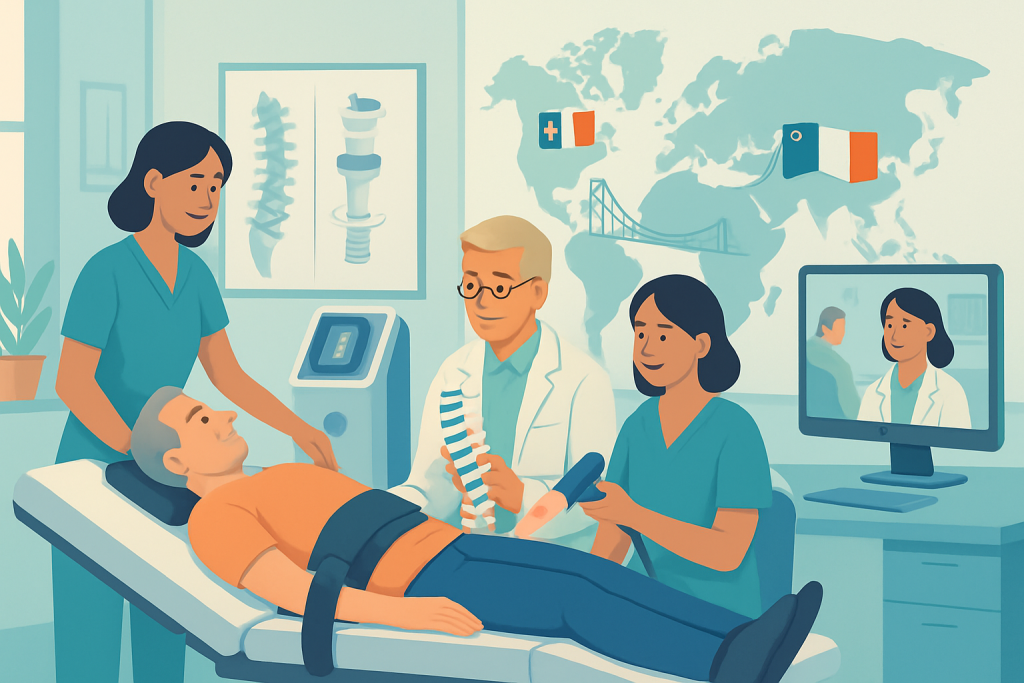
In the evolving world of medical care, the advent of minimally invasive surgery has revolutionized treatment options, especially in regions like Longueuil, Québec. Patients today benefit from advanced techniques that allow for smaller incisions, less tissue damage, and significantly faster recovery compared to traditional open surgeries. Particularly in spinal care, where the stakes are high and mobility is essential, these innovations mark a dramatic shift in how pain and structural disorders are managed. The expertise of medical professionals, such as Dr. Sylvain Desforges, who combines decades of experience with cutting-edge technology, ensures patients receive personalized and effective care. This new surgical approach not only minimizes physical discomfort but also reduces the psychosocial stress associated with long hospitalizations and inactivity. As the demand for less invasive options grows, Longueuil emerges as a leading choice for patients seeking comprehensive, state-of-the-art spinal surgery solutions that balance scientific rigor with compassionate patient support.
Understanding Minimally Invasive Surgery in Longueuil: The New Standard for Faster Healing
Minimally invasive surgery (MIS) has transformed medical procedures in Longueuil by drastically reducing the trauma associated with traditional operations. Unlike conventional surgeries that require extensive incisions, MIS utilizes small openings and highly specialized instruments, often aided by high-resolution cameras, to perform intricate interventions with precision. This shift not only reduces postoperative pain but also shortens hospital stays, enabling patients to resume their daily activities much faster. For spinal conditions, where recovery time historically extended weeks or months, minimally invasive approaches have lowered these durations substantially.
Several factors contribute to MIS’s effectiveness in Longueuil. Foremost, the use of advanced technologies from prominent medical device companies such as Medtronic, Stryker, and Smith & Nephew brings precision instruments and imaging capabilities that facilitate fine control during surgery. Collaborations between clinics like Clinique TAGMED, under the expert guidance of Dr. Sylvain Desforges, and top-tier surgical centers ensure that patients access the latest innovations in spinal decompression devices and laser therapy, enhancing treatment outcomes. This expertise results in smaller incisions, minimized muscle dissection, and preservation of healthy structures, which directly correlate with less postoperative inflammation and scarring.
In practical terms, patients undergoing MIS in Longueuil experience:
- Reduced pain levels: Smaller incisions and less invasive techniques lead to decreased nerve irritation and tissue trauma.
- Lower infection risks: Limited exposure minimizes the chance of postoperative infections or complications.
- Quicker mobilization: Many patients are encouraged to begin gentle physical activity the same day or day after surgery.
- Minimal scarring: Cosmetic outcomes improve, which is important for patient satisfaction.
- Shortened hospital stay: Some procedures may even be completed on an outpatient basis.
This approach results in a more patient-friendly experience that emphasizes rapid restoration of function and overall quality of life. Trust in surgeons who adhere to stringent standards, including compliance with the Collège des médecins du Québec, ensures that the methodology remains safe, ethical, and scientifically validated. For those considering spinal surgery, resources like this overview of recovery times provide additional insights into why MIS is often the preferred path.

IntraSPINE® in Sherbrooke: A Long-Lasting Solution for Chronic Lower Back Pain
Chronic lower back pain remains one of the most pressing health concerns in Sherbrooke and beyond, impacting millions and often diminishing daily quality of life. Despite the prevalence of lumbar discomfort, many face limited access to cutting-edge treatments amidst lengthy…
Exploring Spinal Surgery Options in France: A Complementary Choice with Longueuil Expertise
While minimally invasive spinal surgery gains momentum in Longueuil, an interesting dynamic is at play across the Atlantic in France. Here, surgical techniques have advanced with precision and innovation, offering a complementary range of interventions for spinal disorders. Canadian patients, notably those guided by Dr. Sylvain Desforges’ transatlantic coordination efforts, may look to these options as a premium solution for particular cases.
In France, spinal surgery broadly categorizes into:
- Simple Procedures: These include laminectomies and discectomies, mainly targeting nerve decompression to alleviate pain from herniated discs. Thanks to high precision tools from manufacturers like Olympus and Karl Storz, surgeons perform these operations with minimal incisions, promoting swift recovery periods.
- Vertebral Fusions: Applied when structural stability requires augmentation, such as in scoliosis or fractures. Utilizing advanced fixation devices from producers like Zimmer Biomet and B. Braun, surgeons can stabilize the spine, with modern minimally invasive techniques reducing soft tissue disturbance.
- Dynamic Implants: A recent innovation includes motion-preserving implants such as IntraSPINE, which stabilize affected segments without sacrificing spine flexibility. This preserves biomechanics and enhances long-term mobility prospects.
| Type of Surgery | Description | Key Advantages |
|---|---|---|
| Simple Procedures | Laminectomy, discectomy for nerve decompression | Rapid recovery, reduced postoperative pain |
| Vertebral Fusions | Fusion of affected vertebrae to enhance spine stability | Increased spinal support, correction of deformities |
| Dynamic Implants | Implants that maintain controlled spine movement | Preservation of natural flexibility and improved quality of life |
The synergy between Canadian spinal care and French surgical innovation embodies a holistic approach that patients can trust. Dr. Desforges’ role as a coordinator emphasizes patient safety, tailoring treatment plans based on comprehensive assessments to decide when these surgical paths are optimal. Interested individuals can delve into details about these techniques on resources such as this guide on back surgery in France.

Herniated Disc Care in Sainte-Julie: Why TAGMED’s Neurovertebral Decompression Therapy Stands Out
In the vibrant community of Sainte-Julie, back pain—particularly that stemming from herniated discs—has become a widespread concern affecting people from all walks of life. The relentless search for effective, non-invasive treatments has brought renewed attention to a pioneering therapy that…
Step-by-Step Patient Journey from Evaluation to Recovery in Minimally Invasive Spine Surgery
The pathway leading to minimally invasive spinal surgery in Longueuil is designed to be transparent and patient-centered, ensuring every step is handled with expertise and care. Dr. Sylvain Desforges, a figure with 30+ years of clinical experience, champions a thorough evaluation process before any surgical intervention is pursued.
The patient journey typically unfolds as follows:
- Initial Evaluation: A comprehensive assessment including physical examination and imaging techniques such as MRI or X-rays enables an accurate understanding of the spinal condition. This ensures surgery is reserved for cases where conservative care does not suffice.
- Specialist Consultations: Patients meet with surgical experts to discuss the feasibility, benefits, and risks of various minimally invasive procedures. This dialogue is crucial, allowing patients to clarify doubts and participate in decision-making.
- Operation Planning: Once the surgical approach is agreed upon, logistics around scheduling and protocol establishment for pre- and post-operative care are meticulously arranged.
- Post-Surgical Recovery and Monitoring: Patients benefit from close supervision, which includes pain management, physiotherapy, and periodic evaluations to gauge healing progress. Minimally invasive techniques typically translate into a faster return to everyday activities.
| Stage | Description |
|---|---|
| Initial Evaluation | Physical and imaging examinations to determine treatment necessity |
| Specialist Consultations | Detailed discussions on surgical options and patient concerns |
| Operation Planning | Scheduling and preparation for surgery with patient-specific protocols |
| Recovery and Monitoring | Close tracking of post-operative healing progress and pain control |
The transparency and patient engagement throughout these stages under the stewardship of Dr. Desforges facilitate confidence and positive surgical outcomes. More information on recovery expectations can be found in resources like this detailed recovery guide.
Back Surgery in Trois-Rivières: Alleviating Pain While Preserving Mobility
In Trois-Rivières, Quebec, the persistence of back pain affects a substantial portion of the population seeking effective and personalized solutions. Back pain, often caused by spinal disorders or herniated discs, can drastically diminish quality of life, limiting mobility and causing…
Innovations in Spinal Implants and Surgical Technologies Transforming Recovery Experiences
The last decades have seen remarkable advancements in surgical tools and implant technologies that directly benefit patients undergoing minimally invasive spine surgery. High-quality devices from industry leaders including Boston Scientific, Ethicon, and Intuitive Surgical empower surgeons to execute precise maneuvers with minimal collateral impact.
Dynamic implants, in particular, represent a major leap forward. Unlike traditional fusion devices, these implants allow for the preservation of spinal mobility, effectively balancing stability with flexibility. The IntraSPINE implant, for example, ensures controlled movement post-implantation, reducing the risk of adjacent segment degeneration—a common complication in conventional fusion surgeries.
Innovative surgical instruments from Karl Storz and Olympus facilitate enhanced visualization, with endoscopic cameras enabling surgeons to navigate around critical neural structures safely. Simultaneously, laser therapies and shockwave treatments serve as adjuncts to surgical care, promoting tissue regeneration and reducing inflammation, further accelerating recovery timelines.
- Enhanced precision: Cutting-edge tools guarantee minimal disturbance to healthy tissues.
- Improved patient safety: Comprehensive imaging and monitoring systems reduce complication risks.
- Accelerated recovery: Reduced tissue trauma correlates with diminished pain and faster rehabilitation.
- Preserved function: Dynamic implants support natural spine mechanics post-surgery.
- Comprehensive care: Integration with conservative treatments creates a continuum of patient-centered care.
These technological breakthroughs are supported by rigorous scientific validation and strict ethical oversight, ensuring patient interests remain paramount throughout the surgical journey.

Disc herniation remains a significant health concern in Pointe-Claire, impacting the lives of a diverse population ranging from labor-intensive workers to the aging community. The condition, characterized by the displacement or rupture of the intervertebral disc, often leads to debilitating…
The Vital Role of Conservative Care Before Considering Surgery
While minimally invasive spine surgery offers substantial benefits, an essential principle endorsed by Dr. Sylvain Desforges and his team is the prioritization of conservative care prior to any operative intervention. This perspective aligns with a long-term vision of spinal health, aiming to avoid surgery unless absolutely necessary.
Conservative treatments span a range of modalities, including:
- Physical therapy: Exercises designed to strengthen supporting muscles and improve spinal flexibility.
- Medications: Pain management through non-opioid analgesics and anti-inflammatory agents.
- Neurovertebral decompression: Non-surgical spinal decompression therapy that gently relieves pressure on affected discs and nerves, offered at Clinique TAGMED.
- Laser and shockwave therapies: Techniques aimed at promoting tissue repair and reducing chronic pain.
Research shows that undertaking a dedicated conservative treatment program of at least three to six months can reduce or even eliminate the need for surgery in many cases. This strategy also helps patients better understand their condition and acquire skills for long-term pain management. For more details on these approaches, consult this resource on conservative care.
| Conservative Care Component | Purpose and Benefits |
|---|---|
| Physical Therapy | Strengthen musculature and increase spinal mobility |
| Medications | Manage pain and control inflammation |
| Neurovertebral Decompression | Non-invasive relief of nerve pressure |
| Laser and Shockwave Therapy | Promote healing and pain alleviation |
Incorporating these non-surgical modalities ensures patients receive individualized care, potentially deferring or avoiding surgery while improving quality of life. The comprehensive services at Clinique TAGMED exemplify this patient-first philosophy and are a gateway to effective spinal health management.
At Gouin Clinic, the landscape of herniated disc therapy has entered a transformative era marked by the integration of Personalized Treatment Plans and breakthrough Neurovertebral Decompression Therapy. This non-surgical approach is revolutionizing how spinal disorders are managed, offering patients an…
International Coordination Enhancing Patient Access to Advanced Spinal Care
One of the unique aspects of spinal treatment offerings available to Canadian patients, particularly those in Québec, lies in the international coordination led by Dr. Sylvain Desforges. He serves as a pivotal link between cutting-edge surgical options in France and complementary conservative care within Canada. This transatlantic patient journey respects both the conflicting demands for minimally invasive treatment and personalized care protocols.
- Optimized timeline: Patients avoid prolonged waiting periods typical in single-country health systems.
- Access to innovative technologies: Through partnerships with French clinics, patients benefit from devices and techniques often not readily available domestically.
- Comprehensive journey management: From initial evaluation in Montreal to post-operative rehabilitation, the process is tightly coordinated ensuring continuity of care.
- Collaborative network: Includes expert spine surgeons, specialized clinics, and platforms like SOS Tourisme Médical that facilitate patient logistics.
This model represents a modern, patient-centric evolution of healthcare that bridges continental expertise. It emphasizes both biomechanical excellence and essential human elements, such as compassionate education, emotional support, and individualized treatment plans. Patients can explore more about this coordinated approach by visiting this dedicated guide.
Cervical Disc Prosthesis in Quebec: Preventing Post-Operative Stiffness
Neck pain is one of the most common musculoskeletal complaints in Quebec, affecting a significant portion of the population annually. Often rooted in degenerative cervical disc diseases or herniated discs, this persistent discomfort severely impacts daily life and mobility. Fortunately,…
Key Benefits Offered by Dr. Sylvain Desforges and His Multidisciplinary Team
Dr. Sylvain Desforges stands out as a preeminent spine care expert with a remarkable record spanning more than 30 years. Beyond his academic qualifications (B.Sc., D.O., N.D.), he founded and presides over several esteemed organizations such as the Alliance Canadienne de Médecine Alternative (ACMA) and the Canadian College of Osteopaths. His leadership at TAGMED Clinics reflects a philosophy blending scientific rigor, progressive innovation, and personalized patient support.
What distinguishes the care delivered by Dr. Desforges and his multidisciplinary team includes:
- Innovative treatment approaches: Incorporating neurovertebral decompression, laser therapy, and the latest in dynamic implant technology.
- Expert patient evaluation: Comprehensive, individualized assessment ensures treatment decisions suit each patient’s unique pathology.
- Strict compliance with medical regulations: Commitment to ethical standards and guidelines set by Quebec’s medical authorities.
- Transparent patient education: Clear communication that demystifies complex spinal conditions, empowering patients to make informed decisions.
- Global collaboration: Facilitating access to international surgical solutions with coordinated aftercare, ensuring seamless patient experiences.
Patients are welcomed into a reassuring environment where empathy and motivation encourage proactive engagement. For those interested in beginning their spinal health journey under Dr. Desforges’ care, contact information and personalized evaluation services are available through platforms such as SOS Tourisme Médical.
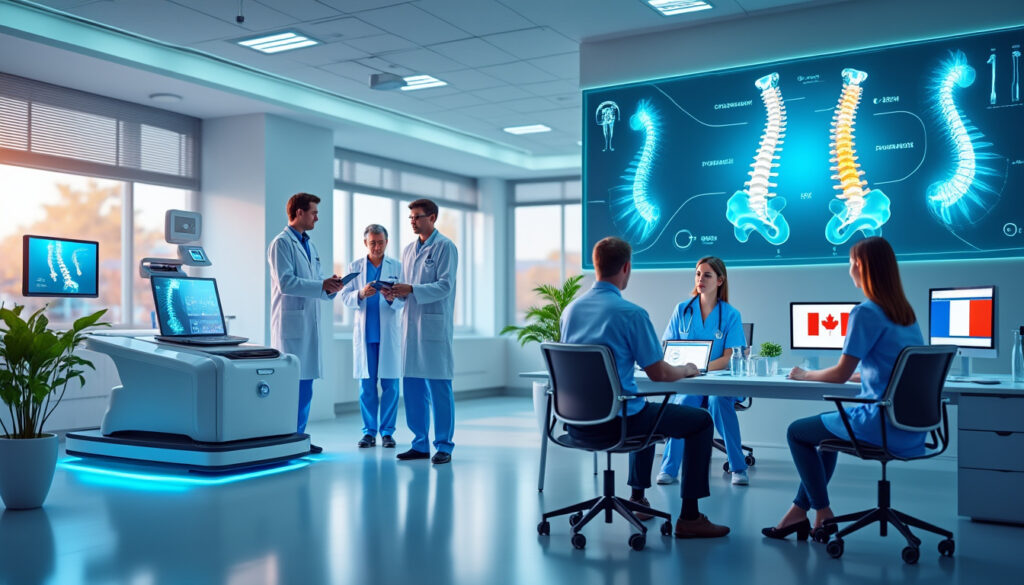
The prevalence of herniated disc conditions in Blainville has sparked considerable discussion and misconceptions about their causes, symptoms, and treatments. While the pain and disability associated with this spinal disorder are well documented, the emergence of non-surgical options such as…
Frequently Asked Questions about Minimally Invasive Surgery in Longueuil
- What distinguishes minimally invasive spine surgery from traditional techniques? Minimally invasive spine surgery uses small incisions and advanced imaging technology, leading to less tissue damage, reduced pain, and quicker recovery times compared to open surgery.
- How long is the recovery period after minimally invasive surgery? While it varies by procedure and patient condition, many patients experience significantly shorter recovery times, often returning to normal activities within days to weeks.
- Is minimally invasive surgery painful? Thanks to refined surgical techniques, postoperative pain is typically less severe, requiring fewer analgesics and allowing for earlier mobilization.
- Should conservative treatments always be attempted before surgery? Yes, conservative care including physical therapy and neurovertebral decompression is recommended for 3 to 6 months prior to considering surgical options.
- How do I know which spinal surgery is right for me? A detailed evaluation by an expert like Dr. Sylvain Desforges is essential to determine the most appropriate surgical or conservative approach based on your individual condition and goals.
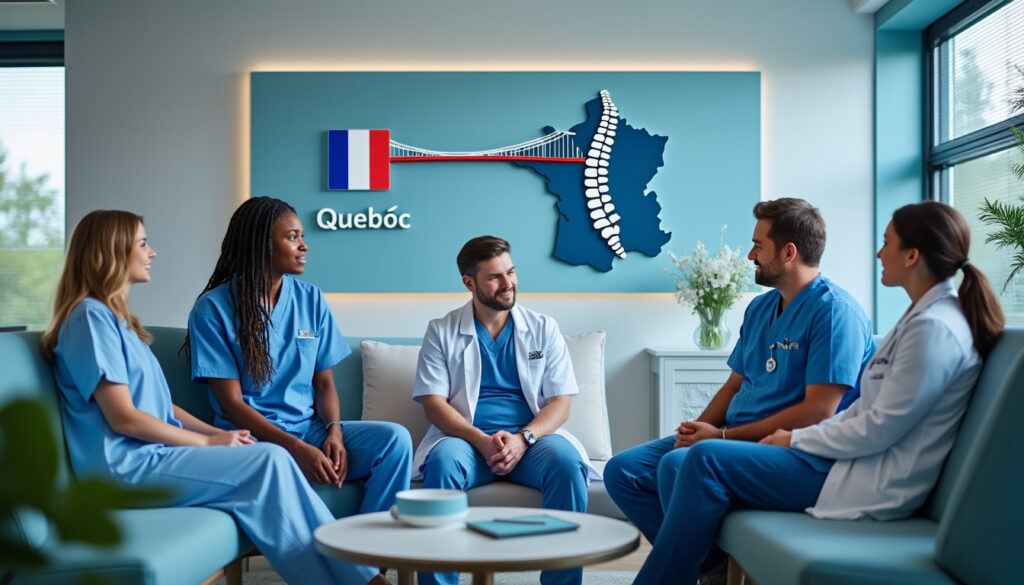
Minimally Invasive Surgery in Longueuil: Reducing Hospital Stays for Faster Recovery
In recent years, a transformative wave has swept through spinal healthcare in Longueuil, aiming to revolutionize treatment experiences for patients suffering from back disorders. This shift stems from a growing demand for procedures that minimize hospital stays without compromising efficacy.…