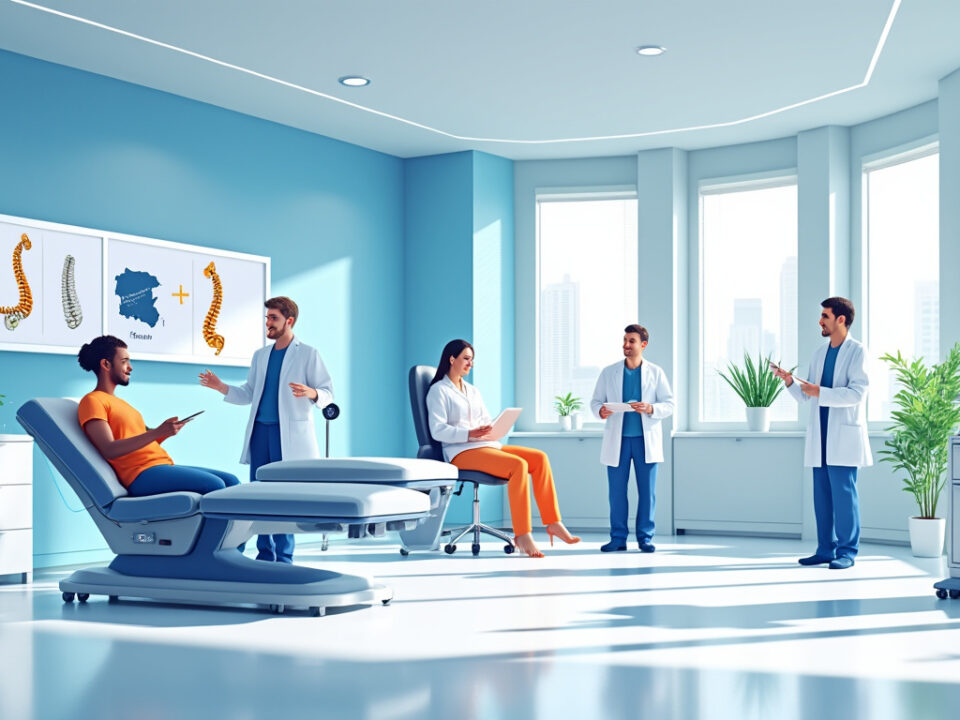
Spine Surgery in Trois-Rivières: Modern and Customized Techniques
October 26, 2025
Motion Surgery in Terrebonne: Improve Quality of Life
October 26, 2025
Chronic back pain remains a profound challenge for patients across Québec, often leading to limitations in daily living and diminished quality of life. While Quebec’s healthcare system provides essential services, wait times and costs for private spine surgery can push patients to seek alternatives that combine efficacy, innovation, and efficiency. In this context, the introduction of the TOPS therapy in Saguenay represents a beacon of hope. Designed as a motion-preserving spinal implant, the TOPS system offers immediate and lasting relief for conditions such as lumbar spinal stenosis and spondylolisthesis, revolutionizing the patient’s reparative journey while preserving natural spine biomechanics.
With over three decades of clinical expertise, Dr. Sylvain Desforges plays a pivotal role in guiding patients through these advanced therapeutic options. His extensive qualifications (B.Sc., D.O., N.D.) and leadership as founder and president of several key osteopathic organizations underscore his commitment to scientific rigor, ethical practice, and patient-centric innovation. Especially notable is Dr. Desforges’s coordination of transatlantic patient journeys between Canada and France, optimizing timelines, personalization, and surgical outcomes through collaborative care partnerships. This article unveils the nuances of TOPS surgery, conservative care pathways, and the holistic treatment ecosystem that supports Quebec patients seeking Saguenay relief solutions.
Exploring Surgical Innovations: Understanding Types of Spine Surgery Available in France
France’s healthcare facilities offer a comprehensive range of spinal surgeries that are increasingly sought by Canadian patients due to advanced techniques and optimized care pathways. Understanding these surgical options—simple decompression, spinal fusion, and motion-preserving surgeries—is instrumental in making informed decisions when contemplating transatlantic care.
Simple Decompression Surgery
This procedure focuses on relieving nerve pressure caused by spinal stenosis, herniated discs, or bone spurs by removing problematic tissues. Patients often experience significant relief from leg pain and numbness post-operation. However, decompression alone may not be sufficient in cases where spinal instability exists.
Spinal Fusion Surgery
Traditionally the gold standard, spinal fusion aims to stabilize affected spinal segments by fusing vertebrae together. While it reduces pain, this approach often leads to decreased mobility and potential adjacent segment degeneration over time. Fusion surgery requires a longer recovery period and sometimes delays return to normal activities.
Motion-Preserving Surgery: The TOPS System
Innovations like the TOPS implant offer a significant departure from fusion by preserving motion at the surgical site. Approved for conditions like spondylolisthesis and stenosis (FDA clearance), the system replaces the traditional spinal implant with a dynamic device that stabilizes while enabling natural spinal movement. Clinical studies highlight immediate pain relief and functional improvements following the TOPS procedure, providing a balanced solution that safeguards long-term spine health.
- Simple Decompression: Relieves nerve pressure, less invasive, faster recovery
- Spinal Fusion: Stabilizes spine but restricts motion, longer recovery
- Motion Surgery with TOPS: Combines decompression and mobility preservation, immediate relief
| Surgical Type | Goal | Advantages | Limitations |
|---|---|---|---|
| Simple Decompression | Relieve nerve pressure | Least invasive, quick recovery | May not address instability |
| Spinal Fusion | Stabilize spinal segments | Effective pain control | Restricted movement, longer rehab |
| TOPS Motion-Preserving Surgery | Stabilize and preserve spine motion | Immediate relief, preserves mobility | More complex implant, requires experienced team |

IntraSPINE® in Sherbrooke: Durable Solution for Chronic Low Back Pain
The management of chronic low back pain, a widespread condition affecting millions across Quebec and beyond, has reached a pivotal moment thanks to innovative medical technologies and coordinated care pathways. At the heart of this evolution lies the IntraSPINE implant,…
Comprehensive Patient Journey from Evaluation to Return: Navigating Transatlantic Spine Care
The pipeline of care for spine surgery abroad involves multiple well-coordinated stages, tailored to the individual’s unique spinal pathology and personal needs. From initial evaluation to post-surgical rehabilitation, coordinated expertise ensures safety, comfort, and optimal outcomes for patients crossing borders.
Initial Expert Assessment and Conservative Care
At the center of this model lies a thorough assessment by experts like Dr. Sylvain Desforges who utilize over 30 years of experience to evaluate spinal conditions meticulously. These evaluations emphasize the necessity of completing 3 to 6 months of rigorous conservative treatment—especially using therapies such as neurovertebral decompression at the Clinique TAGMED—before considering surgery. This step emphasizes proven evidence-based protocols to maximize non-invasive healing potential and prevent unnecessary surgeries.
Patient Preparation and Travel Logistics
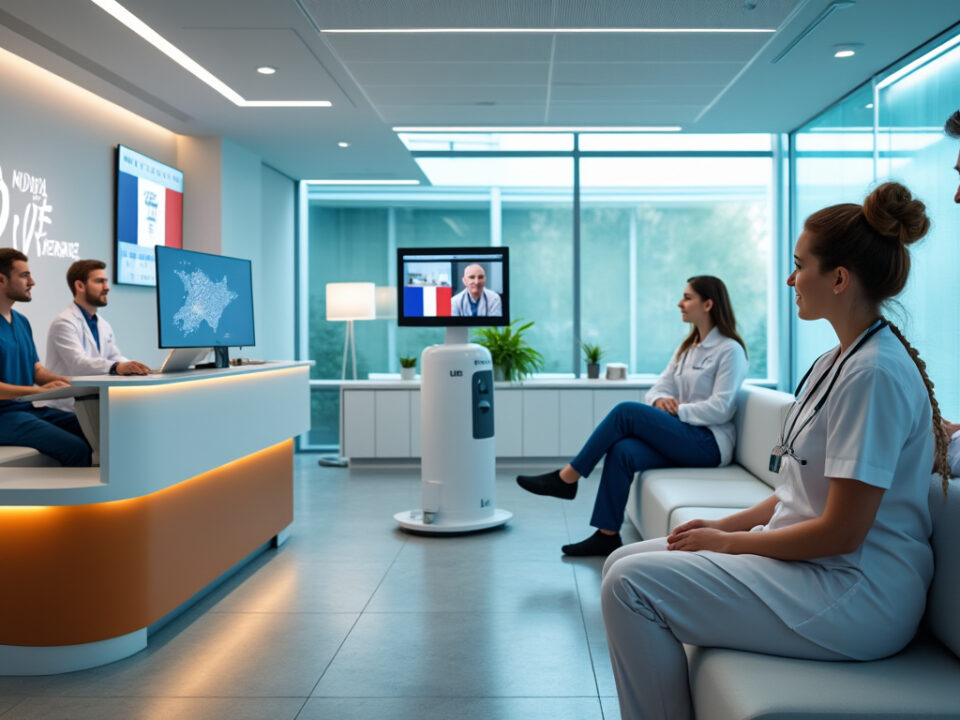
Once surgery becomes appropriate, patients receive personalized guidance regarding surgical options in France. Every logistic aspect—from visa procurement, accommodation, pre-operative education sessions, to travel arrangements—is handled delicately, ensuring minimal stress. The emphasis on transatlantic cooperation between Canadian coordinators and French surgical teams accelerates access without compromising quality.
Post-Surgical Recovery and Rehabilitation Coordination
Recovery starts immediately after the procedure, capitalizing on the advantages of the TOPS system for instant stabilization and pain relief. Close collaboration between French rehabilitation specialists and Canadian medical providers facilitates a seamless continuum of care. Patients receive tailored physical therapy programs and ongoing evaluations, with eventual supervised transition back to home care.
- Comprehensive evaluation including advanced imaging
- Mandatory conservative treatments, ideally at Clinique TAGMED
- Personalized surgical counseling with innovation-focused surgeons
- Assistance with international travel and accommodation
- Close interdisciplinary rehabilitation coordination for smooth reintegration
| Stage | Key Tasks | Patient Benefits |
|---|---|---|
| Assessment and Conservative Care | Evaluation, decompression therapy, education | Non-invasive relief, surgery prevention |
| Pre-Surgery Preparation | Patient education, logistics planning | Reduced anxiety, streamlined care |
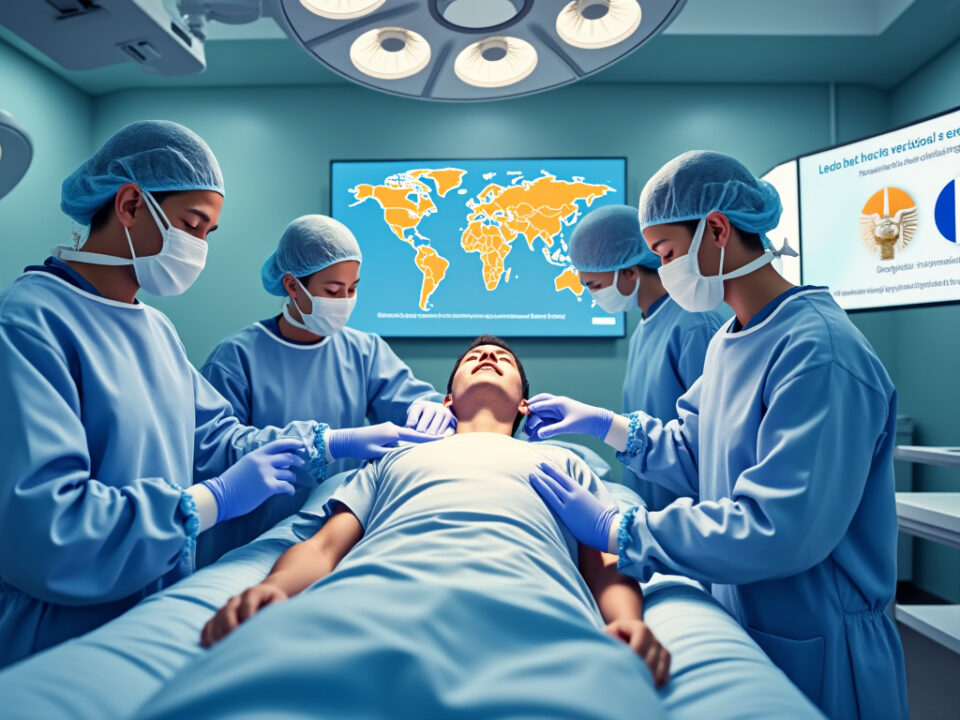
| Surgery and Immediate Recovery | Operation with TOPS, hospital stay | Instant pain relief, early mobility |
| Rehabilitation and Return | Physical therapy, ongoing follow-up | Functional recovery, home adaptation |

Spine Surgery in Trois-Rivières: Reduce Pain and Preserve Mobility
In recent years, spine surgery in Trois-Rivières has evolved notably, combining advanced medical expertise with innovative technologies to deliver patient-centered care. This growing field addresses the increasing demand among Quebec residents seeking effective solutions for chronic back pain and mobility…
Biomechanical and Human Benefits of Transatlantic Spine Surgery Using TOPS
The biomechanical sophistication of the TOPS system directly translates into substantial benefits for patients enduring chronic lumbar spine conditions. Beyond the clinical data, the humanistic implications of this technology profoundly shape the patient’s journey and recovery experience.
Preserving Natural Spinal Mobility
Unlike fusion, TOPS maintains controlled vertebral movement, reducing stress on adjacent spinal segments and thereby lowering risks of secondary degeneration. Patients regain a more natural posture and dynamic spine function, leading to greater daily comfort and longer joint longevity. This preservation means that activities such as walking, bending, or twisting remain more comfortable over the long term.
Economic and Quality-of-Life Advantages
From a financial viewpoint, although the upfront investment for transatlantic surgery may seem high, the overall cost-effectiveness becomes clear when considering accelerated recovery times, reduced need for long-term therapies, and fewer complications. Economically optimized travel packages and partnerships with clinics such as SOS Tourisme Médical enhance access and affordability.
Emotional and Social Dimensions
The reduced post-operative pain and mobility preservation contribute significantly to mental well-being. Patients often report decreased anxiety, improved sleep, and renewed motivation to engage in social and occupational activities. The support ecosystem facilitated by Dr. Desforges encourages patient empowerment and confidence throughout the treatment continuum.
- Preservation of physiological spinal motion
- Lower long-term degeneration risk
- Shortened recovery timeline
- Cost savings through reduced complications
- Improved psychological well-being and social reintegration
| Benefits | Clinical Impact | Patient Experience |
|---|---|---|
| Motion Preservation | Reduced adjacent segment stress | Greater mobility and comfort |
| Cost Efficiency | Fewer follow-up treatments needed | Lower overall financial burden |
| Psychosocial Support | Decreased pain-related depression | Enhanced daily participation |
Cervical Disc Prosthesis in Quebec City: Avoid Post-Surgery Stiffness
Chronic neck pain remains a significant challenge for thousands of residents in Quebec City every year, often leading them to seek effective spinal surgery options that minimize downtime and maximize long-term mobility. Among the recent advancements revolutionizing cervical spine care,…
Conservative Care: A Vital Step Before Considering Surgery with TOPS
It is paramount that patients exhaust a comprehensive conservative care phase prior to any surgical intervention. This approach aligns with internationally recognized guidelines and Quebec health regulations. Specifically, conservative treatments should span a minimum of three to six months, focusing on optimizing non-invasive therapies before surgical evaluation.
Advanced Non-Invasive Therapies at Clinique TAGMED
The Clinique TAGMED in Saguenay stands out for its innovative approach to conservative spine care, notably through neurovertebral decompression therapies. These therapies alleviate nerve pressure gently yet effectively, often marking a turning point in symptom management. The multidisciplinary team led by specialists ensures personalized protocols integrating exercise, manual therapy, and lifestyle advice, reducing unnecessary surgical referrals.
Importance of Patient Adherence and Monitoring
The conservative care phase necessitates diligent patient engagement and close monitoring to identify response or plateau. Adjustments in therapeutic plans occur regularly. Should decompression therapies not provide sufficient relief, or if symptoms worsen, surgical options such as TOPS are considered. This staged approach reassures patients that surgery is a last but precise option in their care continuum.
- 3 to 6 months conservative management prior to surgery
- Neurovertebral decompression therapy as a cornerstone
- Multidisciplinary team involvement for comprehensive care
- Regular progress assessments to guide next steps
- Personalized adjustments based on patient response
| Conservative Treatment | Purpose | Outcome Expectations |
|---|---|---|
| Neurovertebral decompression | Reduce nerve pressure | Symptom relief, functional improvement |
| Physical and manual therapy | Enhance muscular support | Improved stability and mobility |
| Patient education | Promote adherence and self-management | Empowered patient engagement |
Minimally Invasive Surgery in Longueuil: Reduce Hospital Stay Duration
In recent years, advances in spinal care have dramatically reshaped the treatment landscape for patients suffering from debilitating spinal conditions. Particularly in Longueuil, the emergence of minimally invasive surgery (MIS) techniques offers a transformative alternative to conventional open surgeries. These…
Advancements in Chronic Pain Management Complementing Surgical Options
Managing chronic spinal pain requires a holistic strategy integrating both surgical and non-surgical modalities. Emerging therapies and evidence-based practices support this integration and improve patient outcomes.
Medication and Injection-Based Therapies
Medications like NSAIDs, antidepressants, and anticonvulsants have proven efficacy in neuropathic and nociceptive pain. Interventional injections such as epidural steroids or targeted nerve blocks may offer additional relief. Understanding and applying these approaches minimizes reliance on opioids and supports sustained pain control (pain management injections explained).
Physical and Psychological Interventions
Physical therapy provides essential muscle strengthening and posture correction, many times complementing the surgical gains of TOPS therapy. Cognitive behavioral therapy and mindfulness training tackle the psychological impacts of chronic pain, reducing anxiety and improving coping skills. Such comprehensive care is instrumental in turning chronic pain into manageable symptoms.
- NSAIDs, antidepressants, anticonvulsants for pain modulation
- Interventional injections like epidural steroids, nerve blocks
- Custom physical therapy programs for mobility
- Psychological support including CBT and mindfulness
- Lifestyle modifications targeting inflammation and stress
| Therapy Type | Role in Pain Management | Typical Outcomes |
|---|---|---|
| Medication | Reduce inflammation and nerve pain | Moderate symptom relief |
| Injections | Targeted inflammation control | Up to months of relief |
| Physical Therapy | Restore function and strength | Long-term mobility improvement |
| Psychological Therapy | Address emotional pain factors | Reduced pain intensity |
IntraSPINE® in Laval: Modern Solution for Lumbar Stabilization
In the evolving landscape of orthopedic treatments, the city of Laval has become a hub for innovations addressing chronic lower back pain. Among the groundbreaking solutions gaining attention is the IntraSPINE device—a modern spinal implant designed to offer dynamic lumbar…
Optimizing Recovery with Saguenay Instant Relief and Fast Recovery Clinic Services
The post-operative phase is crucial to consolidate success from spine surgery. The Saguenay region benefits from specialized clinics offering state-of-the-art rehabilitation specifically tailored for patients recovering from procedures such as TOPS implantation.
Multi-Disciplinary Rehabilitation Programs
Recovery programs at centers like the Quick Relief Center are built to maximize functional restoration quickly. These programs combine personalized physical therapy, pain management, ergonomic education, and psychosocial support. Early mobilization facilitated by immediate stability after TOPS surgery accelerates healing and reduces hospital stays.
Patient-Centered Monitoring and Support
Regular follow-ups incorporating biomechanical assessments and patient feedback allow care teams to adjust therapies tailored to individual recovery trajectories. This personalized approach fosters not only physical recovery but also emotional resilience, empowering patients throughout their journey back to active life.
- Individualized physical therapy plans
- Ergonomic and lifestyle coaching
- Collaborative pain management strategies
- Psychological and social support integration
- Ongoing functional assessments guiding plan modifications
| Rehabilitation Aspect | Focus | Patient Benefit |
|---|---|---|
| Physical Therapy | Muscle strengthening and flexibility | Faster return to mobility |
| Pain Management | Reduce discomfort post-surgery | Enhanced comfort for daily activities |
| Ergonomic Training | Optimize posture and movement | Prevent relapse and injury |
| Psychosocial Support | Address emotional challenges | Improved mental well-being |
Neck Surgery in Montreal: Maintain Cervical Flexibility and Function
Neck conditions causing persistent pain or functional loss place a substantial burden on individuals and healthcare systems, especially in urban centers like Montreal. Surgical interventions targeting the cervical spine have evolved tremendously, aiming not only to relieve symptoms but to…
Supporting Patient Decision-Making and Encouraging Personalized Care Discussions
Patients facing decisions about spine surgery require clear, accessible information and empathetic support. Through Dr. Desforges’ expertise, patients receive transparent explanations of surgical options, benefits, and potential risks without technical jargon, enabling truly informed choices.
Empowering Patients Through Education
Dr. Desforges prioritizes detailed discussions about innovations such as TOPS therapy, its role in preserving spinal motion, and how it fits within a comprehensive treatment plan. Encouragement to engage in questions and to explore non-surgical alternatives fosters trust and collaborative care dynamics.
Customized Treatment Pathways
By respecting each individual’s unique symptoms, lifestyle, and healing expectations, treatment is never one-size-fits-all. Assessments integrate biomechanical data, imaging, and patient preferences to tailor interventions—whether continuing conservative care or advancing toward surgery with confidence.
- Clear communication of options and outcomes
- Support for patient questions and concerns
- Integration of patient goals into treatment decisions
- Collaboration with interdisciplinary medical teams
- Emphasizing personalized care journeys, not protocols
| Patient Empowerment Aspect | Method | Outcome |
|---|---|---|
| Education | Simplified explanations and models | Improved understanding and confidence |
| Dialogue | Encouraging patient questions | Better engagement in care |
| Customization | Tailored treatment plans | Higher satisfaction and compliance |
For more information or to discuss your individual case, please visit this contact page to connect with dedicated care teams ready to support your journey toward lasting relief.

Disc Prosthesis in Lévis: Quick and Long-Lasting Results
Chronic back pain caused by degenerative disc disease continues to profoundly impact the quality of life for many residents in Lévis and the broader Quebec area. For decades, traditional spinal fusion surgery has been the primary solution for alleviating severe…
Frequently Asked Questions Regarding TOPS Therapy and Saguenay Spine Care
What makes TOPS therapy different from traditional spinal fusion?
TOPS therapy preserves spinal mobility by replacing the facet joints with a dynamic implant, allowing controlled motion, whereas fusion eliminates movement at the affected segment to stabilize the spine. This improves functional outcomes and reduces the risk of adjacent segment degeneration.
How long is the recovery period following TOPS surgery?
Patients generally experience immediate pain relief and can begin light activities within days. Full rehabilitation varies but often completes within 3 to 6 months, supported by specialized clinics such as Saguenay Instant Relief facilities.
Why is conservative treatment recommended before surgery?
Conservative treatments like neurovertebral decompression often provide significant relief and may negate the need for surgery. Completing 3 to 6 months of such treatment ensures surgery is only considered when absolutely necessary, optimizing patient outcomes.
How does Dr. Sylvain Desforges assist patients through this process?
Dr. Desforges offers expert evaluation and guides patients throughout the transatlantic care pathway, ensuring treatments align with the latest evidence, ethical standards, and tailored patient needs. His leadership in osteopathic medicine and spine care supports patient confidence and safety.
Is the transatlantic spine care journey financially accessible?
While requiring upfront investment, these therapeutic journeys often reduce long-term costs due to faster recovery, fewer complications, and comprehensive care coordination. Collaborations with organizations like SOS Tourisme Médical help optimize affordability and logistics.
Motion Surgery in Terrebonne: Maintain Intervertebral Mobility
Back pain remains a widespread concern for many in Quebec, with traditional treatment pathways often imposing lengthy waiting periods and financial constraints. Recently, Motion Surgery in Terrebonne has emerged as a transformative option, attracting patients seeking spinal solutions that prioritize…