Disc Herniation in Saint-Eustache: Advanced Equipment, Treatment Protocols, and the Role of Neurovertebral Decompression
November 6, 2025
A Patient’s Guide to Medical Logistics and Accommodation in Quebec
November 7, 2025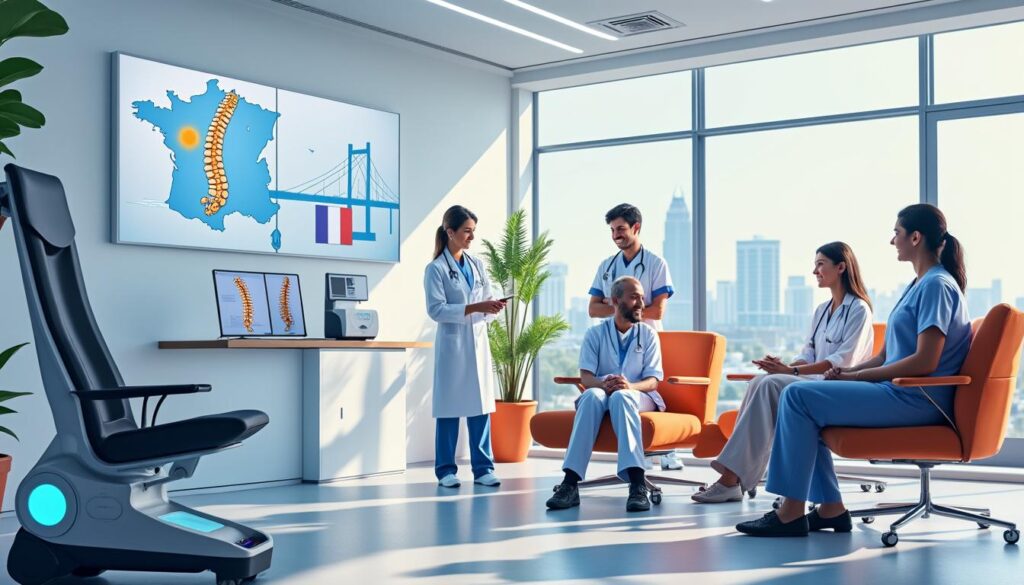
In the evolving landscape of spinal surgery, disc replacement has emerged as a groundbreaking option for patients suffering from chronic lumbar pain and degenerative disc disease. In Lévis, this cutting-edge approach offers a safe and high-performance alternative to traditional vertebral fusion, promising improved mobility and sustained pain relief. This article explores the clinical innovations, rigorous evaluation processes, and patient-centered care protocols that define disc prosthesis surgeries today, with particular attention to the expertise of Dr. Sylvain Desforges. Combining over 30 years of clinical experience and pioneering roles in osteopathic and alternative medical alliances, Dr. Desforges leads a comprehensive, evidence-based approach to spinal health that integrates advanced technologies and international medical coordination.
Understanding the nuanced benefits and criteria for disc replacement, as well as the postoperative journey, is crucial for patients seeking optimal outcomes. This comprehensive overview situates Lévis as a forward-thinking hub in disc replacement procedures, aligned with innovations introduced in Europe and supported by leading manufacturers such as Medtronic, Zimmer Biomet, and NuVasive. The integration of these technologies underscores a commitment to preserving spinal function while mitigating the long-term risks associated with fusion surgeries. With this foundation, patients in Lévis gain access to personalized pathways that emphasize safety, efficacy, and holistic support for spinal recovery.
Innovative Approaches to Disc Replacement Surgery in Lévis
Disc replacement surgery symbolizes a transformative shift in how spinal disorders are treated, particularly concerning the management of lumbar disc degeneration. Unlike spinal fusion, which immobilizes the affected vertebral segments, disc prosthesis maintains or restores natural spinal motion. This mobility preservation is fundamental for patients who wish to retain an active lifestyle without the stiffness and adjacent segment deterioration commonly associated with fusion.
The procedure involves the removal of the damaged intervertebral disc and implantation of an artificial disc designed to mimic natural biomechanics. Pioneering implants, such as those from Stryker and DePuy Synthes, are engineered to replicate the cushioning and motion functions of the healthy disc, reducing stress on surrounding vertebrae.
Dr. Sylvain Desforges, with decades of expertise in spinal evaluation and osteopathic care, ensures these interventions are meticulously tailored. Each patient undergoes a detailed assessment to determine the appropriateness of arthroplasty, considering individual pathology and lifestyle needs. His leadership at Clinique TAGMED in Lévis incorporates the latest advancements, promoting recovery protocols and minimizing complications.
- Preservation of vertebral mobility reduces long-term degenerative risks.
- Use of cutting-edge implants from manufacturers like Zimmer Biomet and NuVasive.
- Integrated osteopathic evaluation complements surgical planning.
- Personalized care paths emphasize patient education and engagement.
| Key Features of Disc Replacement Surgery | Benefits | Considerations |
|---|---|---|
| Dynamic Motion Preservation | Maintains spinal flexibility, prevents adjacent segment disease | Not suitable for extensive vertebral degeneration |
| Minimally Invasive Surgical Techniques | Reduced tissue damage, quicker recovery times | Requires specialized surgical expertise and facilities |
| Advanced Imaging and Preoperative Assessment | Enhanced patient selection and tailored treatment strategies | Extensive evaluation needed to exclude contraindications |
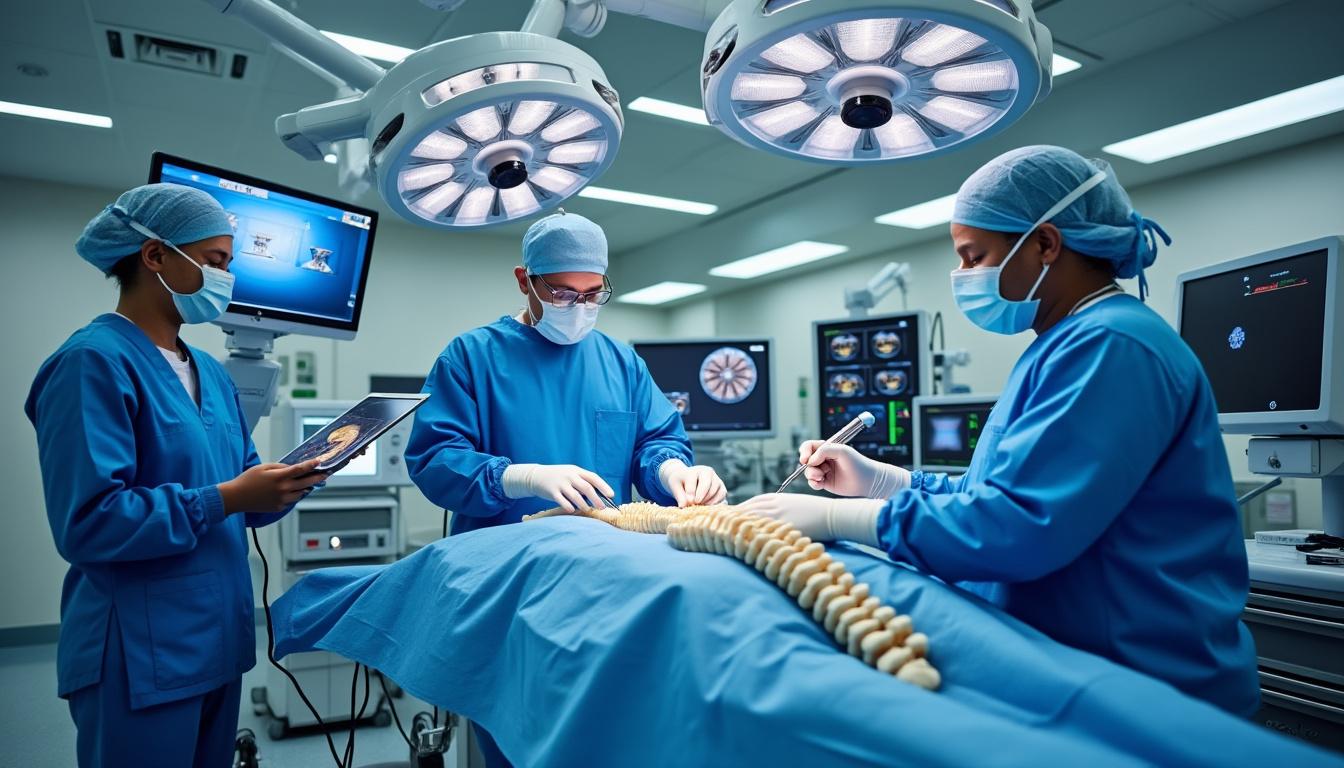
Disc herniation remains a prevalent and challenging spinal disorder, significantly affecting individuals’ quality of life, particularly in communities like Sainte-Julie. Characterized by a rupture or protrusion of the disc nucleus through the fibrous ring, this condition compresses adjacent nerve roots,…
Choosing Candidates for Disc Prosthesis: Precise Eligibility Criteria
Not all patients presenting with lumbar pain qualify for disc replacement surgery, and rigorous criteria are fundamental to ensure successful outcomes. Dr. Sylvain Desforges prioritizes a comprehensive and evidence-based evaluation process, aligning with provincial medical regulations and best practices outlined by the Collège des médecins du Québec.
The primary indications for artificial disc replacement include persistent discogenic pain unresponsive to conservative treatment, lack of severe vertebral degeneration, and the absence of significant comorbidities such as obesity or vertebral instability. Patients must have exhausted non-invasive options over a 3 to 6 month period before surgical consideration.
Conversely, contraindications such as severe osteoporosis, a history of vertebral infections, or major spinal instability render the procedure unsuitable due to increased risks of complications and implant failure.
- Persistent, localized discogenic pain despite conservative care.
- No advanced vertebral degeneration or facet joint arthritis.
- Good general health: absence of obesity and severe systemic disease.
- Failed conservative treatment over 3-6 months.
| Eligibility Criteria | Non-Eligibility (Contraindications) |
|---|---|
| Discogenic pain isolated to one or two levels | Severe osteoporosis or bone fragility |
| Minimal facet joint degeneration | Active or past vertebral infections |
| Integrity of spinal stability confirmed | Marked spinal instability |
Patients who meet these stringent criteria are carefully counseled about the options available, risks, and expected outcomes. This emphasis on informed consent and patient education is central to Dr. Desforges’ philosophy and the ethos of Clinique TAGMED.
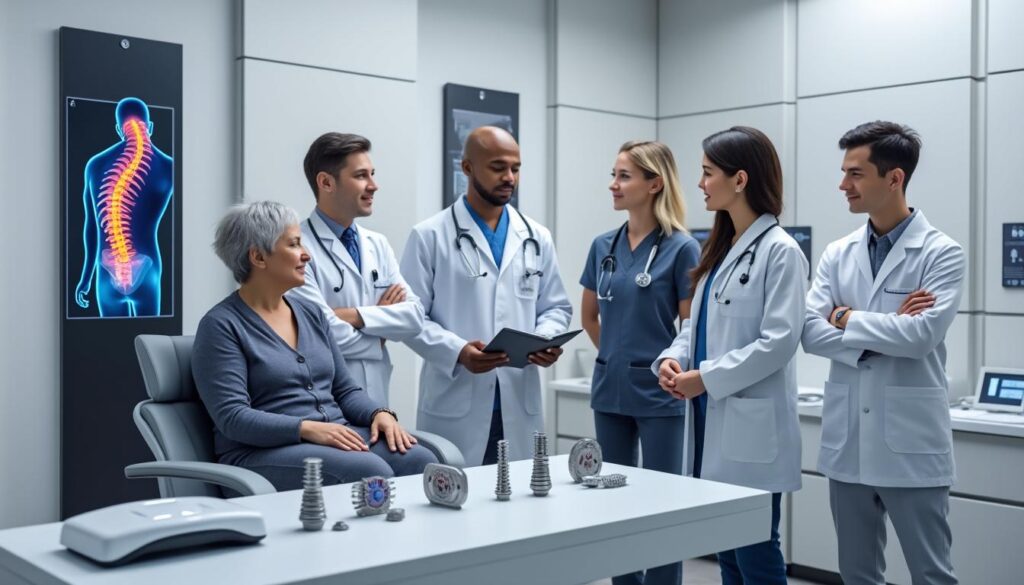
IntraSPINE® in Sherbrooke: Protecting and Enhancing Lumbar Function
The prevalence of chronic low back pain has surged globally, profoundly impacting individuals’ quality of life and productivity. Sherbrooke, Quebec, exemplifies this widespread challenge, with numerous patients seeking effective and sustainable relief from lumbar discomfort. Addressing this urgent need, the…
Comprehensive Patient Evaluation and Preoperative Planning for Disc Replacement
The pathway towards disc replacement surgery begins with an in-depth evaluation by Dr. Sylvain Desforges, combining his osteopathic expertise with the latest diagnostic tools. The initial consultation addresses the patient’s medical history, symptomatology, and prior treatments. Subsequent imaging studies, including MRI and CT scans, offer detailed visualization of disc pathology and spinal alignment.
This meticulous approach enables the identification of optimal candidates and the precise surgical planning necessary for implant placement. It also involves collaborating with interdisciplinary teams that bring varied perspectives on biomechanical function and postoperative care.
- Detailed review of patient history and physical examination.
- Advanced imaging to assess disc condition and vertebral integrity.
- Discussion of treatment goals and surgical expectations.
- Coordination with radiologists, anesthesiologists, and rehabilitation specialists.
| Evaluation Step | Purpose | Outcome |
|---|---|---|
| Clinical orthopaedic and osteopathic assessment | Identify pain origin and functional limitations | Determine suitability for disc replacement |
| MRI and CT imaging | Detailed visualization of spinal structures | Pinpoint specific disc degeneration or herniation |
| Preoperative consultations | Inform about surgery risks and benefits | Establish patient expectations and consent |
This stage emphasizes patient engagement and transparency, ensuring that individuals comprehend the surgical procedure, alternatives such as disc replacement benefits versus spinal fusion, and the post-surgical rehabilitation process.
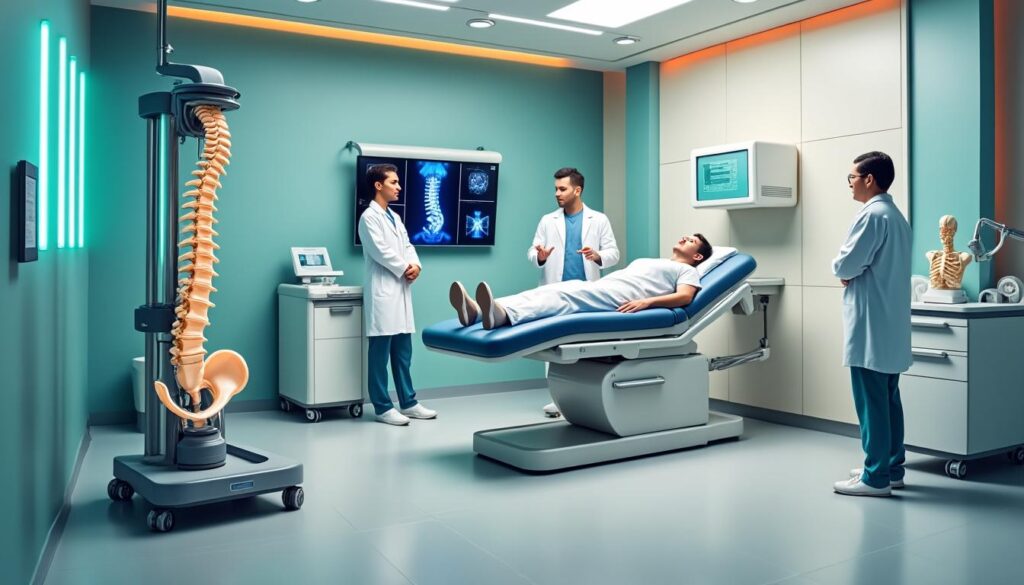
In Sainte-Thérèse, a community marked by active lifestyles and significant physical demands, lumbar disc herniation emerges as a critical health concern affecting many individuals. The intricate nature of lower back pain, often stemming from discopathy, requires a precise and empathetic…
Transatlantic Coordination: Elevating Patient Care through Collaboration Between Lévis and France
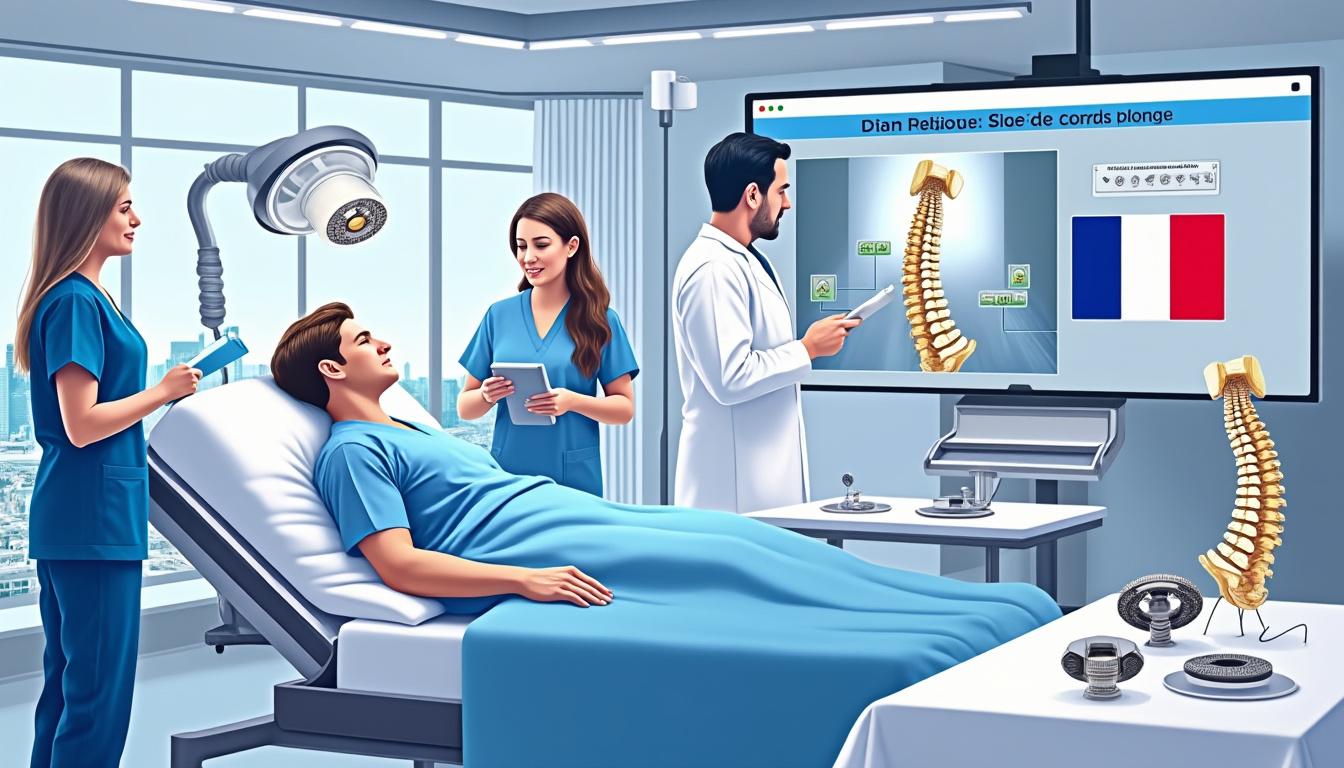
One unique aspect of disc replacement care in Lévis is the international collaboration orchestrated by Dr. Desforges, who facilitates seamless patient journeys between Canada and leading surgical centers in France. This transatlantic partnership leverages European innovations in motion-preserving spinal implants and advanced surgical techniques, broadening options for Quebec patients disappointed by long wait times or searching for cutting-edge care.
Through affiliations with networks such as SOS Tourisme Médical, Dr. Desforges ensures that patient pathways are optimized for timely intervention and superior outcomes. This collaboration includes access to elite manufacturers like Alphatec Spine and Centinel Spine, enabling state-of-the-art implant selections and bespoke surgical approaches.
- Streamlined evaluation and referral processes across continents.
- Access to advanced implants like Prodisc-L and Mobi-C unavailable locally.
- Coordinated preoperative and postoperative care with French clinics.
- Reduction in wait times and enhancement of surgical precision.
| Benefits of International Coordination | Description |
|---|---|
| Technology Access | Cutting-edge devices including Paradigm Spine implants |
| Reduced Wait Times | Faster surgical scheduling and treatment start |
| Enhanced Patient Support | Continuous communication and personalized care plans |
| Multidisciplinary Expertise | Collaboration between osteopathic specialists and spine surgeons |
This transatlantic cooperation reflects Dr. Desforges’ dedication to offering his patients unrivaled care pathways that bridge provincial and international medical excellence, highlighting an innovative model in spinal healthcare delivery.
In the bustling community of Saint-Hubert, where everyday life blends a range of physical and sedentary activities, the impact of discal hernia on spinal health is profoundly felt. This condition, frequently manifesting at the L5-S1 spinal segment, can dramatically disrupt…
Technological Innovations Enhancing Disc Replacement Procedures
The evolution of disc replacement surgery continues to be propelled by advancements in implant design and surgical tools. Leading manufacturers such as Medtronic, Zimmer Biomet, NuVasive, Globus Medical, and DePuy Synthes have developed implants that closely replicate natural disc mechanics, improving durability and patient comfort.
For example, the Prodisc-L system from Centinel Spine offers a dynamic metal-on-polymer design that balances spinal load and motion. Similarly, Paradigm Spine’s innovative devices enhance biological integration and reduce wear. These technological strides enable minimally invasive approaches, shortening recovery and reducing complications.
- Metal and polymer implants with biomechanical properties mimicking natural discs.
- Improved surgical instrumentation facilitating accuracy and safety.
- Integration with osteopathic therapy for optimal spinal alignment post-op.
- Laser therapy and shockwave treatment as adjuncts to support healing.
| Implant Manufacturer | Technology Highlights | Clinical Benefits |
|---|---|---|
| Medtronic | Advanced polymer articulation surfaces | Reduced mechanical wear and inflammation |
| Zimmer Biomet | Modular design enabling customized fit | Enhanced stability and motion preservation |
| NuVasive | Minimally invasive surgical toolkits | Less tissue disruption and faster recovery |
Integrating Innovation and Holistic Care under Expert Supervision
Dr. Desforges’ experience with these emerging devices is coupled with a holistic patient-centered approach. He incorporates dynamic spinal decompression therapy and personalized osteopathic care alongside surgical solutions, facilitating comprehensive recovery. His commitment to scientific rigor and ethical practice underpins the selection and utilization of each implant.

The rising prevalence of Lumbar Disc Herniation in Saint-Léonard reflects the increasing demands of modern urban lifestyles. Persistent back pain has become a frequent yet often underestimated complaint, spurring many residents to seek effective and lasting solutions. Recognizing the complexity…
Managing Postoperative Recovery and Rehabilitation for Optimal Outcomes
Successful disc replacement extends beyond surgery—it demands a dedicated rehabilitation process carefully monitored by Dr. Desforges and the multidisciplinary team at Clinique TAGMED. Early postoperative management focuses on controlling pain through tailored medication regimens and implementing gentle physical therapy to activate core musculature.
Patients typically undergo a progressive rehabilitation program emphasizing: muscle strengthening, flexibility improvement, and gradual return to everyday activities. The expert team educates patients on posture, movement restrictions, and the gradual reduction of supportive aids like braces as healing progresses.
- Medication management for effective pain control.
- Supervised physiotherapy customized to individual healing rates.
- Educational sessions on spinal biomechanics and injury prevention.
- Regular follow-ups to monitor implant positioning and spinal function.
| Postoperative Care Aspect | Details | Patient Benefit |
|---|---|---|
| Pain management | Use of non-opioid analgesics and anti-inflammatory drugs | Reduced discomfort and improved mobility |
| Physical therapy | Gradual exercise introduction to rebuild strength | Enhanced recovery speed and spinal function |
| Follow-up evaluation | Periodic imaging and functional assessments | Early detection of complications or implant issues |
Typically, the full recovery timeline for disc replacement can last approximately three months, shaped by individual patient factors and adherence to rehabilitation guidelines. This journey is closely supervised to optimize outcomes, reduce the risk of re-operation, and maximize patient satisfaction.

In the bustling Southwest district of Montreal, lumbar disc herniation presents a significant public health challenge, affecting a diverse population ranging from young adults to seniors. This condition, often linked to debilitating back pain and nerve-related symptoms such as sciatica,…
The Economic and Long-Term Value of Disc Replacement Surgery in Québec
From an economic standpoint, disc replacement surgery offers substantial benefits over traditional spinal fusion. Although the initial surgical costs can be high due to implant expenses and specialized surgical expertise, the overall long-term costs tend to be lower. This reduction emerges from fewer subsequent surgeries, decreased chronic pain management, and faster return to work and daily activities.
Moreover, preserving spinal motion reduces the incidence of adjacent segment degeneration, a frequent complication after fusion requiring additional interventions. Dr. Desforges emphasizes a value-based care approach, balancing cost with patient-centered outcomes.
- Lower likelihood of repeat surgeries due to preserved spinal integrity.
- Improved quality of life and functional independence.
- Reduced healthcare utilization for pain management.
- Potential for faster return to economic productivity.
| Cost Considerations | Traditional Fusion | Disc Replacement |
|---|---|---|
| Initial Surgery Expense | Moderate | High (due to advanced implants) |
| Long-Term Healthcare Costs | High (due to complications and secondary procedures) | Lower (fewer complications, improved longevity) |
| Recovery Duration | Longer (due to fusion healing time) | Shorter (due to motion preservation) |
This financial perspective offers reassurance for patients weighing options and aligns with public health objectives to optimize resource use while enhancing patient outcomes across Québec.
The dynamic neighborhood of Mercier–Hochelaga-Maisonneuve has seen a significant rise in cases of herniated disc-related back pain, with many residents facing chronic discomfort that interferes with work and daily activities. This ailment, which involves displacement or protrusion of spinal discs,…
Educational Empowerment and Patient-Centered Communication in Spine Care
Dr. Sylvain Desforges places a great emphasis on transparent and accessible education for patients. He understands that spinal disorders and surgical options can be complex and intimidating. Therefore, his clinic emphasizes clear, jargon-free explanations about the indications, benefits, and limitations of disc replacement.
This approach promotes informed decision-making, encourages patient autonomy, and reduces anxiety through ongoing dialogue and personalized consultations. Resources covering alternatives such as the conservative treatments available in Pointe Claire or advanced cervical disc care in Terrebonne complement this educational mandate.
- Use of simple language supported by visual aids and online resources.
- Addressing common patient concerns including risks and recovery.
- Offering personalized consultations tailored to individual lifestyle and pathology.
- Encouraging patient questions and active participation in care decisions.
| Educational Initiative | Description | Patient Impact |
|---|---|---|
| Clear Communication Strategies | Use of straightforward terms and relatable explanations | Increased patient understanding and confidence |
| Accessible Online Articles | Evidence-based content authored by experienced experts | Patient empowerment through knowledge |
| Interactive Consultations | Encouraging dialogue and addressing patient-specific issues | Greater adherence to treatment plans |
Herniated discs are a frequent source of back pain and discomfort for residents of Ahuntsic-Cartierville, yet misconceptions and myths about this condition often complicate treatment and recovery. Many individuals suffer needlessly, uncertain of their options and hesitant about emerging therapies.…
Customized Surgical Services Under the Leadership of Dr. Sylvain Desforges
Beyond standard clinical practice, Dr. Desforges’ unique expertise elevates the disc replacement offering in Lévis to an exceptional level. His background in osteopathy, alternative medicine, and over three decades of experience ensure that surgical candidates benefit from a holistic and integrative care philosophy.
Key distinguishing features of the care pathway under his leadership include:
- Exclusive access to innovative implant systems not widely available within Canada.
- Comprehensive pre- and post-operative monitoring including osteopathic manipulations and advanced rehabilitative strategies.
- Expertise in managing complex spine cases and customizing treatment plans beyond the surgical intervention.
- Coordination of multidisciplinary teams spanning osteopaths, physiotherapists, and spine surgeons with international ties.
| Service Aspect | Added Value for Patients |
|---|---|
| Advanced Implant Selection | Access to technologies like Globus Medical and Alphatec Spine products |
| Holistic Patient Care | Integrated osteopathic and surgical treatment plans |
| International Coordination | Optimized patient journeys with French surgical centers |
| Long-Term Follow-Up | Personalized rehabilitation and outcome monitoring |
This integrative approach epitomizes the blend of scientific rigor, ethical responsibility, and technological innovation that defines contemporary spinal care under Dr. Desforges’ guidance.
What is the typical recovery period after disc replacement surgery?
Patients generally experience a recovery period of about three months, which includes pain management, gradual physical therapy, and routine follow-up visits to ensure proper healing and function.
Is disc replacement surgery safe compared to spinal fusion?
Disc replacement is considered a safe alternative to fusion, preserving spinal mobility and reducing adjacent segment degeneration risks. However, safety depends on careful patient selection and surgical expertise.
Are all patients with chronic lumbar pain candidates for disc replacement?
No, eligibility depends on specific criteria such as the extent of vertebral degeneration, spinal stability, and overall health. An expert evaluation is essential to determine suitability.
Does the healthcare system cover disc replacement surgery costs in Québec?
Coverage varies depending on regional policies and insurance plans. Patients are encouraged to verify with their healthcare providers and insurance carriers.
Which implant technologies are most trusted for disc replacement?
Top manufacturers include Medtronic, Zimmer Biomet, NuVasive, and Centinel Spine, known for their advanced biomechanical designs and proven clinical performance.