IntraSPINE® in Sherbrooke: Protecting and Enhancing Lumbar Function
December 4, 2025
IntraSPINE® in Sherbrooke: Maintain Lumbar Function
February 24, 2026
Disc herniation remains a prevalent and challenging spinal disorder, significantly affecting individuals’ quality of life, particularly in communities like Sainte-Julie. Characterized by a rupture or protrusion of the disc nucleus through the fibrous ring, this condition compresses adjacent nerve roots, leading to debilitating back pain and neurological symptoms. While traditional approaches have often resorted to invasive surgeries, recent advances highlight neurovertebral decompression as an effective, minimally invasive alternative.
Neurovertebral decompression therapy, supported by an expanding body of clinical studies, offers promising success rates in pain relief and neurological recovery. Sainte-Julie, in particular, has seen a rise in multidisciplinary collaborations integrating osteopathic expertise and advanced biomechanical technologies to provide tailored therapies. These developments mark a pivotal shift towards patient-centered care, emphasizing precise diagnostics, ethical practice, and cutting-edge treatment modalities.
Exploring the Pathophysiology and Diagnostic Nuances of Disc Herniation in Sainte-Julie
A disc herniation occurs when the gelatinous core, or nucleus pulposus, of an intervertebral disc escapes through a weakened or torn annulus fibrosus. This escape exerts pressure on surrounding nerves, often localized in lumbar segments L4-L5 or L5-S1, provoking symptoms ranging from lumbar pain to complex neurological deficits. The spine’s structure, specifically the disc’s role as both shock absorber and mechanical facilitator, becomes compromised through repetitive strain, trauma, or genetic predispositions.
In Sainte-Julie, early recognition of disc herniation symptoms is vital for optimizing treatment outcomes. Patients commonly report:
- Localized or radiating low back pain, frequently manifesting as sciatica or cruralgia based on nerve involvement.
- Neurological disturbances such as numbness and tingling, marking nerve irritation.
- Muscle weakness, indicating potential severe nerve compression impacting mobility.
- Reduced range of motion and stiffness, often associated with chronic inflammation.
The diagnostic process is complex, necessitating a multidisciplinary approach involving detailed clinical exams coupled with high-resolution imaging techniques, particularly magnetic resonance imaging (MRI). This integration ensures precise visualization of disc morphology and nerve root impingement, which is essential to distinguish acute from chronic herniation forms, aiding in the selection of appropriate therapeutic pathways.
In this context, Dr. Sylvain Desforges brings unparalleled expertise with over three decades of experience. His foundational roles in institutions like the Canadian College of Osteopaths and TAGMED Clinics emphasize his dedication to precision in spinal disorder evaluation and fostering collaborations that optimize diagnostic and treatment rigor.
IntraSPINE® in Sherbrooke: A Long-Lasting Solution for Chronic Lower Back Pain
Chronic lower back pain remains one of the most pressing health concerns in Sherbrooke and beyond, impacting millions and often diminishing daily quality of life. Despite the prevalence of lumbar discomfort, many face limited access to cutting-edge treatments amidst lengthy…
Neurovertebral Decompression: Mechanism, Advantages, and Efficacy in Sainte-Julie
Neurovertebral decompression therapy has emerged as a highly refined, non-invasive modality targeting herniated discs by applying controlled and computer-regulated spinal traction. This intervention diminishes intra-discal pressure, alleviates nerve compression, and facilitates disc rehydration and tissue repair, aligning with biomechanical principles tailored to individual spinal morphology.
The therapy operates via intermittent, precisely modulated traction forces, which are adjusted in real-time based on patient feedback and biometric monitoring. This approach goes beyond symptom management to address underlying biomechanical dysfunction, promoting lasting neurological recovery and functional restoration.
Clinical evidence underscores neurovertebral decompression’s superior safety and effectiveness compared to traditional surgical interventions:
- Non-invasive protocol, eliminating anesthesia risks and surgical complications.
- Customized traction force settings based on comprehensive patient assessment.
- Integration within multidisciplinary care—combining osteopathy, physical therapy, and lifestyle modifications.
- Reduction in reliance on pharmacologic agents, mitigating side effects of long-term medication use.
Studies conducted in the Sainte-Julie region reveal success rates surpassing 70% for significant pain reduction and functional improvement, affirming the treatment’s role as a front-line conservative strategy. Notably, these outcomes contribute to a decreased need for invasive surgery, supporting a balanced, patient-specific care philosophy.
For an in-depth understanding of ongoing advancements and biomechanical analyses in spinal decompression, readers can explore comprehensive clinical reviews and meta-analyses detailing the evolution of lumbar disc herniation therapies.
Herniated Disc Care in Sainte-Julie: Why TAGMED’s Neurovertebral Decompression Therapy Stands Out
In the vibrant community of Sainte-Julie, back pain—particularly that stemming from herniated discs—has become a widespread concern affecting people from all walks of life. The relentless search for effective, non-invasive treatments has brought renewed attention to a pioneering therapy that…
Clinical Research and Real-World Data Validating Neurovertebral Decompression in Spine Care
The rising clinical adoption of neurovertebral decompression in Sainte-Julie is underpinned by robust scientific research emphasizing evidence-based medicine, safety, and patient outcomes. Numerous controlled trials and systematic reviews published recently highlight the modality’s efficacy in reducing pain, facilitating neurological recovery, and improving quality of life.
For example, a major 2023 systematic review comparing unilateral biportal endoscopic discectomy versus conventional methods confirms the advantage of non-invasive decompression in minimizing post-operative complications and enhancing early return-to-function. Likewise, meta-analyses aggregating data from thousands of non-surgical lumbar disc herniation cases report a pooled regression incidence near 63%, with neurovertebral decompression playing a significant role in this conservative management landscape.
These studies align with the therapeutic framework established by practitioners like Dr. Sylvain Desforges, whose clinical protocols at TAGMED Clinics are noted for combining state-of-the-art technologies with rigorous patient evaluation, tailored therapy, and long-term follow-up. Their patient cohorts demonstrate consistent improvements in standard pain score assessments, enhanced neuromuscular function, and reduced surgery rates.
Moreover, integrated treatment plans involving osteopathic assessment, physiotherapy, and lifestyle coaching exemplify the holistic approach emphasized in Sainte-Julie’s spinal care network. This methodology ensures that treatment gains are sustainable, with personalized care pathways that appreciate each patient’s uniqueness.

Back Surgery in Trois-Rivières: Alleviating Pain While Preserving Mobility
In Trois-Rivières, Quebec, the persistence of back pain affects a substantial portion of the population seeking effective and personalized solutions. Back pain, often caused by spinal disorders or herniated discs, can drastically diminish quality of life, limiting mobility and causing…
Interdisciplinary and International Coordination Enhancing Patient Care in Sainte-Julie
A distinctive feature of spinal treatment in Sainte-Julie resides in its sophisticated coordination between local expertise and international medical collaborations, particularly across the transatlantic medical corridor involving Quebec and France. This network is instrumental in optimizing patient care timelines, improving access to advanced surgical and non-surgical technologies, and ensuring stringent compliance with medical regulations.
Dr. Sylvain Desforges acts as a pivotal figure in this ecosystem, orchestrating patient journeys that include initial comprehensive evaluations, coordination of care across continents, and personalized therapeutic planning. His leadership roles at ACMA and the Canadian College of Osteopaths facilitate partnerships with top spine surgeons and clinics, enabling Sainte-Julie residents to benefit from cutting-edge techniques otherwise unavailable locally.
Medical tourism platforms such as SOS Tourism Medical further streamline access to these services by managing logistical aspects and ensuring seamless communication between multidisciplinary teams. This system enhances patient confidence and satisfaction through transparency, ethical standards, and continuous educational support.
The clinician’s devotion to scientific rigor and innovation assures that treatments like neurovertebral decompression are delivered in optimal conditions, backed by precise diagnostics, post-treatment rehabilitation, and telemedicine follow-ups. Together, these dynamics transform the conventional patient experience into a holistic and integrated journey focused on maximum therapeutic success.
Disc herniation remains a significant health concern in Pointe-Claire, impacting the lives of a diverse population ranging from labor-intensive workers to the aging community. The condition, characterized by the displacement or rupture of the intervertebral disc, often leads to debilitating…
Post-Treatment Strategies and Preventative Measures for Lasting Spinal Health
Achieving durable outcomes following neurovertebral decompression hinges on carefully designed post-treatment care and preventative strategies. Sainte-Julie’s approach encapsulates a comprehensive protocol involving biomechanical education, physical conditioning, ergonomic adjustments, and vigilant symptom monitoring.
Key post-treatment recommendations include maintaining proper posture throughout daily activities, engaging in targeted exercises to strengthen core and paraspinal muscles, and avoiding abrupt or prolonged flexion movements that can exacerbate disc stress. Complementary modalities such as massages and stretching promote muscle relaxation and reduce residual vertebral tension.
Additionally, multidisciplinary follow-ups involving physiotherapists, chiropractors, and osteopaths ensure continuous assessment and timely adjustments to therapeutic regimens. This cohesive framework not only reinforces neurological recovery but also precludes recurrence, fostering long-lasting spinal health.
Patients in Sainte-Julie are empowered with knowledge to modify lifestyle habits, including weight management and ergonomics, as integral components of disc herniation prevention. Such evidence-based precautions have demonstrably lowered relapse rates, augmenting the benefits conferred by neurovertebral decompression treatment.
| Post-Treatment Recommendation | Objectives | Examples in Practice |
|---|---|---|
| Maintain Correct Posture | Reduce mechanical stress on the spine | Using ergonomic chairs and regular posture breaks |
| Regular Physical Exercise | Strengthen lumbar support muscles | Core strengthening routines 3 times per week |
| Avoid Abrupt Movements | Prevent disc re-injury and nerve irritation | Safe lifting techniques at work and home |
| Muscle Relaxation Techniques | Alleviate residual tension | Massage therapy and guided stretching |
| Regular Clinical Follow-Up | Detect early symptoms of relapse | Periodical checkups at TAGMED Clinic |
At Gouin Clinic, the landscape of herniated disc therapy has entered a transformative era marked by the integration of Personalized Treatment Plans and breakthrough Neurovertebral Decompression Therapy. This non-surgical approach is revolutionizing how spinal disorders are managed, offering patients an…
Technological Innovations Transforming Herniated Disc Therapy in Sainte-Julie
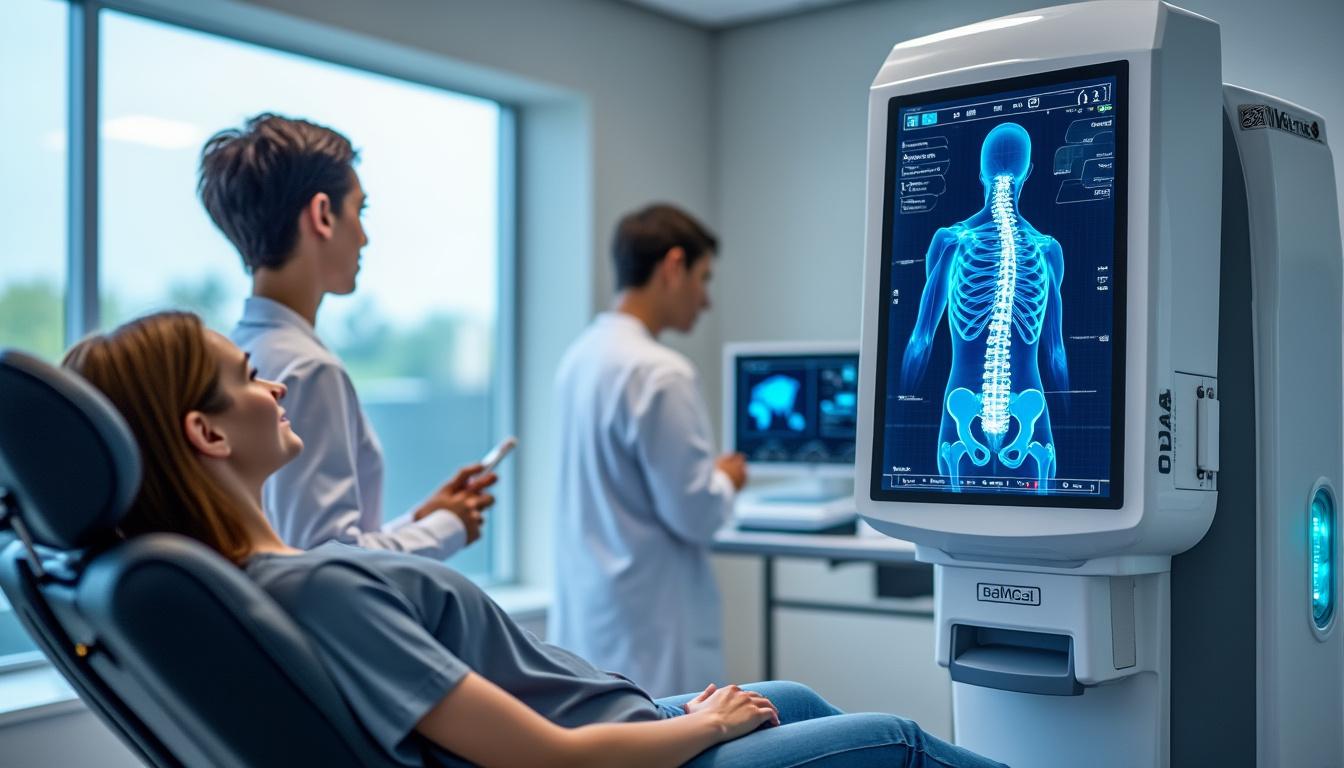
The continuous evolution of spine care technologies fuels improved outcomes and patient comfort in Sainte-Julie. Facilities such as Clinique TAGMED integrate state-of-the-art equipment including computer-assisted spinal decompression tables, biometric sensors, and laser therapy devices to enhance precision and therapeutic monitoring.
Dynamic spinal implants and regenerative techniques further complement conservative treatments, especially in complex or recurrent disc herniation cases. The incorporation of these advanced tools supports individualized treatment customization in real time, ensuring that therapeutic forces respect the patient’s anatomical and physiological parameters.
Additionally, telemedicine offers unprecedented follow-up convenience, enabling clinicians to monitor patient progress remotely and adjust interventions responsively. International exchanges of clinical protocols and innovations fortify the region’s position as a center of excellence.
Such technological emphasis aligns with Dr. Sylvain Desforges’ commitment to scientific rigor and innovation, providing patients with access to cutting-edge interventions integrated into a compassionate care framework.

Cervical Disc Prosthesis in Quebec: Preventing Post-Operative Stiffness
Neck pain is one of the most common musculoskeletal complaints in Quebec, affecting a significant portion of the population annually. Often rooted in degenerative cervical disc diseases or herniated discs, this persistent discomfort severely impacts daily life and mobility. Fortunately,…
Comprehensive Evaluation and Personalized Care with Dr. Sylvain Desforges
With a remarkable career spanning over 35 years, Dr. Sylvain Desforges is a beacon of expertise in spinal disorders and herniated disc therapy in Sainte-Julie. Holding qualifications including B.Sc., D.O., and N.D., he has founded multiple prestigious organizations such as the Alliance Canadienne de Médecine Alternative and the Canadian College of Osteopaths.
Dr. Desforges champions a holistic and evidence-based patient evaluation model, conducting thorough assessments that guide the personalized design of neurovertebral decompression and complementary interventions. His practice at TAGMED Clinics reflects a commitment to ethical standards, transparency, and patient safety under Quebec and Canadian medical regulations.
Patients benefit from Dr. Desforges’ comprehensive approach, which includes multidisciplinary collaborations, cutting-edge technological access, and continuous education. This model ensures each patient’s unique condition is recognized and addressed, maximizing therapeutic success and enhancing quality of life.
Prospective patients seeking expert evaluation and advanced spinal care solutions in Sainte-Julie can explore options through platforms aligned with Dr. Desforges’ practice, ensuring seamless, compassionate pathways to recovery.

The prevalence of herniated disc conditions in Blainville has sparked considerable discussion and misconceptions about their causes, symptoms, and treatments. While the pain and disability associated with this spinal disorder are well documented, the emergence of non-surgical options such as…
Prevention and Risk Factors: Protecting Your Spine in Sainte-Julie
Understanding and mitigating risk factors for disc herniation is fundamental to spine health in Sainte-Julie. Several modifiable and non-modifiable elements contribute to the onset and exacerbation of disc disease:
- Prolonged sitting without breaks increases lumbar load and disc pressure.
- Physical inactivity leads to muscle weakness, undermining spinal support.
- Excess body weight intensifies mechanical stress on intervertebral discs.
- Poor occupational ergonomics result in repetitive strain and improper loading.
- Smoking, which impairs disc nutrition and healing.
- Age, as natural disc degeneration progresses with years.
Recommendations to minimize risk and support spinal integrity include regular moderate exercise, ergonomic workstation adjustments, smoking cessation, weight management, and ongoing medical surveillance. These preventive actions are crucial in complementing treatments like neurovertebral decompression, securing lasting spinal health.
| Risk Factor | Impact Level (%) | Preventive Recommendation |
|---|---|---|
| Prolonged Sitting | 80 | Take regular breaks and perform stretching exercises |
| Physical Inactivity | 75 | Engage in moderate physical activity at least thrice weekly |
| Excess Weight | 65 | Maintain a healthy diet and body weight |
| Poor Posture at Work | 70 | Optimize workstation ergonomics — chair, desk, and screen setup |
| Smoking | 50 | Quit smoking to improve disc health |
| Advanced Age | 40 | Stay active and undergo regular health evaluations |
Minimally Invasive Surgery in Longueuil: Reducing Hospital Stays for Faster Recovery
In recent years, a transformative wave has swept through spinal healthcare in Longueuil, aiming to revolutionize treatment experiences for patients suffering from back disorders. This shift stems from a growing demand for procedures that minimize hospital stays without compromising efficacy.…
Patient Empowerment Through Clear Education and Support in Herniated Disc Therapy
Clear communication about the condition, treatment options, and expected results is vital in enabling patients to make informed decisions and participate actively in their recovery. Under the guidance of Dr. Sylvain Desforges, Sainte-Julie patients receive comprehensive explanations free from excessive medical jargon, fostering understanding and confidence.
Discussions cover the indications for neurovertebral decompression, contraindications, expected pain relief timelines, and the importance of adherence to treatment and preventive measures. Such transparency demonstrates respect for patient autonomy and enhances motivation.
Education further extends to highlighting differences between surgical and minimally invasive approaches, emphasizing the safety, ethical underpinnings, and innovative methods driving contemporary spinal care. Resources accessible via reputable channels guide patients and healthcare professionals alike.
By championing accessible, evidence-based knowledge, Dr. Desforges and his team ensure that every individual feels valued and supported throughout the therapeutic journey, reinforcing the principle that no two cases are alike and personalized care is paramount.
What symptoms should prompt a visit for herniated disc evaluation in Sainte-Julie?
Persistent low back pain, radiating leg pain, numbness, or muscle weakness require a comprehensive evaluation to determine appropriateness for neurovertebral decompression.
How does neurovertebral decompression reduce pain associated with disc herniation?
By applying precise, controlled traction to the spine, the therapy lowers pressure on affected discs and nerve roots, fostering disc rehydration and reducing inflammation.
Is neurovertebral decompression effective without surgery?
Clinical studies show success rates above 70% for pain and functional improvement, making it a vital option for conservative spinal care.
What are the main precautions after a decompression session?
Adherence to postural advice, engagement in muscle strengthening exercises, avoidance of sudden movements, and prompt consultation if symptoms worsen help maintain treatment benefits.
Who should avoid neurovertebral decompression?
Patients with severe osteoporosis, active vertebral fractures, recent spinal implants, inflammatory diseases, or pregnancy are contraindicated for this therapy.