Boucherville Sciatica Care That Avoids Surgery
May 15, 2026
Saint-Jérôme Cervical Disc Herniation Management Without Injections
May 15, 2026
In the evolving landscape of spinal care, patients across Quebec, particularly in Sherbrooke, are witnessing a significant shift toward advanced, minimally invasive solutions designed to preserve natural spine function while delivering effective pain relief. High-performance interventions like the IntraSPINE device represent a breakthrough in motion-preserving orthopedic surgery. By strategically targeting lumbar pathologies through dynamic stabilization, these interventions reduce the trauma typically associated with traditional fusion surgeries. In 2026, this approach is especially significant amid extended wait times and limited surgical options within Canadian public healthcare. The synergy of innovation and expert evaluation, guided by osteopathy pioneer Dr. Sylvain Desforges, sets a new benchmark for optimized spine treatment.
Through international collaboration and ethical, evidence-based care pathways, patients benefit from a comprehensive framework combining advanced surgical techniques with personalized support. This article unveils the depth of the IntraSPINE program in Sherbrooke, from patient evaluations to recovery, emphasizing the device’s biomechanical advantages, minimally invasive procedure, and the supportive transatlantic partnership that ensures timely, high-quality interventions and sustained recovery.
Types of Lumbar Spine Surgery in France: Emphasizing Motion Preservation and Minimally Invasive Options
The management of lumbar degenerative diseases encompasses a spectrum of surgical techniques, especially in France where patients have access to a variety of well-established and innovative procedures. These range from decompression surgeries aiming to relieve nerve pressure without hardware implantation, to rigid spinal fusions, and more recently, motion-preserving devices like the IntraSPINE system that maintain spinal mobility while providing stabilization.
Traditional fusion surgeries such as Posterior Lumbar Interbody Fusion (PLIF) or Transforaminal Lumbar Interbody Fusion (TLIF) have been widely utilized to address significant instability or deformity. However, despite their effectiveness, these surgeries often result in limited segmental mobility and can increase stress on adjacent spinal levels, leading to Adjacent Segment Disease (ASD). This risk has driven advances toward dynamic stabilization technologies that aim to reduce these long-term complications.
The IntraSPINE device, developed and implanted in specialized centers in France, represents a dynamic stabilization implant placed interlaminarily—meaning it fits between the laminae of vertebrae, close to the spine’s instantaneous axis of rotation. This positioning enables it to provide a cushioning effect and maintain natural spine biomechanics.
Meanwhile, simple decompression surgeries remain a relevant option for individuals with milder symptoms or localized nerve root irritations. By excising herniated discs or bone spurs, these procedures alleviate compression without the necessity for implants.
More recently, motion-preserving devices such as the IntraSPINE have gained popularity for offering patients a middle ground: surgical intervention that minimizes tissue disruption and preserves functional movement. This approach is particularly attractive in Sherbrooke given the demand for less invasive and more sustainable spinal solutions.
- Simple decompression surgery: Best for mild nerve compression, minimal invasiveness, no hardware implantation
- Fusion surgeries (PLIF, TLIF): Indicated for severe instability but may reduce spinal mobility and increase adjacent segment stress
- Motion-preserving devices like IntraSPINE: Offer dynamic stabilization while maintaining lumbar mobility and spinal curvature
Understanding these surgical pathways is critical for patients to make informed decisions aligned with their clinical needs and lifestyle. The involvement of experts like Dr. Desforges, with his extensive credentials (B.Sc., D.O., N.D.) and leadership in professional osteopathic and spinal associations, ensures precise evaluations and optimum care planning for those seeking surgery.
IntraSPINE® in Sherbrooke: Durable Solution for Chronic Low Back Pain
The management of chronic low back pain, a widespread condition affecting millions across Quebec and beyond, has reached a pivotal moment thanks to innovative medical technologies and coordinated care pathways. At the heart of this evolution lies the IntraSPINE implant,…
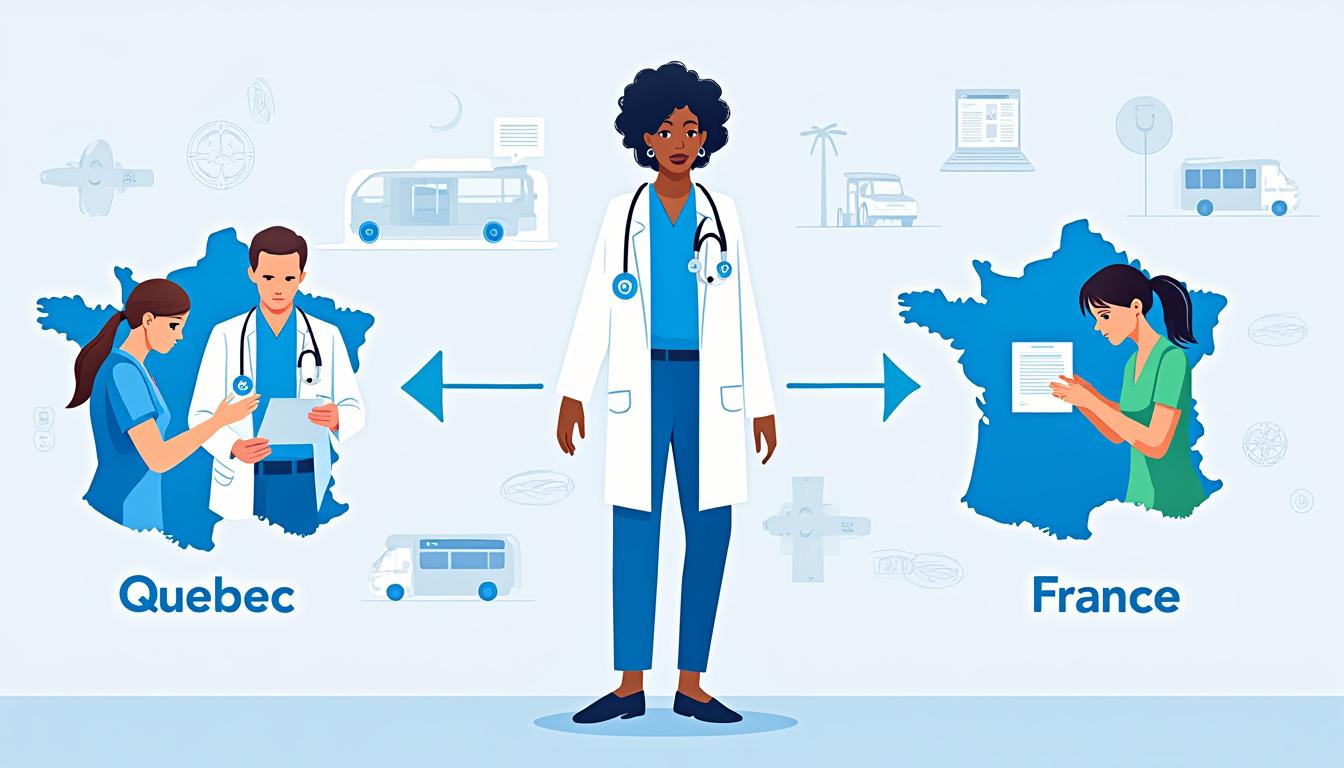
Comprehensive Patient Journey for Minimally Invasive IntraSPINE Intervention: From Quebec to France and Back
Dr. Sylvain Desforges and his multidisciplinary team in Quebec place paramount importance on a rigorous, patient-centered pathway before and after the IntraSPINE procedure. Beginning with a thorough clinical evaluation designed to integrate medical history, advanced imaging, and functional testing, this step identifies patients best suited for dynamic stabilization.
Conservative management is indispensable and legally and ethically mandated in Quebec and Canada. Patients must first undergo a period of at least 3 to 6 months of evidence-based non-surgical treatments. This includes interventions such as neurovertebral decompression at specialized clinics like Clinique TAGMED, which offers state-of-the-art conservative therapies proven to reduce nerve root pressure and inflammation effectively.
Only when conservative care fails to yield sufficient symptom relief, and evaluation confirms candidacy, does the journey proceed to surgical planning. Here, Dr. Desforges collaborates closely with leading French surgeons experienced in the IntraSPINE technique. This transatlantic coordination allows patients to benefit from advanced surgical options often unavailable or delayed in Canada due to systemic constraints.
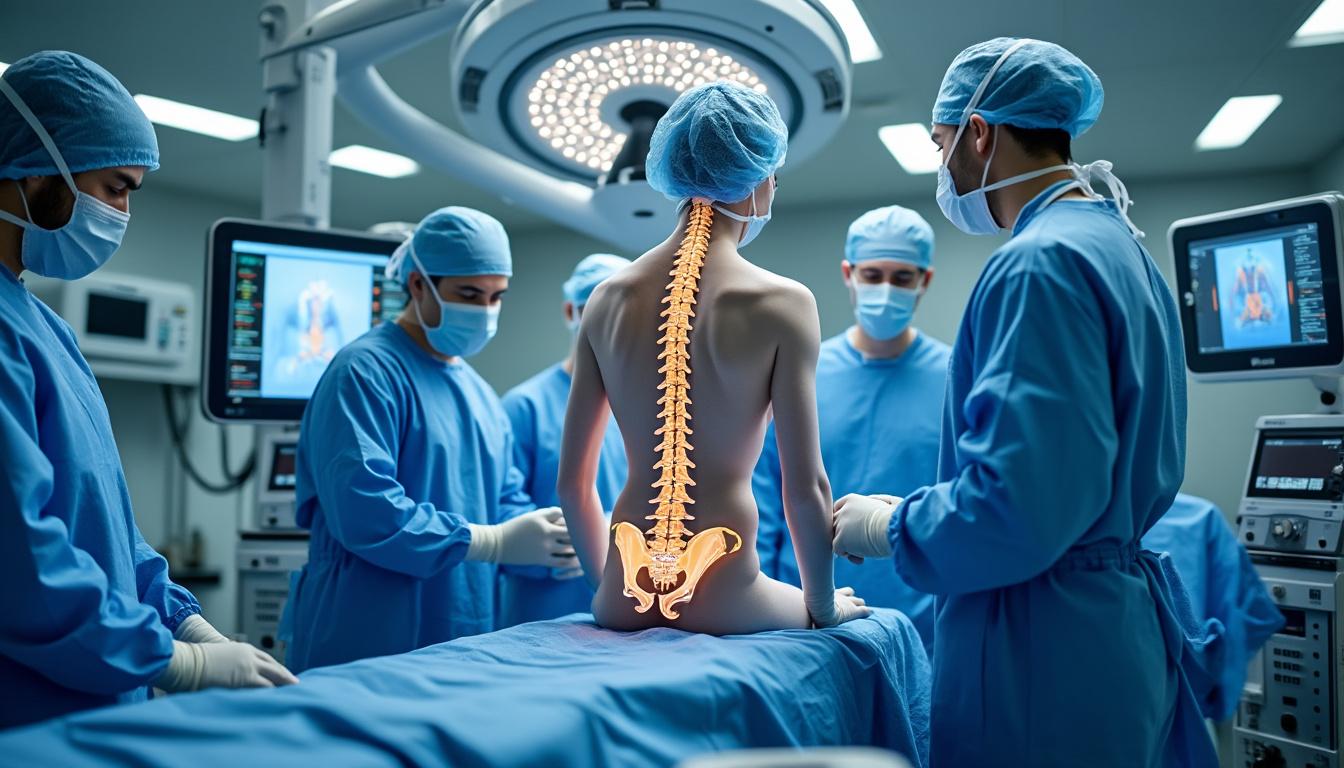
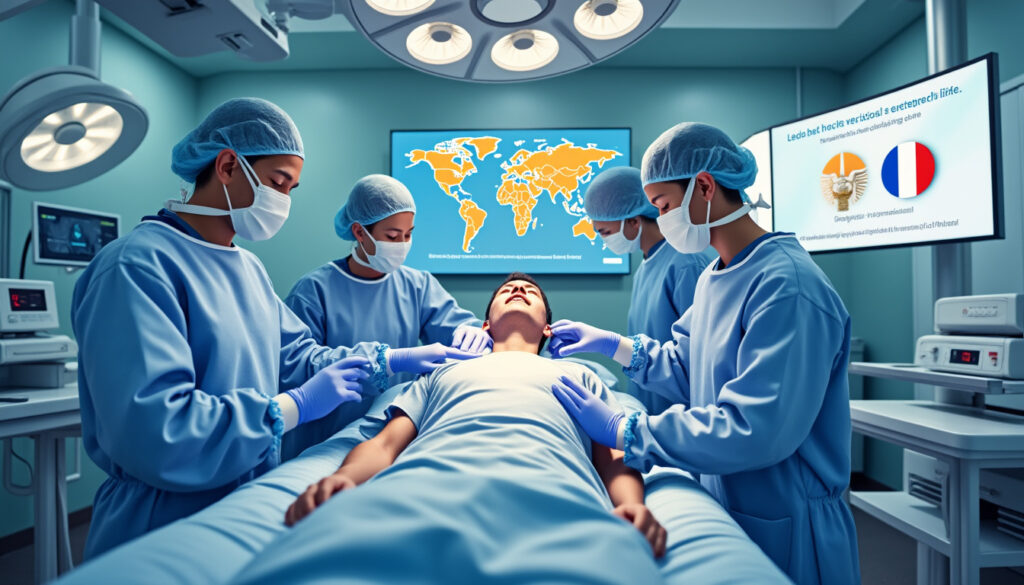
The surgical process in France involves minimally invasive implant placement through small interlaminar incisions, safeguarding muscle and ligament structures while ensuring precise device positioning. When necessary, additional stabilization procedures such as fusion may be combined to address more complex cases.
Postoperatively, patients return to Quebec with a structured rehabilitation plan tailored and closely supervised by expert osteopathic practitioners, ensuring functional recovery, pain management, and gradual resumption of daily activities.
This integrated model harmonizes high surgical standards, patient safety, and bioethical rigor while crossing health system boundaries, providing an optimized and humane pathway for those facing complex spinal conditions.
Spine Surgery in Trois-Rivières: Reduce Pain and Preserve Mobility
In recent years, spine surgery in Trois-Rivières has evolved notably, combining advanced medical expertise with innovative technologies to deliver patient-centered care. This growing field addresses the increasing demand among Quebec residents seeking effective solutions for chronic back pain and mobility…
Biomechanical Advantages of the IntraSPINE Dynamic Stabilization Device
Among the most compelling reasons to consider the IntraSPINE device is its innovative biomechanical design. Unlike rigid fusion implants, IntraSPINE is constructed from medical-grade dimethyl siloxane covered with polyethylene terephthalate fibers, allowing a flexible, cushioning support within the interlaminar space.
The device’s implantation near the spine’s instantaneous axis of rotation ensures preserved lumbar lordosis and natural spinal movement. This key feature mitigates the mechanical stresses often responsible for the rapid wear and tear of adjacent vertebral levels after fusion surgery. Patients thus experience not only effective pain relief but improved functional stability.
Its multiple biomechanical effects include:
- Restoration and maintenance of lumbar lordosis: Supports physiological spine curvature, promoting better load distribution and posture.
- Foraminal enlargement: The device helps increase space for nerve roots, alleviating compression-related symptoms.
- Unloading of facet joints: Reduction in joint stress diminishes arthritic progression and posterior lumbar pain.
- Protection against adjacent segment disease: By preserving motion, secondary degeneration at neighboring segments is significantly reduced.
Clinical data and biomechanical analyses, including recent studies from Sherbrooke, show patients benefit from less postoperative stiffness and quicker functional recovery, compared to traditional fusion approaches. Scientific publications further validate these findings, emphasizing the superiority of dynamic stabilization to maintain quality of life.
| Feature | IntraSPINE Device | Traditional Spinal Fusion |
|---|---|---|
| Motion Preservation | Maintains segmental lumbar mobility | Immobilizes fused spinal segments |
| Impact on Adjacent Segments | Reduces risk of adjacent segment disease | Increases incidence of degeneration at adjacent levels |
| Surgical Approach | Minimally invasive with small incisions | Open surgery requiring extensive tissue dissection |
| Recovery Time | Shortened hospitalization and rehabilitation | Longer recovery with extensive rehabilitation |
| Patient Comfort | Less postoperative stiffness and pain | Higher rates of lumbar stiffness and persistent pain |
Preserving lumbar biomechanics supports faster return to activity and lasting back pain relief
Patients report less discomfort when lumbar dynamics are respected, enabling smoother transitions back to work and social life. This is a critical outcome, given the significant burden lumbar pathology places on quality of life and economic productivity.

TOPS™ in Gatineau: High-Performance Option for the Lumbar Spine
The landscape of spinal surgery has witnessed profound evolution, particularly for patients grappling with lumbar spine disorders such as spinal stenosis and spondylolisthesis. These conditions, increasingly prevalent among Quebec’s population, impose substantial limitations on mobility and quality of life. The…
Aligning with Rigorous Ethical Standards and Scientific Evidence in Spine Care
With over 30 years of experience and a commitment to ethical patient care, Dr. Sylvain Desforges leads his practice by firmly adhering to evidence-based medicine principles, provincial regulations, and collaborative standards set by governing bodies like the Collège des médecins du Québec.
Patient safety, rigorous evaluation, and transparent communication are pillars of this approach. Dr. Desforges actively integrates innovations such as neurovertebral decompression, laser therapies, and dynamic implants while ensuring these technologies are deployed within scientifically validated frameworks. This adherence alleviates risks and enhances the overall efficacy of spine treatments.
In addition, professional leadership roles as founder and president of the Association canadienne des médecins ostéopathes (ACMA), the Collège des Ostéopathes Canadiens, and TAGMED reflect Dr. Desforges’ dedication to advancing osteopathic and spinal health care nationally and internationally.
Cervical Disc Prosthesis in Quebec City: Avoid Post-Surgery Stiffness
Chronic neck pain remains a significant challenge for thousands of residents in Quebec City every year, often leading them to seek effective spinal surgery options that minimize downtime and maximize long-term mobility. Among the recent advancements revolutionizing cervical spine care,…
Coordinating Seamless International Care: Optimizing Time, Quality, and Personalized Treatment
One of the most remarkable aspects of the IntraSPINE program is the efficient transatlantic care coordination led by Dr. Desforges. This collaboration bridges the Canadian and French healthcare systems, overcoming waiting list delays and content restrictions faced by many patients in public healthcare.
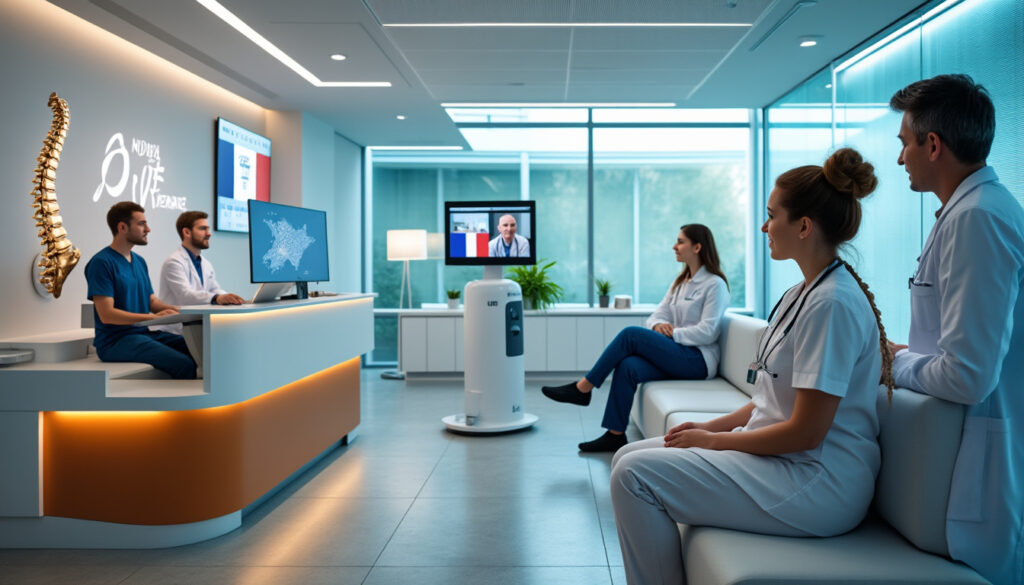
Patients initially receive expert osteopathic evaluation in Quebec, including assessment of conservative care progress. Once surgical consideration arises, remote consultations with French spine surgeons permit precise planning, reducing uncertainties and expediting access to advanced technologies.
Interventions are performed in accredited French centers renowned for expertise and surgical excellence. Postoperative follow-up remains continuous and adaptive through the partnership between Dr. Desforges’ team and French clinical specialists. This personalized coordination enhances recovery outcomes and patient satisfaction.
Key benefits include:
- Reduced wait times: Rapid access to expert surgical care that is often limited in Canadian public hospitals
- Access to specialized implants and techniques: Unique devices like IntraSPINE and innovative minimally invasive procedures
- Comprehensive care integration: From conservative therapy in Quebec to surgery in France and rehabilitation back home
- Strict compliance with ethical and regulatory standards: Ensuring patient safety and quality of care on both continents
Minimally Invasive Surgery in Longueuil: Reduce Hospital Stay Duration
In recent years, advances in spinal care have dramatically reshaped the treatment landscape for patients suffering from debilitating spinal conditions. Particularly in Longueuil, the emergence of minimally invasive surgery (MIS) techniques offers a transformative alternative to conventional open surgeries. These…
The Integral Role of Conservative Therapy at Clinique TAGMED Before Considering Surgical Intervention
Before any surgical intervention is contemplated, it is crucial that patients complete a thorough trial of conservative management. The Clinique TAGMED, under the guidance of Dr. Desforges, emphasizes advanced neurovertebral decompression methods that have repeatedly demonstrated efficacy in relieving spinal nerve compression non-invasively.
This approach combines mechanical decompression with manual therapies, physical exercises, and education, fostering improved spinal biomechanics and symptom control. It serves to minimize or even eliminate the need for surgery in many cases.
The recommended conservative care components include:
- Neurovertebral decompression therapy: Specialized treatments to alleviate nerve root stress and inflammation
- Physical rehabilitation: Focused on strengthening supportive musculature and improving flexibility
- Patient education: Ergonomic advice and lifestyle modifications to prevent symptom aggravation
- Pharmacological support: Judicious use of medications aimed at pain and inflammation control
This comprehensive conservative care framework supports patient safety and showcases the ethical commitment of Dr. Desforges to exhaust all non-surgical options first. Patients yet to experience such treatment modalities, especially those available at TAGMED, are highly encouraged to engage before considering invasive procedures.
IntraSPINE® in Laval: Modern Solution for Lumbar Stabilization
In the evolving landscape of orthopedic treatments, the city of Laval has become a hub for innovations addressing chronic lower back pain. Among the groundbreaking solutions gaining attention is the IntraSPINE device—a modern spinal implant designed to offer dynamic lumbar…
Unique Features of the Sherbrooke IntraSPINE Program: Innovation, Expertise, and Whole-Patient Care
The strength of the IntraSPINE initiative in Sherbrooke lies in combining cutting-edge technology with rigorous clinical validation and close patient collaboration. Dr. Desforges oversees an integrated care model involving careful implant selection, use of minimally invasive surgical techniques, and thorough postoperative follow-up.
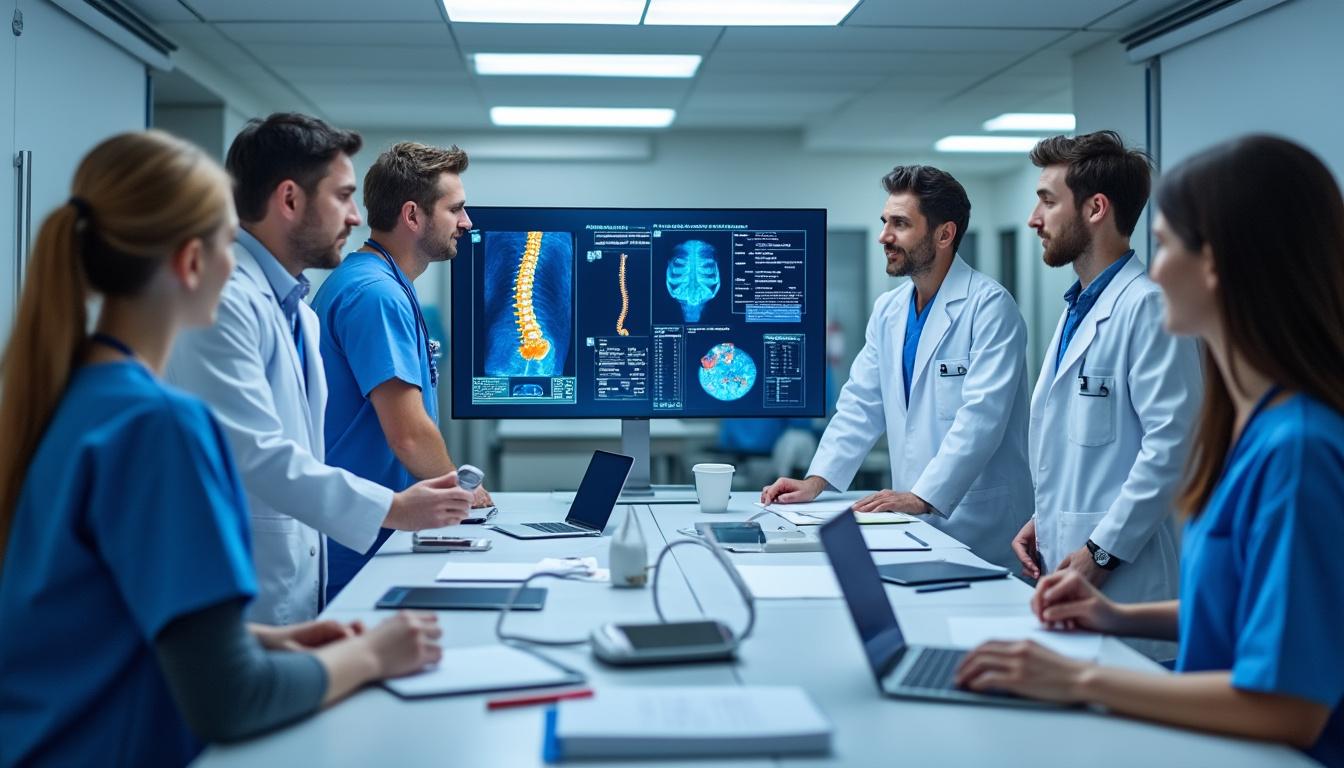
Patients benefit from coordinated multidisciplinary teams that facilitate smooth transitions from initial evaluation through surgery to rehabilitation. This continuum ensures that therapeutic goals align with individual patient needs and expectations.
Distinct features include:
- Access to top-quality, specifically designed dynamic spinal implants
- Minimally invasive surgical options that preserve tissue and reduce recovery time
- Comprehensive postoperative rehabilitation supervised by osteopathic specialists to enhance functional outcomes
- International collaboration providing access to expertise and technologies unavailable or delayed in Canada
- Ethical, evidence-based practice grounded in transparency and patient education
The program fosters a humanized, motivating environment where patients are encouraged to ask questions, understand their treatment thoroughly, and actively engage in their recovery journey.
Neck Surgery in Montreal: Maintain Cervical Flexibility and Function
Neck conditions causing persistent pain or functional loss place a substantial burden on individuals and healthcare systems, especially in urban centers like Montreal. Surgical interventions targeting the cervical spine have evolved tremendously, aiming not only to relieve symptoms but to…
Focused Neck Surgery Advances in Montreal: Mobility Preservation and Pain Reduction
While this article predominantly addresses lumbar interventions, it is important to note that similar minimally invasive and motion-preserving advances are underway in Montreal for cervical spine care. Strategies aim to significantly limit postoperative loss of neck mobility and reduce complications associated with rigid fixation.
Patients facing chronic neck pain increasingly benefit from dynamic implants and sophisticated decompression techniques, all coordinated by expert evaluators and providers well-versed in contemporary osteopathic and surgical standards. Details about these procedures can be explored further to support informed decision-making. Here is an informative resource on neck surgery innovations in Montreal.

Disc Prosthesis in Lévis: Quick and Long-Lasting Results
Chronic back pain caused by degenerative disc disease continues to profoundly impact the quality of life for many residents in Lévis and the broader Quebec area. For decades, traditional spinal fusion surgery has been the primary solution for alleviating severe…
Empowering Patients through Clear Communication: Education and Personalized Support in Spinal Surgery
Recognizing the anxiety and complexity associated with spine surgery, Dr. Desforges places a strong emphasis on patient education. Complex biomechanical concepts and surgical procedures involving devices like IntraSPINE are explained in straightforward, accessible language.
This approach demystifies treatment options, clarifies risks, benefits, and alternatives, and prepares patients psychologically for what to expect before, during, and after surgery. Enhanced comprehension encourages adherence to rehabilitation protocols and fosters trust throughout the care continuum.
Patients are encouraged to maintain open dialogue with their healthcare team and understand their unique clinical situation, supporting shared decision-making and personalized care.
For individuals in Sherbrooke and beyond seeking innovative, minimally invasive spine treatment options, a personalized consultation with Dr. Sylvain Desforges’ expert evaluation team provides an invaluable starting point. To explore tailored recommendations and the benefits of the IntraSPINE intervention, please visit our contact page and begin your journey to improved spine health.
What distinguishes the IntraSPINE device from traditional spinal fusion implants?
The IntraSPINE device preserves natural lumbar spine motion by providing dynamic stabilization within the interlaminar space, reducing complications like stiffness and adjacent segment disease common with rigid fusion implants.
Is surgery the first line of treatment for lumbar degenerative disease?
No. Experts recommend attempting at least 3 to 6 months of conservative care, including neurovertebral decompression at clinics like TAGMED, before considering surgical options like IntraSPINE.
How does the Quebec-France collaboration improve patient outcomes in spine surgery?
This partnership offers reduced wait times, access to advanced minimally invasive technologies, and coordinated postoperative care that optimize safety and recovery through international expertise.
What role does conservative treatment play before surgery?
Conservative therapies aim to relieve nerve compression, strengthen musculature, and educate patients, often allowing them to avoid or delay surgery while managing symptoms effectively.
Where can I find more information or start an evaluation for IntraSPINE treatment?
Visit the contact page to connect with Dr. Sylvain Desforges’ specialized spine care team for expert evaluation and tailored recommendations.