Herniated Disc in Montreal: Expected Relief Duration and Neurovertebral Decompression Treatment Explained
May 18, 2026
Neck Surgery in Montreal: Preserve Cervical Mobility After Surgery
May 19, 2026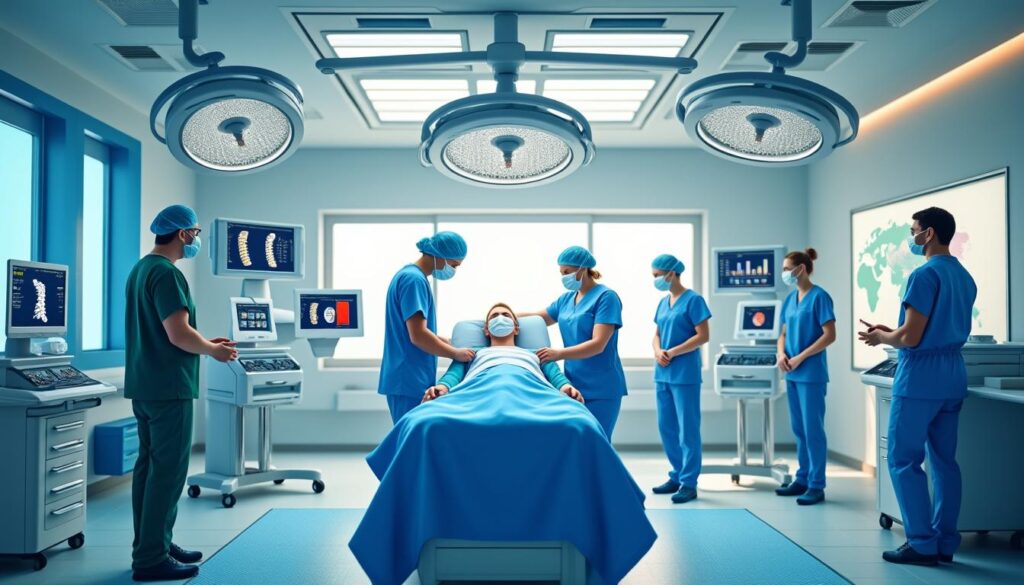
In recent years, the landscape of surgical care in Longueuil has seen profound shifts driven by advancements in minimally invasive surgery (MIS). This revolutionary approach offers patients new hope by dramatically reducing hospital stays and accelerating the overall recovery process. The transformative impact of MIS techniques is reshaping how both patients and healthcare providers perceive and navigate surgical interventions. Longueuil, a hub of healthcare innovation in Quebec, now embraces these modern surgical methods which prioritize smaller incisions, less tissue trauma, and faster healing, providing patients with fewer postoperative complications and a quicker return to daily life. Renowned spine care expert Dr. Sylvain Desforges, with his more than 30 years of clinical experience and pioneering role in the field of spinal disorders and decompression therapy, exemplifies the blend of expertise and innovation that defines these advancements. His leadership at TAGMED Clinics and collaboration with international centers further enhances patient access to cutting-edge care in Longueuil and beyond.
As waiting times for traditional surgeries often extend considerably, the adoption of minimally invasive surgical techniques marks a milestone in optimizing healthcare efficiency, improving patient outcomes, and reducing systemic costs. Longueuil’s healthcare providers now routinely utilize precision instruments combined with advanced imaging systems, significantly diminishing surgical trauma and the resultant need for prolonged hospitalization. This paradigm shift is not merely technical but deeply human-centric—the underlying philosophy promotes personalized evaluation, comprehensive patient support, and a balanced approach to conservative versus surgical management. Patients treated within this modern framework benefit from tailored care plans, seamless international coordination, and access to specialized implants and therapies not always readily available within Canada’s conventional health system. As such, the evolving minimally invasive approaches in Longueuil represent both a scientific breakthrough and a compassionate commitment to individualized, effective spine care.
Understanding Minimally Invasive Surgery: Principles and Techniques Transforming Longueuil’s Healthcare
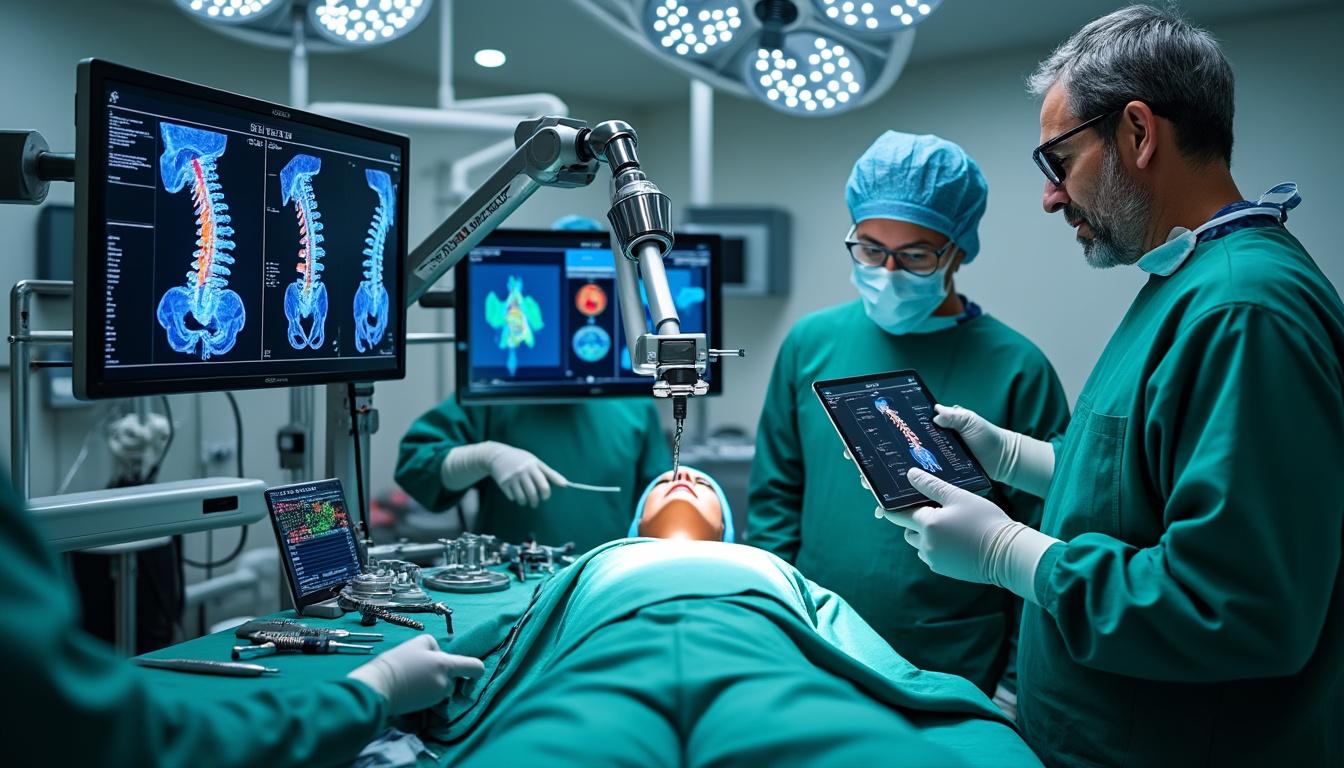
Minimally invasive surgery (MIS) represents a paradigm shift in surgical practice, focusing on reducing the physical trauma traditionally associated with operative interventions. Unlike classical open surgery that requires large incisions, MIS employs small, carefully placed incisions that allow surgeons to access affected areas with specialized instruments and high-definition imaging technology, often including laparoscopic cameras or endoscopic devices. This approach is particularly transformative in spinal surgeries, where preserving the delicate anatomy, including muscles, ligaments, and nerves, is paramount to long-term patient mobility and pain management.
The fundamental principle of MIS can be encapsulated as “less is more.” By minimizing muscle and tissue disruption, MIS lowers the physiological stress on patients, leading to significantly reduced postoperative pain and inflammation. The enhanced visualization offered by video-assisted tools increases surgical precision, enabling experts like Dr. Sylvain Desforges to perform intricate decompressions or implant placements with exacting care. This meticulous approach helps preserve spinal biomechanics, a factor critical for maintaining function and preventing future complications.
In Longueuil, the implementation of MIS integrates multiple technological and procedural advancements:
- Smaller Incisions: Typically less than 5 centimeters, which reduces blood loss and scarring.
- Enhanced Imaging: Utilization of intraoperative fluoroscopy, 3D navigation, and high-definition cameras to improve targeting accuracy.
- Specialized Instruments: Designed for delicate manipulation through narrow entry points, minimizing muscle detachment.
- Local and Regional Anesthesia: In select cases, reducing general anesthesia risks and promoting faster recovery.
Such innovations directly translate into shorter hospital stays, often allowing patients to be discharged within 24 to 48 hours post-surgery, a substantial improvement from the traditional week-long hospitalization. Moreover, these techniques facilitate quicker mobilization and physical rehabilitation, essential aspects that Dr. Desforges and his team prioritize to optimize surgical outcomes and patient satisfaction.
IntraSPINE® in Sherbrooke: A Long-Lasting Solution for Chronic Lower Back Pain
Chronic lower back pain remains one of the most pressing health concerns in Sherbrooke and beyond, impacting millions and often diminishing daily quality of life. Despite the prevalence of lumbar discomfort, many face limited access to cutting-edge treatments amidst lengthy…
Types of Minimally Invasive Surgical Interventions Available in Longueuil’s Spine Care
The spectrum of minimally invasive surgical procedures available in Longueuil has broadened significantly, offering tailored solutions for a range of spinal conditions. Dr. Sylvain Desforges, whose expertise spans over three decades, evaluates each patient meticulously to determine the most appropriate course of action—balancing the benefits of non-surgical interventions with the necessity of surgical precision when warranted.
Key examples of minimally invasive procedures include:
| Procedure | Description |
|---|---|
| Microdiscectomy | Removal of herniated disc fragments through a small incision, decompressing nerve roots and alleviating sciatica symptoms. |
| Endoscopic Spine Surgery | Using endoscopes to perform decompressions or remove tissue without large incisions, suitable for lumbar and cervical regions. |
| Minimally Invasive Spinal Fusion | Joining vertebrae with small tubular retractors and percutaneous screws to stabilize spinal instability with minimal disruption. |
| Laser-Assisted Spine Surgery | Employing laser technology to reduce inflamed tissues and assist decompression efforts with high precision and minimal collateral damage. |
Each surgery type is selected based on comprehensive diagnostic evaluations. Dr. Desforges ensures alignment with evidence-based guidelines and patient-specific factors such as age, comorbidities, and lifestyle. For example, a patient with lumbar disc herniation and sciatica might first undergo neurovertebral decompression therapies and, if necessary, progress to a microdiscectomy performed with minimally invasive techniques. This staged approach maximizes recovery and optimizes long-term results.
The continuous refinement of surgical instruments and imaging technologies allows solutions like dynamic spinal implants, which better preserve natural spine movement post-operation, demonstrating Longueuil’s commitment to integrating the latest healthcare innovations.
Herniated Disc Care in Sainte-Julie: Why TAGMED’s Neurovertebral Decompression Therapy Stands Out
In the vibrant community of Sainte-Julie, back pain—particularly that stemming from herniated discs—has become a widespread concern affecting people from all walks of life. The relentless search for effective, non-invasive treatments has brought renewed attention to a pioneering therapy that…
Patient Journey in Minimally Invasive Surgery: From Evaluation to Accelerated Recovery
Patients considering minimally invasive surgery in Longueuil benefit from a carefully designed, multidisciplinary pathway emphasizing thorough assessment, conservative management, expert evaluation, and personalized post-operative care. Dr. Sylvain Desforges is uniquely positioned to guide patients through this journey, combining scientific rigor with empathetic communication to ensure clear understanding of each step.
The typical patient pathway includes:
- Preoperative Evaluation: Patients undergo a detailed clinical examination, imaging studies, and an assessment of their personal health history. This rigorous process allows the evaluation team to distinguish candidates who will most benefit from MIS.
- Conservative Treatments: Prior to any surgery, treatments such as neurovertebral decompression, laser therapy, and physiotherapy are explored extensively. This conservative phase typically spans several months and aims to alleviate symptoms without invasive measures.
- Informed Surgical Planning: If MIS is deemed necessary, Dr. Desforges and his team provide comprehensive explanations about indications, expected benefits, procedural risks, and post-operative rehabilitation, emphasizing an individualized plan.
- Surgical Intervention: The surgery itself is conducted with state-of-the-art minimally invasive equipment and technologies, ensuring precision and minimizing tissue trauma.
- Postoperative Care and Rehabilitation: Recovery protocols involve pain management, physical therapy tailored to preserve spinal biomechanics, and close monitoring through follow-up consultations to optimize healing.
This clear and personalized approach to patient care improves both physical recovery and mental well-being. Patients feel empowered through education and active participation in their recovery process, fostering higher satisfaction and better long-term outcomes. The integration of advanced medical technologies further enhances healing speed and safety, strongly supported by Dr. Desforges’ commitment to ethical and evidence-based care.
Back Surgery in Trois-Rivières: Alleviating Pain While Preserving Mobility
In Trois-Rivières, Quebec, the persistence of back pain affects a substantial portion of the population seeking effective and personalized solutions. Back pain, often caused by spinal disorders or herniated discs, can drastically diminish quality of life, limiting mobility and causing…
Revolutionizing Hospital Stay Duration: How Minimally Invasive Surgery Reduces Time in Longueuil Hospitals
One of the most significant advantages of minimally invasive surgery in Longueuil is the marked reduction in hospital stay duration. Compared to traditional open surgeries, patients undergoing MIS often experience much shorter inpatient times, sometimes as brief as 24 to 48 hours. This shift reflects the evolving standards of care that emphasize patient comfort, resource efficiency, and rapid return to function.
The benefits of reduced hospital stay include:
- Lower Risk of Hospital-Acquired Infections: Brief hospitalization curtails the patient’s exposure to nosocomial infections.
- Cost-Effectiveness: Shorter stays reduce the financial burden on both healthcare systems and patients.
- Improved Patient Morale: Patients prefer recovering in their home environments, which positively influences mood and rehabilitation adherence.
- Optimization of Healthcare Resources: Freeing hospital beds accelerates the turnover, making care accessible to more patients promptly.
Clinical studies show that patients who undergo MIS report less postoperative pain and are able to initiate physical therapy much earlier, thereby shortening the overall surgery recovery timeline. These outcomes demonstrate how Longueuil’s healthcare providers, under experts like Dr. Desforges, continue to integrate innovative surgical techniques that align with contemporary medical expectations and patient desires.
Disc herniation remains a significant health concern in Pointe-Claire, impacting the lives of a diverse population ranging from labor-intensive workers to the aging community. The condition, characterized by the displacement or rupture of the intervertebral disc, often leads to debilitating…
International Collaboration Enhancing Surgical Outcomes and Patient Experience
Another hallmark of the evolving landscape in minimally invasive surgery is the coordinated international patient care pathways fostered by Dr. Sylvain Desforges. As founder and president of the Alliance Canadienne de Médecine Alternative and the Canadian College of Osteopaths, he plays a pivotal role in bridging healthcare services between Canada and France. This transatlantic collaboration expands the spectrum of available surgical techniques and therapies for patients in Longueuil.
Such coordinated care offers several distinctive advantages:
- Access to Specialized Technologies and Implants: Certain dynamic spinal implants and advanced laser treatments are more accessible due to these multinational partnerships.
- Streamlined Treatment Timelines: Collaboration with international surgical centers and medical tourism platforms like SOS Tourisme Médical reduces waiting periods, facilitating quicker interventions.
- Comprehensive Pre- and Post-Operative Support: Patients benefit from continued care in both countries, supported by multidisciplinary teams ensuring follow-up and rehabilitation align with best practices.
- Personalized Care Pathways: The system adapts to patient needs, integrating cultural preferences and language support, which improves patient comfort and understanding throughout the process.
This international dimension represents a significant step forward in healthcare innovation, positioning Longueuil as a regional leader in providing comprehensive surgical care with integrated global resources.
TOPS™ in Gatineau: A High-Performance Solution for Lumbar Spine Care
In a region where chronic back pain increasingly affects quality of life, the quest for advanced and effective lumbar spine treatments is paramount. Lumbar spinal stenosis, a prevalent condition among Quebec’s aging population, often imposes persistent discomfort and mobility limitations.…
Postoperative Care Innovations: Enhancing Recovery and Mobility After Surgery in Longueuil
Recovery after minimally invasive surgery extends beyond the operating room. In Longueuil, postoperative care protocols have evolved to fully leverage the benefits of reduced surgical trauma. Detailed rehabilitation plans are integral to sustaining spinal function and promoting mobility.
Key components of postoperative care include:
- Early Mobilization: Encouraged as soon as feasible to maintain muscle strength and spinal flexibility.
- Targeted Physical Therapy: Rehabilitation programs are tailored to address individual patient biomechanics, reducing the risk of re-injury or stiffness.
- Innovative Pain Management: Combining pharmaceutical strategies with non-invasive modalities such as laser therapy or shockwave treatment.
- Regular Monitoring and Assessment: Follow-up visits include ongoing evaluation of pain levels and functional recovery, enabling timely adjustments to therapy.
Dr. Desforges emphasizes that rehabilitation is as critical as surgery itself in achieving the best outcomes. Patients working closely with multidisciplinary teams often report quicker normalization of activities and improved quality of life. Maintaining spinal biomechanics post-surgery not only aids in symptom relief but also helps preserve long-term spinal health—a priority in Dr. Desforges’ practice and illustrated by studies emphasizing holistic recovery approaches (maintaining spinal biomechanics).
Examples of long-term improvement through rehabilitative care
Consider the case of a middle-aged patient who underwent minimally invasive spinal fusion in Longueuil. Thanks to the combined approach of careful surgical technique and personalized physical therapy, the patient resumed normal work and recreational activities within weeks—a recovery timeline substantially shorter than historically noted with traditional open surgery. Such cases exemplify the transformative potential of integrating surgery with innovative postoperative care strategies.
At Gouin Clinic, the landscape of herniated disc therapy has entered a transformative era marked by the integration of Personalized Treatment Plans and breakthrough Neurovertebral Decompression Therapy. This non-surgical approach is revolutionizing how spinal disorders are managed, offering patients an…
The Ethical and Scientific Commitment Bringing Cutting-Edge Surgery to Patients
Central to all advancements in minimally invasive surgery in Longueuil is a firm commitment to scientific rigor and ethical medical practice. Dr. Sylvain Desforges champions this approach, emphasizing the importance of evidence-based care, patient safety, and full compliance with Quebec and Canadian medical regulations.
Clinical decisions rest on the best available scientific data and a thorough understanding of patient-specific circumstances. Dr. Desforges, leveraging his qualifications (B.Sc., D.O., N.D.) and leadership roles, ensures that each patient receives transparent information about the risks, benefits, and alternatives to surgery. This ethical framework includes:
- Informed Consent: Patients receive comprehensive explanations and have their questions fully addressed before treatment.
- Respect for Patient Autonomy: Decision-making is collaborative, with respect for patient values and preferences.
- Integration of Innovative Technologies: Only well-validated technologies such as neurovertebral decompression, laser therapy, and dynamic spinal implants are introduced.
- Continuous Professional Development: Commitment to ongoing education ensures that practices reflect the latest advancements and regulations.
By maintaining such standards, Longueuil’s surgical community under leaders like Dr. Desforges represents a model of responsible healthcare innovation, reassuring patients of safety and efficacy while fostering trust essential to therapeutic success.
Cervical Disc Prosthesis in Quebec: Preventing Post-Operative Stiffness
Neck pain is one of the most common musculoskeletal complaints in Quebec, affecting a significant portion of the population annually. Often rooted in degenerative cervical disc diseases or herniated discs, this persistent discomfort severely impacts daily life and mobility. Fortunately,…
Patient Education as a Cornerstone of Successful Minimally Invasive Surgery in Longueuil
Clear, accessible education is fundamental to successful outcomes in minimally invasive surgery. Dr. Sylvain Desforges prioritizes providing information that patients and healthcare professionals can easily understand, avoiding complex jargon while ensuring all critical aspects of surgical care are comprehended.
His educational approach includes:
- Detailed Explanation of Indications and Limitations: Helping patients understand when surgery is appropriate and what results to expect.
- Clarifying the Recovery Process: Describing postoperative milestones and rehabilitation requirements transparently.
- Encouraging Dialogue: Fostering an environment where patients feel comfortable asking questions and expressing concerns.
- Multimedia Resources: Utilizing videos, diagrams, and pamphlets to reinforce verbal explanations and improve retention.
Such efforts empower patients to take an active role in their health decisions, reducing anxiety and enhancing satisfaction. This approach is especially vital in complex conditions like herniated discs or spinal stenosis, where understanding nuanced options impacts treatment adherence and outcomes. Prospective patients seeking personal evaluation or advice are encouraged to follow the pathway offered at SOS Tourisme Médical, which facilitates direct communication with Dr. Desforges and his expert team.
The prevalence of herniated disc conditions in Blainville has sparked considerable discussion and misconceptions about their causes, symptoms, and treatments. While the pain and disability associated with this spinal disorder are well documented, the emergence of non-surgical options such as…
Summary of Benefits and Innovations in Minimally Invasive Surgery in Longueuil
| Benefits | Innovations |
|---|---|
| Reduced postoperative pain and inflammation | Neurovertebral decompression devices enhancing nerve relief |
| Significant reduction in hospital stay duration | Advanced imaging techniques (3D navigation, intraoperative fluoroscopy) |
| Quicker return to daily activities and work | Dynamic spinal implants preserving biomechanics |
| Lower risk of surgical complications and infections | Laser-assisted surgery for precision tissue ablation |
| Personalized patient care and international coordination | International collaboration ensuring access to cutting-edge therapies |
This overview encapsulates how Longueuil’s focus on combining medical technology with compassionate expertise drives exceptional patient outcomes in minimally invasive surgery. For those seeking further insights or wishing to schedule an evaluation, exploring options with experts like Dr. Sylvain Desforges creates a promising pathway toward effective spine care and faster recovery.
What are the main advantages of minimally invasive surgery?
Minimally invasive surgery offers reduced postoperative pain, shorter hospital stays, quicker recovery, and lower complication risks compared to traditional open surgery.
Is everyone eligible for minimally invasive surgery?
Eligibility is carefully evaluated by medical experts on a case-by-case basis, with conservative treatments recommended before considering surgery.
What role does rehabilitation play after minimally invasive surgery?
Rehabilitation is crucial to restore function, promote mobility, reduce complications, and improve long-term outcomes following surgery.
How soon can patients expect to recover and resume normal activities?
Recovery time varies by procedure but most patients experience quicker improvement and can often return to normal activities within days to weeks.
What does postoperative follow-up involve?
Follow-up includes regular consultations to monitor pain and healing progress, alongside tailored physical therapy programs.