Cervical Disc Prosthesis in Quebec City: Restored and Durable Mobility
May 16, 2026
TOPS™ in Gatineau: Preserve Function and Reduce Lumbar Pain
May 16, 2026
Sciatica represents one of the most debilitating manifestations of nerve pain, burdening countless individuals with chronic discomfort radiating from the lower back down through the legs. In Candiac, patients enduring persistent sciatica often embark on long journeys of conservative treatments, such as physical therapy and pharmacologic management, hoping for relief without undergoing invasive procedures. Yet, when these initial strategies falter, individuals confront the daunting question: what next? The evolving landscape of spinal treatment today offers renewed hope through innovative approaches tailored specifically for recovery after failed conservative care.
Understanding sciatica’s complex nature and the challenges in managing chronic pain after initial treatment failures is crucial. Patients face both physical and psychological hurdles, as prolonged discomfort significantly impairs quality of life, mobility, and daily function. At the forefront of these evolving solutions stands Dr. Sylvain Desforges, a leading spine care expert from Québec. With over three decades of clinical experience, his expertise in evaluating and managing intricate spinal disorders is transforming recovery pathways for patients from Candiac and beyond.
Understanding Sciatica and its Impact on Chronic Pain Management
Sciatica arises primarily from irritation or compression of the sciatic nerve roots, often due to herniated discs or spinal stenosis. This manifests as a sharp, shooting pain extending from the lower back to the leg, frequently accompanied by numbness, tingling, or muscle weakness. The chronicity of symptoms—when pain endures beyond typical healing timelines—poses unique treatment challenges.
Chronic sciatica requires meticulous evaluation to discern the underlying spinal pathology and to differentiate it from other causes of nerve pain. Misdiagnosis or incomplete assessments may prolong recovery, leading to unnecessary or ineffective treatments. Dr. Sylvain Desforges’ comprehensive clinical approach at TAGMED Clinics ensures that every patient undergoes an in-depth, evidence-based evaluation aligned with current medical standards from the Collège des médecins du Québec and Canadian health authorities.
The psychological burden of chronic pain further complicates management. Anxiety, depression, and loss of mobility often coexist, necessitating an empathetic, multidisciplinary approach that addresses both physical and emotional wellbeing. This holistic framework is integral to Dr. Desforges’ methodology, emphasizing patient education to empower informed decisions about their spinal health.
In cases where initial conservative care fails, understanding the treatment landscape is essential. Conservative care typically includes physical therapy, nonsteroidal anti-inflammatory drugs, and sometimes epidural steroid injections. Yet, according to recent data and clinical trials such as the one discussed on JSTOR, prolonged conservative management does not always accelerate recovery and may delay alternative interventions that could lead to faster pain relief.
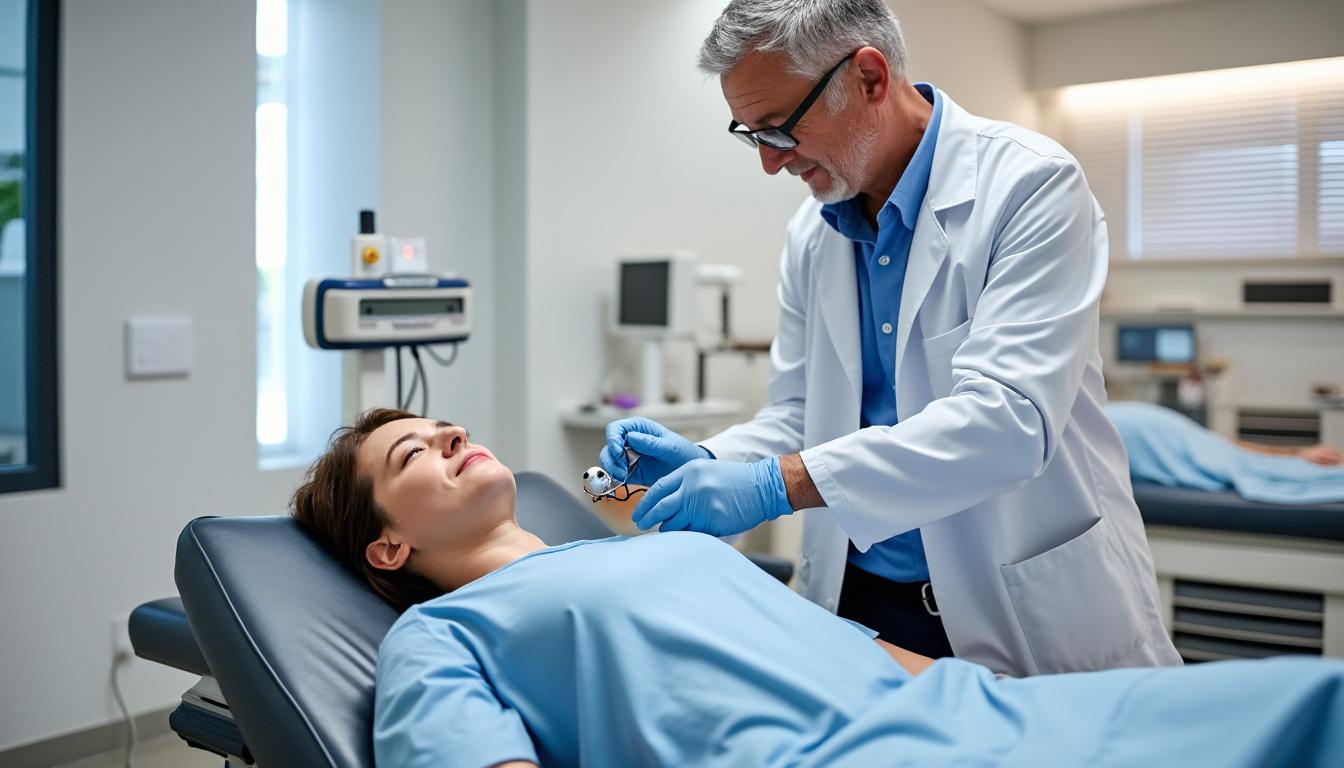
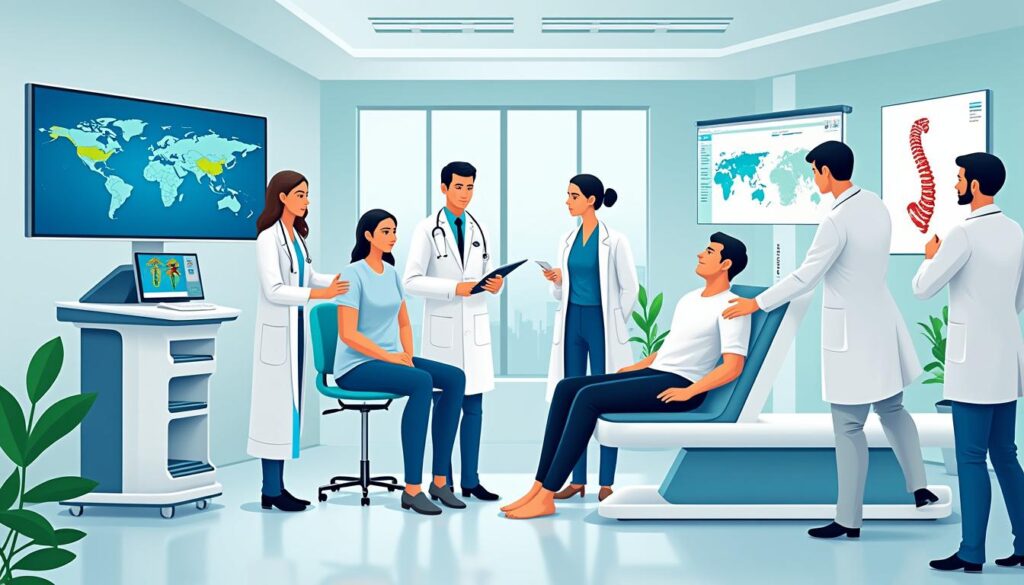
Brossard Neck Herniation Recovery Without Invasive Procedures
In the vibrant community of Brossard, many individuals grapple with neck herniation, a condition that challenges mobility and daily comfort. As medical advancements accelerate, a growing number of patients are turning toward non-invasive recovery options that prioritize natural healing over…
Prolonged Conservative Care: Evaluating Its Benefits and Limitations in Candiac Sciatica Patients
For many individuals, conservative care is the first recommended pathway, offering a spectrum of non-invasive interventions like physical therapy, pain management, and lifestyle modifications. Such treatments often successfully alleviate symptoms and improve function. Nevertheless, a subset of patients experiences persistent pain after six months or more, revealing the limitations of standard conservative protocols.
Prolonged conservative care can sometimes inadvertently extend the suffering period without providing substantial functional improvement, resulting in a decline in both motivation and quality of life. Studies emphasize that blind continuation of conservative management beyond the initial months, without re-assessment, risks missing windows for effective intervention.
Patients in Candiac suffering from chronic nerve pain must understand that while physical therapy plays an invaluable role—focusing on strengthening supportive musculature, improving flexibility, and promoting proper biomechanics—it is not always sufficient in cases of mechanical nerve compression or disc pathology.
Dr. Desforges advocates for a balanced strategy, recommending rigorous periodic evaluations to assess progress and timely consideration of advanced spinal treatment options when conservative care stalls. His expertise integrates emerging technologies such as neurovertebral decompression, which mechanically relieves nerve pressure without surgery, paired with laser therapy to promote tissue healing—a combination showing promising results in complex cases.
In fact, anecdotal evidence from patients in surrounding areas like Laval and Vaudreuil-Dorion reflects hopeful outcomes through these innovative non-invasive techniques, minimizing risks associated with invasive procedures while accelerating nerve pain relief and rehabilitation. These experiences have been documented extensively on reliable patient forums and clinical reviews.
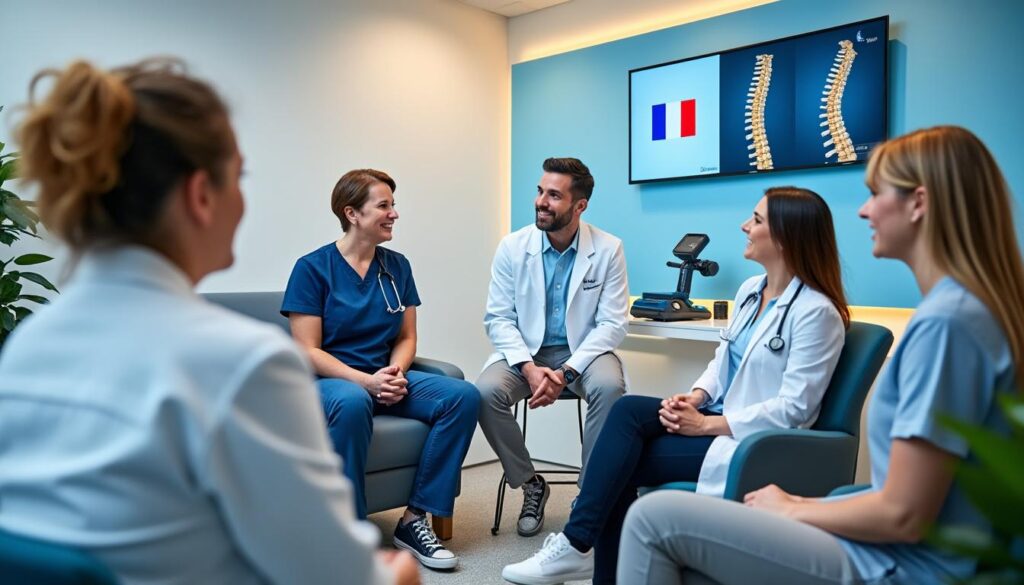
Longueuil Chronic Back Pain Relief That Works
Chronic back pain remains a silent yet powerful force that disrupts the lives of millions, reshaping daily routines and aspirations. In Longueuil, a city bustling with diverse communities from seniors enjoying their golden years to active professionals balancing work and…
When Conservative Treatment Fails: Identifying Candidates for Advanced Spinal Care
Persistence of sciatica symptoms despite well-supervised conservative care warrants careful reconsideration of treatment pathways. Identifying patients who may benefit from advanced spinal therapies is critical in preventing chronic disability.
Certain clinical red flags—significant neurological deficits, progressive muscle weakness, or severe refractory pain—suggest the need for urgent referral and possibly more aggressive interventions. However, not all cases require surgery. Dr. Sylvain Desforges advocates comprehensive re-evaluation with high-resolution imaging and functional assessments to tailor individualized care plans that aim to restore function and reduce nerve inflammation.
The prolonged use of steroid injections, often considered for sciatica management, must also be carefully assessed due to potential side effects and diminishing returns observed in chronic scenarios as outlined in current guidelines, including those reviewed in expert medical articles.
Patients from Candiac can access a spectrum of rehabilitative treatments at TAGMED Clinics, including dynamic spinal implants offering biomechanical support to compromised vertebrae. This cutting-edge technology, coupled with Dr. Desforges’ osteopathic techniques, exemplifies an integrative approach that balances innovation with patient safety and evidence-based practice.
Detailed evaluations consider patient lifestyle, psychosocial factors, and treatment history, ensuring that decisions align with each individual’s unique context. This ensures a comprehensive roadmap for recovery, elevating care beyond symptom suppression.
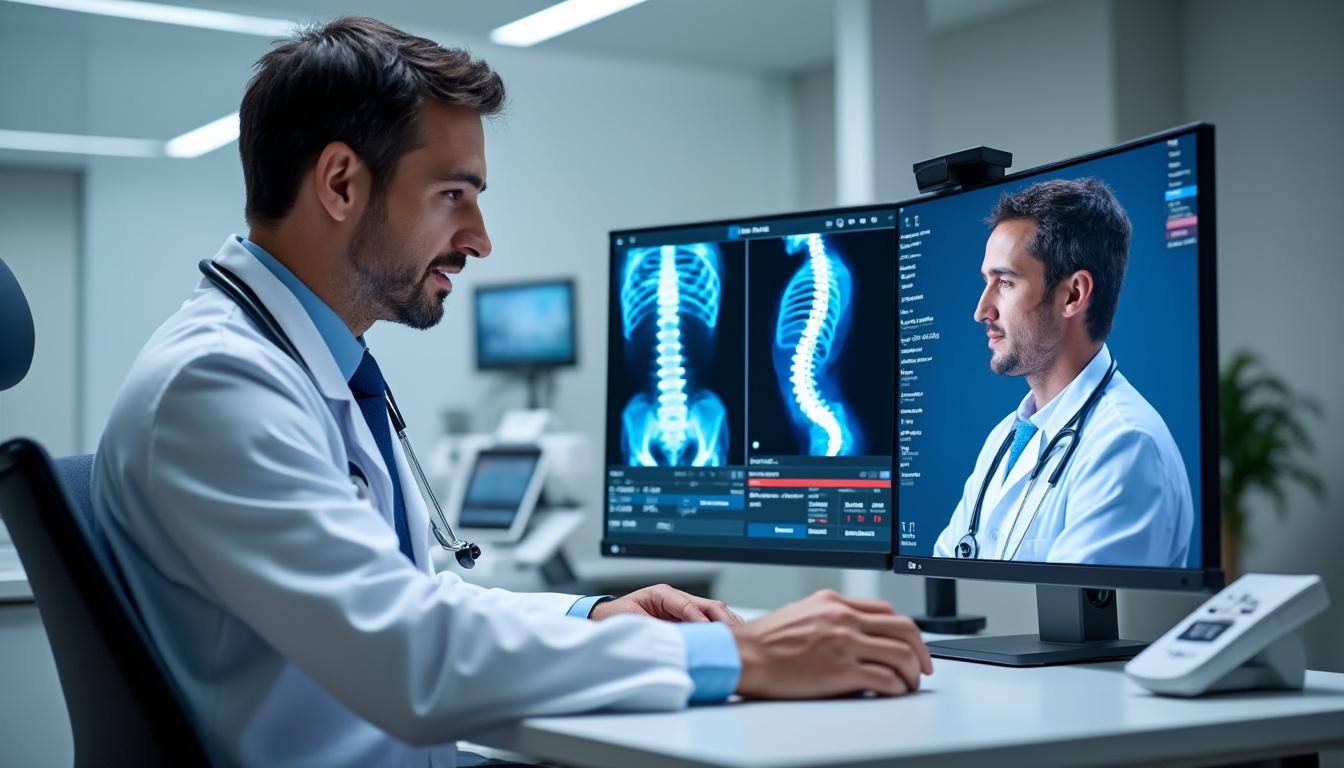
Terrebonne Lumbar Disc Care After Sports Injury
In the dynamic world of sports, injuries affecting the lumbar spine are a common yet serious concern for athletes and active individuals in Terrebonne. Among these, lumbar disc injuries—especially herniated discs—pose significant challenges to recovery and ongoing spinal health. Careful…
International Collaboration in Sciatica Recovery Management: Enhancing Patient Outcomes through Transatlantic Partnerships
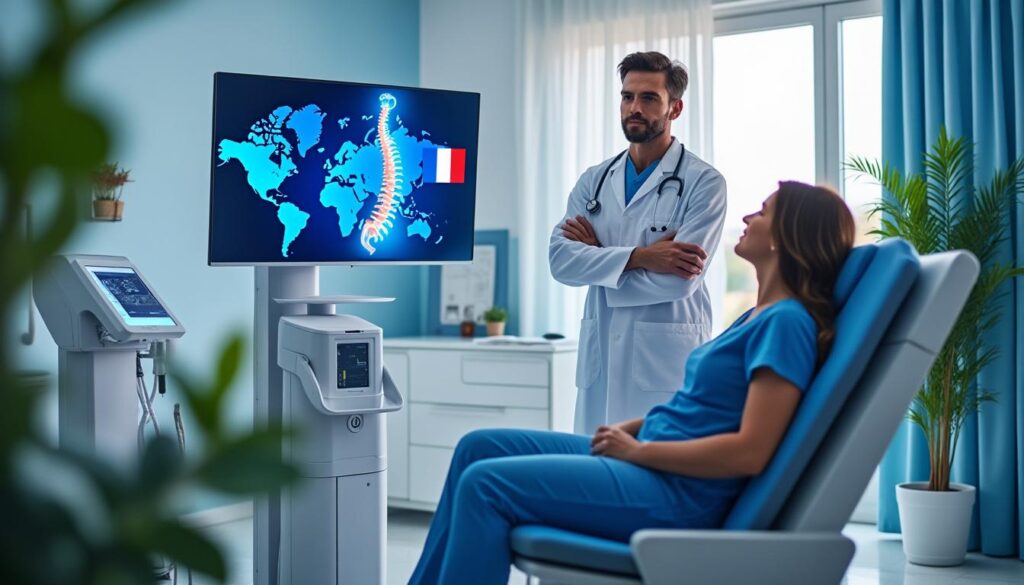
In an increasingly connected medical ecosystem, collaboration between spine care experts in Canada and France has expanded the horizons of sciatica management. Dr. Desforges plays a pivotal role coordinating this transatlantic patient journey to facilitate access to advanced surgical and non-surgical techniques unavailable or limited in North America.
This international cooperation leverages shared expertise, innovative technologies, and carefully orchestrated timelines to optimize clinical outcomes. Through partnerships with renowned French spine surgeons and medical tourism platforms such as SOS Tourisme Médical, patients benefit from streamlined referrals, transparent care pathways, and tailored rehabilitation programs aligned with global best practices.
Patients from Candiac considering international options receive thorough guidance to navigate the complexities of medical travel, including pre- and post-operative care coordination. Dr. Desforges’ commitment to patient safety and ethical standards ensures that adherence to Canadian regulations complements collaborative efforts, mitigating risks and enhancing continuity of care.
This alliance extends to education as well, offering bilingual resources and accessible medical explanations, empowering patients to actively participate in decisions impacting their recovery. The integration of telehealth evaluations enhances convenience and responsiveness, crucial for chronic pain management where timely adjustments are essential.
Laval Chronic Disc Pain Prevention Strategies
Chronic disc pain remains a significant challenge for many individuals residing in Laval, impacting daily functioning and quality of life. With the prevalence of sedentary lifestyles, aging populations, and repetitive strain injuries, understanding prevention strategies tailored to this unique urban…
Innovative Technologies Revolutionizing Sciatica Recovery after Failed Conservative Care
Scientific rigor and a quest for innovation underpin Dr. Desforges’ approach to advanced sciatica recovery. Technologies such as neurovertebral decompression devices create controlled spinal distraction, reducing nerve root compression with precision and reproducibility. Laser therapy complements this by stimulating tissue repair at the microcellular level.
Dynamic spinal implants, uncommon in many Canadian practices, restore biomechanical integrity to deteriorated spinal segments and pave the way for sustained functional improvements. Coupled with precision osteopathic manipulations, these technologies provide comprehensive care aimed not only at symptom relief but also at correcting underlying causes.
This philosophy prioritizes patient-specific treatment modalities, eschewing one-size-fits-all models. Dr. Desforges’ extensive clinical experience ensures that each patient’s spinal condition, symptomatology, and lifestyle preferences harmonize with therapeutic choices. This personalization fosters better adherence and outcomes.
Supporting this innovation-driven care model, TAGMED Clinics maintain strict adherence to Quebec’s medical guidelines, ensuring that every modality employed meets regulatory standards and ethical considerations. Education remains a key pillar, with patients thoroughly informed about indications, expected benefits, and limitations, fostering trust and active collaboration.

Montreal Neck Herniation Relief Without Hospitalization
In the bustling city of Montreal, where innovation meets compassionate healthcare, the landscape of neck herniation treatment is evolving rapidly. Patients experiencing neck herniation often grapple with chronic pain, mobility limitations, and concerns about invasive procedures. Fortunately, the advancement of…
Multidisciplinary Rehabilitation Approaches and Physical Therapy in Candiac for Lasting Sciatica Relief
Successful recovery from sciatica, especially after failed conservative care, depends heavily on comprehensive rehabilitation. Patients in Candiac benefit from integrative physical therapy programs designed to restore mobility, reduce nerve irritation, and reinforce spinal stability.
These programs combine manual therapy, targeted exercises, pain management strategies, and neuro-muscular re-education. Under Dr. Desforges’ leadership, physical therapists coordinate care synchronized with other treatments, such as neurovertebral decompression or laser sessions, creating a synergistic effect.
Personalized rehabilitation plans also address postural correction, ergonomic education, and lifestyle adaptations. This holistic scope mitigates recurrence risks, supports pain management, and promotes sustainable recovery trajectories.
Case studies reveal significant improvement in patients managed with such interdisciplinary care protocols. Patients report not only reduction in nerve pain but also regained confidence in day-to-day activities and long-term wellness.
- Targeted flexibility and strengthening exercises
- Manual osteopathic techniques for spinal alignment
- Education on ergonomics and injury prevention
- Regular functional assessments to adapt therapy
- Integration of pain relief modalities such as laser therapy
These comprehensive rehabilitation programs highlight the importance of personalized, scientifically guided approaches that consider the entirety of patient needs beyond mere symptom palliation.
La Prairie Lower Back Disc Injury Managed Without Surgery
Lower back injuries involving spinal discs represent a significant health challenge affecting individuals across a broad range of ages and lifestyles. Addressing these injuries without immediate recourse to surgery has become an increasingly preferred approach, driven by advances in non-invasive…
Guiding Patients Through Recovery: Emphasizing Education and Personalized Care
Each patient’s spinal health journey is unique, a principle deeply ingrained in Dr. Desforges’ practice philosophy. Clear, accessible education empowers patients to understand their condition, treatment options, and expected outcomes.
Patients from Candiac and surrounding communities gain from detailed consultations explaining sciatica pathophysiology, the nuances of conservative versus advanced care, and tailored rehabilitation. These explanations avoid unnecessary jargon, making medical knowledge approachable and actionable.
Explaining the limitations of prolonged conservative care and the potential benefits of innovative therapies enables patients to make informed decisions confidently. This aspect is vital for adherence and motivation during lengthy recovery processes.
Dr. Desforges ensures that psychological support supplements physical treatment, validating patient concerns and emphasizing a supportive therapeutic alliance. Such an empathetic environment fosters resilience and sustained engagement.
To initiate personalized evaluations or discuss options, patients are encouraged to reach out directly through platforms like SOS Herniated Disc or TAGMED Clinics, where expert teams are ready to guide each individual’s recovery journey with compassion and expertise.
Mirabel Chronic Neck Pain Solutions from TAGMED
Chronic neck pain represents a widespread and debilitating health challenge that affects countless individuals in Mirabel and surrounding regions. This persistent discomfort can significantly hinder daily activities, reduce quality of life, and impose emotional strain on sufferers. Fortunately, advances in…
Key Differences Between Surgical and Non-Surgical Options for Persistent Sciatica
When conservative care does not yield satisfactory improvement, patients often face the difficult decision between non-surgical and surgical pathways. Each choice involves weighing benefits, risks, and long-term recovery prospects.
| Aspect | Non-Surgical Approaches | Surgical Options |
|---|---|---|
| Invasiveness | Non-invasive or minimally invasive procedures like spinal decompression, laser therapy, osteopathic manipulations | Procedures such as microdiscectomy, laminectomy, or spinal fusion |
| Recovery Time | Generally shorter and less disruptive, allowing gradual return to daily activities | Longer recovery, potential hospital stay, and higher risk of complications |
| Risks | Lower risk profile, few side effects, primarily related to therapy tolerance | Risks include infection, nerve damage, anesthesia complications |
| Long-Term Outcomes | Effective for many if carefully applied and combined with rehabilitation | May offer faster relief in specific severe cases but not always superior long-term results |
| Patient Selection | Preferred for patients without severe neurological deficits or spinal instability | Indicated for significant nerve compression, worsening deficits, or failed non-surgical care |
According to expert reviews found in specialized medical resources, these distinctions are crucial in guiding patient-centered decisions and avoiding unnecessary surgery.
Dr. Desforges ensures that patients receive comprehensive counseling about all possible pathways, supporting their choice with clinical data and empathetic insight, underscoring that the ultimate goal is restoring quality of life with the safest, most effective methods.
{“@context”:”https://schema.org”,”@type”:”FAQPage”,”mainEntity”:[{“@type”:”Question”,”name”:”What are the most effective initial treatments for sciatica?”,”acceptedAnswer”:{“@type”:”Answer”,”text”:”Initial treatments typically include physical therapy, pain management through medications, and lifestyle modifications aimed at reducing nerve irritation and improving spinal support. Early evaluation and targeted exercises form the cornerstone of successful conservative management.”}},{“@type”:”Question”,”name”:”When should patients consider advanced spinal treatment after conservative care?”,”acceptedAnswer”:{“@type”:”Answer”,”text”:”If sciatica symptoms persist beyond 6 to 12 weeks or worsen despite comprehensive conservative treatments, re-evaluation for advanced therapies such as neurovertebral decompression or specialized rehabilitation is recommended to prevent chronic disability.”}},{“@type”:”Question”,”name”:”Are invasive surgeries always necessary for sciatica recovery?”,”acceptedAnswer”:{“@type”:”Answer”,”text”:”Not necessarily. Many patients respond well to non-surgical interventions, especially when managed by experts skilled in advanced decompression and osteopathic techniques. Surgery is reserved for cases with severe neurological impairment or when non-invasive options fail.”}},{“@type”:”Question”,”name”:”How does international collaboration enhance sciatica treatment for Candiac patients?”,”acceptedAnswer”:{“@type”:”Answer”,”text”:”Transatlantic partnerships enable access to cutting-edge surgical and non-surgical technologies, expert opinion, and personalized care pathways that may not be available locally. This collaborative approach ensures optimal outcomes through coordinated multidisciplinary management.”}},{“@type”:”Question”,”name”:”What role does patient education play in sciatica recovery?”,”acceptedAnswer”:{“@type”:”Answer”,”text”:”Education helps patients understand their condition, treatment options, and realistic expectations, empowering them to engage fully in their recovery journey. Clear communication fosters adherence to therapeutic plans and improves overall satisfaction with care.”}}]}What are the most effective initial treatments for sciatica?
Initial treatments typically include physical therapy, pain management through medications, and lifestyle modifications aimed at reducing nerve irritation and improving spinal support. Early evaluation and targeted exercises form the cornerstone of successful conservative management.
When should patients consider advanced spinal treatment after conservative care?
If sciatica symptoms persist beyond 6 to 12 weeks or worsen despite comprehensive conservative treatments, re-evaluation for advanced therapies such as neurovertebral decompression or specialized rehabilitation is recommended to prevent chronic disability.
Are invasive surgeries always necessary for sciatica recovery?
Not necessarily. Many patients respond well to non-surgical interventions, especially when managed by experts skilled in advanced decompression and osteopathic techniques. Surgery is reserved for cases with severe neurological impairment or when non-invasive options fail.
How does international collaboration enhance sciatica treatment for Candiac patients?
Transatlantic partnerships enable access to cutting-edge surgical and non-surgical technologies, expert opinion, and personalized care pathways that may not be available locally. This collaborative approach ensures optimal outcomes through coordinated multidisciplinary management.
What role does patient education play in sciatica recovery?
Education helps patients understand their condition, treatment options, and realistic expectations, empowering them to engage fully in their recovery journey. Clear communication fosters adherence to therapeutic plans and improves overall satisfaction with care.
Vaudreuil-Dorion Lumbar Disc Bulge Recovery for Athletes
The sports community in Vaudreuil-Dorion faces a distinct challenge when it comes to lumbar disc bulges—a condition that can quickly derail an athlete’s career and quality of life if not addressed properly. This spinal concern is particularly common among athletes…