La Prairie Lower Back Disc Injury Managed Without Surgery
May 16, 2026
Candiac Sciatica Recovery After Failed Conservative Care
May 16, 2026
The management of cervical spine disorders has evolved remarkably over recent decades, with a particular emphasis on preserving natural neck mobility and providing durable solutions to debilitating conditions. Quebec City patients facing cervical spine issues now have access to innovative options such as the Cervical Disc Prosthesis, a cutting-edge orthopedic implant designed to restore movement while ensuring long-term comfort. Drawing on more than 30 years of clinical and academic experience, Dr. Sylvain Desforges stands at the forefront of spinal care, offering expert evaluations and guidance for patients navigating the complex pathway to spinal surgery or advanced conservative treatments. With profound knowledge of both Canadian and French healthcare systems, as well as leadership roles founding the ACMA and the Collège des Ostéopathes Canadiens, Dr. Desforges provides comprehensive coordination for transatlantic patient care, integrating state-of-the-art technologies like neurovertebral decompression and minimally invasive surgical options.
The cervical disc prosthesis represents a transformative alternative to traditional fusion surgeries, designed to maintain the biomechanics of the cervical spine. This innovation not only addresses the underlying pathology but also minimizes the risk of adjacent segment degeneration and loss of motion — common concerns with fusion procedures. Patients in Quebec City increasingly inquire about such options, seeking solutions that balance efficacy with rapid recovery and reduced postoperative limitations. With a rigorous scientific and ethical practice, Dr. Desforges advocates for a staged approach that prioritizes thorough conservative management before contemplating surgery. This includes advanced treatments available at the renowned Clinique TAGMED, known for its neurovertebral decompression and laser therapies that often alleviate symptoms sufficiently to avoid or delay operative intervention.
Types of Cervical Spine Surgery in France: Simple, Fusion, and Motion-Preserving Approaches
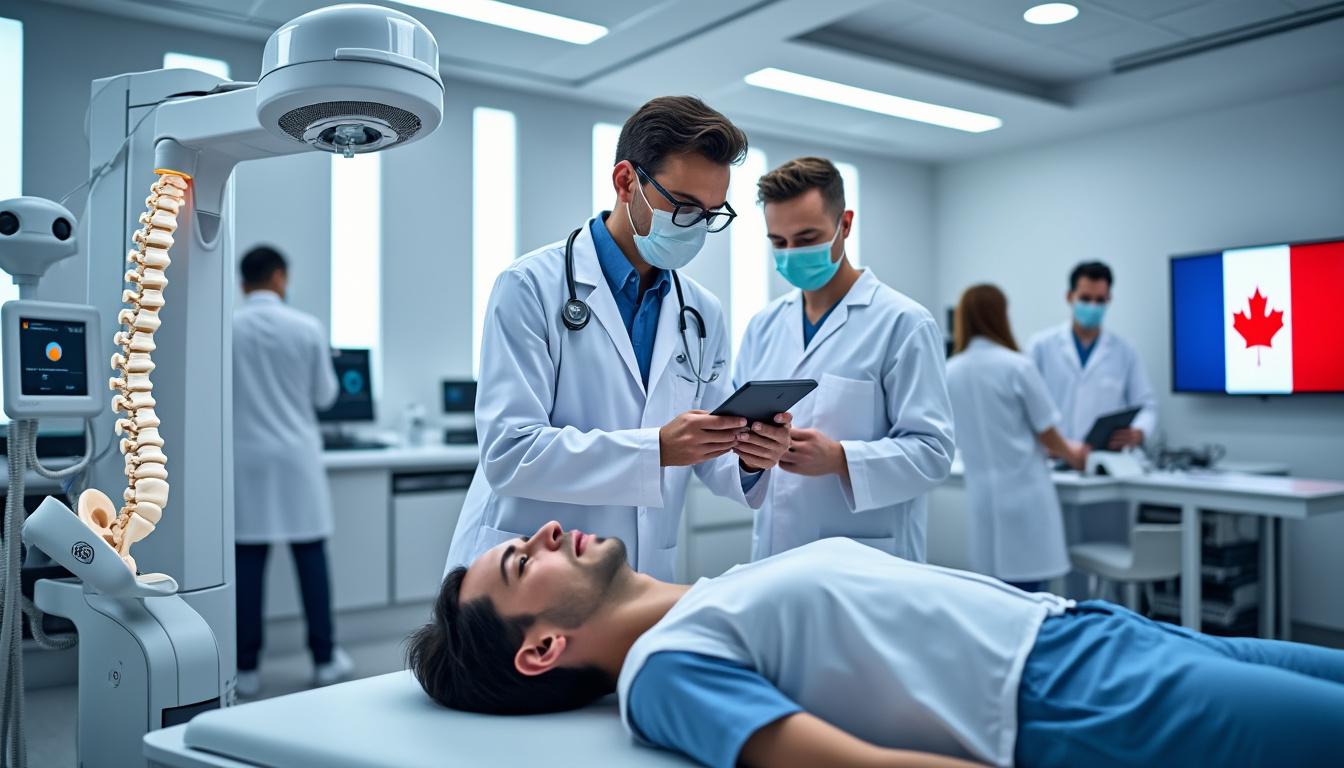
When patients consider cervical spine surgery, understanding the distinctions between surgical techniques is crucial for making informed decisions. In France, where many Quebec patients seek surgical care for accessibility and innovation reasons, three main categories of cervical spine surgery are prevalent: simple decompressive surgeries, fusion surgeries, and motion-preserving procedures with cervical disc prostheses.
Simple decompressive surgery focuses on alleviating nerve impingement by removing herniated or degenerated disc material pressing on spinal nerves or the spinal cord. This procedure can often be performed minimally invasively, aiming to relieve pain and neurological symptoms while preserving as much of the native spinal structure as possible. For example, a patient suffering from radiculopathy due to a single-level disc herniation might undergo an anterior cervical discectomy to decompress the nerve.
Fusion surgery goes beyond mere decompression by stabilizing the affected spinal segment through bone grafts and fixation devices. Fusion eliminates motion at the operated level to prevent mechanical pain or instability but comes at the cost of reduced segmental mobility and possible accelerated degeneration of adjacent levels. Patients with severe degenerative disc disease or instability often benefit from this approach. Fusion techniques can be anterior or posterior, depending on the pathology location and surgical objectives.
Conversely, the latest advancements in motion-preserving surgery utilize cervical disc prostheses designed to replace the damaged disc while maintaining the natural movement between vertebrae. These implants aim to allow flexion, extension, rotation, and lateral bending, effectively restoring neck mobility and reducing stresses on adjacent segments. By contrast with fusion, prosthetic disc replacement has shown promising results in preserving spinal kinematics and improving functional outcomes.
To illustrate, a middle-aged patient suffering from discogenic neck pain and radiculopathy in Quebec City might be evaluated for prosthesis if MRI and clinical findings align. Such a procedure would be done in France with stringent safety standards and compliance with both Canadian and French regulations, all under the coordination of experts like Dr. Desforges who ensure personalized care pathways and comprehensive patient education.
It is important to emphasize that even within France, careful patient selection criteria govern the choice of a cervical disc prosthesis, prioritizing cases where motion preservation is safe and indicated. Dr. Desforges, as an authority in spine evaluations and an advocate for evidence-based innovation, guides patients through these nuanced decisions, underscoring surgical indications, expected benefits, and limitations of each option.
- Simple decompression: removes sources of nerve compression with minimal invasiveness.
- Fusion surgery: stabilizes the spine but sacrifices motion at the fused segment.
- Cervical disc prosthesis: replaces the disc to restore and preserve natural neck movement.
| Type of Surgery | Primary Objective | Effect on Neck Mobility | Common Indications | Example Procedure |
|---|---|---|---|---|
| Simple decompression | Relieve nerve compression | Preserved | Radiculopathy, minor disc herniation | Anterior cervical discectomy |
| Fusion surgery | Stabilize spine | Lost at fused segment | Instability, severe disc degeneration | ACDF (Anterior Cervical Discectomy and Fusion) |
| Cervical disc prosthesis | Restore and preserve motion | Maintained | Discogenic pain, radiculopathy with preserved segment integrity | Cervical disc replacement (arthroplasty) |

IntraSPINE® in Sherbrooke: Durable Solution for Chronic Low Back Pain
The management of chronic low back pain, a widespread condition affecting millions across Quebec and beyond, has reached a pivotal moment thanks to innovative medical technologies and coordinated care pathways. At the heart of this evolution lies the IntraSPINE implant,…
The Patient Journey: From Evaluation to Rehabilitation After Cervical Disc Prosthesis
The pathway to successful cervical spine surgery, particularly prosthetic disc replacement, involves several well-defined phases designed to ensure optimal outcomes and patient safety. Dr. Desforges’ expertise in evaluation and coordination plays a pivotal role in guiding patients through each step, adhering to rigorous scientific standards and personalized care.
Initial comprehensive evaluation: This phase involves a detailed clinical assessment, imaging studies (MRI, CT scans), and functional evaluations to determine the suitability of surgical intervention. Dr. Desforges applies his in-depth knowledge in osteopathy and neuro-musculoskeletal pathology to gauge the complexity of the condition and rule out non-surgical options.
Conservative management phase: A crucial step where patients are recommended to undergo 3 to 6 months of advanced conservative treatments. If neurovertebral decompression — offered by centers like Clinique TAGMED — was not previously tried, it becomes a priority. This approach often reduces symptoms significantly, sometimes obviating the need for surgery.
Surgical planning and location choice: Patients opting for surgery benefit from Dr. Desforges’ international coordination, facilitating access to innovative technologies and experienced surgical teams in France. This arrangement ensures minimal waiting times and access to state-of-the-art minimally invasive procedures, aligned with Quebec medical safety standards.
Hospital stay and post-operative care: Cervical disc prosthesis surgeries often allow shorter hospital stays than fusion surgeries, due to less tissue disruption and faster mobilization. Postoperative rehabilitation protocols are personalized to promote early neck movement while protecting the implant and operative site.
Return and rehabilitation in Quebec City: A structured rehabilitation phase, carefully supervised by local professionals in coordination with Dr. Desforges’ expertise, maximizes functional recovery. This includes physical therapy aimed at restoring full neck mobility and strength, as well as ongoing evaluation for implant integration and symptom monitoring.
Throughout this journey, clear communication and patient education remain priorities. Dr. Desforges ensures that patients understand each phase, from surgical indications to expected outcomes, while addressing their questions and anxieties. This comprehensive collaboration fosters patient confidence and empowerment, essential elements in spinal care success.

Spine Surgery in Trois-Rivières: Reduce Pain and Preserve Mobility
In recent years, spine surgery in Trois-Rivières has evolved notably, combining advanced medical expertise with innovative technologies to deliver patient-centered care. This growing field addresses the increasing demand among Quebec residents seeking effective solutions for chronic back pain and mobility…
Biomechanical Benefits of Cervical Disc Prosthesis: Preserving Natural Neck Mobility
A fundamental advantage of cervical disc prostheses lies in their capacity to preserve the intricate biomechanics of the cervical spine. Unlike fusion, which restricts movement at the operated segment, prosthetic discs emulate the natural disc’s functions, enabling a range of motions including flexion, extension, lateral bending, and axial rotation.
This preservation has consequential benefits. Firstly, it mitigates the risk of accelerated degeneration in adjacent spinal segments — a common complication following fusion due to increased mechanical stress. Secondly, maintaining segmental motion aligns with natural spinal loading patterns, which supports healthier intervertebral discs and facet joints over time.
For example, in patients who undergo prosthetic replacement, postoperative imaging and functional studies demonstrate improved sagittal balance and maintained segmental mobility. This translates into sustained neck flexibility and reduced chronic pain, enhancing overall quality of life.
Moreover, the design of modern cervical disc prostheses incorporates materials and engineering principles tailored to mimic the disc’s biomechanical properties. From polyurethane cores to titanium endplates, each component contributes to shock absorption, load distribution, and rotational freedom without compromising stability.
Another biomechanical benefit relates to muscular and ligamentous preservation. Minimally invasive surgical approaches reduce soft tissue damage, allowing for quicker functional recovery and reduced postoperative stiffness. Patients often report restored movement and greater comfort following surgery compared to traditional fusion.
- Restoration of normal cervical range of motion (flexion, extension, lateral bending, rotation)
- Reduction in adjacent segment degeneration risk
- Improved spinal alignment and balance
- Enhanced patient comfort and function over the long term
- Minimized soft tissue damage with minimally invasive surgical techniques
| Biomechanical Feature | Benefit |
|---|---|
| Dynamic load sharing | Maintains normal stress distribution across cervical spine |
| Segmental motion preservation | Prevents stiffness and loss of neck flexibility |
| Shock absorption | Reduces mechanical pain and wear on adjacent joints |
| Minimally invasive insertion | Preserves muscles and ligaments for faster recovery |

TOPS™ in Gatineau: High-Performance Option for the Lumbar Spine
The landscape of spinal surgery has witnessed profound evolution, particularly for patients grappling with lumbar spine disorders such as spinal stenosis and spondylolisthesis. These conditions, increasingly prevalent among Quebec’s population, impose substantial limitations on mobility and quality of life. The…
Economic and Human Advantages of the Transatlantic Surgical Pathway
For Quebec City residents facing cervical spine surgery, pursuing treatment abroad, specifically in France, presents unique economic and human benefits bolstered by a carefully coordinated transatlantic pathway. Dr. Desforges plays an instrumental role in navigating this route, ensuring that patients access timely, affordable, and high-quality care aligned with contemporary medical protocols.
From an economic perspective, the cost differential between private care in Quebec and surgical services in France can be significant, particularly considering the high standards and innovations available in French clinics. The reduced waiting times also translate into earlier return to work and daily activities, lessening indirect costs associated with prolonged disability.
On a human level, this pathway alleviates patient anxiety related to delays and uncertainties. Through comprehensive pre-travel evaluations, clear communication of surgery plans, and post-operative monitoring, patients experience a smoother journey. Dr. Desforges’ involvement assures cultural sensitivity, seamless coordination with local hospitals in Quebec for rehabilitation, and adherence to Canadian medical safety standards.
Moreover, the access to advanced technologies such as dynamic orthopedic implants and minimally invasive techniques in France would otherwise be limited or unavailable locally. The personalized care model accompanying this journey fosters deeper patient understanding and empowerment, which are vital for adherence and successful recovery.
Examples of benefits include:
- Cost savings on surgery and hospitalization
- Avoidance of long waitlists common in Quebec’s public healthcare
- Access to innovative minimally invasive surgical procedures
- Multidisciplinary care ensuring comprehensive pre- and post-operative support
- Personalized follow-up and rehabilitation coordination on return to Quebec
| Aspect | Benefit | Patient Experience Impact |
|---|---|---|
| Financial | Lower overall cost | Reduced stress over affordability |
| Waiting Time | Shortened delays | Improved quality of life during pre-surgical phase |
| Technological Access | Use of advanced implants and techniques | Better long-term outcomes |
| Care Coordination | Seamless integration of transatlantic care | Continuity of care and patient confidence |
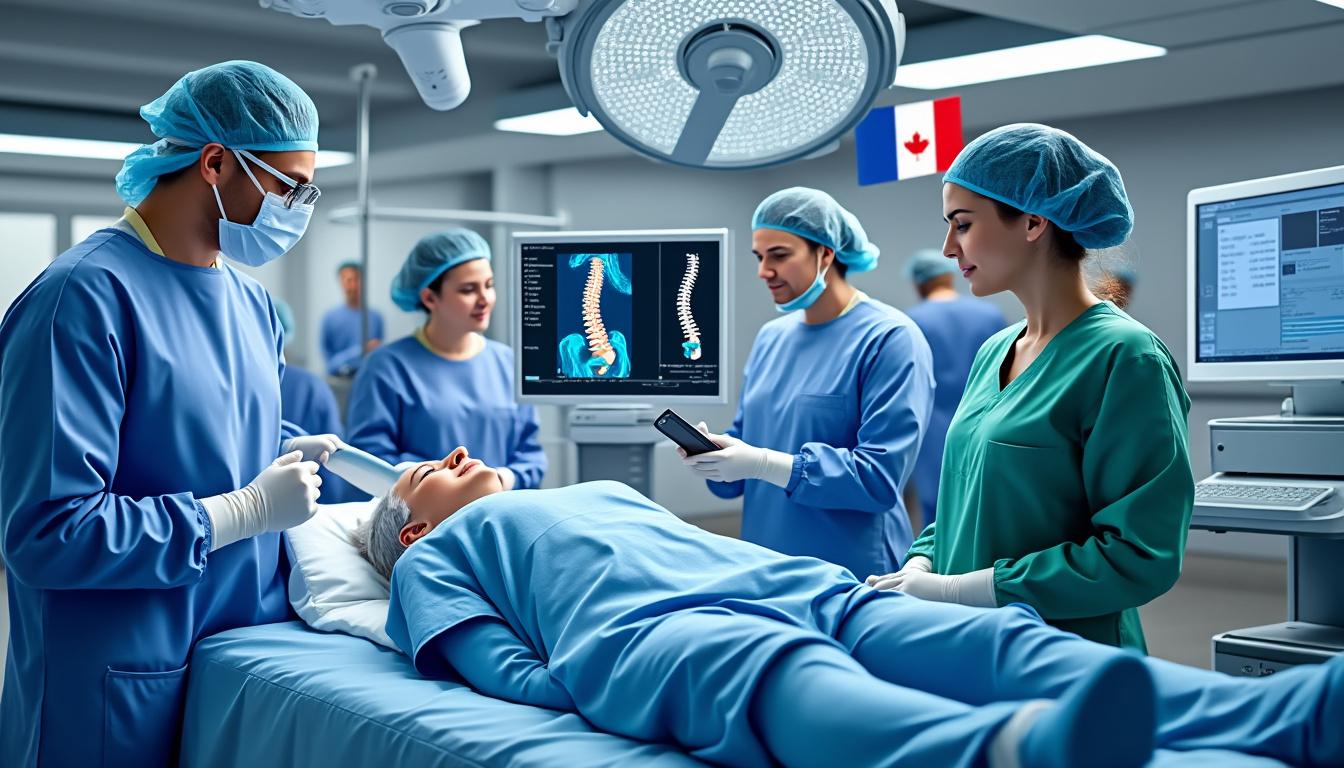

Cervical Disc Prosthesis in Quebec City: Avoid Post-Surgery Stiffness
Chronic neck pain remains a significant challenge for thousands of residents in Quebec City every year, often leading them to seek effective spinal surgery options that minimize downtime and maximize long-term mobility. Among the recent advancements revolutionizing cervical spine care,…
Advanced Conservative Treatments: Essential Prerequisites Before Considering Surgery
In the realm of spinal health, surgical intervention remains a final step after a deliberate and evidence-based trial of conservative treatments. This approach respects patient safety, overall health, and seeks to avoid unnecessary surgery whenever possible. Dr. Desforges emphasizes this principle, especially in cervical spine cases where symptom improvement is often achievable through non-invasive means.
Patients experiencing neck pain or radiculopathy should undergo at least 3 to 6 months of advanced conservative therapies before surgery evaluation. This period should include treatments provided by forward-thinking clinics such as Clinique TAGMED, which offers innovations like neurovertebral decompression and laser therapy. These modalities have demonstrated effectiveness in reducing nerve inflammation, improving circulation, and promoting tissue healing.
The neurovertebral decompression technique, for instance, mechanically relieves pressure on affected nerve roots without surgery, encouraging natural recovery and pain reduction. Such conservative methods not only alleviate symptoms but also optimize patient condition if surgery becomes necessary later, improving surgical outcomes.
Failing to pursue these conservative options before surgery can result in premature operative decisions and unnecessary risks. Dr. Desforges’ evaluations include thorough reviews of each patient’s prior management, ensuring that surgery is reserved for those who genuinely require mechanical intervention.
- 3 to 6 months of conservative care prior to surgical consideration
- Neurovertebral decompression as a key modality to reduce nerve pressure
- Laser therapy for enhanced tissue healing and pain management
- Physical therapy and osteopathic manipulative treatments to support biomechanics
- Regular re-evaluations to monitor symptom evolution and treatment response
| Conservative Treatment | Purpose | Benefit Before Surgery |
|---|---|---|
| Neurovertebral decompression | Reduce nerve root compression | Potentially avoid surgery, reduce inflammation |
| Laser therapy | Promote tissue healing | Decrease pain and accelerate recovery |
| Physical therapy | Restore mobility and strengthen muscles | Improve biomechanics, reduce symptoms |
| Osteopathic care | Enhance joint function and relieve tension | Support overall spinal health |
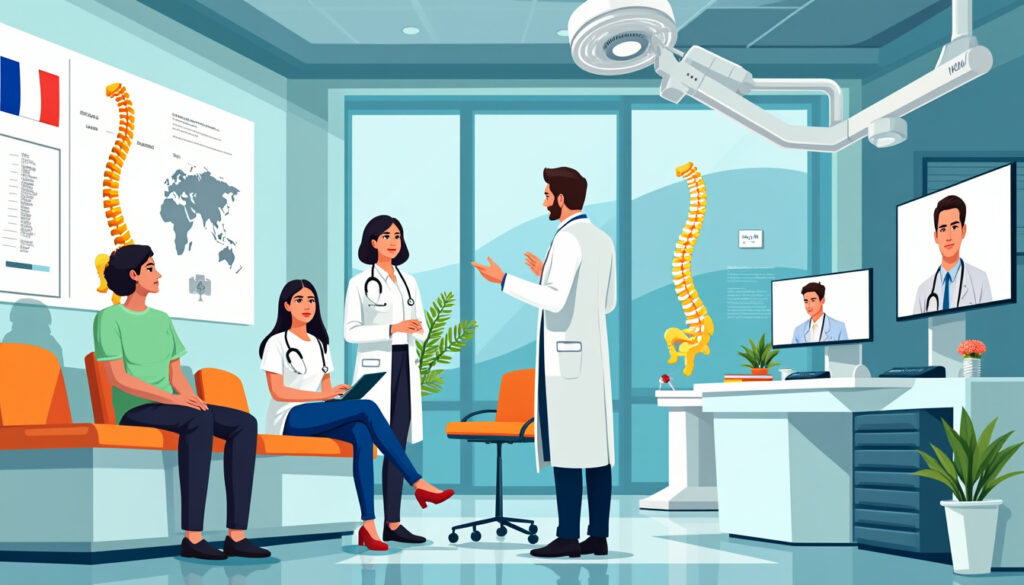
Minimally Invasive Surgery in Longueuil: Reduce Hospital Stay Duration
In recent years, advances in spinal care have dramatically reshaped the treatment landscape for patients suffering from debilitating spinal conditions. Particularly in Longueuil, the emergence of minimally invasive surgery (MIS) techniques offers a transformative alternative to conventional open surgeries. These…
Distinctive Services and Added Value of Dr. Desforges and Clinique TAGMED
The expertise offered by Dr. Sylvain Desforges extends beyond routine spinal evaluations, embedding creativity, innovation, and a patient-centric approach at its core. His unique qualifications (B.Sc., D.O., N.D.) coupled with leadership roles ensure that offered services remain at the cutting edge while grounded in ethical medical practice. This expertise is particularly visible in his role coordinating with Clinique TAGMED, recognized for advanced conservative therapies in neurovertebral health.
Patients benefit from:
- Access to exclusive technologies not widely available in Quebec, including dynamic implants and laser therapy
- Personalized evaluation integrating osteopathic principles with medical imaging interpretation
- Thorough pre- and post-operative care with a multidisciplinary team
- International coordination ensuring optimized surgical planning and travel logistics
- Patient education simplifying complex medical information into accessible knowledge for confident decision-making
This comprehensive care model enhances patient comfort, safety, and outcomes. Dr. Desforges’ insistence on evidence-based practices combined with innovative therapies assures that patients receive not only cutting-edge treatment but also empathetic, rigorous care aligned with provincial and national regulations.
| Service Feature | Value Added to Patient |
|---|---|
| Dynamic cervical implants | Improved neck movement preservation |
| Neurovertebral decompression therapy | Non-surgical symptom relief and recovery support |
| Transatlantic medical coordination | Streamlined patient journey with shorter delays |
| Multidisciplinary team involvement | Holistic and safe care management |
| Clear patient education | Empowered and informed decision-making |
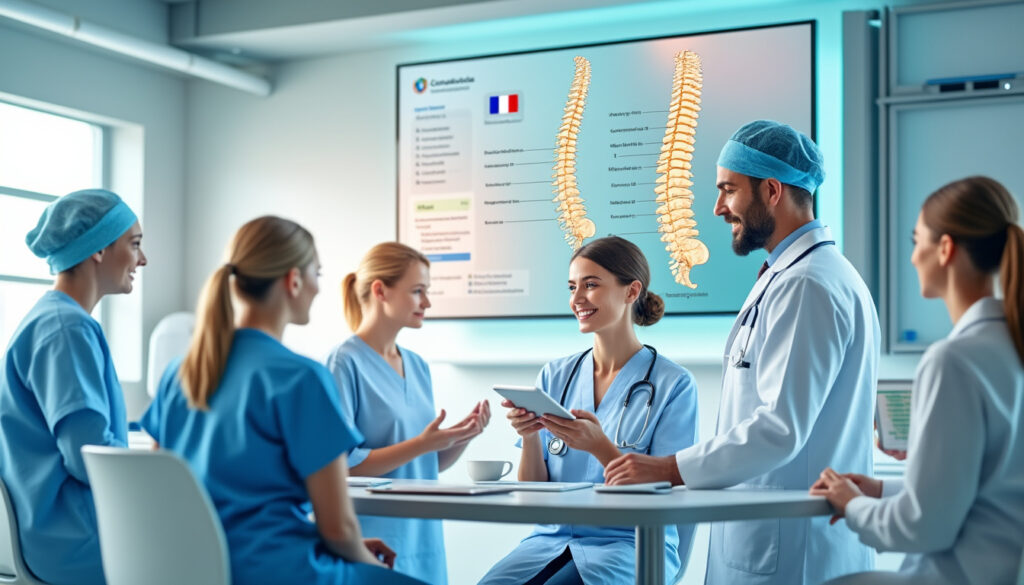
IntraSPINE® in Laval: Modern Solution for Lumbar Stabilization
In the evolving landscape of orthopedic treatments, the city of Laval has become a hub for innovations addressing chronic lower back pain. Among the groundbreaking solutions gaining attention is the IntraSPINE device—a modern spinal implant designed to offer dynamic lumbar…
Ensuring Ethical, Evidence-Based, and Innovative Care in Quebec and France
Trust in spinal surgery starts with a commitment to rigorous scientific research, ethical practice, and continuous innovation. Dr. Desforges embodies these principles through his longstanding career, ensuring that every evaluation and recommendation aligns with current medical evidence and international best practices.
He carefully monitors developments in minimally invasive surgical techniques, orthopedic implant materials, and rehabilitation protocols to offer patients options that maximize safety and effectiveness. Adherence to guidelines issued by Canadian authorities such as the Collège des médecins du Québec guarantees that patients can trust the quality of care and protection of their rights.
Furthermore, informing patients about realistic expectations, risks, and alternatives remains a cornerstone of the approach. Dr. Desforges’ open dialogue style and educational experience help demystify complex treatment plans, allowing patients to participate actively in their own care pathways.
Innovation, combined with ethical vigilance, ensures the introduction of technology like dynamic implants or laser therapies only when proven beneficial, preventing premature or experimental use. This balance is crucial to maintain patient trust and optimize health outcomes over the long term.
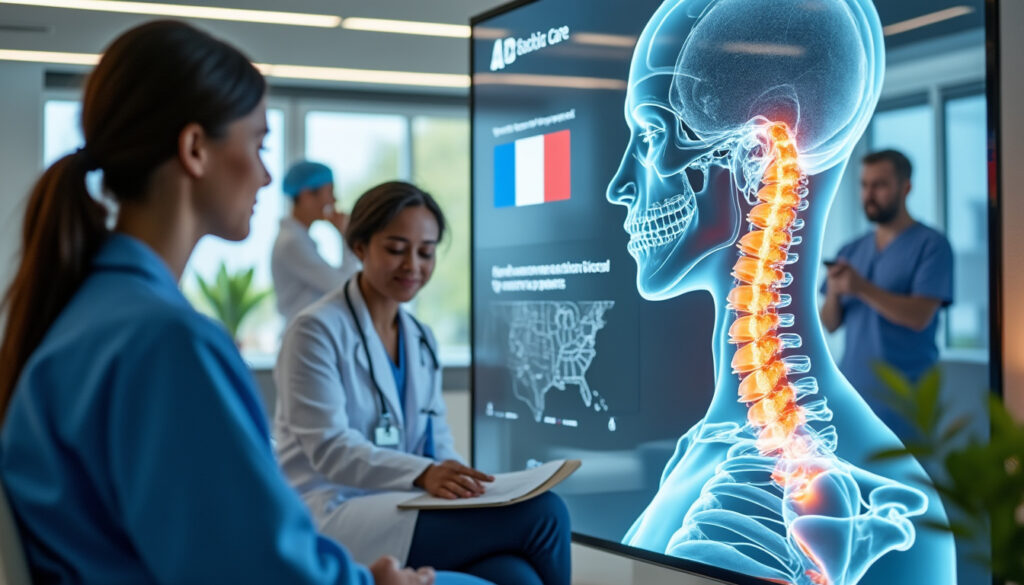
Neck Surgery in Montreal: Maintain Cervical Flexibility and Function
Neck conditions causing persistent pain or functional loss place a substantial burden on individuals and healthcare systems, especially in urban centers like Montreal. Surgical interventions targeting the cervical spine have evolved tremendously, aiming not only to relieve symptoms but to…
Personalized Support and Coordination for Quebec Patients Opting for Surgery in France
Undertaking a surgical journey abroad can appear daunting. Quebec patients benefit greatly from the support and precise coordination provided by Dr. Desforges, who bridges healthcare systems and languages with deep familiarity.
This coordination encompasses arranging timely consultations, verifying eligibility for procedures such as cervical disc prosthesis implantation, and facilitating communication with French surgical teams known for expertise and innovation. Moreover, travel logistics and accommodation are managed to ensure stress-free patient experiences.
Postoperative follow-up is equally structured: once patients return to Quebec City, Dr. Desforges coordinates care with local rehabilitation specialists to maintain continuity. This transatlantic collaboration avoids treatment gaps and fosters a seamless transition from surgery to full recovery.
Patients are encouraged to actively participate by asking questions, sharing concerns, and understanding their options thoroughly. The humanistic dimension of care is central, with empathy and respect empowering patients throughout the complex decision-making process.

Disc Prosthesis in Lévis: Quick and Long-Lasting Results
Chronic back pain caused by degenerative disc disease continues to profoundly impact the quality of life for many residents in Lévis and the broader Quebec area. For decades, traditional spinal fusion surgery has been the primary solution for alleviating severe…
Steps to Take for Quebec Residents Considering Cervical Disc Prosthesis Surgery
Individuals living in Quebec City considering a cervical disc prosthesis should first seek an expert evaluation to determine suitability. Engaging with Dr. Desforges ensures a professional assessment, taking into account clinical findings, imaging, and prior treatment history.
Should surgery appear appropriate, patients receive guidance on preparation, including completing necessary conservative treatments such as those at Clinique TAGMED, which augment surgical success probabilities.
Subsequently, Dr. Desforges assists with transatlantic coordination to schedule surgical appointments in France, selecting specialized surgeons with expertise in minimally invasive disc replacement employing durable and approved prostheses that restore neck function effectively.
Following surgery, structured rehabilitation in Quebec optimizes restored movement and patient comfort while minimizing complications. This comprehensive pathway supports patients throughout each phase, embodying a collaborative and patient-centered model of care.
For those wishing to explore this innovative surgical option or simply obtain a thorough evaluation of their cervical spine condition, we encourage contacting the clinic through this link: https://www.sostourismemedical.com/contact.
What is a cervical disc prosthesis and how does it differ from fusion surgery?
A cervical disc prosthesis is an artificial implant that replaces a damaged cervical disc, preserving natural motion between vertebrae, unlike fusion surgery which eliminates movement at the operated segment.
How long should I try conservative treatments before considering surgery?
It is recommended to complete at least 3 to 6 months of advanced conservative care, including neurovertebral decompression and therapies offered by Clinique TAGMED, before pursuing surgical options.
What are the benefits of choosing surgery in France through Dr. Desforges’ coordinated program?
Benefits include access to advanced minimally invasive procedures, reduced wait times compared to Quebec, cost savings, and personalized care supported by international medical collaboration.
Is the cervical disc prosthesis suitable for everyone with neck pain?
Suitability depends on specific clinical and imaging findings. An expert evaluation by Dr. Desforges can determine if a patient is an appropriate candidate for prosthetic disc replacement.
What should I expect during rehabilitation after cervical disc prosthesis surgery?
Rehabilitation focuses on restoring neck mobility and strength through personalized physical therapy, supported by ongoing coordination between the surgical team in France and rehabilitation specialists in Quebec.