
Medical Guidance from Quebec: Central to the Patient Care Journey
June 11, 2026
Saint-Eustache Lumbar Disc Rehabilitation After Injury
June 11, 2026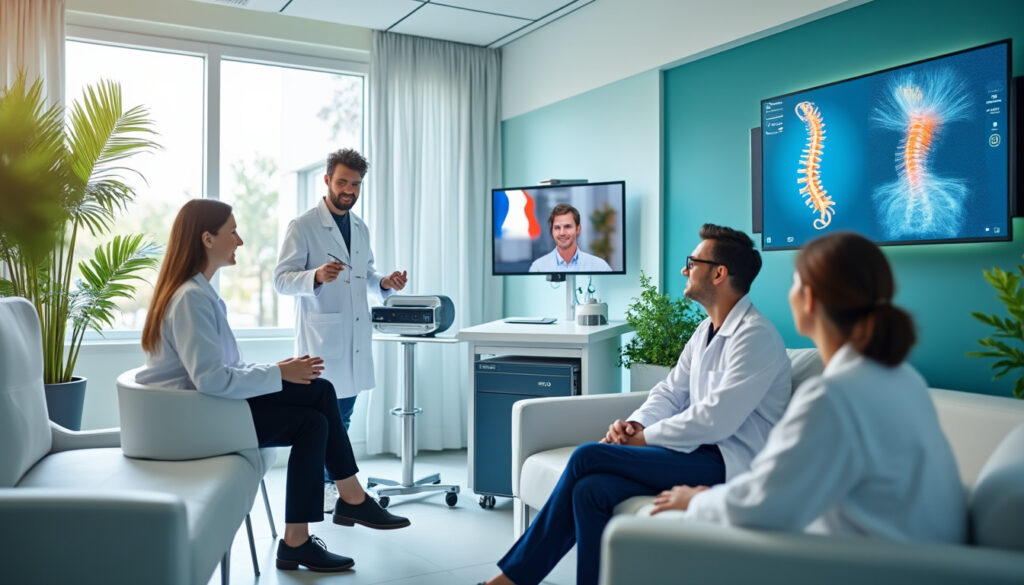
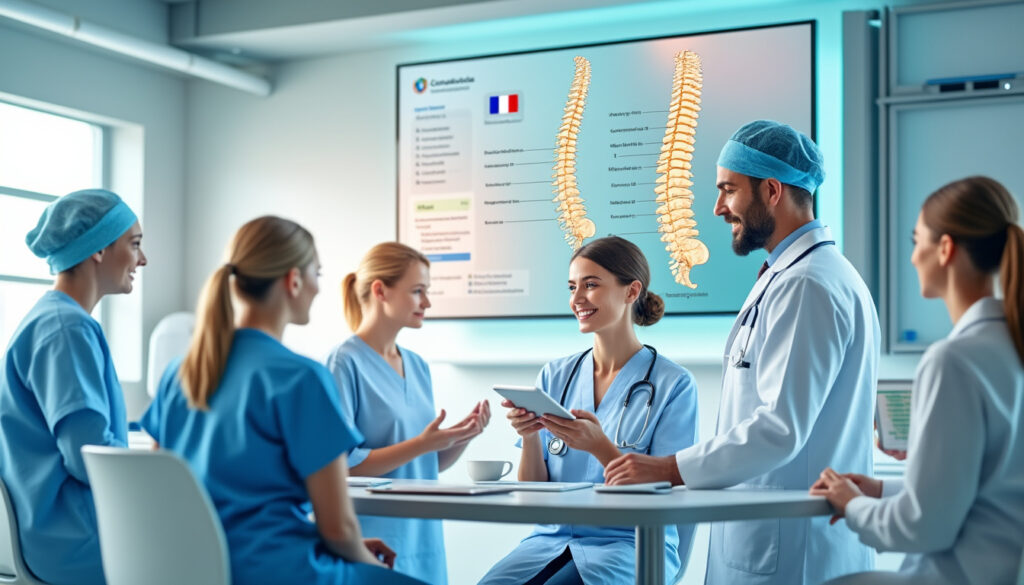
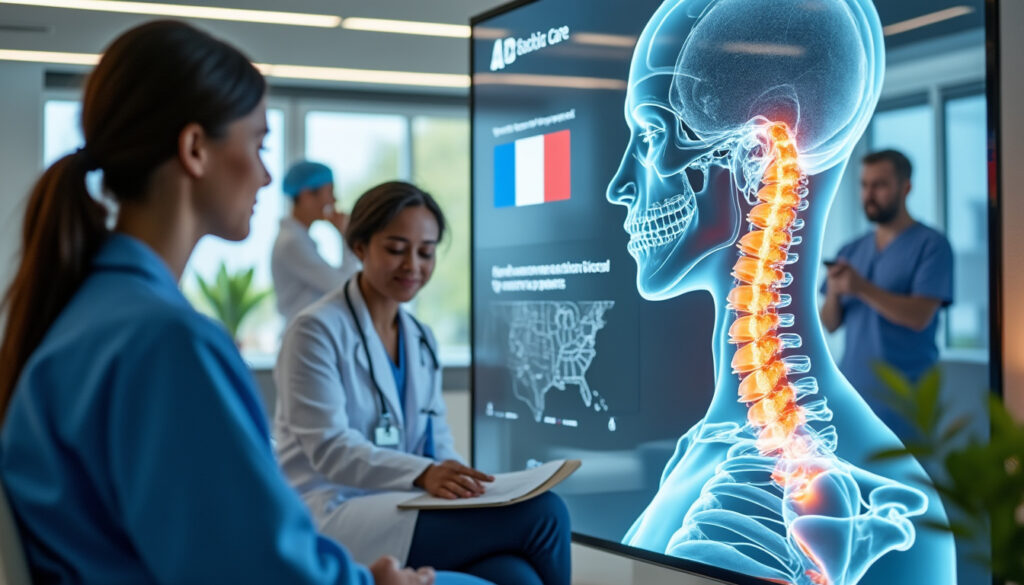
The rise in cervical spine disorders in Quebec City has catalyzed remarkable progress in surgical treatment methods. Patients today seek not only effective relief from persistent neck pain but also solutions that preserve the natural mobility crucial for daily activities and overall well-being. The emergence of cervical disc prosthesis technology represents a paradigm shift in spinal surgery, offering an innovative alternative to traditional fusion techniques that often limit movement and alter spinal biomechanics. Dr. Sylvain Desforges, a pioneer with over 30 years of dedicated experience in spinal evaluation and care coordination, plays a vital role in bridging advanced technologies and international expertise, ensuring that patients access the most effective and personalized treatments available. This article explores the cutting-edge cervical disc prosthesis options in Quebec City, detailing the surgical process from comprehensive assessment through rehabilitation, and highlights the distinct advantages of these durable, approved medical devices designed to restore and maintain neck mobility over time.
Cervical spine health remains a critical factor affecting quality of life for many individuals in Quebec. Chronic neck pain, nerve compression, and mobility limitations can significantly disrupt daily routines. Modern advancements in spinal surgery now allow for treatments that not only address pain but prioritize the preservation of spinal mechanics. This focus on motion preservation creates opportunities for patients to regain function and reduce the long-term complications often associated with earlier surgical methods. Through transatlantic medical coordination between Quebec and France, Dr. Desforges facilitates access to innovative technologies that enhance patient outcomes and satisfaction. This comprehensive approach reflects a commitment to ethical, evidence-based practice and empathetic patient care, embodying a new era in cervical spine treatment within the region.
Understanding Cervical Disc Prosthesis Technologies: Innovations in Quebec City
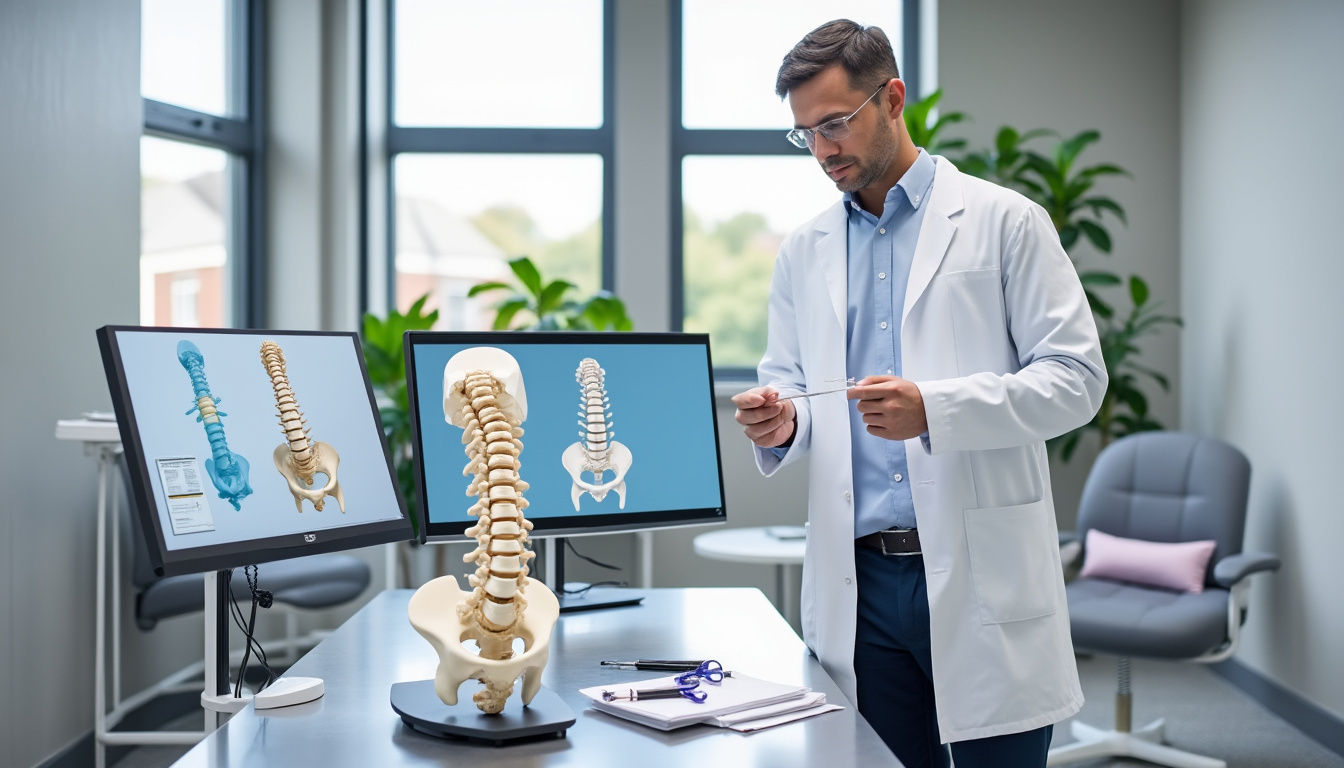
Cervical disc prostheses have revolutionized the approach to spinal surgery by focusing on restoring the natural biomechanics of the cervical spine rather than eliminating movement. In Quebec City, patients benefit from access to these approved and durable orthopedic implants that provide neck pain relief while maintaining spinal health. Unlike traditional fusion surgery, which immobilizes the affected vertebral segments often leading to adjacent segment degeneration, disc replacement preserves intervertebral mobility, reducing biomechanical stress on neighboring discs.
These artificial discs are constructed from advanced biocompatible materials such as titanium, cobalt-chrome alloys, and polyethylene. Titanium implants, known for their corrosion resistance and capacity to encourage bone integration, form a strong foundation for long-lasting stability. Cobalt-chrome alloys complement this with superior strength, ensuring the prosthesis withstands daily physical demands. Meanwhile, polyethylene components provide smooth articulation mimicking natural disc movement without interfering with post-operative imaging such as MRI scans.
The design of cervical disc prostheses varies to match patient-specific anatomical and pathological conditions. They are categorized based on bearing mechanisms: constrained, semi-constrained, and unconstrained. Constrained prostheses limit motion to enhance segment stability at the cost of some natural movement, typically used in cases with instability risks. Semi-constrained devices offer controlled mobility, balancing movement and stability. Unconstrained prostheses allow more freedom of motion akin to native disc function but require precise patient selection to ensure proper fit and function.
Articulation mechanisms further define device performance. Ball-and-socket designs enable multidirectional movement, facilitating flexion, extension, lateral bending, and rotation. Saddle-shaped implants mimic the natural sliding motion between vertebrae, promoting even load distribution. The goal in all designs is to provide full vertebral endplate coverage to minimize stress concentration and maintain disc height to relieve nerve compression effectively.
Dr. Desforges’ expertise extends to evaluating patients for optimal prosthesis selection, factoring in biomechanical suitability and individualized treatment goals. Collaborations with centers such as Clinique TAGMED enable comprehensive assessments incorporating advanced imaging techniques, biomechanical analysis, and clinical evaluations to align device choice with patient anatomy for maximal benefit. This tailored approach ensures each prosthesis implanted in Quebec meets the highest standards of safety and function while enhancing long-term durability.
| Aspect | Details | Significance |
|---|---|---|
| Materials | Titanium, Cobalt-Chrome, Polyethylene | Strength, biocompatibility, MRI compatibility |
| Bearing Types | Constrained, Semi-Constrained, Unconstrained | Balance between motion and stability |
| Articulation Mechanisms | Ball-and-Socket, Saddle | Facilitates multidirectional motion |
| Design Goals | Full endplate coverage, minimal disc height for decompression | Load distribution, nerve relief, preserving motion |

IntraSPINE® in Sherbrooke: Durable Solution for Chronic Low Back Pain
The management of chronic low back pain, a widespread condition affecting millions across Quebec and beyond, has reached a pivotal moment thanks to innovative medical technologies and coordinated care pathways. At the heart of this evolution lies the IntraSPINE implant,…
Types of Cervical Spine Surgeries in Quebec City: Disc Replacement, Fusion, and Motion Preservation
Spinal surgery in Quebec City encompasses various techniques tailored to address cervical spine disorders, each with unique biomechanical implications. Dr. Sylvain Desforges highlights three primary surgical approaches: simple cervical disc replacement, spinal fusion surgery, and advanced motion-preserving techniques featuring dynamic implants.
Simple Cervical Disc Replacement involves removing the degenerated or herniated disc and implanting an artificial disc designed to restore mobility. This approach suits patients with limited, isolated disc disease without significant instability. The artificial disc maintains the natural motion of the cervical segment, reducing the risk of adjacent segment disease and promoting a more natural spinal function.
Spinal Fusion Surgery remains a traditional option, typically recommended for patients with multi-level disc degeneration or pronounced instability. Fusion eliminates motion at the affected spinal segment by joining vertebrae, relieving nerve compression and stabilizing the spine. However, this results in loss of flexibility at the fused levels and potentially leads to increased stress on adjacent spinal segments, possibly accelerating degeneration elsewhere.
Motion-Preserving Surgeries include the latest generation of cervical disc prostheses and dynamic stabilization devices. These innovative procedures focus on restoring the spine’s natural kinematics, avoiding the rigidity caused by fusion. Devices like the Motion Preservation portfolio allow controlled motion, accommodating everyday activities while safeguarding neurological structures. Such surgeries often lead to improved patient satisfaction by reducing the risk of stiffness and adjacent level degeneration.
Biomechanical studies underpin these surgical choices, confirming that advanced prosthetic discs such as DiscRenew and CerviRestore provide segmental movement close to that of healthy discs. Long-term clinical outcomes suggest these implants offer durable solutions with fewer complications compared to fusion. Patient factors including age, activity level, and spinal alignment are critical for determining the ideal surgical approach.
- Simple Disc Replacement: Preserves motion, reduces adjacent stress, suitable for isolated disc pathology.
- Fusion Surgery: Provides strong stability, recommended for multi-level disease, but sacrifices mobility.
- Motion-Preserving Techniques: Balance between stability and mobility, using dynamic implants.
For those interested in detailed options and success rates, additional perspectives can be found at modern surgical solutions for cervical disorders, enriching understanding of outcomes and innovations available in Quebec City.
Spine Surgery in Trois-Rivières: Reduce Pain and Preserve Mobility
In recent years, spine surgery in Trois-Rivières has evolved notably, combining advanced medical expertise with innovative technologies to deliver patient-centered care. This growing field addresses the increasing demand among Quebec residents seeking effective solutions for chronic back pain and mobility…
Patient Pathway for Cervical Disc Prosthesis: Evaluation, Conservative Care, and Transatlantic Coordination
Embarking on a journey toward cervical disc prosthesis surgery involves multiple carefully orchestrated phases aimed at ensuring patient safety, treatment efficacy, and personalized care. The path starts with a thorough clinical evaluation by Dr. Desforges, who specializes in identifying the precise nature of spinal pathology using advanced diagnostic tools such as MRI, CT scans, and dynamic X-rays. This rigorous assessment helps determine the suitability of disc replacement over alternative treatments.
Conservative treatment is emphasized strongly. According to Dr. Desforges’ clinical philosophy and current medical standards, patients should complete a 3 to 6-month course of non-surgical therapies prior to considering surgery. This period includes physical therapy aimed at strengthening neck muscles and improving flexibility, pharmacological pain management, as well as innovative neurovertebral decompression available at Clinique TAGMED.
Neurovertebral decompression utilizes advanced technology to gently separate vertebral segments, alleviating pressure on nerve roots without invasive procedures. This innovative technique has proven effective in reducing pain and improving cervical mobility, often preventing or delaying the need for surgery. Patients failing to respond adequately to conservative care or those with progressing neurological deficits then consider surgical intervention.
Shared decision-making is a vital step where Dr. Desforges provides detailed explanations of surgical options, including risks, benefits, and expected outcomes. For patients opting for transatlantic care, Dr. Desforges coordinates closely with specialized surgical teams in France. This collaboration ensures timely access to advanced surgical technologies available across the Atlantic that might not yet be locally accessible, optimizing treatment quality and personalization.
Following surgery, patients undergo customized rehabilitation programs emphasizing gradual mobilization, muscle strengthening, posture correction, and functional retraining. This phase is integral to achieving sustained spinal health and mobility. Ongoing follow-up with clinical assessments and imaging supports early detection of any complications, allowing prompt management.
| Stage | Key Activities | Patient Benefits |
|---|---|---|
| Evaluation | Clinical and radiological assessment | Targeted diagnosis and personalized treatment plan |
| Conservative Therapy | Physical therapy, pharmacological management, neurovertebral decompression | Reduces unnecessary surgery, optimizes healing |
| Surgical Intervention | Disc prosthesis implantation | Restores motion, alleviates pain |
| Rehabilitation | Mobilization, strengthening, functional education | Supports recovery and long-term spinal health |
| Follow-up | Periodic clinical and imaging review | Ensures sustained success and early complication detection |

Cervical Disc Prosthesis in Quebec City: Avoid Post-Surgery Stiffness
Chronic neck pain remains a significant challenge for thousands of residents in Quebec City every year, often leading them to seek effective spinal surgery options that minimize downtime and maximize long-term mobility. Among the recent advancements revolutionizing cervical spine care,…
Conservative Treatments Before Surgery: The Vital Role of Neurovertebral Decompression
Effective management of cervical spine disorders begins long before surgery with committed conservative treatments aimed at reducing pain and restoring function. Dr. Desforges, renowned for his expertise in spinal evaluation, advocates strongly for an initial 3 to 6-month period of non-invasive care underpinned by scientific rigor and patient safety.
The core conservative interventions include structured physical therapy programs targeting neck muscle strength, mobility, and posture improvements. Additionally, pharmacological strategies utilizing anti-inflammatory and analgesic medications help control symptoms during this phase.
A pivotal innovation available at Clinique TAGMED and championed by Dr. Desforges is the advanced neurovertebral decompression therapy. This non-surgical technique gently separates vertebrae to alleviate nerve root pressure, addressing pain at its source without resorting to invasive methods.
Multiple clinical observations confirm that patients who undergo this decompression therapy often experience significant pain relief, enhanced mobility, and a potential avoidance of surgical intervention altogether. When surgery is eventually necessary, patients arrive better prepared and with optimized outcomes.
- Structured physical therapy focusing on muscle strengthening and flexibility
- Pharmacological management of inflammation and pain
- State-of-the-art neurovertebral decompression to relieve nerve root pressure
- Patient education to support adherence and informed decision-making
Overall, conservative management forms the foundation of responsible spinal care and is critical for patients to consider before moving toward surgical options. Detailed protocols and clinical rationales are available at Neurovertebral Decompression Resources for those seeking more information on this approach.
Minimally Invasive Surgery in Longueuil: Reduce Hospital Stay Duration
In recent years, advances in spinal care have dramatically reshaped the treatment landscape for patients suffering from debilitating spinal conditions. Particularly in Longueuil, the emergence of minimally invasive surgery (MIS) techniques offers a transformative alternative to conventional open surgeries. These…
Benefits of Transatlantic Spine Surgery: Expertise, Speed, and Personalized Care
For many Quebecers challenged by long surgical wait times or prohibitive private care costs locally, transatlantic spine surgery emerges as a game-changing alternative. Dr. Desforges has pioneered this cross-border collaboration, ensuring patients gain access to state-of-the-art cervical disc prosthesis procedures offered at expert centers in France, integrated seamlessly with local care pathways.
This model delivers multiple benefits. Patients can access innovative orthopedic implants such as the DurabiDisc and MobilisCerv, which lead the field in motion preservation and durability. Timely access bypasses local waitlists, reducing the duration of suffering and debilitating symptoms.
Moreover, the comprehensive multidisciplinary support teams coordinate preoperative education, surgery scheduling, and postoperative rehabilitation, all tailored to the patient’s unique profile. This level of customized care enhances patient confidence and promotes optimal recovery.
Economic advantages are also noteworthy; streamlined international pathways reduce overall financial burdens by consolidating care services and negotiating cost-effective treatment packages.
| Benefit | Description | Impact on Patient Experience |
|---|---|---|
| Innovative Implants | Access to newest prosthetic designs with improved durability and motion | Enhanced function and satisfaction with sustained outcomes |
| Reduced Waiting Times | International collaboration expedites access to surgery | Improved symptom control and quality of life sooner |
| Comprehensive Support | Multidisciplinary teams manage patient throughout care | Higher patient confidence and engagement |
| Cost Optimization | Integrated care reduces financial stress | Broader accessibility to advanced treatments |
| Personalized Pathways | Care tailored to individual anatomy and needs | Better clinical outcomes and patient satisfaction |
Patients interested in exploring this innovative and well-supported approach can find more about preserving cervical spine mobility through advanced prostheses and transatlantic coordination at approved cervical disc prosthesis in Quebec City.
IntraSPINE® in Laval: Modern Solution for Lumbar Stabilization
In the evolving landscape of orthopedic treatments, the city of Laval has become a hub for innovations addressing chronic lower back pain. Among the groundbreaking solutions gaining attention is the IntraSPINE device—a modern spinal implant designed to offer dynamic lumbar…
Rehabilitation and Long-Term Care After Cervical Disc Prosthesis Surgery
Recovery after cervical disc prosthesis implantation is a carefully managed process that plays a critical role in restoring neck mobility and maintaining spinal health over the long term. Under the guidance of Dr. Desforges, rehabilitation emphasizes early mobilization combined with graduated physical therapy to rebuild muscle strength, improve posture, and re-establish functional movement patterns.
Key rehabilitation stages include pain control and gentle neck movement in the immediate postoperative period, followed by targeted exercises to enhance flexibility and muscle endurance. Patient education is pivotal, empowering individuals to adopt ergonomic habits and lifestyle modifications that support the longevity of their implant.
The preservation of cervical motion afforded by the prosthesis significantly reduces compensatory stress on adjacent spinal segments, thereby decreasing the risk of further degeneration or secondary surgeries. Dr. Desforges’ care protocols include scheduled clinical visits and imaging to monitor prosthesis integration and detect any early signs of complications, ensuring proactive intervention when necessary.
Coordination of care between Quebec and French surgical teams during rehabilitation reinforces consistency and comprehensive support, allowing patients to benefit from the latest evidence-based practices no matter their location. This holistic approach reflects a commitment to excellence and innovation in spine care.
- Immediate post-op: Pain management and prevention of stiffness
- Intermediate phase: Strengthening muscles and improving flexibility
- Long-term focus: Lifestyle adjustments and sustained spinal health
Neck Surgery in Montreal: Maintain Cervical Flexibility and Function
Neck conditions causing persistent pain or functional loss place a substantial burden on individuals and healthcare systems, especially in urban centers like Montreal. Surgical interventions targeting the cervical spine have evolved tremendously, aiming not only to relieve symptoms but to…
Clinique TAGMED: Leader in Advanced Conservative Spine Care in Quebec City
Clinique TAGMED holds a prominent position in Quebec City’s spinal care landscape, renowned for its advanced conservative treatments designed to optimize patient outcomes and minimize unnecessary surgeries. Dr. Desforges founded and presides over organizations such as the ACMA and the Collège des Ostéopathes Canadiens, underlining his commitment to safe, evidence-based, and innovative spinal care.
TAGMED specializes in non-invasive therapies including neurovertebral decompression and laser treatments, alongside comprehensive patient education programs reducing anxiety and enhancing adherence to treatment plans. The clinic’s multidisciplinary approach ensures each patient receives a personalized pathway, integrating advanced technology with expert clinical evaluation.
This environment fosters continuous innovation and rigorous scientific practice, aligning with regulatory standards in Québec and Canada. Patients receive empathetic, human-centered care, and the clinic serves as a vital resource for those seeking detailed information on treatment alternatives or preoperative preparation.
As a reference center, TAGMED collaborates closely with transatlantic surgical teams, ensuring that patients who require advanced procedures benefit from seamless continuity of care and optimized clinical outcomes.
For those interested in exploring TAGMED’s services, detailed information is available through official channels including discussions on cervical disc prosthesis as a surgical revolution in Quebec.

Disc Prosthesis in Lévis: Quick and Long-Lasting Results
Chronic back pain caused by degenerative disc disease continues to profoundly impact the quality of life for many residents in Lévis and the broader Quebec area. For decades, traditional spinal fusion surgery has been the primary solution for alleviating severe…
Choosing the Right Cervical Disc Prosthesis: Innovations and Clinical Outcomes in Quebec City
With a growing array of cervical disc prostheses available, selecting the most appropriate device involves balancing biomechanical function, material durability, and patient-specific anatomical considerations. Quebec City’s specialized centers offer implants like FlexiCerv, EnduraSpine, and MobilisCerv, each tailored to restore natural neck motion effectively and safely.
FlexiCerv prostheses combine titanium and polyethylene for wide motion preservation, characterized by enhanced fixation and efficient load distribution. EnduraSpine devices use cobalt-chrome alloys with semi-constrained articulation and metal stops designed to prevent implant migration, ensuring safety and stability. MobilisCerv incorporates polyethylene cores with titanium endplates to replicate natural disc kinematics while minimizing facet joint distraction, a common cause of postoperative discomfort.
Clinical studies consistently show that patients implanted with these devices report significant improvements in neck disability indices, sustained pain relief, and high satisfaction rates due to preserved mobility and reduced adjacent segment stress. The proven 2-level FDA approvals for devices like the prodisc C Vivo and Mobi-C highlight the evolving landscape of cervical prosthetic technology, offering options even for more complex cases.
Selecting an implant involves rigorous assessment to match the prosthesis mechanics and dimensions with the patient’s spinal alignment and pathology. Dr. Desforges’ expertise ensures personalized recommendations that optimize surgical success and long-term durability.
| Prosthesis | Material | Range of Motion | Unique Feature |
|---|---|---|---|
| FlexiCerv | Titanium-Polyethylene | Wide motion preservation | Enhanced fixation and load distribution |
| EnduraSpine | Cobalt-Chrome Alloy | Durable with semi-constrained articulation | Metal stops to prevent migration |
| MobilisCerv | Polyethylene Core with Titanium Endplates | Reflects natural disc kinematics | Optimized for minimal facet distraction |
For comprehensive insights on the selection process and emerging clinical data, patients are encouraged to review expert commentaries such as modern alternatives to fusion surgery ensuring fully informed treatment decisions.
What distinguishes cervical disc prosthesis from traditional fusion surgery?
Cervical disc prosthesis preserves natural spinal motion and reduces stress on adjacent vertebrae, unlike fusion surgery which immobilizes spine segments, often leading to reduced neck flexibility and increased risks of degeneration in neighboring levels.
How long is the recovery period after cervical disc prosthesis surgery?
Recovery typically involves several months of rehabilitation, starting with early mobilization followed by progressive muscle strengthening and lifestyle adaptation. Individual progress varies based on preoperative condition and adherence to therapy.
Is surgery immediately necessary for cervical spine disorders?
Surgery is considered only after completing 3 to 6 months of conservative treatments, such as physical therapy and neurovertebral decompression. Surgical intervention is reserved for patients who do not improve or who develop neurological symptoms.
How does transatlantic care improve treatment outcomes?
Transatlantic coordination provides faster access to innovative surgical technologies, comprehensive multidisciplinary support, and personalized treatment plans, optimizing patient outcomes while reducing wait times and costs.
What role does Clinique TAGMED play in cervical spine care?
Clinique TAGMED offers advanced conservative treatments, including neurovertebral decompression and laser therapy, alongside education programs that help patients avoid unnecessary surgery and prepare effectively if surgery becomes necessary.

Motion Surgery in Terrebonne: Maintain Intervertebral Mobility
Back pain remains a widespread concern for many in Quebec, with traditional treatment pathways often imposing lengthy waiting periods and financial constraints. Recently, Motion Surgery in Terrebonne has emerged as a transformative option, attracting patients seeking spinal solutions that prioritize…