Why Experts Advocate for Neurovertebral Decompression Therapy
June 11, 2026
Cervical Disc Prosthesis in Quebec City: Approved and Durable Solution
June 11, 2026
Medical guidance from Quebec plays a pivotal role in navigating the complex healthcare journey for patients, especially those facing neurological and spinal conditions. In 2026, this guidance has become an essential bridge, connecting patients to centers of excellence in France that offer advanced surgical interventions. Quebec’s healthcare system, with its universal access and strong emphasis on multidisciplinary care coordination, serves as a crucial starting point. It ensures that patients receive precise evaluation, timely referrals, and comprehensive support throughout their treatment trajectory. Amid challenges such as extended wait times and evolving treatment techniques, this transatlantic collaboration represents a beacon of hope by combining cutting-edge science and personalized care.
Quebec’s patient management approach is deeply rooted in clinical guidance, involving highly specialized teams and sophisticated diagnostic tools. This enhances the accuracy of initial assessments conducted within Quebec’s medical facilities, paving the way for effective decision-making. Moreover, the integration of medical support services, including logistical facilitation and psychological assistance, alleviates patient anxiety and streamlines transitions between different stages of care. Through coordinated efforts involving medical specialists, healthcare providers, and administrative partners, the patient’s experience is optimized from diagnosis to postoperative rehabilitation. The Quebec healthcare system embodies a model where care coordination underpins quality and safety, reinforcing the central role of medical guidance in the patient care journey.
Comprehensive Medical Evaluation in Quebec’s Healthcare System
A cornerstone of effective patient care in Quebec lies in the thorough initial medical evaluation that occurs within its healthcare framework. This critical step, often spearheaded by neurology and spinal surgery consultants, ensures that every patient benefits from an individualized and in-depth clinical analysis before embarking on complex treatment pathways. Advanced neurotherapeutic methods, such as biofeedback and neurofeedback, complement diagnostic imaging—MRI, CT scans—creating a detailed understanding of the patient’s condition.
This rigorous evaluation is not merely a diagnostic formality but a nuanced process involving multidisciplinary teams who interpret clinical data against the backdrop of each patient’s unique health profile. Specialists collaborate to assess the appropriateness of various interventions, whether conservative management or referral for surgery abroad. The integration of care coordination mechanisms within the Quebec healthcare system streamlines this process. It reduces delays commonly experienced in navigating multiple providers and ensures patients do not fall into prolonged waitlists without clear next steps.
For example, in specialized clinics such as TAGMED in Montreal and Terrebonne, patients undergo detailed questionnaires capturing their medical histories and symptomatology, ensuring no clinical aspect is overlooked. The results are securely shared with expert teams, including those coordinating international referrals, forming a solid foundation for decision-making. This system exemplifies how Quebec healthcare combines medical support and patient management with clinical excellence, fulfilling a central role in the overarching patient care journey.
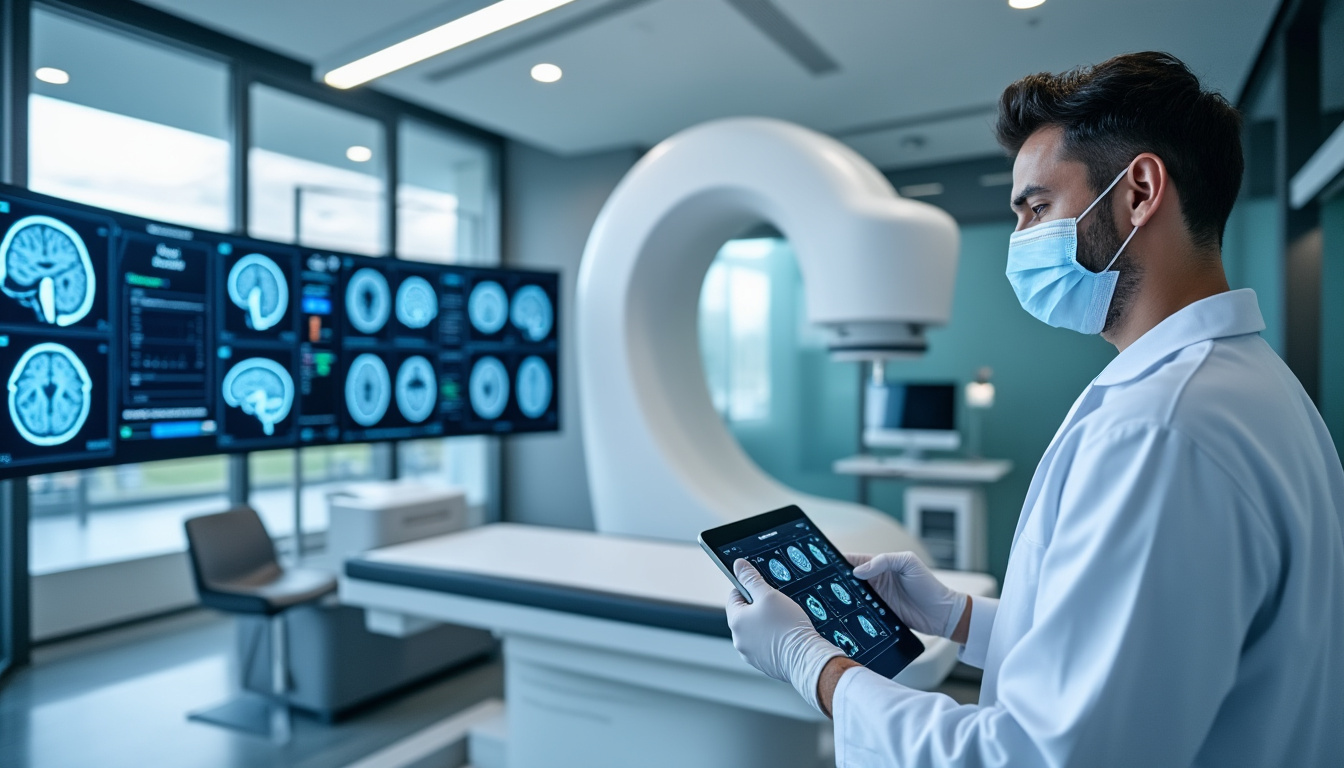

Can Rehabilitation and Returning to Work Help You Avoid Surgery?
In 2026, the evolving landscape of spinal care is increasingly influenced by innovative rehabilitation strategies and structured return-to-work programs aimed at minimizing the reliance on surgical interventions. With advancements in neuromodulation technologies like repetitive transcranial magnetic stimulation (rTMS) and integrated…
The Role of Marcel Mazaltarim and Neurotherapy Montreal in Patient Management
At the heart of the Quebec-to-France medical guidance continuum stands Marcel Mazaltarim, M.Sc., whose dual expertise in neurotherapy and healthcare coordination significantly enhances patient outcomes. As the director of Neurotherapy Montreal, Mazaltarim operates beyond traditional clinical roles, providing comprehensive oversight and coordination that integrates patient evaluation, preparation, surgery logistics, and post-operative rehabilitation.
Marcel Mazaltarim employs advanced neurofunctional assessments, including biofeedback and controlled neurological rehabilitation, underpinning highly personalized treatment protocols. This scientific rigor ensures patients are meticulously selected for specific surgical techniques, ranging from traditional spinal fusion to state-of-the-art motion preservation interventions and minimally invasive procedures. Coordination extends to meticulous logistical arrangements, such as organizing transatlantic travel, transfers, hospital admissions, and accommodation in France, greatly mitigating patient stress associated with international medical journeys.
This hands-on approach exemplifies medical guidance that harmonizes clinical excellence with empathetic care coordination. Mazaltarim ensures continuous communication with French surgical teams, creating a seamless continuum that supports patients before, during, and after surgery. Postoperatively, Neurotherapy Montreal delivers tailored rehabilitation programs based on the patient’s neurological status, facilitating rapid and sustainable recovery. This model of integrated patient management reflects the highest standards within Quebec Healthcare and exemplifies how collaborative frameworks improve health services in a globalized treatment landscape.
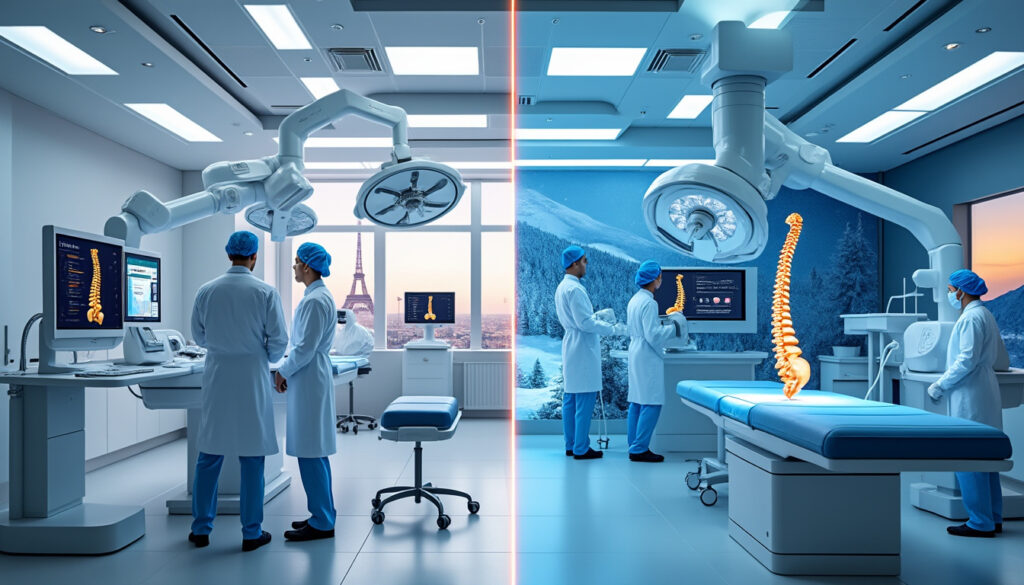
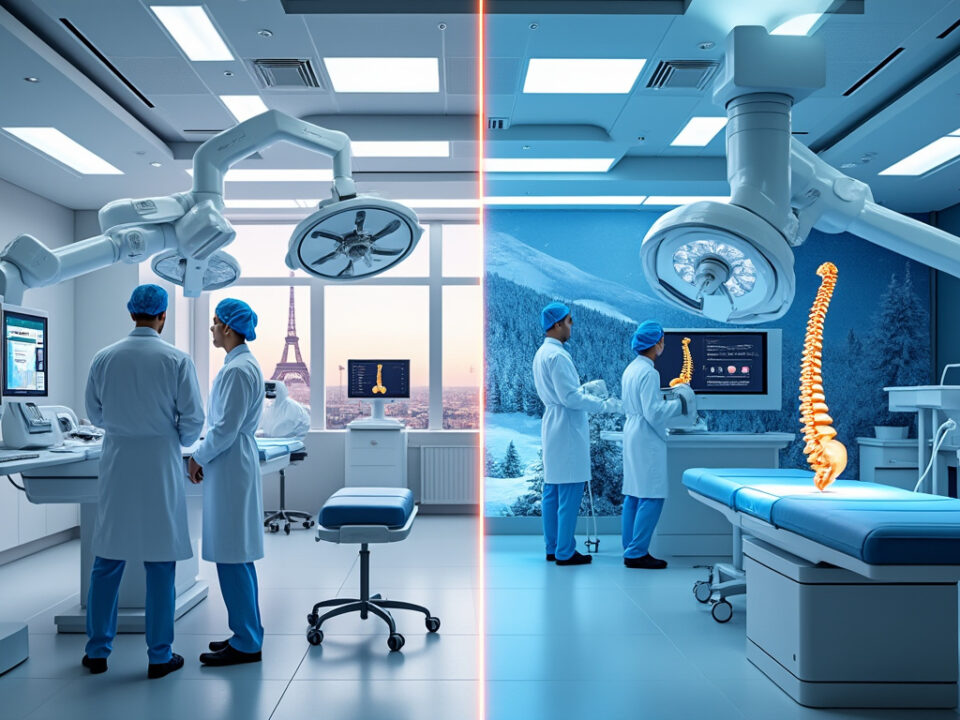
Shaping the Future of Spinal Surgery: A Comparative Insight Between France and Quebec
Spinal disorders continue to pose significant challenges to healthcare systems worldwide, notably in regions like Quebec and France where demographic shifts and sedentary lifestyles have amplified the incidence of spinal ailments. As the demand for advanced spinal surgery grows, understanding…
Advanced Surgical Techniques in France Accessible Through Quebec’s Healthcare Guidance
The patient care journey extends internationally, as Quebec’s medical guidance facilitates access to innovative spinal surgery techniques available in France. This strategic partnership addresses intrinsic limitations in local healthcare infrastructure, notably prolonged wait times for specialized interventions. Quebec patients benefit from French centers of excellence leveraging modalities such as dynamic stabilization systems, endoscopic surgery, and disc prostheses designed to preserve mobility and enhance quality of life.
Techniques such as arthrodesis (spinal fusion) remain essential for mechanical stabilization in severe cases, whereas motion preservation surgeries employ cutting-edge implants like TOPS and Intraspine to maintain natural biomechanics and reduce adjacent segment degeneration. Minimally invasive and robot-assisted procedures represent a leap forward in reducing operative trauma, pain, and hospital stay duration. These advancements, coupled with 3D imaging and navigation platforms, underscore the technical sophistication that Quebec patients can access via cross-border care coordination.
The following table summarizes key surgical interventions offered in France, emphasizing their indications and therapeutic benefits:
| Pathology | Surgical Technique | Main Benefits |
|---|---|---|
| Herniated Disc | Disc Prosthesis, Minimally Invasive Surgery | Preserves spinal mobility, reduces postoperative pain |
| Spinal Stenosis | Decompression, Dynamic Stabilization | Improves nerve function, accelerates return to daily activities |
| Spondylolisthesis | Arthrodesis, Dynamic Implants | Corrects instability, maintains spinal flexibility |
| Scoliosis | Corrective Surgery | Enhances posture and spinal alignment |
| Myelopathies | Neurological Decompression, Stabilization | Prevents neurological deterioration |
This access to advanced surgical care directly complements the clinical guidance patients receive during their initial trajectory through Quebec Healthcare. Medical support services associated with these surgeries, including on-site expertise and postoperative follow-up, ensure a comprehensive healthcare system response.

Effective Strategies to Excel in Initial Quizzes and Exams
In the pursuit of academic excellence, initial quizzes and exams stand as crucial gateways that set the tone for future success. These early assessments require not only a firm grasp of content but also strategic approaches to studying and test-taking.…
Logistical Coordination: Franchir and SOS Medical Tourism in International Patient Support
Effective patient care extends beyond clinical decisions to encompass meticulous logistical management, a vital dimension for Quebec patients pursuing surgery in France. The company Franchir plays an integral role by orchestrating personalized medical travel arrangements, ensuring seamless transitions from departure in Quebec to postoperative recovery coordination.
Franchir’s services cover comprehensive planning, including:
- Selection of appropriate surgeons and specialized centers based on clinical needs and patient preferences
- Booking flights, airport transfers, and comfortable accommodations near treatment facilities
- Scheduling preoperative consultations and managing administrative requirements such as insurance and paperwork
- Providing dedicated patient assistance to navigate healthcare and non-clinical challenges
The importance of this logistical support lies in its ability to minimize uncertainty and stress, which can adversely affect patient outcomes. In synergy with medical guidance from Quebec, Franchir ensures that health services encompass both technical and human aspects, reinforcing a patient-centered care philosophy. Moreover, SOS Medical Tourism complements this framework by offering detailed information on the available surgical techniques in France and guiding patients through administrative processes.
These coordinated efforts emphasize that patient management in modern healthcare journeys requires integration of medical expertise with operational excellence and empathetic communication.
How Cousin Spine and Franchir Technology Are Transforming Care for Quebec Patients
Quebec’s healthcare system faces persistent challenges in managing spinal conditions, a concern heightened by the rising incidence of cervical and lumbar pain among its population. These ailments not only impede daily functioning but also contribute to significant socio-economic burdens due…
Integrating Neurotherapeutic Follow-up as Part of Coordinated Healthcare Systems
Postoperative care critically influences long-term patient outcomes, especially in complex spine surgeries. Quebec’s healthcare system, via Neurotherapy Montreal and its leadership, ensures that medical guidance does not end at the operating room but continues through structured neurofunctional rehabilitation protocols. This continuous care pathway exemplifies best practices in clinical guidance and care coordination.
Neurotherapeutic follow-up includes:
- Customized neurological assessments that track functional improvement over time
- Adaptive rehabilitation protocols utilizing biofeedback and neurofeedback to optimize recovery
- Close communication with French surgical teams to address complications promptly and adjust therapies
- Psychological support aimed at reducing anxiety and facilitating patient adherence to recovery plans
The synergy between international surgical expertise and Quebec’s neurotherapeutic services nurtures patient confidence and fosters sustainable health improvements. This model also reflects the evolving understanding that integrated health services must address physical, psychological, and logistical factors in delivering holistic patient care.

Post-Surgical rTMS Integration: Exploring Indications, Benefits, and Limitations
The landscape of spinal surgery recovery has witnessed significant evolution with the integration of innovative neuromodulation techniques such as repetitive transcranial magnetic stimulation (rTMS). This non-invasive brain stimulation method is reshaping patient outcomes, especially in post-surgical contexts where pain management…
Innovations in Quebec Healthcare System: Enhancing Patient Pathways and Access to Specialists
The Quebec healthcare system continues to implement innovative solutions to improve timely access to medical specialists and patient pathways, critical for efficient management of complex cases requiring international referrals. Centralized waitlists and primary care access points reduce fragmentation, supporting patients awaiting evaluation or specialized intervention.
Recent organizational innovations emphasize the following:
- Centralized referral systems streamline entry points for specialist consultations, increasing transparency and reducing unnecessary delays
- Patient navigator programs provide individual support to patients dealing with healthcare system complexity, including travel for care outside their regions
- Integrated data and performance metrics monitor wait times and service delivery effectiveness, enabling continuous quality improvement
- Telehealth services facilitate remote evaluation and follow-up, enhancing patient convenience and resource allocation
Such enhancements align with guiding healthcare principles focused on person-centered care and coordination across organizational boundaries. They not only improve patient satisfaction but also optimize resource use within Quebec’s publicly funded health services. For comprehensive overviews of Quebec’s health system context and ongoing reforms, resources such as Quebec’s health system and services provide essential insights into these dynamic developments.

The Impact of Transatlantic Patient Journeys on Healthcare Success
The evolution of healthcare in a globally connected world has paved the way for transatlantic patient journeys, reshaping how patients access care and clinicians deliver treatment. As medical tourism grows beyond a simple concept of travel for treatment, it now…
Collaborative Networks: Bridging Quebec and France for Seamless Medical Referrals
The collaboration between Quebec’s healthcare providers and French surgical centers illustrates the powerful outcomes of international medical guidance in the 21st century. This carefully orchestrated network integrates clinical guidance, patient management, and logistical support, nurturing a seamless patient experience in line with evolving healthcare system demands.
Building this transatlantic partnership involves:
- Mutually agreed care protocols ensuring high standards and continuity of treatment
- Shared medical data platforms secured for privacy and interoperability
- Training and accreditation of specialists in both jurisdictions to uphold best practices in spinal surgery and neurotherapy
- Coordinated research and educational initiatives strengthening evidence-based patient care
Such comprehensive integration guarantees that patients from Quebec benefit not only from faster access to advanced surgical options but also from the reassurance of consistent, coordinated support throughout their healthcare journey. This model reflects broader themes in patient-centered care coordination globally and supports continuous improvement in health services delivery.
Medical Guidance from Quebec: Central to the Patient Care Journey
| Aspect | Quebec Healthcare System | French Surgical Centers |
|---|
Why Experts Advocate for Neurovertebral Decompression Therapy
In recent years, the increasing prevalence of chronic back and neck pain has spotlighted innovative therapies that promise significant relief without invasive procedures. Neurovertebral decompression therapy has emerged as a prime candidate among these treatments, widely recommended by leading specialists…
Enhancing Patient Outcomes Through Medical Guidance and Patient-Centered Care Coordination
The evolving landscape of healthcare highlights the critical importance of integrated medical guidance and care coordination to promote superior patient outcomes. Quebec’s framework, supplemented by its collaboration with French healthcare centers, exemplifies how cross-border partnerships can overcome systemic challenges such as long wait times and complex care pathways. Medical support throughout the patient care journey ensures timely access, individualized treatment plans, and continuous follow-up—core components of a healthcare system dedicated to quality and safety.
Evidence-based clinical guidance, combined with supportive logistical and psychological services, empowers patients to navigate the healthcare system with confidence. This holistic approach mitigates barriers to care, alleviates anxiety, and enables patients to engage actively in their recovery, enhancing overall satisfaction and health status. Such integrative strategies underscore the central role of Quebec Medical Guidance as an indispensable element in modern patient care trajectories.
How does the initial medical evaluation process work for patients seeking spinal surgery from Quebec?
Patients undergo detailed medical history intake and imaging analysis at specialized Quebec clinics, followed by multidisciplinary review to determine eligibility and appropriateness for surgery abroad.
What criteria determine candidacy for surgery in France through Quebec’s medical guidance?
Eligibility depends on absence of medical contraindications, specific spinal pathology, and the potential for quality-of-life improvements through innovative surgical techniques.
Who manages the logistics of the surgical trip to France?
The company Franchir coordinates all travel, accommodation, hospital liaison, and administrative processes, providing a comprehensive support system for the patient.
How is post-operative care coordinated back in Quebec?
Neurotherapy Montreal delivers personalized neurorehabilitation programs, monitoring recovery progression and adjusting treatment as necessary in close contact with French surgical teams.
What role does SOS Medical Tourism play in the Quebec-France medical pathway?
SOS Medical Tourism provides detailed information on surgical options in France and assists patients with the administrative and preparatory steps needed for their international care journey.
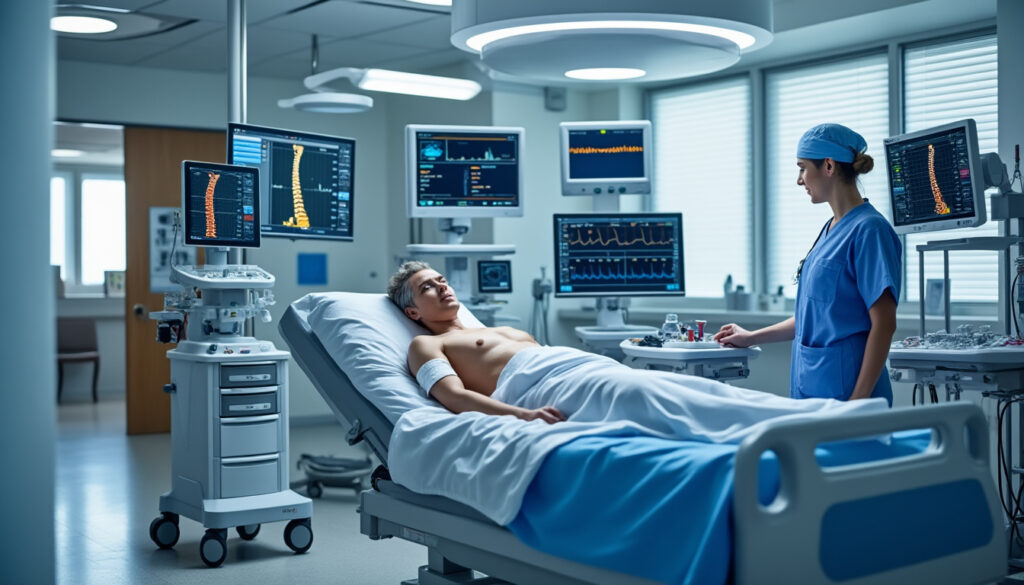
The Crucial Role of Post-Operative Monitoring in Achieving Successful Spine Surgery Outcomes
Spine surgery stands as a pivotal intervention for patients suffering from chronic pain or debilitating functional disorders, offering potential relief and a renewed quality of life. However, the success of these complex procedures extends far beyond the operating room. Post-operative…