Châteauguay Lumbar Disc Rehabilitation After Injury
May 16, 2026
Pointe-Claire Chronic Neck Pain Relief Without Medication
May 16, 2026
Chronic neck pain and cervical spine disorders have become increasingly prevalent in Quebec City, significantly affecting the quality of life and daily functioning of many individuals. Traditional spinal surgeries such as vertebral fusion, while effective in alleviating pain, often come with the downside of reduced neck mobility and longer recovery times. This shift in patient needs and medical innovation has ushered in the era of cervical disc prosthesis—an advanced surgical approach designed to preserve natural cervical flexibility while providing effective pain management. This article explores the intricacies of cervical disc prosthesis, focusing on the benefits of motion preservation techniques, the comprehensive transatlantic patient pathway, and the role of expert evaluation and conservative treatments before considering surgery.
In Quebec, access to specialized spinal care has been revolutionized through collaborations with leading French orthopedic centers, offering patients cutting-edge options previously less accessible locally. The integration of technologies such as dynamic implants and minimally invasive procedures aims not only to relieve symptoms but also to restore and maintain spinal function, enabling patients to return to active lifestyles more rapidly. With over 30 years of experience, Dr. Sylvain Desforges and his team at Clinique TAGMED provide expert evaluations and guide patients through personalized care pathways that emphasize evidence-based innovation and ethical standards. This journey from initial assessment to post-operative rehabilitation ensures both safety and outcome excellence.
Types of Cervical Spine Surgery Available in France: From Fusion to Advanced Motion Preservation
The landscape of cervical spine surgery includes a spectrum of techniques tailored to individual patient pathology, clinical presentation, and lifestyle needs. In France, several well-established and innovative options are available, each with distinct biomechanical implications and recovery profiles.
Anterior Cervical Discectomy and Fusion (ACDF)
Historically regarded as the gold standard procedure, ACDF involves removing the damaged intervertebral disc and fusing adjacent vertebrae using rigid implants. This method effectively relieves nerve root compression and pain but at the cost of segmental motion loss. Patients often experience long-term stiffness and may develop accelerated degeneration at adjacent spinal levels due to altered biomechanics.
Cervical Disc Prosthesis (Arthroplasty)
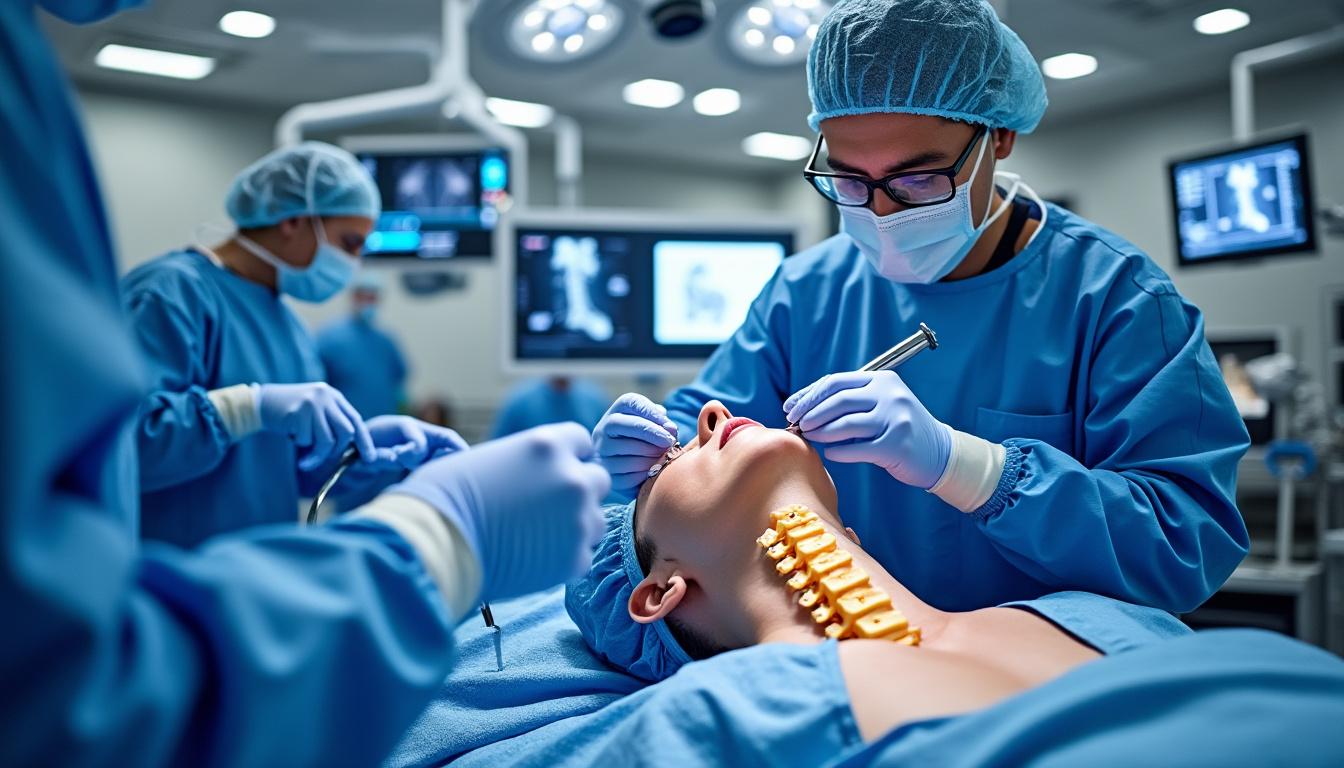
As a significant advancement over fusion, the cervical disc prosthesis replaces the damaged disc with a state-of-the-art artificial implant designed to mimic the cervical spine’s natural movements. This approach enables patients to maintain a near-normal range of motion, decreasing the risk of further degeneration in neighboring segments. These implants, produced by respected manufacturers such as Spineway, offer biomechanical accuracy and durability essential for long-term success. The procedure often results in quicker functional recovery and enhanced patient satisfaction.
Dynamic Stabilization Systems
For select cases where arthroplasty might not be suitable, dynamic stabilization devices like the TOPS or Intraspine systems provide partial motion preservation while offering spinal support. These systems cater to patients with specific clinical profiles, aiming to balance stability and mobility. Although still evolving, these devices expand the array of options beyond traditional fusion and arthroplasty.
Minimally Invasive and Endoscopic Approaches
Minimally invasive surgeries, including endoscopic cervical discectomies, are gaining traction due to their reduced tissue disruption, lower post-operative pain, and accelerated recovery timelines. Utilized in carefully selected cases, these procedures represent the forefront of surgical innovation focused on enhancing patient experience and outcomes.
| Technique | Advantages | Disadvantages | Ideal Indications |
|---|---|---|---|
| ACDF (Fusion) | Reliable decompression; proven technique | Loss of cervical mobility; risk of adjacent segment degeneration | Advanced spinal instability, severe arthrosis, fractures |
| Cervical Disc Prosthesis | Maintains motion; faster functional recovery; reduced adjacent-level degeneration | Limited use in severe facet arthrosis; potential implant wear over time | 1-2 levels with disc degeneration; good vertebral alignment |
| Dynamic Stabilization | Partial motion preservation; alternative to fusion in select cases | Less standardized procedure; requires long-term follow-up | Selected cases without severe arthritis |
| Minimally Invasive Surgery | Reduced pain and tissue damage; faster recovery | Technique-dependent; limited to specific pathologies | Localized herniated discs and limited segment involvement |

IntraSPINE® in Sherbrooke: Durable Solution for Chronic Low Back Pain
The management of chronic low back pain, a widespread condition affecting millions across Quebec and beyond, has reached a pivotal moment thanks to innovative medical technologies and coordinated care pathways. At the heart of this evolution lies the IntraSPINE implant,…
Comprehensive Patient Journey: From Evaluation in Quebec to Surgical Intervention in France
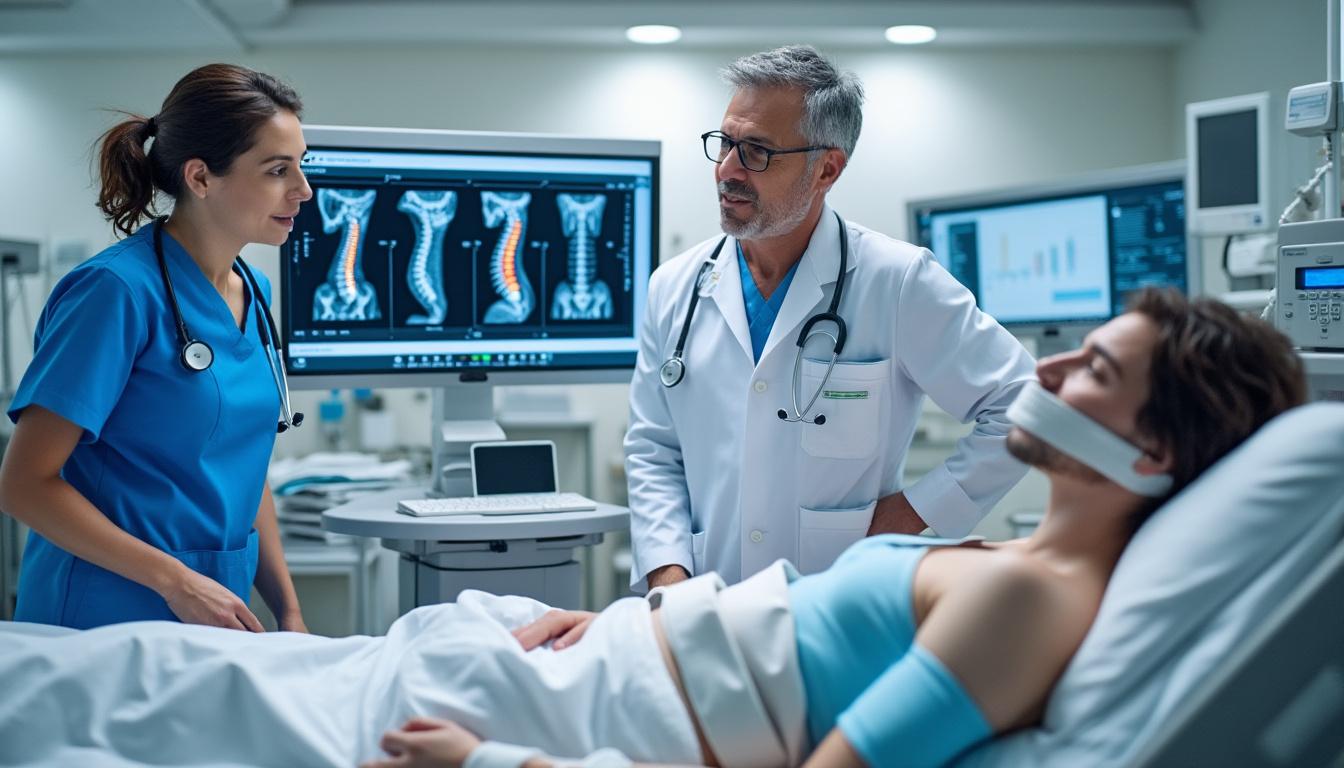
Embarking on a transatlantic path for cervical spine surgery requires a well-coordinated, patient-centered approach to ensure safety, quality, and personalized care. Under the expert guidance of Dr. Sylvain Desforges, patients begin their journey with a thorough evaluation at Clinique TAGMED in Quebec, where spinal pathology is assessed with the highest standards of scientific rigor and ethical practice.
Initial Assessment and Conservative Treatment
Dr. Desforges oversees detailed clinical evaluations supported by imaging and functional studies. Importantly, a fundamental principle is that surgery should only be considered after the patient has undergone 3 to 6 months of advanced conservative care. This includes uniquely specialized treatments such as robotic neurovertebral decompression, which Dr. Desforges pioneered and which is available exclusively in TAGMED clinics. These interventions aim to relieve pressure on neural structures and attempt to restore disc height non-surgically, often avoiding or delaying the need for surgical intervention.
Transition to Surgical Planning
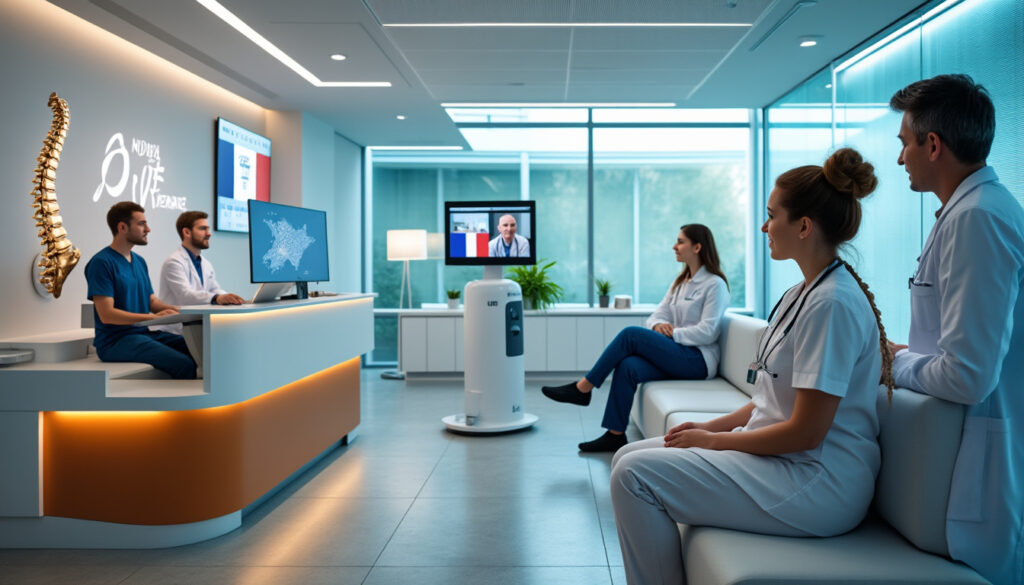
When conservative treatments fail to provide adequate relief or functional improvement, Dr. Desforges, acting as a coordinator and evaluator, collaborates closely with the French surgical partners through Franchir, an organization specializing in international patient logistics. This partnership ensures selection of the most experienced surgeons and centers equipped with cutting-edge technology for optimal spinal surgery outcomes. The logistics of travel, hospital admission, and accommodation are carefully managed to minimize stress and delay.
Surgical Intervention and Hospital Stay
The surgery itself, whether fusion, disc replacement, or dynamic stabilization, is performed using techniques aiming to reduce tissue trauma and maintain spinal mechanics. The hospital stay is generally brief, with patient monitoring focused on pain management and early mobilization. The use of advanced implants and minimally invasive procedures contributes to shortened recovery timelines.
Postoperative Follow-Up and Rehabilitation
Upon return to Quebec, patients benefit from a seamless continuum of care, with personalized neurorehabilitation services provided by Neurothérapie Montréal. This ensures close monitoring of surgical outcomes, functional recovery, and prevention of complications. Patients are taught to gradually resume daily activities while avoiding harmful movements to promote healing.
Spine Surgery in Trois-Rivières: Reduce Pain and Preserve Mobility
In recent years, spine surgery in Trois-Rivières has evolved notably, combining advanced medical expertise with innovative technologies to deliver patient-centered care. This growing field addresses the increasing demand among Quebec residents seeking effective solutions for chronic back pain and mobility…
Biomechanical and Functional Advantages of Cervical Disc Prosthesis Over Fusion Surgery
The intrinsic value of cervical disc prostheses lies in their ability to restore and preserve physiological neck motion after surgery, thereby enhancing overall spine health. Unlike fusion, which immobilizes affected vertebral segments, disc replacement allows for more natural movement, which has profound implications:
- Reduced adjacent segment degeneration: Preservation of motion decreases compensatory stress on neighboring discs, slowing arthritic progression.
- Improved pain relief: Patients frequently experience less postoperative discomfort and quicker diminution of radicular symptoms.
- Faster return to function: Restored cervical flexibility facilitates early resumption of professional and personal activities.
- Higher patient satisfaction: The maintenance of neck mobility greatly contributes to physical and psychological well-being.
The selection of ideal candidates is critical and involves meticulous assessment of cervical alignment, facet joint integrity, and the number of involved levels. Implants from leading manufacturers such as Spineway’s motion preservation portfolio are preferred for their biomechanical precision and durability.
Clinical Example
Consider a 52-year-old patient suffering from debilitating radicular pain due to a herniated disc at C5-C6. After 6 months of conservative therapy including neurovertebral decompression at TAGMED, persistent symptoms warranted surgery. The selected cervical disc prosthesis restored near-normal range of motion postoperatively, enabling the patient to return to work within weeks with no reported stiffness or adjacent segment issues at the one-year follow-up.

TOPS™ in Gatineau: High-Performance Option for the Lumbar Spine
The landscape of spinal surgery has witnessed profound evolution, particularly for patients grappling with lumbar spine disorders such as spinal stenosis and spondylolisthesis. These conditions, increasingly prevalent among Quebec’s population, impose substantial limitations on mobility and quality of life. The…
The Imperative Role of Advanced Conservative Treatments: Deferring Surgery Through Neurovertebral Decompression
In Dr. Desforges’s expert practice, the foundation of managing cervical spine disorders rests firmly on exhaustively exploring non-surgical therapies before contemplating surgery. Neurovertebral decompression, a pioneering technology available at Clinique TAGMED, employs robotic traction to precisely reduce pressure on intervertebral discs and nerve roots, translating to meaningful symptom relief.
This approach is supported by growing body of evidence confirming that a minimum of 3 to 6 months of such targeted conservative care can significantly reduce inflammation, improve disc properties, and control pain without the risks and costs associated with surgery. The methodology includes mechanically controlled traction sessions complemented by physical therapy and patient education to optimize spine health.
Should conservative management fail, the patient proceeds to a carefully coordinated surgical path managed by Dr. Desforges, ensuring a continuum of care aligned with Canadian medical standards.

Cervical Disc Prosthesis in Quebec City: Avoid Post-Surgery Stiffness
Chronic neck pain remains a significant challenge for thousands of residents in Quebec City every year, often leading them to seek effective spinal surgery options that minimize downtime and maximize long-term mobility. Among the recent advancements revolutionizing cervical spine care,…
Distinctive Features and Added Value of TAGMED’s Comprehensive Multidisciplinary Care
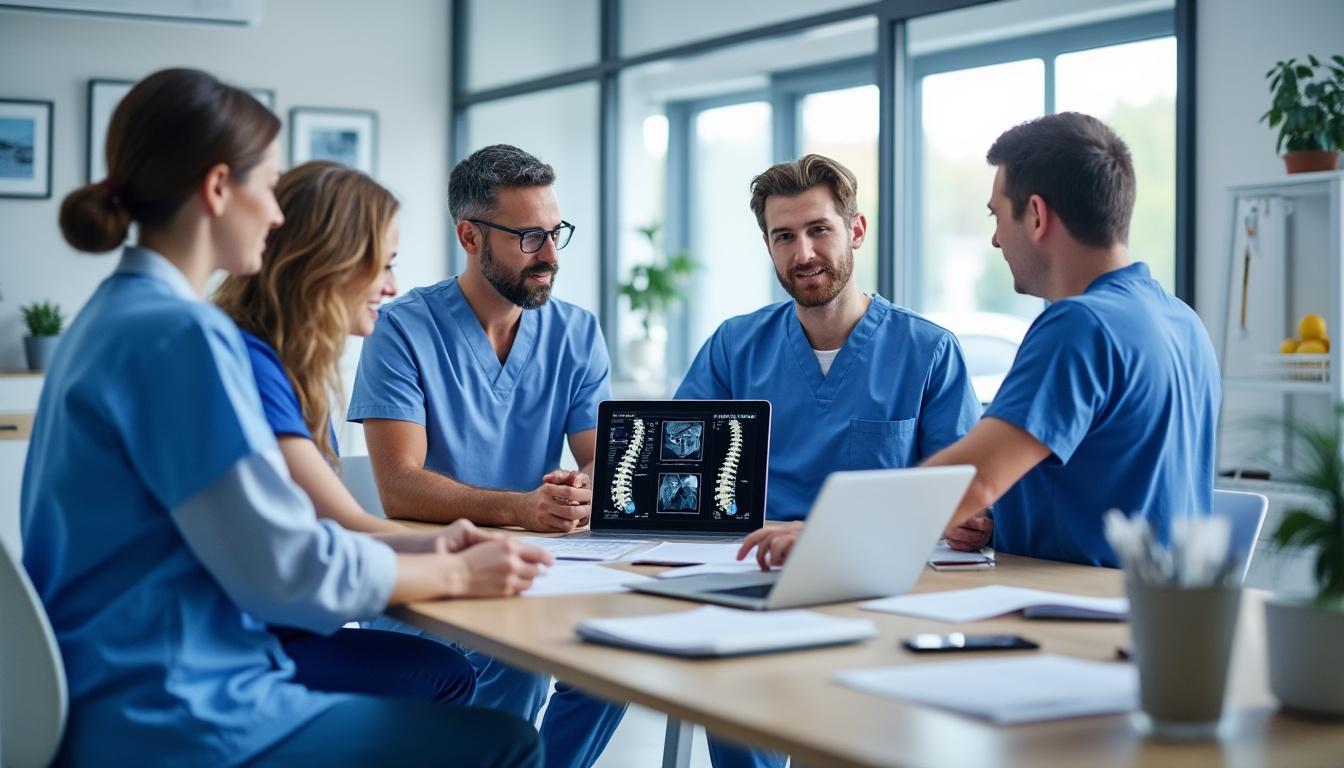
What truly sets the TAGMED approach apart in Quebec’s spine care ecosystem is the integration of rigorous expert evaluation, ethical practice, and adoption of innovative technologies under the supervision of Dr. Sylvain Desforges. With his B.Sc., D.O., and N.D. credentials, along with leadership roles as founder and president of ACMA and the Collège des Ostéopathes Canadiens, Dr. Desforges embodies the fusion of science, ethics, and compassion.
TAGMED’s medical team specializes in a holistic, patient-centered model, ensuring advanced diagnostic precision and a tailored care journey—starting from detailed assessments, progressing through intensive conservative therapies, and coordinating international surgical plans if necessary. This integrated framework enhances patient safety, minimizes delays, and fosters a reassuring, transparent environment.
Patients particularly value the accessible explanations of complex pathologies and treatment rationale, empowering them to make informed decisions with confidence. The close coordination between Canadian and French partners, including innovative platforms such as SOS Tourisme Médical, underlines the commitment to excellence and personalized care continuity before and after surgical intervention.
Minimally Invasive Surgery in Longueuil: Reduce Hospital Stay Duration
In recent years, advances in spinal care have dramatically reshaped the treatment landscape for patients suffering from debilitating spinal conditions. Particularly in Longueuil, the emergence of minimally invasive surgery (MIS) techniques offers a transformative alternative to conventional open surgeries. These…
Economic and Human Benefits of the Transatlantic Cervical Surgery Pathway
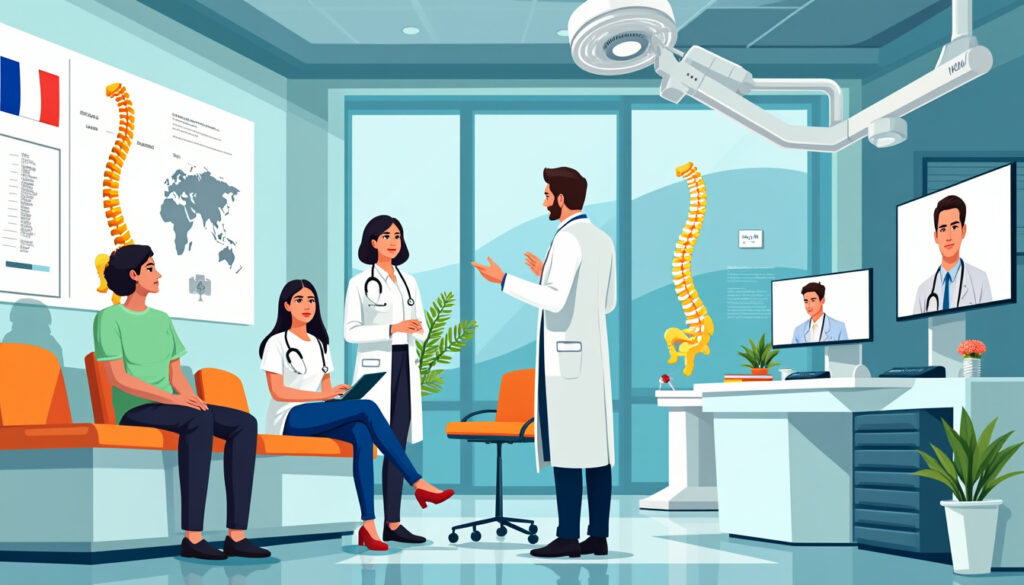
The collaboration between Quebec and France provides a unique advantage for patients facing spinal surgery. Economically, the transatlantic route often offers more cost-effective access to advanced surgical techniques, while maintaining compliance with Canadian medical ethics and safety standards. Patients avoid long waiting lists in Quebec by accessing high-quality, timely care abroad.
From a human perspective, this journey is supported by personalized coordination ensuring seamless transitions between continents. Patients experience reduced anxiety knowing their care is supervised by qualified experts like Dr. Desforges and integrated rehabilitation professionals post-return. The emotional support and education provided throughout empower patients to actively participate in their recovery, significantly improving outcomes and satisfaction.
- Optimized access to innovative implants and technologies unavailable locally
- Tailored surgical planning based on comprehensive preoperative evaluations
- Reduction of healthcare burden in Quebec with efficient utilization of resources
- Robust post-operative rehabilitation within familiar healthcare systems in Canada
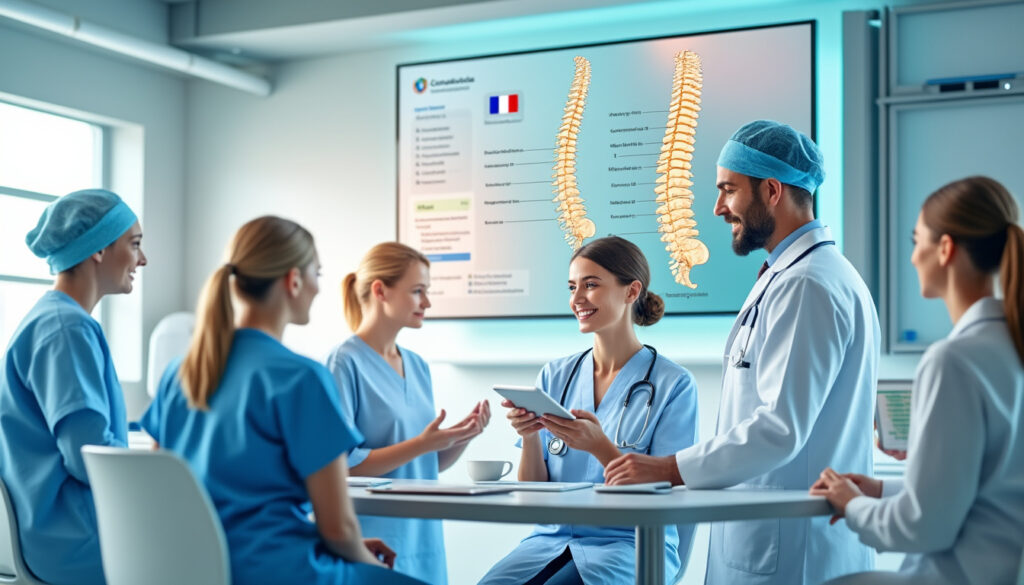
IntraSPINE® in Laval: Modern Solution for Lumbar Stabilization
In the evolving landscape of orthopedic treatments, the city of Laval has become a hub for innovations addressing chronic lower back pain. Among the groundbreaking solutions gaining attention is the IntraSPINE device—a modern spinal implant designed to offer dynamic lumbar…
Essential Postoperative Guidelines to Maximize Recovery After Cervical Disc Replacement
The period following cervical disc prosthesis surgery is pivotal for restoring spine function and long-term success. Early mobilization, pain control, and wound care are key pillars of postoperative management, all carefully outlined by Dr. Desforges and his multidisciplinary team to promote safe recovery:
- Initiate gentle movements the day after surgery: Activities like sitting, standing, walking, and climbing stairs prevent stiffness and promote circulation.
- Adhere strictly to prescribed analgesics and anti-inflammatory medications: Effective pain management aids rehabilitation adherence.
- Keep the surgical site clean with regular dressing changes: Follow up with home nursing care until complete healing.
- Avoid tobacco use: Smoking impairs tissue healing and increases complications.
- Gradually resume work and physical activities: Desk jobs can often be resumed within 2-3 weeks; physical exertion and sports require longer caution periods.
- Report alarming symptoms immediately: Intense pain, redness, fever, or neurological signs necessitate urgent medical contact.
By following these recommendations and engaging with ongoing physiotherapy and neurorehabilitation in Quebec, patients optimize their recovery trajectory, reduce complication risks, and restore neck flexibility efficiently.
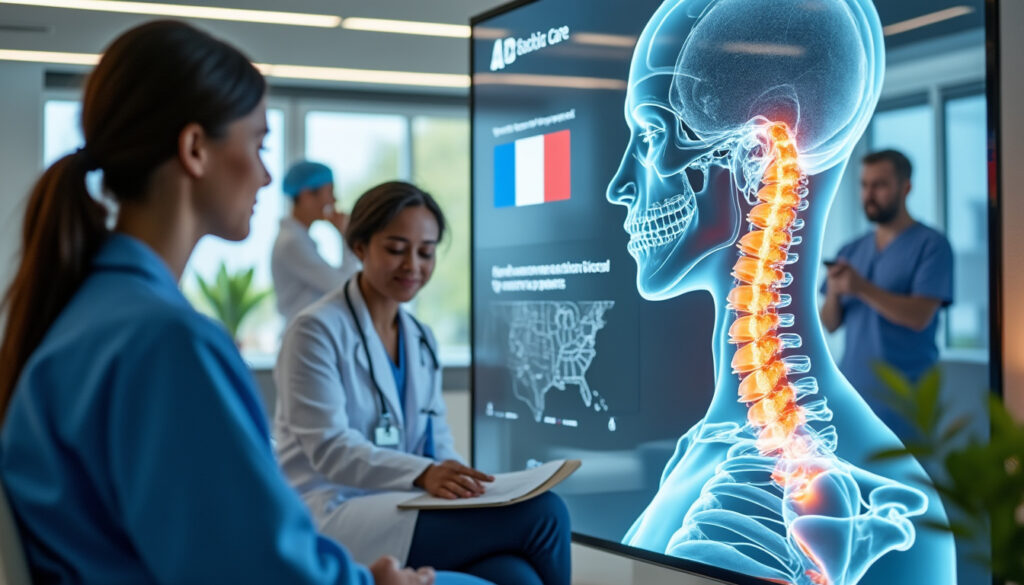
Neck Surgery in Montreal: Maintain Cervical Flexibility and Function
Neck conditions causing persistent pain or functional loss place a substantial burden on individuals and healthcare systems, especially in urban centers like Montreal. Surgical interventions targeting the cervical spine have evolved tremendously, aiming not only to relieve symptoms but to…
Encouraging Informed Dialogue and Next Steps for Cervical Spine Care
Understanding the complexities of cervical spine pathologies and the nuances of surgical options can be daunting. Dr. Sylvain Desforges invites patients and health professionals alike to engage in informed discussions, fostered by clear, jargon-free communication about indications, benefits, limits, and expected outcomes related to cervical disc prosthesis.
Every patient’s case is unique, demanding personalized assessment and carefully crafted care pathways. Those navigating chronic cervical conditions should begin with thorough evaluations and embrace advanced conservative treatments as essential steps before contemplating surgical solutions. The transatlantic collaboration offers a remarkable opportunity to access world-class interventions with ongoing expert support.
For more information or to discuss your clinical case directly with Dr. Desforges and his expert team, please visit SOS Tourisme Médical contact page. Taking proactive steps today can pave the path toward lasting neck mobility, enhanced spinal health, and improved quality of life.
How long does a cervical disc prosthesis typically last?
Cervical disc prostheses are designed to provide durable function for many years. Although rare, wear or ossification around the implant can occur over time, potentially requiring revision surgery.
Can multiple levels be treated with disc prosthesis?
Yes, certain centers, especially in France, perform disc replacement on two cervical levels depending on patient anatomy and pathology.
What are the main risks associated with cervical disc prosthesis surgery?
Like any surgery, risks include infection, bleeding, and specific complications such as transient difficulty swallowing or implant malfunction. However, success rates are high in carefully selected patients.
When can I resume driving after cervical disc replacement?
Driving is generally allowed after 1 to 2 weeks post-surgery once pain is controlled and mobility sufficient without sedative medications.
What sports activities are recommended post-operation?
Low-impact activities such as walking, swimming, and gentle cycling are encouraged shortly after surgery. High-impact or heavy lifting sports should be avoided for several weeks to months.

Disc Prosthesis in Lévis: Quick and Long-Lasting Results
Chronic back pain caused by degenerative disc disease continues to profoundly impact the quality of life for many residents in Lévis and the broader Quebec area. For decades, traditional spinal fusion surgery has been the primary solution for alleviating severe…