Disc Herniation in Longueuil: Target Patients and Neurovertebral Decompression Treatment Explained
May 19, 2026
IntraSPINE® in Laval: Quick and Effective Recovery
May 20, 2026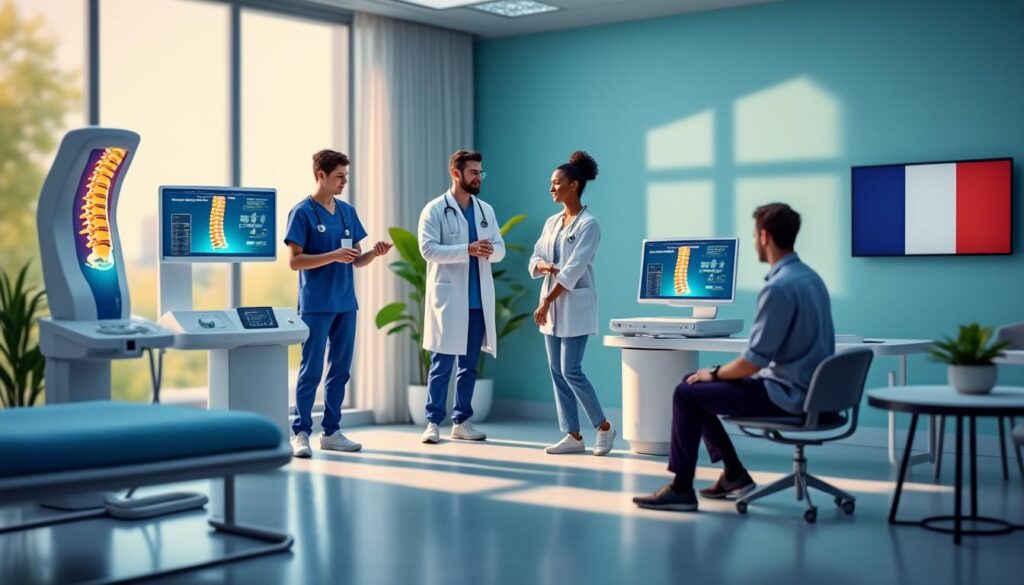
Chronic neck pain increasingly affects a growing number of patients across Quebec, profoundly impacting their quality of life and professional capabilities. As the quest for surgical solutions that not only alleviate discomfort but also preserve natural neck mobility intensifies, cervical disc prosthesis emerges as a revolutionary breakthrough. This innovative approach restores intervertebral disc height and, crucially, maintains neck flexibility, bypassing the traditional limitations associated with spinal fusion surgeries. Patients benefit from enhanced well-being and reduced risks of complications often linked with more invasive interventions.
At the forefront of this transformative field stands Dr. Sylvain Desforges, a dedicated spine care expert with over 30 years of clinical experience. Renowned for his comprehensive evaluations and patient-focused approach, Dr. Desforges integrates scientific rigor and empathetic guidance to support those navigating cervical spine disorders. Through strategic collaborations with leading French clinics such as TAGMED, he orchestrates transatlantic patient pathways, accelerating access to state-of-the-art technologies and highly specialized surgical treatments. This unique coordination ensures timely interventions and personalized care for Quebec patients, effectively bridging geographical and procedural gaps.
Understanding Cervical Disc Prosthesis: Innovations in Neck Mobility and Function
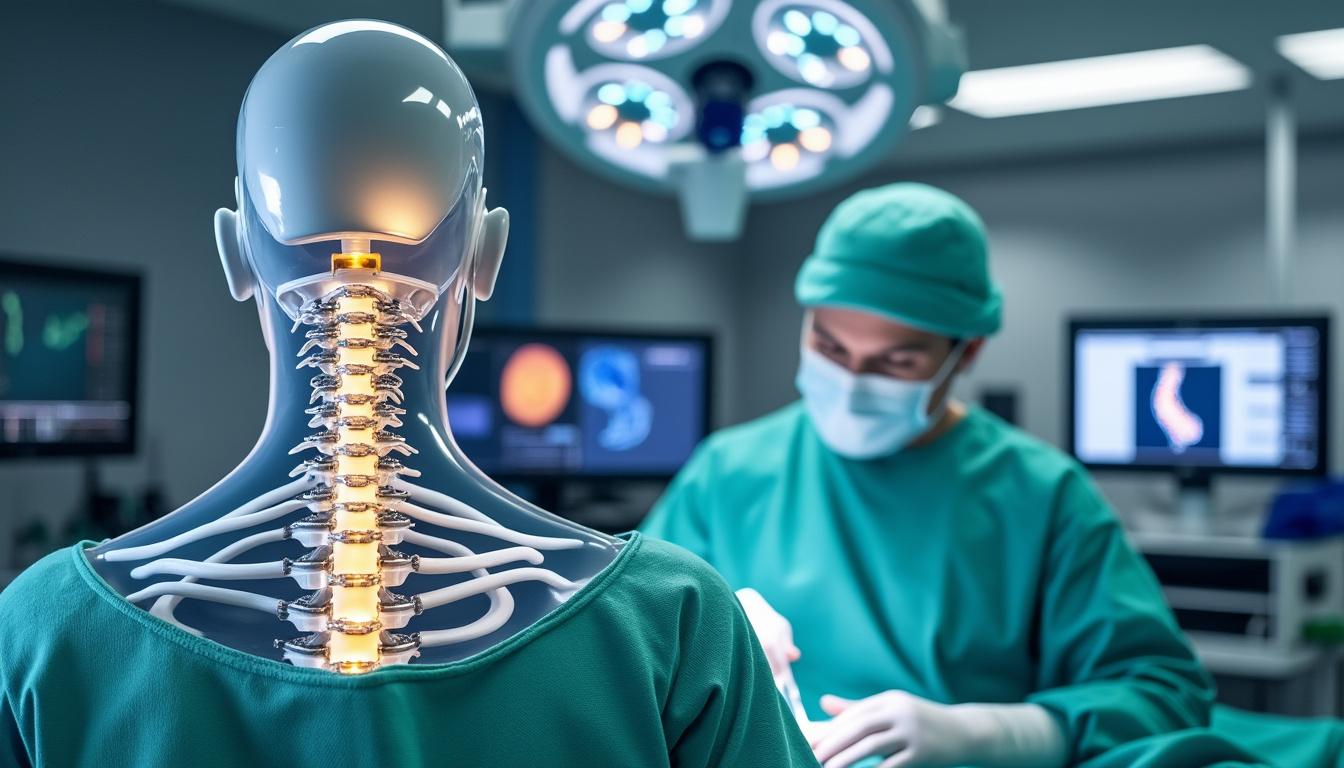
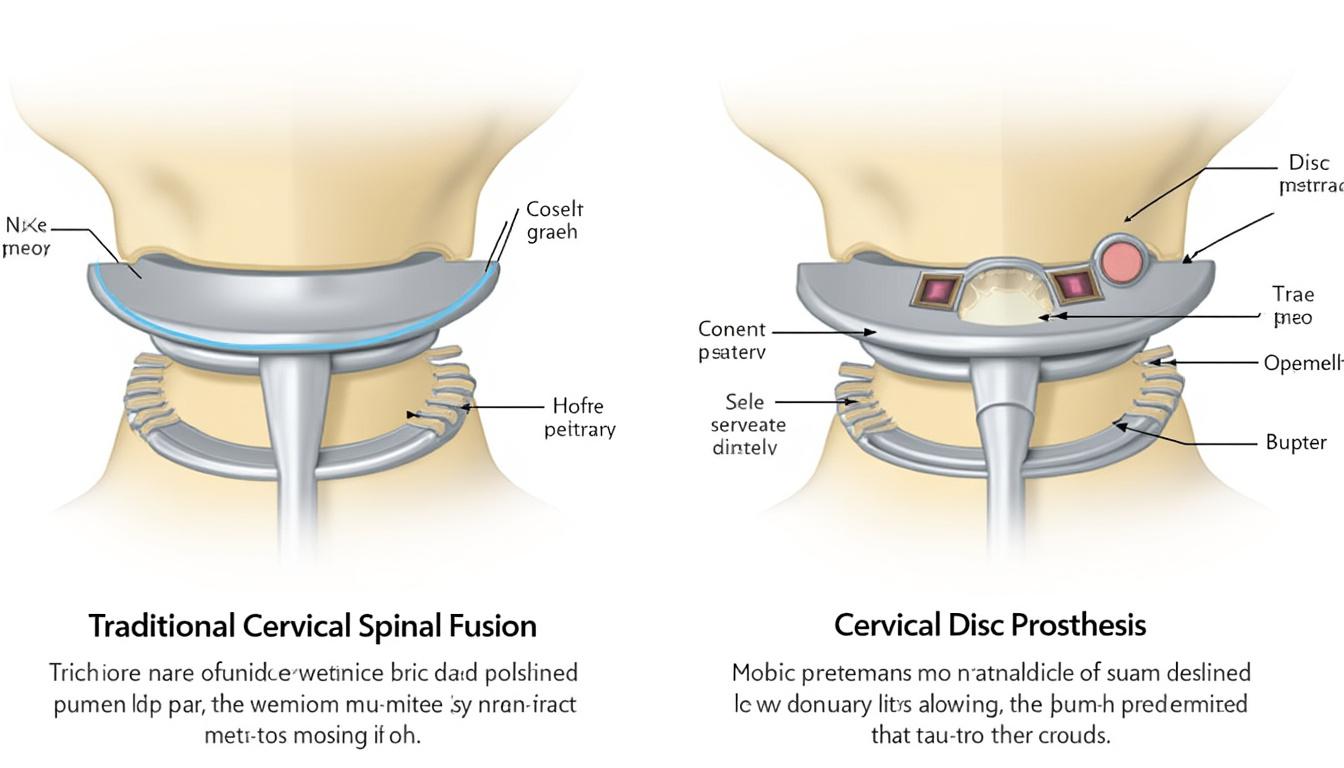
The cervical disc prosthesis represents a cutting-edge surgical intervention that replaces damaged intervertebral discs in the neck region. Unlike traditional fusion techniques that immobilize the affected vertebrae, prohibiting movement and potentially escalating stress on adjacent discs, artificial disc replacement conserves near-normal cervical spine kinematics.
This therapy has been developed to alleviate symptoms caused by soft disc herniation and isolated arthritic disc degeneration while preserving the intricate flexion, extension, rotation, and lateral bending motions essential for everyday activities. By maintaining this dynamic mobility, patients experience not only significant relief from neck pain but also a sustained capacity for normal neck movements.
For example, devices like the ProDisc-C, Mobi-C, and Prestige LP have been engineered with advanced biomechanics: mobile cores, multipolar surfaces, and materials designed to absorb spinal loads effectively. These features result in a smoother restoration of disc height and flexibility, significantly lowering the likelihood of adjacent segment degeneration often observed after fusion.
Dr. Sylvain Desforges personally evaluates each case with meticulous attention, ensuring the selection of the most suitable implant based on the patient’s anatomy and pathology. This expertise translates into optimized outcomes, with a greater preservation of natural neck function compared to standard arthrodesis.
IntraSPINE® in Sherbrooke: A Long-Lasting Solution for Chronic Lower Back Pain
Chronic lower back pain remains one of the most pressing health concerns in Sherbrooke and beyond, impacting millions and often diminishing daily quality of life. Despite the prevalence of lumbar discomfort, many face limited access to cutting-edge treatments amidst lengthy…
Comparing Cervical Disc Prosthesis with Traditional Spinal Surgery Approaches in Quebec
Historically, orthopedic surgery for cervical disc problems centered on spinal fusion, a procedure that stabilizes the affected segment by allowing bone growth between vertebrae. While effective in reducing pain, fusion inherently eliminates movement at the fused level. This immobility may foster excessive mechanical stress on neighboring vertebrae, sometimes leading to accelerated degeneration termed “adjacent segment disease.”
In contrast, cervical disc prosthesis offers a paradigm shift. By preserving the individual motion segment, it mitigates such biomechanical disadvantages, fostering a more natural recovery of spine mechanics post-surgery. Patients often report faster functional restoration and reduced long-term complications.
Furthermore, the surgical intervention for prosthetic disc replacement is frequently shorter, with hospital stays typically ranging between one to three days, thanks to minimally invasive approaches refined through international collaborations.
Yet, candidacy for disc prosthesis is selective. Severe facet joint arthritis, spinal instability, and certain infections can contraindicate implant placement. Thus, comprehensive patient evaluation by experts like Dr. Desforges is indispensable to tailor intervention plans accordingly.
For deeper insights into differences between arthrodesis and disc replacement, visiting specialized resources like Ortho Westmount’s services provides valuable perspectives grounded in clinical practice.
Herniated Disc Care in Sainte-Julie: Why TAGMED’s Neurovertebral Decompression Therapy Stands Out
In the vibrant community of Sainte-Julie, back pain—particularly that stemming from herniated discs—has become a widespread concern affecting people from all walks of life. The relentless search for effective, non-invasive treatments has brought renewed attention to a pioneering therapy that…
The Personalized Patient Pathway with Dr. Sylvain Desforges: From Evaluation to Postoperative Care
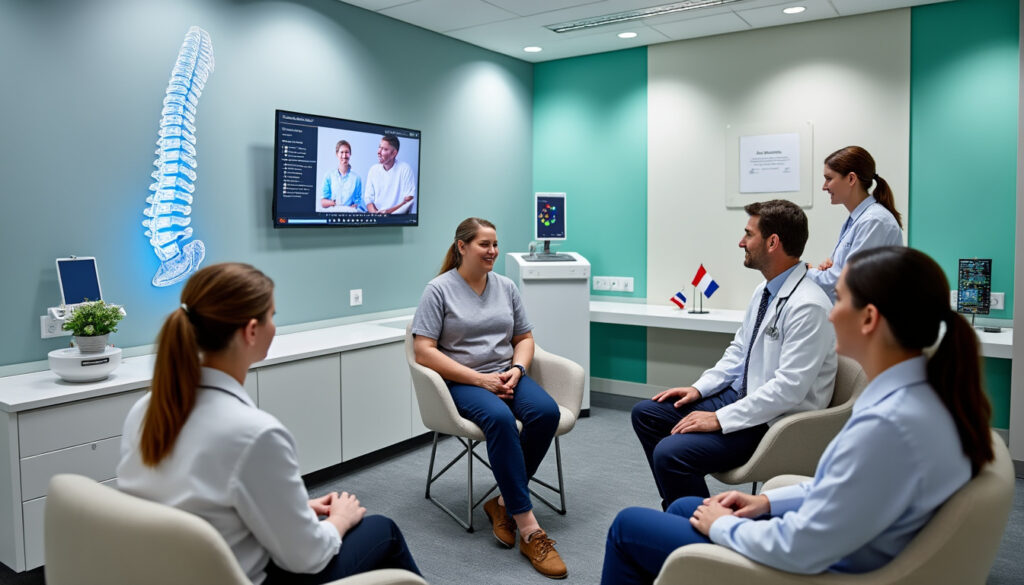
The journey toward cervical disc prosthesis begins with an in-depth assessment conducted by Dr. Sylvain Desforges in Quebec. Utilizing advanced imaging modalities such as MRI and dynamic radiographs, alongside thorough physical examinations, he determines the exact nature and extent of cervical spine pathology.
Following a confirmed indication, conservative care remains the initial recommended approach. Non-invasive therapies, especially neurovertebral decompression administered at places like Clinique TAGMED, often alleviate symptoms without necessity for immediate surgery. This phase typically spans three to six months, during which patients receive multidisciplinary support involving manual therapy, postural education, and targeted physiotherapy.
Should symptoms persist, Dr. Desforges coordinates a well-orchestrated referral to expert spine surgeons in France. This transatlantic collaboration embodies his commitment to international best practices and patient-centric innovations. Administrative coordination ensures smooth scheduling of consultations, surgical procedures, and comprehensive follow-up aligned with best outcomes.
Such a pathway not only reduces waiting times but enhances patient confidence, knowing they benefit from both local expertise and cutting-edge foreign care options. Postoperative rehabilitation programs emphasize restoring full neck mobility and strength, optimizing long-term spinal health.
Back Surgery in Trois-Rivières: Alleviating Pain While Preserving Mobility
In Trois-Rivières, Quebec, the persistence of back pain affects a substantial portion of the population seeking effective and personalized solutions. Back pain, often caused by spinal disorders or herniated discs, can drastically diminish quality of life, limiting mobility and causing…
The Biomechanics and Types of Artificial Discs Used in Cervical Disc Replacement
The choice of artificial disc is critical for restoring natural biomechanics of the cervical spine. Several implants are prominently utilized, each designed to address specific patient needs with unique biomechanical properties:
| Type of Implant | Biomechanical Features | Advantages | Limitations |
|---|---|---|---|
| ProDisc-C | Mobile core allowing restoration of disc height | Extensive clinical experience and durable outcomes | Less suitable in cases of severe facet arthritis |
| Mobi-C | Multipolar surface to minimize implant wear | Indicated for single or two-level replacements | Contraindicated with major spinal instability |
| Synergy Disc | Metal and polyethylene prosthesis mimicking natural biomechanics | Preserves motion and absorbs loads effectively | Requires precise patient selection and evaluation |
Dr. Desforges’ extensive experience ensures that the implant selected aligns with the patient’s unique spinal anatomy and pathology. This meticulous customization ensures sustainable functional improvement and reduced risk of complications.
Disc herniation remains a significant health concern in Pointe-Claire, impacting the lives of a diverse population ranging from labor-intensive workers to the aging community. The condition, characterized by the displacement or rupture of the intervertebral disc, often leads to debilitating…
Conservative Care Before Cervical Disc Surgery: A Strategic Approach to Neck Pain
Before proceeding to surgery, conservative treatment remains the cornerstone of managing cervical disc pathology. Building on years of clinical success, Dr. Desforges advocates a comprehensive conservative approach emphasizing advanced techniques to relieve nerve compression and restore function. This period involves a combination of:
- Neurovertebral decompression: This non-invasive method gently relieves pressure on nerve roots, addressing radiating pain.
- Specialized physiotherapy: Tailored exercises focusing on flexibility, strength, and posture correction.
- Ergonomic and postural education: Guidance on daily activities to prevent further strain and promote spinal health.
The conservative phase typically spans 3 to 6 months, enabling many patients to avoid surgery altogether, or approach surgical options from a stronger baseline, enhancing outcomes.
Patients seeking detailed information on these non-surgical methods may find additional guidance at Clinique TAGMED’s dedicated pages.
At Gouin Clinic, the landscape of herniated disc therapy has entered a transformative era marked by the integration of Personalized Treatment Plans and breakthrough Neurovertebral Decompression Therapy. This non-surgical approach is revolutionizing how spinal disorders are managed, offering patients an…
International Coordination to Optimize Treatment Timelines and Quality of Care
One of the unique facets of Dr. Sylvain Desforges’ approach is the seamless coordination of patient care between Quebec and France. Recognizing that some advanced surgical techniques and implants are more readily available through top-tier European centers, Dr. Desforges strategically integrates these resources into patient pathways. This international collaboration capitalizes on shared expertise, streamlined logistics, and compliance with both Canadian and French medical standards.
This approach reduces the prolonged wait times often encountered in Quebec’s healthcare system, ensuring timely access to innovative cervical disc prosthesis interventions. Moreover, patients receive continuous support from an interdisciplinary team, which contributes to improved recovery rates and satisfaction.
Such coordination also enables patients to benefit from novel technologies like laser therapy and dynamic spinal implants not yet widespread locally, highlighting Dr. Desforges’ commitment to innovation and evidence-based practices.
Cervical Disc Prosthesis in Quebec: Preventing Post-Operative Stiffness
Neck pain is one of the most common musculoskeletal complaints in Quebec, affecting a significant portion of the population annually. Often rooted in degenerative cervical disc diseases or herniated discs, this persistent discomfort severely impacts daily life and mobility. Fortunately,…
Ensuring Patient Safety and Ethical Standards in Cervical Disc Prosthesis Procedures
Safety remains paramount in all aspects of spinal care. Dr. Sylvain Desforges’ leadership in authoritative bodies such as the Canadian College of Osteopaths underscores his dedication to rigorous ethical standards and regulatory compliance. All interventions, including cervical disc prosthesis, strictly adhere to Quebec and Canadian medical regulations as well as guidelines from the Collège des médecins du Québec.
Potential risks associated with artificial disc surgery—such as infections, implant migration, or nerve injury—are minimized through careful patient selection, precise surgical techniques, and comprehensive preoperative preparation. Dr. Desforges emphasizes clear patient education, ensuring they understand treatment goals, benefits, limitations, and alternative options.
Patients can expect a tailored care plan with continuous monitoring before and after surgery, promoting both safety and confidence throughout their treatment journey. For patients seeking professional spinal surgery expertise in Montreal, services are also available at nearby leading centers like Neurothérapie Montréal.
The prevalence of herniated disc conditions in Blainville has sparked considerable discussion and misconceptions about their causes, symptoms, and treatments. While the pain and disability associated with this spinal disorder are well documented, the emergence of non-surgical options such as…
The Future of Cervical Disc Prosthesis: Innovations and Expanding Access in Quebec
As technologies evolve, the future of cervical disc prosthesis in Quebec looks promising. Current research focuses on enhancing implant biomaterials, improving surgical precision with robotics, and integrating real-time intraoperative imaging to optimize outcomes. Additionally, regenerative medicine techniques hold potential to complement or even reduce the need for prosthetic devices in some cases.
Dr. Sylvain Desforges remains actively engaged in these innovations, championing evidence-based adoption of advanced modalities such as laser therapy and dynamic spinal implants. His role in education and leadership fosters continuous knowledge transfer, ensuring patients in Quebec benefit from the latest advancements.
Expanding collaborations with international surgical centers and medical tourism platforms further facilitates access for Quebec patients requiring specialized cervical disc replacement interventions, defined by personalized, compassionate, and scientifically rigorous care.
What are the main advantages of cervical disc prosthesis?
Cervical disc prosthesis maintains intervertebral mobility while effectively relieving pain, reducing the risk of adjacent segment degeneration commonly linked with fusion surgeries.
Is it possible to implant multiple cervical disc prostheses during the same surgery?
Although rare due to biomechanical constraints, combined solutions involving multiple implants may be considered on a case-by-case basis by specialists like Dr. Desforges.
What is the typical recovery time after cervical disc replacement surgery?
Most patients resume light activities within two weeks and gradually return to normal function between four to six weeks after surgery.
What risks should patients be aware of regarding cervical disc prosthesis surgery?
Risks include infection, implant migration, and nerve injury, though these complications are uncommon when proper evaluation and surgical protocols are followed.
Why is conservative care important before considering surgical intervention?
Conservative treatments, especially neurovertebral decompression and physiotherapy, can effectively manage symptoms, often preventing the need for surgery and improving surgical outcomes if needed.
Minimally Invasive Surgery in Longueuil: Reducing Hospital Stays for Faster Recovery
In recent years, a transformative wave has swept through spinal healthcare in Longueuil, aiming to revolutionize treatment experiences for patients suffering from back disorders. This shift stems from a growing demand for procedures that minimize hospital stays without compromising efficacy.…