Why Specialists Advocate for Cutting-Edge Implants: Spotlight on TOPS™, Intraspine®, and ESP
November 9, 2025Terrebonne Residents Find Lasting Relief from Back Pain
November 9, 2025The evolution of spinal care continues to bring newer, safer, and more effective treatment options for those suffering from degenerative disc disease and chronic back pain. Among these advancements, disc prosthesis surgery in Lévis emerges as a promising alternative to traditional spinal fusion. Offering patients the potential to preserve spinal mobility while experiencing relief from debilitating symptoms, this procedure combines innovation with rigorous scientific scrutiny.
Patients in Quebec often face long waiting lists or high costs for spine surgeries. The option to explore disc prosthesis, particularly through coordinated transatlantic care between Canada and France, brings an advantageous path forward. This journey involves not only state-of-the-art surgical interventions but also a comprehensive assessment and follow-up under the expert guidance of specialists like Dr. Sylvain Desforges. With over 30 years of experience and leadership roles in osteopathic and spinal care associations in Canada, Dr. Desforges exemplifies a commitment to evidence-based patient management, ethical practice, and technological innovation.
Understanding Disc Prosthesis: A Modern Spine Surgery Alternative in Lévis
Disc prosthesis, also known as artificial disc replacement, is a surgical technique that replaces damaged intervertebral discs with mechanical devices designed to mimic natural disc function. Unlike spinal fusion, which permanently immobilizes a segment of the spine, disc prostheses aim to maintain flexibility and motion, thereby reducing strain on adjacent vertebral levels. This procedure has gained significant traction worldwide, supported by positive clinical outcomes and technological advancements.
In Lévis and surrounding Quebec regions, patients benefit from access to highly specialized artificial disc replacements authorized and developed in Europe, mainly France, where regulatory approval and expertise are well-established. Surgeons utilize implants from industry leaders such as Medtronic, Synthes, and Zimmer Biomet, ensuring high-quality materials and design optimized for longevity and biomechanical compatibility.
Key benefits of disc prosthesis include:
- Preservation of spinal motion, enabling patients to perform daily activities with less stiffness.
- Reduced degeneration of adjacent discs by avoiding the immobilization stresses typical of fusion surgeries.
- Evidence-based outcomes showing up to 93% patient satisfaction post-operation.
- Shorter recovery periods compared to traditional fusion surgeries, allowing earlier return to work and mobility.
For anyone considering surgery, it is important to understand that disc prosthesis suits specific indications and that patient selection is critical for successful outcomes. Thorough evaluation by experts such as Dr. Desforges ensures personalized recommendations and vigilant patient care.
| Procedure | Mobility Preservation | Recovery Time | Risk of Adjacent Disc Degeneration | Patient Satisfaction Rate |
|---|---|---|---|---|
| Disc Prosthesis | Maintained | 3 to 6 months | Low | Up to 93.3% |
| Spinal Fusion | Lost (immobilization) | 6 to 12 months | Higher | Variable |
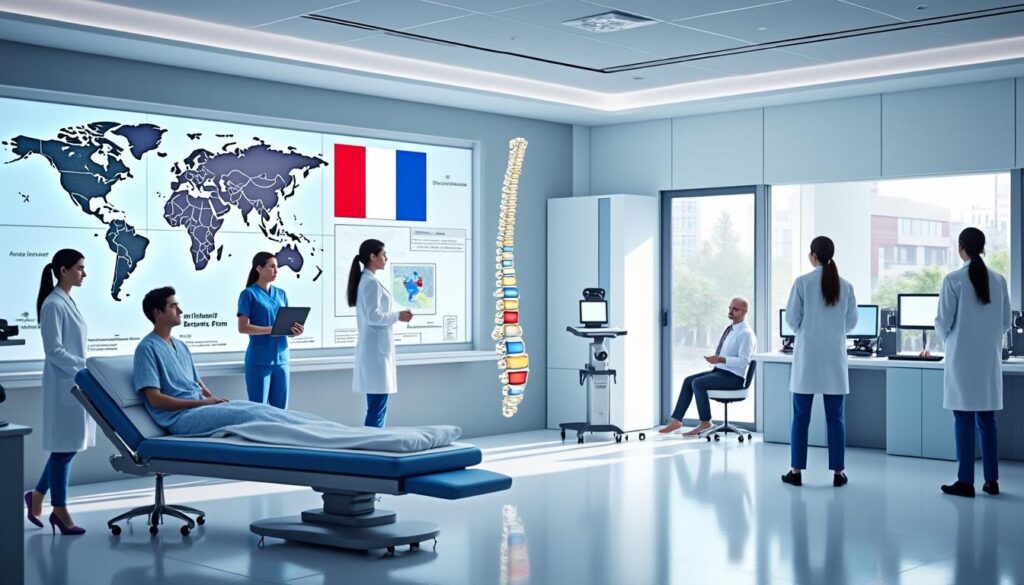
Disc Prosthesis in Lévis: Maintain Natural Mobility
In the evolving landscape of spinal health, the pursuit of innovative solutions for chronic back pain and degenerative disc conditions has never been more critical. Residents of Lévis and surrounding regions seeking pathways beyond the limitations of traditional spinal fusion…
Types of Surgical Techniques: Simple, Fusion, and Motion-Preserving Approaches in France
Exploring the available surgical techniques is crucial to understand the personalized options offered to patients. The French surgical landscape for spine care is at the forefront of innovation, providing a range of solutions tailored to the patient’s anatomy and disease severity. The key types include:
- Simple Disc Replacement: Focused on replacing a single damaged disc, this technique preserves range of motion and reduces adjacent level disease risks.
- Spinal Fusion Surgery: Involves joining two or more vertebrae, eliminating motion at the diseased segment. Though effective in pain relief, it may contribute to increased stress at adjacent discs.
- Motion-Preserving Surgery: This newer approach, including advanced dynamic implants like those from Centinel Spine and SpineArt, allows multi-level treatment while maintaining spinal flexibility.
France’s regulatory environment supports both traditional and innovative techniques, with reimbursement policies that enable access to high-end implants such as those from DePuy Synthes (Johnson & Johnson) and NuVasive. The inclusion of Aesculap and Stryker technologies further enriches the surgical armamentarium, contributing to enhanced procedural safety and biomechanical outcomes.
From a biomechanical perspective, motion-preserving surgery aims to maintain the natural kinetics of the spine, which is especially important for younger patients or those with active lifestyles. Surgeons in France utilize detailed preoperative imaging and specialized tools to tailor the implant choice and placement meticulously.
| Technique | Motion Preservation | Typical Use Cases | Recovery Considerations |
|---|---|---|---|
| Simple Disc Replacement | Yes | Isolated disc degeneration | Moderate, physical therapy required |
| Spinal Fusion | No | Severe degeneration, instability | Longer, risk of adjacent segment disease |
| Motion-Preserving Surgery | Yes, multi-level | Multi-level disc disease, active patients | Advanced rehab, tailored protocols |
The constant evolution of surgical tools and implant materials exemplifies France’s leadership in this domain and offers patients in Quebec opportunities to receive care that is often not yet widely available in the Canadian public system.
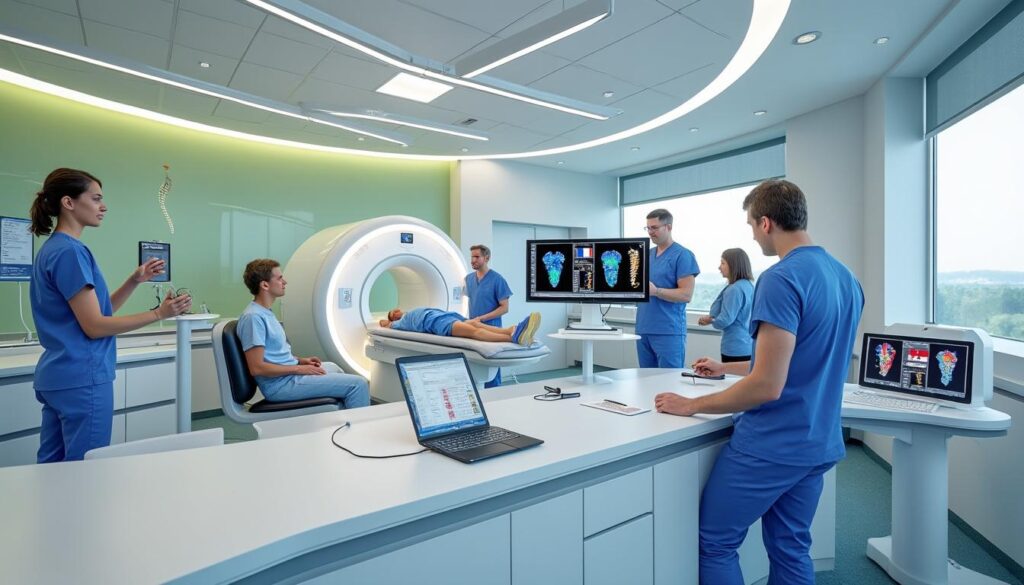
Motion Surgery in Terrebonne: Advanced Techniques Available in France
With over three decades of dedicated expertise in spine care, I have witnessed firsthand the evolution of surgical options aimed at improving quality of life for those living with spinal disorders. Among these advances, Motion Surgery stands out in Terrebonne…
The Patient Journey: From Evaluation to Postoperative Care and Return to Quebec
Embarking on a surgical journey involving disc prosthesis necessitates a structured and coordinated approach to ensure safety, effectiveness, and patient comfort. Dr. Sylvain Desforges plays a pivotal role as an expert evaluator, overseeing the initial assessment through to the personalized recommendations that consider each patient’s unique clinical profile.
The typical steps involved include:
- Comprehensive Evaluation: Including detailed consultation, review of medical history, imaging assessment (MRI, CT), and neurological examinations to differentiate candidates for disc replacement versus other interventions.
- Conservative Treatment Trial: A cornerstone of Dr. Desforges’ practice involves encouraging patients to complete 3 to 6 months of non-surgical care such as physiotherapy, medications, and most notably, advanced decompressing techniques like neurovertebral decompression—a specialty of the Clinique TAGMED in Montreal.
- International Coordination: Seamless collaboration between Quebec-based medical teams, French surgeons, and third-party facilitators such as SOS Tourism Medical ensures efficient scheduling, travel arrangements, and continuity of care.
- Surgical Admission and Procedure: Hospital stays in France are brief (usually 1 to 2 nights), with mobilization encouraged the following day.
- Postoperative Rehabilitation: Structured physical therapy programs start 2 to 4 weeks post-surgery, focusing on lumbar mobility, muscle strengthening, and posture correction, often extending over 1 to 3 months.
- Follow-Up and Return Home: Patients return to Quebec with individualized recovery plans and ongoing remote monitoring facilitated by Dr. Desforges and associated multidisciplinary teams.
This international pathway offers reduced wait times, enhanced access to innovative surgical implants, and a personalized approach that respects the patient’s lifestyle and personal goals.
| Phase | Description | Typical Duration | Key Considerations |
|---|---|---|---|
| Initial Evaluation | Clinical and imaging assessment by Dr. Desforges | 1 to 2 weeks | In-depth history, differential diagnosis |
| Conservative Treatment | Neurovertebral decompression, physical therapy | 3 to 6 months | Monitoring response to therapy |
| Surgical Planning and Travel | Coordination with French surgical teams and patient education | 1 month | Communication and logistical support |
| Surgery and Hospital Stay | Disc prosthesis procedure in France | 1 to 2 nights | Early mobilization, pain management |
| Postoperative Rehabilitation | Tailored physiotherapy program | 1 to 3 months | Focus on lumbar mobility and strength |
| Return to Quebec Follow-up | Remote monitoring and continued care | Ongoing | Effective communication and patient education |
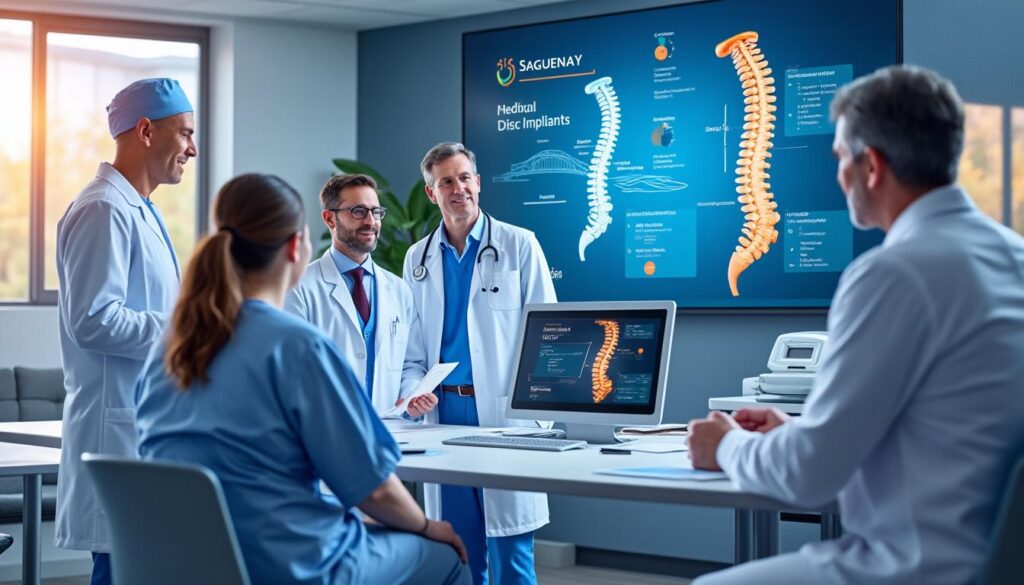
Lumbar Disc Prosthesis in Saguenay: Long-Lasting Relief After Surgery
Chronic back pain rooted in lumbar disc degeneration challenges many patients in Saguenay and beyond, urging exploration of innovative solutions to restore spine health and quality of life. Traditional spinal fusion surgeries, though effective for stabilizing painful segments, have notable…
The Importance of Completing Conservative Treatments Before Considering Surgery
While disc prosthesis surgery offers many benefits, it should only be considered after an exhaustive trial of conservative care. This clinical philosophy aligns with Dr. Desforges’ rigorous, evidence-based approach that champions patient safety and avoids premature surgical interventions. The rationale includes:
- Natural Healing Potential: Many patients respond well to non-invasive therapies that relieve pain and improve function without surgery.
- Pre-Surgical Optimization: Conditioning the spine and musculoskeletal system optimizes surgical outcomes and reduces postoperative complications.
- Advanced Conservative Techniques: At the renowned Clinique TAGMED, patients receive cutting-edge treatments including neurovertebral decompression, laser therapy, and dynamic implants that have shown efficacy for certain pathologies.
- Patient Empowerment: Understanding treatment options fosters informed decision-making and sets realistic expectations for potential surgical interventions.
Clinical guidelines generally recommend a minimum of 3 to 6 months of conservative management prior to contemplating disc replacement surgery. This timeframe allows patients and practitioners to fully evaluate symptom progression and treatment response.
| Conservative Treatment | Objective | Duration | Examples |
|---|---|---|---|
| Physical Therapy | Improve mobility and strength | 3 to 6 months | Stretching, strengthening exercises, postural correction |
| Neurovertebral Decompression | Aim to relieve nerve pressure | Several weeks | Non-surgical spinal decompression devices |
| Medication | Control pain and inflammation | As needed | NSAIDs, analgesics, muscle relaxants |
| Laser Therapy | Promote tissue healing | Variable | Low-level laser therapy on affected areas |
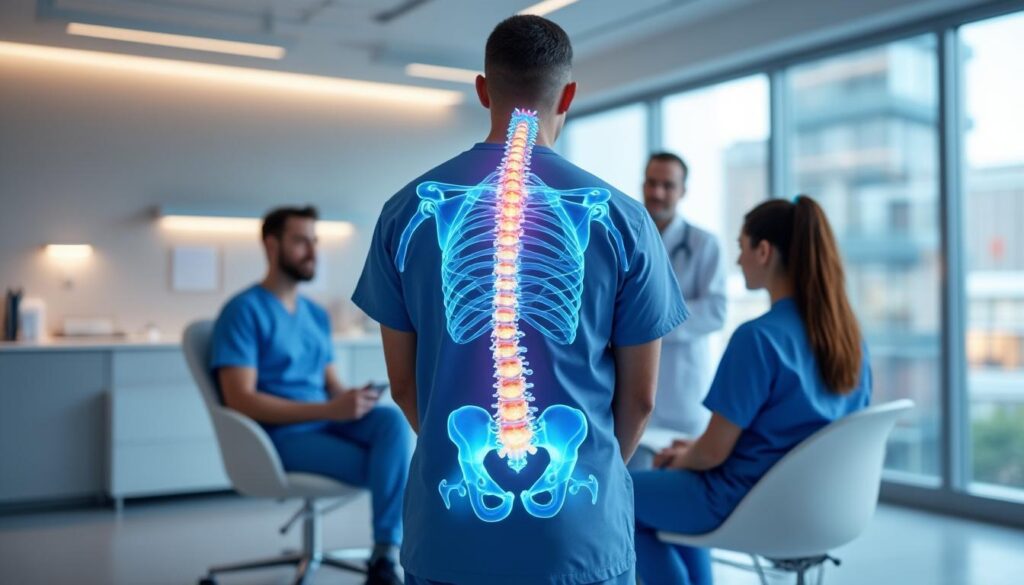
IntraSPINE® in Sherbrooke: Maintain Lumbar Function
In the modern management of lumbar spine conditions, patients in Sherbrooke and across Quebec are increasingly presented with innovative solutions that prioritize maintaining natural spinal function while alleviating debilitating pain. Among these advancements, the IntraSPINE device has emerged as a…
Biomechanical Advantages of Disc Prosthesis Compared to Spinal Fusion
The restoration of spinal biomechanics is the essence of disc prosthesis procedures. Unlike spinal fusion, which locks vertebrae together—resulting in decreased flexibility and altered load distributions—disc prostheses aim to closely replicate the function of natural discs, preserving motion and preventing the accelerated wear of neighboring spinal segments.
The biomechanics involved have several implications for patient quality of life and long-term spinal health:
- Flexibility Preservation: Allows for bending, twisting, and overall mobility that supports daily activities.
- Load Distribution: Maintains natural distribution of mechanical forces across vertebrae, reducing abnormal stresses.
- Minimized Adjacent Segment Disease: By preserving motion at the operated segment, this reduces the progressive degeneration often seen in adjacent spinal levels after fusion.
- Better Pain Control: Addressing the pain at its source without extensive immobilization can shorten pain duration and improve overall outcomes.
Research studies, including those found on NCBI and clinical data presented through platforms such as SOS Herniated Disc, support these biomechanical benefits, showing improved functional and occupational outcomes extending years beyond the surgery date.
| Biomechanical Parameter | Disc Prosthesis | Spinal Fusion |
|---|---|---|
| Range of Motion | Preserved (near-normal) | Restricted (eliminated at fusion site) |
| Load Transmission | Evenly distributed | Increased at adjacent levels |
| Risk of Adjacent Disc Degeneration | Significantly reduced | Higher rates reported |
| Postoperative Pain | Reduced early and late | Variable, often higher |
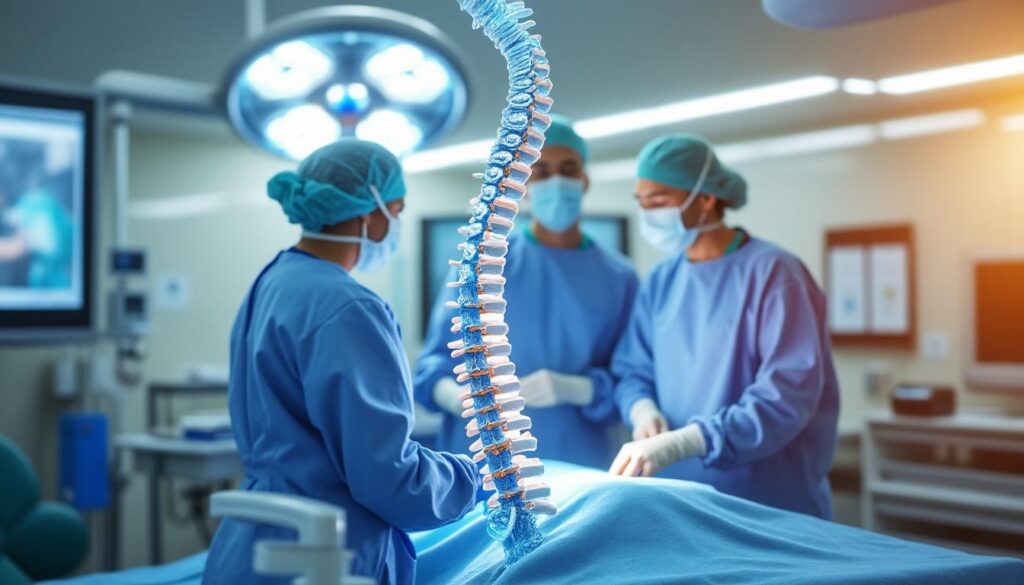
Minimally Invasive Surgery in Longueuil: Reduce Post-Surgery Pain
Minimally invasive surgery in Longueuil is transforming the patient experience by significantly reducing post-surgery pain and accelerating recovery times. With advances in surgical techniques such as laparoscopic and robotic-assisted procedures, patients can benefit from smaller incisions, less tissue damage, and…
Economic and Human Benefits of the Transatlantic Spine Surgery Path
For patients in Quebec facing long public system wait times or high private surgery costs, the transatlantic patient pathway to France for disc prosthesis surgery offers substantial economic and personal advantages. The strategic coordination orchestrated by experts like Dr. Desforges and platforms such as SOS Tourism Medical provides:
- Reduced Wait Times: Access to surgery within months versus potentially years in Quebec’s public care system.
- Cost Efficiency: Competitive pricing for advanced surgical care that might otherwise be inaccessible.
- Access to Innovation: Use of state-of-the-art implants and surgical techniques unavailable or less common in Canada.
- Personalized Support: Comprehensive patient guidance, from evaluation through postoperative recovery and reintegration.
- Enhanced Quality of Life: Earlier return to work, daily activities, and family life without the prolonged limitations associated with long waits or conservative-only treatments.
This international medical collaboration reflects a patient-centered approach that balances technological progress with human empathy and expert clinical oversight. It provides a uniquely reassuring environment for patients anxious about surgery, emphasizing education and informed consent at every step.
| Benefit | Impact | Example |
|---|---|---|
| Wait Time Reduction | Months instead of years | Quebec patient received surgery within 45 days |
| Advanced Technology Access | Implants from Zimmer Biomet, Globus Medical | Multi-level dynamic prostheses |
| Coordinated Care | Personalized patient journey | Direct communication between Canadian and French teams |
| Economic Savings | Competitive surgical costs | Lower than private Canadian surgery rates |
Neck Surgery in Montreal: Maintain Natural Cervical Flexibility
Neck surgery remains a crucial consideration for patients suffering from severe cervical spine disorders where conservative treatments have failed. In Montreal, access to specialized care offers patients the opportunity to explore advanced surgical solutions designed to maintain natural cervical flexibility—an…
Postoperative Care and Long-Term Monitoring in Quebec
Postoperative management after disc prosthesis surgery is critical for lasting success. Patients returning to Quebec benefit from the sustained involvement of Dr. Desforges and his network to ensure proper rehabilitation and monitoring. The goals of postoperative care include:
- Pain Management: Utilizing analgesics and patient education to minimize discomfort.
- Rehabilitation Programs: Emphasizing spine flexibility, muscle strengthening, and posture optimization through targeted physical therapy.
- Regular Follow-Ups: Monitoring for rare complications such as prosthesis migration, infection, or neurological symptoms.
- Patient Empowerment: Encouraging patients to be proactive in their recovery and seek timely advice for any signs of recurrence.
Clinics like the Lumbar Disc Prosthesis in Saguenay Preserve Natural Mobility program illustrate how comprehensive aftercare supports optimal functional outcomes and patient satisfaction. The multidisciplinary approach—including osteopaths, physiotherapists, and pain specialists—ensures holistic care, aligned with current regulations and best practices.
| Care Aspect | Details | Recommended Duration |
|---|---|---|
| Analgesia | Pain control via medication and non-pharmacologic strategies | Throughout initial recovery (up to 6 weeks) |
| Physical Therapy | Exercises for lumbar mobility and core stability | 1 to 3 months |
| Follow-Up Visits | Imaging and clinical evaluation | Periodic over 1 year+ |
| Patient Education | Self-care instructions and lifestyle advice | Continuous |
Disc Prosthesis in Lévis: Fast and Lasting Results
In the realm of spinal care, patients battling chronic back pain and degenerative disc diseases continuously seek solutions that offer not just symptom relief but also the restoration of natural spinal function. Disc prosthesis, or artificial spinal disc replacement, has…
The Role of Dr. Sylvain Desforges in Advancing Spinal Care Innovation and Patient Advocacy
With more than three decades dedicated to spinal care, Dr. Sylvain Desforges brings a unique combination of clinical expertise, leadership, and advocacy to the realm of disc prosthesis. As founder and president of the Association Canadienne des Médecins en Ostéopathie (ACMA) and the Collège des Ostéopathes Canadiens, his influence extends beyond individual patient care to shaping the standards of practice nationally.
His commitment to scientific rigor and patient safety fosters the adoption of evidence-based protocols and the integration of cutting-edge technologies like Medtronic’s advanced implants and Globus Medical’s dynamic devices into clinical practice. A pioneer in coordinating international care pathways, Dr. Desforges exemplifies the best balance of technical innovation and human-centered support.
Patients working alongside Dr. Desforges benefit from:
- Comprehensive spinal evaluations that guide personalized treatment strategies.
- Transparent communication, demystifying complex surgical options through clear explanations and supportive education.
- Ethical oversight ensuring all treatments comply with Quebec and Canadian healthcare regulatory frameworks.
- Innovative care coordination that leverages international surgical collaborations and postoperative integration.
This dedication transforms the patient journey into one of empowerment, trust, and enhanced recovery potential.
Motion Surgery in Terrebonne: Reduce Postoperative Complications
In the evolving landscape of spine care, Motion Surgery in Terrebonne represents a groundbreaking approach that offers patients a significant advantage in reducing postoperative complications while preserving spinal mobility. Traditional spinal surgeries have long been associated with challenges, including stiffness,…
Frequently Asked Questions About Disc Prosthesis Surgery
What is the typical success rate of disc prosthesis surgery?
Disc prosthesis surgeries have demonstrated success rates up to 93.3%, reflecting significant patient satisfaction and improved functional outcomes after recovery.
Who is not an ideal candidate for disc prosthesis?
Patients in poor general health, smokers, or those with obesity may not be ideal candidates. A thorough health evaluation ensures that surgery is only performed when likely beneficial.
How long is the recovery after disc prosthesis surgery?
Recovery generally takes 3 to 6 months, including phases of physical therapy focused on restoring mobility and strengthening supportive musculature.
Are there significant risks associated with disc prosthesis?
While the procedure is generally considered safe, potential risks include infection, implant migration, and neurological symptoms. Close monitoring by experienced surgeons minimizes these risks.
Is disc prosthesis better than spinal fusion?
Disc prosthesis preserves spinal motion and carries a lower risk of adjacent segment degeneration compared to spinal fusion, making it a preferred option when appropriate.
For more information or to discuss your personal case, we encourage you to contact our team to initiate a thorough evaluation and receive tailored guidance on your journey to spinal health.