Comprehensive Preoperative Assessment: The Keystone of Patient Care Pathways
November 9, 2025Disc Prosthesis in Lévis: Safe and Effective Procedure
November 9, 2025The landscape of spinal surgery has witnessed transformative progress, particularly with the advent of advanced dynamic implants like TOPS, Intraspine, and ESP. These cutting-edge devices represent a paradigm shift for spinal conditions management by offering stabilization that maintains natural spinal mobility, a feature traditionally sacrificed in conventional fusion surgeries. Across Quebec and Europe, specialists advocate for these innovative implants due to their superior post-operative outcomes and reduced complication rates. With over three decades of clinical and industrial experience informing current practice, these implants provide a personalized approach designed to preserve function while addressing complex degenerative spinal disorders.
This movement towards dynamic spinal implants is driven by rigorous biomechanical innovation, certification stringency, and collaborative care pathways that span continents. Institutions in France, leveraging robotics-assisted technology and specialized surgical teams, have become hubs for implantations, accommodating patients from Canada seeking expert care unavailable locally. Complementary services including preoperative evaluation at centers like TAGMED (Toronto) and post-surgical support through Neurotherapy Montreal form a comprehensive care continuum, validating the critical role of international partnerships. The promising clinical evidence behind these devices has propelled them into the spotlight, redefining what patients can expect in terms of recovery speed, pain relief, and long-term spinal integrity.
Dynamic Spinal Implants Defining the Future of Back Surgery: A Closer Look at TOPS, Intraspine, and ESP
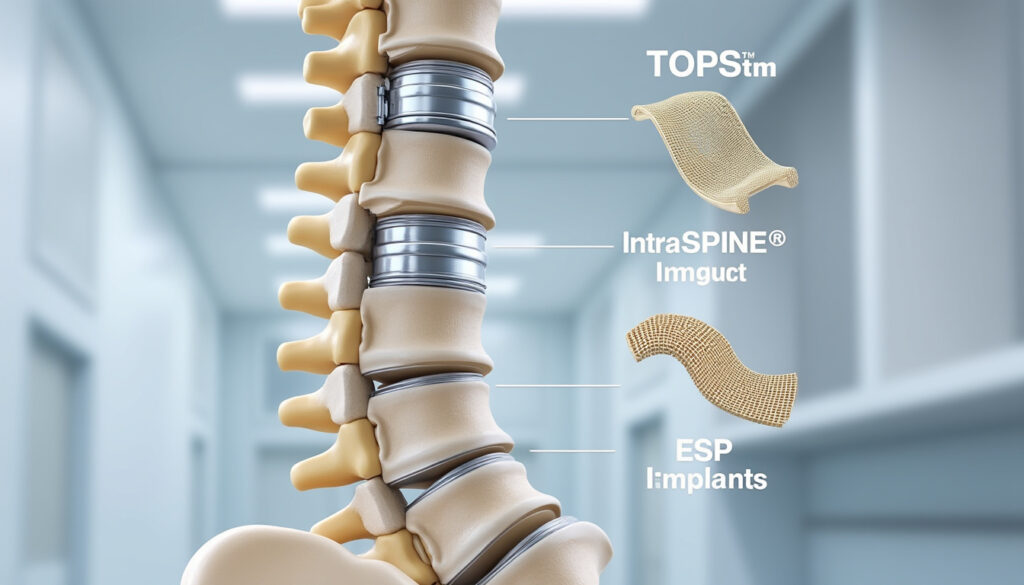
The quest to manage spinal pathologies without compromising segmental mobility has pushed innovation far beyond traditional fusion paradigms. Dynamic implants including TOPS, Intraspine, and ESP introduce a new biomechanical philosophy that balances stabilization with physiological motion preservation, directly contesting the long-standing approach of rigid fusion. By mitigating excessive biomechanical loads on adjacent discs, these implants substantially reduce degeneration risk commonly seen after fusion. The unique designs, materials, and mechanisms of each reflect sophisticated engineering catering to distinct clinical indications.
TOPS (Total Posterior Spine System) employs a metallic articulated mechanism anchored with pedicle screws to uphold controlled multi-directional motion at the implanted vertebral segment. This system facilitates flexion, extension, lateral bending, and rotation, preserving near-natural kinematics. It is especially effective in lumbar spinal stenosis with segmental instability, providing substantial pain relief while avoiding secondary cascade effects on surrounding discs.
Intraspine is an interspinous device positioned between spinous processes acting as a shock absorber. Its flexible biocompatible alloy design cushions pathological compressive forces without eliminating spinal movement. This minimizes the invasiveness typically associated with surgery and suits patients with moderate chronic lumbar pain.
ESP (Elastic Spine Pad) incorporates an elastomeric core that introduces controlled flexibility between vertebrae. The device enhances mechanical circulation, alleviates tissue stress, and supports minimally invasive approaches, making it suitable for mild to moderate segmental instability treatment.
- Key benefits of these implants include:
- Preservation of partial segmental mobility after surgery
- Reduction of excessive stress on adjacent intervertebral discs
- Lowered incidence of secondary spinal degeneration
- Accelerated functional recovery and patient quality of life improvements
| Feature | TOPS | Intraspine | ESP |
|---|---|---|---|
| Primary Mechanism | Articulated metal system with pedicle screw fixation | Interspinous flexible spacer | Elastomeric core providing controlled flexibility |
| Indication | Lumbar stenosis with segmental instability | Moderate chronic lumbar pain | Mild to moderate segmental instability |
| Mobility Maintenance | Oui, multi-directional controlled movement | Yes, movement preserved with cushioning | Yes, elastic spinal segment mobility |
| Invasiveness | Moderate | Less invasive | Minimally invasive |
| Certifications | CE, FDA | CE | CE |
Understanding these distinct biomechanical characteristics is essential for tailored surgical planning and improving prognostic outcomes.

Understanding Sciatic Pain: Key Symptoms and When to Seek Medical Advice
Sciatic pain is a prevalent condition impacting a wide demographic, manifesting primarily as intense pain radiating from the lower back down the leg. This pain stems from irritation or compression of the sciatic nerve, a major nerve extending through the…
Comparing Dynamic Implants and Traditional Fusion: Clinical Outcomes and Patient Benefits
The traditional method for addressing lumbar spinal pathology often involves rigid fusion, which completely immobilizes the problematic segment. This approach, while effective at stabilizing an unstable vertebra, invariably sacrifices motion, leading to altered biomechanics and heightened stress on adjacent spinal levels. Over time, this can precipitate adjacent segment degeneration, a significant cause of recurrent pain and revision surgeries.
Dynamic implants like TOPS, Intraspine, and ESP offer a clear alternative. By preserving spinal segment mobility, they maintain more natural load distributions and reduce the cascade toward adjacent segment disease. Multiple clinical studies affirm their advantageous profile:
- Faster recovery times: Patients often resume daily activities sooner compared to fusion surgeries.
- Reduced adjacent level degeneration: Controlled mobility helps preserve the integrity of neighboring discs.
- Lower reoperation rates: Maintenance of segmental motion reduces the need for subsequent interventions.
- Improved pain relief: Dynamic stabilization addresses mechanical pain without stiffening the spine.
| Parameter | Dynamic Implants (TOPS, Intraspine, ESP) | Traditional Fusion |
|---|---|---|
| Segmental Mobility | Preserved partially | Eliminated |
| Risk of Adjacent Segment Disease | Lower | Higher |
| Recovery Duration | Quicker | Lengthy |
| Surgical Invasiveness | Less extensive | More extensive |
These advantages have encouraged top specialists and centers to integrate dynamic implants into standardized care pathways, tailoring operative strategies to patient profiles and pathology severity. The positive outcomes are reflected in patient satisfaction and long-term functional success. For deeper insights, the article Innovative Implants: Insights from an Expert on TOPS, Intraspine and ESP provides expert commentary on these findings.

The Stepwise Role of Functional Recovery in Achieving Successful Outcomes
The journey to full recovery following spinal surgery is often complex and multifaceted, demanding a meticulously structured approach to ensure optimal functional outcomes. In recent years, the concept of functional recovery through a stepwise approach has garnered significant attention in…
Accessing Advanced Spinal Implant Procedures: France as a Hub for Canadian Patients
Given the significant expertise and technological advancements in France concerning dynamic spinal implants, many Canadian patients—especially from Quebec—seek treatment there for complex spinal care. French centers such as those in Le Mans, Toulouse, and Bordeaux have embraced robot-assisted techniques (e.g., Mazor robotics) enhancing precision in implant placement, minimizing complications, and expanding indications for dynamic devices.
Core components of this international treatment model include:
- Preoperative personalized evaluations at specialized Canadian clinics ensuring suitability and optimization of functional status.
- Strategic coordination by agencies (e.g., Franchir) arranging surgical appointments, logistics, and bilingual assistance.
- Collaborative follow-up involving Montreal-based rehabilitation experts to maximize outcomes and monitor implant function.
This structure supports seamless medical tourism while maintaining high standards of care, safety, and patient-centric customization. In addition to dynamic implant placements, traditional fusion surgeries remain available for cases with severe pathology warranting rigid stabilization. However, the trend toward motion-sparing interventions is clearly growing, supported by robust clinical evidence and technological evolution.
| Aspect | French Dynamic Implants Program | Typical Local Care |
|---|---|---|
| Available Technologies | TOPS, Intraspine, ESP with robotic assistance | Conventional fusion, limited dynamic implant use |
| Interdisciplinary Management | Pre-op to rehab coordination including Canadian partners | Less integrated international collaboration |
| Patient Outcomes | Improved function and mobility preservation | Variable outcomes, higher degeneration risk |
| Accessibility | Priority access facilitated by specialized agencies | Standard public system wait times |
Learn more about this model in the comprehensive article Spinal Surgery in France: Insights from a Leading Expert.
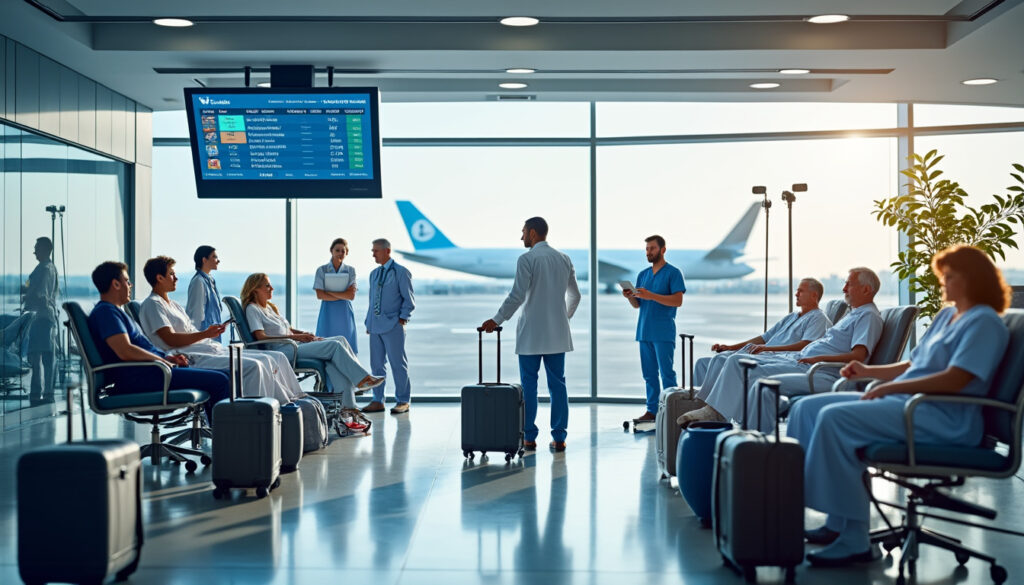
Transatlantic Patient Journey: Insights into Indications, Benefits, and Challenges
The emergence of the Transatlantic Patient Journey as a strategic model within healthcare continues to capture attention for its innovative potential, especially in specialized fields such as spinal surgery. This cross-border care pathway integrates rigorous medical evaluation from Quebec with…
Comprehensive Patient Pathway for Quebec’s Spine Surgery with Dynamic Implants
Delivering optimal care to patients requiring advanced spinal interventions incorporates a carefully orchestrated process across borders. The pathway prioritizes evaluation, decision-making, surgical excellence, and thorough post-operative management in coordination with multidisciplinary teams.
Stages of the Canadian patient journey include:
- Initial Assessment and Conservative Management: Conducted at TAGMED clinics, patients receive detailed neurological and functional evaluations, including imaging and non-surgical therapies where possible to optimize treatment timing and candidacy.
- International Surgical Scheduling and Logistics: Coordination arrangements by Franchir facilitate travel, hospital admission, and surgeon matching based on individual pathology and needs.
- Surgery in High-Volume French Centers: Implementation of dynamic implants using robot-assisted precision aiming for best biomechanical restoration and tissue preservation.
- Post-Operative Rehabilitation and Monitoring: Mainstay rehabilitation services through Neurotherapy Montreal focus on personalized restoration of motion and prevention of complications with ongoing clinical feedback to surgical teams abroad.
| Step | Responsible Entity | Objectives |
|---|---|---|
| Evaluation and Conservative Therapy | TAGMED | Functional optimization and clinical readiness |
| Travel Coordination and Surgery Scheduling | Franchir | Patient-centric planning and logistics support |
| Surgical Intervention | French Spine Centers | Implant dynamic devices with precision |
| Post-Op Follow-up and Rehabilitation | Neurotherapy Montreal | Tailored physiotherapy and functional assessments |
This transatlantic synergy demonstrates how international collaboration enhances safety and accessibility, ultimately benefiting patient outcomes and quality of life. For a detailed overview of navigating this treatment course, visit Why Experts Advocate for a Comparison of Spinal Care Between France and Quebec.
The evolving field of spinal surgery is witnessing a transformative shift, fueled by cutting-edge implant technologies such as TOPS, Intraspine, and ESP. These innovative implants redefine treatment possibilities by emphasizing preservation of natural spinal mechanics, while ensuring durable stabilization and…
Ensuring Patient Safety: Certifications and Quality Controls of Advanced Implants
The success and longevity of dynamic implants rest on rigorous material selection, manufacturing protocols, and regulatory oversight. All implants like TOPS, Intraspine, and ESP comply with stringent European Union CE marking directives, guaranteeing conformity to essential safety, health, and environmental requirements. Notably, TOPS also carries FDA approval, highlighting adherence to America’s demanding medical device standards.
The core materials contribute to biocompatibility and durability; titanium alloys dominate orthopedic implants with their strength and corrosion resistance. Meanwhile, bioactive coatings and elastomeric components further enhance integration and mechanical function. Leading industry innovators, including Medtronic, Zimmer Biomet, NuVasive, Globus Medical, Stryker, DePuy Synthes, and Alphatec Spine, have pioneered advancements that permeate these implants, incorporating technologies such as osteoinductive biomaterials that optimize bone growth and healing processes.
| Implant | Primary Material | Regulatory Certifications | Key Advantages |
|---|---|---|---|
| TOPS | Biocompatible Titanium Alloy | CE, FDA | Segmental mobility with robust stability |
| Intraspine | Metal alloy with biocompatible coating | CE | Dynamic shock absorption preserving movement |
| ESP | Highly resilient elastomeric material | CE | Controlled elasticity reducing mechanical stress |
The integration of these materials under tight quality control enables safer, longer-lasting spinal reconstructions. Implant traceability ensures swift response to any post-market safety concerns, a vital element regularly scrutinized in clinical practice. For a comprehensive understanding of how these innovations drive orthopedic implant trends, the Future of Orthopaedic Implants article delineates prevailing technological trajectories.
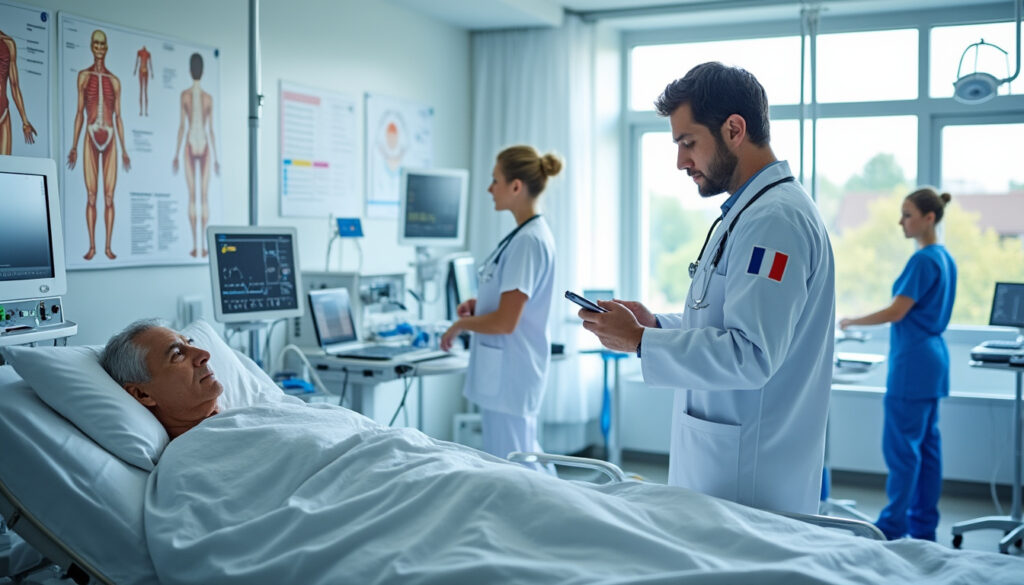
Preparing for Surgery in France: Key Indications, Benefits, and Limitations
In an evolving global healthcare landscape, France emerges as a beacon of advanced surgical expertise, particularly attracting international patients seeking expedited and innovative medical interventions. Patients from regions experiencing long wait times, such as Quebec, increasingly view France as an…
Innovations Elevating Surgical Precision: Robotics and Advanced Navigation in Spine Implantation
Technological integration in spine surgery has recently embraced robotic-assisted systems and advanced 3D navigation, significantly enhancing operative precision and outcomes. Robotics platforms, including Mazor and those developed by industry leaders like Medtronic and NuVasive, facilitate accurate pedicle screw placement essential for appliances such as TOPS, improving implant positioning and reducing complication risk.
The synergy of real-time imaging, computer-assisted planning, and robotic deployment extends beyond mere accuracy. These technologies reduce operative time, minimize radiation exposure, and promote less invasive incisions, complementing the minimally invasive ethos of devices like Intraspine and ESP. The inclusion of robotics in French surgical centers, coupled with expertly trained spine surgeons, helps maintain the standards required for implantation of cutting-edge devices and substantively impacts patient recovery profiles.
- Robotic surgery benefits include:
- Enhanced accuracy and consistency of hardware placement
- Reduced incidence of neurovascular injury
- Improved implant longevity through proper alignment
- Optimized intraoperative visualization and real-time adjustments
These advances have transformed spinal implant surgeries, a development echoed in the medical literature, such as the game-changing advancements in orthopedics showcased throughout 2025. Integration of robotics remains a pivotal component in delivering cutting-edge spine care that aligns with modern patient expectations.

Unveiling the Hidden Benefits of Quality and Certification in Devices
The landscape of device manufacturing and clinical application in 2026 has been fundamentally shaped by the rigorous interplay between quality management and certification processes. Within this complex framework, the hidden benefits of adhering to international standards and obtaining relevant certifications…
Transformative Impact of Dynamic Implants on Patient Rehabilitation and Quality of Life
Postoperative rehabilitation following dynamic spinal implantation prioritizes functional restoration and long-term mobility preservation. Unlike fusion surgeries, where stiffness is an expected outcome, devices like TOPS, Intraspine, and ESP enable designed motion that requires targeted physical therapy approaches focusing on strengthening and proprioception rather than compensatory restriction.
Effective rehabilitation protocols tailored to dynamic implants emphasize:
- Gradual mobilization respecting implant stability
- Strength training of paraspinal musculature to support dynamic segments
- Neuromuscular re-education fostering natural movement patterns
- Pain management strategies leveraging the biomechanical benefits of implants
Studies report patients experience faster return to work and daily activities, along with improved postural control and reduced recurrent pain episodes. This functional advantage is paramount for returning patients to an optimal quality of life and marks a striking evolution in spinal care. For those interested in deeper clinical nuances and patient experiences, reference texts such as Spinal Surgery in France: a Central Component of the Care Pathway provide comprehensive narratives and data.
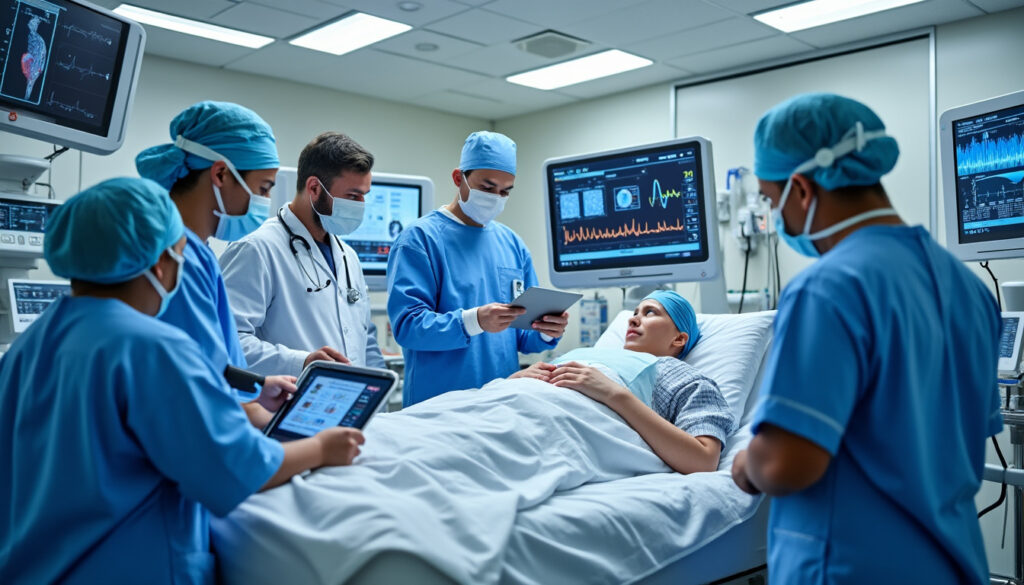
Why Experts Advocate for Comprehensive Preoperative Evaluations
In the complex and demanding field of spinal surgery, the emphasis on comprehensive preoperative evaluations has become a fundamental pillar supporting successful surgical outcomes. These evaluations, far beyond mere routine checks, integrate detailed analyses of patient health, surgical risk assessments,…
Anticipating the Next Wave: Future Trends in Spinal Implant Technology and Care Models
The horizon for spinal implant technology continues to brighten with emerging innovations integrating smart materials, sensor technologies, and regenerative medicine. Next-generation implants are anticipated to feature embedded biosensors monitoring real-time biomechanical loads, spinal kinematics, and tissue health metrics, enabling personalized postoperative management and early complication detection.
Additionally, advancements in biomaterials such as osteoinductive compounds are expected to enhance integration and stimulate intrinsic bone regeneration, reducing dependence on invasive fusion procedures. The fusion of implantable electronics with minimally invasive techniques will further optimize patient outcomes, aligning with healthcare’s increasing focus on value-based care and patient-centered approaches. Collaborations with leading manufacturers including Stryker, DePuy Synthes, and Alphatec Spine are accelerating research and development pipelines.
These anticipated innovations promise to revolutionize spinal care by enabling adaptive implants that evolve with patient needs, thus reinforcing the dynamic implant philosophy showcased by TOPS, Intraspine, and ESP today. For a thorough understanding of these evolving horizons, exploring smart orthopedic implant advancements offers valuable insights.
| Aspect | TOPS | Intraspine | ESP |
|---|
What are the main advantages of dynamic implants like TOPS over traditional spinal fusion?
Dynamic implants help preserve natural motion at the operated spinal segment, reduce pressure on adjacent discs, lower the risk of secondary spinal degeneration, and promote faster functional recovery.
How is the patient pathway organized for a Quebecois seeking dynamic implant surgery in France?
The patient pathway includes initial evaluation at TAGMED, surgical planning and travel coordination by Franchir, operation in French spine centers, followed by personalized postoperative follow-up through Neurotherapy Montreal.
Are TOPS, Intraspine, and ESP implants safe and certified?
Yes, these implants possess CE certification with TOPS also approved by the FDA, ensuring compliance with strict safety, traceability, and clinical performance standards.
Can fusion surgery be avoided using these innovative implants?
Indeed, these dynamic implants are explicitly designed to provide stabilization while preserving mobility, thereby offering an alternative to rigid fusion procedures.
Which hospitals and surgeons are recommended in France for these spinal implant procedures?
Notable French hospitals in Le Mans, Toulouse, and Bordeaux use these implants. Franchir facilitates access to experienced surgeons, ensuring personalized and secure treatment.
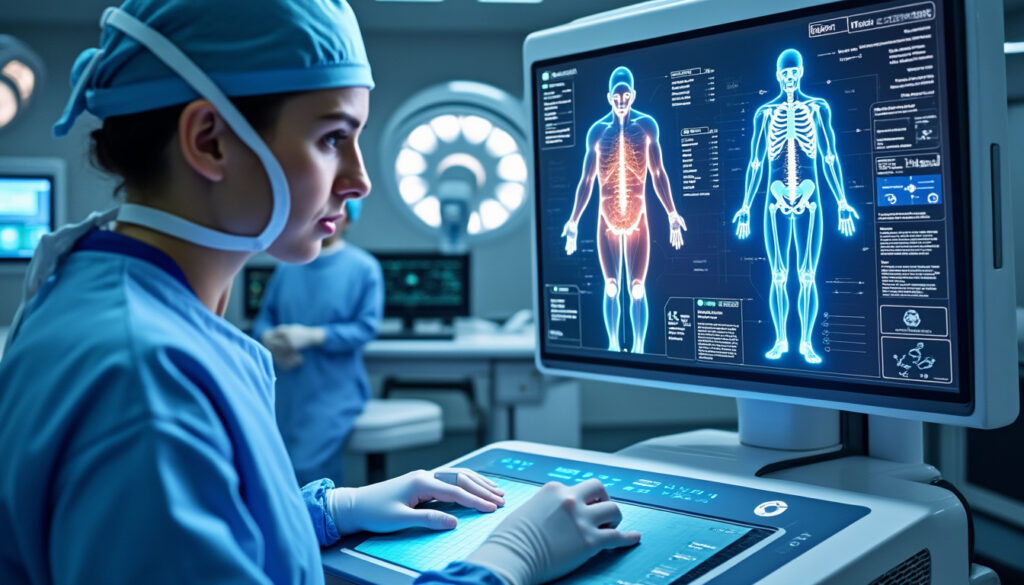
The Future of Surgery Lies in Stepwise Functional Recovery
The evolution of surgical care in 2026 reveals a compelling shift toward approaches that prioritize the holistic recovery of patients, moving beyond traditional metrics like length of hospital stay or mortality rates. This modern paradigm highlights the principle that the…