Comprehensive Insights into Simple Surgery, Fusion Techniques, and Motion Preservation
November 19, 2025
Comprehensive Preoperative Assessment Explained for Quebec Patients
November 19, 2025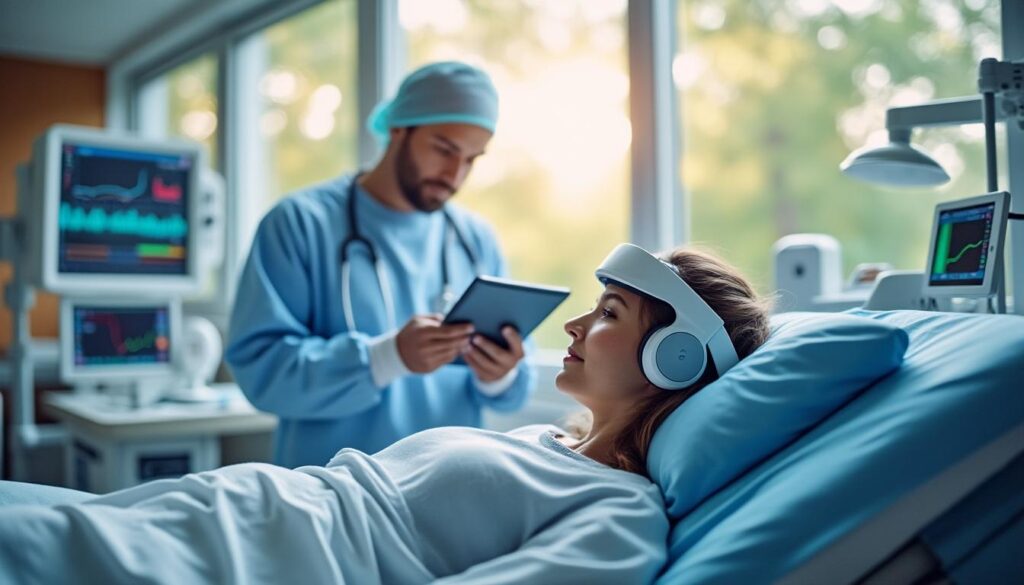
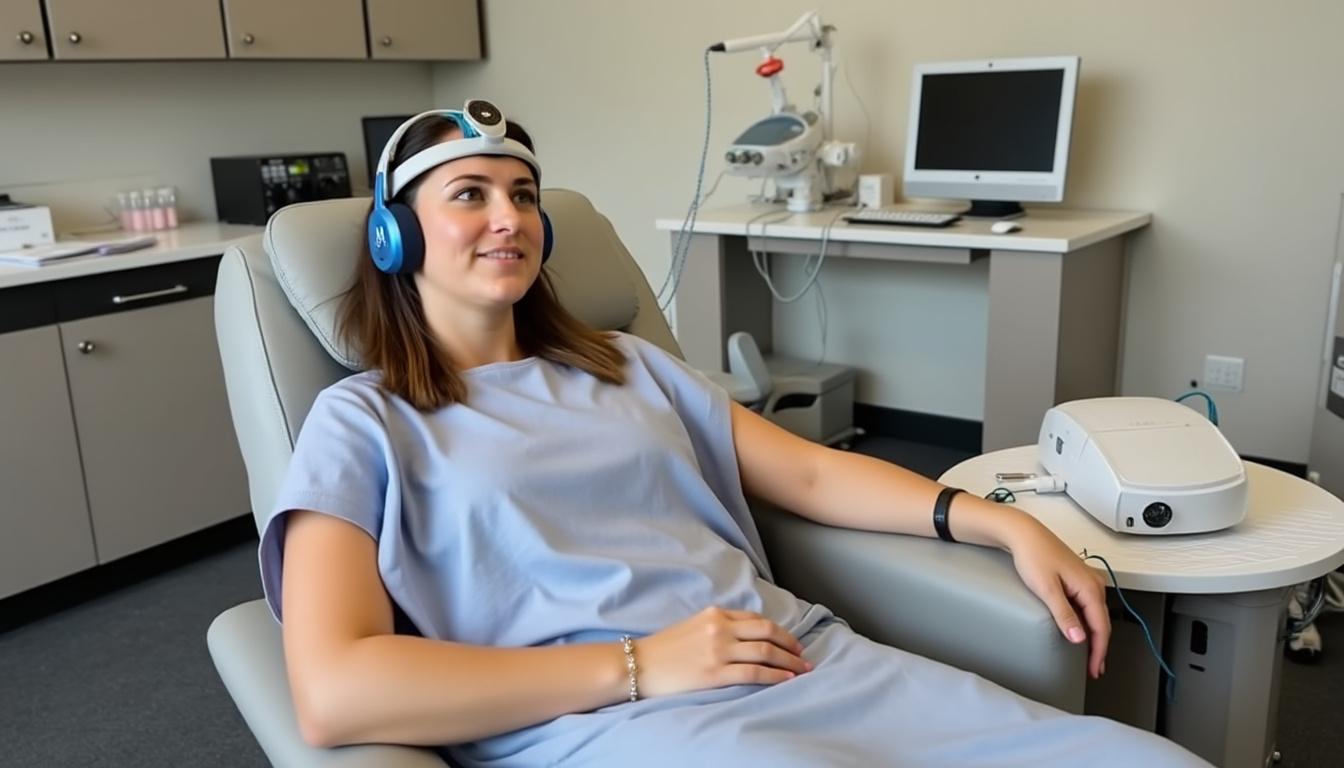
Revolutionizing post-surgical recovery, repetitive transcranial magnetic stimulation (rTMS) is emerging as a groundbreaking adjunct therapy that transcends traditional rehabilitation methods, especially in spinal surgery contexts. As advances in neuromodulation continue to reshape the landscape of recovery, rTMS presents unique advantages in managing neuropathic pain, enhancing neuroplasticity, and addressing psychological challenges that patients face after invasive procedures. Today’s integration of brain stimulation techniques into recovery protocols reflects a sophisticated fusion of neuroscience and surgical innovation, providing both physiological and psychological support to patients navigating the complex path of healing.
In the dynamic transatlantic collaboration involving Neurothérapie Montréal and premier surgical centers in France, the deployment of rTMS after spinal surgery underscores a strategic approach to rehabilitation. This integration optimizes functional outcomes while mitigating the risks of chronic pain and mood disorders that have historically complicated post-surgical trajectories. By situating the patient experience at the center of this multi-disciplinary paradigm, care teams deliver not only enhanced physical restoration but also cognitive enhancement and emotional resilience. This holistic approach elucidates why rTMS is increasingly considered an essential component in the comprehensive framework of post-surgery recovery.
Advanced Mechanisms Behind rTMS Brain Stimulation and Post-Surgical Recovery Enhancement
Repetitive transcranial magnetic stimulation operates by generating focused magnetic fields that non-invasively modulate cortical excitability. This neuromodulation affects specific brain areas linked to motor function, sensory processing, and mood regulation, all critical in the aftermath of surgical intervention. Understanding the neurophysiological pathways influenced by rTMS provides insight into how the therapy accelerates functional recovery and improves surgical outcomes.
A key target in post-spinal surgery patients is the motor cortex and associated pain perception centers. By modulating these regions, rTMS helps alleviate persistent neuropathic pain, a notorious complication that often resists pharmacological treatments. Moreover, its ability to foster neuroplasticity—the brain’s capacity to reorganize and form new neural connections—is pivotal for restoring motor abilities and cognitive functions impaired by surgery or underlying pathology.
A detailed list of rTMS effects post-surgery includes:
- Modulation of pain circuits: rTMS inhibits overactive nociceptive pathways, reducing neuropathic pain intensity.
- Facilitation of neuroplasticity: Enhanced synaptic plasticity promotes motor relearning and neural adaptation.
- Psychological benefits: Stimulation of mood-regulating cortical areas supports post-operative mood stabilization and reduces anxiety.
- Improved cognitive recovery: rTMS may aid in preventing or reversing post-operative cognitive dysfunction.
- Synergistic effect with physical rehabilitation: Neuromodulation potentiates the impact of physiotherapy by priming the brain’s responsiveness.
| Mechanism | Effect on Recovery | Clinical Relevance |
|---|---|---|
| Cortical excitability adjustment | Enhanced motor and sensory processing | Improved mobility and pain control |
| Inhibition of nociceptive signaling | Reduced neuropathic pain | Decreased medication dependency |
| Activation of prefrontal cortex regions | Mood elevation and anxiety reduction | Better psychological resilience |
| Synaptic plasticity stimulation | Motor function restoration | Faster functional recovery |
These insights align with recent research consigned in journals such as the Journal of Brain Stimulation and Rehabilitation, which underscore the growing evidence supporting rTMS as a transformative tool for enhancing surgical recovery through targeted brain stimulation.

Understanding Sciatic Pain: Key Symptoms and When to Seek Medical Advice
Sciatic pain is a prevalent condition impacting a wide demographic, manifesting primarily as intense pain radiating from the lower back down the leg. This pain stems from irritation or compression of the sciatic nerve, a major nerve extending through the…

The Stepwise Role of Functional Recovery in Achieving Successful Outcomes
The journey to full recovery following spinal surgery is often complex and multifaceted, demanding a meticulously structured approach to ensure optimal functional outcomes. In recent years, the concept of functional recovery through a stepwise approach has garnered significant attention in…
Strategic Integration of rTMS in Post-Spinal Surgery Rehabilitation Protocols
Integrating rTMS within standardized post-surgical care requires meticulous planning to align neuromodulation with the established rehabilitation journey. Successful application depends on timing, target selection, and coordination with physical therapy.
Commonly, rTMS interventions commence in the early post-operative phase, once vital surgical stability is confirmed. This timing ensures maximum effect in alleviating acute neuropathic pain and supporting neural plasticity while the brain is most receptive to external modulation.
- Initial Evaluation: Pre-surgery neurofunctional assessment identifies optimal cortical targets for rTMS based on patient-specific motor and sensory deficits.
- Early Intervention: Post-operative sessions focus on the motor cortex to reduce pain and promote motor function.
- Ongoing Adaptation: Treatment protocols are dynamically adjusted according to patient response and rehabilitation milestones.
- Multidisciplinary collaboration: Close communication between surgical teams, rTMS specialists, and physiotherapists ensures integrated care delivery.
For example, patients undergoing fusion surgeries benefit from an aggressive early rTMS protocol to counter post-laminectomy syndromes and chronic pain, while those with disc prostheses may have protocols emphasizing maintenance of mobility and psychologic support.
| Recovery Phase | rTMS Focus | Expected Benefit |
|---|---|---|
| Early post-op (1-3 weeks) | Motor cortex stimulation | Pain reduction, prevention of chronic neuropathy |
| Mid post-op (4-8 weeks) | Prefrontal cortex modulation | Mood stabilization, anxiety reduction |
| Late post-op (2-3 months) | Enhanced plasticity support | Functional recovery and neurorehabilitation |
Careful adherence to such protocols, as detailed in comprehensive resources like the guide to post-surgery rTMS integration, markedly improves patient outcomes and expedites return to preoperative function and lifestyle.
This strategy represents a paradigm shift from isolated surgical intervention toward a continuous recovery process that holistically addresses physical, cognitive, and emotional recovery.

Transatlantic Patient Journey: Insights into Indications, Benefits, and Challenges
The emergence of the Transatlantic Patient Journey as a strategic model within healthcare continues to capture attention for its innovative potential, especially in specialized fields such as spinal surgery. This cross-border care pathway integrates rigorous medical evaluation from Quebec with…
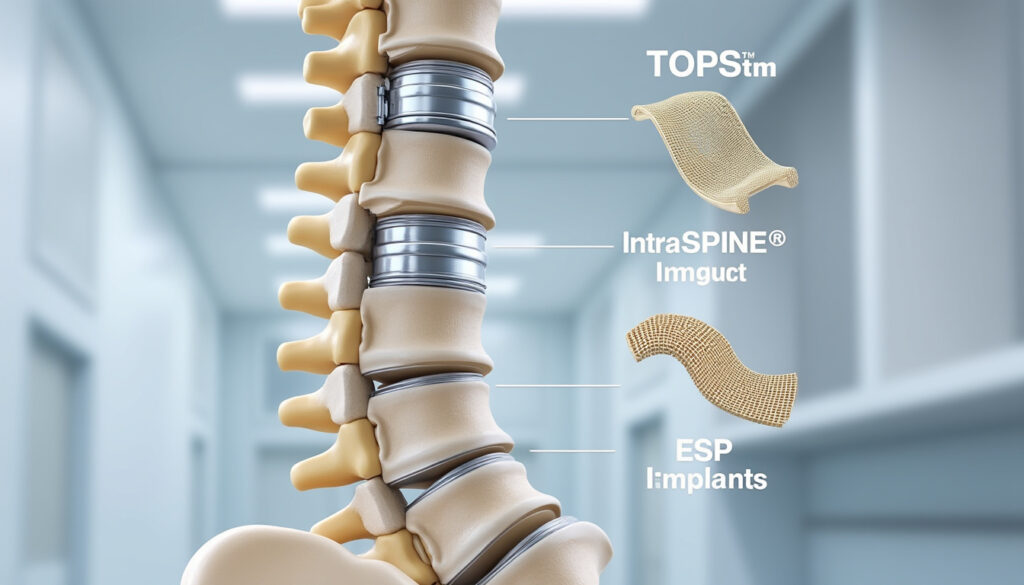
The evolving field of spinal surgery is witnessing a transformative shift, fueled by cutting-edge implant technologies such as TOPS, Intraspine, and ESP. These innovative implants redefine treatment possibilities by emphasizing preservation of natural spinal mechanics, while ensuring durable stabilization and…
Alleviating Postoperative Neuropathic Pain Through rTMS Neuromodulation
Chronic neuropathic pain remains one of the most challenging sequelae following spinal surgeries, severely impairing quality of life and complicating rehabilitation. Traditional pain management, often reliant on pharmacotherapy, can be insufficient and laden with adverse effects. rTMS offers a non-pharmacological avenue to effectively reduce this pain through direct neuromodulation.
Multiple studies affirm that rTMS targeting the motor cortex diminishes hyperexcitability of pain neurons and disrupts pain transmission pathways, offering significant relief.
- Efficacy: Substantial pain reduction observed after 5-10 rTMS sessions in multiple clinical trials.
- Safety: Minimal side effects compared to opioids or long-term analgesics.
- Adjunct to medication: Facilitates reduction in analgesic dosage, mitigating side effects.
- Improved sleep and function: Pain relief correlates with better sleep quality and enhanced rehabilitation participation.
| Outcome Measure | Before rTMS | After rTMS | Clinical Significance |
|---|---|---|---|
| Pain intensity (VAS score) | 7.8 ± 1.2 | 3.1 ± 0.8 | Marked reduction in neuropathic pain |
| Analgesic consumption | High | Moderate to low | Less dependency on medication |
| Sleep quality | Poor | Improved | Better overall recovery conditions |
Clinical insights from centers such as Neurothérapie Montréal demonstrate that introducing rTMS early in the post-operative course yields the quickest improvements in pain control and function, reinforcing rTMS as a cornerstone of contemporary pain management in surgical recovery.
Preparing for Surgery in France: Key Indications, Benefits, and Limitations
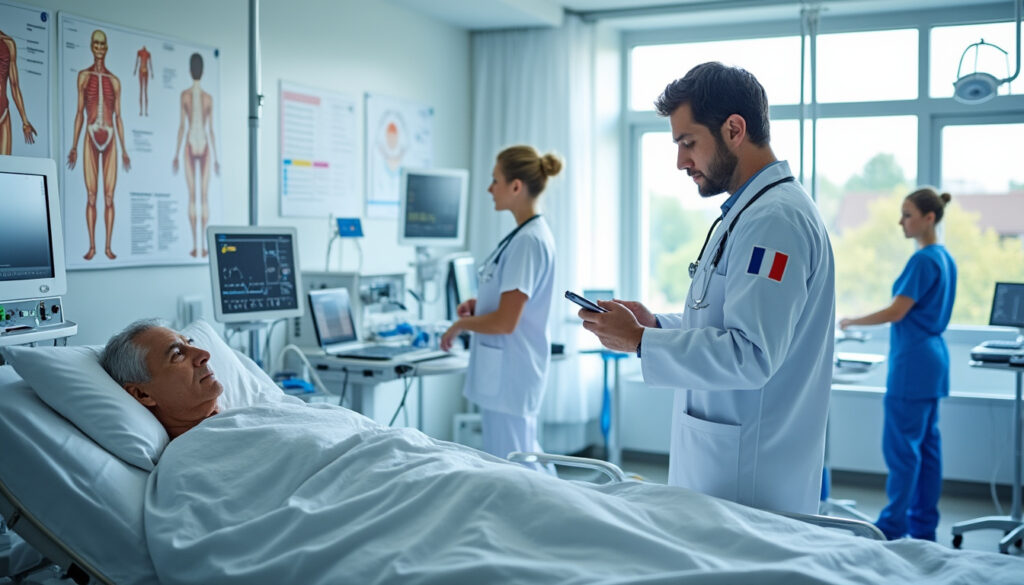
In an evolving global healthcare landscape, France emerges as a beacon of advanced surgical expertise, particularly attracting international patients seeking expedited and innovative medical interventions. Patients from regions experiencing long wait times, such as Quebec, increasingly view France as an…

Unveiling the Hidden Benefits of Quality and Certification in Devices
The landscape of device manufacturing and clinical application in 2026 has been fundamentally shaped by the rigorous interplay between quality management and certification processes. Within this complex framework, the hidden benefits of adhering to international standards and obtaining relevant certifications…
Enhancing Neuroplasticity and Cognitive Functions Post-Surgery Through rTMS
Beyond pain control, rTMS profoundly impacts brain plasticity and cognitive enhancement, two essential factors in comprehensive post-surgery rehabilitation. Surgery-related neurocognitive deficits and slowed motor recovery often stem from diminished synaptic efficacy and neuronal network disruption.
Mechanistically, rTMS stimulates synaptic potentiation and neuronal connectivity in regions critical for motor planning, executive function, and memory. This stimulation accelerates functional reintegration of neural circuits damaged by spinal pathology or the effects of anesthesia and inflammation.
- Promoting synaptic growth: Encourages dendritic branching and new connections.
- Restoring network balance: Enhances interregional communication across cortical-subcortical pathways.
- Cognitive support: Improves attention, working memory, and executive control during rehabilitation.
- Motor learning facilitation: rTMS primes brain areas to respond more effectively to training exercises.
| Cognitive Domain | Impact of rTMS | Rehabilitation Relevance |
|---|---|---|
| Attention and focus | Increased cortical activation | Improved task engagement |
| Memory retention | Enhanced synaptic efficiency | Better learning retention |
| Executive function | Modulation of prefrontal cortex | Faster decision-making and planning |
| Motor coordination | Strengthened sensorimotor circuits | Smoother physical recovery |
Cases documented through expert analysis at Neurothérapie Montréal’s clinical practice illustrate significant cognitive improvements in patients who undergo rTMS as an integrated therapy during their post-surgical rehabilitation.
Why Experts Advocate for Comprehensive Preoperative Evaluations
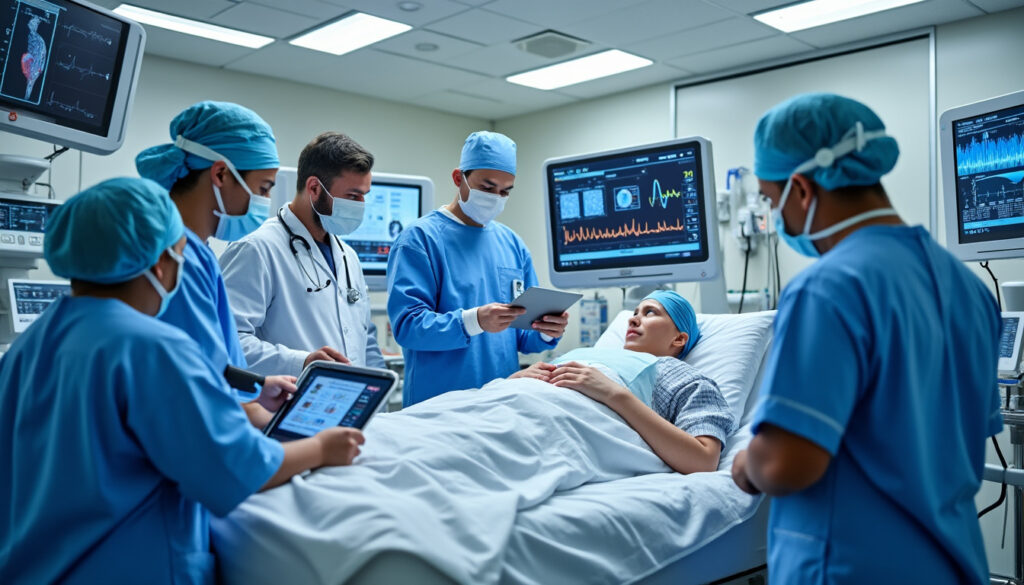
In the complex and demanding field of spinal surgery, the emphasis on comprehensive preoperative evaluations has become a fundamental pillar supporting successful surgical outcomes. These evaluations, far beyond mere routine checks, integrate detailed analyses of patient health, surgical risk assessments,…
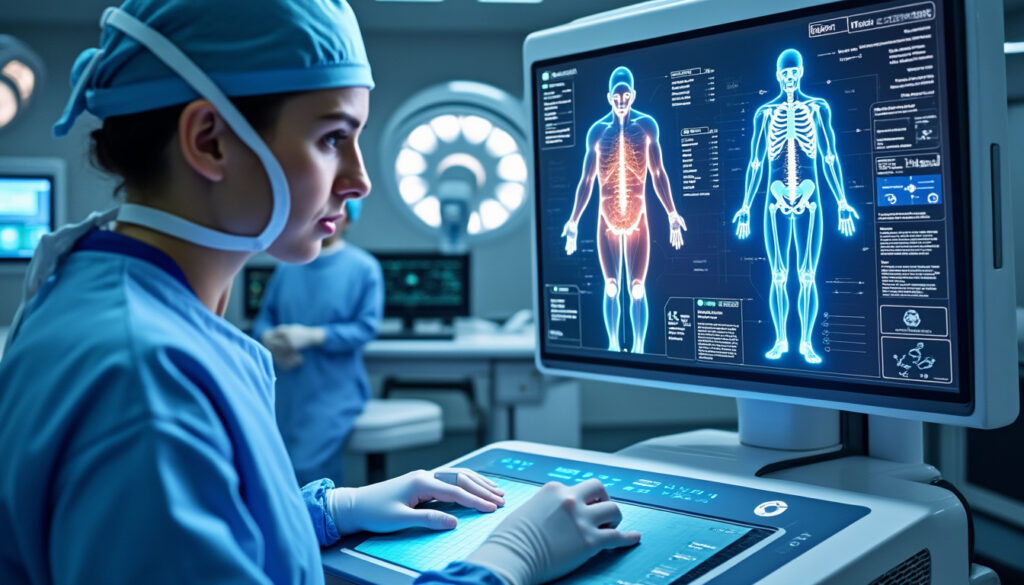
The Future of Surgery Lies in Stepwise Functional Recovery
The evolution of surgical care in 2026 reveals a compelling shift toward approaches that prioritize the holistic recovery of patients, moving beyond traditional metrics like length of hospital stay or mortality rates. This modern paradigm highlights the principle that the…
rTMS Application Tailored to Specific Spinal Surgery Types and Recovery Phases
Recovery journeys differ dramatically across spinal surgical procedures — from decompression surgeries to motion-preserving implantations and fusion operations. The design of rTMS integration protocols must reflect these variations to optimize effectiveness.
Below is a detailed breakdown of typical recovery stages aligned with rTMS benefits per surgical intervention:
- Simple decompression: Focus on early pain relief and promotion of mobility.
- Motion preservation with disc prostheses: Support neural recovery while enhancing motor cortex functionality to maintain range of motion.
- Spinal fusion (arthrodesis): Prioritize neuropathic pain reduction and psychological support, including mitigation of post-laminectomy syndrome.
| Type of Surgery | Key Recovery Phases | rTMS Specific Benefits | Typical Time to Resume Activities |
|---|---|---|---|
| Simple decompression | Early mobilization and pain management | Pain reduction and improved comfort | Walking from post-op day 2; work resumption 4-6 weeks |
| Motion preservation (disc prosthetics) | Neurological rehabilitation and mobility conservation | Enhanced neuroplasticity and psychological wellbeing | Return to sports by approximately 3 months; adapted work return |
| Spinal fusion | Gradual weight-bearing and pain control | Prevention of chronic pain syndromes and mood support | Walking after 1-2 weeks; work resumption after 8+ weeks |
The utilization of rTMS in these different surgical contexts has been recognized in international clinical literature including the latest trials journal that emphasize therapy integration for optimized outcomes.
Interdisciplinary Coordination and Patient-Centered Care Models for rTMS Post-Surgical Follow-Up
Optimal benefits from rTMS in post-surgery recovery depend heavily on a collaborative, interdisciplinary framework. Coordination between surgeons, neuromodulation specialists, rehabilitation therapists, and patient support services ensures that therapy integration translates into tangible clinical improvements.
Key components of this patient-centered approach include:
- Comprehensive pre-operative neurofunctional and psychological assessment to tailor individualized rTMS protocols.
- Continuous monitoring during rehabilitation for adjusting treatment parameters according to progress and tolerability.
- Patient education and psychoeducative support to foster adherence and activate patient engagement.
- Seamless communication channels among cross-continental partners, exemplified by the transatlantic collaboration between Neurothérapie Montréal and surgical teams in France.
| Care Component | Role in rTMS Integration | Impact on Patient Outcomes |
|---|---|---|
| Pre-operative assessment | Identify cortical targets and prepare patient mindset | Customized therapy and improved readiness |
| Post-operative monitoring | Adjust protocols for maximal efficacy | Optimized recovery trajectory |
| Patient education | Enhance understanding and compliance | Higher adherence and satisfaction |
| International collaboration | Ensure continuous care across borders | Robust and secure recovery pathway |
Detailed information on managing post-operative care with integrated rTMS can be explored further in sources like the expert insights on post-surgery integration of rTMS, which provide practical frameworks for clinical teams.

Emerging Research and Future Directions in rTMS Post-Surgical Applications
The continuous evolution of neuromodulation science supports expanding indications and refinement of rTMS protocols to maximize post-surgical recovery. Cutting-edge research is investigating optimized stimulation parameters, integration with other neurotechnologies like Brainport and PoNS, and the role of rTMS in preventing further surgeries.
Recent clinical trials have begun exploring whether early rTMS application reduces the incidence of post-operative complications such as delirium and cognitive dysfunction. Moreover, studies like the one published in this resource on rTMS avoiding further surgical procedures highlight its potential to limit the need for revision surgeries by promoting better consolidation of surgical outcomes.
- Optimization of stimulation frequencies and durations to target specific recovery objectives.
- Combination therapies integrating rTMS with physical and cognitive rehabilitation for enhanced effect.
- Remote delivery models leveraging telemedicine for broader access to neuromodulation.
- Neuroimaging and connectomic assessments to personalize therapy targeting.
| Research Aspect | Development Focus | Potential Clinical Benefit |
|---|---|---|
| Stimulation parameters | Personalized frequency and location | Maximized therapeutic effects |
| Combined therapies | rTMS + physiotherapy and cognitive training | Synergistic recovery acceleration |
| Telehealth delivery | Remote monitoring and sessions | Increased accessibility |
| Neuroimaging-guided targeting | Functional connectomics | Precision medicine approach |
Continued investigation in this domain promises a future where rTMS and brain stimulation become standardized components of surgical aftercare, contributing significantly to improved functional and psychological outcomes.
Les bénéfices cachés de l’intégration de la rTMS après chirurgie
Cliquez sur une catégorie pour découvrir plus de détails
Sélectionnez un bénéfice pour afficher la description détaillée.
What are the main benefits of rTMS after spinal surgery?
rTMS significantly reduces neuropathic pain, enhances neuroplasticity, supports mood stabilization in post-operative depression or anxiety, and promotes overall functional recovery.
When should rTMS be integrated into the post-surgery care pathway?
Ideally, rTMS sessions commence within the first weeks after surgery once initial stabilization is achieved, with protocols adjusted according to the patient’s clinical response.
Can rTMS replace traditional physical rehabilitation?
No, rTMS complements and optimizes physical rehabilitation by enhancing neuroplasticity and pain modulation, thus improving the efficacy of exercise therapy.
Are there risks or contraindications associated with rTMS?
rTMS is generally safe, with limited contraindications such as the presence of metallic implants close to the brain. Pre-treatment evaluation helps mitigate potential risks.
How to arrange post-operative follow-up with Neurothérapie Montréal?
Contact Neurothérapie Montréal for a personalized evaluation. Philippe Mazaltarim and his team provide comprehensive support, including rTMS and other neuromodulation techniques tailored to each stage of recovery.