Exploring the Hidden Benefits of rTMS Integration Following Surgery
November 19, 2025
Cousin Spine Technology and Franchir: Essential Insights Every Patient Should Know
November 19, 2025
Access to specialized spinal surgery in France represents a significant opportunity for Quebec patients grappling with complex back or neck disorders. The transatlantic collaboration among expert stakeholders ensures a streamlined, swift, and secure care pathway that combines advanced medical expertise with personalized human support. Central to this approach is the comprehensive preoperative assessment, a crucial step designed not only to evaluate the patient’s overall health and spine condition but also to anticipate surgical risks and optimize physical and psychological readiness. This preparatory process is complemented by careful logistical coordination, ensuring patients benefit from international medical advancements with safety and ease.
The facilitation of this intricate process is led by Marcel Mazaltarim, a neurotherapy expert and patient follow-up coordinator at Neurothérapie Montréal, working alongside SOS Tourisme Médical and Franchir. Together, they employ rigorous protocols aligned with current international standards. This includes meticulous medical record management, advanced neurofunctional assessments, synchronized communication with French surgeons, and sustained postoperative care in Quebec. The result is a significant reduction in waiting times and privileged access to cutting-edge surgical techniques and implants, alongside continuous patient support throughout the journey.
Essential Elements of a Comprehensive Preoperative Assessment for Quebec Patients
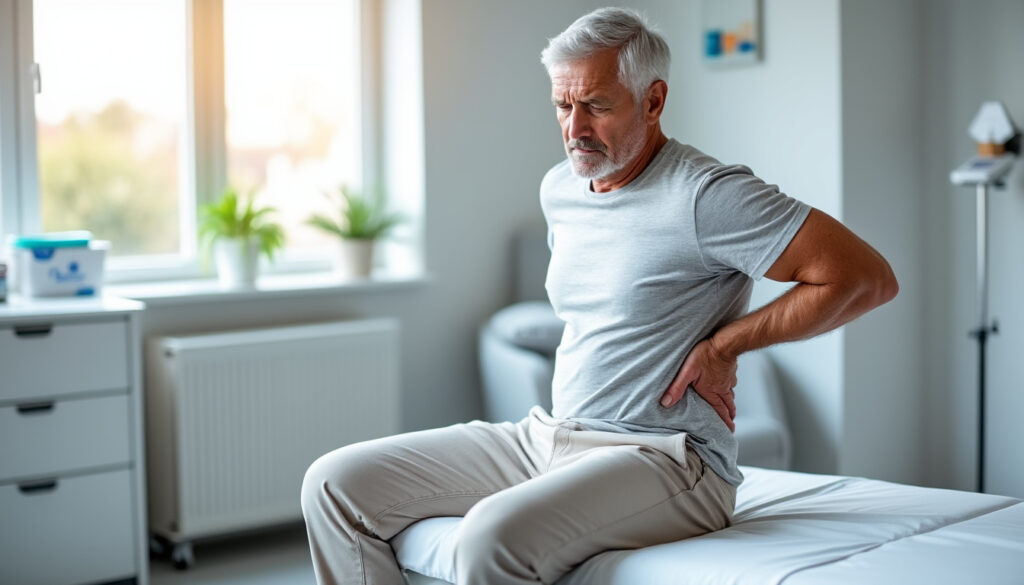
The comprehensive preoperative assessment is the cornerstone of safe and successful spinal surgeries for Quebec patients considering treatment in France. It aims to thoroughly establish whether surgery is appropriate and safe, leveraging detailed health data and expert evaluations.
This assessment initiates with the collection and review of critical medical documentation, including:
- Recent imaging studies: MRI scans, CT scans, and dynamic radiographs central to diagnosing spinal pathologies.
- Neurological and functional reports: Detailed assessments highlighting nerve involvement and motor function.
- Medication history: Current and past treatments with emphasis on anticoagulants and immunosuppressants.
- Standardized questionnaires: These capture symptom severity, mobility limitations, and impact on quality of life.
Such tools facilitate a multifaceted evaluation of neurological function, autonomic nervous system disturbances, and presence of risk factors like cardiovascular or respiratory comorbidities. This step ensures exclusion of significant contraindications that might elevate anesthetic or surgical risk. Complementary tests may include cardiovascular and respiratory function evaluations or advanced neurofunctional diagnostics at Neurothérapie Montréal.
| Spinal Condition | Required Examinations | Evaluation Objectives |
|---|---|---|
| Herniated Disc | Spinal MRI, neurological evaluations | Confirm nerve compression and neuro-motor function |
| Spinal Stenosis | CT scan, dynamic radiographs | Assess degree of narrowing and vertebral mobility |
| Cardiorespiratory Comorbidities | Stress test, respiratory assessment | Determine ability to tolerate anesthesia and surgery |
| Complex Medication Regimens | Pharmacological analysis | Adjust anticoagulant and immunosuppressive therapy |
In Quebec, this rigorous evaluation is managed with strict ethical considerations, ensuring no premature diagnostic labeling or specialization infringement. The overarching goal is to initiate preoperative assessment that informs safe surgical clearance and tailored preparation.
Understanding Sciatic Pain: Key Symptoms and When to Seek Medical Advice
Sciatic pain is a prevalent condition impacting a wide demographic, manifesting primarily as intense pain radiating from the lower back down the leg. This pain stems from irritation or compression of the sciatic nerve, a major nerve extending through the…

The Stepwise Role of Functional Recovery in Achieving Successful Outcomes
The journey to full recovery following spinal surgery is often complex and multifaceted, demanding a meticulously structured approach to ensure optimal functional outcomes. In recent years, the concept of functional recovery through a stepwise approach has garnered significant attention in…
Careful Coordination of International Preoperative Preparation and Patient Logistics
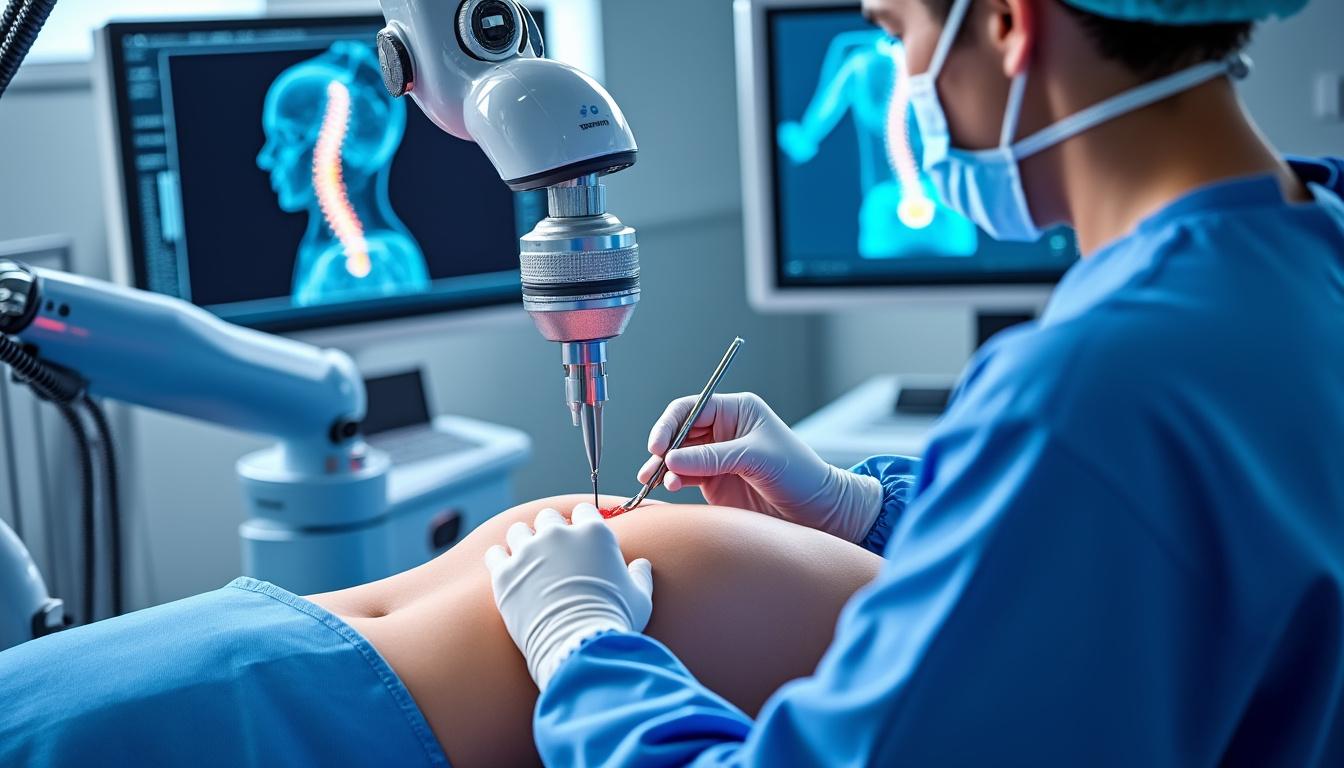
Effective surgical preparation for Quebec patients traveling to France hinges on coordinated efforts across borders, merging clinical and logistical excellence. This coordination starts with initial dossier analysis by the Quebec team led by Dr Sylvain Desforges at TAGMED, including the supervision of potential conservative treatments like robot-assisted decompression, while adhering to medical ethics restricting diagnostic assertions.
Upon confirming surgical eligibility, Franchir orchestrates international arrangements such as:
- Flight bookings and transfers: Customized to patient needs, including medically supervised transport if necessary.
- Accommodation near surgical centers: Ensuring comfort and close proximity for pre- and post-procedure visits.
- Local transportation management: Includes ambulance services when required.
- Preoperative communication facilitation: Providing seamless dialogue between patients and French surgical teams.
This detailed logistical composition reduces patient stress and fosters an environment conducive to optimal surgical outcomes. Constant communication between Montreal and France assures synchronization of care and access to advanced surgeries and innovative implants like TOPS and Intraspine.
| Preoperative Step | Responsible Party | Key Activities |
|---|---|---|
| Initial Assessment | Dr Sylvain Desforges & TAGMED | Medical dossier analysis, conservative treatment oversight |
| Orientation & Organization | Franchir | Surgeon selection, flight & accommodation coordination |
| Patient Support & Information | SOS Tourisme Médical | Procedure explanations, eligibility briefing, administrative follow-up |
| Postoperative Follow-up | Neurothérapie Montréal | Neurofunctional re-evaluation, biofeedback, rehabilitation guidance |
Incorporating a comprehensive preoperative assessment within this transcontinental framework elevates patient safety and surgical success significantly.

Transatlantic Patient Journey: Insights into Indications, Benefits, and Challenges
The emergence of the Transatlantic Patient Journey as a strategic model within healthcare continues to capture attention for its innovative potential, especially in specialized fields such as spinal surgery. This cross-border care pathway integrates rigorous medical evaluation from Quebec with…
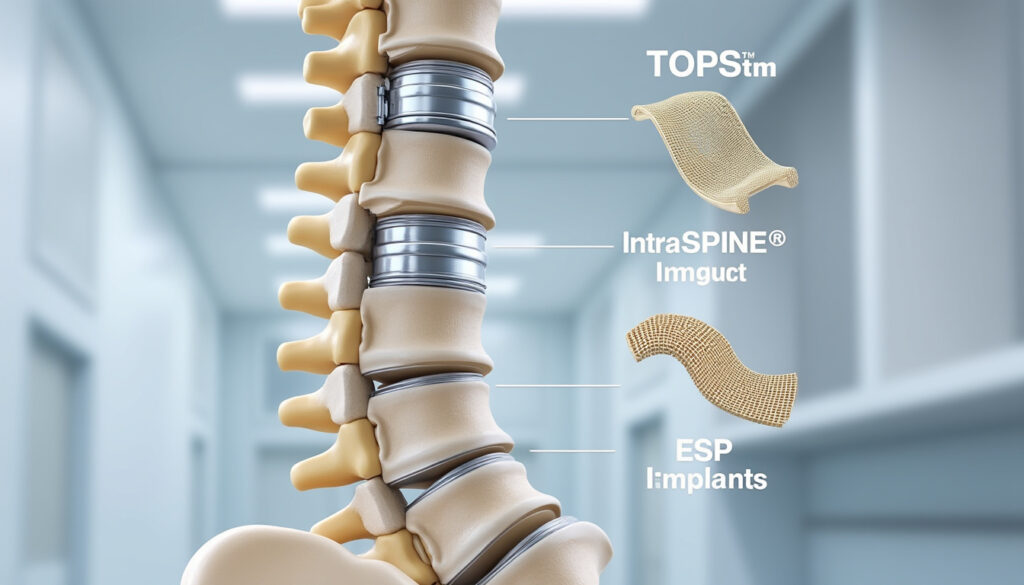
The evolving field of spinal surgery is witnessing a transformative shift, fueled by cutting-edge implant technologies such as TOPS, Intraspine, and ESP. These innovative implants redefine treatment possibilities by emphasizing preservation of natural spinal mechanics, while ensuring durable stabilization and…
Access to Innovative French Spinal Surgery Techniques for Quebec Patients
France is at the forefront of advanced spinal surgical methods, making a spectrum of minimally invasive and dynamic stabilization techniques available to Quebec patients. These innovations target improved recovery speed, reduced postoperative pain, and maintained spinal mobility, essentials for elevating post-surgery quality of life.
- Minimally invasive and endoscopic surgery: Limiting tissue damage, blood loss, and accelerating functional recovery.
- Dynamic implants such as TOPS and Intraspine: Stabilize the spine while preserving vertebral mobility and diminishing chronic pain.
- Arthrodesis and innovative disc prostheses: Classic and modern approaches to stabilize or replace degenerated spinal discs while preserving motor function.
| Surgical Technique | Primary Indications | Advantages |
|---|---|---|
| Minimally Invasive Surgery | Herniated discs, stenosis, fractures | Reduces pain, scarring, and shortens recovery time |
| TOPS (Dynamic System) | Moderate vertebral instability without severe arthritis | Preserves mobility, decreases postoperative pain |
| Cervical Disc Prosthesis | Degenerative cervical herniated discs | Maintains mobility, accelerates functional recovery |
Patients typically engage with French surgeons to discuss specific procedural benefits, thereby fostering informed decision-making. More on these innovative options can be found through dedicated spinal care resources.

Preparing for Surgery in France: Key Indications, Benefits, and Limitations
In an evolving global healthcare landscape, France emerges as a beacon of advanced surgical expertise, particularly attracting international patients seeking expedited and innovative medical interventions. Patients from regions experiencing long wait times, such as Quebec, increasingly view France as an…

Unveiling the Hidden Benefits of Quality and Certification in Devices
The landscape of device manufacturing and clinical application in 2026 has been fundamentally shaped by the rigorous interplay between quality management and certification processes. Within this complex framework, the hidden benefits of adhering to international standards and obtaining relevant certifications…
Multidisciplinary Patient-Centered Care and Emotional Support Through the Preoperative Journey
Surgery for spinal conditions, particularly across international borders, demands a holistic care model that balances advanced clinical procedures with compassionate patient engagement. The international network led by Marcel Mazaltarim excels in integrating medical knowledge with empathetic support.
Patients receive:
- A multidisciplinary team: Including neurosurgeons, anesthesiologists, neurotherapy specialists, logistical coordinators, and administrative aides.
- State-of-the-art technology: Personalized neurofunctional assessments, biofeedback, and neurofeedback for rehabilitation enhancement.
- Continuous individualized support: Available before, during, and after surgery, focusing on anxiety reduction, optimized recovery, and clear communication.
This patient-centered philosophy respects ethical, cultural, and human aspects, ensuring optimal care quality. This model exemplifies contemporary healthcare collaboration and addresses both physical and emotional patient needs thoroughly.
| Care Aspect | Patient Benefit |
|---|---|
| Multidisciplinary Approach | Informed decisions, optimized surgical outcomes |
| Advanced Technologies | Precise assessment, improved postoperative management |
| Personalized Emotional Support | Reduced stress, sustained follow-up engagement |
Why Experts Advocate for Comprehensive Preoperative Evaluations
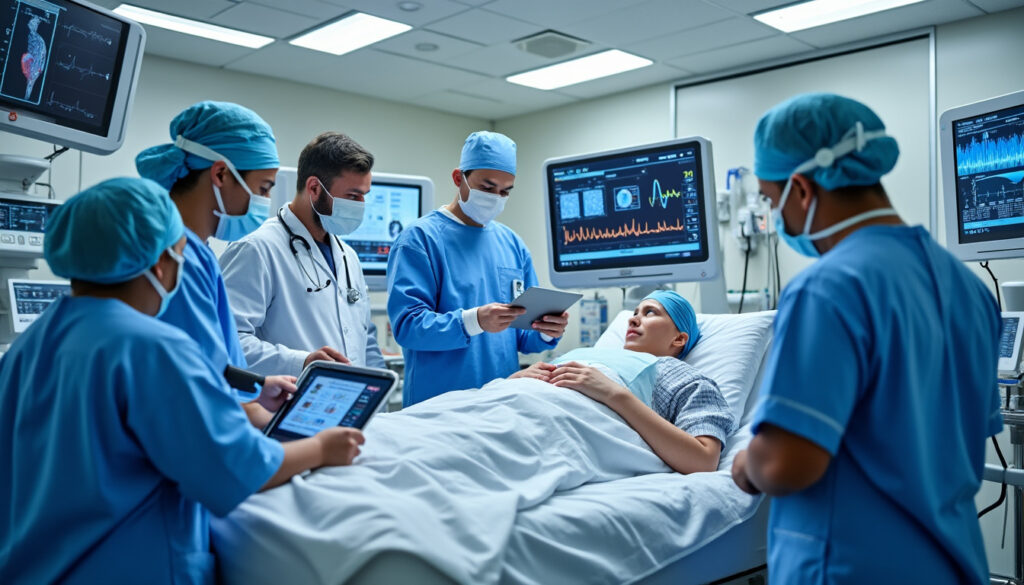
In the complex and demanding field of spinal surgery, the emphasis on comprehensive preoperative evaluations has become a fundamental pillar supporting successful surgical outcomes. These evaluations, far beyond mere routine checks, integrate detailed analyses of patient health, surgical risk assessments,…
The Future of Surgery Lies in Stepwise Functional Recovery
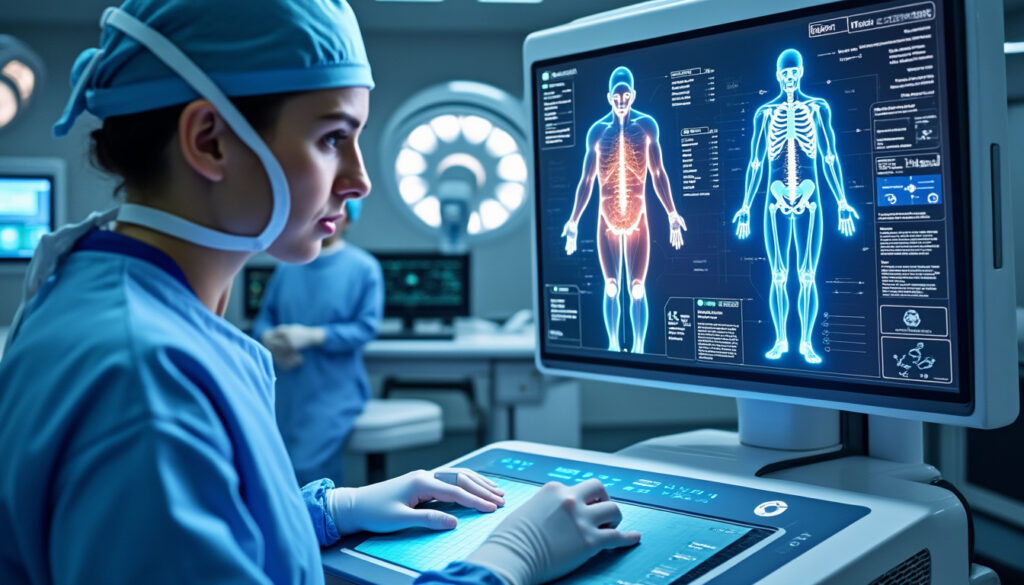
The evolution of surgical care in 2026 reveals a compelling shift toward approaches that prioritize the holistic recovery of patients, moving beyond traditional metrics like length of hospital stay or mortality rates. This modern paradigm highlights the principle that the…
Qualification Criteria for Quebec Patients Pursuing Spinal Surgery Abroad
The scope of spinal pathologies eligible for surgical treatment in France includes conditions that significantly impair patient function and quality of life. Careful selection is based on detailed evaluation aligning with the most recent clinical guidelines.
- Resistant lumbar and cervical herniated discs.
- Spinal canal stenosis with progressive neurological symptoms.
- Spondylolisthesis with symptomatic vertebral instability.
- Severe scoliosis or spinal deformities requiring correction.
- Compressive myelopathies exhibiting marked neurological signs.
Qualification further depends on the absence of unmanageable severe comorbidities, adequate functional status for postoperative rehabilitation, psychological stability, and detailed compliance with postoperative protocols. For instance, one patient underwent minimally invasive surgery with TOPS implantation in France, followed by tailored neurofeedback rehabilitation in Quebec, illustrating the pathway’s effectiveness.
| Pathology | Recommended Surgery | Patient Outcome Example |
|---|---|---|
| Lumbar Herniated Disc | Minimally invasive procedure + TOPS implant | Rapid pain relief with preserved vertebral mobility |
| Severe Cervical Stenosis | Cervical disc prosthesis | Maintained motor function with accelerated recovery |
| Symptomatic Spondylolisthesis | Targeted spinal fusion (arthrodesis) | Effective stabilization and durable symptom relief |
Quebec patients interested in this pathway should reach out for personalized guidance and comprehensive evaluation support provided via specialized international coordination services.
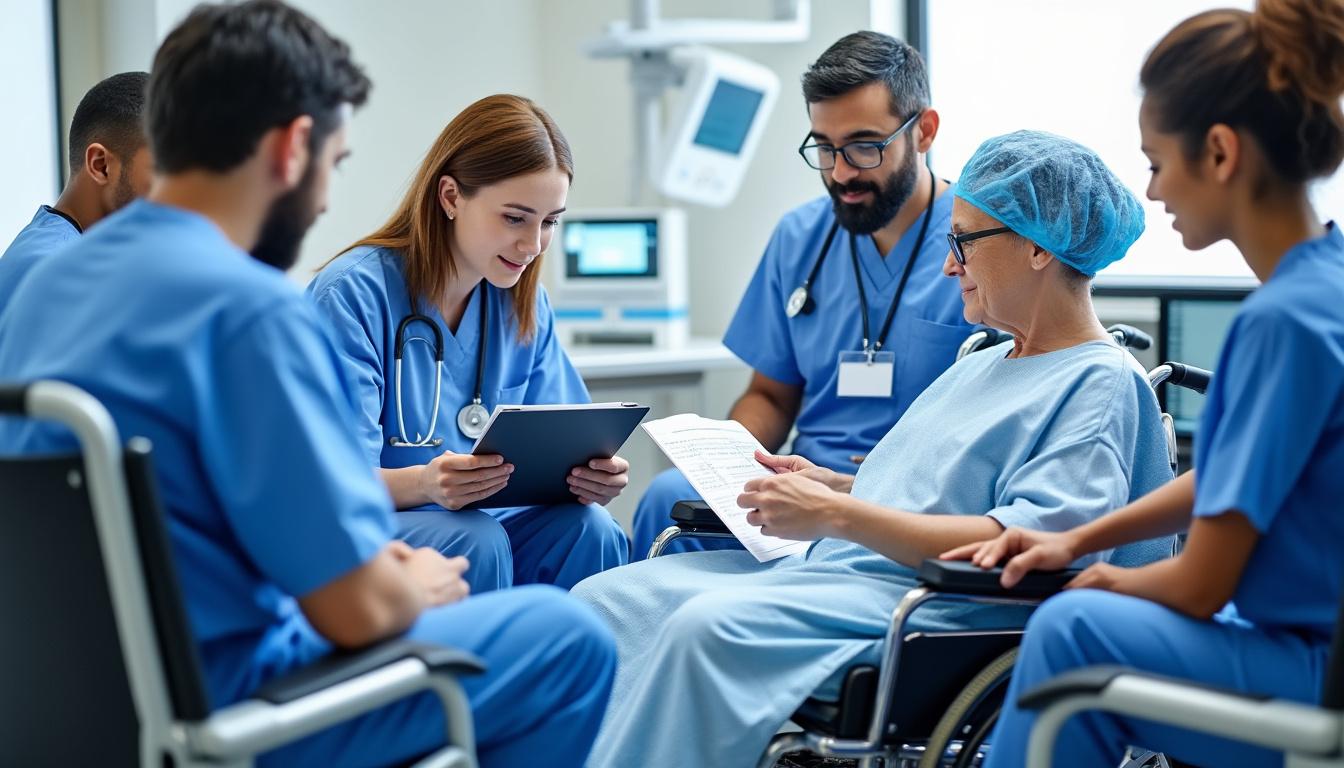
Crucial Role of Patient Education and Health Communication in Pre-Surgery Testing
Effective patient education is fundamental in the preoperative process, empowering patients with knowledge about surgical preparation, risk assessment, and anesthesia consultation. Clear communication alleviates anxiety and enhances compliance with pre-surgery guidelines, thereby improving outcomes.
Key educational components include:
- Understanding the necessity and scope of preoperative testing.
- Detailed discussion of potential risks and expected benefits.
- Guidance on medication adjustments and lifestyle modifications.
- Anesthesia consultation and preparation strategies.
This educational framework fits within a comprehensive evaluation model endorsed by leading health authorities and aligns closely with the evolving standards of Quebec healthcare systems. The combination of medical history review and patient-centered discussions facilitates appropriate surgical clearance.
| Educational Topic | Patient Outcomes Supported |
|---|---|
| Preoperative Testing Importance | Patient readiness and risk mitigation |
| Risk Assessment and Communication | Informed consent and adherence |
| Medication and Lifestyle Guidance | Reduced perioperative complications |
| Anesthesia Preparation | Smoother induction and recovery phases |
Additional insights on this patient education approach can be explored in detailed reviews such as those found on Comprehensive Guide to Preoperative Care.
Comparateur préopératoire
Filtre les entrées du tableau en fonction de votre rechercheWhat medical tests should Quebec patients prepare for their preoperative assessment?
Patients should provide recent imaging such as MRI and CT scans, a full medical history, and a detailed medication list. Specialized questionnaires will be used to evaluate functional status.
How long does the complete preoperative process usually take?
Thanks to international coordination, preparation is often completed within weeks, significantly faster than typical timelines in Quebec.
Who oversees postoperative follow-up once patients return to Quebec?
Neurothérapie Montréal under Marcel Mazaltarim ensures rigorous clinical evaluation, regular neurofunctional assessments, and tailored rehabilitation support.
Which surgical techniques are preferred for Quebec patients in France?
Minimally invasive methods, dynamic implants like TOPS and Intraspine, and disc prostheses are prioritized to preserve mobility and decrease postoperative pain.
Can comprehensive preoperative assessment sometimes help patients avoid surgery?
Preoperative assessment guides conservative treatments when feasible; however, surgery remains essential for certain cases to ensure lasting relief and improved quality of life.