
Lumbar Disc Herniation in Saint-Laurent: A Guide to Neurovertebral Decompression Therapy and What to Expect During Your Session
November 18, 2025
Exploring the Hidden Benefits of rTMS Integration Following Surgery
November 19, 2025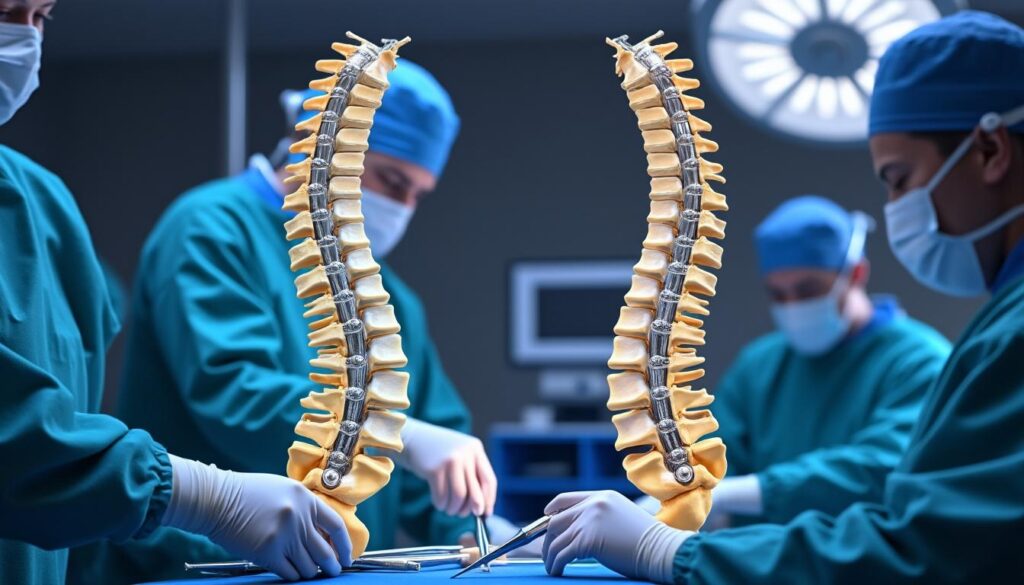
The landscape of spinal surgery has seen remarkable advancements in recent decades, introducing an array of tailored approaches that not only address pain and structural issues but also emphasize preserving the spine’s natural biomechanics. This evolution is particularly evident in the growing differentiation between simple surgery, fusion techniques, and motion preservation strategies. Patients suffering from chronic back and neck pain now have access to multifaceted care pathways that align with their specific medical conditions, lifestyle needs, and long-term wellness goals. Across North America and Europe, especially through innovative collaborations such as the transatlantic partnership between Canadian clinics and leading French surgical centers, the emphasis has shifted towards procedures that minimize invasiveness while maximizing functional outcomes.
Simple surgery primarily focuses on targeted relief by decompressing nerve roots to alleviate pain and neurological symptoms, a method gaining favor for its minimally invasive nature and rapid postoperative recovery. Fusion techniques, in contrast, prioritize mechanical stability by rigidly linking vertebrae, suitable for cases where instability or structural deformities dominate the clinical picture. The third pillar, motion preservation, represents a surgical innovation that maintains range of motion at the operative site, leveraging advanced implants and biomechanics insights to reduce complications often associated with permanent fusion. Collectively, these approaches encapsulate the dynamic evolution in orthopedic spinal procedures, fueled by cutting-edge technologies, surgical precision, and a holistic understanding of postoperative rehabilitation. This article explores these complex yet interrelated strategies, highlighting their surgical nuances, recovery profiles, and biomechanical rationale.
Simple Surgery in Spinal Care: Techniques that Prioritize Mobility and Rapid Recovery
Simple surgery within the context of spinal care refers to surgical interventions that aim to decompress affected nerves without compromising the spine’s inherent motion or stability. Procedures such as discectomy and laminectomy fit this category and have demonstrated significant benefits in cases of localized herniated discs or mild spinal stenosis.
Discectomy involves the removal of herniated disc material pressing on nerve roots, relieving radiculopathy or sciatica symptoms. Laminectomy, on the other hand, entails the excision of part of the vertebral lamina to open up the spinal canal space, thereby reducing nerve pressure. These surgeries preserve the spinal segments’ flexibility and functionality, which is especially valuable for patients who require a quicker return to their daily routines or physical activities.
Minimally invasive and endoscopic techniques have revolutionized this form of surgery, significantly limiting tissue trauma and postoperative discomfort. For example, modified microdiscectomy uses small incisions and microscopes, reducing hospitalization time to just a few days and accelerating recovery.
Key advantages of simple surgery include:
- Preservation of natural spinal biomechanics: By avoiding fusion, the normal movement of adjacent vertebral segments remains intact, minimizing the risk of secondary degenerative changes.
- Reduced operative time and blood loss: These procedures are generally quicker and safer, with fewer perioperative complications.
- Shortened postoperative recovery: Patients typically experience reduced pain and can often resume normal activities within weeks.
Nonetheless, simple surgery has limitations. It is less effective where spinal instability or deformity is present, and patients with more advanced degenerative changes may require more complex interventions. The decision-making process must be guided by detailed imaging and clinical assessment focusing on patient-specific factors such as symptom severity, neurological deficits, and lifestyle demands.
The comprehensive evaluation process often incorporates state-of-the-art imaging and biomechanical analysis to ensure accurate diagnosis and optimal matching of surgical technique. Platforms like advanced spinal care pathways in France highlight the importance of tailored treatment plans combining simple surgery with conservative management to enhance functional outcomes.
| Technique | Primary Goal | Impact on Mobility | Typical Recovery Time | Limitations |
|---|---|---|---|---|
| Discectomy | Remove herniated disc material | Maintains segmental motion | 2-4 weeks | Not suitable for instabilities |
| Laminectomy | Decompress spinal canal | Preserves natural biomechanics | 3-6 weeks | Less effective with severe stenosis |
For patients experiencing mild to moderate nerve compression symptoms, these simple surgical options provide an essential balance of pain relief with maintained function, enabling optimal postoperative recovery while preserving spinal biomechanics.

Understanding Neurovertebral Decompression: A Guide for Quebec Patients
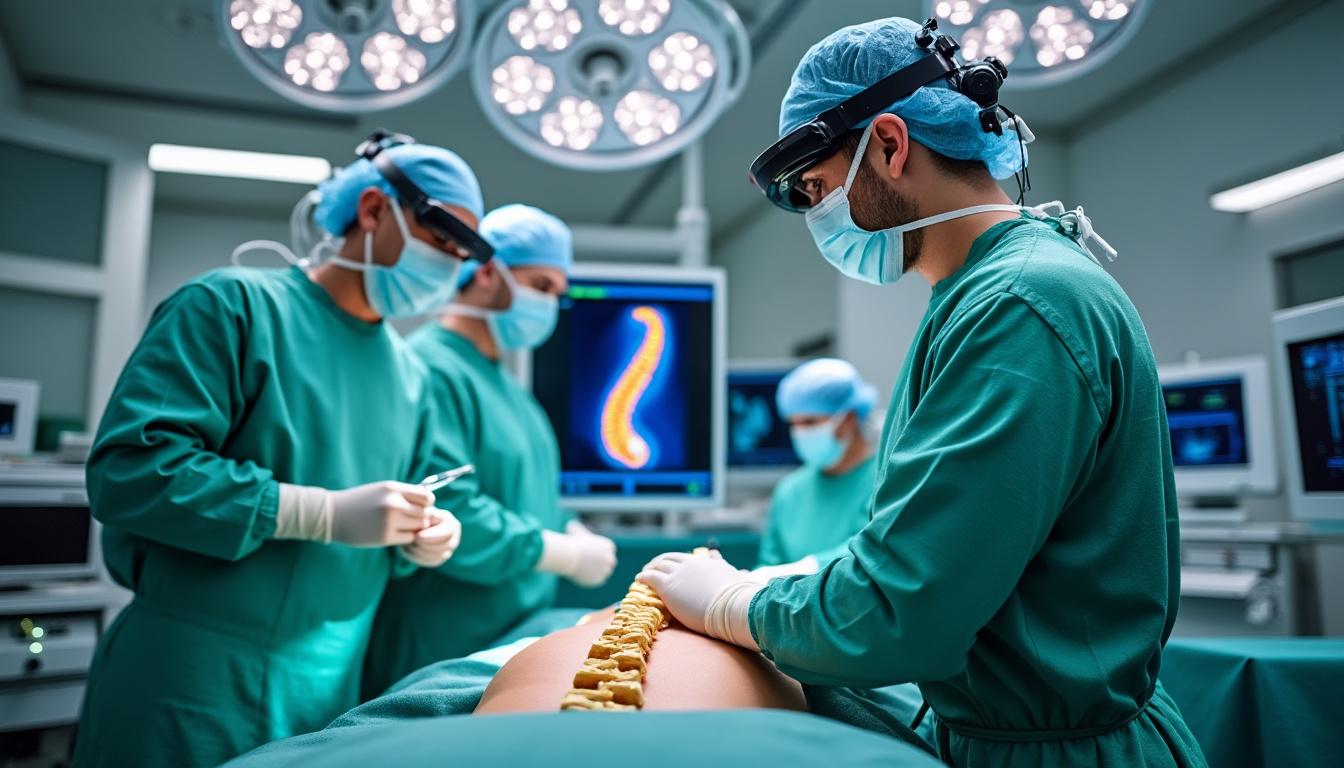
Chronic spinal disorders represent a growing challenge for many Quebec patients, affecting mobility, comfort, and overall quality of life. Traditional surgical approaches, while sometimes necessary, often carry risks that lead many to seek alternative treatments. Neurovertebral decompression emerges as a…
Fusion Techniques: Ensuring Stability in Complex Spinal Pathologies
When spinal instability or deformities are primary contributors to pain and dysfunction, fusion techniques become a pivotal intervention. In these cases, the surgical objective focuses on rigidly immobilizing one or multiple affected vertebral segments to alleviate mechanical stress and prevent further pathological movement.
Spinal fusion involves the use of implants such as pedicle screws, cages, and plates, combined with bone grafts, to facilitate an osseous bridge between vertebrae. This process effectively eliminates motion at the treated segment, which corresponds to a significant clinical benefit in conditions like advanced spondylolisthesis, scoliosis, or vertebral fractures.
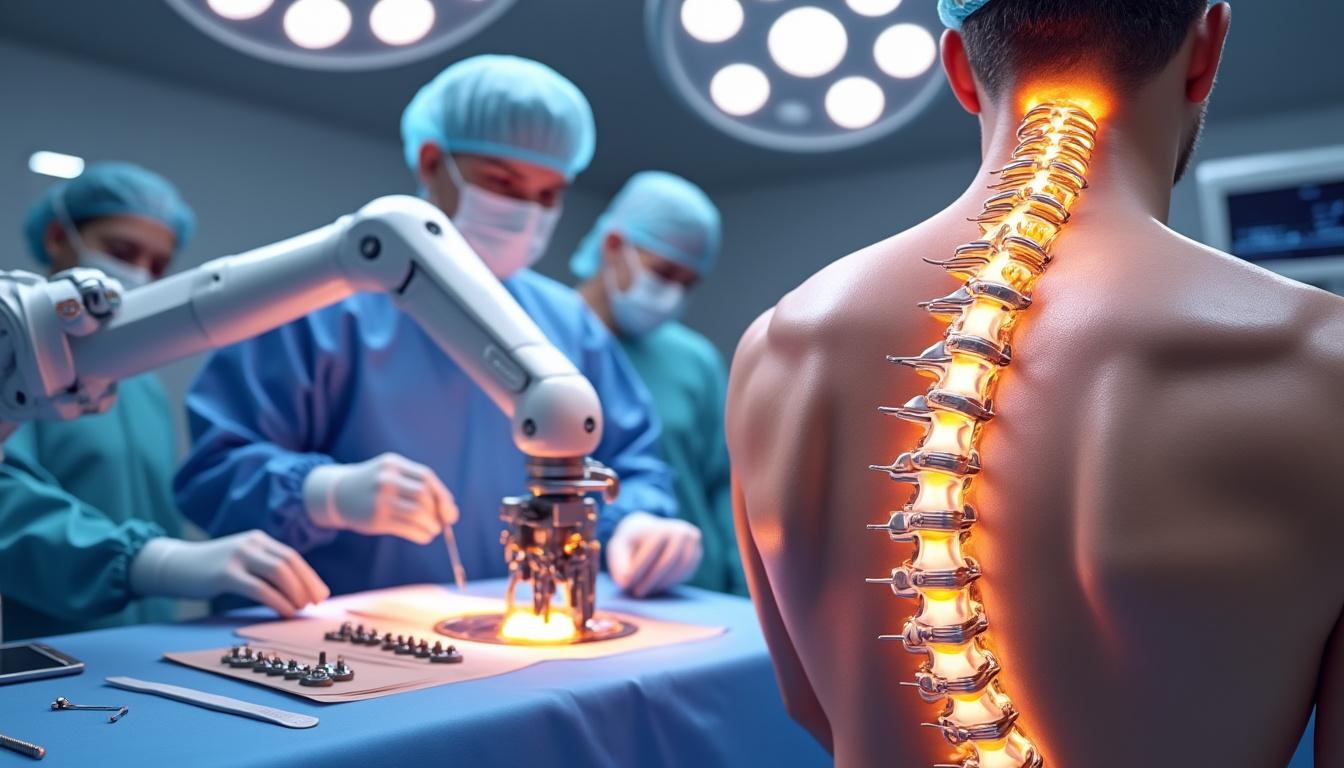
Advancements in instrumentation and minimally invasive fusion have improved patient outcomes, resulting in less tissue disruption, reduced blood loss, and shorter hospital stays compared to earlier open procedures. Robotic assistance and 3D navigation provide enhanced precision in implant placement, further decreasing complications and improving surgical innovation.
Despite these advantages, spinal fusion imposes intrinsic biomechanical changes on the spine:
- Loss of segmental range of motion: The fused vertebral level becomes biomechanically inactive.
- Increased stress on adjacent segments: Adjacent vertebrae may experience accelerated degenerative changes, potentially leading to adjacent segment disease.
- Prolonged postoperative recovery: Fusion surgery typically requires months for full bone healing and rehabilitation.
Selecting fusion requires a careful balance between stabilizing painful motion and preserving as much overall spinal function as possible. Emerging clinical data, as discussed in detailed reviews such as those at international journals, underline the necessity of precise indications.
| Fusion Type | Indications | Biomechanical Impact | Recovery Duration | Known Risks |
|---|---|---|---|---|
| Posterior Lumbar Fusion | Spondylolisthesis, instability | Eliminates motion at fused segment | 3-6 months | Risk of adjacent segment degeneration |
| Anterior Cervical Fusion | Degenerative disc disease, trauma | Rigid stabilization, loss of movement | 3-4 months | Potential dysphagia, nerve injury |
Understanding these implications informs the integration of fusion within a patient’s overall biomechanical context. Advanced preoperative planning and patient-specific simulations, supported by platforms such as Mayo Clinic’s spinal care guides, have become invaluable in tailoring interventions.

Quality and Certification of Devices: Insights and Experiences from the Field
In the rapidly evolving landscape of medical technologies, the quality assurance and certification of devices have become pivotal in ensuring patient safety and optimizing clinical outcomes. Particularly in complex fields like spinal surgery, stringent compliance with regulatory frameworks helps bridge…
Motion Preservation: The Next Frontier in Spinal Surgery
Motion preservation strategies are reshaping spinal surgery by offering dynamic stabilization techniques that maintain native spinal motion, thereby addressing limitations posed by traditional fusion.
Innovative implants such as the TOPS system and Intraspine device dynamically support the vertebral segment while permitting a significant proportion of physiological range of motion—typically between 60% and 80%. These devices regulate flexion, extension, and rotational movements, aiming to reduce neuropathic pain and prevent adjacent segment degeneration.
Motion preservation is indicated for cases with mild to moderate spinal instability, early degenerative disc disease, or for patients prioritizing function and mobility. It serves as a compelling alternative for candidates desiring to avoid the functional losses associated with fusion.
The biomechanical rationale behind motion preservation draws parallels from orthopedic techniques in hip and knee arthroplasty, where maintaining joint mobility is associated with better long-term outcomes. Clinical studies have demonstrated motion-preserving procedures achieve comparable pain relief to fusion but with faster postoperative recovery and improved quality of life.
- Key Benefits:
- Preservation of spinal mobility postoperatively
- Reduction of stress on adjacent discs, delaying degenerative changes
- Improved patient satisfaction through maintained physical function
As this field evolves, surgeons are becoming increasingly skilled in patient selection and implant technology, underpinned by educational offerings such as those evident in motion-preserving spine surgery resources.
| Device | Motion Preservation Level | Indications | Recovery Time | Challenges |
|---|---|---|---|---|
| TOPS System | Up to 80% | Moderate stenosis, early degeneration | 4-6 weeks | Requires rigorous patient selection |
| Intraspine Device | 60-70% | Mild instability, discogenic pain | 4-6 weeks | Relatively new, long-term data pending |
Incorporating motion preservation techniques represents an alignment of surgical innovation with the evolving understanding of spinal biomechanics and patient-centered care objectives.
How to Effectively Prepare for Surgery in France: A Comprehensive Guide
Undergoing surgery in a foreign country can be a complex and demanding endeavor. France, renowned for its advanced healthcare system and cutting-edge surgical techniques, attracts many patients seeking top-tier medical care. However, preparing for surgery in France involves meticulous planning,…
Advances in Minimally Invasive Spinal Surgery: Enhancing Outcomes Across Techniques
All these surgical categories—simple surgery, fusion, and motion preservation—have benefited enormously from minimally invasive innovations, which minimize damage to soft tissues and reduce overall operative morbidity. The integration of microsurgical tools, endoscopic approaches, and robotic navigation has set new standards for precision and safety.
These technologies enable surgeries to be performed through smaller incisions, leading to diminished postoperative pain, less blood loss, and faster mobilization. Robotic systems, paired with 3D imaging, assist surgeons in accurate implant placement, key especially for complex fusion and motion-preserving procedures.
- Minimally invasive spine surgery advantages:
- Reduced operative stress and trauma
- Lower infection risk and fewer complications
- Shorter hospital stays and expedited rehabilitation
Centers of excellence, such as those described in Mount Sinai’s spinal care innovations or the advanced service networks integrating Canadian and French expertise, exemplify the application of such protocols to improve patient pathways and postoperative recovery.
| Technique | Benefits | Challenges | Applicability |
|---|---|---|---|
| Endoscopic Discectomy | Minimal tissue disruption, quick recovery | Requires specialized skills | Simple surgery cases |
| Robotic-Assisted Fusion | High accuracy, reduced complications | Cost and learning curve | Complex fusion cases |
| Motion Preservation with Navigation | Maintains motion, precise implantation | Emerging techniques need robust data | Mild to moderate instability |
This ongoing evolution has led to better preservation of spinal mechanics across various orthopedic procedures, aligning medical interventions with patient-specific needs and long-term functionality.
Can Integrating rTMS Post-Surgery Help Patients Avoid Additional Surgical Interventions?
The integration of repetitive transcranial magnetic stimulation (rTMS) into post-surgical care has emerged as a transformative advancement in enhancing patient recovery after spinal surgery. This non-invasive neuromodulation technique offers a promising adjunct to traditional rehabilitation programs, potentially minimizing the need…
Transatlantic Collaborations: Elevating Spinal Surgery through Canada-France Partnerships
Publications and clinical models underline the value of international cooperation in advancing patient care in spinal surgery. The transatlantic network coordinated by the renowned Dr. Sylvain Desforges epitomizes how countries can pool expertise, technology, and patient management strategies. This collaboration links assessment and conservative care at Quebec’s Clinique TAGMED with advanced surgical centers in France, combining best practices in spinal decompression, fusion, and motion preservation.
The patient journey is highly structured:
- Comprehensive diagnostic evaluation and conservative treatment in Canada — including neurovertebral decompression and osteopathic care.
- Surgical intervention facilitated in France — benefiting from robotic-assisted, minimally invasive procedures.
- Postoperative follow-up and rehabilitation back in Quebec — under multidisciplinary care through Neurothérapie Montréal.
This integrated pathway balances innovation with continuity of care, leveraging combined knowledge to optimize biomechanical outcomes and minimize surgical risks. It exemplifies the future model for complex orthopedic procedures requiring high-level coordination.
| Care Phase | Location | Focus | Key Benefits |
|---|---|---|---|
| Evaluation & Conservative Care | Quebec (Clinique TAGMED) | Symptom assessment, neurovertebral decompression | Minimize premature surgery, optimize nonsurgical treatment |
| Surgical Treatment | France (Specialized centers) | Minimally invasive, robotic-assisted surgery | Access to advanced implants, reduced complications |
| Postoperative Rehabilitation | Quebec (Neurothérapie Montréal) | Multidisciplinary follow-up, pain management | Individualized recovery, complication monitoring |
Such initiatives accentuate the importance of patient-centered strategies in spinal surgery and evidence-based practices, enhancing both immediate recovery and long-term biomechanical health.
Comparing France and Quebec: Key Insights for Successful Spinal Care Pathways
Spinal disorders represent a prevalent health challenge globally, impacting patient quality of life and posing significant treatment complexities. Comparing how two distinct regions, France and Quebec, approach spinal care offers valuable insights into the organization, innovation, and patient outcomes associated…
Biomechanics of Spinal Implants: Balancing Stability and Movement
Successful spinal surgery hinges on understanding the biomechanical principles underlying different surgical approaches and implants. Whether preserving motion or enforcing stability, implants must interface harmoniously with spinal anatomy and load distribution.
Fusion implants provide rigid stabilization but alter natural load transmission, potentially overburdening adjacent discs and facet joints. In contrast, motion preservation devices maintain segmental kinematics closer to physiological norms, promoting more balanced stress dispersion.
Emerging biomechanical data support the role of motion preservation in reducing the progression of adjacent segment degeneration, a common sequela of fusion. Additionally, innovations in implant materials and design—such as flexible cores and compliant articulation surfaces—improve physiological compatibility.
- Key biomechanical considerations:
- Load sharing and stress distribution across spinal segments
- Preservation of natural range of motion to limit adjacent segment disease
- Implant durability under repetitive spinal movements
- Minimization of micromotion to prevent implant loosening
Ongoing research into implant biomechanics, aided by simulation technologies and precision surgery, is vital to refining approaches that maximize patient function and minimize complications.
| Implant Type | Motion Preservation | Load Distribution Effect | Longevity Expectations | Clinical Application |
|---|---|---|---|---|
| Rigid Fusion Hardware | None | Load shifted to adjacent segments | High durability, possible long-term complications | Severe instability, deformity correction |
| Dynamic Stabilizers (TOPS, Intraspine) | 60-80% | More physiological load distribution | Requires further long-term studies | Mild to moderate instability |
Understanding these principles aids clinicians in choosing appropriate implants and customizing surgical plans consistent with the patient’s mechanical and functional profile.

International Comparison: Spotlight on the Transatlantic Patient Journey
In an era where healthcare demands grow increasingly complex, the transatlantic patient journey offers an illuminating example of how international collaboration enhances access, quality, and outcomes. Facing stretched healthcare systems and extended wait times, patients from regions such as Quebec…
Postoperative Recovery: Enhancing Outcomes through Multidisciplinary Care and Patient Engagement
The period following spinal surgery is critical for translating the biomechanical benefits of surgical intervention into sustained functional recovery. Early mobilization, pain management, and rehabilitation are pillars of postoperative care.
Programs that integrate physical therapy, ergonomic education, ergonomic counseling, and psychosocial support have been shown to improve outcomes while reducing the incidence of complications such as postoperative stiffness or adjacent segment disease.
Patients engaged in their care journey benefit from better motivation and compliance, which correlates directly with faster functional gains. The use of modern monitoring technologies, including telemedicine and remote patient tracking, allows continuous adjustment of rehabilitation plans and early detection of issues.
- Core components of postoperative rehabilitation include:
- Progressive physical therapy focusing on strength and flexibility
- Pain control strategies ranging from medication to alternative therapies
- Education on posture, ergonomics, and lifestyle modifications
- Psychological support to address fear avoidance and promote activity
Collaborative care models such as those offered by Neurothérapie Montréal illustrate how patient-centered postoperative pathways ensure safety and optimal functional restoration.
| Rehabilitation Element | Purpose | Expected Outcome | Challenges |
|---|---|---|---|
| Physical therapy | Improves strength, restores mobility | Enhanced function and pain reduction | Patient adherence varies |
| Pain management | Controls acute and chronic pain | Improved comfort and participation | Balancing medications and side effects |
| Education and ergonomic training | Prevents reinjury, promotes healthy posture | Long-term wellness maintenance | Patient engagement necessary |
| Psychological support | Addresses fear and anxiety | Better recovery motivation | Access may be limited |

Initial Questionnaires and Exams: The Cornerstones of Patient Care Pathways
In the evolving landscape of healthcare, initial questionnaires and exams hold an indispensable role in shaping patient care pathways. These foundational tools act as the first critical step in determining the course of treatment, particularly for complex medical arenas such…
Training and Education in Spinal Surgery: Bridging Expertise and Innovation
The progression of spinal surgery techniques and technologies depends on well-structured training and continuing education for surgeons. European institutions like the French Society of Spinal Surgery (SFCR) and university programs such as Université de Paris diploma courses have created comprehensive curricula to ensure surgeons are proficient in both traditional fusion and advanced motion preservation methods.
Advanced surgical skills are increasingly required to handle complex cases with the aid of robotics, endoscopy, and motion-preserving implants. Regular hands-on workshops and courses, like the IRCAD Strasbourg endoscopic spine courses, emphasize mastery of both clinical knowledge and surgical innovation.
Continued education helps standardize care quality, increase patient safety, and foster further research into optimizing surgical outcomes across various spinal pathologies.
| Training Program | Focus | Key Skills Acquired | Format |
|---|---|---|---|
| DIU Chirurgie du Rachis – SFCR | Fusion, simple, and motion preservation techniques | Advanced surgical techniques, biomechanics understanding | Classroom + hands-on |
| DU Pathologies du Rachis – Université de Paris | Diagnostic and therapeutic approaches in spinal pathologies | Imaging, clinical decision-making, surgical planning | Seminars and case studies |
| Endoscopic Spine Course – IRCAD Strasbourg | Minimally invasive endoscopic surgery | Hands-on endoscopy, new surgical tools | Workshops and live surgeries |
Comparison of Surgical Techniques in Spine Care
| Aspect | Simple Surgery | Fusion Techniques | Motion Preservation |
|---|
What factors influence the choice between simple surgery and fusion techniques?
The primary determinants include the extent of spinal instability, the presence of deformities, the severity of symptoms, and patient-specific lifestyle requirements. Simple surgery suits localized decompression without instability, while fusion is reserved for cases with mechanical instability.
How does motion preservation reduce complications compared to fusion?
By maintaining segmental movement, motion preservation devices distribute loads more physiologically, reducing stress on adjacent discs and minimizing the risk of adjacent segment degeneration, a common issue seen after fusion.
What role does minimally invasive surgery play in spinal procedures?
Minimally invasive techniques reduce tissue trauma, expedite recovery, decrease infection rates, and improve surgical precision. They are applicable in simple decompressions, fusion implant placements, and motion preservation device insertions.
Why is multidisciplinary postoperative care vital after spinal surgery?
Postoperative recovery involves multiple aspects including physical rehabilitation, pain management, ergonomic education, and psychological support. This multidisciplinary approach ensures comprehensive healing and better functional outcomes.
How are surgeons trained in emerging spinal surgery technologies?
Training programs by organizations such as the SFCR and university diplomas combine theoretical knowledge with practical surgical skills workshops. Continuous education in new technologies like robotics and endoscopy keeps surgeons at the forefront of innovation.
The Future of Surgery: Rehabilitation and Return to Work at the Forefront
As surgical techniques evolve with unprecedented sophistication, the landscape of postoperative care is undergoing a revolutionary transformation. The future of surgery is not confined solely to the operating room; rather, it encompasses a holistic approach that integrates advanced rehabilitation and…